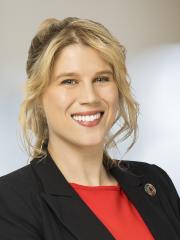
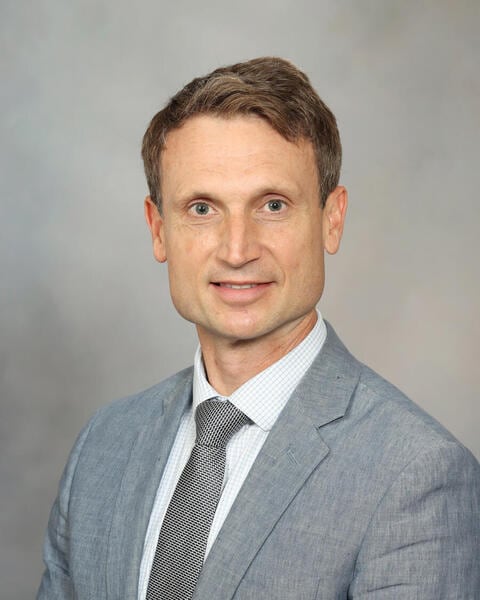
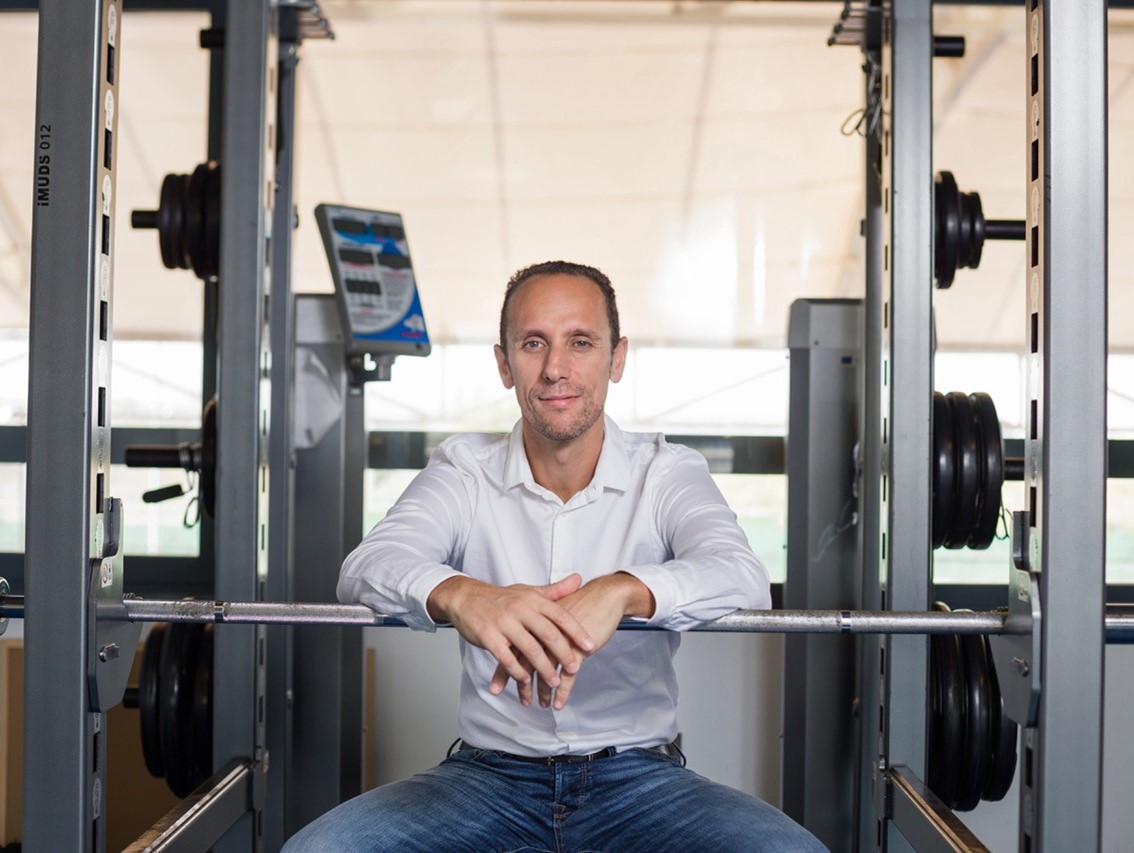
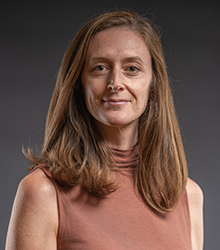
Nicole Brown is an Associate Professor in Education and Academic Head of Learning and Teaching at UCL's IOE - Culture, Communication & Media. Her work focuses on accessibility, creative research methods, and challenges faced by disabled academics. She holds a PhD and multiple certifications, including Senior Fellowship of the Higher Education Academy and RSA Fellowship. University: University College London (UCL) School: IOE - Faculty of Education and Society Department: Culture, Communication and Media Research Interests: Nicole explores embodied inquiry, creative data analysis, and ableism in academia. Her books include Photovoice Reimagined and Ableism in Academia . She advocates for inclusive pedagogies and participatory research methods, often using art-based approaches to highlight marginalized voices. Key Achievements: Nicole has developed frameworks like Systematic Visuo-Textual Analysis and led projects on doctoral education disclosure challenges. She is a sought-after mentor for HEA fellowships and contributes to academic ethics discussions.
Associate Professor Julie Hennegan serves as a Principal Research Fellow at the University of Queensland's School of Public Health. An NHMRC Emerging Leadership Fellow, she is internationally recognized for pioneering research on menstrual health across diverse global contexts. Her research focuses on menstrual health and hygiene management (MHM) with particular emphasis on low- and middle-income countries (LMICs) and marginalized populations. Key areas include: Cultural and structural barriers to menstrual health Development and validation of measurement tools (e.g., Menstrual Practice Needs Scale) Workplace and educational impacts of menstrual challenges Intervention effectiveness in diverse settings Analysis of her recent publications reveals consistent focus on: Methodological innovation in menstrual health measurement Intersectional approaches addressing gender, poverty, and geography Policy-relevant research for Sustainable Development Goals Key recognition: NHMRC Emerging Leadership Fellowship Hennegan leads major international collaborations including the Adolescent Menstrual Experiences and Health Cohort (AMEHC) Study in Bangladesh and contributes to global research networks addressing menstrual health across the life-course. Her work integrates quantitative and qualitative approaches to address menstrual health as a fundamental component of health equity. She actively collaborates with institutions across Africa, Asia-Pacific, and Australia, with notable work on Indigenous Australian menstrual health and school-based interventions in LMICs.
Dr. Emily Beadle is a Lecturer in Health Psychology at the University of Hertfordshire, affiliated with the Department of Psychology, Sport and Geography, Health Research Methods Unit, and Centre for Health Services and Clinical Research within the School of Life and Medical Sciences. Her research focuses on kidney health inequalities, body compassion's role in health behaviors (e.g., exercise and eating), and moral injury among healthcare workers. She has supervised undergraduate and postgraduate projects in Health Psychology. Education: PhD in Psychology (Body Shame, Body Compassion and Physical Activity, 2020) and MSc in Research Methods in Psychology (2015), both from the University of Hertfordshire. Research Projects: "Mitigating poor cultural adaptation as a barrier to South Asian people consenting to take part in kidney research in the UK" (NHS-funded, 2024-2025) "Experiences of moral injury in healthcare workers: a rapid systematic review of qualitative studies" (2021-2023) "CORePa: UK Long COVID Research Partnership" (2021-2022) Key Collaborations: Worked with NHS East of England and cross-disciplinary teams on projects addressing healthcare worker well-being and kidney health disparities. Labs/Teams: Active in the Health Research Methods Unit and Centre for Health Services and Clinical Research, contributing to interdisciplinary research initiatives.
Dr. Ying-hui Chou is an Associate Professor in the Department of Psychology and Director of the Brain Imaging and Transcranial Magnetic Stimulation (TMS) Laboratory at The University of Arizona. Her research integrates advanced neuroimaging techniques, TMS, and behavioral assessments to address cognitive aging, mild cognitive impairment (MCI), and Alzheimer’s disease (AD). Education: Sc.D. in Biomedical Engineering Dr. Chou’s work focuses on developing image-guided TMS protocols for memory enhancement, investigating brain-behavior relationships through region-to-region interactions, and identifying TMS-derived/imaging-based biomarkers for early diagnosis and therapeutic outcome prediction. Her studies span neurodegenerative disorders, with emphasis on the aging brain and its plasticity. The 15 most recent publications highlight her lab’s expertise in TMS-fMRI integration, biomarker discovery, and neuromodulation for cognitive decline. Key themes include hippocampal plasticity, default mode network targeting, and multi-modal approaches combining EEG, MRI, and gut microbiome analysis. Dr. Chou teaches courses such as PSY 300 (Mind & Brain), PSY 321 (Brain Rehabilitation), and PSY 422 (Brain Connectivity). Her lab actively recruits participants for TMS/MRI studies on memory preservation in aging. Current funding includes: NIH/NIA R01: Enhancing hippocampal plasticity via TMS DoD grant for TMS sleep improvement VA Merit Grant: Carotid disease and dementia Past grants from NIH, University of Arizona, Arizona Alzheimer’s Consortium, and Cancer Center support her ongoing contributions to neurostimulation methodology and clinical applications.
Prof. Dr. Veronika Waldboth is a Professor for Family-Centered Nursing at the ZHAW School of Health Sciences (Institute of Nursing). Her work focuses on Advanced Practice Nursing (APN) , Rare Diseases , Digital Technologies in Nursing , and Participative Mixed Methods Research . PhD in Nursing (2013-2017) from King's College London MSc and BSc in Nursing from Zurich University of Applied Sciences and University of Verona Her research explores family transitions in chronic conditions, with emphasis on neuromuscular diseases and low-birth-weight infants . She leads projects like the Swiss Nursing Research Agenda and Care-NMD-CH , focusing on interprofessional care models and digital health platforms. Recipient of the 2015 Nursing Science Foundation Switzerland Young Researchers Award Active in Rare Disease Action Forum and ORCID ID 0000-0003-2785-3241 Current projects include Care Management for Neuromuscular Diseases and Global Bridge in Health Professions Education . Her teaching includes Advanced Practice Competencies and Rare Diseases Nursing Education .
Professor Jo Leonardi-Bee is a faculty member at the University of Nottingham within the School of Medicine . As Professor of Evidence Synthesis and Co-Director of the Nottingham Centre for Evidence-Based Healthcare (JBI Centre of Excellence), her work focuses on quantitative evidence synthesis, Cochrane reviews, and clinical guideline development. Education: BSc in Mathematics & Chemistry, Nottingham Trent University MSc in Medical Statistics, University of Leicester PhD and PGCHE, University of Nottingham Her research spans tobacco control (smoking cessation, legislation impact, maternal exposure) and dermatology (skin cancer, corticosteroid safety). She specializes in meta-analysis techniques, systematic reviews, and health policy evaluation, with over 50 peer-reviewed publications. Recent publications highlight trends in respiratory health (alcohol/smoking effects), pregnancy outcomes (smoking cessation interventions), and allergy prevention (infant dietary guidelines). She serves as Statistical Editor for the British Journal of Dermatology and former Cochrane Skin Group editor. Teaching includes postgraduate modules in systematic reviews and developing reusable learning objects for evidence-based practice. Current funded projects include maternal tobacco control initiatives, familial hypercholesterolemia management, and infant feeding guidelines with the Health Technology Assessment (HTA) program.
Dr. Jeanie Sheffield is an Honorary Associate Professor at the School of Psychology, University of Queensland. She maintains an active research profile with numerous publications spanning clinical psychology, child development, and mental health interventions. Her work primarily focuses on supporting children with neurodevelopmental conditions and their families through evidence-based interventions. Dr. Sheffield's research interests span several key areas in clinical psychology and child development. She has made significant contributions to understanding and addressing the needs of children with autism spectrum disorder, cerebral palsy, and other neurodevelopmental conditions. Her work particularly emphasizes parenting interventions, with a strong focus on Acceptance and Commitment Therapy (ACT) approaches delivered through both traditional and innovative online formats. She has also conducted important research on depression prevention in adolescents, eating disorders, and the development of quality of life measures for children with chronic health conditions. Analysis of Dr. Sheffield's recent publications reveals a consistent focus on evidence-based interventions for children with neurodevelopmental conditions and their families. Her work demonstrates a progression from foundational research on depression prevention and eating disorders toward more specialized interventions for children with autism spectrum disorder and cerebral palsy. A notable trend is her increasing use of digital and online platforms to deliver psychological interventions, making evidence-based care more accessible to families. Her research often employs rigorous methodologies including randomized controlled trials and systematic reviews. Dr. Sheffield has been involved in significant collaborative research projects, particularly those focused on: Parenting interventions for children with cerebral palsy using Acceptance and Commitment Therapy Mental health support for Indigenous populations through digital platforms Development and validation of quality of life measures for children with chronic health conditions Interventions for children with autism spectrum disorder and related conditions
Glen Bates is a Professor in the School of Health Sciences at Swinburne University of Technology , Australia. His research focuses on trauma, mental health, and psychological well-being, with a particular emphasis on social anxiety, complex PTSD, self-compassion, and resilience. He has a strong publication record and actively supervises PhD students across diverse topics in clinical and health psychology. His research interests span several interconnected domains: Clinical and health psychology, especially trauma-related disorders and mood disorders Social and personality psychology, focusing on stigma, resilience, and identity Applied and developmental psychology, including educational and workplace mental health Digital mental health interventions and telehealth applications Mechanisms of therapy such as emotion regulation, mindfulness, and nonattachment His recent publications reveal a consistent focus on understanding psychological mechanisms in anxiety, trauma, and resilience. The articles show strong use of advanced statistical methods (meta-analysis, structural equation modelling) and qualitative approaches (thematic analysis, phenomenological inquiry). Key themes include the measurement and treatment of complex PTSD, the role of self-compassion and emotion regulation in social anxiety, resilience among marginalized populations, and the impact of societal challenges like the pandemic and food insecurity on mental health. Scientific contributions include: Over 100 publications including high-impact journal articles Systematic reviews and meta-analyses advancing methodological rigor in trauma and anxiety research Development and validation of digital interventions for mental health Exploration of novel constructs such as nonattachment and their role in psychological development He has supervised numerous Doctoral (PhD) candidates, with projects covering areas such as EMDR therapy, digital mental health, intergenerational trauma, HIV resilience, and workplace stress. His grant funding includes projects on monitoring anxiety and depression nationally and on raising teacher status through social innovation. He leads a research program that bridges clinical psychology with public health and educational innovation. He is actively involved in research teams and collaborations, particularly in projects related to trauma, mental health interventions, and social innovation in education. His work often involves interdisciplinary collaboration across psychology, public health, and digital technology.
Sue Schutz is a Senior Lecturer at the Oxford School of Nursing and Midwifery, Oxford Brookes University, where she contributes significantly to teaching and research in nursing. She teaches on the Professional Doctorate in Nursing and Midwifery and supervises PhD and Professional Doctorate students. Her research interests center on reflective practice in nursing , qualitative research methods , and patient and caregiver experiences in chronic illness, particularly in cancer care, heart failure, and hypertension. She is also deeply engaged in clinical communication, mental health nursing, and the impact of digital health innovations during and after the pandemic. The recent publications reflect a strong trend in qualitative and mixed-methods research focused on understanding patient, caregiver, and clinician experiences across diverse settings—from robotic surgery and remote consultations to end-of-life care and mental health challenges. Her work emphasizes empathy, ethical practice, and the application of reflective methodologies in clinical and educational contexts. Scientific Affiliations and Memberships: Royal College of Nursing Phi Mu Chapter, Sigma Scientific Committee, Sigma European Research Conference Co-chair, OxPINTS (Oxford Philosophy Informing Nursing Theory) Sue Schutz actively supervises doctoral students and welcomes new PhD and Professional Doctorate candidates in nursing and midwifery. Her research is supported through institutional affiliations and collaborative projects, particularly in supportive cancer care and heart failure. She has co-edited the book Reflective Practice in Nursing and continues to influence nursing education and practice through scholarship and leadership. She is involved in key research groups focusing on Supportive Cancer Care and Caregivers and Heart Failure , contributing to interdisciplinary efforts to improve patient and caregiver outcomes.
Viv Chuter is an Honorary Professor in the School of Health Sciences at the University of Newcastle, specializing in Podiatry. With over 10 years of clinical experience in the private and public sectors across Victoria, Tasmania, and New South Wales prior to academia, she has made significant contributions to podiatric education and research. She played a key role in developing and establishing the undergraduate Bachelor of Podiatry program, which has received multiple university and national awards for teaching excellence. Professor Chuter's research focuses on diagnosis and treatment of musculoskeletal and vascular pathology of the lower extremity, including lower extremity biomechanical function and injury management, foot function and back pain, and biomechanical and vascular function in people with diabetes. Her expertise spans three-dimensional gait analysis, electromyography, plantar pressure analysis, musculoskeletal assessment and rehabilitation, and lower extremity vascular assessment. Her work has particular relevance to diabetes and the high-risk foot, addressing critical issues in diabetic foot complications and vascular assessment. Her recent publications demonstrate consistent research activity in diabetic foot complications, vascular assessment in diabetes, and biomechanics. She has contributed significantly to international guidelines on diabetes-related foot disease and has explored innovative approaches to foot care for Aboriginal and Torres Strait Islander Peoples. Her work shows a clear trajectory toward improving clinical assessment methods, developing evidence-based guidelines, and addressing health disparities in foot care. Scientific Awards: University of Newcastle Work Integrated Staff Member of the Year Award Vice Chancellors Award for Teaching and Learning Support Office of Teaching and Learning Citation for Outstanding Contributions to Student Learning 2015 Roche Best Oral Presentation Award ADS/ADEA Annual Scientific Meeting 2014 Faculty of Health and Medicine Indigenous Collaboration Award 2013 Office of Learning and Teaching Citation for Outstanding Contribution to Student Learning 2012 Vice-Chancellors Award 2011 Community Engagement Award 2010 University of Newcastle Work Integrated Learning Award Professor Chuter has attracted competitive and industry funding for her research and currently supervises multiple PhD and Honours students across her research areas. She is affiliated with the Hunter Medical Research Institute and collaborates with researchers from the Australian Catholic University and the University of Sydney. Her work bridges clinical practice, education, and research, with a strong emphasis on translating evidence into improved patient outcomes, particularly for vulnerable populations including people with diabetes and Indigenous communities.
Dr. Devin Oglesbee is a Professor and current Chair of the Department of Laboratory Medicine and Pathology at Mayo Clinic College of Medicine in Rochester, Minnesota. He serves as Clinical Competency Committee Chair for the Division of Laboratory Genetics and Genomics and maintains active roles in multiple professional organizations including the American College of Medical Genetics and Genomics. PhD in Molecular Biology from University of Oregon (2004) BS with Distinction from University of Oregon (1997) Post-Baccalaureate Program at Universite Lumiere, Lyon (1999) Residency and Fellowship training at Mayo Clinic in Clinical Molecular Genetics and Clinical Biochemical Genetics (2006-2007) Dr. Oglesbee's research focuses on molecular and biochemical genetics with particular emphasis on mitochondrial diseases, inborn errors of metabolism, and newborn screening methodologies. His work bridges laboratory medicine and clinical practice, developing innovative diagnostic approaches for rare genetic disorders. He has pioneered techniques in metabolomics, mass spectrometry-based diagnostics, and biomarker discovery for mitochondrial disorders. His publication record demonstrates consistent contributions to understanding genetic mechanisms of neurodevelopmental disorders, lysosomal storage diseases, and metabolic conditions. Recent work shows increasing focus on multi-omics integration, telehealth applications in rare disease diagnosis, and development of novel diagnostic methodologies for challenging genetic conditions. His research often involves collaboration through the Undiagnosed Diseases Network, highlighting his role in solving complex diagnostic cases. Excellence Through Teamwork Award from Mayo Clinic (2022) Multiple Travel Awards from Society of Inherited Metabolic Disease (2005-2006) William Sistrom Family Bioenergetics Scholarship from University of Oregon (2003) Molecular Biology Training Grant from National Institutes of Health (2000) As Department Chair, Dr. Oglesbee oversees laboratory operations while continuing active research in genetic diagnostics. His work has significantly influenced newborn screening protocols and diagnostic algorithms for metabolic disorders. He serves on numerous committees including the Clinical Laboratory Standards Institute Document Development Committee and as an Ad Hoc Reviewer for the College of American Pathologists, demonstrating leadership in establishing standards for laboratory medicine. Dr. Oglesbee is actively involved with the Mayo Clinic's Undiagnosed Diseases Network site, contributing to the diagnosis of rare genetic conditions through advanced genomic and metabolomic approaches. His laboratory focuses on developing and implementing novel diagnostic methodologies for mitochondrial disorders and inborn errors of metabolism, with particular expertise in mass spectrometry-based techniques.
Jessica E Toft is an Associate Professor in the Social Work department at the University of Minnesota , focusing on the intersection of neoliberalism , social work education , and critical social theory . Her work addresses systemic challenges in social work practice through empirical and theoretical lenses. Email: jtoft@umn.edu Research Interests include neoliberalism's impact on social work, historical integration in education, and critical theories of labor and citizenship. She aligns her work with UN Sustainable Development Goals related to poverty , social justice , and equity . Recent research trends emphasize neoliberal managerialism in supervision, curriculum innovation, and scoping reviews of policy impacts. Her publications span articles, book chapters, and editorial commentaries, often co-authored with interdisciplinary collaborators.
Kara M. Whitaker serves as Associate Professor and Director of Graduate Studies in the Department of Health and Human Physiology within the College of Liberal Arts and Sciences at the University of Iowa. Her research focuses on modifiable lifestyle behaviors including sedentary behavior, physical activity, and sleep patterns across diverse populations. Her primary research interests include physical activity epidemiology , sedentary behavior epidemiology , sleep epidemiology , maternal and child health , cardiovascular disease , and health disparities , with particular emphasis on at-risk groups including pregnant/postpartum women, rural populations, and marginalized communities. The Physical Activity and Women's Health Lab (PAWH) under her direction investigates determinants and health effects of lifestyle behaviors to inform behavioral interventions. Dr. Whitaker's recent work demonstrates strong trends in pregnancy epidemiology (Pregnancy 24/7 cohort), postpartum cardiovascular health , and health equity applications . Her publications increasingly integrate objective activity monitoring with clinical outcomes, focusing on sedentary behavior reduction strategies and cardiovascular risk assessment in vulnerable populations. Mid-Career Faculty Scholar Award (2025) NIH-NHLBI R01 grant for Offspring Study (2023) American Heart Association special issue guest editor (2024) She mentors multiple doctoral students and postdoctoral researchers including Lisa VanWiel, Jackie Dziewior, and Jacob Gallagher. Her lab has secured significant NIH funding including diversity supplements for the Pregnancy 24/7 Offspring Study. Current research initiatives include the Pregnancy 24/7 cohort examining 24-hour activity patterns, the Postpartum 24/7 study, and the Offspring Study tracking cardiovascular outcomes in children.
Francisco B. Ortega (Fran) is a Full Professor at the Faculty of Sports Sciences of the University of Granada, Spain . He serves as co-director of the PROFITH research group and co-heads the Physical Activity and Health Promotion Research Unit at the Joint University Institute of Sport and Health (iMUDS). His academic journey includes dual PhDs in Exercise Physiology (University of Granada) and Medical Sciences (Karolinska Institute) and postdoctoral work in Sweden and the USA. PhD, Exercise Physiology - University of Granada PhD, Medical Sciences - Karolinska Institute His research focuses on: Physical fitness assessment and accelerometry Exercise effects on cardiovascular, mental, and brain health Wearable technology applications in sports science Obesity prevention via physical activity Longitudinal health outcomes from adolescent fitness Recent publications highlight trends in global fitness norms , exercise interventions for coronary patients , pediatric obesity prevention through VR , and brain-cognition relationships in children . He received the prestigious Ramón y Cajal Research Fellowship and has led high-impact studies like the ActiveBrains and AGUEDA trials.
Nichole Kelly is an Evergreen Associate Professor at the College of Education , University of Oregon. She is affiliated with multiple departments including Counseling Psychology, Couples and Family Therapy, Family and Human Services, and Prevention Science. Postdoctoral Research Fellowship, Behavioral Health Psychology (2013-2016), Uniformed Services University and NIH PhD in Counseling Psychology (2013), Virginia Commonwealth University BA in Psychology (2004), University of Virginia Her research focuses on eating behaviors , body image , weight stigma , and chronic disease risk . She investigates cognitive and emotional mechanisms of eating behaviors linked to mental health and disease risk, using diverse methods such as test meals , ecological momentary assessments , and neuropsychological evaluations . Her work emphasizes understudied populations like men, rural communities, and ethnically/racially diverse groups. The 15 most recent articles reflect trends in health psychology , pediatric behavioral health , and culturally-informed interventions . Key subfields include disordered eating pathology , social media impacts , weight stigma reduction , and ecological frameworks . Her studies often integrate experimental designs , network analyses , and public health data . Labs & Teams : Leads The Renew Lab , focusing on health equity through psychological science. The lab develops interventions targeting systemic bias , health disparities , and culturally-sensitive practices .