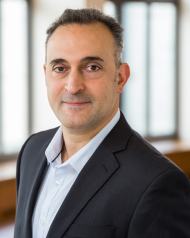
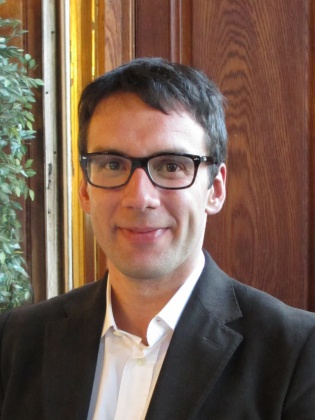
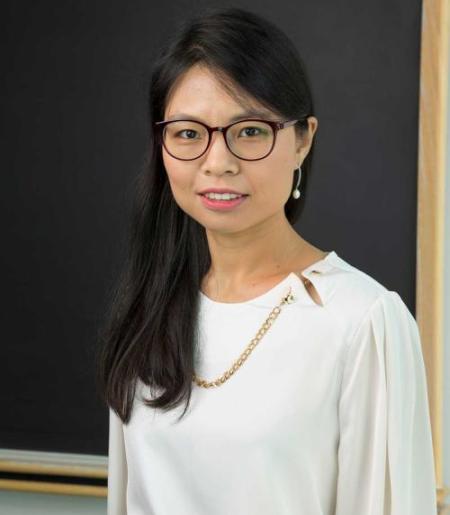
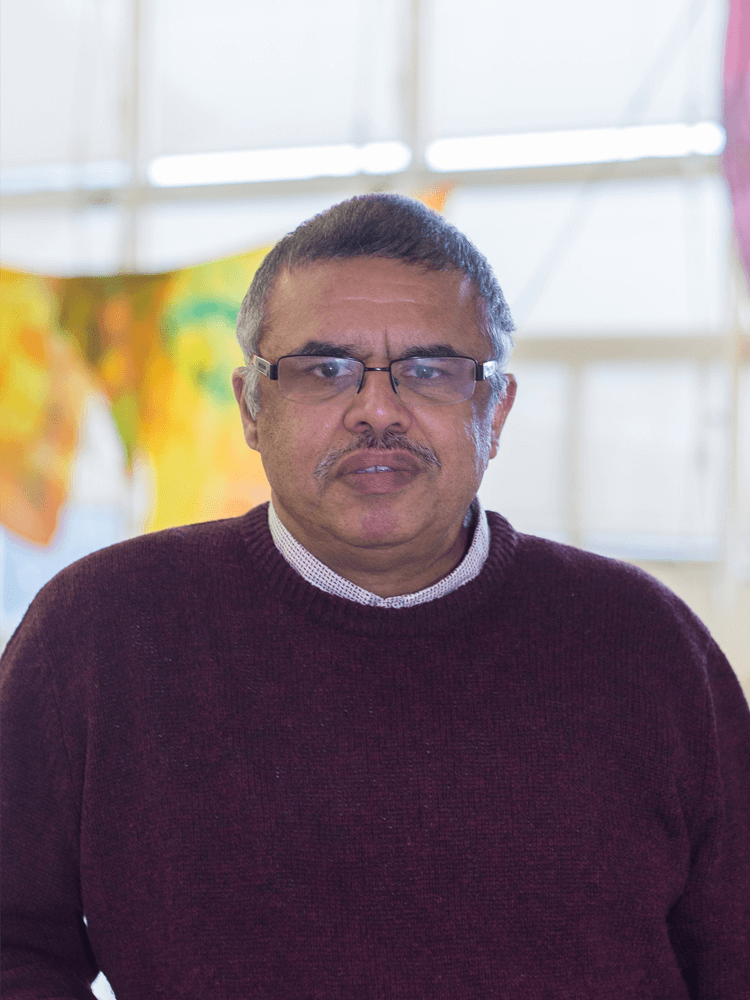
Elad Hazan is a Professor of Computer Science at Princeton University and co-founder/director of Google AI Princeton. His research focuses on algorithmic foundations of machine learning and optimization, with significant contributions to online learning, nonstochastic control, and adaptive gradient methods. Princeton University (Faculty) Google AI Princeton (Co-founder & Director) His work bridges mathematical optimization, control theory, and computational complexity. Key contributions include the AdaGrad algorithm, sublinear-time optimization methods, and spectral filtering techniques for sequence modeling. Recent research emphasizes efficient neural architectures and provable guarantees in online control. Scientific awards include the Bell Labs Prize, IBM Goldberg Best Paper Award (twice), Google Research Award (twice), European Research Council grant, Marie Curie fellowship, and ACM Fellowship. He has served as program chair for COLT 2015 and on the Association for Computational Learning steering committee. His publications highlight trends in online convex optimization, spectral methods for dynamical systems, and adaptive gradient algorithms. Collaborations span Princeton, Google Brain Research, and interdisciplinary projects in robotics and AI safety.
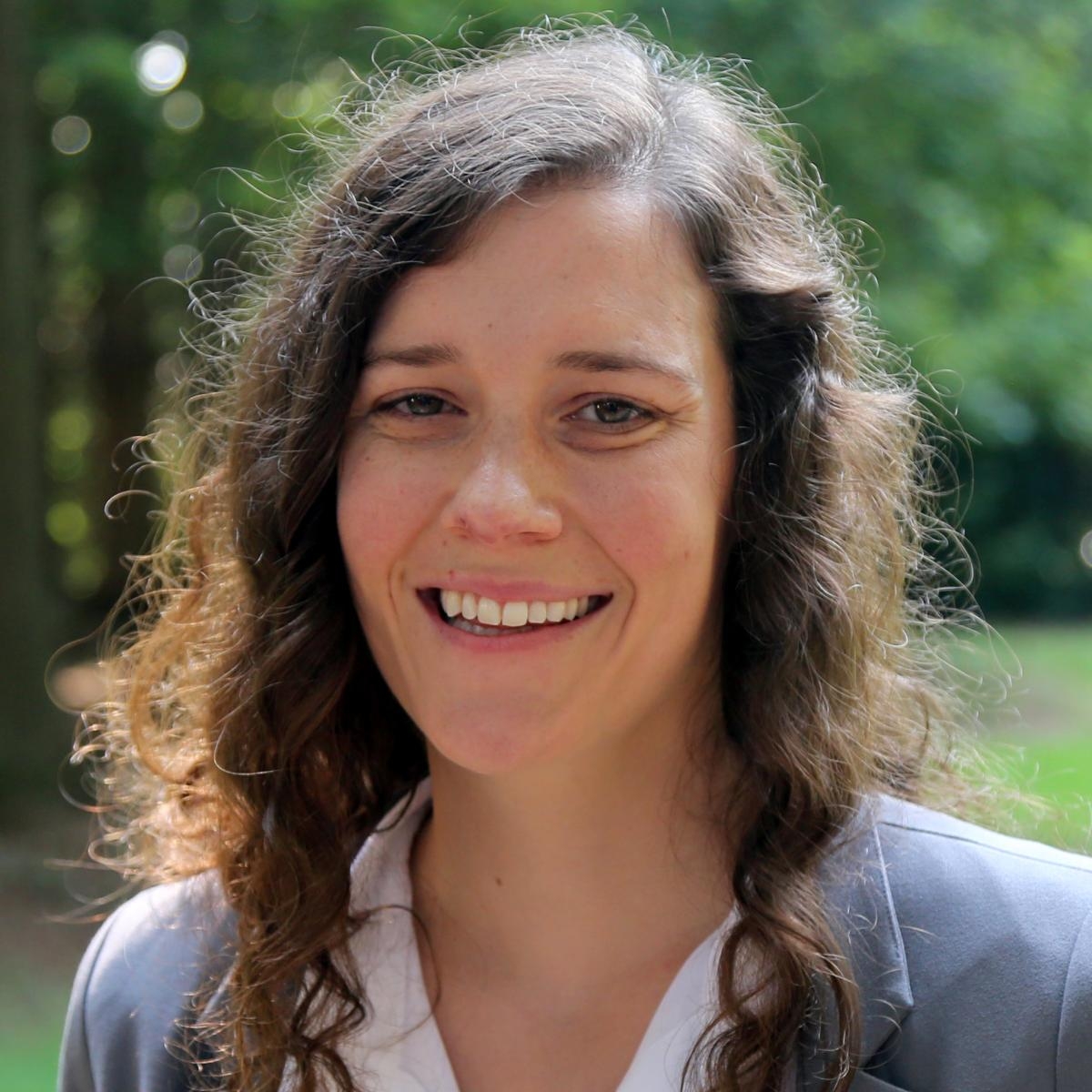
Jennifer Kaiser is an Associate Professor at Georgia Institute of Technology, affiliated with the School of Civil and Environmental Engineering and Earth and Atmospheric Sciences . Her research focuses on air pollutant formation, particularly volatile organic compounds (VOCs), and their impacts on air quality and climate. Endowed Position: Greene Early Career Professor (2024) Key Projects: Emissions from agriculture/oil-gas, biosphere-atmosphere interactions, satellite data validation Tools: CMAQ modeling, TROPOMI satellite analysis, low-cost sensor networks Her work spans instrument development to global chemistry-transport modeling, with recent emphasis on satellite-based monitoring and health risk assessment. She leads the Kaiser Group , which investigates VOC dynamics in urban and wildfire-affected regions. Scientific Awards: NOAA Grant (2021) Greene Early Career Professor (2024) Contact: jennifer.kaiser@ce.gatech.edu | Office: Ford Environmental Science & Technology Building, Room 3224
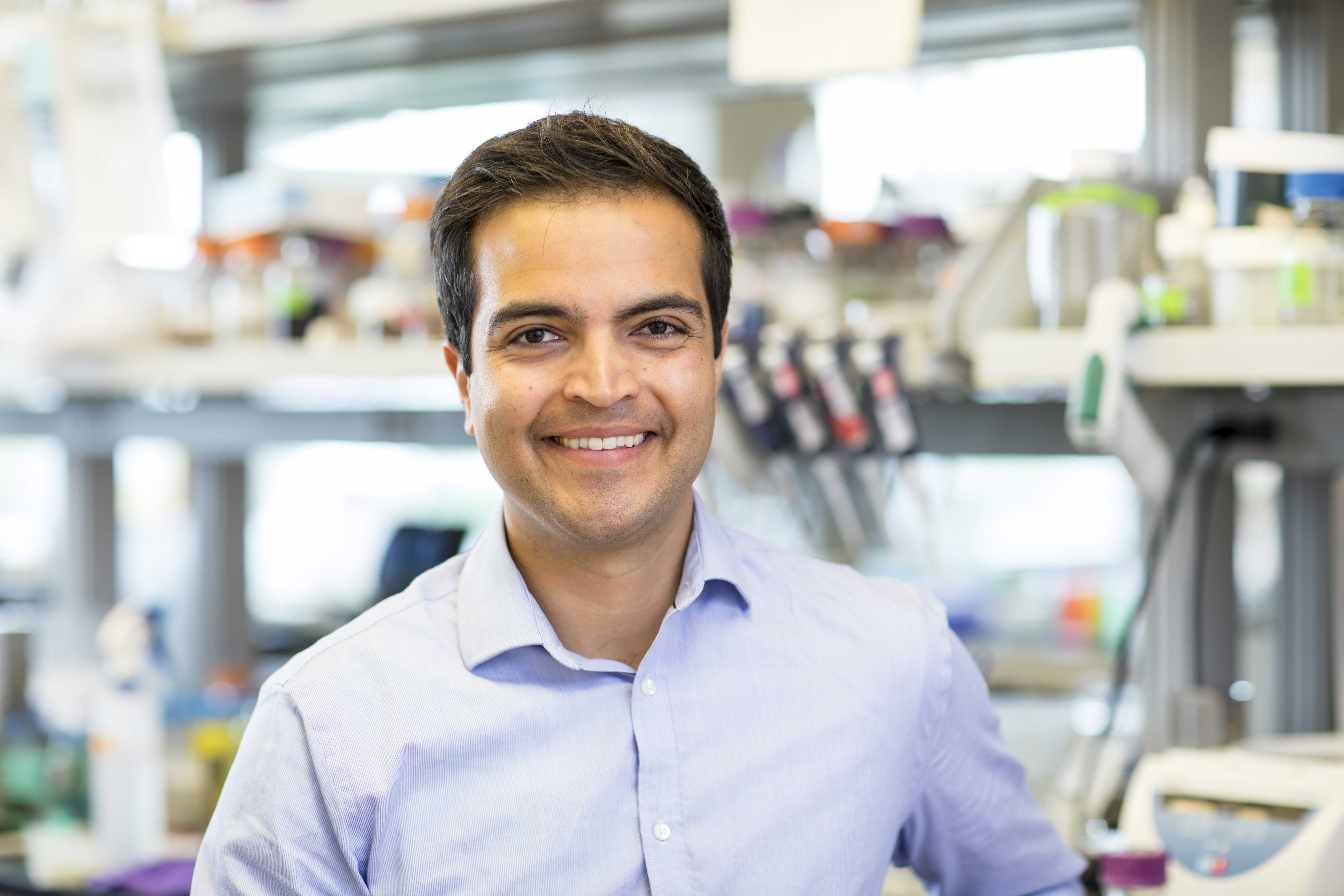
Aaron Puri is an Assistant Professor of Chemistry at the University of Utah, specializing in chemical ecology and natural product discovery. His research focuses on bacterial interactions in methane-oxidizing communities and the biosynthesis of secondary metabolites. Education: B.S. from University of Chicago, Ph.D. from Stanford University School of Medicine Dr. Puri's work bridges microbiology and chemistry, with projects targeting: Chemical Ecology: Decoding interspecies signaling in methane-oxidizing bacteria Natural Products: Discovering therapeutics from underexplored bacterial genomes Biosynthesis: Activating cryptic gene clusters for novel compound production Recent publications highlight advancements in quorum sensing mechanisms (2025), inverse stable isotopic labeling techniques (2024), and methanotroph community dynamics. His research also explores spatially resolved model ecosystems for studying microbial phenotypes (2023-2024). Key methods include GNPS Dashboard for mass spectrometry analysis (2021-2022). Dr. Puri leads the CAREER-funded project on quorum sensing in methanotrophs (2024) and has developed genetic tools for industrial methanotrophs (2015). His lab maintains a strong focus on environmental microbiology and biotechnological applications.
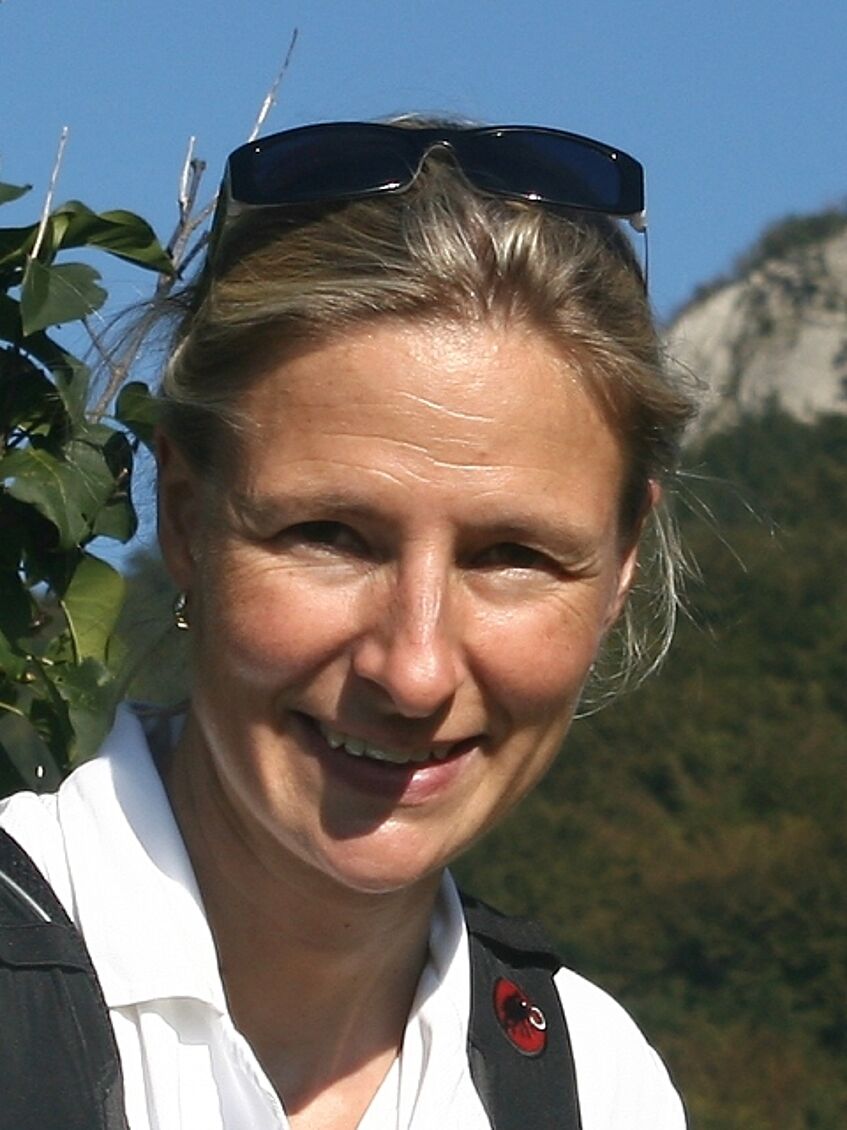
Sabine Glasl-Tazreiter is a Lecturer at the University of Vienna's Faculty of Life Sciences , specifically within the Department of Pharmaceutical Sciences and its Division of Pharmacognosy . Her office is located in room 2E 412 on the 4th floor at Josef-Holaubek-Platz 2, Vienna, Austria (1090). Contact details include telephone number +43-1-4277-55207 and email sabine.glasl@univie.ac.at . Principal research focus: Phytochemistry & Biodiscovery Specialization: Secondary metabolites from ethnomedicinally used plants across Europe, Mongolia, and Latin America Key techniques: Isolation of bioactive compounds, structural elucidation, pharmacological evaluation Quality control expertise: Macroscopic/microscopic identification, chemical analytics Recent publications highlight her work in: 2024 - Development of the VOLKSMED Database for Austrian folk medicine wound healing plants 2025 - Advanced mucociliary clearance research in respiratory systems 2023 - Innovations in optoacoustic imaging technology 2019 - Structure-function analysis of phycobiliproteins for medical imaging 2017 - Phytochemical characterization of Latin American antidiabetic plants
Daniele Venturi is a Professor of Applied Mathematics at the University of California, Santa Cruz, where he has been faculty since 2015, rising from Assistant Professor to full Professor by 2021. Previously, he was a Research Assistant Professor at Brown University from 2010-2015. His academic journey began at the University of Bologna, where he earned both his combined B.S./Sc.M. in Mechanical Engineering (2002) and Ph.D. in Applied Physics with a focus on thermo-fluid dynamics (2006). University of Bologna: B.S./Sc.M. Mechanical Engineering (2002), Ph.D. Applied Physics (2006) Brown University: Research Assistant Professor (2010-2015) UC Santa Cruz: Assistant to Associate to Full Professor (2015-present) Professor Venturi's research spans multiple cutting-edge areas in computational mathematics. His primary interests include stochastic modeling and uncertainty quantification, numerical tensor methods for high-dimensional PDEs, data-driven modeling approaches, approximation of functional-differential equations, and theoretical/computational fluid dynamics. His work bridges theoretical mathematical frameworks with practical computational implementations, particularly focusing on overcoming the curse of dimensionality in complex systems. His recent research has been heavily focused on hierarchical tensor methods for solving high-dimensional partial differential equations. The analysis of his publication record reveals a strong emphasis on developing computational frameworks that address high-dimensional challenges in uncertainty quantification and model reduction. His work frequently intersects machine learning techniques with traditional numerical methods, particularly in developing physics-informed neural networks and multifidelity modeling approaches. A consistent theme across his publications is the development of mathematical frameworks that maintain computational tractability while preserving physical fidelity in complex systems. Professor Venturi has secured substantial research funding from major agencies including the Air Force Office of Scientific Research (AFOSR), Department of Energy (DoE), National Science Foundation (NSF), Army Research Office (ARO), and Defense Advanced Research Projects Agency (DARPA). His most significant current grant is a 2024-2029 AFOSR MURI award totaling $7.5M as co-PI for 'Tensor Network for simulating kinetic systems.' 2024-2029: AFOSR MURI, $7.5M (co-PI) 2023-2027: DoE, $3.8M (co-PI) 2023-2026: AFOSR, $2.5M (co-PI) 2020-2025: NSF TRIPODS, $2.3M (co-PI) At UC Santa Cruz, Venturi teaches a range of courses including Fundamentals of Uncertainty Quantification, Applied Dynamical Systems, Nonlinear Dynamical Systems, and Numerical Methods for Differential Equations. His teaching spans both undergraduate and graduate levels, reflecting his expertise across theoretical and computational mathematics. His lecture notes for these courses are publicly available and demonstrate his commitment to pedagogical excellence in complex mathematical subjects.
Ali Shojaie is a Professor of Biostatistics and Statistics at the University of Washington, serving as Associate Chair for Strategic Research Affairs in the Department of Biostatistics. He leads the Summer Institute for Statistics in Big Data (SISBID) and the Data Management and Statistics (DMS) Core for the UW Alzheimer's Disease Research Center. His research focuses on developing statistical and machine learning methods for high-dimensional data, with applications in genomics, neuroscience, and public health. Shojaie's work includes advancements in graphical models, Granger causality, and spatial statistics. He has contributed to methodologies for analyzing networks from time series and spatial data, with applications in understanding gene regulatory networks and brain connectivity. His recent projects involve NIH-funded grants exploring gene-phenotype associations using omic data and explainable machine learning for brain stimulation research. Scientific awards include the 2022 Leo Breiman Award from ASA's Statistical Learning and Data Science section, and election as a Fellow of the Institute of Mathematical Statistics (IMS) and American Statistical Association (ASA). He serves on editorial boards for journals like the Journal of the American Statistical Association and Biometrika. Shojaie advises numerous PhD students and postdocs, many of whom have secured academic and industry positions. His lab develops open-source software tools, including the netgsa and ngc packages for network analysis and Granger causality estimation.
Maurice Heemels is a Full Professor at Eindhoven University of Technology (TU/e), leading the Control Systems Technology group. He holds additional professorships in EAISI Mobility, EAISI Foundational, EAISI Health, and EAISI High Tech Systems. His research focuses on hybrid and networked systems, emphasizing resource-aware control, event-triggered strategies, and cyber-physical systems integration. He is an IEEE Fellow and chairs the IFAC Technical Committee on Networked Systems. Academic Background: MSc and PhD in Mathematics (TU/e, 1995 and 1999, both summa cum laude ) Visiting Professorships: ETH Zurich (2001), UC Santa Barbara (2008) Industry Experience: Research & Development at Océ NV Research Interests: Hybrid Systems, Networked Control, Event-Triggered Control Model Predictive Control (MPC) in healthcare and high-tech systems Cyber-Physical Systems for applications like lithography and precision agriculture Key Contributions: Developed Hybrid Integrator-Gain (HIGS) systems and Projection-Based Control methodologies Recipient of a VICI Grant for wireless control systems research Oversaw over €7M in research funding from NWO, EU, and industry Awards & Recognition: Automatica Outstanding Service Award (2014) Best Paper Awards (EBCCSP 2017, etc.) Invited Keynote Speaker at ECC, CDC, and others Grants & Projects: Current Projects: COMEDI (Cost-effective Mechatronics), PROACTHIS (Projection-based Control) Past Projects: Fault Detection in Wafer Scanners, Drone-based Farming Labs & Teams: Active in TU/e’s Cyber-Physical Systems and Systems Engineering research groups, collaborating globally on nonsmooth dynamics and hybrid systems.
Yunan Yang is the Goenka Family Assistant Professor in Mathematics at Cornell University, within the Department of Mathematics, College of Arts and Sciences. He holds a Ph.D. from the University of Texas at Austin (2018), supervised by Prof. Björn Engquist. Previously, he was a Courant Instructor at NYU (2018–2021), Simons-Berkeley Research Fellow (2021), and Advanced Fellow at ETH Zürich (2022–2023). His research focuses on computational mathematics, including inverse problems, optimal transport, machine learning, and nonconvex optimization. Notable contributions include applications of optimal transport to seismic inversion and PDE-constrained optimization. He has advised numerous students, including undergraduates and Ph.D. candidates at Cornell and other institutions. Yang teaches courses such as MATH 6220 (Applied Functional Analysis) and has published extensively in journals like SIAM Journal on Scientific Computing and Communications on Pure and Applied Mathematics. His work bridges theoretical foundations with practical applications in geophysics and computational science.
Roya Nasimi, Ph.D., is an Assistant Professor in the Department of Engineering at California State University, East Bay, where she joined in Fall 2023. Her expertise spans structural engineering, computer vision, and artificial intelligence, with a focus on developing innovative solutions for infrastructure monitoring and safety. Dr. Nasimi's educational background includes: Ph.D. with distinction in Structural Engineering from the University of New Mexico Master’s degree in Structural Engineering from the University of Tabriz Bachelor’s degree in Civil Engineering from the University of Tabriz Her research focuses on structural health monitoring using advanced technologies. She integrates computer vision , artificial intelligence , and machine learning to develop systems for monitoring aging infrastructure, particularly bridges. Her work includes designing low-cost and high-end sensor systems, conducting full-scale bridge experiments, and collaborating on interdisciplinary projects to enhance infrastructure safety and resilience. Her recent publications (2021-2025) demonstrate a strong emphasis on non-contact monitoring techniques using drones, lasers, and computer vision. Key trends include the application of deep learning for displacement measurement, digital twinning for infrastructure, and rockfall prevention through machine learning. Her work bridges civil engineering with cutting-edge technology to address critical infrastructure challenges. Dr. Nasimi's research is supported by multiple grants: U.S. Army Corps of Engineers Transportation Research Board (TRB) Transportation Consortium of South-Central States (Tran-SET) New Mexico Consortium She serves on two TRB standing committees and mentors students in structural health monitoring and infrastructure technology. Dr. Nasimi leads interdisciplinary research teams focused on infrastructure monitoring, utilizing drones, lasers, and computer vision systems. Her work involves field experiments on bridges and rail systems, often in collaboration with government agencies and research consortia.
Dr. Alexis Garcia is a Clinical Assistant Professor in the Department of Psychiatry and Behavioral Sciences at the Medical University of South Carolina (MUSC). She holds a PhD in Clinical Psychology from Florida International University with a specialty in child and adolescent psychology. Her postdoctoral training included a National Institute of Alcohol Abuse and Alcoholism (NIAAA) fellowship focusing on adolescent alcohol use. Dr. Garcia is affiliated with MUSC's College of Medicine and actively participates in the MUSC Youth Collaborative, focusing on self-regulation mechanisms related to substance use in adolescents, particularly those with ADHD and emotion dysregulation challenges. Education & Professional Background: PhD in Clinical Psychology, Florida International University Predoc Internship: MUSC Child Track NIAAA Postdoctoral Fellowship (Adolescent Alcohol Use Research) Research Interests: Her work examines emotion dysfunction in ADHD-affected adolescents and its link to risk-taking behaviors like substance use. She also investigates racial disparities in school disciplinary actions, family violence reporting discrepancies, and early intervention strategies for behavioral disorders. Methodologically, she employs multimodal assessments and longitudinal studies like the ABCD project. Professional Contributions: As a mentor, she guides psychology interns and psychiatry fellows at MUSC. Her research has explored fidget spinner efficacy for ADHD symptom management in classrooms, the role of parental monitoring in alcohol experimentation, and neurobehavioral vulnerability markers for substance misuse. She collaborates on large-scale projects such as the Adolescent Brain Cognitive Development (ABCD) study. Labs/Teams: Active member of the MUSC Youth Collaborative, contributing to interdisciplinary studies on youth mental health and developmental psychopathology.
Dr. Marianne Mason is an Associate Professor of Translation/Interpreting Studies and Forensic Linguistics at James Madison University (JMU), where she also coordinates the SETI minor and contributes to Linguistics and Legal Studies programs. Holding a Ph.D. in Linguistics from the University of Georgia, along with a BBA in Statistics and an MA in Translation, her expertise spans interdisciplinary research areas including language and law, discourse analysis, and translation studies. She is a 2018–2019 ACLS Fellow for her project on linguistic analysis in the American justice system. Her research focuses on police-layperson interactions, Miranda rights invocation, and interpreter-mediated legal discourse. Notable works include Police Interrogation, Language, and the Law (Cambridge UP, 2024) and co-editing The Discourse of Police Interviews (U Chicago Press, 2020). She has provided expert testimony in criminal cases and serves on editorial boards for journals like Translation and Interpreting Studies . Educations: Ph.D. Linguistics, University of Georgia MA Translation, [institution not specified] BBA Production Management/Statistics, [institution not specified] Research Projects: ACLS-funded study on language in the American justice system Custodial interrogation reform analysis Affiliations: International Association for Forensic and Legal Linguistics National Association of Judiciary Interpreters & Translators (NAJIT)
Dr. Praveen Bhugra is a Senior Lecturer in Pharmacology at the University of Sunderland , where he has taught graduate courses including MPharm since 2006. His expertise spans cardiovascular, central nervous system, and autonomic pharmacology with a focus on receptor regulation in disease states. MSc (Pharmacology) from The Maharaja Sayajirao University of Baroda, India PhD (Medical Pharmacology) from Sardar Patel University, India His research integrates experimental pharmacology, molecular techniques (cell culture, calcium flux analysis), and biochemical approaches. Notably, he supervised PhD candidate Thomas Cherian (awarded 2014) on ureteral motility mechanisms. He authored the widely used textbook MCQs in Pharmacology (2000) and contributed to cardiovascular research during a 2000-2001 Visiting Scientist fellowship at the Institute of Cardiovascular Research, University of Manitoba, Canada. Recent publications (2015-2001) emphasize neurodegenerative pharmacology , hypertension mechanisms , and lipid mediator roles in cardiovascular disease . His work has been recognized with awards from the Indian Pharmacological Society and the International Society for Heart Research. Jaypur Prize (1985-86) C.L. Malhotra Research Prize (1994) Ahmedabad Branch Prizes (1996, 2001) National Academy of Medical Sciences Membership (2000) He has also contributed to public health research on probiotics in Clostridium difficile infection and participated in systematic reviews of substance abuse patterns in youth. Contact: praveen.bhugra@sunderland.ac.uk
Per Sigvald Bakke is a Professor at the University of Bergen's Faculty of Medicine, Department of Clinical Science, with extensive expertise in respiratory medicine. His research primarily focuses on Chronic Obstructive Pulmonary Disease (COPD), asthma, and related pulmonary conditions, with significant contributions to understanding disease mechanisms, clinical phenotyping, and epidemiology. Dr. Bakke's research interests span COPD phenotyping, asthma heterogeneity, genomics of respiratory diseases, pulmonary function testing, and clinical epidemiology. His work frequently involves large-scale cohort studies and international collaborations, particularly through the U-BIOPRED consortium. His research has significantly advanced understanding of COPD progression, exacerbation risk factors, and the relationship between respiratory diseases and systemic conditions like metabolic syndrome. His publication record demonstrates consistent contributions to respiratory medicine, with recent work focusing on multi-omics approaches to disease phenotyping, genetic determinants of lung function, and clinical management of COPD. His research often bridges basic science with clinical application, addressing critical questions in respiratory disease management and patient outcomes. Dr. Bakke has been instrumental in numerous international collaborative studies including the ECLIPSE cohort, U-BIOPRED, and various genome-wide association studies examining COPD and asthma. His work has contributed to clinical guidelines and improved understanding of respiratory disease mechanisms across diverse populations.
Vanessa Nomellini, MD, PhD is an Associate Professor in the Division of Burn, Trauma, Acute and Critical Care Surgery at UT Southwestern Medical Center. She joined UT Southwestern in 2023 as the director of research for her division and leader in the Critical Care Outcomes Research Translation (CORT) group. Education: Dr. Nomellini earned her MD and PhD in Cellular and Molecular Biochemistry from Loyola University. She completed her general surgery residency at the University of Wisconsin and Surgical Critical Care fellowship at the University of Pennsylvania. Research Interests: Her work focuses on immune dysfunction in critically ill patients, particularly sepsis and trauma-induced immunosuppression. She leads studies on immune recovery mechanisms and develops the ICU Recovery Program for long-term patient management. Her NIH-funded research (R35 NIGMS) investigates immune suppression through both animal models and human observational studies. Publications Trends: Her recent work emphasizes sepsis pathophysiology, coagulopathy management, and clinical improvements in critical care. Key areas include immunomodulatory therapies, biomarker utility, and optimizing ICU protocols. Scientific Awards: Recipient of NIGMS R35 grant (2019-current) Advising & Grants: Leads a multi-institutional research team and holds leadership roles in CORT. Her grants focus on translational immunology and critical care outcomes. Labs & Teams: Directs research at UT Southwestern's Critical Care Division, collaborating with Drs. Levi and Carlson in CORT initiatives.
Hilary Sigman is Professor of Economics at Rutgers University and Research Associate of the National Bureau of Economic Research (NBER), specializing in empirical environmental policy analysis. Her work bridges environmental economics, public finance, and legal frameworks through rigorous quantitative methods focused on real-world regulatory challenges. Academic Background: B.A. from Yale University M.Phil. from Cambridge University (U.K.) Ph.D. from Massachusetts Institute of Technology Sigman's research centers on environmental policy effectiveness, with three interconnected pillars: hazardous waste management (Superfund remediation, brownfield redevelopment, and liability systems), water resource economics (transboundary rivers, dam construction, and drought impacts), and waste management systems (municipal recycling and international waste flows). Her methodology combines econometric analysis of regulatory outcomes with institutional insights from policy implementation. Current projects examine climate adaptation for contaminated sites, economic consequences of China's waste import ban, and drought-related economic disruptions. Analysis of her recent publications reveals intensifying focus on climate adaptation challenges within environmental regulation, particularly regarding Superfund site resilience. The work increasingly addresses international dimensions of waste policy and transboundary water management, reflecting growing recognition of globalization's impact on environmental governance. Her empirical approach consistently links micro-level regulatory mechanisms to macro-level environmental outcomes. Professional Engagement: Research funding from National Science Foundation and Environmental Protection Agency Committee service for U.S. EPA Science Advisory Board Contributions to National Academies of Science, Engineering, and Medicine panels Teaching: Environmental Economics (Econ 432) and Applied Econometrics (Econ 609) Sigman maintains active policy engagement through government advisory roles while advancing academic knowledge through NBER affiliation. Her research program demonstrates consistent evolution from domestic regulatory analysis toward globally interconnected environmental challenges, particularly waste flows and climate adaptation in contaminated site management. Though no specific awards are documented in source materials, her sustained research funding and policy appointments indicate significant professional recognition.