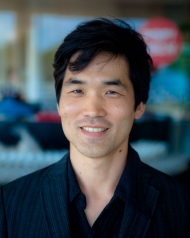
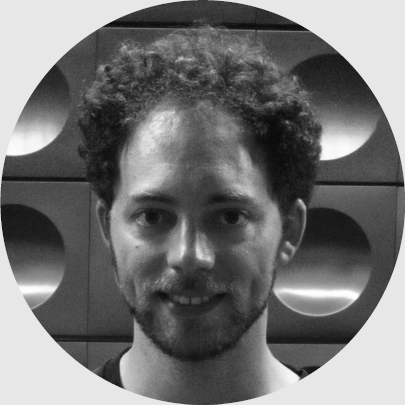
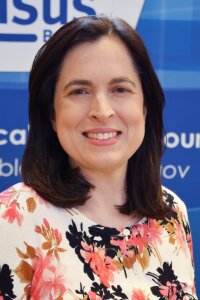
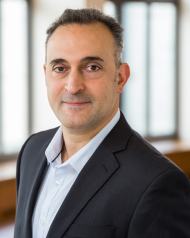
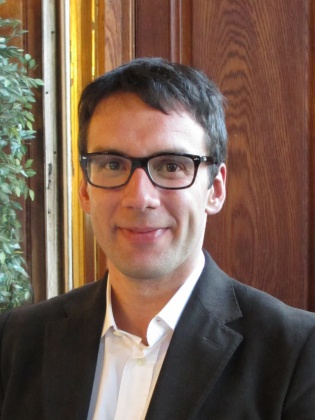
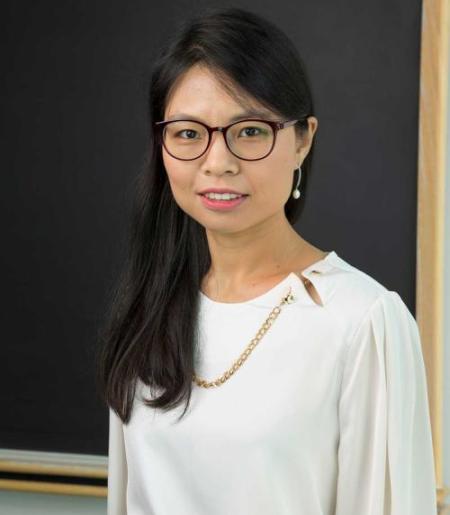
Sebastian Seung is a Professor at Princeton University , affiliated with both the Department of Computer Science and the Princeton Neuroscience Institute . His career spans Harvard University (Ph.D., 1990), Bell Laboratories, and Massachusetts Institute of Technology before joining Princeton in 2014. An External Member of the Max Planck Society and 2008 Ho-Am Prize recipient, Seung merges machine learning with neuroscience . Research Focus : Pioneering connectomics , Seung developed technologies for reconstructing neural circuits from high-resolution brain images, including FlyWire for collaborative brain mapping. His work explores brain function, development, and plasticity , drawing parallels between fly visual systems and convolutional networks . Awards & Affiliations : 2008 Ho-Am Prize in Engineering External Member, Max Planck Society Technical Contributions : Led breakthroughs in 3D connected component labeling and high-throughput EM imaging for mammalian brains, partnering with NIH’s BRAIN Initiative to scale connectomics to whole mouse brains. Seung’s team has shifted from EM analysis to interpreting connectomes , focusing on neural circuit function and biological mechanisms in flies and mice. His lab alumni network spans institutions, advancing AI and neuroscience globally.
Jacques Gautier is an Assistant Professor in Geovisualization at LASTIG, part of the French National Geographic Institute (IGN France) since September 2020. He is a member of the GEOVIS research team focusing on advanced geovisualization techniques for spatio-temporal data analysis. Prior to his current position, he served as a Postdoctoral Researcher at LASTIG working on the Urclim European project, developing geovisualization methods for climate data in urban environments. His educational background includes a PhD in Geography from Université Grenoble Alpes (2015-2018), where his dissertation focused on "GrAPHiST: An exploratory analysis approach for identifying the dynamics of spatio-temporal phenomena," and an Engineering degree in Geographical Information Science from ENSG (2009-2012). Dr. Gautier's research focuses on innovative approaches to visualize complex spatio-temporal data across multiple domains. His expertise spans meteorological data visualization, epidemiological data visualization, 2D/3D geovisualization techniques, and exploratory data analysis of spatio-temporal phenomena. He has developed specialized methods for identifying cyclic patterns in time-series data, visualizing uncertainty in ensemble forecasting systems, and creating interactive visualization environments for domain experts in urban planning, public health, and emergency response. Analysis of Dr. Gautier's publication record reveals a consistent focus on developing visualization techniques that bridge theoretical advances with practical applications. His work spans urban climate analysis, pandemic response (particularly during COVID-19), and mountain rescue operations. A distinctive aspect of his research is the integration of harmonic analysis with visual exploration to identify cyclic patterns in spatio-temporal data, as demonstrated in his GrAPHiST framework. Dr. Gautier has been actively involved in several significant research projects including ORACLES (focusing on ensemble forecasts of marine submersion), Urclim (aiming to develop integrated Urban Climate Services), and Choucas (an interdisciplinary project to assist mountain rescue operations). These projects highlight his ability to translate visualization research into practical decision-support tools for critical situations. As a member of the GEOVIS research team, Dr. Gautier contributes to advancing geovisualization methodologies through both theoretical development and practical implementation. His work on mixed temporal diagrams, helical time representations, and uncertainty visualization has provided new approaches for exploring complex spatio-temporal datasets across multiple disciplines.
Julie A. Dowling is an Associate Professor in the Department of Latina/Latino Studies at the University of Illinois at Urbana-Champaign. She holds a Ph.D. in Sociology from the University of Texas at Austin (2004) and is also affiliated with the Department of Gender and Women's Studies. Her research examines racial identity construction, ethnic categorization, and sociocultural dynamics among Latino populations. Current projects focus on racial socialization in Mexican American families and gender identity negotiation among U.S.-born Latina women. She actively contributes to U.S. Census Bureau policy through her service on the National Advisory Committee (NAC). Dr. Dowling's scholarly work has received recognition, including: Distinguished Contribution to Research Award for 'Best Article' from the Latino/a Sociology Section of the American Sociological Association Honorable Mention for the 2009 Distinguished Contribution to Sociological Perspectives Award Her publications span interdisciplinary journals in sociology, linguistics, and ethnic studies, revealing a consistent focus on racial ideology, language politics, and immigrant experiences in triracial systems. Dr. Dowling's work also extends to policy-oriented research through edited volumes like Governing Immigration Through Crime .
Elad Hazan is a Professor of Computer Science at Princeton University and co-founder/director of Google AI Princeton. His research focuses on algorithmic foundations of machine learning and optimization, with significant contributions to online learning, nonstochastic control, and adaptive gradient methods. Princeton University (Faculty) Google AI Princeton (Co-founder & Director) His work bridges mathematical optimization, control theory, and computational complexity. Key contributions include the AdaGrad algorithm, sublinear-time optimization methods, and spectral filtering techniques for sequence modeling. Recent research emphasizes efficient neural architectures and provable guarantees in online control. Scientific awards include the Bell Labs Prize, IBM Goldberg Best Paper Award (twice), Google Research Award (twice), European Research Council grant, Marie Curie fellowship, and ACM Fellowship. He has served as program chair for COLT 2015 and on the Association for Computational Learning steering committee. His publications highlight trends in online convex optimization, spectral methods for dynamical systems, and adaptive gradient algorithms. Collaborations span Princeton, Google Brain Research, and interdisciplinary projects in robotics and AI safety.
Jennifer Kaiser is an Associate Professor at Georgia Institute of Technology, affiliated with the School of Civil and Environmental Engineering and Earth and Atmospheric Sciences . Her research focuses on air pollutant formation, particularly volatile organic compounds (VOCs), and their impacts on air quality and climate. Endowed Position: Greene Early Career Professor (2024) Key Projects: Emissions from agriculture/oil-gas, biosphere-atmosphere interactions, satellite data validation Tools: CMAQ modeling, TROPOMI satellite analysis, low-cost sensor networks Her work spans instrument development to global chemistry-transport modeling, with recent emphasis on satellite-based monitoring and health risk assessment. She leads the Kaiser Group , which investigates VOC dynamics in urban and wildfire-affected regions. Scientific Awards: NOAA Grant (2021) Greene Early Career Professor (2024) Contact: jennifer.kaiser@ce.gatech.edu | Office: Ford Environmental Science & Technology Building, Room 3224
Privatdozent Dr. Andreas Faust is a leading researcher at the European Institute for Molecular Imaging (EIMI) at the University of Münster, where he heads the Chemical Targeting Lab. His work focuses on developing innovative imaging agents for medical diagnostics, particularly in radiopharmaceutical chemistry and molecular imaging. He maintains strong affiliations with the Department of Nuclear Medicine at the University Hospital Münster and participates in the "Cells in Motion" excellence cluster, contributing to cutting-edge research at the intersection of chemistry, medicine, and imaging technology. Dr. Faust completed his chemistry studies at the University of Münster, earning his Diploma in 1999, followed by his doctoral degree (Dr. rer. nat.) in 2003 with research on artificial caffeine receptors. His academic journey continued with positions at the Department of Organic Chemistry and the Department of Nuclear Medicine before becoming head of the chemistry group at EIMI in 2011. Dr. Faust's research centers on organic and medicinal chemistry with specialization in radiopharmaceutical chemistry . His team develops novel tracers for diagnostic molecular imaging using positron emission tomography (PET), single-photon emission computed tomography (SPECT), optical imaging, and photoacoustic imaging. A significant portion of his work focuses on creating specific ligands for the alarmins S100A8/S100A9 and bacteria-specific tracers based on complex carbohydrates or siderophores. His research has important applications in inflammation imaging, infection diagnostics, and cancer theranostics, with emphasis on improving metabolic stability and target specificity of imaging agents. His publication record demonstrates consistent contributions to molecular imaging, with recent work emphasizing bacteria-specific PET tracers, inflammation imaging targeting S100 proteins, and novel optical imaging probes. The research shows a clear trajectory toward developing clinically applicable imaging agents with improved specificity and metabolic stability, particularly in the areas of infection diagnostics and inflammation monitoring. 2017: Best Poster Award at Symposium "Molecular Imaging Agents in Medicine," Groningen 2009: Young Investigator Award at Deutscher Röntgenkongress, Berlin 2005: Best Scientific Poster Award at 4th Annual Meeting of the Society of Molecular Imaging, Köln Dr. Faust leads multiple significant research projects, including as Coordinator of a project on immune cell distribution imaging (2019-2024) and as Principal Investigator for CRC-project A03 "Targeting of S100A8/A9 for imaging of inflammatory disorders" and research on vascular graft infections (both 2021-2024). His Chemical Targeting Lab comprises a multidisciplinary team working at the intersection of chemistry, microbiology, and medical imaging, securing substantial funding from the Innovative Medicines Initiative and DFG Collaborative Research Centre. The Chemical Targeting Lab maintains state-of-the-art facilities for chemical synthesis, radiochemistry, and biological testing. The lab collaborates extensively with microbiologists, clinicians, and imaging specialists to translate basic research into clinical applications. Current research directions include optimizing bacterial imaging probes for clinical diagnostics and developing new inflammation-specific tracers for early disease detection, with particular focus on S100A9-targeted imaging and siderophore-based bacterial detection systems.
Wayne Springer is a Professor in the Department of Physics & Astronomy at the University of Utah, with a career spanning over 25 years. He has been actively involved in experimental particle astrophysics, ultra-high-energy cosmic ray (UHECR) physics, and gamma-ray astronomy. Ph.D. in Physics from University of Maryland (1991) B.S. in Physics from University of Maryland (1985) Postdoctoral training at University of Maryland and University of Alberta His research focuses on particle astrophysics, cosmic ray detection, and gamma-ray astronomy. He has made significant contributions to the development of the HiRes and Telescope Array cosmic ray observatories, as well as the HAWC and SWGO gamma-ray observatories. His recent work includes deployment of the Trinity neutrino detector prototype and serving as SWGO project manager for Chile site infrastructure. Article trends show strong emphasis on TeV gamma-ray observations (HAWC, SWGO), cosmic ray diffusion mechanisms, dark matter searches, and high-energy astrophysical source characterization (pulsars, microquasars, supernova remnants). He has secured multiple NSF grants for particle astrophysics research and leads detector working groups in international collaborations. Professor Springer actively participates in astronomy outreach, co-developing observatories and implementing computational physics teaching tools with Gradescope auto-graders for enhanced pedagogy. His work bridges experimental high-energy physics, detector development, and multiwavelength astrophysical studies.
Aaron Puri is an Assistant Professor of Chemistry at the University of Utah, specializing in chemical ecology and natural product discovery. His research focuses on bacterial interactions in methane-oxidizing communities and the biosynthesis of secondary metabolites. Education: B.S. from University of Chicago, Ph.D. from Stanford University School of Medicine Dr. Puri's work bridges microbiology and chemistry, with projects targeting: Chemical Ecology: Decoding interspecies signaling in methane-oxidizing bacteria Natural Products: Discovering therapeutics from underexplored bacterial genomes Biosynthesis: Activating cryptic gene clusters for novel compound production Recent publications highlight advancements in quorum sensing mechanisms (2025), inverse stable isotopic labeling techniques (2024), and methanotroph community dynamics. His research also explores spatially resolved model ecosystems for studying microbial phenotypes (2023-2024). Key methods include GNPS Dashboard for mass spectrometry analysis (2021-2022). Dr. Puri leads the CAREER-funded project on quorum sensing in methanotrophs (2024) and has developed genetic tools for industrial methanotrophs (2015). His lab maintains a strong focus on environmental microbiology and biotechnological applications.
Dr. Carolin Vollenberg serves as a Post-Doctoral Researcher at the Chair of Information Systems & Transformation Management within the Faculty of Computer Science at the University of Duisburg-Essen (UDE). Her academic journey includes a PhD from the University of Muenster (2021-2025), an M.Sc. in Technical Consulting and Management from Hochschule Hamm-Lippstadt (2018-2020), and a B.Eng. in Biomedical Technology from the same institution (2014-2018). Prior to her current position, she worked as a Research Assistant at South Westphalia University of Applied Sciences and gained industry experience at Zapp Systems GmbH. PhD in Business Informatics (2021-2025), University of Muenster M.Sc. Technical Consulting and Management (2018-2020), Hochschule Hamm-Lippstadt B.Eng. Biomedical Technology (2014-2018), Hochschule Hamm-Lippstadt Research Focus: Vollenberg specializes in the governance of lightweight IT systems, digital transformation in public and healthcare sectors, and process mining applications. Her work bridges technical implementation with organizational behavior, particularly examining resistance to automation in sensitive domains like healthcare. She investigates how organizations navigate unintended consequences of technology adoption, with emphasis on RPA (Robotic Process Automation), omnichannel transformation, and data-driven process optimization. Her research methodology combines ethnographic field studies with quantitative process analysis. Publication Trends: Analysis of her 16 publications (2020-2025) reveals strong focus on healthcare IT (45% of works), public sector digitalization (30%), and foundational process management (25%). Recent output shows increasing emphasis on ethical dimensions of process mining and sustainability applications. Her collaborative work spans multiple European institutions with consistent publication in top IS conferences (ICIS, ECIS, HICSS). Best Paper nomination at HICSS-55 (2022) Associate Editor for General Track at Internationale Tagung Wirtschaftsinformatik (WI) 2025 Professional Engagement: Vollenberg actively contributes to academic discourse through editorial roles and peer review. Her industry collaborations with healthcare providers and public sector entities demonstrate applied research impact. Current projects examine virtual nursing transformations and crisis-responsive RPA implementations, reflecting her commitment to solving real-world operational challenges through information systems innovation.
Sabine Glasl-Tazreiter is a Lecturer at the University of Vienna's Faculty of Life Sciences , specifically within the Department of Pharmaceutical Sciences and its Division of Pharmacognosy . Her office is located in room 2E 412 on the 4th floor at Josef-Holaubek-Platz 2, Vienna, Austria (1090). Contact details include telephone number +43-1-4277-55207 and email sabine.glasl@univie.ac.at . Principal research focus: Phytochemistry & Biodiscovery Specialization: Secondary metabolites from ethnomedicinally used plants across Europe, Mongolia, and Latin America Key techniques: Isolation of bioactive compounds, structural elucidation, pharmacological evaluation Quality control expertise: Macroscopic/microscopic identification, chemical analytics Recent publications highlight her work in: 2024 - Development of the VOLKSMED Database for Austrian folk medicine wound healing plants 2025 - Advanced mucociliary clearance research in respiratory systems 2023 - Innovations in optoacoustic imaging technology 2019 - Structure-function analysis of phycobiliproteins for medical imaging 2017 - Phytochemical characterization of Latin American antidiabetic plants
Daniele Venturi is a Professor of Applied Mathematics at the University of California, Santa Cruz, where he has been faculty since 2015, rising from Assistant Professor to full Professor by 2021. Previously, he was a Research Assistant Professor at Brown University from 2010-2015. His academic journey began at the University of Bologna, where he earned both his combined B.S./Sc.M. in Mechanical Engineering (2002) and Ph.D. in Applied Physics with a focus on thermo-fluid dynamics (2006). University of Bologna: B.S./Sc.M. Mechanical Engineering (2002), Ph.D. Applied Physics (2006) Brown University: Research Assistant Professor (2010-2015) UC Santa Cruz: Assistant to Associate to Full Professor (2015-present) Professor Venturi's research spans multiple cutting-edge areas in computational mathematics. His primary interests include stochastic modeling and uncertainty quantification, numerical tensor methods for high-dimensional PDEs, data-driven modeling approaches, approximation of functional-differential equations, and theoretical/computational fluid dynamics. His work bridges theoretical mathematical frameworks with practical computational implementations, particularly focusing on overcoming the curse of dimensionality in complex systems. His recent research has been heavily focused on hierarchical tensor methods for solving high-dimensional partial differential equations. The analysis of his publication record reveals a strong emphasis on developing computational frameworks that address high-dimensional challenges in uncertainty quantification and model reduction. His work frequently intersects machine learning techniques with traditional numerical methods, particularly in developing physics-informed neural networks and multifidelity modeling approaches. A consistent theme across his publications is the development of mathematical frameworks that maintain computational tractability while preserving physical fidelity in complex systems. Professor Venturi has secured substantial research funding from major agencies including the Air Force Office of Scientific Research (AFOSR), Department of Energy (DoE), National Science Foundation (NSF), Army Research Office (ARO), and Defense Advanced Research Projects Agency (DARPA). His most significant current grant is a 2024-2029 AFOSR MURI award totaling $7.5M as co-PI for 'Tensor Network for simulating kinetic systems.' 2024-2029: AFOSR MURI, $7.5M (co-PI) 2023-2027: DoE, $3.8M (co-PI) 2023-2026: AFOSR, $2.5M (co-PI) 2020-2025: NSF TRIPODS, $2.3M (co-PI) At UC Santa Cruz, Venturi teaches a range of courses including Fundamentals of Uncertainty Quantification, Applied Dynamical Systems, Nonlinear Dynamical Systems, and Numerical Methods for Differential Equations. His teaching spans both undergraduate and graduate levels, reflecting his expertise across theoretical and computational mathematics. His lecture notes for these courses are publicly available and demonstrate his commitment to pedagogical excellence in complex mathematical subjects.
Ali Shojaie is a Professor of Biostatistics and Statistics at the University of Washington, serving as Associate Chair for Strategic Research Affairs in the Department of Biostatistics. He leads the Summer Institute for Statistics in Big Data (SISBID) and the Data Management and Statistics (DMS) Core for the UW Alzheimer's Disease Research Center. His research focuses on developing statistical and machine learning methods for high-dimensional data, with applications in genomics, neuroscience, and public health. Shojaie's work includes advancements in graphical models, Granger causality, and spatial statistics. He has contributed to methodologies for analyzing networks from time series and spatial data, with applications in understanding gene regulatory networks and brain connectivity. His recent projects involve NIH-funded grants exploring gene-phenotype associations using omic data and explainable machine learning for brain stimulation research. Scientific awards include the 2022 Leo Breiman Award from ASA's Statistical Learning and Data Science section, and election as a Fellow of the Institute of Mathematical Statistics (IMS) and American Statistical Association (ASA). He serves on editorial boards for journals like the Journal of the American Statistical Association and Biometrika. Shojaie advises numerous PhD students and postdocs, many of whom have secured academic and industry positions. His lab develops open-source software tools, including the netgsa and ngc packages for network analysis and Granger causality estimation.
Maurice Heemels is a Full Professor at Eindhoven University of Technology (TU/e), leading the Control Systems Technology group. He holds additional professorships in EAISI Mobility, EAISI Foundational, EAISI Health, and EAISI High Tech Systems. His research focuses on hybrid and networked systems, emphasizing resource-aware control, event-triggered strategies, and cyber-physical systems integration. He is an IEEE Fellow and chairs the IFAC Technical Committee on Networked Systems. Academic Background: MSc and PhD in Mathematics (TU/e, 1995 and 1999, both summa cum laude ) Visiting Professorships: ETH Zurich (2001), UC Santa Barbara (2008) Industry Experience: Research & Development at Océ NV Research Interests: Hybrid Systems, Networked Control, Event-Triggered Control Model Predictive Control (MPC) in healthcare and high-tech systems Cyber-Physical Systems for applications like lithography and precision agriculture Key Contributions: Developed Hybrid Integrator-Gain (HIGS) systems and Projection-Based Control methodologies Recipient of a VICI Grant for wireless control systems research Oversaw over €7M in research funding from NWO, EU, and industry Awards & Recognition: Automatica Outstanding Service Award (2014) Best Paper Awards (EBCCSP 2017, etc.) Invited Keynote Speaker at ECC, CDC, and others Grants & Projects: Current Projects: COMEDI (Cost-effective Mechatronics), PROACTHIS (Projection-based Control) Past Projects: Fault Detection in Wafer Scanners, Drone-based Farming Labs & Teams: Active in TU/e’s Cyber-Physical Systems and Systems Engineering research groups, collaborating globally on nonsmooth dynamics and hybrid systems.
Yunan Yang is the Goenka Family Assistant Professor in Mathematics at Cornell University, within the Department of Mathematics, College of Arts and Sciences. He holds a Ph.D. from the University of Texas at Austin (2018), supervised by Prof. Björn Engquist. Previously, he was a Courant Instructor at NYU (2018–2021), Simons-Berkeley Research Fellow (2021), and Advanced Fellow at ETH Zürich (2022–2023). His research focuses on computational mathematics, including inverse problems, optimal transport, machine learning, and nonconvex optimization. Notable contributions include applications of optimal transport to seismic inversion and PDE-constrained optimization. He has advised numerous students, including undergraduates and Ph.D. candidates at Cornell and other institutions. Yang teaches courses such as MATH 6220 (Applied Functional Analysis) and has published extensively in journals like SIAM Journal on Scientific Computing and Communications on Pure and Applied Mathematics. His work bridges theoretical foundations with practical applications in geophysics and computational science.
Roya Nasimi, Ph.D., is an Assistant Professor in the Department of Engineering at California State University, East Bay, where she joined in Fall 2023. Her expertise spans structural engineering, computer vision, and artificial intelligence, with a focus on developing innovative solutions for infrastructure monitoring and safety. Dr. Nasimi's educational background includes: Ph.D. with distinction in Structural Engineering from the University of New Mexico Master’s degree in Structural Engineering from the University of Tabriz Bachelor’s degree in Civil Engineering from the University of Tabriz Her research focuses on structural health monitoring using advanced technologies. She integrates computer vision , artificial intelligence , and machine learning to develop systems for monitoring aging infrastructure, particularly bridges. Her work includes designing low-cost and high-end sensor systems, conducting full-scale bridge experiments, and collaborating on interdisciplinary projects to enhance infrastructure safety and resilience. Her recent publications (2021-2025) demonstrate a strong emphasis on non-contact monitoring techniques using drones, lasers, and computer vision. Key trends include the application of deep learning for displacement measurement, digital twinning for infrastructure, and rockfall prevention through machine learning. Her work bridges civil engineering with cutting-edge technology to address critical infrastructure challenges. Dr. Nasimi's research is supported by multiple grants: U.S. Army Corps of Engineers Transportation Research Board (TRB) Transportation Consortium of South-Central States (Tran-SET) New Mexico Consortium She serves on two TRB standing committees and mentors students in structural health monitoring and infrastructure technology. Dr. Nasimi leads interdisciplinary research teams focused on infrastructure monitoring, utilizing drones, lasers, and computer vision systems. Her work involves field experiments on bridges and rail systems, often in collaboration with government agencies and research consortia.