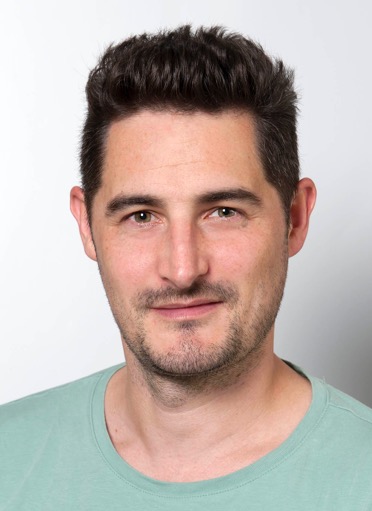
Yuriy Rogovchenko is a Professor in the Department of Mathematical Sciences at the University of Agder. His research spans differential equations, mathematical modeling, and education innovation, with applications in biology, social sciences, and engineering. Rogovchenko has contributed extensively to mathematics education through projects like PLATINUM (Erasmus+ Strategic Partnership) and CPEA-ST-2019/10067 (Eurasia project). PhD in differential equations (Institute of Mathematics, Kyiv, 1987) Regular Associate at Abdus Salam ICTP, Trieste (2004-2011) Editor for 11 international journals Referee for over 70 journals Research Interests: Qualitative theory of differential equations, perturbation methods, mathematical modeling in interdisciplinary contexts. He focuses on enhancing conceptual understanding through inquiry-based learning and nonstandard problems. Publications: Recent works include advancements in linear system observability, parameter identification methods, and educational studies on exact differential equations. His collaborations with Svitlana Rogovchenko and Matthias Pätzold highlight applications in engineering and biology. Awards: Sørlandet kompetansefonds research award (2016).
Habib Ullah is an Associate Professor in Data Science at the Norwegian University of Life Sciences (NMBU), Norway, where he conducts research at the intersection of computer vision and machine learning. He is affiliated with the Institute of Data Science under the Faculty of Science and Technology. He has previously held academic positions at COMSATS University Islamabad, Pakistan, and the University of Ha'il, Saudi Arabia, and served as a postdoctoral researcher at The Arctic University of Norway. Educational Background: PhD in Information and Communication Technology (Computer Vision), University of Trento, Italy (2011–2015) MSc in Electronics and Computer Engineering, Hanyang University, South Korea (2007–2009) BSc in Computer Systems Engineering, NWFP University of Engineering and Technology, Pakistan (2002–2006) Habib Ullah's research is primarily focused on computer vision and machine learning, with applications in aquaculture, agriculture, and human behavior analysis. He investigates underwater fish feeding sounds using audio classification, develops zero-shot learning models for recognizing unseen classes, and applies deep learning to detect stress in salmon via skin dot patterns. He also explores AI-driven controlled environment agriculture, leveraging sensors and automation for optimal crop growth. His work emphasizes practical AI solutions for real-world challenges in environmental and biological domains. The recent publications highlight a strong trend in leveraging deep learning for zero-shot and semi-supervised learning, particularly in computer vision tasks such as sea ice classification, crowd anomaly detection, and agricultural monitoring. His research spans remote sensing, biomedical signal processing, and human activity recognition, demonstrating interdisciplinary versatility. The keywords reflect a focus on robust feature representation, knowledge transfer, and model generalization. Scientific Awards and Funding: Industrial PhD grant 'Advancing Controlled Environment Agriculture AI' from The Research Council of Norway (Project number 354125, 2 million NOK, 2024) Team member (Coordinator-Participant) in the Battery Cell Assembly Twin (BatCAT) project funded by Horizon Europe (7 mEuro, 2023–2027) Development of an AI-Based Image Analysis System for Monitoring Plant Status (Funding: 1.8 mNOK, starting 2025) Habib Ullah actively supervises PhD projects and contributes to academic service through editorial and organizational roles. He has served as an Associate Editor for IEEE Access, Guest Editor for MDPI Remote Sensing, and Editor of the Springer book Machine Learning Techniques and Sensor Applications for Human Emotion, Activity Recognition, and Support (ML-SHEARS) . He has also been a Track Chair and Program Committee Member for several international conferences, reflecting his leadership in the academic community. His research is supported by significant grants and collaborative projects, indicating strong institutional and international engagement. He is involved in multiple research teams and projects, including the BatCAT project on battery manufacturing and AI applications in controlled environment agriculture with RIFT LABS AS. His lab work integrates deep learning, sensor fusion, and data analytics for environmental and biological monitoring systems.
Børge Rokseth is an Associate Professor at the Department of Engineering Cybernetics, Norwegian University of Science and Technology (NTNU). His work focuses on maritime systems, autonomous vessel control, and safety verification. He actively supervises Master's students and contributes to research on risk-informed control systems, hybrid power systems, and systems-theoretic process analysis (STPA). Research Interests: Rokseth's research spans autonomous ship systems, dynamic risk assessment, and safety verification. He explores risk-based decision-making for maritime autonomy, hazard identification in hybrid propulsion systems, and control function allocation in dynamic positioning. His work integrates systems theory, machine learning, and regulatory compliance (e.g., COLREGS) to enhance safety and environmental performance in marine operations. Publications: His recent work includes probabilistic trajectory prediction frameworks for autonomous ships, STPA-based safety analyses, and studies on decarbonization barriers in the maritime industry. These publications emphasize risk modeling, systems-theoretic approaches, and simulation-based verification. Teaching: Rokseth teaches courses such as TTK4130 - Modelling and Simulation, contributing to the education of future engineers and researchers in cybernetics and maritime systems.
Professor Ingrid Bouwer Utne is a faculty member at the Department of Marine Engineering, Norwegian University of Science and Technology (NTNU). Her primary research focuses on risk analyses of ships, marine systems, and autonomy, with emphasis on operational safety, maintenance management, and risk control in autonomous maritime technologies. Key Projects: Leader of the Risk Group at NTNU, involved in the SFI Autoship initiative and ERC AdG BREACH project addressing risk-based rationality in autonomous systems. Research Interests: Autonomous systems design, probabilistic risk assessment, safety engineering, and risk-informed decision-making for marine operations. Grants & Funding: Secured funding from the Research Council of Norway, MAROFF, and industry partners for projects like ORCAS (Online Risk Management for Autonomous Ships) and UNLOCK (Supervisory Risk Control). She supervises numerous PhD students and postdocs, focusing on topics such as autonomous vessel navigation, risk modeling for underwater robotics, and decarbonization of maritime systems. Her work bridges theoretical risk analysis with practical applications in marine autonomy and safety systems.
Nicola Paltrinieri is a Professor of Risk Assessment at the Department of Mechanical and Industrial Engineering, NTNU (Norway), and an Adjunct Professor at the University of Bologna (Italy). His expertise spans risk assessment, hydrogen technologies, process safety, and data-driven safety management. He holds Chartered Engineer and Chartered Scientist certifications and has served on editorial boards for journals like Safety Science and Journal of Risk Research . Education: PhD in Environmental, Safety and Chemical Engineering (University of Bologna, 2012) Master’s in Chemical and Process Engineering (University of Bologna, 2008) Research Interests: Focuses on hydrogen infrastructure safety, Natech accident analysis, risk-based inspection strategies, and AI integration in safety systems. His work emphasizes sustainable energy transitions and mitigating risks in emerging technologies like hydrogen. Key Projects (2022-2026): H2Glass : Decarbonizing glass and aluminum sectors via hydrogen HyInHeat : Hydrogen technologies for industrial heating HYDROGENi : Norwegian research center for hydrogen/ammonia Awards: Onsager Fellowship (2016–2021) Frank Lees Medal (2012) for safety-related publications Grants & Leadership: Head of NTNU Energy Team Hydrogen, coordinator for EU-funded projects like SUSHy , and active in international risk committees (e.g., EFCE, ESRA). His work bridges academia and industry, with over 8 PhD examinations supervised. Labs/Teams: Leads the NTNU Energy Team Hydrogen and collaborates on initiatives like SH2IFT-2 for safe hydrogen fuel handling. His research group focuses on AI-driven risk analysis and hydrogen infrastructure resilience.
Per Sigvald Bakke is a Professor at the University of Bergen's Faculty of Medicine, Department of Clinical Science, with extensive expertise in respiratory medicine. His research primarily focuses on Chronic Obstructive Pulmonary Disease (COPD), asthma, and related pulmonary conditions, with significant contributions to understanding disease mechanisms, clinical phenotyping, and epidemiology. Dr. Bakke's research interests span COPD phenotyping, asthma heterogeneity, genomics of respiratory diseases, pulmonary function testing, and clinical epidemiology. His work frequently involves large-scale cohort studies and international collaborations, particularly through the U-BIOPRED consortium. His research has significantly advanced understanding of COPD progression, exacerbation risk factors, and the relationship between respiratory diseases and systemic conditions like metabolic syndrome. His publication record demonstrates consistent contributions to respiratory medicine, with recent work focusing on multi-omics approaches to disease phenotyping, genetic determinants of lung function, and clinical management of COPD. His research often bridges basic science with clinical application, addressing critical questions in respiratory disease management and patient outcomes. Dr. Bakke has been instrumental in numerous international collaborative studies including the ECLIPSE cohort, U-BIOPRED, and various genome-wide association studies examining COPD and asthma. His work has contributed to clinical guidelines and improved understanding of respiratory disease mechanisms across diverse populations.
Shaukat Ali serves as Research Professor and Head of the Department of Engineering Complex Software Systems at Simula Research Laboratory, concurrently holding the title of Chief Research Scientist. His academic leadership drives innovation at the critical nexus of quantum computing, artificial intelligence, and software engineering, with concentrated expertise in verification, validation, and testing methodologies for complex systems including cyber-physical infrastructures and autonomous robotics. His primary research domains encompass: Verification and Validation Search-Based Software Engineering Autonomous Driving Systems Cyber-Physical Systems Engineering Digital Twin Technologies Quantum Software Engineering Analysis of recent publications (2024-2025) reveals a decisive trend toward quantum-AI convergence in software engineering, particularly through quantum software testing frameworks and AI foundation models applied to cyber-physical systems. His work systematically addresses noise mitigation in quantum hardware, uncertainty quantification in adaptive robotics, and novel testing paradigms using vision-language models for industrial robotics—demonstrating both theoretical rigor and industrial applicability. As department head, Ali spearheads strategic research directions in complex software systems, fostering cross-disciplinary collaboration while actively shaping quantum software engineering through workshops like QAI2024 and Q-SANER 2024. His invited presentations at venues including JYU Quantum Electronics and EU-Korea Quantum Forums underscore his influence in defining emerging research landscapes.
Børge Rokseth is an Associate Professor at the Department of Engineering Cybernetics , Norwegian University of Science and Technology (NTNU). His work focuses on integrating advanced methodologies for safety and risk control in autonomous maritime systems. He has held academic positions since at least 2014, with a consistent record of research collaboration and publication. Research Areas: Maritime risk analysis, autonomous ship systems, safety engineering, dynamic positioning systems, systems-theoretic process analysis (STPA) Key Publications: 15 most recent articles cover topics like trajectory prediction for autonomous vessels, hybrid power systems safety, machine learning in risk assessment, and dynamic positioning system reliability His publications (2014-2025) emphasize safety-critical systems in marine environments. Common themes include: Application of STPA for hazard analysis in autonomous shipping Development of risk-informed control systems Integration of machine learning with engineering risk assessment Comparative studies of different ship autonomy levels As a supervisor, Rokseth has guided master's students including Ane Joramo Stokke and Ludvig Vik Løite. His work has been presented at international conferences such as the European STAMP Workshop, International Conference on Conceptual Modeling, and the International Seminar on Safety and Security of Autonomous Vessels.
Nicolay Gausel is a Professor of Psychology at the University of Stavanger , affiliated with the Faculty of Social Sciences and Department of Social Sciences. His research spans social psychology, emotion psychology, and cultural studies. Research areas include morality, self-critical emotions, psychological defense, and stigma. Collaborates across disciplines: business, neuroscience, criminology, philosophy, and climate work. Methodological expertise in confirmatory designs, qualitative/quantitative methods, and applied statistics. His work explores interpersonal dynamics of shame, moral emotions, and cross-cultural selfhood. Articles highlight interdisciplinary applications, from family therapy to global personhood models. Current projects address identity, stigma, and social justice issues.
Per-Arne Andersen is an Associate Professor at the Department of Information and Communication Technology within the University of Agder . His research focuses on artificial intelligence , reinforcement learning , Tsetlin machines , and deep learning , with applications in real-time strategy games , industrial environments , and IoT systems . Projects: RESTORE Research Groups: CAIR - Center for Artificial Intelligence Research, CIEM - Center for Integrated Crisis Management, Intelligent Mechatronics (iTron) His work explores safe and sustainable reinforcement learning , interpretable AI , and generative environment modeling . He has developed frameworks like CaiRL and CostNet for high-performance RL environments and goal-directed learning. Recent publications include advancements in Tsetlin automaton analysis , GNSS jamming classification , and road quality detection . Articles from 2025-2016 span machine learning , computer vision , and environmental modeling . He contributes to IEEE , Springer , and LNCS publications, with a focus on interdisciplinary AI applications in crisis management , cybersecurity , and industrial optimization .
Ole Andreas Andreassen is a Professor of Psychiatry and Director of the Centre for Precision Psychiatry at the University of Oslo. He holds a joint appointment as an Attending Psychiatrist (20%) at Oslo University Hospital. His academic career includes leadership roles such as Director of the Centre of Excellence NORMENT (2013–2023) and the KG Jebsen Centre for Psychosis Research (2012–2018). He completed his MD (1993) and PhD (1996) at the University of Bergen, followed by postdoctoral training at Harvard Medical School and Massachusetts General Hospital. Education: MD (1993, University of Bergen), PhD (1996, University of Bergen) Postdoc: Harvard Medical School (1998–2000) Specialist in Psychiatry: Oslo University Hospital (2006) His research focuses on mental and neuropsychiatric disorders, emphasizing genetics, brain imaging, and precision medicine. Key areas include the interplay of genetic and environmental factors in schizophrenia, bipolar disorder, and Alzheimer’s disease. He has pioneered studies on predictive tools and clinical interventions, with a strong emphasis on genomic and neuroimaging biomarkers. His publications span over 10 years, addressing topics like cortical abnormalities in bipolar disorder, genetic overlap between psychiatric conditions, and cannabis use impacts. These works highlight interdisciplinary approaches, blending genetics, neuroimaging, and clinical data. Awards: Brain Council Award (2024), Fridtjof Nansen Award (2023), University of Oslo Research Prize (2020) Leadership: Co-Director of the KG Jebsen Centre for Neurodevelopmental Disorders, ENIGMA Bipolar Working Group Chair, and member of the Psychiatric Genomics Consortium. Andreassen has supervised 42 PhD students and co-supervised numerous postdoctoral researchers. His grants and collaborations span EU-funded initiatives (e.g., CoMorMent, RealMent) and global networks like the Precision Psychiatry consortium. Labs and teams include the Centre for Precision Psychiatry and the Scandinavian Collaboration for Psychiatric Etiology (SCOPE), focusing on translational research and multimodal data integration.
Daniel Beat Müller serves as Professor at the Industrial Ecology Programme within the Department of Energy and Process Engineering at the Norwegian University of Science and Technology (NTNU), Trondheim. His office is located at Realfagbygget Gløshaugen (E4-120) with contact details daniel.mueller@ntnu.no and +4791897755. His research centers on analyzing human needs in relation to material/energy flows and environmental impacts, with two primary focus areas: (i) urban evolution and associated material flows for managing building/infrastructure stocks, and (ii) national/global metal cycles to identify supply constraint reduction strategies. His methodology integrates design, modeling, and decision-making through transdisciplinary stakeholder engagement. Müller teaches Material Flow Analysis and Systems Analysis of the Built Environment for Industrial Ecology and Civil Engineering Master's students. His research outputs demonstrate strong trends in circular cities, critical mineral management, and urban metabolism, with recent publications emphasizing building information modeling, electric vehicle battery systems, and phosphorus cycling. His work consistently addresses resource criticality within energy transition contexts. As (ad interim) chair of the International Society of Industrial Ecology’s MFA-ConAccount section, he contributes to methodological standardization. He previously served on the U.S. National Research Council’s Committee on Defense Stockpiles and remains active in Switzerland's National Research Programme 65 "New Urban Quality". Müller supervises numerous Master's and doctoral students, with thesis topics spanning lithium-ion battery recycling, building stock dynamics, and urban resource flows. His projects frequently involve industry collaboration for practical implementation of material stewardship strategies.
Alvaro Köhn-Luque is an Associate Professor at the Oslo Center for Biostatistics and Epidemiology, University of Oslo, and Group Leader at the Department of Medical Genetics, Oslo University Hospital. His work bridges mathematical modeling with clinical applications, particularly in cancer research. His academic background includes a PhD in Mathematical and Computational Biology from Complutense University of Madrid (2012), preceded by multiple Master's degrees in Mathematics and Physics from Spanish universities. Dr. Köhn-Luque's research focuses on mathematical oncology , developing computational models to understand cancer dynamics and improve treatment strategies. His work spans multiscale modeling of tumor growth, personalized cancer medicine through computer simulations, and biomarker discovery using machine learning approaches. He has made significant contributions to modeling breast cancer progression and treatment response, particularly in the context of endocrine therapy and CDK4/6 inhibition. His recent publications demonstrate a strong trend toward integrating mechanistic learning approaches that combine mathematical models with machine learning techniques. This hybrid methodology allows for more accurate prediction of treatment outcomes while maintaining biological interpretability. His work frequently involves collaboration with clinical researchers to ensure models are grounded in real patient data and have direct translational potential. Computational modeling of tumor heterogeneity and drug response Development of methods for phenotypic deconvolution in cancer cell populations Integration of multi-omics data for personalized treatment prediction Application of birth-death processes to model tumor evolution Creation of user-friendly computational tools for biomedical researchers Dr. Köhn-Luque has supervised multiple PhD students including Even M Myklebust, Salim Ghannoum, and Xiaoran Lai, and has secured funding for projects including RESCUE, BigInsight, and Integreat. His research demonstrates a consistent trajectory from theoretical mathematical biology toward increasingly clinically relevant applications in personalized cancer medicine.
Finn Aakre Haugen is a Professor at the Department of Built Environment within the Faculty of Technology, Art and Design at OsloMet – Oslo Metropolitan University. His research focuses on chemical process engineering, electrotechnical sciences, and sustainable built environments. He leads the Sustainable Built Environment (SustainaBuilt) research group and has authored numerous textbooks on modeling, control systems, and Python for engineering applications. Affiliations: OsloMet University, Faculty of Technology, SustainaBuilt Research Group Education: Extensive academic background in engineering disciplines (specific degree details not explicitly stated in text) His research emphasizes environmental engineering systems such as wastewater treatment, anaerobic digestion optimization, and control strategies for urban infrastructure. Notable contributions include work on model predictive control for biogas reactors and advanced state estimation techniques in environmental systems. Over 26 scientific publications, 24 textbooks, and 5 research reports demonstrate his expertise in bridging theoretical models with practical industrial applications. Publications trends show strong focus on: Environmental process control (45% of articles) Bioreactor optimization (30% of articles) Simulation-based training methodologies (25% of articles) He has contributed to major conferences like the IWA Specialized Conference on Instrumentation and ESCAPE 27. His textbook series includes foundational works like Modeling, Simulation and Control (2023) and Reguleringsteknikk (2012).
Geir Olav Dyrkolbotn is an Associate Professor at NTNU's Center for Cyber and Information Security (CCIS) and a Major in the Norwegian Armed Forces, serving at the Norwegian Defence Cyber Academy (NDCA). He leads the NTNU Malware Lab and the cyber defence research group at CCIS. He holds a PhD in Information Security from Gjøvik University College and a MSc in Computer Science from NTNU. With over 25 years in the military, his work focuses on tactical communication systems, defensive cyber operations, and operational security. His research emphasizes cyber defence, reverse engineering, malware analysis, side-channel attacks, and machine learning applications. Education: PhD in Information Security, Gjøvik University College (HiG) MSc in Computer Science, NTNU Research Interests: Geir Olav's work bridges theoretical cybersecurity research and practical military applications. He explores innovative methods for hardware reverse engineering, malware detection/classification using low-level features, and forensic acquisition techniques. His contributions include analyzing USB power delivery vulnerabilities, NTFS cluster allocation behavior, and secure chip exploitation for digital forensics. Teaching: Courses include IIKG6500/IMT4213 Cyber-taktikk, IMT4214 Cyber-etterretning, IIKG6501 Cyber Intelligence, and IMT4116 Malware Analysis & Reversing. Labs & Teams: Heads the NTNU Malware Lab and leads the cyber defence research group at CCIS, collaborating on projects like the Digital Forensic Acquisition Kill Chain and hardware security vulnerability assessments.