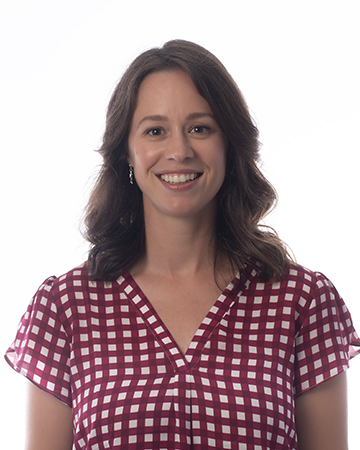
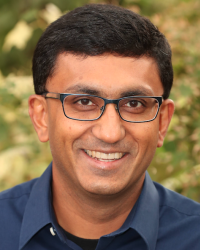
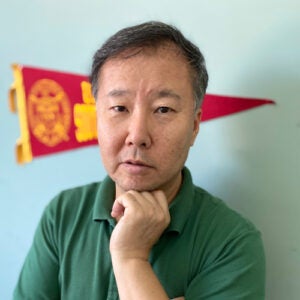
Robin Grote is an Associate Professor in the Department of Chemistry & Biochemistry at the University of Wisconsin-La Crosse. She holds a Ph.D. in Organic Chemistry from the University of California, Irvine (2010) and a B.A. in Chemistry from San Diego State University (2005). Her professional experience includes roles at Otterbein University and postdoctoral research at Columbia University. Education: Ph.D., Organic Chemistry; University of California, Irvine (2010) B.A., Chemistry; San Diego State University (2005) Her research focuses on developing safe and cost-effective synthetic organic chemistry methods for pharmaceuticals and consumer products. Current projects emphasize one-pot cyclodehydration reactions and natural product derivatives. Students in her lab gain expertise in organic synthesis, instrumentation, and foundational chemistry principles. No scientific awards or grants are explicitly listed in the provided materials. Teaching responsibilities include courses such as CHM 302, CHM 303, and CHM 405. She has held academic positions at both UW-La Crosse and Otterbein University, reflecting her sustained commitment to education and research.
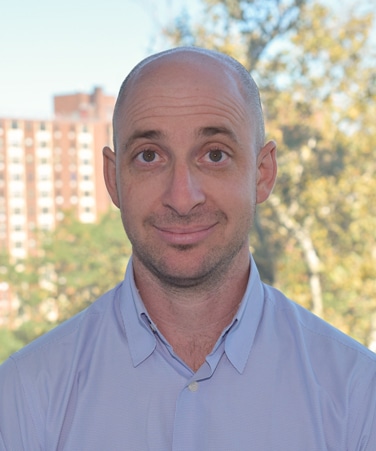
Adam Braunschweig is a Professor of Chemistry and Biochemistry at Hunter College, City University of New York (CUNY), and holds a joint appointment in the Nanoscience Initiative at the Advanced Science Research Center. His research focuses on organic electronics, glycobiology, and advanced material science, addressing challenges in medicine, environment, and technology. Education: PhD in Chemistry from the University of California, Los Angeles (UCLA). Postdoctoral training at New York University (NYU), The Hebrew University of Jerusalem, and Northwestern University. Prior academic roles include Assistant and Associate Professor positions at the University of Miami and NYU. Research interests include organic photovoltaics, synthetic carbohydrate receptors targeting cell-surface glycans, and 4D organic nanolithography. His work bridges chemistry with engineering and biology, emphasizing practical applications in energy and healthcare. Recent publications (2021-2023) highlight innovations in polymer chemistry, glycopolymer microarrays, and mechanochemical synthesis. No scientific awards explicitly listed. The Braunschweig Group operates interdisciplinary projects, leveraging organic chemistry and supramolecular strategies. Collaborations include NYU, UCLA, and institutions globally. His lab focuses on translating chemical innovations into functional materials and diagnostic tools.
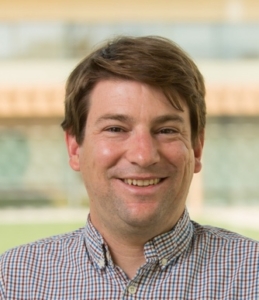
Aaron Leconte is an Associate Professor of Chemistry at Scripps College, part of the Claremont Colleges consortium. He holds a B.A. from Carleton College (2004), a Ph.D. from the Scripps Research Institute (2009), and completed an NIH Postdoctoral Fellowship at Harvard University (2012). His research focuses on engineering proteins using directed evolution and biochemical insights for applications in medicine and biotechnology. He teaches courses including CHEM14L, CHEM29L, CHEM40L, CHEM125L, CHEM127L, CHEM177/BIO177, and CHEM180. His research emphasizes optimizing bioluminescent tools and mutant DNA polymerases for modified nucleic acid synthesis. Key contributions include improving accuracy in 2’ fluoro-modified nucleic acid amplification and developing luciferases through Statistical Coupling Analysis. His work bridges biochemical experimentation with practical biotechnological outcomes. Dr. Leconte has received prestigious awards such as the NSF CAREER Award ($400,000) and NIH R15 Award ($362,752), focusing on high-throughput luciferase engineering and polymerase fidelity. He leads the Leconte Group, whose research is showcased at https://sites.google.com/view/lecontegroup/home . His advising and grant activities include mentoring undergraduate researchers and securing funding for equipment like fluorimeters and biomolecular gel imagers. Collaborative projects include systemic change initiatives in STEM education and inviting distinguished scholars like Prof. David R. Liu to Claremont.
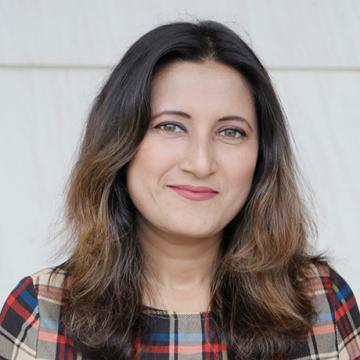
Dr. Arpita Saha is an Associate Professor in the Department of Chemistry and Physics at Simmons University. A synthetic chemist with expertise spanning material science, medicinal chemistry, and environmental chemistry, she develops metal complexes for cancer therapeutics, targeted drug delivery systems, and nanomaterials for environmental remediation. She directs the NASA-supported DREAM_WSTEM program and coordinates the SURPASs summer internship program, initiatives designed to support women and minority students in STEM fields through mentorship and research opportunities. Her educational background includes a PhD in Inorganic Chemistry from the University of Florida, postdoctoral research in Organometallic Chemistry at the University of Göttingen (Germany), an MS in Material Science from IIT Kanpur, and a BS in Chemistry from Presidency College (India). Research programs focus on: Designing coordination polymers for lanthanide-based cancer chemotherapy Developing nanomaterials for heavy metal and contaminant removal from water systems Synthesizing polynuclear metal complexes with magnetic properties Creating catalytic systems for sustainable energy applications Recent publications (2015-2022) reflect diverse applications of inorganic chemistry to environmental and biomedical challenges, including water purification technologies, pyrolysis oil production, and anticancer metallodrug development. Her scholarly output demonstrates consistent innovation in synthetic methodologies and materials characterization. Honors include: NASA MUREP Award ($749,126) for STEM gender gap research Felton Jenkins Jr. Hall of Fame Faculty Award Jean Dreyfus Lectureship ($18,500) Multiple NSF and USG grants supporting instrumentation and curriculum development At Simmons, she leads the DREAM_WSTEM program providing holistic four-year mentorship and funded summer research internships. Her pedagogical innovations include developing discovery-based laboratory courses (CUREs), creating open educational resources, and implementing undergraduate research frameworks that have been adopted by multiple institutions.
Nicholas D. Ball is an Associate Professor of Chemistry at Pomona College, part of The Claremont Colleges. His research focuses on developing new metal-catalyzed/-mediated organic reactions, particularly sulfur(VI) fluorides activation. His work emphasizes creating more stable alternatives to traditional sulfur-based molecules via strategies like sulfur-fluorine exchange (SuFEx). Ball is committed to undergraduate research mentorship, having advised numerous students in catalysis, organometallic chemistry, and fluorine-based synthetic methods. Education : B.A., Macalester College (2005); Ph.D., University of Michigan (2011); Postdoc, California Institute of Technology (2011-2013). Key Research Areas : Organometallic chemistry, homogeneous catalysis, sulfur(VI) fluoride activation, medicinal chemistry, and sustainable reagent development. Awards & Recognition : Wig Distinguished Professor Award (2018, 2024) Henry Dreyfus Teacher-Scholar Award (2020) NIGMS NIH R15 Grant (2020–2024) 2022 C&EN LGBTQ+ Trailblazer Lab & Collaborations : The Ball Lab actively collaborates with institutions like the University of British Columbia (Sammis group) and Pfizer (am Ende group). Research outputs include over 30 peer-reviewed articles since 2017, with a focus on sulfur(VI) fluoride applications in drug discovery and catalytic systems. Recent work highlights include Lewis acid-catalyzed sulfur fluoride exchange (2024) and calcium-mediated SuFEx strategies (2020). Teaching & Mentorship : Ball emphasizes inclusive pedagogy and has mentored students in NSF and ACS programs. Notable trainees include Goldwater Scholars and Beckman Scholars.
Kurt C. Kleinschmidt, M.D., FACMT, FASAM is a Professor of Emergency Medicine at The University of Texas Southwestern Medical Center, Dallas. He previously served as Division Chief of Medical Toxicology (2004–2020) and Toxicology Fellowship Program Director (2004–2018). He is Medical Director of Parkland Health and Hospital System's Perinatal Intervention Program, focusing on optimizing care for pregnant women with substance use disorders. He led the Integrated Family Planning Opioid Program (2020–2024), funded by the Texas Department of Health Services, and currently works with CDC grants via Dallas County Health and Human Services. His expertise includes drugs of abuse, addiction/withdrawal management, and snake envenomations. Education: MD: University of South Florida College of Medicine, 1986 Emergency Medicine Residency: Madigan Army Medical Center, 1990 Toxicology Fellowship: UT Southwestern Medical Center, 1999 Research Interests: Dr. Kleinschmidt focuses on medical toxicology, addiction medicine, and snake envenomations. His work includes clinical trials on antivenom efficacy, synthetic opioid toxicity, and improving maternal/fetal care in substance use disorders. He actively contributes to the ToxIC North American Snakebite Registry and analyzes epidemiological trends in poisoning-related mortality and substance exposure. Grants & Leadership: CDC-funded programs addressing opioid use in maternal health Leadership roles in national toxicology registries and clinical fellowship programs Principal investigator for trials evaluating antivenom safety and efficacy Labs/Teams: Collaborates with maternal-fetal medicine teams at Parkland Hospital and leads the Perinatal Intervention Program. Active in the Toxicology Fellowship Program and North American Snakebite Registry initiatives.
Kevin Glaeske is Professor of Chemistry at Wisconsin Lutheran College and has chaired the Chemistry Department since 2010. With over two decades of teaching experience, his courses span general chemistry, organic chemistry, and specialized interdisciplinary offerings like 'Terpenes: Biological Chemistry' bridging chemistry and biology. Research encompasses synthetic organic chemistry focused on α-amino acid derivatives using copper-catalyzed reactions, alongside collaborative projects in ecology and pharmaceutical chemistry. Scholarly work includes publications on cyclooctatetrene applications in synthesis and morpholinium ylide rearrangements in Tetrahedron: Asymmetry and Organic Letters . Service includes long-standing role as Faculty Athletic Representative (since 1996) and memberships in the American Chemical Society and Chemist Circle. Mentored undergraduate research spans synthetic chemistry, environmental assays, and drug activity studies.
Eric Fort is an Associate Professor of Chemistry at St. Thomas University, specializing in organic chemistry and joining in 2010. He directs the Aquinas Scholars Honors Program and focuses on synthesizing aromatic systems using computational chemistry and organic synthesis. His research explores electronic materials, bio-sourced polymers, and ionic materials. His publication trends emphasize innovative organic synthesis methods, particularly cycloadditions and heterocyclic compound development. Work frequently integrates computational modeling with experimental approaches to design functional materials.
James K. Chen is the Herbert and Marguerite Jauch Professor and Professor of Chemical and Systems Biology, Developmental Biology, and Chemistry at Stanford University. He joined the Stanford faculty in 2003 after completing his postdoctoral studies at Johns Hopkins School of Medicine. Education: A.B. in Chemistry (1991) and Ph.D. in Chemistry and Chemical Biology (1998) from Harvard University. The Chen Lab at Stanford explores interdisciplinary research at the intersection of chemistry, developmental biology, and cancer biology. Current studies focus on: Developing small-molecule modulators of cancer stem cell metabolism Innovating optogenetic tools for precise control of cell signaling Investigating biochemical processes driving spermiogenesis Designing non-hormonal male contraceptives based on HIPK4 Creating chemical technologies like photoactivatable antisense oligonucleotides Using zebrafish and mouse models to study tissue patterning These projects integrate synthetic chemistry, protein biochemistry, and animal models to address biomedical challenges. The lab has produced groundbreaking work including: First specific inhibitors of cytoplasmic dyneins regulating primary cilia Novel aldehyde dehydrogenase 1B1 inhibitors for cancer therapy Caged oligonucleotides enabling spatiotemporal gene regulation Time-resolved lanthanide microscopy with Harbury lab Current lab team includes diverse researchers from graduate students to postdoctoral fellows, with recent alumni now pursuing careers in academia, pharmaceuticals, and biotechnology. The lab fosters cross-disciplinary collaboration through initiatives like the Stanford Innovative Medicines Accelerator and Molecular Pharmacology Training Program.
Paul A. Wender is the Francis W. Bergstrom Professor of Chemistry at Stanford University, with a courtesy appointment in the Department of Chemical and Systems Biology. His research spans chemistry, biology, and medicine, with a focus on synthesis and design to address significant problems including HIV/AIDS eradication, overcoming resistant cancer, and treating cognitive disorders like Alzheimer's disease. Education: B.S. in Chemistry, Wilkes University (1969) Ph.D. in Chemistry, Yale University (1973) NIH Postdoctoral Fellow, Columbia University (1974) Professor Wender's research emphasizes step economy and function-oriented synthesis, developing new reactions and strategies for efficient molecule construction. His work spans organic synthesis, chemical biology, and drug discovery, with special focus on molecular transporters for drug delivery, new therapeutic strategies for challenging diseases, and computational tools for molecular design. His group leverages affiliations with Stanford's Medical School, Imaging Center, Chemical Biology Program, and Molecular Therapeutics Program. Recent publications reveal a strong focus on mRNA delivery systems, particularly using charge-altering releasable transporters (CARTs) for targeted therapy. His work spans HIV latency reversal, cancer immunotherapy, antibiotic development, and treatment of neurological disorders, demonstrating interdisciplinary collaboration across chemistry, biology, and medicine. Scientific Awards: Tetrahedron Prize for Creativity in Organic Chemistry (2012) Prelog Medal from ETH Zurich (2013) Arthur C. Cope Award from American Chemical Society (2015) Cohen Award for Excellence in Medicinal Chemistry (2015) Sir Derek Barton Gold Medal Award (2024) Elected member of the US National Academy of Sciences (2003) Foreign member of the Royal Spanish Academy of Sciences (2013) Professor Wender mentors a diverse research group including PhD students, postdoctoral scholars, and undergraduate researchers. His lab has received substantial funding from NIH, including multiple MERIT Awards, supporting research on HIV eradication, cancer therapy, and drug delivery systems. The Wender Group collaborates extensively with biotech and pharmaceutical industries, translating basic research into potential therapeutics. The Wender Group is affiliated with numerous Stanford programs including Bio-X, the Center for Molecular Analysis and Design, the Institute of Chemical Biology, the Molecular Imaging Program, the Cancer Center, and the Cancer Nanotechnology Program. Their research integrates synthetic chemistry, mechanistic studies, and biological evaluation to develop transformative approaches in medicine.
Massachusetts Institute of TechnologyUnited States
Jeremiah A. Johnson is the A. Thomas Guertin Professor of Chemistry at the Massachusetts Institute of Technology (MIT), School of Science, Department of Chemistry. His research laboratory focuses on developing creative macromolecular solutions at the interface of chemistry, medicine, biology, and materials science. The Johnson group approaches materials synthesis analogously to natural-products synthesis, designing target structures from careful consideration of specific application needs with emphasis on function. Office: 18-296 Phone: 617-253-1819 Email: jaj2109@mit.edu Administrative Assistant: Abdohamis (Dowey) Tran Johnson's research spans polymer chemistry, materials science, and organic synthesis with particular emphasis on creating novel macromolecular architectures. His work integrates traditional organic and organometallic synthesis, synthetic polymer chemistry, photochemistry, surface science, and biopolymer engineering to develop innovative materials. Key research areas include degradable/recyclable thermosets, drug delivery systems, polymer networks with controlled topology, and advanced polymerization techniques like ROMP (Ring-Opening Metathesis Polymerization). Analysis of Johnson's publication record reveals a strong focus on creating functional materials with precise architectures. His recent work emphasizes sustainability through degradable and recyclable polymers, biomedical applications through drug delivery systems, and advanced manufacturing through novel polymerization techniques. The research shows a consistent trajectory toward increasingly complex macromolecular architectures with controlled properties and functions. 2025 Carl S. Marvel Award for Creative Polymer Chemistry Yosemite–American Cancer Society Award for antibody-bottlebrush conjugates for pancreatic cancer immunotherapy Johnson maintains an active mentorship program with numerous PhD students and postdocs who have gone on to successful careers in academia and industry. His lab participates in major collaborative initiatives like the NSF Center for the Chemistry of Molecularly Optimized Networks (MONET). The Johnson group has secured significant funding for projects ranging from cancer immunotherapy to sustainable materials development. The lab also engages in outreach activities, working with local schools to demonstrate chemistry concepts to elementary students. The Johnson laboratory operates state-of-the-art facilities for polymer synthesis and characterization. The group collaborates extensively with other MIT departments and external institutions including the Broad Institute of MIT and Harvard (where the group is an Associate Member), Salk Institute, Duke University, and Northwestern University. Recent initiatives include the Johnson Group Seminar Series (JGSS), which brings leading researchers in organic chemistry, polymer chemistry, and materials science to MIT.
Massachusetts Institute of TechnologyUnited States
Robert Gilliard serves as an Associate Professor in the Department of Chemistry at the Massachusetts Institute of Technology (MIT), within the School of Science. His institutional email address is gilliard@mit.edu. As a faculty member in one of the world's leading chemistry departments, Professor Gilliard's research likely spans multiple areas of contemporary chemical science. The Department of Chemistry at MIT is renowned for its cutting-edge research across various chemical disciplines, from fundamental molecular science to applications in energy, medicine, and materials. While specific details about his research contributions aren't provided in the available text, MIT Chemistry faculty typically maintain active research programs with significant external funding, graduate student mentorship, and high-impact publications in top-tier chemistry journals.
University of California, Los AngelesUnited States
Heather Christofk is a Professor in the Department of Biological Chemistry at the University of California, Los Angeles (UCLA) School of Medicine. Her research focuses on the metabolic regulation of stem cells, tumorigenesis, and disease states. She holds a BS in Molecular, Cell, and Developmental Biology from UCLA and a PhD in Cell and Developmental Biology from Harvard University. Her work explores: Metabolic control of hair follicle stem cell homeostasis Nutrient regulation in cancer progression Warburg effect and tumor metabolism Stem cell metabolic reprogramming Role of metabolic enzymes in disease Recent publications highlight metabolic heterogeneity in humans, viral-metabolism interactions, and tumor metabolic dependencies. She has received NIH funding for projects on cancer metabolism and stem cell dynamics. Christofk is a co-investigator on NIH R01AR070245 and principal investigator on NIH R01CA215185 and DP2OD008454. She collaborates extensively with researchers in cancer biology, developmental biology, and metabolic diseases.
Champak Chatterjee is a Professor in the Department of Chemistry at the University of Washington, part of the College of Arts & Sciences. His research focuses on developing organic synthetic methodologies for protein chemistry, applied to understanding human gene regulation through post-translational modifications. He holds a Ph.D. in Chemistry (Chemical Biology) from the University of Illinois at Urbana-Champaign (2005) and conducted postdoctoral research in Chemical Biology at The Rockefeller University (2010). Research interests include small-molecule synthesis, peptide/protein chemistry, bioanalytical measurements, and molecular biology. Trainees in his lab gain expertise in techniques such as mammalian cell culture and biophysical analysis. Former students have pursued academic roles (e.g., Keystone College), industry (e.g., Revolution Medicines), and postdoctoral positions (e.g., Harvard Medical School). No scientific awards are explicitly listed in the provided text. The Chatterjee lab emphasizes interdisciplinary collaboration and outdoor activities like hiking, reflecting their ethos of 'mens sana in corpore sano.'
Kyung W. Jung is an Associate Professor of Chemistry at the University of Southern California (USC). His research focuses on organic synthesis, catalysis, and their applications in carbon-hydrogen bond activation, synthetic methodologies, and drug discovery. He holds a Ph.D. from the University of Wisconsin–Madison (1994) and degrees from Seoul National University (M.S. 1987, B.S. 1985). His research group develops novel organometallic catalysts for challenging reactions like C-H bond activation and creates synthetic methods for medicinal chemistry and pharmaceuticals. Key projects include designing Pd-based catalysts for stereoselective reactions, deuteration of drugs, and drug discovery targeting RNA-based rare diseases like myotonic dystrophy type I. Collaborations with USC’s Keck School of Medicine aim to develop first-in-class therapeutics. Publications highlight advancements in palladium(II) catalysis, asymmetric Heck reactions, and C-H activation of hydrocarbons. Recent work addresses methane conversion and deuterium labeling of APIs to improve drug stability. His methodologies have been applied in drug discovery and natural product synthesis.