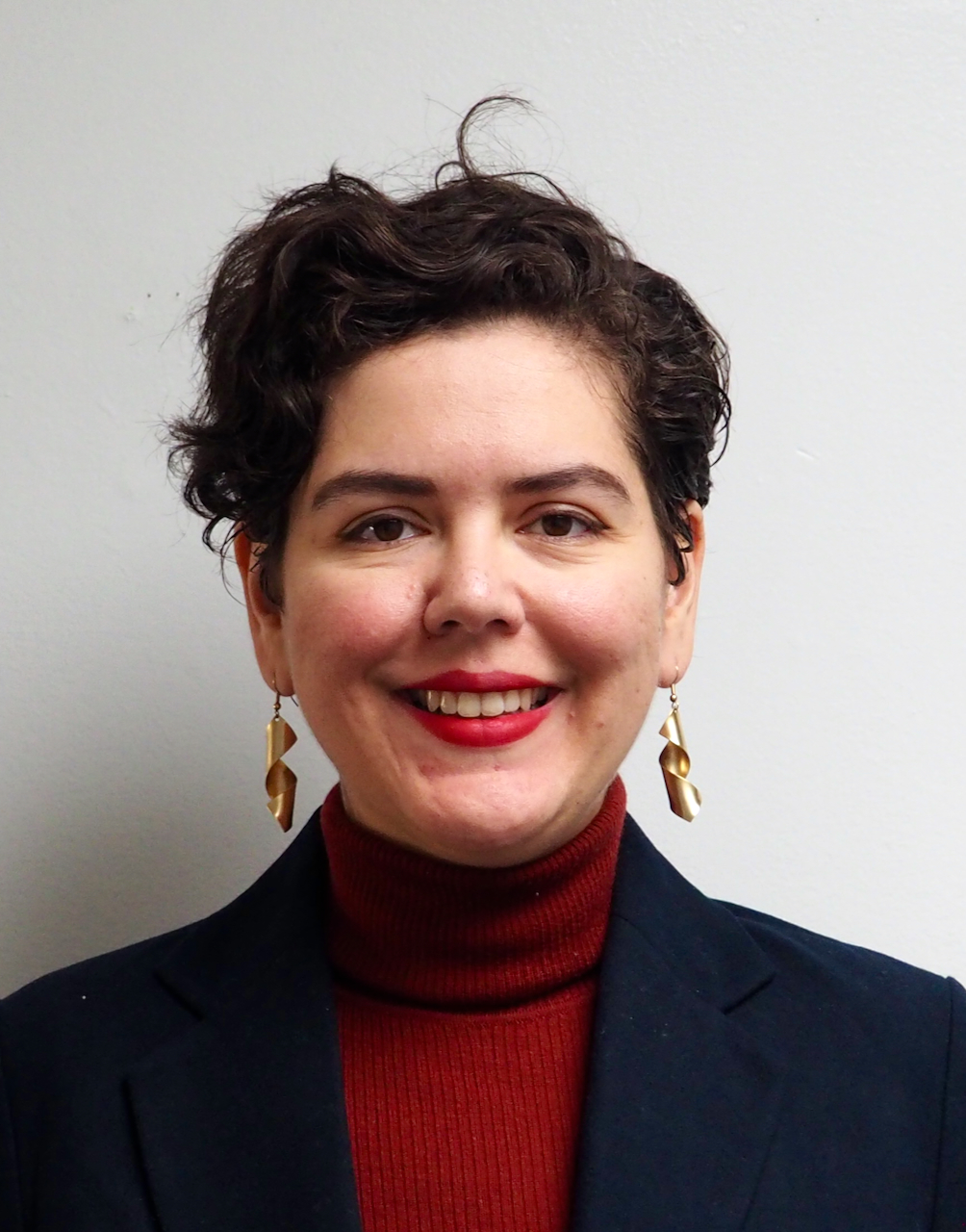
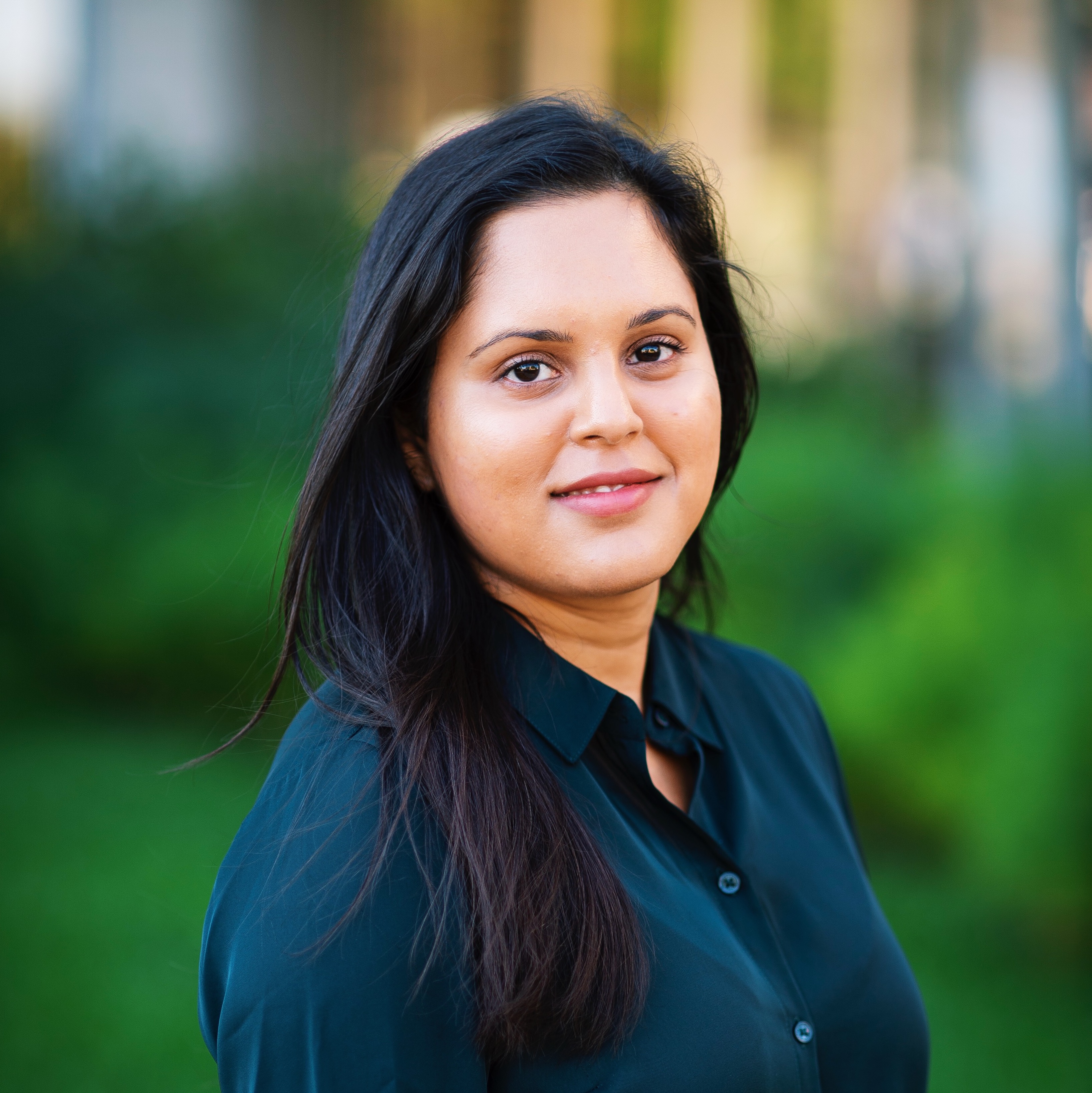
Sigwan Thivierge is an Anishinaabekwe (Algonquin) scholar from Long Point First Nation and an Assistant Professor at Concordia University with joint appointments in the School of Community and Public Affairs (Department of First Peoples Studies) and the Department of Linguistics, Classics, Modern Languages and Linguistics. She serves as a thesis supervisor for the Individualized Program (MA, MSc) and is currently accepting student inquiries. Research Focus: Her work bridges theoretical linguistics and community-led language reclamation, with emphasis on: Syntax and semantics of Algonquian languages (particularly Nishnaabemwin) Indigenous language revitalization methodologies Non-Indo-European language structures (especially Georgian) Formal analysis of agreement systems and morphosyntax Teaching Portfolio (2022–present): FPST 211: Introduction to Algonquian Peoples FPST 310: Linguistic Introduction to Algonquian Languages LING 315: Introduction to Syntax LING 371: Introduction to Semantics LING 421: Non-Indo-European Structures Publication Trends: Her scholarly output (2016–2024) demonstrates consistent focus on syntactic theory through comparative analysis of Nishnaabemwin and Georgian. Key themes include agreement systems, inverse marking, indexical shift operators, and the syntax-morphology interface, contributing significantly to formal linguistic frameworks for non-Indo-European languages.
Suzi Lima is an Associate Professor and Associate Chair for Undergraduate Studies in the Department of Linguistics at the University of Toronto. She holds a cross-appointment in the Department of Spanish and Portuguese. Her research focuses on cross-linguistic semantics, integrating theoretical and experimental approaches to explore how languages encode semantic representations across domains such as counting, measuring, and language acquisition. She has expertise in Brazilian indigenous languages like Yudja and Kaingang, emphasizing documentation, syntax, and psycholinguistic experimentation. Education: PhD from the University of Massachusetts, Amherst (2020s), and BA/PhD from the University of São Paulo. Her work bridges formal semantics with empirical methods, addressing topics like the mass-count distinction, pluractionality, and experimental design in descriptive linguistics. She collaborates on language documentation projects and pedagogical materials for endangered languages. Research highlights include studies on Yudja’s quotative structures, experimental investigations of Brazilian Portuguese syntax, and typological analyses of nominal classification systems. Her articles reflect engagement with both theoretical frameworks and applied linguistic challenges, particularly in understudied indigenous languages. Her contributions emphasize collaborative fieldwork and interdisciplinary methods, advancing understanding of linguistic diversity and its cognitive foundations. Current projects explore language endangerment and revitalization strategies, alongside studies on linguistic universals in counting and measurement systems.
Oriana Kilbourn-Ceron is a Research Fellow in the Department of Linguistics at Northwestern University, where she works with Matt Goldrick at SoundLab. Previously, she completed her PhD at McGill University and taught undergraduate courses at Concordia University. Her research focuses on phonology, phonetics, and speech production, investigating how speakers' planning processes influence pronunciation. She uses acoustic corpus analysis and production experiments to explore topics like the impact of cognitive load on phonetic variation and the interplay between predictability and allophonic realization. Kilbourn-Ceron’s work bridges theoretical linguistics with experimental methodologies, addressing questions about the dynamic nature of speech production. Her academic contributions span diverse linguistic phenomena, including Japanese vowel devoicing, French liaison processes, and second-language speech planning. Notably, she has demonstrated how production planning locality influences phonological variability, offering novel insights into the mechanisms behind speech production. Kilbourn-Ceron actively collaborates with interdisciplinary teams and maintains an open-science approach, sharing data and scripts via her OSF profile.
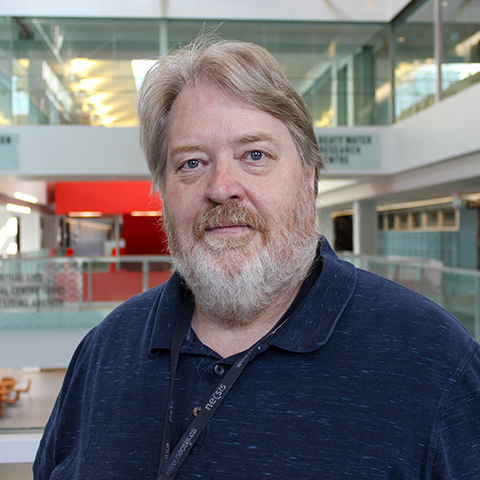
Dr. Thomas R Dean is a Professor in the Department of Electrical and Computer Engineering at Queen's University in Kingston, Ontario, Canada, and holds an additional appointment as an Adjunct Associate Professor at the Royal Military College of Kingston. His academic career spans several decades with consistent publication output through 2020, demonstrating active engagement in research and scholarship. His work bridges theoretical computer science with practical security applications, particularly in network protocols and web applications. Dean's research interests focus on software transformation techniques, web application evolution, and network security. His expertise includes software transformation, web site evolution, security of network applications, air traffic control systems, and language formalization. His work demonstrates a consistent thread connecting software engineering principles with security applications, particularly in developing techniques for intrusion detection systems and secure protocol implementations. His publications reveal a strong emphasis on practical applications of theoretical concepts, with numerous collaborations across academic and industrial settings. Analysis of Dean's recent publication record (2014-2020) shows a clear concentration in three interconnected areas: network security protocols, software transformation techniques, and model-based engineering approaches. His work on intrusion detection systems using constraint satisfaction methods appears consistently across multiple publications, demonstrating this as a core research thread. The publications also reveal growing interest in automotive software systems, particularly AUTOSAR implementations and Simulink model analysis, reflecting adaptation to emerging industry needs. Scientific recognition includes: Best paper award at CASCON'04 for Practical Language-Independent Detection of Near-Miss Clones Dean maintains active research collaborations, particularly with colleagues at Queen's University including M.H. Alalfi, J.R. Cordy, and F.T. Imam, as evidenced by co-authorship across multiple publications. His work spans both theoretical contributions and practical tool development, including parser generators, constraint engines, and intrusion detection systems. His research has been supported by publications in reputable venues including CASCON, IEEE conferences, and journals like Software Practice and Experience. Dean leads The Compass Group research team, focusing on software security and transformation techniques. His lab work emphasizes practical applications of software engineering principles to real-world security challenges, particularly in network protocols and web applications. The research approach combines formal methods with practical implementation, resulting in tools and frameworks that address specific security vulnerabilities in modern software systems.
Michael Wagner is a Professor and Department Chair in the Department of Linguistics at McGill University. He holds a PhD from the Massachusetts Institute of Technology. His research focuses on prosody-syntax-semantics interfaces, phonology, and experimental methods in language processing. He leads the Prosody Lab and has developed tools like the Montreal Forced Aligner for speech analysis. Research Interests : Prosody's role in syntax and semantics, phonological variation, experimental approaches to language processing, and computational methods in linguistic analysis. His work combines formal theoretical frameworks with empirical methods from psycholinguistics and phonetics. Education : PhD in Linguistics, MIT Labs/Tools : Prosody Lab, Montreal Forced Aligner (speech alignment software) Key Contributions : Pioneering work on prosodic parsing mechanisms, intonation semantics, and cross-linguistic variation in focus marking Publications from 2020-2023 highlight advancements in understanding prosody's role in sentence processing, experimental methods for quantifying focus marking, and computational tools for linguistic research.
Marie-Odile Junker is a Professor in the School of Linguistics and Language Studies at Carleton University, affiliated with the Centre for Indigenous Research, Culture, Language and Education (CIRCLE) and the Institute of Cognitive Science (ICS). She holds a B.A. from the Sorbonne, an M.A. from Strasbourg, and a Ph.D. from Université de Sherbrooke. Her research focuses on Indigenous language documentation, maintenance, and revitalization, particularly within Algonquian languages (Cree, Innu, Atikamekw). She employs participatory-action research frameworks and develops digital tools such as online dictionaries and the Algonquian Linguistic Atlas. In 2017, she received the Governor General’s Innovation Award for her contributions to Indigenous language preservation. Her work integrates information technologies with language education, emphasizing community collaboration. Projects include thematic dictionaries, computational linguistics tools, and adapting frameworks like the CEFR for Indigenous languages. Junker’s efforts bridge academic research with practical applications, fostering language sustainability in the 21st century.
Catherine Léger is an Associate Professor at the University of Victoria’s Faculty of Humanities, School of Languages, Linguistics and Cultures. Her research and teaching focus on French linguistics, particularly syntax, semantics, pragmatics, and contact linguistics in Acadian French and North American Francophone communities. Her academic expertise includes analyzing discursive markers like voir , en seulement , and tu in Acadian French, examining their pragmatic functions and role in linguistic insecurity. She has also contributed to edited volumes on morphosyntactic and pragmatic variation in Francophone Minority Communities. Recent publications highlight her work on cross-linguistic discourse markers, language ideologies in Acadian literature, and stative constraints in French verbs. Her research is supported by a SSHRC Insight Development Grant (2022–2024, extended to 2026).
Dr. Eugene Syriani is a Professor at the Department of Computer Science and Operations Research , Faculty of Arts and Sciences , University of Montreal . He leads the GEODES research group and teaches software engineering at undergraduate, Master's, and PhD levels. His work combines Model-Driven Engineering (MDE) and Simulation to improve software engineer productivity and cross-disciplinary system design. Research interests span two axes: (1) Software Engineering focusing on Domain-Specific Languages (DSLs) , Model Transformations , Code Generation , Collaborative Modeling , and Customizable Modeling Environments ; (2) Simulation addressing Digital Twins , Discrete-Event Simulation , and Co-Simulation for applications in agriculture, automotive, and smart systems. His recent work explores AI-assisted modeling and prompt engineering . Key projects include Digital Twins for Vertical Farming (funded by NSERC, MITACS, and industry partners) and Domain-Specific Environments (NSERC Discovery Grant). He has received multiple best paper awards at international MDE and modeling conferences. Scientific contributions include: Best Paper, ACM/IEEE International Conference on Model Driven Engineering Languages & Systems (2023, 2018) NSERC Discovery Grant (2020-2027) Visiting Professor Fellowships (University of L'Aquila, TU Wien, University Cote d'Azur) Guest Editor for Software & Systems Modeling and JOT He supervises 13 graduate students and postdocs, with expertise in DSL development , collaborative modeling , digital twin frameworks , and model consistency . His tools include Gentleman (projectional editor), ReLiS (systematic review tool), and AToMPM (cloud-based modeling environment).
Ida Toivonen is a Professor at Carleton University, affiliated with the Faculty of Arts and Social Sciences, and holds joint appointments in the Department of Cognitive Science and the School of Linguistics and Language Studies. She specializes in formal syntax with a focus on the syntax-semantics interface, morphosyntax, and language variation. Her work primarily engages with Swedish, Finno-Ugric languages, and the broader Germanic and Uralic language families. She earned her Ph.D. from Stanford University. Her research explores topics such as verbal particles, distributivity, evidentiality, and the argument-adjunct distinction, often employing the Lexical-Functional Grammar (LFG) framework. She has authored/co-authored influential textbooks like Lexical-Functional Syntax (2nd ed., 2016) and edited volumes such as Structures in the Mind (2016). Collaborative projects include studies on Inari Saami phonology and Romanian clitic systems. Key contributions include analyses of Swedish syntax, particularly the Åland dialect, and theoretical work on pronoun incorporation and animacy hierarchies. Her recent work examines microvariation in language change and the obligatoriness of syntactic arguments. She serves as co-editor of the LFG Conference Proceedings since 2019.
Veronica Ford is a Part-Time Lecturer at the University of New Brunswick's Faculty of Law. Her interdisciplinary research bridges cognitive neuroscience, psycholinguistics, and clinical psychology, examining bilingual language processing, reading disorders, and technology-assisted psychiatric diagnosis. Research focuses on cognitive mechanisms in bilingual reading, eye-movement patterns in clinical populations (schizophrenia/dyslexia), and developing human-centered diagnostic tools using wearable sensors. Studies employ eye-tracking, ERP, and computational methods to analyze language processing and cognition. Recent articles (2020-2025) investigate cross-language activation during reading, L1 orthographic effects on L2 speech, psychiatric diagnosis systems using ECG, and perceptual span in disordered reading. Work consistently integrates behavioral, neurophysiological, and computational approaches.
Jila Ghomeshi is a Professor and Associate Dean (Curriculum and Programs) in the Faculty of Arts at the University of Manitoba, holding a position in the Department of Linguistics. She holds a PhD (1996), MA (1990), and BA (1988) in Linguistics from the University of Toronto and York University, respectively. Her research focuses on syntax, morphology, and Persian linguistics, with specializations in understudied languages and constructions like pronouns, reduplication, and prescriptivism. Her work bridges theoretical linguistics and sociolinguistics, exploring topics such as morphological homophony, associative plurals, and language policy. She currently serves as President (2023–25) of the Canadian Linguistic Association. Notable awards include the 2014 National Achievement Award from the Canadian Linguistic Association. Ghomeshi’s outreach includes publications like Grammar Matters (2010) and articles addressing terminology usage in societal contexts. Her research emphasizes underrepresented linguistic phenomena, contributing to both formal syntactic theory and applied linguistics. She is not currently accepting graduate students.
Shohini Bhattasali is an Assistant Professor in the Department of Language Studies at the University of Toronto Scarborough, with a cross-appointment in the Department of Linguistics at the St. George campus. She holds a PhD in Linguistics from Cornell University (2019) with a graduate minor in Cognitive Science. Her research focuses on computational neurolinguistics and computational social science, exploring neural mechanisms of language processing and mitigating bias/misinformation through NLP tools. She has held postdoctoral roles at the University of Maryland's Institute for Advanced Computer Studies and Linguistics Department. Education: PhD in Linguistics, Cornell University MA in Linguistics, Cornell University AB in Linguistics, Bryn Mawr College (magna cum laude) Research Themes: Computational Neurolinguistics: Investigates top-down prediction during sentence processing, interaction between linguistic levels and cognitive mechanisms using fMRI/EEG data. Computational Social Science: Leverages topic models and language models to uncover bias/misinformation in social media and public health texts. Grants & Projects: Principal investigator for Data Sciences Institute grant on AI-driven mitigation of harmful social media content (2023). Co-developer of the Le Petit Prince multilingual fMRI corpus (Scientific Data, 2022). Teaching: Courses include Syntax I (LINB06), Computational Methods for Linguistics (JFL1107), and Morphology (LINB10).
M. Cristina Cuervo is an Associate Professor at the University of Toronto, cross-appointed between the Department of Spanish and Portuguese Department of Linguistics Graduate Department of French . Research focus spans core theoretical issues in syntax and morphology, including: Argument structure and dative/applicative constructions Clitic systems and their interfaces Light verb constructions Second language acquisition of morphosyntax Spanish dative alternation and causatives Publication trends show sustained analysis of argument structure phenomena in Spanish, with recent emphasis on morphosyntactic interfaces and acquisition studies. Contact: Email: mc.cuervo@utoronto.ca Office: Sidney Smith Hall 4085 & Northrop Frye Hall #319
Brett Reynolds is an Adjunct Professor at the University of Toronto (St. George Campus). His research focuses on English syntax, particularly determiners, pronouns, and syntactic annotation. He explores intersections between cognitive and functional linguistics, and questions regarding the philosophy of grammaticality. Fields: Applied Linguistics, Syntax, Syntactic Annotation Key Interests: Determiner systems, functional syntax, cross-disciplinary grammatical theory His recent publications (2021-2025) analyze negation structures across languages, adverbial categorization debates, and introductory syntax pedagogy. No major awards are listed, though his work contributes to foundational linguistic theory. No advising/grants information available. Research activities include treebanking projects and theoretical syntax development.
Cynthia Potvin is an Assistant Professor in the Department of Translation and Languages at the University of Moncton's Faculty of Arts and Social Sciences. Her academic expertise spans formal semantics, syntactic theory, language acquisition processes, sociolinguistic variation, and Spanish language pedagogy. Her research examines structural and cognitive aspects of language through theoretical frameworks in linguistics, with applied investigations into second-language teaching methodologies. She maintains an active research program analyzing linguistic interfaces between syntax, semantics, and pedagogical applications.