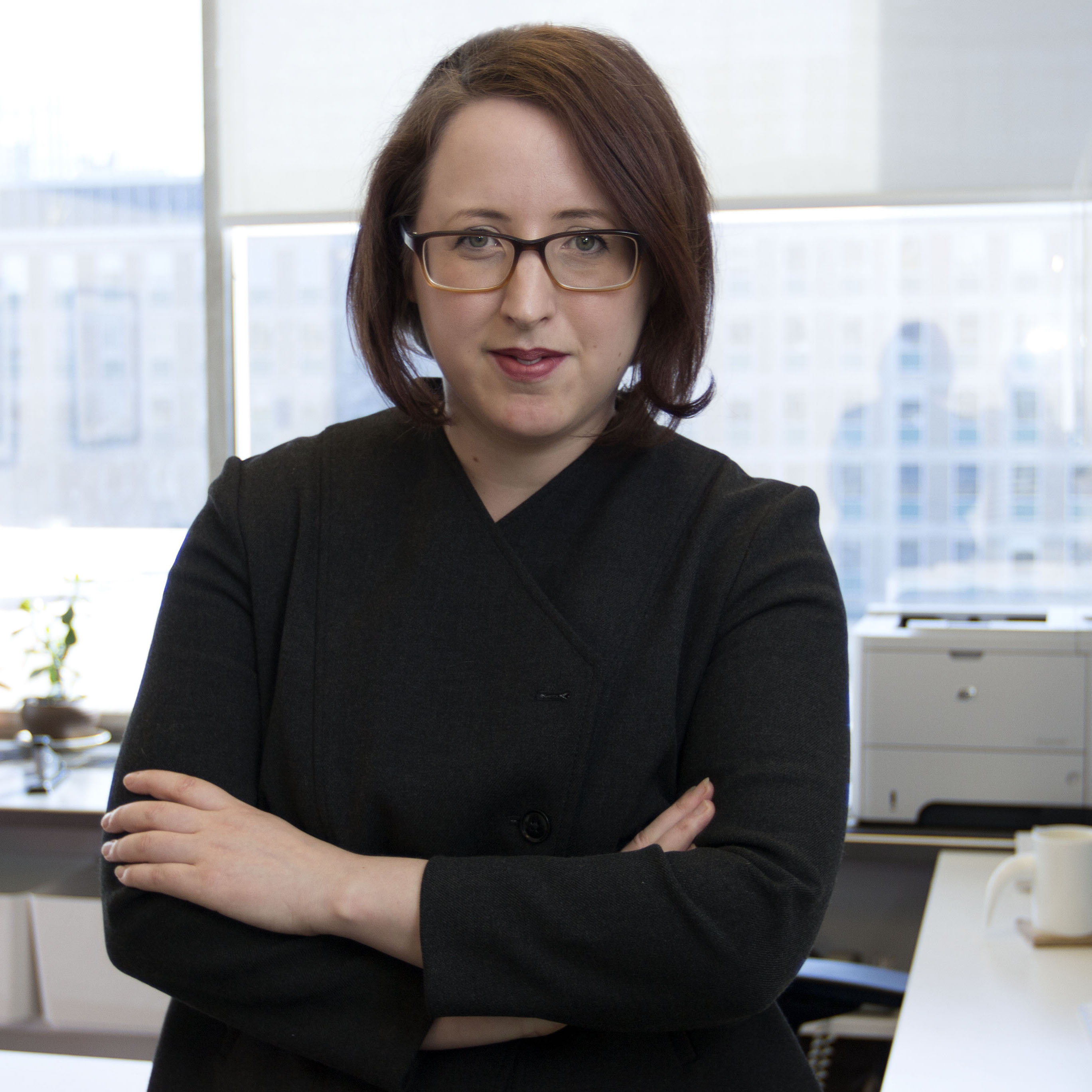
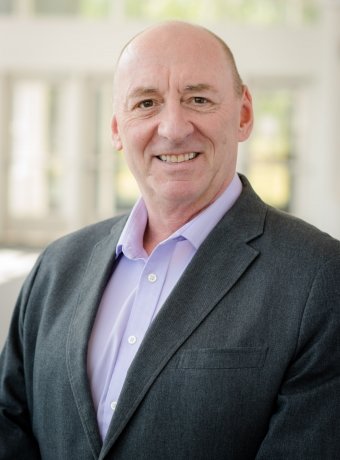
Philip Branch is Associate Professor in the School of Engineering at Swinburne University of Technology, specializing in network security, IoT systems, and distributed computing. Research explores anomaly detection in sensor networks, LoRa-based communication systems, blockchain applications for IoT, and rapidly deployable emergency infrastructure. His work combines theoretical networking concepts with practical implementations for industrial and environmental monitoring. Achievements include multiple best paper awards and research excellence recognition. Current projects investigate satellite-IoT integration for disaster response and blockchain scalability in resource-constrained environments. Honors: ICOIN39 Best Paper (2025) Good Design Award Gold Winner (2021) Vice Chancellor's Research Excellence Award (2023)
Ivaylo Valkov is a Lecturer in the School of Computing Science at the University of Glasgow, having joined the academic staff in June 2024. He completed his PhD in Computing Science at the University of Glasgow in 2024 under Prof. Alice Miller, focusing on formal analysis of wireless sensor systems. Prior to this, he earned a Master's degree in Computing Science and Mathematics from the same university in 2018. His research emphasizes rigorous mathematical analysis of software and hardware systems, particularly through model checking techniques. Key areas include system verification, sensor networks, combinatorial problems, and probabilistic model checking. Valkov has contributed to advancements in overtaking planning algorithms, symmetry reduction methods, and optimization of scheduling problems like the social golfer problem. His publications (6 items) span peer-reviewed journals like Science of Computer Programming and Symmetry , as well as conferences such as SPIN 2024 and FMAS 2021. While no specific awards are listed, his work reflects sustained engagement with formal methods and their applications in real-world systems. Valkov teaches Algorithms and Data Structures at the Master's level and co-teaches Software Engineering and Research Methods courses. His teaching aligns with his research focus on logical problem-solving and systematic analysis.
Cihan Halicigil is an Assistant Professor in Obstetrics, Gynecology & Reproductive Sciences at Yale School of Medicine and Laboratory Director at the Yale Fertility Center and Yale Medicine Greenwich Fertility. He holds dual MSc degrees (Biotechnology and Clinical Embryology) and a PhD in Biology from Middle East Technical University (METU), with additional training at Leeds University. With over 20 years of experience, he has overseen 13,000+ fresh IVF cycles and trained dozens of clinical embryologists. His research focuses on embryo culture optimization, micromanipulation techniques, cryopreservation, preimplantation genetic testing (PGT), and AI-driven advancements in IVF. Recent work explores IVF applications in space environments and fertility diagnostics. He leads initiatives to improve embryo selection and laboratory automation, emphasizing clinical outcomes and ethical standards. Key contributions include co-authoring Turkish Society of Reproductive Medicine guidelines for PGT-M and developing novel diagnostic tools like paper-based fertility testing. His lab collaborates on interdisciplinary projects, such as leveraging YOLOv8 AI models for male fertility assessment and studying microgravity effects on human reproduction.
Marc Gildas Thomas is a Senior Lecturer in Paramedic Science at Swansea University's Faculty of Medicine, Health and Life Science, School of Health and Social Care. He serves as Programme Director for DipHE Paramedic Science for Emergency Medical Technicians (EMT). As an Advanced Paramedic Practitioner (APP) and Non-Medical Independent Prescriber (NMIP), he brings extensive clinical experience to his academic role, having worked within emergency, pre-hospital, unscheduled and primary care environments. Thomas holds an MSc in Advanced Clinical Practice and is currently pursuing a professional doctorate at Swansea University Medical School focusing on paramedics in primary care. In 2019, he became one of the first UK paramedics to qualify as an NMIP and was among the first five APPs in Wales to achieve this distinction. His clinical background includes work with the Acute Clinical Team (ACT), a community-based multidisciplinary team providing holistic care to prevent unnecessary hospital admissions. His research demonstrates a clear trajectory toward integrating paramedics into primary care settings. Recent publications examine the educational requirements, scope of practice, and clinical effectiveness of paramedics in community healthcare. Thomas applies cognitive load theory to enhance teaching methodologies, particularly for complex skills like electrocardiogram interpretation. His work bridges clinical practice and academic theory, addressing both immediate educational needs and long-term workforce development. Thomas provides supervision and mentorship across multiple healthcare disciplines including paramedic, nursing, medical, and physician associate students. His teaching portfolio encompasses modules on medical conditions, trauma care, clinical leadership, and evidence-informed practice. He has developed expertise in both synchronous and asynchronous teaching methods, with particular interest in online delivery to support student learning and development. His contributions to primary care integration represent a significant shift in paramedic practice, helping to establish pathways for other paramedics to enter this challenging healthcare domain. Thomas's work with the Welsh Ambulance Service NHS Trust demonstrates his commitment to evidence-based practice and continuous professional development within emergency medical services.
Dr.-Ing. Michael Gulbis is affiliated with the Institute of Communications Engineering at the University of Rostock, part of the Faculty of Computer Science and Electrical Engineering . He completed his PhD in 2013 with a thesis on audio authentication via content-fragile watermarks. His research focuses on digital audio watermarking, multimedia integrity protection, and content-based authentication techniques. He was a PhD student at the institute from 2005 to 2010 and has since contributed to multiple international conferences and journals in the field of signal processing and multimedia security. Key research areas include audio falsification detection, robust audio feature extraction, and high-capacity watermarking systems. His work addresses challenges like distinguishing malicious audio modifications from legitimate post-production processes. Notable achievements include the Best Paper Award at the 2007 IEEE International Conference on Intelligent Information Hiding and Multimedia Signal Processing. Publications span topics such as synchronization approaches for audio authentication, hierarchical watermark embedding, and combining multilevel manipulation estimation with watermarking. His research bridges theoretical advancements with practical applications in digital forensics and data integrity verification.
R. Ramanujam is a Professor at the Institute of Mathematical Sciences (IMSc), Chennai, where he has been a faculty member since 1987. He holds a BE (Hons) in Electrical and Electronics Engineering from BITS, Pilani, and a PhD from the Tata Institute of Fundamental Research (TIFR), Mumbai. His research interests span Automata theory, Mathematical logic (including modal and epistemic logics), finite model theory, distributed systems, game theory, security theory, and science education. He has taught advanced courses on topics such as Mathematical Logic, Model Theory, Temporal Logics, Automata Theory, and Game Theory. His work emphasizes formal methods in security, verification of distributed systems, and the application of logic to computer science and game theory. Ramanujam's publications include seminal works on cryptographic protocol analysis, temporal logics for web services, and game-theoretic models. Notable contributions include studies on definability in first-order theories and the complexity of intuitionistic logic operations. His research bridges theoretical foundations with practical applications in security, distributed computing, and educational initiatives.
Leonardo Iwaya is an Associate Senior Lecturer in Computer Science at Karlstad University, Sweden, specializing in privacy engineering, information security, and digital health systems. He holds a PhD in Computer Science from Karlstad University (2019) and a Docent degree (2025). His research focuses on privacy impacts of AI-driven health apps, human-centric cybersecurity, and organizational privacy culture. He leads the DHINO (Digital Health Innovation) research group and collaborates internationally with institutions like the University of Adelaide and UFSC (Brazil). Key projects include OPErationalising Human Rights in AI-supported Digital Health (2025–), TRUstworthy huMAN-centric AI (2025–), and NUSO (National Follow-up of Social Services Transition). He teaches courses on computer security, privacy-enhancing technologies, and ethical hacking. His work bridges technical security solutions with human factors, emphasizing practical applications in healthcare. He has published extensively in top venues like IEEE Access, International Journal of Medical Informatics, and NordSec conferences. Research highlights include empirical studies on mHealth app security, privacy impact assessments, and Docker development challenges. He advises students on topics such as ethical hacking and healthcare system usability.
Sasa Radomirovic is a Professor in the School of Mathematical & Computer Sciences at Heriot-Watt University, specializing in Computer Science. He is actively engaged in research and currently accepting PhD students. His work bridges formal methods with real-world security applications, focusing on cryptographic protocols, digital identity, and human behavior in security systems. Research Interests: His primary research lies in formal modeling and verification of security-critical systems. He investigates how to design and analyze cryptographic protocols, manage digital identities, authenticate entities securely, and incorporate human fallibility into security models. Applications of his research span RFID, E-Voting, and 5G communication systems. His recent work emphasizes the integration of human factors into cybersecurity, as seen in studies on account security and user perceptions of connected technologies. Publication Trends: Over the past five years, his research output has centered on formal verification, authentication mechanisms, and the human aspects of security. His publications appear in top-tier venues such as IEEE CSF, ESORICS, and CHI, reflecting a strong interdisciplinary approach combining theoretical rigor with practical impact. Themes include security ceremonies, access graphs, and system software security, indicating a consistent focus on foundational and applied cybersecurity challenges. Scientific Recognition: While specific awards are not listed, his research has been cited in Scopus and garnered attention from Mendeley readers and news outlets. His work has been highlighted by multiple X (formerly Twitter) users and covered by 10 news outlets, indicating broader societal and academic impact. Advising and Grants: He is currently accepting PhD students, suggesting active supervision and likely grant-funded research. Although specific grants and advisees are not detailed in the text, his sustained publication record and institutional affiliations imply ongoing research funding and mentorship responsibilities. Labs and Research Groups: While no specific lab name is mentioned, his affiliation with the School of Mathematical & Computer Sciences and his research fingerprint suggest active participation in cybersecurity and formal methods research groups at Heriot-Watt University. His collaborations with researchers across Europe indicate a well-connected network in the security research community.
Dr. Michael Middelhoff is a researcher and faculty member at the University of Münster, affiliated with the Chair of Digital Innovation and the Public Sector (Prof. Brandt). He holds a PhD (2023) and Master’s/Bachelor’s degrees in Business Informatics from the same university. His research focuses on Supply Chain Security, Crisis Management, Enterprise Architecture Management, and Secure Business Process Modeling. Key projects include the EU-funded DRIVER+ initiative for crisis innovation and the INPOSEC project enhancing security in postal supply chains. Dr. Middelhoff has supervised over 20 theses on topics like blockchain in identity management, IoT security in postal services, and agent-based crisis simulations. His published work addresses pandemic management frameworks (STADEM), blood supply chain optimization, and crisis simulation methodologies. He contributes to teaching courses such as Enterprise Architecture Management and leads projects like 'Blut-Informationssystem für Krisenintervention'. His work bridges academia and practice, with collaborations in Germany, Europe, and South Africa. He actively participates in conferences and develops tools for crisis decision support.
Jo Kramer-Johansen is a Professor at the Department of Prehospital Services, Oslo University Hospital, University of Oslo. He specializes in resuscitation science, focusing on CPR quality, implementation strategies, and emergency medical dispatch systems. University: University of Oslo Affiliation: Oslo University Hospital Email: jo.kramer-johansen@medisin.uio.no His research centers on improving out-of-hospital cardiac arrest outcomes through technology (e.g., video streaming in emergency calls), education, and registry-based studies. He leads Norway’s institutional CPR advisory board and contributes to national and international cardiac arrest registries. Recent publications analyze CPR quality during pandemics, video-assisted first aid, stroke triage accuracy, and mechanical CPR devices. His work integrates machine learning for cardiac rhythm analysis and evaluates healthcare utilization post-cardiac arrest. Key Collaborations: Norwegian Resuscitation Council, COSTA group, German Resuscitation Registry Labs/Teams: Prehospital Research Group at Oslo University Hospital
Katherine Duncan is an Associate Professor and Associate Chair, Undergraduate in the Department of Psychology at the University of Toronto's St. George campus. Her research focuses on the dynamic neurobiological mechanisms underlying memory formation and retrieval, particularly the interplay between hippocampal networks and neuromodulatory systems. Education: PhD in Psychology from New York University (hippocampal subfield specialization) Postdoctoral Research at Columbia University (hippocampus-dopamine interactions) Undergraduate Alumna of the University of Toronto Research Focus: The Duncan Lab investigates how slow neurochemical fluctuations and brain oscillations (particularly theta rhythms) temporally structure memory processes. Their work explores state-dependent learning, age-related changes in network specialization, and the clinical implications for attention disorders and neurodegenerative conditions. Scientific Recognition: Canada Research Chair renewal Glushko Senior Thesis Award (advised student Tien Yang) Banting Postdoctoral Fellowship (lab alumnus Alexandera Decker) NSERC and Ontario Graduate Scholarships (students Matt, Mila, Ethina Islam) Research Trends: Recent publications emphasize three key areas: 1) attentional modulation of memory encoding across developmental stages, 2) computational approaches to neural state segmentation in fMRI, and 3) rhythmic dynamics in memory acquisition across health and disease. These works bridge basic cognitive neuroscience with translational applications. Laboratory Team: The lab includes graduate students Mila Mac Neil, Thomas, Catalina, and Robyn, with alumni transitioning to prestigious positions like Tien Yang's PhD at the University of Michigan and Sanjivan Loganathan's Masters at Western University's Culham Lab. Dr. Connie Solidate currently contributes as visiting scholar.
Victor Souza is a Research Fellow at the Department of Neuroscience and Biomedical Engineering, Aalto University. He holds a Doctoral degree, Master's degree, and Bachelor's degree in Engineering and Technology from Universidade de São Paulo. His research focuses on Transcranial Magnetic Stimulation (TMS) , Brain Mapping , and Neuromodulation . Education PhD in Engineering and Technology (2018) MS in Engineering and Technology (2014) BS in Engineering and Technology (2011) His recent publications explore topics like: Multi-coil TMS for ultra-high-field MRI Pulse-width modulation in neurostimulation Electric-field orientation in cortical activation Scientific awards include: Early Career Researcher Award (2022) Professor José Leite Lopes Doctoral Thesis Prize (2022) Real-time tractography-based neuronavigation award (2021) He develops open-source tools like DELMEP (automated MEP annotation) and SignalHunter (electrophysiological data analysis). Media coverage highlights his work on TMS applications for depression and pain treatment (2022) and magnetic field therapy (2023).
Dr. William H. Cooke is a Professor in the Department of Kinesiology and Integrative Physiology at Michigan Technological University , where he investigates autonomic cardiovascular control mechanisms under extreme conditions. PhD in Kinesiology/Exercise Physiology from Texas A&M University MA and BS in Health and Human Performance from University of Houston Research Focus: His work spans autonomic regulation during orthostatic stress, traumatic injury diagnostics, and device development for circulatory monitoring. Key contributions include studies on fasting-induced hypovolemia tolerance, respiratory-autonomic coupling, and nicotine vapor effects on blood pressure. Publication Trends: Over the last decade, his research has emphasized human autonomic responses to simulated hemorrhage ( 2011-2024 ), spaceflight analogs ( 2013-2016 ), and metabolic-cardiovascular interactions ( 2015-2022 ). Labs & Teams: Leads the Integrative Physiology Lab in H-STEM Building #134, collaborating with military researchers on hemorrhage tolerance metrics and clinical physiologists on autonomic dysfunction.
Arkadiusz Rubiec is an Adjunct Professor at the Military University of Technology, specializing in mechanical engineering with a focus on unmanned ground vehicles (UGVs), hydrostatic drivetrains, and robotics. He holds a Doctorate from 2017 and has contributed extensively to research areas including suspension system optimization, energy recovery systems, and terrain mobility solutions for military and rescue applications. His work emphasizes practical engineering challenges such as improving UGV teleoperation efficiency through camera placement studies, analyzing ground pressure effects on demining rollers, and enhancing hydraulic systems' energy efficiency. Rubiec has published 54 papers, secured 2 patents, and led 5 research projects. His research often intersects with real-world applications like disaster response robotics, IED detection systems, and GNSS positioning enhancements. Education: Ph.D. in Mechanical Engineering (2017) Affiliations: Military University of Technology (current) Rubiec’s contributions span experimental and simulation-based studies, including investigations into kinematic discrepancies in multi-axle vehicles and the efficacy of hydrostatic drives. His lab focuses on developing high-mobility platforms for rescue operations and military use, with a particular interest in additive manufacturing for field repairs and lightweight suspension systems. Key achievements include a 2021 study on modern mine scattering systems and breakthroughs in UGV suspension design. His work is cited across Scopus and Web of Science with a WoS h-index of 7, reflecting significant academic impact.
Fernando Boronat is a researcher specializing in multimedia systems, media synchronization, and networked virtual environments. His work focuses on hybrid broadcast-broadband TV (HbbTV), inter-destination media synchronization (IDMS), and IoT integration for real-time applications. His research explores Adaptive media playout algorithms Distributed synchronization mechanisms Multi-screen and multi-user scenarios IoT for tele-assistance and port logistics Key publications span topics like Web-based synchronized viewing platforms , AIoT in maritime logistics , and self-adaptive cloud-edge architectures . Collaborations include experts in networking (Mario Montagud), wireless systems (Jaime Lloret), and healthcare (Pascual Escrivá). While his academic rank is explicitly listed as 'Researcher,' no formal university affiliation or departmental details are provided in the available data. His work bridges theoretical networking research with practical implementations in hybrid TV, port management, and elderly care systems.