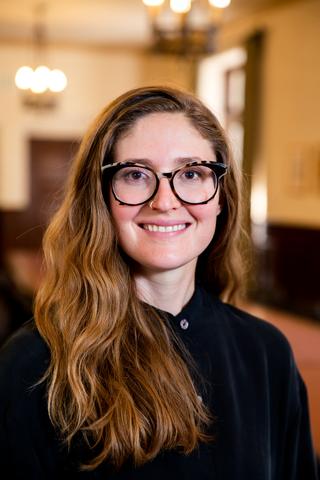
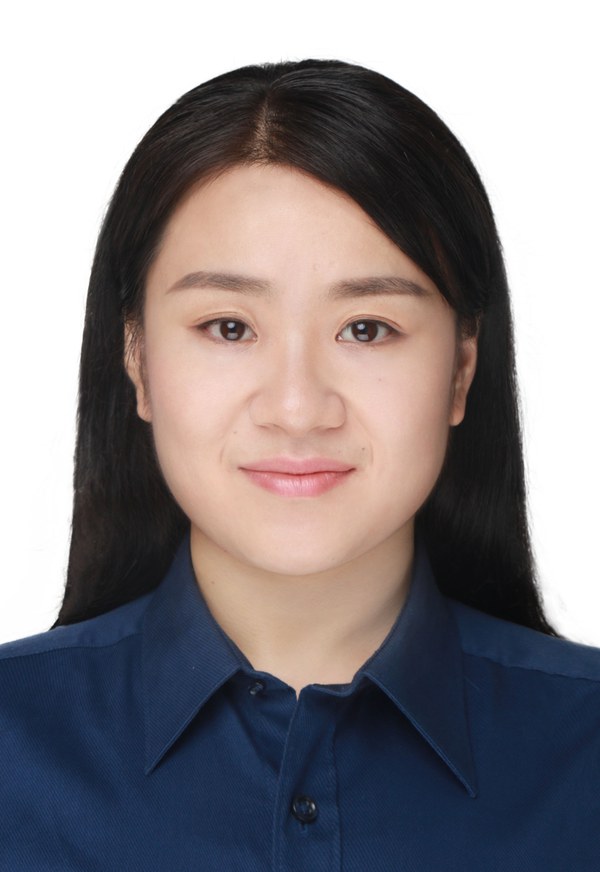
Gabriella R. Sterne, Ph.D., is an Assistant Professor in the Department of Biomedical Genetics and the Department of Neuroscience at the University of Rochester School of Medicine and Dentistry (SMD). She holds joint appointments in both departments and leads the Sterne Lab, focused on understanding neural circuit mechanisms underlying feeding behaviors. Dr. Sterne earned her Ph.D. in Neuroscience from the University of Michigan (2016) and a B.A. in Biology from Whitman College (2010). Her research integrates experimental and computational approaches to study how neural circuits coordinate feeding motor programs, time feeding intervals, and store feeding-related memories using Drosophila as a model system. Key research themes include: Feeding Motor Sequences : How circuits orchestrate rhythmic motor actions like proboscis extension. Feeding Microstructure : Neural coding strategies for timing feeding rhythms across timescales. Feeding Memories : Circuit mechanisms linking taste experiences to long-term behavioral adaptations. Her lab collaborates extensively with neuroimaging and computational teams, contributing to projects like the Drosophila connectome mapping. Recent work includes computational brain models and neuroendocrine pathway discoveries influencing feeding behavior. Lab Members include postdoctoral scholars, graduate students (e.g., Gladys Leitch studying hunger modulation), and undergraduates involved in neuroanatomy visualization and synaptic quantification projects. The lab is affiliated with the Biomedical Genetics and Genomics, Neurobiology & Anatomy, and Neuroscience Ph.D. programs. Lab location: KMRB 2-9639, 601 Elmwood Ave, Rochester, NY 14642.
Athanasios Metaxas is an Assistant Professor in the Department of Life Sciences at the School of Sciences, European University Cyprus. He holds a Ph.D. in Biosciences and Medicine (University of Surrey, U.K.), an M.Sc. in Biosciences and Medicine (University of Surrey, U.K.), and a B.Sc. in Pharmacy (Aristotle University of Thessaloniki, Greece). His research focuses on neuroinflammation, synaptic pathology, and molecular mechanisms underlying Alzheimer’s disease, particularly using transgenic mouse models and advanced imaging techniques like PET. Metaxas has received travel awards from the Lundbeck Foundation and the University of Southern Denmark, and his work emphasizes serotonin signaling, tau protein alterations, and the development of diagnostic tools for neurodegenerative conditions. Educations: Ph.D., Biosciences and Medicine, University of Surrey, U.K. (2010) M.Sc., Biosciences and Medicine, University of Surrey, U.K. (2005) B.Sc., Pharmacy, Aristotle University of Thessaloniki, Greece (2004) Research Interests: His studies investigate the interplay between neuroinflammation and synaptic dysfunction in Alzheimer’s disease. Metaxas employs transgenic mouse models to study amyloidosis, tau pathologies, and the role of serotonin transporters (SERT) in disease progression. He is also dedicated to developing PET imaging ligands targeting NMDA receptors and exploring antioxidant therapies that modulate the NRF2 pathway. Recent work highlights the protective roles of cytokines like TNF in cognitive processes under physiological conditions, while his studies on 5-HT2B receptors in microglia cells reveal behavioral impacts of conditional receptor inactivation. Metaxas’ research bridges molecular proteomics with translational neuroscience, aiming to identify novel therapeutic targets and biomarkers. Publications Trends: His articles emphasize Alzheimer’s disease pathogenesis, focusing on synaptic plasticity, neuroinflammation, and age-related biomarkers. He frequently publishes in journals like Cells , Scientific Reports , and Alzheimer’s Research & Therapy , with contributions to both basic science and clinical neuroimaging. Recent work extends to canine models of early Alzheimer’s, suggesting cross-species relevance of microglial activation patterns and perivascular macrophage infiltration. Awards & Recognition: 2018: IMM Travel Award (University of Southern Denmark) 2017: Lundbeckfonden Travel Award (Lundbeck Foundation) 2016: IMM Travel Award (University of Southern Denmark) 2006-2010: Ph.D. Studentship (European Commission) Advising & Grants: Metaxas has served as Principal Investigator for projects on neurofibrillary tangles (2016), SSRIs and amyloid pathology (2015), and Co-Investigator in studies on serotonergic signaling in microglia (2018-2020). He collaborated on LeARN (2010-2014) for Alzheimer’s diagnosis tools and CoPING AD (2015-2018) exploring neuron-glia interactions. As a supervisor, he guided undergraduate and postgraduate theses in multiple institutions (SDU, VUmc, University of Surrey). His leadership roles include Erasmus+ Coordinator at SDU (2016-2017) and Professional Training Year Coordinator at VUmc (2012-2013), emphasizing international collaboration and training program development. Labs & Teams: While specific lab names are not provided, his research is embedded within collaborative projects such as LeARN (Center for Translational Molecular Medicine) and CoPING AD (University of Southern Denmark). These projects involve multidisciplinary teams focusing on neuropharmacology, imaging, and molecular biology, with contributions to preclinical drug evaluation and diagnostic tool development.
Dr. Tina Kroll is a researcher at the Institute of Neuroscience and Medicine (INM-2) at the Research Center Jülich GmbH. Her work focuses on neuroimaging, particularly positron emission tomography (PET), to study neurodegenerative diseases like Alzheimer’s, adenosine receptor dynamics, and the effects of sleep deprivation on brain function. She investigates synaptic density, molecular pathology quantification, and the interplay between sleep architecture and neurodegenerative processes. Key projects include developing novel PET-derived biomarkers for Alzheimer’s (e.g., spatial extent analysis of pathology), optimizing awake PET methodologies in rodents, and exploring sex differences in synaptic density measurement. Her research integrates genetics, neurophysiology, and advanced imaging techniques to understand brain mechanisms in health and disease. Collaborations span neurology, psychiatry, and computational biology, with a focus on translating findings into clinical staging models (e.g., T-POT cohort for tau propagation). Technical contributions include enhancing PET/MRI image quality with deep learning, improving motion correction in animal PET studies, and validating radiotracer applications for adenosine receptors. Her work bridges preclinical models and clinical applications, addressing challenges in neuroimaging accuracy and translational research.
Dr. Meiqi Niu is a Researcher at the Institute of Neuroscience and Medicine (INM-1) , Research Center Jülich GmbH, specializing in neuroimaging and brain architecture. Her work focuses on mapping cortical structures and receptor distributions in macaque and human brains, with applications in comparative neuroscience, bilingualism effects, and neurodegenerative disorders. She contributes to creating population-based brain atlases (e.g., MEBRAINS 1.0) and advancing neuroimaging techniques like 3D Polarized Light Imaging (PLI). Expertise: Brain mapping, receptor distribution analysis, computational neuroanatomy Techniques: 3D neuroimaging, machine learning, diffusion tensor imaging (DTI) Key Projects: Macaque brain atlases, somatosensory cortex organization, bilingualism impact studies Her research integrates cytoarchitectonic, receptor, and functional connectivity data to understand brain structure-function relationships. Recent work explores how neurotransmitter receptor gradients influence neural processing and how early language acquisition shapes brain networks. Labs/Teams: Active contributor to the Structural and Functional Organization of the Brain group (INM-1), collaborating on multimodal brain mapping initiatives.
Andrea Gomez is an Assistant Professor of Cell Biology, leading the Gomez Lab focused on understanding molecular mechanisms shaping neural circuits. Her research integrates electrophysiology, imaging, and molecular biology to study synaptic properties and their roles in psychiatric disorders such as autism and neurodegeneration. Current projects include investigating alternative RNA splicing's role in neural complexity, synaptic organization in hippocampal neurons, and the RNA biology of psychedelics. The lab explores how transsynaptic signaling and splicing regulators influence cell-type specific dynamics in neural networks. Notable contributions include discoveries on neurexin molecular codes, Lrp4's role in synapse formation, and the impact of psychedelic compounds on transcriptomic plasticity. Her work bridges fundamental neuroscience with translational insights into cognitive flexibility and neural repair.
Danny G Winder is a Chair and Professor of Neurobiology at UMass Chan Medical School (T.H. Chan School of Medicine). His research focuses on neurobiological mechanisms underlying alcohol use disorder, stress, anxiety, and synaptic plasticity in brain circuits such as the bed nucleus of the stria terminalis (BNST), extended amygdala, and prefrontal cortex. PhD in Neuroscience from Emory University Bachelor of Science in Biology from University of North Georgia His work integrates synaptic physiology , neuropharmacology , and behavioral models to investigate: Dopamine and norepinephrine receptor interactions in stress and reward Endocannabinoid signaling in anxiety and alcohol consumption Glutamatergic transmission dynamics in BNST and amygdala Stress-induced reinstatement of drug-seeking behaviors Sex differences in alcohol drinking patterns Recent publications highlight trends in alcohol-related neuroplasticity , BNST circuitry , and stress-modulated synaptic adaptations , with applications in pharmacotherapies for addiction and affective disorders. Winder collaborates with institutions like NeuroNexus Institute and Morningside Graduate School of Biomedical Sciences, contributing to multidisciplinary programs in neuroscience and translational research.
Jeannie Chen, PhD, is a Professor of Physiology and Neuroscience at the University of Southern California (USC). Her research focuses on retinal degeneration mechanisms, photoreceptor biology, and vision restoration strategies. She leads studies on retinitis pigmentosa, congenital stationary night blindness, and the role of proteins like arrestin and rhodopsin in retinal signaling and survival. Her work employs mouse models to investigate gene therapy efficacy, synaptic transmission in degenerating retinas, and protein dynamics (e.g., huntingtin fibrils). Recent studies highlight cone-mediated vision persistence during rod degeneration and the impact of metabolic pathways (e.g., lactate) on photoreceptor function. Dr. Chen’s research bridges molecular mechanisms and therapeutic applications, with publications spanning 2006–2024. She is affiliated with USC’s Clinical and Translational Science Institute (CTSI). Key areas: Retinal degeneration, phototransduction, gene therapy, protein interactions. Techniques: Mouse models, biochemical assays, protein isolation, in vivo imaging. Publications emphasize retinal signaling pathways, synaptic plasticity, and the role of exchangers (e.g., NCKX proteins) in maintaining vision. Her work also extends to agricultural microbiology (e.g., Bacillus subtilis effects on poultry growth).
Brooke Erika Hjelm is an Assistant Professor of Clinical Cancer Biology at the University of Southern California. She holds the role of Culture and Engagement Champion, contributing to academic and institutional culture. Her research focuses on mitochondrial biology, psychiatric disorders, neurodegenerative diseases, and molecular mechanisms in cancer and autoimmune conditions. She has published extensively on topics such as mitochondrial DNA deletions, synaptic pathology in Alzheimer’s, and biomarker discovery for conditions like Sjögren’s syndrome and schizophrenia. Her work integrates cutting-edge technologies like single-cell RNA sequencing and iPSC-derived models to study disease mechanisms. Key areas of investigation include the role of mitochondrial dysfunction in schizophrenia and bipolar disorder, genetic mutations in congenital heart defects, and the development of diagnostic biomarkers using miRNA profiling. She has contributed to translational initiatives such as the Foundational Data Initiative for Parkinson’s Disease, bridging genetic maps with clinical mechanisms. No scientific awards are explicitly listed in the provided text. While no student advisees are mentioned, her research collaborations span interdisciplinary teams addressing complex biological systems. Her work emphasizes the interplay between genetic, molecular, and environmental factors in disease pathogenesis.
Sun Sun is an Adjunct Professor at the University of Waterloo, specializing in advanced memristor technologies and their applications in neuromorphic computing, biomedical engineering, and artificial intelligence. Their research focuses on developing novel memristor-based devices for sensor integration, energy harvesting, and bionic systems. Key research areas include organic nanomaterials, hybrid heterostructures (e.g., TiO2@MoO3, HfOx/FeOx), and biomaterials such as silk fibroin for implantable devices. Sun Sun explores memristor behaviors like negative differential resistance, resistive switching, and self-rectifying effects to enhance device functionality and scalability. Applications span healthcare (e.g., rapid tumor cell detection, follicular fluid monitoring), neuromorphic systems (e.g., artificial synapses, emotional perception circuits), and energy systems (soil-based energy harvesting). Their work often emphasizes multi-factor regulation of memristive properties and interdisciplinary integration with photonics, robotics, and sustainable materials. Collaborative projects include designing flexible and transparent memristor-based systems for wearable electronics and neuromorphic chips. Sun Sun’s contributions bridge fundamental device physics with real-world biomedical and AI applications, leveraging both organic and inorganic materials for next-generation smart technologies.
Dr. Timothy Balmer is an Assistant Professor in the School of Life Sciences at Arizona State University (ASU), with affiliations in the Interdisciplinary Graduate Faculty. His research focuses on understanding how sensory signals are processed in the brain, particularly in hearing and balance systems. He uses techniques such as in vitro/in vivo electrophysiology, optogenetics, and computational modeling to study neural circuits, synapses, and signal integration. Education: Ph.D., Neuroscience, Georgia State University, 2014 B.A., Psychology, University of Puget Sound, 2006 Research Interests: Neural mechanisms of auditory and vestibular processing Unipolar brush cell (UBC) function and synaptic signaling Integration of multisensory inputs in cerebellum-like circuits Disorders of hearing (e.g., tinnitus) and balance Labs/Teams: Director of the Balmer Lab, which investigates brain circuit function and sensory disorders Focus on cerebellar circuits, cochlear nucleus, and synaptic receptor dynamics Teaching: Offers courses in neurophysiology, neuroscience, and research seminars Includes BIO 465, BIO 467, and NEU 598 at the undergraduate/graduate levels
Hyun Jung Kim, MD is a Clinical Instructor in Psychiatry at Yale School of Medicine. He holds an MD from the Catholic University of Korea (2003) and completed residency at Duke University (2012) and a psychiatry fellowship at Boston Children's Hospital/Harvard Medical School (2014). His research focuses on neurodevelopmental disorders, epilepsy mechanisms, schizophrenia pharmacology, and neuromodulation technologies. Notable work includes studies on SHANK3's role in blood-brain barrier function (Nature Communications 2025), lithium's effects on autism mouse models (Molecular Psychiatry 2024), and optogenetic brain modulation systems (Nature Communications 2024). His work bridges molecular neuroscience with clinical psychiatry, exploring genetic factors in psychiatric conditions and translational therapeutic approaches. Research interests include: Neurodevelopmental disorders (ASD, schizophrenia), synaptic plasticity mechanisms, neuromodulation technologies, psychopharmacology, and health behavior analysis during pandemics. Recent studies analyze social media data's role in tracking mental health trends during the COVID-19 pandemic (American Journal of Health Behavior 2023).
Francesca Mandino is an Associate Research Scientist in the Department of Radiology & Biomedical Imaging at Yale School of Medicine. Her research focuses on neuroimaging methodologies, functional connectivity analysis, and neurological disorders such as Alzheimer’s disease, autism spectrum disorders, and hydrocephalus. She employs advanced MRI techniques and animal models to study brain dynamics and neural networks. Her work emphasizes translational research, integrating multimodal imaging (e.g., fMRI, calcium imaging) with genetic and behavioral studies. Key projects include investigating CSF dynamics in neurodevelopmental disorders, developing consensus protocols for rodent neuroimaging, and exploring synaptic changes in traumatic brain injury. Collaborations with experts like Evelyn Lake, Xilin Shen, and Michael Crair highlight interdisciplinary approaches to understanding brain function and disease. Publications span topics like Alzheimer’s pathology reversal via mGluR5 modulators, anesthesia effects on neuroimaging, and the role of PTEN mutations in cortical circuitry. Her studies often utilize mouse models to bridge preclinical findings with clinical insights. Dr. Mandino’s contributions advance neuroimaging standards and uncover mechanisms underlying cognitive and neurological disorders, with implications for diagnostic and therapeutic strategies.
Nigel S. Bamford, MD is an Associate Professor of Pediatrics (Neurology) and Neurology at Yale School of Medicine, holding dual appointments in both departments. He serves as Section Chief of Pediatric Neurology and Director of the Pediatric Movement Disorders Clinic. A physician-scientist, Dr. Bamford specializes in movement disorders, particularly in children, and conducts NIH-funded research on corticostriatal pathways and synaptic mechanisms underlying neurological conditions such as Parkinson’s disease, Huntington’s disease, and substance dependence. Education & Training: MD: University of Utah School of Medicine (1992) BS: Electrical Engineering, University of Utah (1988) Residency: Pediatrics & Pediatric Neurology, Columbia-Presbyterian Medical Center (1993–1997) Postdoctoral Fellowship: Movement Disorders Section, Neurological Institute (2002) Research Focus: Investigates dopamine’s role in synaptic plasticity, striatal dysfunction, and novel treatments for movement disorders. Key areas include: Corticostriatal synaptic mechanisms in Tourette syndrome, Parkinsonism, and addiction Effects of dopamine deficiency on striatal function Development of imaging techniques for studying glutamate release in the striatum Notable Achievements: Published in Neuron , Journal of Neuroscience , and Nature Neuroscience NIH-funded research on dopamine-induced synaptic plasticity (R01NS060803) Recipient of the Yale Pediatric Residency Program Faculty Honor Roll (2016, 2017) Collaborations with the Palmiter Lab at University of Washington on striatal signaling Clinical Contributions: Leads multidisciplinary care for pediatric movement disorders, integrating neurology, genetics, and psychology. Pioneered studies on L-dopa-induced dyskinesias and propranolol therapy in Parkinsonian mice. Labs & Teams: Director of the Bamford Lab , focused on translational research in pediatric neurology and movement disorders.
Emily Sharp, PhD, is an Associate Professor of Neurology at Yale School of Medicine and Division Chief of Neuropsychology. She holds appointments in the Alzheimer's Disease Research Center (ADRC), Movement Disorders, Neurodegenerative Disorders, and Neuropsychology. Her clinical expertise focuses on neuropsychological assessment of memory disorders and Parkinson’s disease. Dr. Sharp earned her PhD in Clinical Psychology from the University of Southern California and completed a postdoctoral fellowship in Neuropsychology at the VA Boston Healthcare System. She joined Yale Medicine in 2014. Her research integrates cognitive neuroscience and gerontology, emphasizing interventions to delay cognitive decline through cognitive engagement. Recent studies examine synaptic density via PET imaging, dementia screening tools, and the impact of hearing loss on cognitive trajectories. Her academic contributions span over 15 peer-reviewed publications, including work on dementia risk prediction, personality’s role in aging, and neuropsychological assessment methodologies. Dr. Sharp leads the clinical core faculty for the Yale ADRC and collaborates with researchers like Adam Mecca and Christopher van Dyck. She is actively involved in a sub-investigator role for the Cognitive Training in Parkinson's Disease clinical trial. Dr. Sharp’s clinical practice emphasizes patient-centered neuropsychological evaluations, combining detailed cognitive assessments with caregiver interviews to guide neurologists and primary care providers. She is board certified in clinical neuropsychology and maintains affiliations with Yale Medicine and the School of Medicine’s Neurology department.
Dr. Na Wang is an Associate Research Scientist at Yale School of Medicine's Department of Neurology. Her research investigates synaptic dysfunction mechanisms underlying cognitive decline, with expertise in glutamate receptor trafficking and oligodendrocyte differentiation. She earned her PhD in Neurobiology from Zhejiang University and utilizes multidisciplinary approaches to study neural pathways affected in neurodegenerative conditions. Her recent publications in PNAS and Glia examine molecular regulators of synapse maintenance and myelination processes. Collaborative projects with Dr. Sreeganga Chandra explore transcriptomic signatures of synaptic health, while her earlier work established connections between metabotropic glutamate receptors and neurodevelopmental conditions.