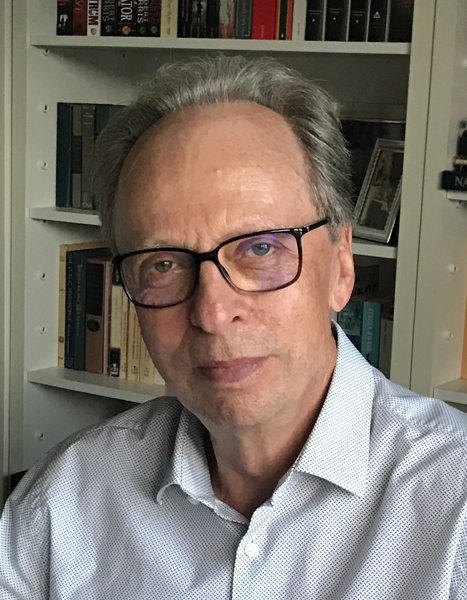
Larry Abbott is the William Bloor Professor of Theoretical Neuroscience at Columbia University, with joint appointments in the Department of Physiology and Cellular Biophysics (within Biological Sciences) and the Mortimer B. Zuckerman Mind Brain Behavior Institute. He serves as Co-Director of the Center for Theoretical Neuroscience and is a Senior Fellow at HHMI Janelia Farm. PhD in Physics (1977), Brandeis University His research focuses on computational and mathematical modeling of neurons and neural networks, emphasizing spike-timing-dependent plasticity, sensory encoding in olfaction, and dynamics of internally generated neural activity. He explores how chaotic neural activity is harnessed for motor output and how perception involves dynamic inference and synaptic plasticity. Recent publications highlight applications of recurrent neural networks, hierarchical control mechanisms, and sensory-motor integration. Collaborative work spans institutions like MIT, Hebrew University, and the Allen Institute for Brain Science. Awards include the NIH Director’s Pioneer Award and the Swartz Prize in Theoretical Neuroscience. NIH Director’s Pioneer Award (2004) Swartz Prize (2010) First Annual Prize in Mathematical Neuroscience (2013) Irving Institute Mentor of the Year (2013)
Kuo-Fen Lee, PhD is a Professor at the Salk Institute for Biological Studies, holding the prestigious Helen McLoraine Chair of Molecular Neurobiology. He leads the Clayton Foundation Laboratories for Peptide Biology, where his research focuses on nerve regeneration, spinal cord injury, and molecular mechanisms underlying neural development and neurodegenerative diseases. His work bridges basic neuroscience with potential therapeutic applications for conditions like ALS, paralysis, and Alzheimer's disease. Dr. Lee received his educational training from multiple prestigious institutions: a degree in Plant Pathology from National Taiwan University; an MS in Cancer Enzymology and Cell Differentiation from National Yang-Ming Medical College, Taiwan; a PhD in Endocrinology from Baylor College of Medicine, Houston; and completed his postdoctoral training at the Whitehead Institute for Biomedical Research. His primary research interests center on understanding why humans cannot regenerate damaged nerves while many other animals can. Dr. Lee has made significant discoveries regarding the p45 protein, which promotes nerve regrowth in mice but is absent in humans (who instead have p75, which inhibits nerve growth). His laboratory also studies neuregulin signaling, neuromuscular synapse formation, and the role of various proteins like nestin in neural development and maintenance. His work often employs mouse models to investigate spinal cord injury, pain pathways, and neurodegenerative conditions. Analysis of Dr. Lee's recent publications reveals a consistent focus on molecular neurobiology with particular emphasis on neural signaling pathways, synaptic maintenance, and nerve regeneration mechanisms. His research spans from basic molecular mechanisms to potential therapeutic applications, with increasing attention to pain pathways, Alzheimer's disease models, and the intersection of neuroscience with immunology and metabolism in recent years. As holder of the Helen McLoraine Chair of Molecular Neurobiology, Dr. Lee has received significant institutional recognition for his contributions to neuroscience. While specific awards aren't detailed in the provided text, his sustained funding and leadership position indicate substantial peer recognition in his field. Dr. Lee's research program involves extensive collaboration with other neuroscience laboratories, as evidenced by his numerous co-authored publications across various neuroscience subdisciplines. His work has been consistently funded, allowing for the maintenance of an active research laboratory focused on nerve regeneration and molecular neurobiology. The Clayton Foundation Laboratories for Peptide Biology serves as the primary research environment for Dr. Lee's team, where they investigate molecular mechanisms of nerve development, regeneration, and degeneration using advanced genetic, molecular, and cellular approaches. The laboratory maintains active research programs in multiple areas of neural signaling and development.
Simon Hanslmayr is a Professor in the School of Psychology & Neuroscience at the University of Glasgow. His research investigates neural oscillations' role in attention and memory processes, employing EEG, fMRI, and transcranial stimulation techniques. He focuses on healthy populations and clinical conditions like Schizophrenia and PTSD. His lab develops tools like the Brain Time Toolbox for electrophysiological data analysis. Education: Ph.D. in Cognitive Neuroscience (not explicitly detailed in text) Research interests include understanding how precise neural timing via oscillations underpins cognitive functions. Key areas: hippocampal memory coding, theta phase synchronization in associative memory, and causal effects of rhythmic stimulation on memory plasticity. Recent articles highlight mechanisms linking theta oscillations to memory formation, thalamocortical interactions in perception, and hippocampal-neocortical coupling. His work bridges experimental and computational approaches to model memory dynamics. Grants: Sensory stimulation for memory impairment (BIAL Foundation, 2025-2026) EU-funded studies on neural oscillations and memory (2020-2021) Awards: None explicitly listed, but active grant recipient. Supervised students include Kiera Capstick, Eleonora Marcantoni, and others. Collaborates with researchers worldwide through lab affiliates and visiting scholars. Current work emphasizes scalable neurotechnologies for cognitive enhancement and memory rehabilitation. Labs/Teams: Leads the Memory & Oscillations Lab at the University of Glasgow, collaborating with institutions like the University of Zurich and Maastricht University on neuroimaging and clinical studies.
Dr. Douglas Lobner is a Research Professor in the Department of Biomedical Sciences at Marquette University, College of Health Sciences. His research focuses on neurodegenerative disease mechanisms, environmental toxin interactions, and dental material toxicity. He investigates how environmental factors like mercury, pesticides, and BMAA interact with genetic predispositions to cause neurodegenerative diseases such as Alzheimer’s, Parkinson’s, and ALS, particularly through the cystine/glutamate transporter (system xc-). His work also explores dental pulp capping materials, emphasizing growth factor-enhanced repair mechanisms and system xc- regulation to prevent root canal procedures. Key collaborations involve studies on glutamate signaling, neurotoxicant synergy, and drug-induced neuroplasticity. Published research includes over 14 studies from 2009–2014, emphasizing system xc- regulation by growth factors, neurotoxin synergies (e.g., methylmercury and BMAA), and dental material toxicity mitigation strategies. His lab contributes to the Neuroscience Collaboratory and Integrative Neuroscience Research Center at Marquette.
Hideyuki Takahashi is an Associate Research Scientist in the Department of Neuroscience at Yale University School of Medicine. He holds a PhD from Waseda University (2005) and has established himself as a prominent researcher in neurodegenerative diseases, particularly focusing on lysosomal biology and protein aggregation mechanisms. Dr. Takahashi's research primarily investigates the role of progranulin, TMEM106B, and other molecular players in neurodegenerative conditions including Alzheimer's disease, frontotemporal dementia, and tauopathies. His work spans multiple approaches from molecular and cellular neuroscience to animal models of disease. His recent publications demonstrate a strong focus on lysosomal dysfunction in neurodegeneration, with particular attention to how TMEM106B interacts with other proteins to influence disease progression. The research trends show increasing emphasis on therapeutic interventions targeting specific molecular pathways involved in protein aggregation and synaptic loss. ORCID: 0009-0004-4969-977X Dr. Takahashi maintains active collaborations with several leading researchers at Yale, most notably with Stephen Strittmatter (with whom he has 16 common publications), as well as Anita Huttner, Anthony Koleske, and Le Zhang. His research program appears well-integrated within Yale's neuroscience community, contributing significantly to our understanding of neurodegenerative disease mechanisms.
Dr. Qin Li is an Assistant Professor of Genetics at the University of Pennsylvania Perelman School of Medicine, affiliated with the Penn Institute for Immunology & Immune Health (I3H), the Penn Institute for RNA Innovation, and the Penn Center for Genomic Integrity. He earned his BS and PhD in Biological Science and Biochemistry & Molecular Biology from Peking University, followed by postdoctoral training at Stanford University. Education : BS (Peking University, 2009), PhD (Peking University, 2014) Dr. Li’s research focuses on the ADAR1-dsRNA-MDA5 axis, exploring how RNA editing mediates self/non-self discrimination in the immune system. His work connects RNA editing quantitative trait loci (edQTLs) to inflammatory disease heritability and develops computational/experimental tools for RNA editing and sensing. Recent publications highlight his contributions to understanding RNA editing’s role in autoimmune diseases, CRISPR-based regulatory principles, and novel RNA ligand engineering. He mentors PhD and Master’s students in Bioengineering, Cell and Molecular Biology, and related programs.
Dennis Nestvogel is a Research Group Leader at the Max Planck Institute of Psychiatry in Munich, Germany, where he leads research in the department of Neural Dynamics and Behavior. His work focuses on understanding how behavioral states such as arousal, attention, and stress modulate sensory processing and decision-making in the brain. Research Interests: Dr. Nestvogel's research centers on thalamocortical network dynamics, brain oscillations, and state-dependent neural activity. He investigates how these processes influence sensory-guided behavior and how their disruption contributes to psychiatric disorders including schizophrenia, ADHD, and PTSD. His approach integrates in vivo intracellular recordings, high-density neural recordings, optogenetics, and mouse behavioral paradigms. Publication Trends: His recent publications reveal a strong focus on the neural mechanisms underlying waking states, sensory processing, and cortical dynamics. Themes include alpha oscillations, synaptic regulation, neuromodulation, and the impact of genetic mutations on stress sensitivity in psychiatric conditions. His work bridges molecular, systems, and cognitive neuroscience. Scientific Contributions: Investigating how behavioral states gate sensory input in the cortex Elucidating the role of thalamocortical circuits in arousal and attention Linking synaptic proteins like CAPS-1 to sensory adaptation Exploring genetic underpinnings of stress sensitivity in bipolar disorder Advising and Grants: While no students are listed, Dr. Nestvogel leads an independent research group, indicating leadership in mentoring junior scientists and managing research projects. His affiliation with the Max Planck Institute suggests access to substantial institutional funding and collaborative resources. Labs and Teams: He heads the research group within the Neural Dynamics and Behavior unit at the Max Planck Institute of Psychiatry, collaborating closely with leading neuroscientists such as David A. McCormick. His lab utilizes cutting-edge techniques to probe brain function in awake, behaving animals.
Dr. Timothy H. Murphy is a Professor in the Department of Psychiatry at the University of British Columbia's Faculty of Medicine. He is also an Associate Member of the School for Biomedical Engineering and a Member of the Djavad Mowafaghian Centre for Brain Health. Dr. Murphy leads the Dynamic Brain Circuits in Health and Disease initiative and the Division of Neuroscience and Translational Psychiatry at UBC. Dr. Murphy received his Ph.D. from Johns Hopkins University in 1989 and his B.Sc. from Saint Mary's College Maryland in 1984. His research focuses on understanding brain circuit structure-function relationships in relation to stroke recovery, psychiatric disorders, and neurological diseases. He specializes in mesoscale imaging techniques to study cortical activity patterns and develop automated approaches for brain imaging and stimulation. His laboratory develops innovative tools including open-source hardware for automated mouse brain imaging, synthetic data generation for behavioral analysis, and chronic recording systems that enable simultaneous mesoscale cortical imaging with subcortical or peripheral nerve activity monitoring. Research from the Murphy Lab has significantly advanced our understanding of how brain circuits reorganize after stroke and in models of psychiatric disorders. Dr. Murphy's recent publications reveal trends in mesoscale cortical imaging, development of synthetic data for behavioral analysis, and exploration of circuit-level changes in neurological and psychiatric disease models. His work bridges basic neuroscience with potential clinical applications for stroke recovery and mental health treatments. Dr. Murphy has mentored numerous students and postdoctoral fellows who have gone on to successful careers in neuroscience and related fields. His laboratory has received funding to support innovative approaches to understanding brain circuit function and recovery mechanisms. The Murphy Lab maintains strong collaborative ties across UBC and develops open-source tools that are widely adopted by the neuroscience community. Their work on automated home-cage imaging systems, synthetic behavioral data generation, and chronic recording technologies represents significant methodological advances in the field.
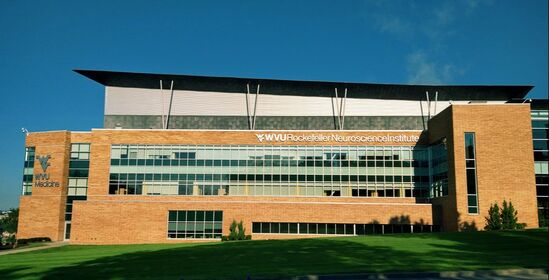
Michelle CD Bridi is an Assistant Professor in the Department of Neuroscience at West Virginia University School of Medicine , with a joint affiliation at the Rockefeller Neuroscience Institute . Her research integrates synaptic plasticity , sleep physiology , and neurological conditions to investigate dynamic synaptic regulation under typical and atypical states. Education: BS , McGill University, 2006 PhD , University of Pennsylvania, 2013 Research Focus: The Bridi Lab explores how daily oscillations in excitation/inhibition (E/I) balance are disrupted in Autism Spectrum Disorder (ASD) , aging , and post-stroke states . Current projects address: 1) synaptic adaptation to sleep/wake cycles, 2) E/I imbalance in neurodevelopmental disorders, and 3) molecular mechanisms maintaining neuronal firing rate homeostasis. Publication Trends: Recent work spans REM sleep plasticity , autism models , and neurodegenerative interventions , emphasizing synaptic oscillations , NMDA receptor pathways , and gene therapy applications. Collaborative efforts with Morgan Bridi's lab extend findings to stress and stroke contexts. Grants & Collaborations: Research is funded by NIH/NIGMS , BBRF , and NSF . The lab actively collaborates with cross-institutional teams and is recruiting postdocs and students for ongoing studies.
Sonia Mayoral is the Robert J. and Nancy D. Carney Assistant Professor of Neuroscience at Brown University. Her research focuses on studying cell-cell interactions in the brain, particularly the development and function of oligodendrocytes – glial cells critical for myelin formation. She explores how these cells contribute to myelination, remyelination processes, and their roles in neurological disorders like multiple sclerosis. Her work integrates cellular neuroscience, immunology, and drug screening methodologies. Research interests include glial cell biology, neuron-glial interactions, and the molecular mechanisms governing myelin repair. She investigates how environmental cues and signaling pathways regulate oligodendrocyte differentiation and function. Notable projects involve developing high-throughput screening platforms for MS therapeutics and studying sex-specific responses to neurodegenerative challenges. Her lab’s recent work includes clinical trials (Re-WRAP) evaluating Bazedoxifene for remyelination in women, and fundamental studies on regulatory T cell roles in myelin regeneration. She also examines how mechanical stimulation and epigenetic changes influence oligodendrocyte behavior. Her research bridges basic science and translational efforts, aiming to advance treatments for myelin-related disorders. Dr. Mayoral’s lab is active at Brown University, with a dedicated website detailing ongoing projects and collaborations. While no specific grants or students are listed here, her work reflects a strong focus on interdisciplinary approaches to neurodegenerative disease mechanisms.
Trond Vidar Hansen is a Professor at the Department of Pharmacy, University of Oslo , and leads the LIPCHEM research group . He collaborates with institutions including the University of Bergen and Vestlandets Innovasjonsselskap through the VITADEL project, which recently received NOK 5,000,000 in verification support from the Research Council of Norway. His research focuses on the synthesis and biological evaluation of specialized pro-resolving lipid mediators derived from omega-3 fatty acids, with applications in inflammation resolution, neuroinflammation, and drug development. University : University of Oslo Department : Department of Pharmacy Research Group : LIPCHEM Collaborations : University of Bergen, Vestlandets Innovasjonsselskap Research Interests : H Hansen's work centers on the organic synthesis of bioactive lipid derivatives, particularly pro-resolving mediators from omega-3 polyunsaturated fatty acids. His team investigates their roles in inflammatory disease models , neuroinflammation , and PPAR receptor activation , aiming to develop therapeutic agents for conditions like chronic pain, diabetes, and neurodegenerative disorders. The research integrates stereoselective chemistry , biochemical profiling , and pharmacological evaluation to validate these mediators' clinical potential. Recent Awards : 2025: NOK 2,000,000 verification support from Research Council of Norway 2025: Co-leader of NOK 5,000,000 VITADEL project Publications : His articles (2015–2024) reveal a focus on stereoselective synthesis of resolvins, protectins, and maresins, with applications in anti-inflammatory and neuroprotective therapies . Key subfields include omega-3 metabolite profiling , PPAR agonist design , and biosynthetic pathway elucidation , often utilizing human cell models and mouse disease models . Collaborative projects emphasize commercialization of academic research and translational medicine .
Dr. Ava Hedayatipour is an Assistant Professor of Electrical Engineering at California State University at Long Beach (CSULB), where she joined in Fall 2020. She holds a Ph.D. from the University of Tennessee, Knoxville (2020), and degrees from Iran University of Science and Technology (B.S., 2012) and Shahid Rajaee Teacher Training University (M.S., 2015). Her research focuses on analog/mixed-signal circuit design, bio-implantable devices, low-power systems, and hardware security. Notable contributions include a first-of-its-kind integrated secure multimodal sensor and a flexible paper electrode for remote electrochemical experiments. Education: Ph.D., Electrical Engineering, University of Tennessee, Knoxville, 2020 M.S., Electrical Engineering, Shahid Rajaee Teacher Training University, Iran, 2015 B.S., Electrical Engineering, Iran University of Science and Technology, 2012 Research Interests: Analog and mixed-signal circuit design Biomedical devices and lab-on-chip applications Low-power, low-noise microelectronics Hardware security for IoT and biomedical sensors Flexible electrodes for wearable systems Awards: University of Tennessee Fellowship Award (2019) Outstanding Teaching Assistant Award (2018) BEST PAPER AWARD at IEEE DCAS 2025 2nd Place Winner at IEEE BIOCAS 2023 Innovation Challenge Advising & Grants: Lead CSULB LEAP program project on medical imaging braces Funded NSF project on chaotic analog security (2018–present) Collaborated with industry partners like Applied Medical and Synaptics Labs & Teams: Next Generation Wearable Lab at CSULB Focus on sensor design, hardware security, and biomedical applications
Mohtadin Hashemi is an Assistant Professor in the Department of Physics at Auburn University. His research focuses on single-molecule biophysics, studying protein-DNA interactions, membrane dynamics, and amyloid aggregation. He holds a Ph.D. in Molecular Biophysics from the University of Nebraska Medical Center (2018) and completed postdoctoral work there before joining Auburn in 2023. Education: Ph.D. (2018), M.Sc. (2013), B.Sc. (2012) in Nanotechnology and Molecular Biophysics. Affiliations: Auburn University (2023–present), University of Nebraska Medical Center (2018–2023). His research integrates biology, chemistry, and physics to elucidate molecular mechanisms of life. Key interests include single-molecule techniques, nanotechnology, and interdisciplinary collaborations. Notable awards include the 2021 European BioAFM Grand Prize and UNMC Fellowships (2017, 2016). Publications span amyloid beta interactions, lipid bilayer dynamics, and DNA-protein complexes. His lab actively mentors students and postdocs, with recent advisees including Gabriel Cathoud, Parker Ensminger, and Josiah Simes.
Prof. Sander Bohte is a part-time full professor of Computational Neuroscience at the University of Amsterdam (Swammerdam Institute of Life Sciences) and an honorary full professor of Bio-inspired Neural Networks at the University of Groningen. He serves as a Scientific Staff Member and Group Leader in the Machine Learning department at CWI, Amsterdam. His work bridges computational neuroscience and machine learning with a focus on continuous-time information processing. Key research interests include: Spiking Neural Networks with predictive coding and multi-compartment models Biologically Plausible Learning in recurrent and deep architectures Working Memory modeling via reinforcement learning Neuromorphic Computing for real-time systems and GPU acceleration His recent publications highlight trends in neural adaptation , predictive coding , and SNN hardware-software co-design . Awards include the Veni Innovational Research Grant (2004) and ERCIM grant (2013) . He actively supervises MSc theses and leads grants like the NWO KIC project 'Selfhealing Neuromorphic Systems' (2024).
Professor Celso Grebogi, Sixth Century Chair in Nonlinear & Complex Systems at the University of Aberdeen, is a globally recognized leader in nonlinear dynamics , chaos theory , and systems biology . He founded the Institute for Complex Systems and Mathematical Biology and co-founded the Aberdeen-Lanzhou-Tempe Research Centre. His career spans institutions including University of Maryland, University of São Paulo, and Max-Planck-Society (External Scientific Member since 1998).