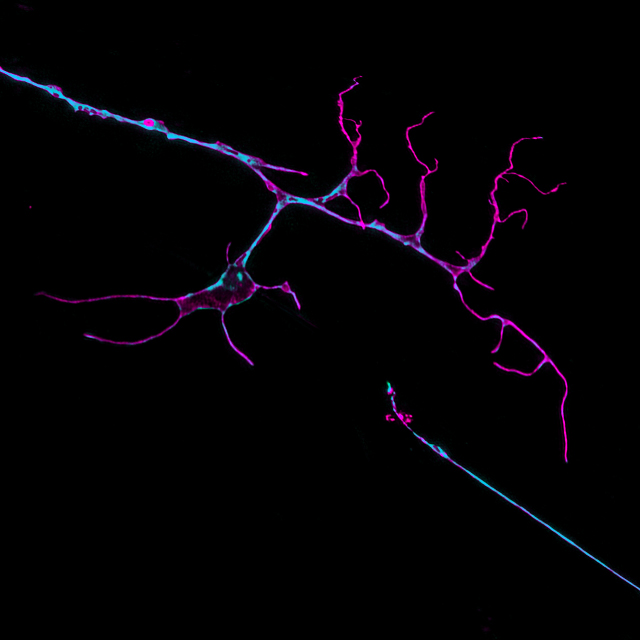
J. le Feber is an Assistant Professor in Clinical Neurophysiology at the TechMed Centre, University of Twente. Their research focuses on neural network dynamics, ischemic stroke modeling, and neuroprotection strategies. They collaborate internationally on topics like post-cardiac arrest neurorehabilitation and in vitro neuronal damage mechanisms. Notable contributions include studies on hyperglycemia’s effects on neuronal networks and NMDA receptor roles in memory. Education: Doctoral degree in Biomedical Engineering (not detailed). Research interests span clinical neurophysiology, in vitro models of neurological disorders, and translational neurology. Recent work explores neuroprotective agents like ghrelin and synaptic dysfunction in ischemic conditions. They have presented findings at conferences, including analyses of synaptic failure in mild ischemia.
Professor Nigel Jones is a Professor (Research) in the Department of Neuroscience at Monash University, affiliated with the Van Cleef Centre for Nervous Diseases within the School of Translational Medicine. He leads the Jones Lab, focusing on psychiatric disorders in epilepsy, particularly exploring mechanisms linking epilepsy with conditions like schizophrenia and Alzheimer’s disease. His work contributes to UN Sustainable Development Goals related to good health and well-being. Research interests include neuroinflammation, epileptogenesis, and translational therapies targeting epilepsy and comorbidities. Notable projects include studies on calcium channel modulation, biomarker discovery for post-traumatic epilepsy, and P2X7R inhibition in glioblastoma. He has led or contributed to 18 research projects since 2017, with funding from institutions like NIH. Awards: Recognized for developing predictive biomarkers of epilepsy seizures (2016). Collaborations: International partnerships in neurology, oncology, and imaging. Labs/Teams: Jones Lab (focusing on epilepsy mechanisms) and collaborations with the University of Melbourne (Honorary Staff). His publications (148+) emphasize neuroinflammation, biomarkers, and therapeutic interventions. He actively supervises PhD students and promotes interdisciplinary research in translational medicine.
Professor Suresh Sundram is Head of the Department of Psychiatry at Monash University's School of Clinical Sciences and Director of Research at Monash Health's Mental Health Program. He holds a PhD in Psychiatry from the University of Melbourne (2001), following earlier degrees in Medicine (MBBS, 1988) and Psychiatry (MMed, 1999). His research focuses on molecular mechanisms underlying schizophrenia and related psychotic disorders, integrating pharmacological, neurochemical, and neuropathological approaches. Notable areas include treatment resistance, suicide neurobiology, and maternal immune activation effects on neurodevelopment. He leads over 19 active research projects, including biomarker identification and clinical trials in autism and psychosis. His work has produced >150 publications and contributes to UN Sustainable Development Goals on health and well-being. He serves as deputy editor for the Asian Journal of Psychiatry and advises UN agencies. Education: MBBS (1988), MMed (1999), PhD (2001) - University of Melbourne Expertise: Schizophrenia, Molecular Neuroscience, Refugee Health, Psychopharmacology Recent research trends emphasize maternal-child health impacts of viral infections, neurodevelopmental mechanisms in autism, and translational research bridging molecular and clinical psychiatry. His articles analyze epigenetic changes, immune system interactions, and novel therapeutic targets like NMDA receptor subunits. Projects include global collaborations on psychedelic medicine and preterm birth interventions. He advises governmental bodies and international organizations on mental health policy, particularly regarding refugee populations. Current grants include a Phase 2 trial evaluating cannabidiol for autism and biomarker development for early psychosis.
Sharna Jamadar is an Associate Professor (Research) and NHMRC Emerging Leader Fellow at the Turner Institute for Brain and Mental Health & Monash Biomedical Imaging, Monash University. She leads the Cognitive Neuroimaging Lab, focusing on how life experiences, particularly parenthood and aging, influence brain function and resilience. Her work integrates multimodal neuroimaging techniques such as PET, fMRI, EEG, and eye-tracking to study brain connectivity and metabolic efficiency. Research & Grants: She has secured over $12M in grants from ARC and NHMRC. Her lab pioneered simultaneous PET/MR imaging, enabling high-resolution mapping of brain function and metabolism. Key projects include investigating Alzheimer's disease interventions and the neuroscience of parenthood. Awards & Recognition: Awards include the ACNS Young Investigator Award (2023), Distinguished Early Career Contribution (2018), and Superstars of STEM (2018). She participates in leadership programs like ATSE Elevate Leaders (2023). Service & Advocacy: Serves on the Australian Academy of Science Equity & Diversity Group, co-founded Australasian Women in Neuroscience Network, and contributes to over 200 media pieces (BBC, New Scientist, etc.). Lab & Collaborations: The Cognitive Neuroimaging Lab collaborates globally, focusing on healthy aging, brain metabolic efficiency, and parenthood's cognitive impacts. Projects include studying Alzheimer's interventions and sleep disruption in neurodegeneration.
François Lallemend is a Professor of Neurobiology of Sensory Systems at the Department of Neuroscience, Karolinska Institutet since 2023. He holds a PhD from GIGA Neuroscience, Liège, Belgium, and completed postdoctoral research at Karolinska Institutet. His lab investigates sensory neuron development and function, focusing on auditory perception and proprioception using advanced techniques like single-cell transcriptomics. Key research themes include neuronal circuit assembly, sensory plasticity, and disease-related dysfunction. Lallemend has secured grants from the Knut and Alice Wallenberg Foundation and Swedish Research Council. Notable awards include the Wallenberg Academy Fellow in Medicine. His team includes PhD and Master's students exploring sensory neuroscience. Education: PhD (GIGA Neuroscience, Belgium), Postdoc (Karolinska Institutet) Research Interests: Sensory neuron diversification, neuronal circuitry, auditory and proprioceptive systems Grants: KAW Project Grant (2023–2028), KI Consolidator Grant (2020–2024) Lab members include Meghna Kolluri (PhD), Hung Sheng Shih (PhD), and collaborators on projects like cochlear gene therapy. Lallemend’s work bridges basic research with translational applications in sensory disorders.
Dr. Baljit S. Khakh is a Professor of Physiology and Neurobiology at the University of California Los Angeles, holding the prestigious Eleanor I. Leslie Chair of Neuroscience within the David Geffen School of Medicine. His laboratory is at the forefront of astrocyte research, investigating the critical roles these glial cells play in neural circuits, brain function, and neurological disorders. Dr. Khakh's research focuses on astrocyte biology, with particular emphasis on calcium signaling, molecular characterization of astrocyte heterogeneity, and the role of astrocytes in neurological disorders including Huntington's disease and obsessive-compulsive disorder. His laboratory has developed innovative tools for studying astrocytes in vivo, including genetically encoded sensors and cell-type-specific targeting approaches that have revolutionized the field. Analysis of Dr. Khakh's recent publications reveals a strong focus on astrocyte morphology, molecular diversity across brain regions, and functional roles in neural circuits. His work spans from basic molecular mechanisms to behavioral consequences, with publications in top-tier journals including Nature, Neuron, and Nature Neuroscience. The research demonstrates how astrocytes contribute to synaptic function, neural circuit regulation, and pathological conditions. Eleanor I. Leslie Chair of Neuroscience Dr. Khakh leads multiple NIH-funded research projects, including an R35 Outstanding Investigator Award (NS111583) supporting fundamental astrocyte biology research through 2027. His laboratory trains numerous graduate students and postdoctoral fellows, with many publications featuring trainees as first authors. Current research directions include investigating astrocyte proteome dynamics in aging and Alzheimer's disease (R01AG075955), developing new tools for astrocyte targeting and characterization (R01DA047444), and studying astrocyte branchlet dysfunction in brain disorders (DP1MH104069). Dr. Khakh's laboratory maintains strong collaborations across UCLA and with other institutions, focusing on developing and applying cutting-edge techniques for astrocyte research, including genetically encoded sensors, proximity-dependent biotinylation for subproteome analysis, and advanced imaging approaches to study astrocyte structure and function in vivo.
Robert Banks is a Visiting Professor in the Department of Biosciences at Durham University . His research focuses on neurobiology, particularly the structure and function of mammalian muscle spindles—mechanoreceptors critical for proprioception and motor control. Collaborations include work with Dr. M. Hulliger (Calgary) on pyridoxine-induced neuropathy and Dr. Guy Bewick (Aberdeen) on synaptic-like vesicles in sensory endings. Research Interests: Neurobiology of mechanoreceptors, neuromuscular physiology, sensory innervation dynamics, and applications in clinical contexts like nerve repair. Key topics include glutamate modulation in mechanosensory terminals and the role of ion channels (e.g., ENaC, ASIC3) in mechanotransduction. Recent Work Trends: Publications emphasize biophysical modeling of muscle spindle function, evolutionary aspects of sensory receptors, and molecular mechanisms underlying mechanotransduction. Collaborative projects address ALS-related neuromuscular dysfunction and integrative studies using multi-omics approaches. Labs/Teams: Active collaborations with institutions in Calgary and Aberdeen, focusing on sensory neuroscience and proprioceptive systems.
Dr. Pranesh Padmanabhan, a Senior Research Fellow and NHMRC Emerging Leadership (Level 2) Fellow at the University of Queensland, leads the Molecular and Systems Medicine Group within the School of Biomedical Sciences and Queensland Brain Institute. His interdisciplinary research combines computational modeling with advanced molecular imaging to investigate mechanisms underlying infectious and neurodegenerative diseases, with a focus on Alzheimer's and hepatitis C virus (HCV) pathogenesis. His research spans: Development of mathematical models for viral kinetics and host-pathogen interactions Single-molecule imaging of synaptic vesicle recycling and Tau protein dynamics Ultrasound neuromodulation strategies for neurodegenerative disease treatment Systems medicine approaches to proteostasis in dementia Since 2015, his work has resulted in 35+ journal articles across top-tier journals like Nature Communications , PNAS , and eLife , alongside 3 book chapters. His publications reveal expertise in computational virology, synaptic nanoscience, and ultrasound-based therapeutics. Current research focuses on the Fyn-STEP-Tau axis in synaptic plasticity (ARC Discovery Grant 2024-2027) and Alzheimer's pathomechanisms (NHMRC Investigator Grant 2024-2029). Notable contributions include: 2011 Kuloor Memorial Medal for HCV research 2020 book chapter on viral bistability mechanisms 2024 leadership in Alzheimer's ultrasound therapy studies He supervises PhD students investigating ultrasound bioeffects and Alzheimer's pathogenesis, with past trainees including Dr. Gerhard Leinenga and Dr. Juan Polanco. Collaborations span Profs. Jürgen Götz, Geoffrey Goodhill, and Frédéric Meunier's laboratories.
Dr. Hilary Yong is a Postdoctoral Research Fellow and PhD student at the Queensland Brain Institute (QBI), University of Queensland. Their research focuses on molecular mechanisms underlying synaptic plasticity, neurodegenerative diseases, and melanoma genetics. Affiliations include collaborations with the Department of Dermatology and cancer research groups. Education: PhD candidate at QBI, with prior research experience in molecular biology and cell signaling. Academic background includes studies in genetics and neuroscience. Research interests span NMDA receptor trafficking, AMPA receptor ubiquitination, and the role of exerkines in cognitive aging. Recent work explores FTO protein regulation and melanoma survival pathways. Publications highlight interdisciplinary approaches to neurobiology and oncology, with contributions to Nature Communications , Journal of Neuroscience , and Cell Reports . No scientific awards explicitly mentioned, but active in grant-funded projects related to brain disorders and cancer biology. Labs/Teams: Affiliated with QBI's Neuroplasticity and Neurodegeneration research groups. Collaborates with Prof. Victor Anggono (molecular neuroscience) and Prof. Richard Sturm (melanoma genetics).
Dr. Nathalie Dehorter is a Senior Research Fellow at the Queensland Brain Institute (QBI), University of Queensland. Her research focuses on understanding the molecular and physiological mechanisms governing interneuron function during development and in neurological disorders such as autism, schizophrenia, and Parkinson’s disease. She employs advanced techniques including electrophysiology, imaging, molecular biology, and genetics to investigate these processes. Her key research interests include neuronal adaptation, synaptic plasticity, and the role of interneurons in circuit formation. She has contributed to studies on striatal cholinergic interneurons, Erbb4 signaling disruptions, and the impact of genetic mutations (e.g., Cntnap2) on neural circuitry. Dr. Dehorter’s work spans multiple areas: from exploring the therapeutic potential of reprogramming neurons using hydrogels to analyzing RNA modifications at the transcriptome level. Her lab’s findings have implications for understanding both normal brain development and pathological conditions like autism spectrum disorders. Her publications highlight contributions to fields like glutamate transport mechanisms, hippocampal network maturation, and the Tac2 signaling pathway in brain research. While no specific awards are listed, her extensive publication record reflects recognition in neuroscience research.
Professor Massimo Hilliard is a NHMRC Leadership Fellow and Professor at The University of Queensland's Queensland Brain Institute. He leads the Molecular and Cellular Neurobiology group, affiliated with the Clem Jones Centre for Ageing and Dementia Research. His research focuses on molecular mechanisms regulating neuronal development, maintenance, and repair using C. elegans as a model. Key areas include axonal compartmentalization, degeneration prevention, and repair via fusion mechanisms. Education: PhD in Biological Chemistry (2001, University of Naples), postdoctoral training at UC San Diego, UCSF, and The Rockefeller University. Research Interests : Axonal degeneration and regeneration Mechanisms of neuronal polarity and guidance Role of fusogens in nerve repair Neurodegenerative disease models Recent Article Trends : Focus on axonal repair mechanisms, neuronal fusion, and neuroprotection strategies. Key topics include SARS-CoV-2-induced neuronal fusion, oxidative stress responses, and dynamin-mediated repair pathways. Awards : NHMRC Senior Research Fellowship NHMRC-ARC Dementia Fellowship ARC Discovery Project Grant Grants & Advising : Active grants include ARC and NHMRC funding. Advises PhD students and mentors postdocs in neurobiology and genetics. Labs/Teams : Queensland Brain Institute research group Collaborations with Harvard, Georgia Tech, and international institutions
Dr. Kurt Haas is a Professor in the Department of Cellular & Physiological Sciences and the School of Biomedical Engineering at the University of British Columbia. His research focuses on molecular and cellular mechanisms of early brain circuit formation, with a particular emphasis on autism spectrum disorder (ASD), schizophrenia, and epilepsy. He employs cutting-edge imaging technologies, including in vivo microscopy and high-throughput cell assays, to study neural development and dysfunction. Expertise: Neurodevelopmental disorders, synaptic plasticity, in vivo imaging techniques Key Projects: Development of gene delivery methods, analysis of PTEN mutations in ASD, and creation of curated databases like BrainPalmSeq Research interests include structural and functional plasticity in the developing brain, dysfunctional neural networks, and the application of novel microscopy techniques. His lab integrates electrophysiology, molecular biology, and computational modeling to understand how genetic mutations impact neuronal development and connectivity. Recent work highlights contributions to imaging technologies (e.g., ultrafast two-photon microscopy) and functional analysis of disease-associated genes using yeast models. His studies on PTEN mutations reveal molecular mechanisms underlying protein dysfunction in autism and cancer. Dr. Haas collaborates with interdisciplinary teams to advance translational research, bridging basic neuroscience with clinical applications in neurodevelopmental disorders.
Dr Andrew Robinson serves as the Brain Bank Manager within the Division of Neuroscience at The University of Manchester. He holds a PhD in Neuroscience from the same institution (2016). His work focuses on the neuropathology of neurodegenerative diseases, particularly Alzheimer's disease and frontotemporal dementia. Key research areas include cognitive changes in aging populations, synaptic density, sleep disturbances, genetic associations like MAPT H2 haplotype studies, and epigenetic regulation in dementia. Education: PhD in Neuroscience from The University of Manchester (2016) Dr Robinson's research interests emphasize identifying early biomarkers for neurodegenerative diseases through cognitive assessments and post-mortem brain analysis. He explores how subtle cognitive changes in life correlate with pathological severity at death, aiming to improve early detection and intervention strategies. His work integrates genetic studies (e.g., APOE genotyping), epigenetic analysis (season of birth effects on DNA methylation), and proteinopathy investigations (tau, TDP-43). His scientific contributions are highlighted by the Dr Alex Carmichael Award (2016), recognizing excellence in dementia research. He collaborates internationally through the UK Brain Banks Network and BrainNet Europe, supporting over 1,000 brain samples for studies on neurodegenerative disorders. His research also touches on neuro-oncology through close ties with University of Manchester neuroscience themes. Grants & Advising: Manages the Manchester Brain Bank, a resource critical for dementia research. Supervised his own PhD thesis (2016) but no current advisees listed. Labs/Teams: Oversees the Manchester Brain Bank, a key facility for neuropathology research with 30 years of legacy in frontotemporal dementia studies.
Ajit Ray serves as a Special Faculty-Senior Researcher at Carnegie Mellon University's Neuroscience Institute, an interdisciplinary research hub focused on advancing neural computation and systems neuroscience. His primary affiliation centers on investigating molecular mechanisms underlying neurodegenerative disorders through the institute's collaborative framework. Ray's research concentrates on Alzheimer's and Parkinson's disease pathogenesis with emphasis on redox signaling disruptions and cytoskeletal dynamics. Key investigations include amyloid-β-induced F-actin disassembly in dendritic spines, glutaredoxin-mediated neuroprotection against oxidative damage, and early hippocampal hyperexcitability in amyloidosis models. His work bridges molecular neuroscience with behavioral outcomes using transgenic mouse models, quantitative fluorescence imaging, and electrophysiological approaches to elucidate synaptic dysfunction mechanisms. Analysis of his publication record reveals a cohesive trajectory since 2016 where F-actin pathology serves as a unifying theme across neurodegenerative conditions. His most significant contributions demonstrate glutaredoxin-1's therapeutic potential in restoring cytoskeletal integrity and cognitive function, with recent work expanding into thalamocortical plasticity during sensory learning. This research program consistently connects molecular redox events to circuit-level alterations and behavioral deficits. No verifiable information exists regarding student mentorship, grant funding, or laboratory teams in the source materials. Similarly, details about educational background, scientific awards, or future research directions remain undocumented in the provided texts.
Anna Francesconi, Ph.D., is an Associate Professor in the Dominick P. Purpura Department of Neuroscience at Albert Einstein College of Medicine. Her research focuses on elucidating molecular mechanisms of metabotropic glutamate receptor (mGluR) signaling in neuronal plasticity and homeostasis, particularly in neuropsychiatric disorders like Fragile X syndrome, intellectual disability, and schizophrenia. Her work combines molecular biology, biochemistry, and imaging techniques to investigate receptor-lipid interactions, synaptic functions, and developmental brain abnormalities. Research in the Francesconi Laboratory is supported by grants from NINDS, NIMH, Autism Speaks, and the Brain & Behavior Research Foundation Young Investigator Award. Key areas of exploration include mGluR-interacting proteins, lipid raft proteomics, and synaptic remodeling mechanisms. Recent studies emphasize the role of mGluR1 in stabilizing spine synaptopodin and its implications for long-term depression (LTD) in Fragile X models. Key Awards: Brain & Behavior Research Foundation Young Investigator Award Funding: NIH grants (NINDS/NIMH), Autism Speaks, and private foundations Laboratory activities include proteomic profiling, electrophysiology, and in vivo animal models to dissect mGluR-dependent pathways. Ongoing projects aim to develop targeted therapies for neurodevelopmental disorders through molecular insights into synaptic dysfunction.