Shaul Hestrin is a Professor at the Department of Comparative Medicine, Stanford University School of Medicine . His research focuses on understanding the neural mechanisms underlying cortical function, with a particular emphasis on synaptic transmission, cortical circuits, and GABAergic interneurons. Current teaching roles include COMPMED 200 (One Health Journal Club), COMPMED 370 (Medical Scholars Research), COMPMED 260 (Laboratory Animal Science Practicum), and directed reading/research courses (COMPMED/NEPR 198/199/299/399). Research Interests: Hestrin's work investigates the physiological and molecular basis of synaptic dynamics, including nicotinic modulation, electrical synapses, and state-dependent neural activity. His studies span cortical layer organization, neurotransmitter receptor kinetics, and the balance of excitation and inhibition in neocortical circuits. Publication Trends: His 15 most recent articles (2009–2020) highlight expertise in cortical neurophysiology, synaptic plasticity, GABAergic neuron function, and neuromodulation. Key themes include nicotinic and GABAergic signaling, electrical synapse dynamics, and the role of neuronal subtypes in circuit behavior.
Professor Alexej Verkhratsky is a leading scholar at the University of Manchester , holding the Professor of Neurophysiology position in the Division of Neuroscience. With over 400 peer-reviewed publications and an H-index of 86, he is a globally recognized expert in glial physiology and neurodegenerative diseases. Member of Academia Europaea (Vice-President, Life Sciences) Elected to German National Academy of Sciences Leopoldina (2013) Highly Cited Researcher (2023) His research focuses on neuroglial communication , pioneering discoveries in calcium and sodium signaling in astrocytes and microglia. Key contributions include: Foundational work on glial excitability via Ca²⁺/Na⁺ dynamics Development of the astroglial cradle concept for synaptic regulation Identification of astroglial atrophy as an early marker in Alzheimer's disease Characterization of glial paralysis in neurodegeneration Caffeine-induced Ca²⁺ release mechanisms Role of P2X receptors in gliotransmission Recent publications (2025-2026) highlight his work on: Mitochondrial responses in Alzheimer's and tauopathies Glial regulation of cerebrospinal fluid dynamics Neurodegenerative mechanisms in white matter pathology Scientific Awards include: Copernicus Gold Medal (2017) Dana Alliance for Brain Initiatives (2012) Multiple academy memberships (Slovenian Academy of Sciences, Real Academia Nacional de Farmacia, Poland National Academy of Sciences) As Editor-in-Chief of Cell Calcium and Deputy Editor of Cell Death and Disease , he shapes discourse in glial physiology and neurodegeneration research. His work contributes to UN Sustainable Development Goals for brain health research.
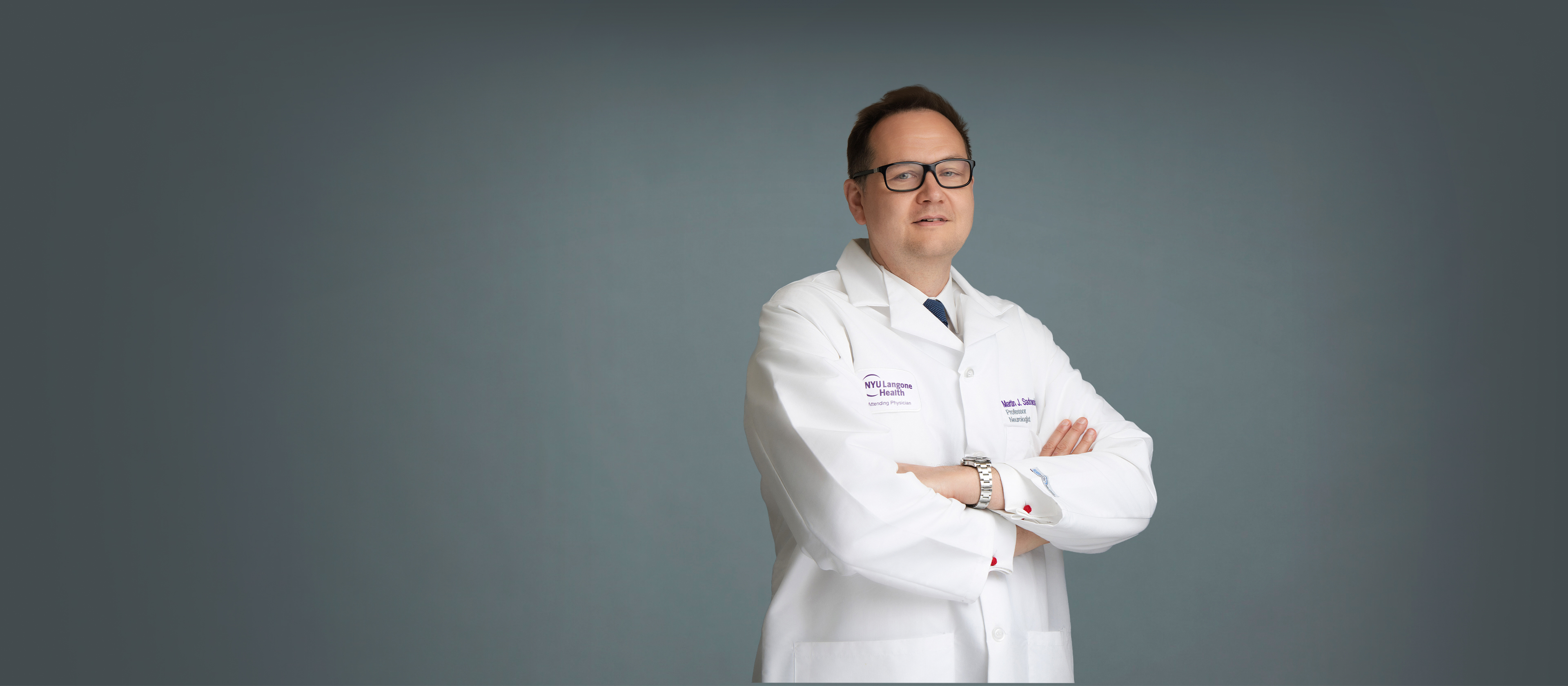
Martin Sadowski, MD, PhD, is a Professor at New York University Grossman School of Medicine, with cross-appointments in the Departments of Neurology, Psychiatry, and Biochemistry and Molecular Pharmacology. His research focuses on Alzheimer's disease and neurodegeneration, particularly amyloid beta metabolism and therapeutics development. Zachary and Elizabeth M. Fisher Professor of Neurodegeneration and Alzheimer's Disease Director of the CURE AD Lab and Alzheimer's Clinical Trials Program Recipient of the NIH K02 Independent Scientist Award and Paul B. Beeson Career Development Award Research Interests: Aβ metabolism and its interaction with apolipoprotein E Therapeutic discovery for Alzheimer’s and prion diseases Clinical trials for monoclonal antibodies (Leqembi, Kisunla) Molecular mechanisms of neurodegeneration Education: MD and PhD in Neuroanatomy from Medical University of Gdansk (1995, 1996) Residencies in Neurology (NYU Medical Center, St. Vincent's Hospital) and Medicine Scientific Awards: Markey Career Development Award Paul B. Beeson Emerging Leaders Career Development Award NIH K02 Independent Scientist Award Labs & Teams: Director of the CURE AD Lab Lead of the Fisher Center Alzheimer's Clinical Trials Program Supported by National Institute on Aging and Fisher Center for Alzheimer's Research Foundation
Dr. Angelique Bordey is the Rothberg Professor of Neurosurgery and Vice Chair of Research at Yale School of Medicine. She holds secondary appointments in Cellular & Molecular Physiology and is affiliated with the Bordey Lab, Center for Brain & Mind Health, Interdepartmental Neuroscience Program, and Wu Tsai Institute. PhD in Neuroscience, Louis Pasteur University (1995) MS in Neurophysiology, University Louis Pasteur (1992) MS in Chemistry, National School of Engineering (1991) Her research focuses on mTOR signaling in neurological disorders like Tuberous Sclerosis Complex (TSC), autism, and epilepsy. Key projects include: (1) neural stem cell circuit formation in health and mTORopathies, (2) preventing brain malformations in TSC, and (3) molecular basis of autism in TSC using rodent models. She investigates synaptic dysfunction, cortical connectivity, and translational therapies targeting mTOR dysregulation. Recent publications highlight trends in mTOR-related epileptogenesis , Filamin A inhibition for seizure reduction, and 4E-BP1 expression to mitigate neuronal dysfunction. Awards include the Blavatnik Award (2022), Scientific Innovations Award (2022), NARSAD Distinguished Investigator Award (2015), and McKnight Neuroscience of Brain Disorder Award (2010). She has served on NIH study sections and secured federal/foundation grants for epilepsy research. Dr. Bordey leads the Bordey Lab, which explores neural stem cells, synaptic plasticity, and preclinical therapies for neurological disorders. The lab develops models for cortical malformations, autism, and glioma, with a focus on mTOR pathway targeting neurodevelopmental interventions translational neuroscience
Chadi Abdallah, MD is an Associate Professor Adjunct of Psychiatry at Yale School of Medicine, where he serves as Deputy Director for Research and Director of Neuroimaging for the Clinical Neuroscience Division at the VA National Center for PTSD. His work focuses on the neurobiological mechanisms underlying depression, PTSD, and stress-related psychiatric disorders, with particular emphasis on synaptic connectivity and neuroenergetics. Dr. Abdallah received his medical degree from Lebanese University in 2006, followed by residency training at SUNY Downstate (2010), where he served as Chief Resident in 2011. He completed specialized fellowships at Yale University in 2013, including both a Neuroimaging Fellowship and a McNeil Psychopharmacology Fellowship, after previously serving as a Research Trainee at Cornell University in 2011. His research program employs a broad range of pharmacological challenges, neuroimaging modalities, and network neuroscience approaches to study the neurobiology of psychiatric disorders and the mechanisms underlying treatment response and resistance. Dr. Abdallah has made significant contributions to understanding the role of synaptic fidelity in depression and PTSD, the application of in vivo synaptic density imaging, and the development of rapid-acting antidepressants. His work bridges translational clinical neuroscience with practical therapeutic applications for stress-related psychiatric conditions. Dr. Abdallah's recent publications demonstrate a strong trajectory toward computational approaches to neuroimaging, with increasing integration of AI and machine learning techniques to analyze complex brain networks in depression and PTSD. His research shows progression from basic neuroimaging studies toward sophisticated predictive modeling of psychiatric symptoms and treatment response, with particular focus on suicidal ideation prediction and network-based biomarkers. Klerman Award, Honorable Mention (2015) Patterson Trust Award in Clinical Research (2015) NARSAD Young Investigator Award (2014) Young Investigator Travel Award (2013) Early Academic Career Award on Schizophrenia Research (2013) As Deputy Director for Research at the VA National Center for PTSD, Dr. Abdallah oversees multiple research initiatives examining the neurobiological underpinnings of trauma-related disorders. His laboratory collaborates extensively with other leading researchers in the field, including John Krystal, MD, Lynnette A. Averill, PhD, and Joel Gelernter, MD, on federally funded projects investigating novel treatment approaches for depression and PTSD. Dr. Abdallah has been instrumental in establishing the Emerge Research Program at Yale, which focuses on innovative approaches to understanding and treating mood and anxiety disorders. Dr. Abdallah leads the neuroimaging component of the Clinical Neuroscience Division at the VA National Center for PTSD, directing a team that utilizes advanced multimodal imaging techniques to investigate brain structure and function in psychiatric disorders. His laboratory employs state-of-the-art MRI methodologies, including ultrahigh-field magnetic resonance spectroscopy, to examine neurotransmitter systems and synaptic density in depression and PTSD, with particular focus on the medial prefrontal cortex and default mode network abnormalities.
Dr. Maura Malpetti is a Senior Research Associate and Race Against Dementia Alzheimer’s Research UK Fellow at the University of Cambridge, Department of Clinical Neurosciences. She earned her PhD as a Cambridge Trust & Sidney Sussex College scholar and holds a BSc and MSc in Cognitive Neurosciences from Italy. Education: BSc in Psychology, MSc in Cognitive Neurosciences (Italy); PhD in Clinical Neurosciences (University of Cambridge) Research Interests: Neurodegenerative diseases (Alzheimer’s, frontotemporal dementia, tauopathies), biomarker development, neuroinflammation, synaptic loss, and tau pathology using multimodal imaging (PET, MRI) and fluid markers. Her work integrates advanced imaging techniques like [11C]UCB-J PET for synaptic density and TSPO PET for microglial activation with post-mortem pathology to identify early diagnostic and prognostic markers. She has collaborated with institutions including the University of California San Francisco and Ludwig Maximilian University of Munich. Scientific Awards Race Against Dementia Alzheimer’s Research UK Fellow Cambridge Trust Scholar Sidney Sussex College Scholar Maura’s publications highlight interdisciplinary approaches to understanding disease mechanisms, with a focus on inflammation, tau spread, and synaptic loss. Her research has implications for personalized medicine and therapeutic strategies in dementia.
Paul Feinstein is a Professor in the Department of Biological Sciences at Hunter College, City University of New York (CUNY) . His research focuses on molecular mechanisms of odorant receptor gene expression, olfactory neuron development, and odor coding. He is affiliated with the Feinstein Lab , which investigates receptor genetics and sensory neuron circuitry. Ph.D., Integrated Program in Cellular, Molecular, and Biophysical Studies, Columbia University College of Physicians and Surgeons B.A. in Biochemistry, University of Pennsylvania Postdoctoral Fellow/Research Associate, The Rockefeller University Feinstein’s research explores how humans perceive odors, with key contributions to understanding odorant receptor gene choice, axon guidance, and glomerular organization in the olfactory system. His work integrates genetic engineering, molecular biology, and neurodevelopmental studies in mouse models. The 15 most recent articles highlight trends in olfactory receptor dynamics , axonal wiring , neurogenetics , and GPCR functionality . These studies span molecular imaging, gene regulation, and sensory neuron mapping, emphasizing receptor-specific mechanisms in neural circuitry. Contact: feinstein@genectr.hunter.cuny.edu | Phone: (212) 650-3169
Alicia González Díaz is a College Research Associate at the Yusuf Hamied Department of Chemistry, University of Cambridge, where she works as a Postdoctoral Research Fellow (mapped to "Research Fellow" academic rank). Her research bridges neuroscience, stem cell biology, and biophysics to advance translational models for neurodegenerative diseases. Education: Ph.D. in Neuroscience, University of Cambridge (2024). Her work focuses on engineering stem cell systems to model sporadic Alzheimer’s and ALS, leveraging AI-guided multiplexed functional genomics and patient-derived transcriptomic fingerprints. She develops scalable platforms for creating preclinical models that capture molecular diversity, with applications in drug discovery and therapeutic target prediction. Recent publications highlight her expertise in biomolecular condensates, Aβ peptide aggregation, TDP-43 inhibition, and lipid-protein interactions. These studies employ iPSC-derived neurons and multiomic approaches to unravel neurodegenerative disease mechanisms and identify novel interventions. Scientific Awards: La Caixa Postdoctoral Fellowship Alfonso Martín Escudero Fellowship She has collaborated with Wavebreak Therapeutics on drug discovery programs and continues to integrate interdisciplinary methodologies to address Alzheimer’s and ALS pathologies. Her research emphasizes scalable platforms and patient-specific molecular profiling to enhance preclinical model accuracy.
Dr. Angelo Keramidas is a Senior Research Fellow at the University of Queensland , affiliated with the Institute for Molecular Bioscience. His research focuses on ion channels in health and disease, particularly GABA-A, glycine, and glutamate (NMDA) receptors implicated in neurological disorders like epilepsy, autism, and neurodevelopmental conditions. Projects: Investigating receptor variants in epilepsy/autism, glutamate receptors in developmental delay, and venom peptide modulation of sodium channels. Techniques: Patch-clamp electrophysiology, venom peptide analysis, and functional characterization of ion channel variants. He collaborates with biophysicists, clinicians, and geneticists across Australia, USA, and Europe. Current funding includes an ARC Discovery Project (2023-2026) and industry partnerships.
Professor Pamela McCombe is a leading neuroimmunology researcher at The University of Queensland's UQ Centre for Clinical Research. Her work focuses on immune mechanisms in neurological diseases, particularly multiple sclerosis (MS) and amyotrophic lateral sclerosis (ALS), with emphasis on inflammation regulation, disease progression, and the influence of sex/gender on pathogenesis. She collaborates internationally on MSBase and Big MS Data Network studies. Key Research Areas Neuroimmunology Multiple Sclerosis Amyotrophic Lateral Sclerosis Gender Differences in Autoimmune Diseases Metabolic Biomarkers in Neurodegeneration Her recent publications analyze immunomodulatory therapies in MS, metabolic alterations in ALS, and genetic risk factors for motor neuron disease. She contributes to clinical trial methodologies and disease-modifying treatment effectiveness. Scientific Contributions Co-developed predictive models for MS progression Identified novel biomarkers in ALS survival Explored sex-based immunological differences Investigated hypothalamic volume correlations in ALS Contributed to NMOSD treatment guidelines
Kelly Cosgrove is the Charles B.G. Murphy Professor of Psychiatry and of Neuroscience and of Radiology and Biomedical Imaging at Yale School of Medicine. She serves as Co-Director of the T32 Translational Alcohol Research Program and leads the Cosgrove Lab, which focuses on examining the neurochemical and molecular basis of addiction and psychiatric disorders using PET brain imaging technology. Dr. Cosgrove's educational background includes a PhD in Psychology from the University of Minnesota (2002) and a Psychology Internship at the Medical University of South Carolina (2003). She began her career as a clinical psychologist working with individuals managing alcohol and drug use disorders before transitioning to research to inform better treatments for substance use disorders. Her research program centers on using neuroreceptor imaging techniques to gain insights into the brains of people with substance use and stress-related disorders. Key areas include examining the effects of chronic alcohol consumption on the neuroimmune system, studying mu and kappa opioid receptor systems in alcohol use disorder, investigating stress and neuroimmune systems in PTSD, analyzing sex differences in dopaminergic responses to nicotine, and measuring neuroimmune states in individuals with opioid use disorder during early recovery. Her work particularly emphasizes individual and sex/gender differences in addiction mechanisms. Analysis of her recent publications (2024-2025) reveals a strong focus on neuroimmune responses in alcohol use disorder with particular attention to sex differences, advanced PET imaging methodologies, and the relationship between neurochemistry and clinical outcomes. Her research spans multiple disciplines including neuroscience, psychiatry, radiology, and women's health. Microglia-mediated neuroimmune suppression in PTSD Sex differences in neuroimmune system deficits in alcohol use disorder Novel PET imaging techniques for studying receptor systems Relationship between neurochemistry and cognitive function in addiction Dr. Cosgrove serves as Principal Investigator for the NIH-funded study 'HPA axis function in the brains of PTSD, Trauma Exposed, or Otherwise Healthy research participants utilizing PET and MRI imaging' (completion date 08/31/2025) and is a Sub Investigator on several other clinical trials examining substance use disorders and neuroimaging. She collaborates extensively with researchers including Nabeel Nabulsi, Sherry McKee, Richard Carson, Ansel Hillmer, and David Matuskey. Her laboratory is part of multiple research initiatives including the Center for Nicotine and Tobacco Use Research at Yale (CENTURY), Women's Health Research at Yale, the Yale Biomedical Imaging Institute, and the Translational Brain Imaging Program. The Cosgrove Lab actively recruits volunteers for imaging studies examining addiction and psychiatric disorders.
Roshan Jain is an Associate Professor of Biology at Haverford College, conducting interdisciplinary research on the genetic and neural basis of behavior using zebrafish models. His lab in Sharpless S108 integrates molecular genetics, neural circuit imaging, and behavioral analysis to investigate decision-making, learning, and memory mechanisms. His educational background includes: B.S. in Biological Sciences, Cornell University, College of Agriculture and Life Sciences (2000) Ph.D. in Molecular Biology, Princeton University (2007) Postdoctoral Research Fellow, University of Pennsylvania, Perelman School of Medicine (2008-2015) Dr. Jain's research focuses on how genes control behavior through complementary approaches: molecular genetics (e.g., CRISPR mutations in CaSR and ap2s1 ), neural circuit analysis (confocal imaging and optogenetics), and behavioral characterization (acoustic stimulus escape responses). His work on decision-making mutants has direct translational relevance for human cognitive disorders, epilepsy, and autism spectrum disorder. Mentoring students across molecular biology, neural circuits, and behavioral projects, Dr. Jain's lab provides comprehensive training in zebrafish husbandry, molecular cloning, confocal microscopy, and behavioral tracking. Students develop expertise in transgenic techniques, neural activity recording, and high-throughput assay development within a collaborative research environment. The Jain Lab employs larval zebrafish (5-7 days old) to dissect behavioral circuits, with current emphasis on how disrupted genes alter decision-making biases. Ongoing work explores synaptic plasticity mechanisms through clathrin-mediated endocytosis and calcium sensing pathways, bridging fundamental genetic discoveries with neurological disease models.
Kimberly McArthur is an Assistant Professor in the Biology Department at Southwestern University, where she investigates neural circuit development and function using larval zebrafish as a model organism. Her research integrates electrophysiology, neuronal tracing, calcium imaging, and behavioral analysis to address fundamental questions about synaptic partner selection, circuit resilience, and functional development. Ph.D. in Neuroscience (2011), Washington University in St. Louis B.A. in Biology (2004), Gustavus Adolphus College Her research focuses on neuroscience and developmental biology , particularly how neurons in the vertebrate hindbrain establish and maintain functional synaptic connections. Recent work in Trends in Neurosciences and the Journal of Comparative Neurology highlights her contributions to understanding dendrite topography and motor neuron input specificity. McArthur’s students have won awards at the Texas Academy of Sciences, including first-place undergraduate presentations on topics like zebrafish axon pathfinding and pipefish male pregnancy anatomy. She is supported by grants such as the Sam Taylor Fellowship and NIH Ruth L. Kirschstein NRSA awards. She teaches courses on developmental biology , neurobiology , and scientific thinking , emphasizing critical analysis of primary literature and experimental design. Her laboratory at Southwestern University explores adaptive self-organization in neural systems and the interplay between development and evolution.
Professor Albert Folch is a core faculty member at the University of Washington College of Engineering , Department of Bioengineering. His lab develops microfluidic devices for translational cancer research, with a mission to make such tools as accessible as smartphones for clinical use. Education: PhD in Surface Science and Nanotechnology, University of Barcelona (1994) BS in Physics, University of Barcelona (1989) Postdoctoral Training: Massachusetts Institute of Technology (1994–1997) Harvard Medical School (1997–2000) Research Focus: The Folch lab integrates digital manufacturing (3D-printing, laser cutting) with bio-microfluidics to create microscale tools for cancer diagnostics and therapies. Their work addresses the challenge of limited human tumor tissue samples by enabling drug testing on live biopsies through microfluidic platforms that replicate physiological conditions. Scientific Contributions: Recent publications highlight innovations in microfluidic tumor modeling, cancer drug screening, and neuroengineering platforms. Key themes include organ-on-a-chip technology , spatiotemporal gradient control , and precision oncology . Honors & Grants: 2015 AIMBE College of Fellows 2006 NASA Space Act Award 2001–2006 NSF CAREER Award 2009–present Bringing Art Into Technology (BAIT) outreach program Teaching: Instructs BIOEN 455 BioMEMS , applying his expertise in microtechnology to education.
Erin Leonard is an Assistant Professor in the Department of Biology at Wilfrid Laurier University, Faculty of Science. She is an expert in aquatic environmental toxicology, comparative animal physiology, and chemosensing mechanisms underlying cardiorespiratory reflexes in vertebrates. Fluent in English and French, she actively engages in research that bridges environmental science and animal physiology. Education: PhD in Environmental Toxicology and Physiology, McMaster University (2013) Research Interests: Her research focuses on understanding how aquatic animals—particularly fish, molluscs, and insects—respond physiologically to environmental stressors such as pollution and climate change. She investigates chemosensing mechanisms in vertebrates and explores how these systems regulate cardiorespiratory reflexes. A key area of her work is the ecotoxicology of freshwater mussels and turtles, aiming to develop solutions that help aquatic species thrive in the Anthropocene. Publication Trends: Leonard's scholarly output spans from 2009 to 2025, with a strong focus on environmental toxicology, comparative physiology, and neurosensory mechanisms. Her recent work emphasizes the effects of metals like neodymium, nickel, and copper on aquatic organisms, as well as the role of chemosensing in respiratory control systems. Scientific Awards: NSERC Postdoctoral Fellowship Student Supervision & Opportunities: She is actively recruiting graduate students and postdoctoral fellows interested in environmental toxicology and animal physiology. Her lab provides opportunities for hands-on research in aquatic toxicology and sensory biology. Laboratory: She leads the Leonard Research Lab at Wilfrid Laurier University, which investigates the physiological impacts of environmental stressors on aquatic animals and develops strategies to support their resilience in changing ecosystems.