University of Natural Resources and Life Sciences ViennaAustria
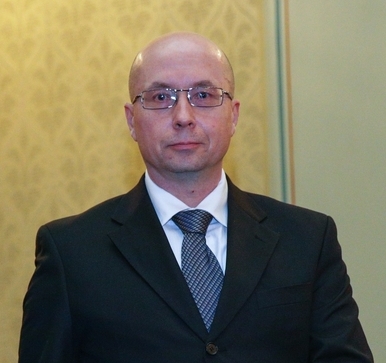
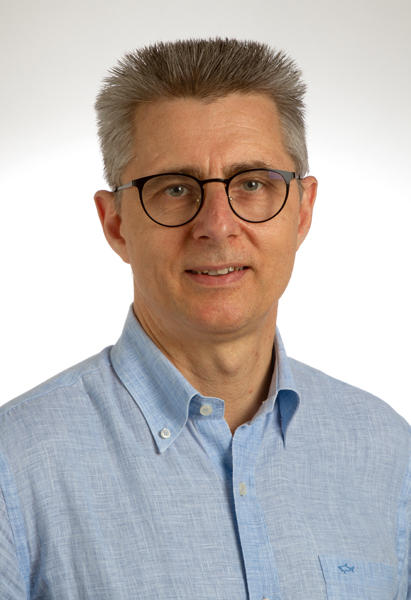
Ivan Sumerskii is a Researcher at the Department of Chemistry of Renewable Resources within the University of Natural Resources and Life Sciences, Vienna. He serves as the director of the Core Facility Analysis of Lignocellulosics , focusing on advanced analytical techniques for sustainable materials. His research spans renewable resource chemistry, with emphasis on lignocellulosic analysis and sustainable polymer development. The Core Facility under his leadership provides critical infrastructure for studying biomass conversion and green technology applications.
Christian Friedrich Wilhelm Becker is a full Professor at the University of Vienna, holding a position within the Faculty of Chemistry and the Department of Biological Chemistry. His research profile shows extensive activity in protein chemistry and biochemistry, with particular focus on post-translational modifications and their implications in disease mechanisms. His work bridges chemical biology, biochemistry, and biomedical applications, contributing significantly to the academic and research landscape at one of Europe's oldest and most prestigious universities. Faculty of Chemistry, University of Vienna Department of Biological Chemistry Active research leader with numerous ongoing projects Significant publication record spanning multiple disciplines Professor Becker's research primarily focuses on protein chemistry, particularly post-translational modifications and their role in protein function and dysfunction. His work spans multiple interconnected areas including ubiquitination, protein aggregation, prion protein behavior, and biomimetic approaches to protein analysis. His research has significant implications for understanding neurodegenerative diseases and developing novel therapeutic approaches. The fingerprint analysis of his work shows strong connections to biochemistry, molecular biology, and chemistry, with particular emphasis on cysteine chemistry, glycosylation, and amino acid modifications. Analysis of Professor Becker's recent publications (2021-2025) reveals a consistent research trajectory focused on protein modification techniques and their biological implications. His work shows increasing sophistication in chemical biology approaches to study protein function, with particular emphasis on ubiquitination pathways and protein aggregation mechanisms. The integration of chemical synthesis methods with biological analysis represents a hallmark of his research approach. His publications span high-impact journals in biochemistry, chemical biology, and peptide science, demonstrating the interdisciplinary nature of his contributions. Professor Becker has received notable recognition for his research contributions, most prominently the Cathay Award in 2020. This award acknowledges his significant contributions to the field of protein chemistry and chemical biology. His work appears to have practical applications in therapeutic development, particularly in the areas of targeted protein degradation and immunotherapy, which likely contributed to this recognition. Cathay Award (2020) Professor Becker leads multiple significant research projects, including 'Targeted protein degradation - from small molecules to complex organelles' (2020-2024), 'Taktira: Development of an improved, low-side-effect and sustainable immunotherapy' (2019-2023), and 'Structure Zoom: Zooming in on protein functional sites with atomic resolution' (2018-2021). These projects demonstrate substantial grant funding and collaborative research efforts across multiple institutions. His active participation in 290 recorded activities through 2025 indicates a highly engaged research program with numerous collaborators and trainees. Targeted protein degradation project (2020-2024) Taktira immunotherapy project (2019-2023) Structure Zoom project (2018-2021) Professor Becker's research environment includes a robust team of collaborators and junior researchers, as evidenced by the numerous co-authored publications and activities. His work intersects with multiple research groups studying protein function, modification, and therapeutic applications. The international collaboration network shown in his profile indicates significant engagement with researchers across multiple countries, creating a dynamic research ecosystem focused on advancing protein science and its biomedical applications.
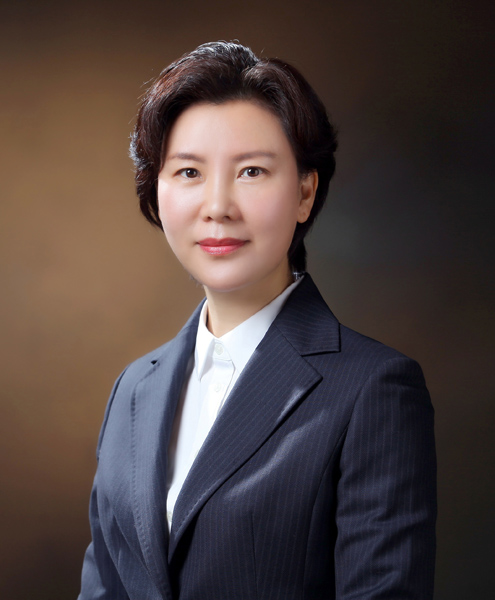
Prof. Yu Jihong is a full Professor at the Department of Chemistry, Jilin University, and serves as Director of the International Center of Future Science and Vice President of the Chinese Chemical Society. She leads the State Key Laboratory of Inorganic Synthesis and Preparative Chemistry. Her research focuses on designing nanoporous materials for energy and environmental applications, with over 320 publications in top journals like Science and Nature Communications. Education: BS (1989), MS (1992), PhD (1995) from Jilin University Postdoctoral: Hong Kong University of Science and Technology (1996–1997), Tohoku University (1997–1998) Research interests include inorganic synthesis, porous materials, catalytic materials, and environmental applications. Her work bridges computational methods with experimental synthesis, yielding innovations in zeolite structures and catalytic systems. Awards: IUPAC Distinguished Women in Chemistry Award (2017), TWAS Fellow (2016), Chinese Academy of Sciences Academician (2015), and multiple national science prizes. She is an Associate Editor of Chemical Science and leads editorial boards for Materials Horizons and others. Her articles emphasize novel synthetic methods, catalytic systems, and sustainable materials. Key themes include accelerating zeolite crystallization, designing nanocatalysts, and developing porous membranes for environmental applications.
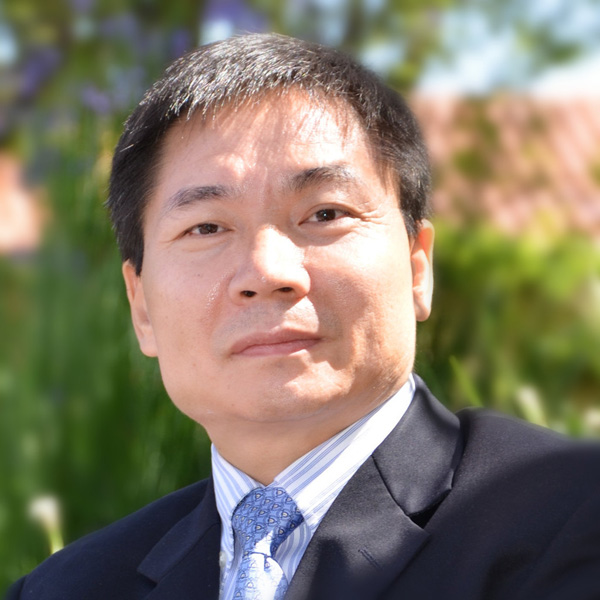
Dr. Li Baowen is Chair Professor at Southern University of Science and Technology (SUSTech) with joint appointments in the Department of Physics and Department of Materials Science and Engineering. A pioneer in phononics and thermal metamaterials, he previously held endowed professorships at University of Colorado Boulder and UC Berkeley. His research focuses on controlling heat transfer at nano scales, developing thermal metamaterials like thermal cloaks, and applying complex networks to physical systems. Dr. Li has published over 400 papers including 3 in Reviews of Modern Physics and 30 in Physical Review Letters, with more than 34,800 citations (H-index 98). He is recognized with the Brillouin Medal from the International Phononics Society and is a Fellow of the American Physical Society. He founded research centers including the China-EU Joint Lab for Nanophononics at Tongji University. His current research explores quantum phononics, machine learning applications in thermal materials, phonon lasers, and quantum sensing technologies.
Martin Kaltenbrunner is a Professor in the Department of Soft Matter Physics at the Faculty of Engineering & Natural Sciences, Johannes Kepler University Linz (JKU). He leads the LIT Soft Materials Lab and is affiliated with the Linz Institute of Technology (LIT), focusing on sustainable material innovations for next-generation electronics. His research spans biodegradable flexible electronics, energy-autonomous systems, and eco-friendly substrates. Key interests include perovskite solar cells for healthcare robotics, mycelium-based electronic skins, and algal polysaccharide conductive nanocomposites. He pioneers sustainable alternatives using organic materials to replace conventional electronics in soft robotics and wearable devices. Recent publications (2024-2025) emphasize circular economy principles, featuring mycelium substrates for PCBs, algae-derived transistors, and passivation techniques for high-efficiency solar cells. The work integrates materials science with environmental sustainability, targeting applications in medical sensors and autonomous robotics. Professor Kaltenbrunner has supervised 18 research works and leads multiple major grants: Personalized Sustainable Smart Patch Omnificence (Persimmon) - EU project (2024-2028) Mycelium-based substrate for sustainable flexible PCBs (MycoSub) - EU project (2024-2025) Intelligent cellulose-based sensors - FFG project (2022-2025) Metasurface Fabrication (META-FAB) - FFG project (2024-2027) Nadelholzreststoffe for mycelium packaging (MycoSoft) - FFG project (2023-2026) He directs the LIT Soft Materials Lab, which develops biodegradable gels, fungal biomaterials, and sawmill byproduct-based insulation. The lab collaborates across JKU's engineering and natural sciences divisions to advance sustainable electronics through interdisciplinary projects like Persimmon and MycoSub, emphasizing real-world deployment of eco-friendly technologies.
University of Natural Resources and Life Sciences ViennaAustria
Henry Jäger is a Professor in Food Technology at the University of Natural Resources and Life Sciences, Vienna (BOKU) since 2014. Previously, he worked as a Project Manager at Nestlé (2012-2014) and Lecturer at TU Berlin (2012-2017), following his PhD/Postdoc at TU Berlin (2006-2012) and Diploma in Food Technology (2000-2006). His research focuses on electrotechnologies in food processing , particularly pulsed electric fields (PEF) and ohmic heating , for microbial inactivation, food preservation, and quality optimization. He explores applications in plant material processing , gluten-free baking , and novel food preservation methods . His work also addresses edible insect processing for allergenicity reduction and protein recovery. Recent publications (2025-2024) analyze synergies between PEF and ohmic heating, biofilm imitation systems for hygiene validation, and computational models for sterilization processes. These studies span food safety , sustainable processing , and functional food design . Henry Jäger actively contributes to scientific communities, serving on the EFFoST managing board , as scientific advisor for food conferences, and as reviewer for journals like Food Chemistry and Trends in Food Science & Technology . He has organized workshops on PEF applications and contributed to EU food technology initiatives.
University of Natural Resources and Life Sciences ViennaAustria
Fabian Pfrengle is a full Professor of Organic Chemistry at the Institute of Organic Chemistry , Department of Natural Sciences and Sustainable Resources , University of Natural Resources and Life Sciences Vienna (BOKU). He previously led research groups at the Max Planck Institute of Colloids and Interfaces (2013-2020) and worked at The Scripps Research Institute (2010-2013). Research Focus: His work bridges carbohydrate chemistry and plant biology , specializing in plant cell wall glycans and glycosyltransferases . He develops synthetic glycan arrays for enzyme characterization and investigates immune response triggering mechanisms in plants through oligosaccharide fragments . His projects include automated polysaccharide synthesis and liposome-based immune tolerance applications. Publication Trends: His 15 most recent articles emphasize chemical synthesis of sugar nucleotides , plant glycan arrays , and enzyme specificity analysis , reflecting his focus on carbohydrate engineering and plant immunity . Key subfields include UDP-sugar derivatization , Xylan structure-function relationships , and Glycosyltransferase profiling . Grants & Projects: Currently leads 5 major projects including Automated Algal Polysaccharide Synthesis (EU-funded, 2023-2028) and Synthetic Glycan Ligands for Plant Immune Receptors (FWF-funded, 2022-2026). His research also explores thrombocyte biology and Rhamnogalacturonan-II fragments with support from FWF and City of Vienna . Community Service: Serves on editorial boards ( Monatshefte für Chemie , 2021-present) and as reviewer for 12 journals including JACS Au , Nature Communications , and Angewandte Chemie . Member of professional societies: Gesellschaft Österreichischer Chemiker (2020), Deutscher Hochschulverband (2019), and Gesellschaft Deutscher Chemiker (2008).
François Peeters is a Full Professor of Physics at the University of Antwerp, Belgium, holding the position since 2000 (with Dutch title 'gewoon hoogleraar' since 2003). He previously served as Research Director (FWO-VI) at the University of Antwerp (1996-1999), Research Leader (NFWO) (1992-1996), and Senior Research Assistant (NFWO) (1988-1992), establishing a distinguished academic career spanning over three decades. His educational background includes a Ph.D. in Physics from the University of Antwerp (1982), followed by a Habilitation (Hoger aggregaat) from the same institution (1987), and a postdoctoral fellowship at Bell Laboratories in Murray Hill, New Jersey (1982-1983). His academic journey also featured research periods at prestigious institutions including the High Magnetic Field Laboratory in Grenoble, University of California Berkeley, Oxford University, and several Brazilian and Australian universities. Peeters' research focuses on theoretical condensed matter physics , specializing in the electronic, optical, and magnetic properties of nanostructured systems. His work encompasses semiconductors , superconductors , graphene , and hybrid quantum systems , with particular emphasis on strong correlations in both classical (colloids, dusty plasma) and quantum (quantum dots) environments. His theoretical frameworks bridge fundamental quantum mechanics with practical nanotechnology applications, driving innovations in spintronics and quantum device design. Analysis of his publication record reveals a clear evolution from foundational work on polaron physics and quantum Hall systems in the 1980s-1990s toward contemporary research on graphene, topological materials, and programmable quantum nanodevices. His most cited works demonstrate consistent leadership in mesoscopic physics, with recent publications showing increased focus on spin-dependent transport phenomena and two-dimensional material systems. His scientific recognition includes: Fellowship in the American Physical Society (2005) APS Outstanding Referee award (2008) Doctor Honoris Causa from University of Szeged, Hungary (2009) Peeters has supervised 26 completed PhD theses and currently leads the Condensed Matter Theory research group comprising 3 ZAP researchers, 16 PhD students, and 8 postdocs. His grant portfolio includes coordination of an EU Marie Curie Training site on 'Electrons on helium', participation in multiple EU projects, COST actions, and ESF networks, demonstrating sustained success in securing competitive international funding. The Condensed Matter Theory group maintains extensive international collaborations, evidenced by Peeters' research visits to over 10 institutions worldwide and regular hosting of 3-4 international visitors at postdoc or professorial levels. The group's output of over 770 refereed publications with 12,000+ citations reflects its position at the forefront of theoretical condensed matter physics research.
Julian Jauk is a Researcher at the Institute for Architecture and Media, TU Graz. His work focuses on innovative material systems, digital fabrication, and sustainable architectural design. He explores the integration of clay composites, mycelium-based materials, and knitted structures with advanced manufacturing techniques like 3D printing. Key research themes include lightweight ceramic structures, biocomposite materials, and computational design methodologies. His research emphasizes material-driven innovation, structural optimization, and environmental sustainability. Notable projects include MyCera (clay-mycelium composites) and ClayKnit (3D-printed clay-knitted hybrids). He also investigates mixed reality tools for architectural sketching and kinetic architectural prototypes. Publications from 2021–2024 highlight trends in bio-based materials, additive manufacturing, and material-property analysis. His work bridges traditional craftsmanship with cutting-edge digital fabrication, aiming to redefine sustainable building practices.
Kostya (Ken) Ostrikov is Professor of Nanotechnology and Molecular Science at the Queensland University of Technology (QUT), Faculty of Science and Engineering, Australia, and concurrently serves as CEO Science Leader and Chief Research Scientist (Plasma- and Nano- Technologies) at CSIRO Manufacturing Flagship. Beyond his primary appointments, he holds visiting or honorary professorships at more than a dozen institutions across six countries, including Peking University, Zhejiang University, the University of Sydney, University of Technology Sydney, University of Wollongong, Huazhong University of Science and Technology, Shanghai Jiao Tong University, Jiangnan University, Kharkiv National University, Nanyang Technological University, and the Jožef Stefan Institute. Education & Fellowships: Distinguished Doctor of Sciences, Kharkiv National University, Ukraine (2009) Alexander von Humboldt Research Fellowship, Germany (1997–1999) Royal Society Postdoctoral Research Fellowship, United Kingdom (1997) Japan Society for the Promotion of Science Invitation Fellowship (2000–2001) Lee Kuan Yew Research Fellowship, Singapore (2002) Australian Research Council (ARC) Queen Elizabeth II Fellowship (2004–2009) ARC Future Fellowship – Level FT3 (2011–2015) Research Interests: Professor Ostrikov is globally recognized as the pioneer of Plasma Nanoscience , a field he established and advanced through seminal reviews in Reviews of Modern Physics (2005) and Advances in Physics (2013). His research targets the fundamental challenge of controlling energy and matter at the nanoscale, translating insights into sustainable technologies. Core themes include: plasma-aided nanofabrication, functional nanomaterials synthesis, plasma catalysis, low-temperature plasmas for energy and environmental applications, plasma medicine and healthcare, and nano-plasmonics. The work bridges physics, chemistry, materials science and biotechnology, aiming at renewable-energy devices, environmental remediation, and next-generation health-care solutions. Grants & Funding: He has secured over AU $15 million in competitive research funding during the last six years alone, including flagship and centre-level grants from the Australian Research Council and CSIRO. Advising & Mentoring: Ostrikov has supervised approximately 65 PhD graduates and more than 92 research students (post-doctoral fellows, master’s and honours students). Alumni hold prestigious fellowships and faculty positions worldwide, attesting to the global impact of his mentoring. Leadership & Community: He is the Convenor of the annual iPlasmaNano international conference series (since 2009) and chairs the Executive Committee of the International Plasma Nanoscience Collaborative Research Network. These roles coordinate a vibrant community of >250 active collaborators, ensuring rapid dissemination of breakthroughs and fostering cross-disciplinary partnerships.
Professor Paolo Fornasiero is a Full Professor of Inorganic Chemistry at the University of Trieste, Department of Chemical and Pharmaceutical Sciences, where he has worked since 1998. He serves as Deputy Director of the department since 2021 and Scientific Responsible of the CNR Research Unit associated with the Institute of Chemistry of OrganoMetallic Compounds (ICCOM) since 2008. His career spans EU projects, bilateral collaborations with China, India, and Argentina, and leadership roles in journals like ACS Catalysis (Executive Editor since 2021). Full Professor (2016–present) Associate Professor (2006–2016) Assistant Professor (1998–2006) Post-Doc, University of Reading (1996–1997) His research focuses on multi-functional metal-oxide nanosystems for energy and environmental catalysis, including green hydrogen production , CO2 valorization , and methane emission control . He pioneered core-shell catalysts and single-atom systems for stability and selectivity. His work extends to solid oxide fuel cells and photocatalytic water depollution . Recent publications highlight trends in photothermal catalysis , single-atom catalysts , and CO2 electroreduction . His 280+ papers (3 in Science , 2 in Nature Communications ) reflect expertise across Environmental Catalysis , Nanomaterials , and Green Energy . 2022 Malatesta Medal 2021 European Academy of Sciences member 2017 Edoardo Kramer Award 2016 Heinz Heinemann Award 2013 Chiusoli Gold Medal He oversees PhD/postdoc advising and participates in global capacity-building via UNIDO and World Academy of Sciences . His lab collaborates with institutions like KAUST , Czech Academy of Sciences , and Dalian Institute of Chemical Physics .
Johannes A. Lercher is a full Professor of Chemistry at the Technische Universität München (TUM) since 1998 and Director of the Institute for Integrated Catalysis at the Pacific Northwest National Laboratory (PNNL), Richland, USA. He also holds the title of Battelle Fellow at PNNL and serves as Editor-in-Chief of the Journal of Catalysis. Education Diplom Ingenieur (summa cum laude), Technische Universität Wien, 1978 Dr. techn. (summa cum laude), Technische Universität Wien, 1980 Postdoctoral researcher, Yale University, 1982 Venia docendi (Habilitation), Technische Universität Wien, 1985 Research Interests Prof. Lercher’s research focuses on fundamental and applied aspects of heterogeneous catalysis. His team elucidates elementary reaction steps on solid catalyst surfaces using advanced in-situ spectroscopic techniques, including IR, Raman, solid-state NMR, and X-ray absorption spectroscopy. Major themes include the catalytic valorization of biomass, selective methane functionalization, hydrocarbon processing over zeolites and mesoporous materials, and the design of hierarchically structured catalysts that combine shape selectivity with optimized transport properties. Scientific Awards & Honors Alwin-Mittasch-Preis (2021) David Trimm and Noel Cant Lectureship Award (2017) ENI Award for Hydrocarbons (2016) R. B. Anderson Award (2015/2016) Kozo Tanabe Award for Acid Base Catalysis (2013) Francois Gault Lectureship Robert Burwell Lectureship (North American Catalysis Society) Elected Member: Austrian Academy of Sciences, Academia Europaea, European Academy of Sciences Honorary Professor: Chinese Academy of Sciences institutes (Dalian, Qingdao) and China University of Petroleum Leadership & Service Prof. Lercher has held numerous leadership roles including Dean of the Chemistry Department at TUM (2000–2003), Member of the TUM Senate (2003–2007), President of the International Zeolite Association (2001–2004), and current President of the European Federation of Catalysis Societies. He is Editor-in-Chief of the Journal of Catalysis and serves on the editorial boards of multiple catalysis journals.
Jia Min Chin is an Associate Professor at the Faculty of Chemistry , affiliated with the Institute of Functional Materials and Catalysis . Her research focuses on advanced materials, particularly Metal-Organic Frameworks (MOFs), Gold nanoparticles, and N-Heterocyclic Carbene (NHC) chemistry, with applications in catalysis, environmental remediation, and sustainable technology. Her scientific work contributes to United Nations Sustainable Development Goals (SDGs) through innovations in functional materials and catalytic systems. Key projects include Breaking the ice – novel energy efficient hybrid de-icing systems and DYNAMOF: Electric Field Assisted Dynamic MOF Alignment , funded by major research grants. She received the prestigious ERC Grant in 2020 for her contributions to materials science. Chin's research spans MOF-based nanocomposites, photonic assemblies, and biomedical applications. Her publications highlight trends in Stimuli-responsive materials (electric/magnetic fields) Green catalytic systems Anti-icing and humidity-sensing coatings Cancer therapy platforms Scientific Awards ERC Grant (2020) She collaborates globally on cutting-edge topics like MOF alignment, nerve agent decomposition, and CO2 reduction, with recent activities including lectures at international conferences and workshops on material structuring.
Johanna Pirker serves as an Associate Professor at the Institute of Human-Centred Computing, Graz University of Technology, where she holds teaching authorization in Applied Computer Science. Her work bridges academic research with practical applications in interactive technologies, maintaining active consultation hours for students every Monday morning. Her research centers on human-centered computing with emphases on virtual/augmented reality systems, serious game design, and AI-driven interactive experiences. She investigates player behavior, user experience optimization, and therapeutic/educational applications of immersive technologies across diverse contexts including rehabilitation, engineering education, and social platforms. Recent 2025 publications reveal strong trends in AI integration for gaming ecosystems (toxicity detection, dialogue systems), VR-based educational tools across disciplines, and cross-cultural analyses of gaming communities. Her work consistently combines experimental user studies with novel system development to address real-world challenges. While specific grant details and student advising records aren't documented in source materials, her extensive publication output across venues like FDG and iLRN indicates active leadership in interdisciplinary collaborations focused on advancing immersive technologies for societal benefit.
University of Natural Resources and Life Sciences ViennaAustria
Alois Jungbauer is a full Professor and Head of the Institute of Biochemical Engineering at the University of Natural Resources and Life Sciences Vienna (BOKU), within the Department für Biotechnologie und Lebensmittelwissenschaften. He is a leading expert in bioprocess engineering, with a focus on downstream processing, continuous manufacturing, and sustainable biopharmaceutical production. Doctorate, University of Natural Resources and Life Sciences Vienna Habilitation, 1991 His research interests center on advanced purification technologies for biologics, including monoclonal antibodies, viral vectors, virus-like particles (VLPs), and gene therapy products. He is a pioneer in continuous integrated biomanufacturing, real-time process monitoring, and the development of platform processes for non-mAb proteins. His work integrates computational modeling, digital twins, and process intensification to improve efficiency and reduce environmental impact. He has made significant contributions to affinity chromatography, membrane adsorbers, and non-chromatographic separation methods. Recent publications highlight trends in continuous downstream processing, water conservation, in-situ buffer preparation, and the purification of complex biomolecules like secretory IgA and VLPs. His work spans both fundamental biophysical studies and industrial applications, reflecting a strong industry-academia interface. His scientific awards include: ISMR Thermo Fischer Award for Affinity Technologies (2011) Bia Separations Award (2000) Fulbright Award, Austrian-American Fulbright Commission (1996) Award of Japanese Society for Promotion of Science (1994) Golden Award 93 Professor Jungbauer actively supervises university theses and leads a dynamic research group. He has delivered numerous lectures and keynotes worldwide, indicating active engagement in knowledge transfer. His research is supported by ongoing projects and collaborations, with a strong emphasis on environmental and economic modeling of bioprocesses. He is affiliated with the Institute of Biochemical Engineering at BOKU, a hub for innovation in bioprocessing and industrial biotechnology.