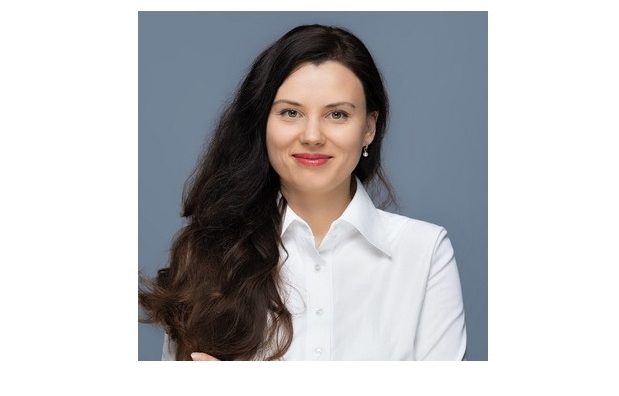
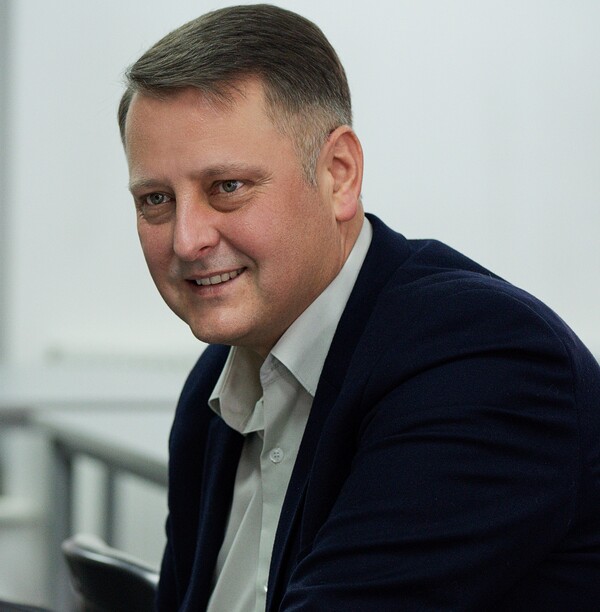
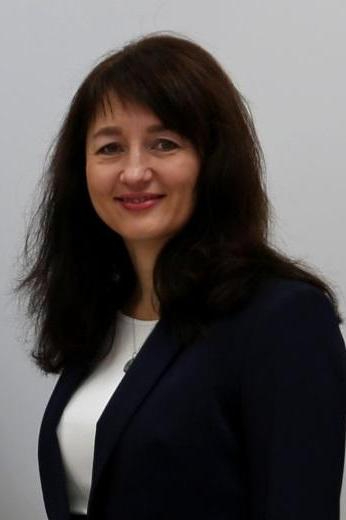
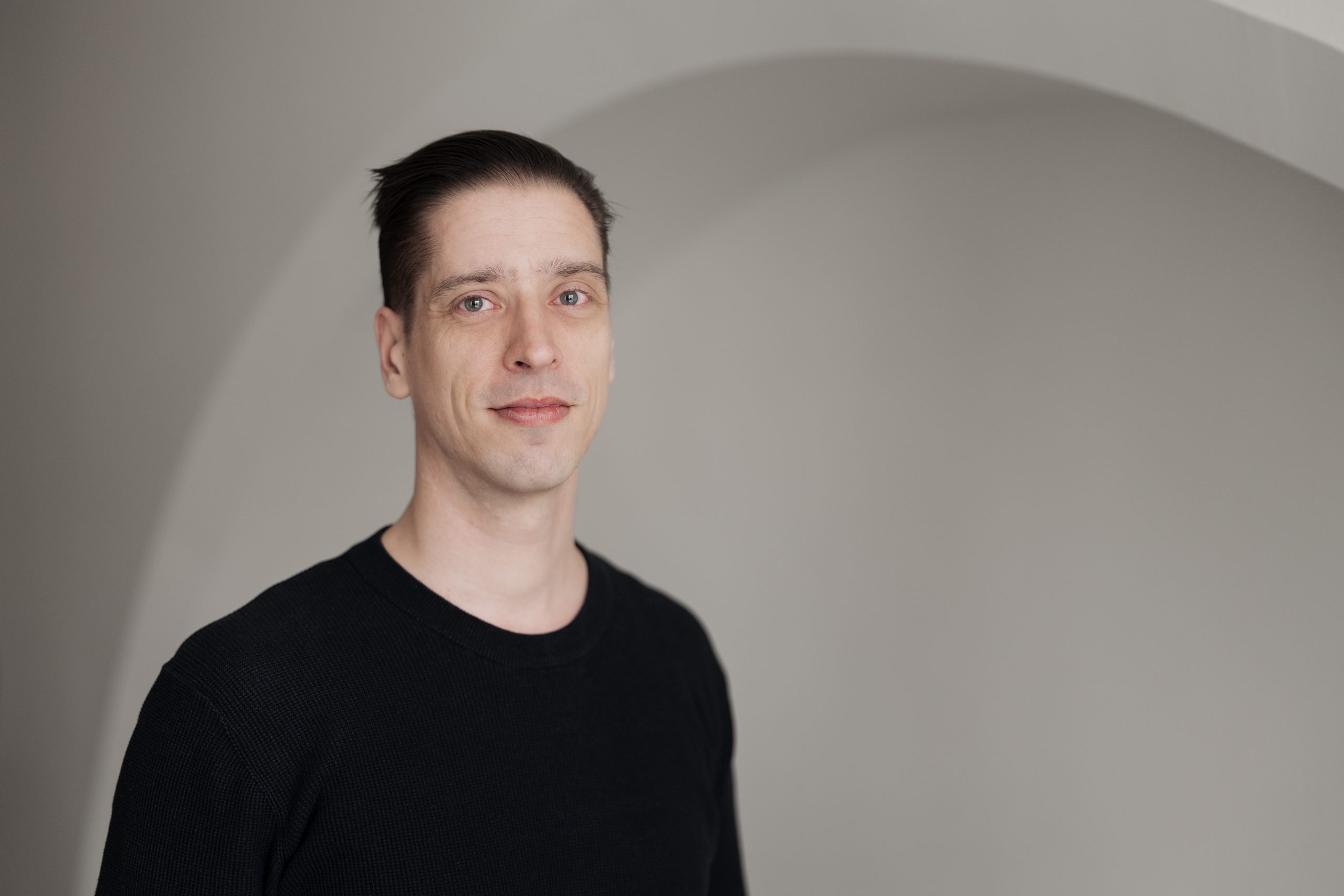
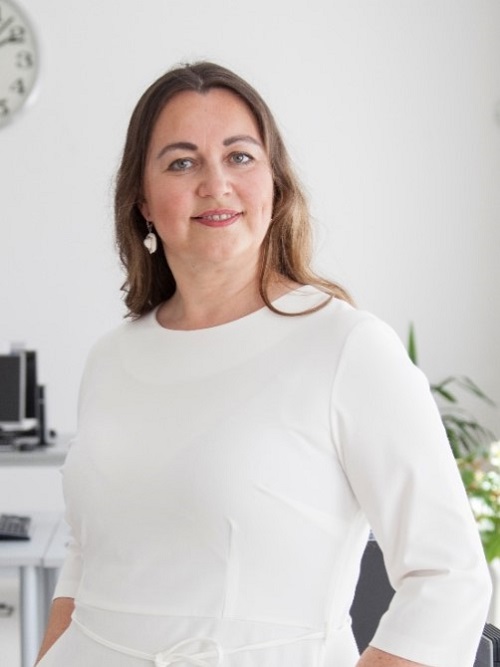
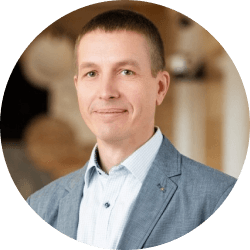
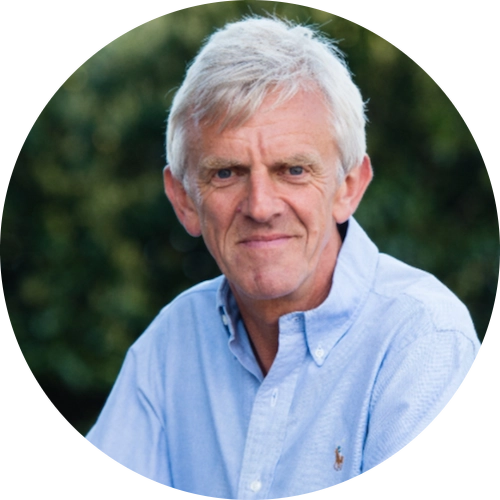
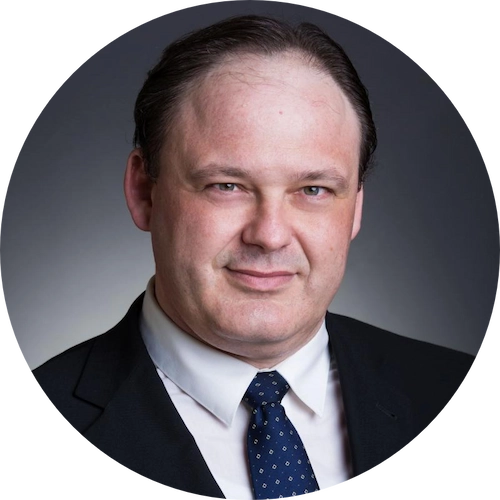
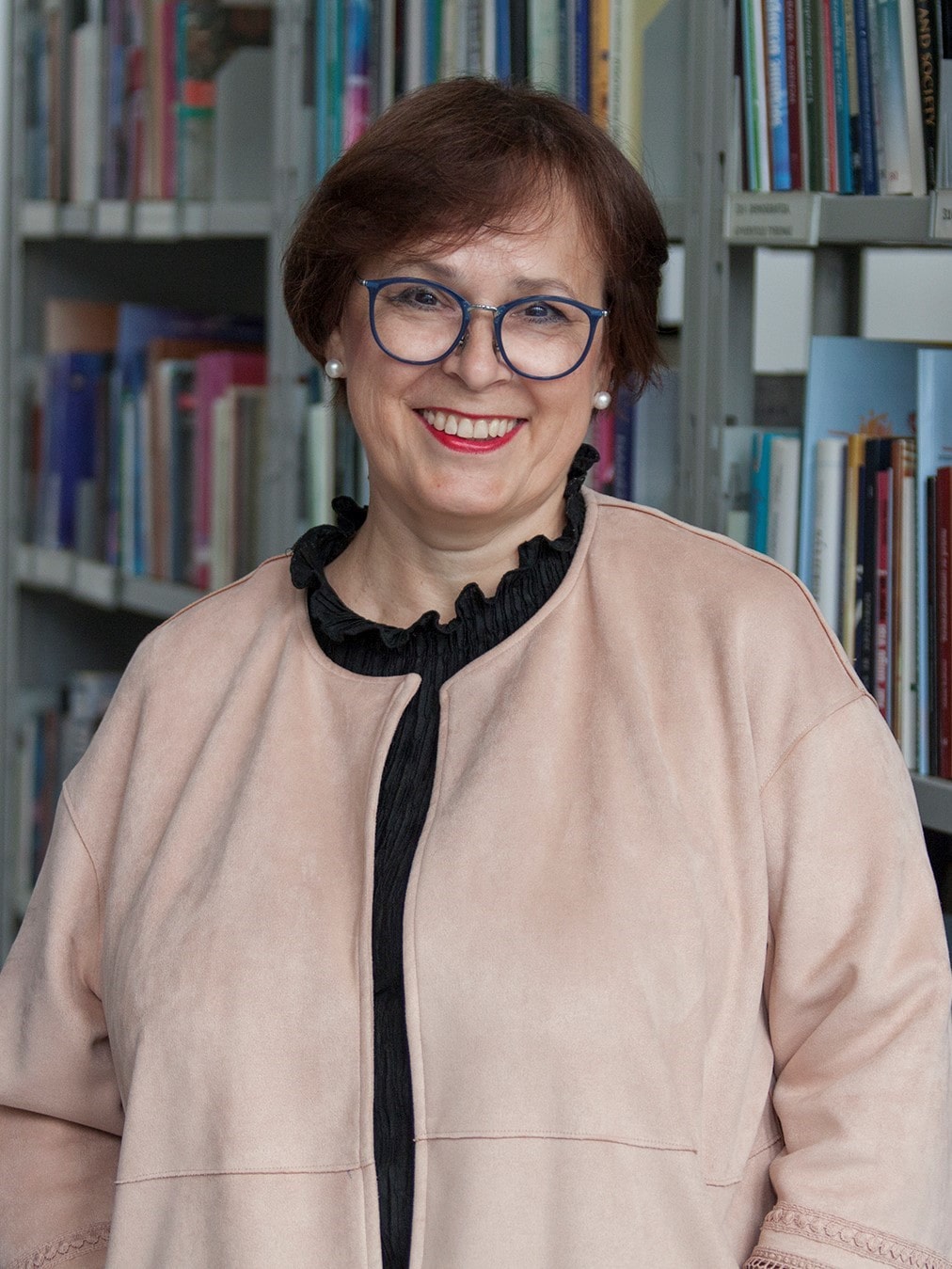
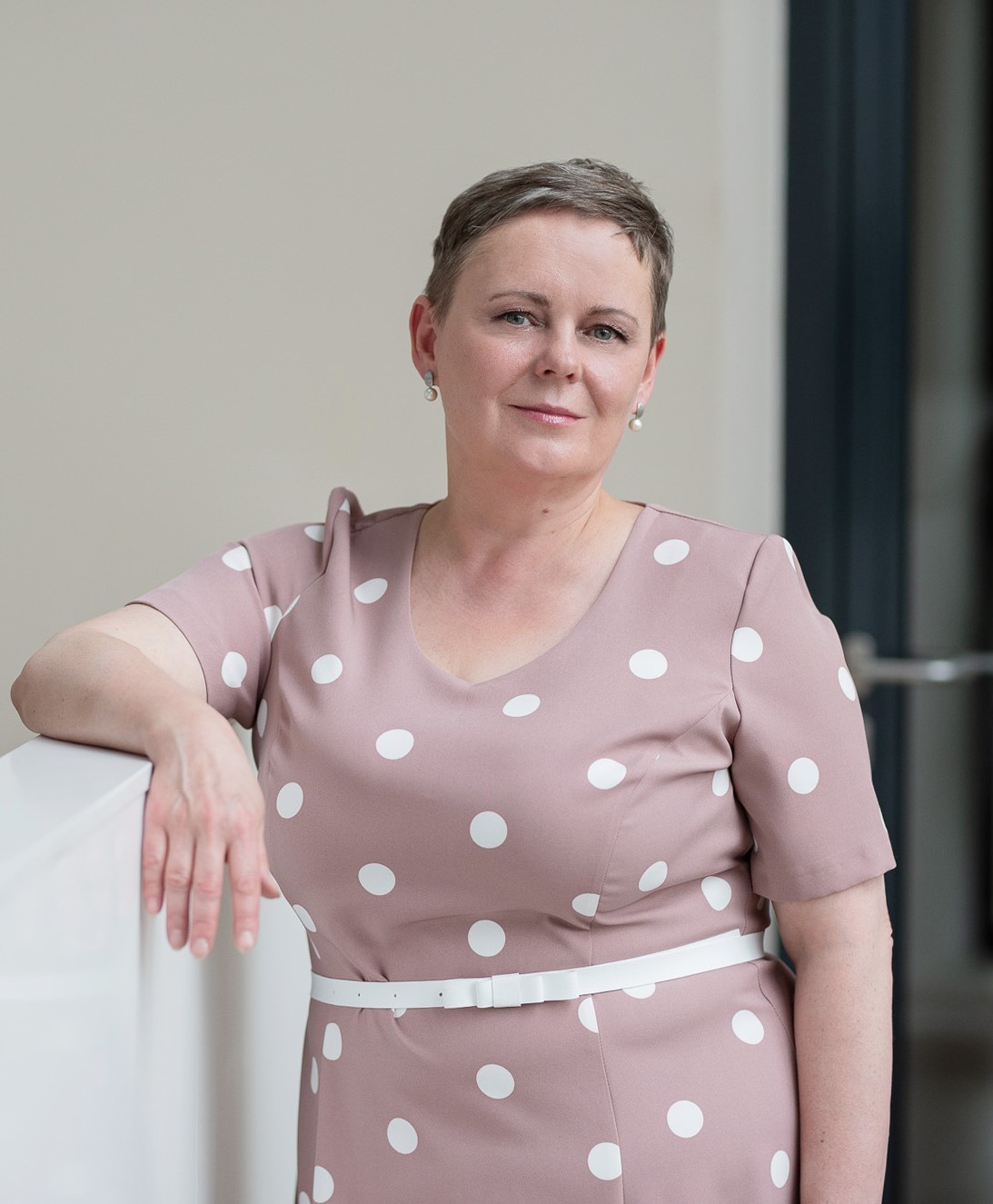
Katažyna Bogdzevič is a Professor at Mykolas Romeris University (MRU) Law School, specializing in Private International Law , European Law , Human Rights , and Environmental Law . She leads the MRU Human Rights LAB and contributes to the Environmental Management Research LAB, focusing on legal frameworks for ecosystem services, climate change mitigation, and stakeholder engagement. Key Research Themes: Integration of Private International Law with Environmental Law , analysis of legal conflicts in nature-based solutions, and name rights under international human rights conventions. Policy Engagement: Serves as advisor to Lithuania's Minister of Justice Ewelina Dobrowolska , emphasizing knowledge transfer to legislative and judicial practices. Email: roffice@mruni.eu
ISM University of Management and EconomicsLithuania
Prof. Dr. Vita Akstinaitė is a Professor and Vice-Rector for Research and Faculty at ISM University of Management and Economics (Lithuania). She leads the Master's program 'Global Leadership and Strategy' and the Executive Master's module on rhetoric/communication. As a Visiting Researcher at IDIAP (Switzerland) and Visiting Fellow at the University of Lausanne, she bridges academic and applied research. Her work focuses on leadership dynamics, hubris, linguistic markers, and AI applications in leadership assessment. Education: MSc Organizational Psychology (King's College London) and PhD in Business (University of Surrey), with research on linguistic markers of hubris. She co-founded The Hubris Hub and Knowledge4Hubris initiatives, fostering interdisciplinary collaboration. Notable projects include EU-funded AI leadership research (2021) and NordForsk's remote work study (2023-2026, €99k+). Research emphasizes innovative methods like AI-driven text analysis to evaluate leadership behaviors. Key areas include: executive hubris measurement, AI's role in leadership skill assessment, and ethical leadership frameworks. Her work spans international collaborations with institutions like Umeå University (Sweden), Murdoch University (Australia), and the London School of Economics. Awards include ISM Research Communicator of the Year (2023), Murdoch Teaching Excellence (2021), and EU research grants. Her publications explore topics like linguistic predictors of hubris, AI in leadership diagnostics, and pandemic leadership failures. Recent articles address data-driven executive role transformations and ethical leadership in AI contexts. Grants include €59k for AI leadership research (2021-2023) and €99k NordForsk funding. Active in conferences such as British Academy of Management and interdisciplinary leadership symposia. She advises on leadership development and serves as a module leader for global leadership courses. Labs/Teams: Co-leads The Hubris Hub research collective and directs ISM's executive communication initiatives. Current work explores AI ethics in leadership assessment and cross-industry sustainability leadership preferences.
ISM University of Management and EconomicsLithuania
Dr. Martin Aubel is a Junior Researcher at ISM University of Management and Economics, specializing in consumer behavior and AI applications. He holds a doctoral degree in Management from ISM (2023) and serves as Data Lead for Synthesis Consulting Group, focusing on AI-driven business strategies for corporations and startups. His research explores anthropomorphized service robots' impact on consumer perceptions and ethical challenges of AI in organizations. Education: PhD in Management (ISM 2023) Research interests include AI ethics, consumer psychology, and digital marketing. He actively contributes to EU-funded projects like 'Managing social and ethical challenges in AI' and 'Improving Nudges for Health Behaviors.' His work bridges academia and industry through LLM applications and AI capability development. Publications focus on robotics' consumer impacts, health behavior nudges, and marketing psychology. He has presented at conferences such as Society for Consumer Psychology and European Marketing Association. Teaching: Management Theories, Public Relations, Research Methodology Advising: Supervised Bachelor/Master theses in Digital Marketing Currently involved in the LMT-funded AI ethics project analyzing organizational decision-making impacts. Engaged with international collaborations including University of Groningen and KU Leuven.
Renata Bilbokaitė is a Professor and Director of the Šiauliai Academy of Vilnius University, leading strategic initiatives in education and quality management. She holds academic appointments in the Institute of Education and oversees research in pedagogical practices, sustainable education, and STEAM integration. Bilbokaitė has extensive administrative experience, including roles as Vice-Rector and Director of Strategic Processes, and has managed EU-funded projects focusing on educational quality and international collaboration. Her work emphasizes teacher training, inclusive education, and policy reforms. She actively engages in media commentary on education challenges, teacher shortages, and youth well-being. Awards include recognition from the Lithuanian Parliament for contributions to education. Education: Music (2006), Master's in Education (2008), PhD in Social Sciences (2012), Master's in Economics (2019) Administrative Roles: Director of Vilnius University Šiauliai Academy (2020–present), Head of Quality Management (2013–2020) Key Projects: UNIQMAS (Quality Management), SOCNET (Joint Study Programs), HONOR (Public Sector Training) Research Interests: Strategic education management, STEAM pedagogy, music education, visualization in teaching, and policy-driven educational reforms. Her recent work addresses global competencies in leadership, sustainable teacher training, and crisis responses to pedagogical workforce shortages. Publications focus on educational leadership, global challenges in education, and inclusive practices. Media engagements often address national educational policy debates, emphasizing pragmatic solutions for systemic issues like teacher recruitment and youth development.
Prof. Dr. Valentina Dagienė serves as a Professor and Senior Researcher at the Educational Systems Group within the Institute of Data Science and Digital Technologies at Vilnius University, Lithuania. Her academic career spans several decades with significant contributions to informatics education globally, particularly through her leadership in the international Bebras contest initiative. Her research focuses on computational thinking education through constructionist learning approaches, with particular emphasis on task design that promotes deep conceptual understanding in K-12 settings. Prof. Dagienė has pioneered methods for integrating computational thinking into primary education curricula while addressing cultural differences in learning approaches. Her work bridges theoretical frameworks with practical classroom implementations, making complex informatics concepts accessible to young learners through engaging short tasks. Analysis of her recent publications reveals a clear progression toward interdisciplinary integration of computational thinking with STEAM education and digital competence frameworks. Her research increasingly addresses assessment methodologies for computational thinking skills and explores the connections between computational and algebraic thinking. The Bebras contest serves as both a research platform and practical implementation vehicle for her educational theories. Prof. Dagienė has established herself as a key figure in international informatics education through her editorial work, conference organization, and cross-national collaborations. She has fostered partnerships between educators and researchers across Europe and beyond, creating sustainable communities around computational thinking education. Her leadership in the Bebras International Contest has engaged millions of students worldwide in computational problem-solving activities. Through her work with the Educational Systems Group, Prof. Dagienė has developed comprehensive teacher training programs that support educators in implementing computational thinking concepts in diverse classroom settings. Her research on student approaches to problem-solving has informed the design of learning environments that accommodate different learning styles and cultural backgrounds.
Remigijus Bubnys is a Professor and Chief Research Worker at Vilnius University Šiauliai Academy, Lithuania. He holds a PhD in Education Studies and has held academic positions at multiple institutions including Vilnius University and Kaunas University of Technology. His research focuses on higher education didactics, reflective learning, and organizational culture in educational settings. He has supervised the 'Teacher Education and Teaching Processes' research group and served as Deputy Chairman of the Academy's Council. Education includes: PhD in Social Sciences (Education Studies) from Šiauliai Academy (2005–2009), Master's in Primary School Teaching (1997–1999), and a Bachelor's in Psychology (2001–2005) from Vytautas Magnus University. Research emphasizes critical thinking development, teacher professional identity, and experiential learning methods. He has authored/co-authored over 50 publications since 2019, focusing on educational innovation, sustainable development through cooperative learning, and organizational dynamics in schools. His work bridges qualitative methodologies with practical applications in teacher training and institutional change. Professional activities include editorial roles for journals like Social Welfare: Interdisciplinary Approach and involvement in national education evaluation committees. He has also served as a Visiting Professor at Poland's Pedagogical University of Kraków (2019–2020).
Daiva Siudikienė is an Associate Professor at the Department of Organizational Information and Communication Research, Faculty of Communication, Vilnius University. Her work focuses on organizational communication, sustainability, digital media, and knowledge management. She is affiliated with the Lithuanian Marketing Association and ECREA, contributing to academic discourse through research and teaching. Her research interests include sustainability strategies in business, innovative leadership models, and the role of social media in contemporary society. She has published extensively on topics such as crisis communication, audience engagement, and the application of storytelling in organizational communication. Her 2023 work on Facebook narratives of Vilnius history highlights her interest in urban communication and digital heritage. Dr. Siudikienė has taught courses on integrated communication, communication theory, and organizational communication research. She authored the textbook History of Communication (2019), emphasizing educational contributions. Her recent articles address sustainability in Lithuanian companies and creativity-driven innovation in cultural organizations. She actively participates in academic activities, including editorial boards and conferences. Her research bridges theoretical frameworks with practical applications, such as assessing user-generated content quality and analyzing digital audience behavior.
Florian Rabitz is a Professor in the Department of International Relations at Vilnius University's Institute of International Relations and Political Science (VU TSPMI). His work focuses on global environmental politics , international institutions , and the governance implications of new and emerging technologies in sustainability contexts. He holds a PhD in Political Science from the Free University of Brussels. Education : PhD in Political Science (Free University of Brussels) Rabitz's research explores the intersection of technology and global governance, particularly in areas like space resource utilization , gene drive organisms , and solar radiation management . His recent publications analyze the formation of international regimes for space resources and the equity challenges of asteroid mining. He contributes to global policy discussions through his role as a Senior Research Fellow at the Earth System Governance Project and as a member of the Ad Hoc Technical Expert Group on Synthetic Biology under the Convention on Biological Diversity. His methodological approaches include social network analysis and topic modeling to map complex governance systems. Key Affiliations : Earth System Governance Project Convention on Biological Diversity (Expert Group) Rabitz has presented his research at major international conferences, including the European Consortium for Political Research General Conference and the Toronto Conference on Earth System Governance.
Aistė Batūraitė-Bunka is an Assistant Professor affiliated with the Institute of Education at Vytautas Magnus University Šiauliai Academy . Her research focuses on special education, vocational rehabilitation, and inclusive social work education, with a particular emphasis on supporting individuals with intellectual disabilities and emotional/behavioral challenges. Her work addresses topics such as nonviolent communication training for youth, cognition assessment tools for students with learning difficulties, and pre-vocational education strategies for marginalized groups. She has contributed to international collaborations, including projects in Germany and Ukraine, to develop inclusive educational policies and intervention models. Key publications span Social Welfare: Interdisciplinary Approach and Sabiedrība. Integrācija. Izglītība , focusing on special needs education, cognitive assessment, and distance learning methodologies. Her research highlights the importance of interdisciplinary approaches, evidence-based interventions, and cross-cultural practices in fostering inclusive educational environments. Her studies often involve partnerships with employers and stakeholders to bridge educational practices with real-world applications, particularly in vocational training and social work program design. While no awards are explicitly listed, her extensive publication record reflects sustained contributions to social sciences and education.
Roles and Affiliations: Currently holds the rank of Professor at Vilnius University Šiauliai Academy, within the Faculty of Education's Department of Education. Previously served as Dean of the Faculty of Education at Šiauliai University (2008–2013) and held academic roles such as Associate Professor and Head of various departments related to education and mathematics didactics. Education: Earned a Doctor of Social Sciences (Education) degree. Extensive academic background in educational theory and practice, with specialization in mathematics education and pedagogical methodologies. Research Interests: Focuses on teaching and learning processes, early mathematical education, self-directed and personalized learning, and educational quality management. Her work emphasizes sustainable education practices, teacher training innovations, and the integration of critical thinking in digital contexts. Key areas include social media literacy for educators, flipped classroom models, and interdisciplinary mathematics curricula. Publications Trends: Recent work explores the impact of social media on teacher education, critical thinking development, and sustainable educational practices. Prominent contributions include co-authored books on self-directed learning systems and methodological guides for educators. Research often addresses teacher well-being, resilience, and systemic challenges in education quality. Consulting and Grants: Played a pivotal role in creating Lithuania's pre-school education programs and competence frameworks. Involved in EU-funded projects like 'INTERPEARL' (teacher education innovation) and 'CTIS' (critical thinking in education). Active in national and international educational networks, including the Lithuanian Educational Research Association (LERA) and European Educational Research Association (EERA). Professional Networks: Board member of LERA and Chair of the General Education Network. Member of global organizations such as the World Education Research Association (WERA) and European Alliance for Social Sciences and Humanities (EASSH). Engaged in strategic educational initiatives like Researchers' Excellence Network (RENET).
ISM University of Management and EconomicsLithuania
Assoc. Prof. Dr. Saulius Šimkonis serves as an Associate Professor at the ISM Executive School (ISM University of Management and Economics) and currently holds the position of Project Portfolio Manager at Swedbank. With over 20 years of experience, he specializes in Project, Program, and Portfolio Management (PPM), risk management, and lessons learned processes. He holds certifications such as IPMA-A, PMP, and PRINCE2, and is an IPMA Assessor in Lithuania. His academic roles include leading the Project Management Program at ISM Executive School and teaching at Vilnius University Business School. Education: Graduated from ISM University of Management and Economics and earned a PhD from Vilnius University with a dissertation on 'Factors influencing lessons learned processes in innovative projects'. Research focuses on governance of interorganizational project networks, balanced leadership transitions, and ESG implementation frameworks. Recent work explores multi-level governance models, collaboration in distributed teams, and horizontal leadership dynamics. Teaching areas include PPM, risk management, and lessons learned methodologies. He contributes to professional bodies like the Project Management Institute and Lithuanian Project Management Association.
ISM University of Management and EconomicsLithuania
Eugene Sadler-Smith is a Professor of Organizational Behaviour at Surrey Business School, University of Surrey, and a Visiting Lecturer at ISM. His research focuses on hubris in leadership and intuition in decision-making. He has authored influential books such as The Intuitive Mind (2010), Hubristic Leadership (2019), and Human Resource Development: From Theory into Practice (2022). He is a Fellow of the Chartered Institute of Personnel and Development (FCIPD), Royal Society of Arts (FRSA), and Academy of Social Sciences (FAcSS). Research Interests: Hubris in Leadership: Analyzing destructive leadership behaviors and early warning signals, particularly in CEO contexts. Intuition in Decision Making: Exploring intuition’s role in managerial judgment, HR practices, and organizational learning. Linguistic Analysis: Using computational methods to identify markers of hubris and intuition in language. Key Publications: Recent works include studies on linguistic predictors of hubris, hybrid intelligence models for decision-making, and the ethical implications of hubris in climate change governance. His research has been featured in Leadership , British Journal of Management , and Journal of Business Ethics . Awards and Recognition: Sadler-Smith’s contributions to organizational behavior have earned him prestigious fellowships and media attention in outlets like BBC Radio, Sky TV, and Forbes . He leads The Hubris Project , collaborating with governments and organizations to mitigate leadership risks. Advising and Grants: While no specific grants or advisees are listed, his leadership projects and publications reflect extensive collaboration across public and private sectors. Labs/Teams: Directs 'The Hubris Project' at Surrey Business School, focusing on interdisciplinary research into leadership hazards and mitigation strategies.
ISM University of Management and EconomicsLithuania
Péter Juhász is an Associate Professor at Corvinus University of Budapest and a Visiting Professor at ISM University of Management and Economics. He teaches corporate finance, business valuation, ethics in finance, communication skills, and VBA programming. His research focuses on financial modeling, competitiveness, ethics, and valuation of intangible capital. He serves as a board member of the CFA Society Hungary and actively consults in management roles. His work integrates academic rigor with practical business challenges, emphasizing sustainable development and corporate social responsibility. Education: Not explicitly mentioned in the text. Roles: Associate Professor (Corvinus), Visiting Professor (ISM), Board Member (CFA Society Hungary). Research Interests: His studies explore financial modeling techniques, corporate competitiveness strategies, ethical frameworks in finance, and valuation methodologies for intangible assets. He has extensively analyzed Hungarian business resilience during crises, risk management practices, and the intersection of healthcare programs with organizational value creation. Publications: Over 50 articles spanning 20 years, addressing topics like pandemic business risks, sustainable growth, supply chain dynamics, and employee wellness programs. His work bridges theoretical finance with real-world applications in Hungary and beyond. Awards: None explicitly mentioned in the provided text. Grants/Advising: No specific grants or student advisees listed, but his consulting role indicates active industry collaboration. His research often involves collaborative projects with Hungarian firms and institutions. Labs/Teams: Not explicitly detailed, though his academic work likely involves interdisciplinary teams at Corvinus University.
Daiva Malinauskienė is a Professor and Director of the Institute of Education at Vilnius University Šiauliai Academy. She holds a doctoral degree in Social Sciences (Education) from Šiauliai University (1995–2000) and a qualification as a primary school teacher from Šiauliai Pedagogical Institute (1981–1985). Her work spans leadership in educational institutions, preschool and pre-primary education, and childhood pedagogy. Her research focuses on metaphorical thinking in children, quality preschool education, and leadership development. She has led projects on early childhood education policies, bilingual teacher training, and STEAM programs. Awards include recognition for contributions to education policy and international collaboration. Malinauskienė has authored over 50 publications, emphasizing sustainability in education, multilingualism in preschools, and teacher development. She actively participates in EU-funded initiatives and serves on editorial boards of education journals. Her leadership roles include directing the Institute of Education and spearheading national research programs on education quality and aging populations.
Dr. Valuckienė Jūratė is an Associate Professor and senior researcher at Vilnius University Šiauliai Academy’s Faculty of Social Sciences, Department of Management. She holds a Doctorate in Social Sciences (Educology) from Kaunas University of Technology (2012) and has over 25 years of academic and professional experience spanning education policy, leadership development, and organizational change. Education : 2012: Doctor of Social Sciences (Educology), Kaunas University of Technology 2004: Master of Social Sciences (Management), Šiauliai University 1995: Master of Arts (Philology), Šiauliai University 1993: Bachelor of Business Administration, Šiauliai University Research Focus : Her work centers on leadership dynamics in education systems, quality enhancement in schools, and value co-creation frameworks. Key themes include: Systemic education reform led by municipalities Social justice school leadership in Baltic contexts Impact of international staff mobility programs (e.g., Erasmus+) Teacher collaboration and professional capital development Projects : She has led/navigated projects like Lithuania’s nationwide “Time for Leaders” initiative (2017–2020), evaluating leadership training’s impact on 45 municipalities. Her work also includes cross-border studies on ERASMUS+ sustainability and civic education models. Grants & Expertise : Valuckienė has advised on national frameworks for school self-evaluation and contributed to Lithuania’s external assessment systems for general education schools. She co-developed pedagogical tools for inquiry-based learning and problem-based curricula integration. Labs/Teams : Active in the Scientific Centre for Social Research at Šiauliai University and collaborates with international networks like the European Educational Research Association (EERA).