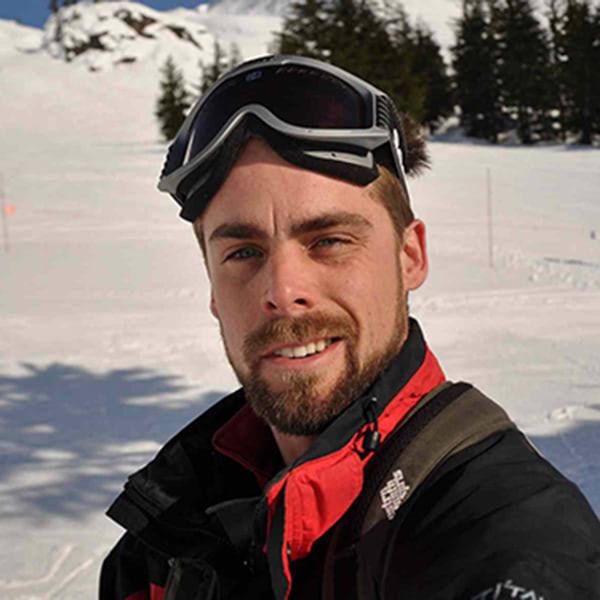
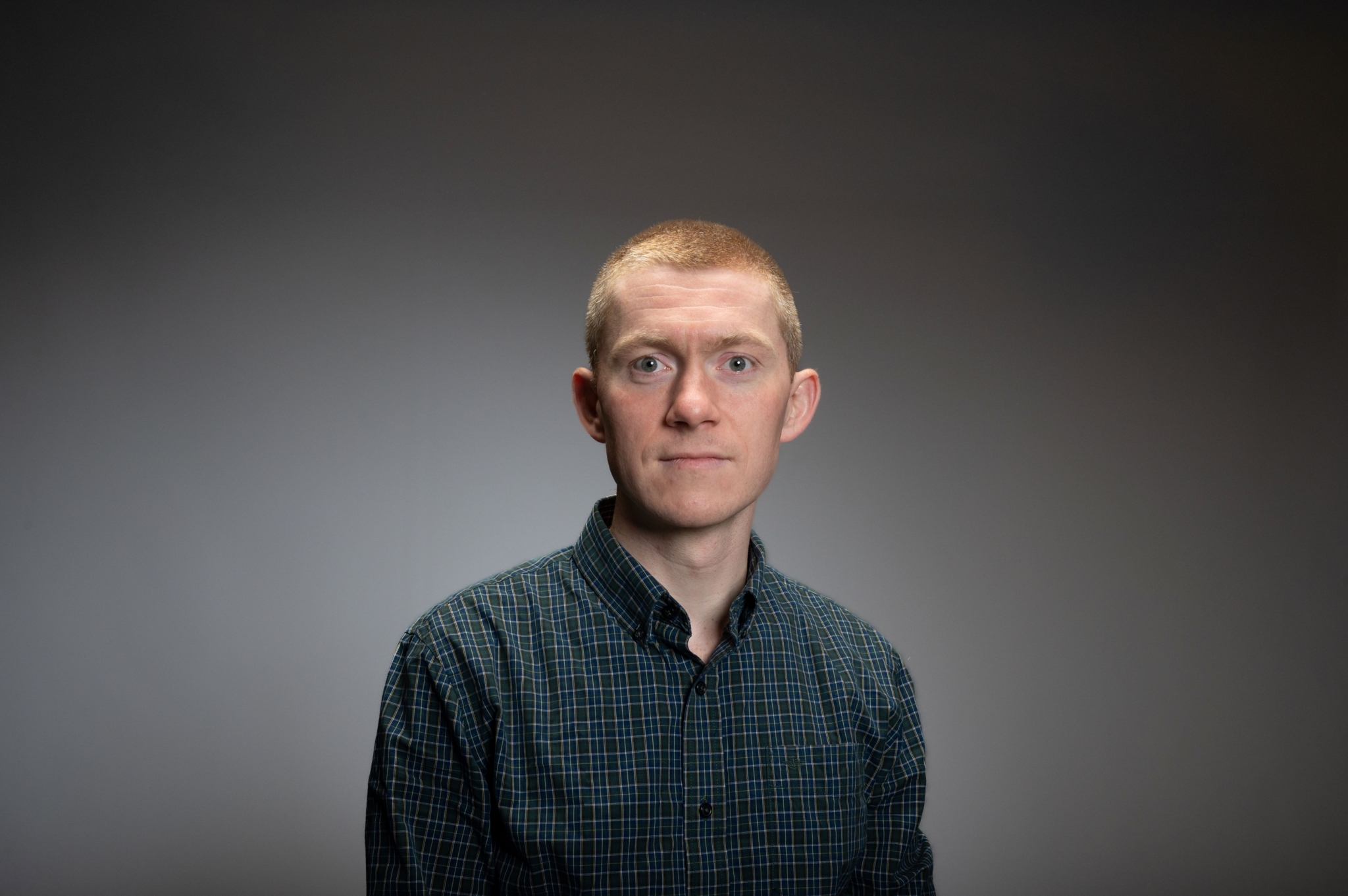
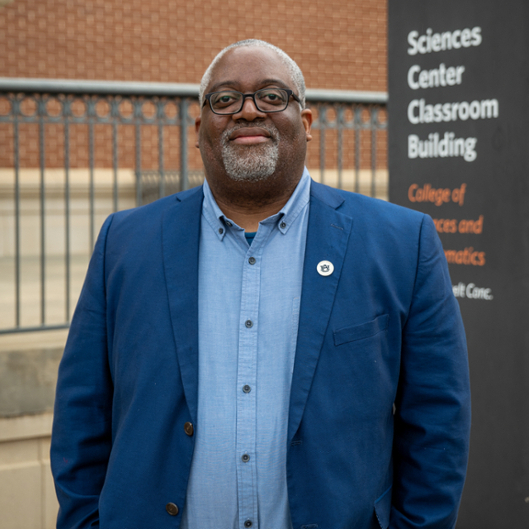
Christopher M. Polashenski is an Adjunct Associate Professor of Engineering at Dartmouth College's Thayer School of Engineering, concurrently serving as a Research Geophysicist at the U.S. Army Cold Regions Research and Engineering Laboratory (CRREL). His work focuses on Arctic geophysics, climate change, and the interplay between sunlight and ice/snow systems. Education: AB in Engineering Sciences (2007), BE in Environmental Engineering (2007), and PhD in Materials Engineering (2011), all from Dartmouth College. His research investigates sea ice dynamics, melt pond formation mechanisms, and Arctic albedo changes. Key projects include developing seasonal ice mass-balance buoys and analyzing phytoplankton blooms under sea ice. His findings contribute to climate models and environmental policy. Notable awards include the 2012 DISCCRS Scholar Award. He collaborates with institutions like NASA and CRREL, advancing observational tools for Arctic monitoring. Recent work explores solar heating impacts on ice melt and integrates interdisciplinary approaches to address climate feedback loops.
Okan Yurduseven is an Associate Professor and Reader at Queen's University Belfast's School of Electronics, Electrical Engineering and Computer Science. He leads the ElectroMagnetic Imaging and Sensing (EMIS) Lab within the Centre for Wireless Innovation and holds an adjunct professorship at Duke University. His research focuses on antennas, microwave/millimeter-wave imaging, metamaterials, and computational radar systems. Yurduseven has over £15M in competitive grants from bodies like the Leverhulme Trust, EPSRC, and DSTL. He has authored 300+ peer-reviewed publications and serves on editorial boards for IEEE Transactions on Antennas and Propagation, Nature Scientific Reports, and others. His awards include the Leverhulme Trust Research Leadership Award (2020), Young Scientist Award (2021), and multiple outstanding editor recognitions. His lab develops innovative systems for security screening, wireless power transfer, and next-gen communication technologies. Recent work explores dynamic metasurface antennas and frequency-diverse imaging techniques to enhance hardware efficiency while maintaining high resolution.
Dr. Tomasz Staszewski is a researcher at the Institute of Chemical Sciences within the Faculty of Chemistry at Maria Curie-Skłodowska University in Lublin (UMCS). He recently completed his habilitation procedure, with committee initiation on April 28, 2021, committee appointment on November 8, 2021, committee resolution on February 4, 2022, and Institute Council resolution on March 14, 2022. His habilitation committee was chaired by Prof. Marcin Hoffmann from Adam Mickiewicz University in Poznań, with Dr. Wojciech Gac serving as secretary and several distinguished reviewers from leading Polish research institutions. Dr. Staszewski's research focuses on molecular dynamics simulations of nanoparticles and interfacial phenomena . His work primarily investigates the behavior of various nanoparticle systems at interfaces, with particular emphasis on Janus nanoparticles, polymer-tethered particles, and hairy particles. His research spans multiple areas including surface chemistry, liquid-liquid interfaces, adsorption phenomena, and self-assembly processes. He employs computational methods to study structural changes, shape transformations, and assembly behaviors of complex nanoparticle systems under various conditions. Analysis of his recent publications (2019-2025) reveals a strong focus on interfacial nanoscience , particularly examining how nanoparticles behave at fluid interfaces and solid surfaces. His work shows a progression from fundamental studies of single particles to more complex systems involving multiple particle types and confinement effects. The research has significant implications for applications in emulsion stabilization, surface modification, and nanomaterial design. Dr. Staszewski's habilitation process involved a rigorous evaluation by a committee comprising experts from multiple prestigious Polish institutions, including the Institute of Physical Chemistry of the Polish Academy of Sciences, University of Silesia, Nicolaus Copernicus University, and Maria Curie-Skłodowska University itself.
Jaco de Smit is a researcher at HZ University of Applied Sciences, specializing in coastal ecosystems, sediment dynamics, and biophysical interactions. He holds a PhD in physical geography from Utrecht University (2016) and conducted postdoctoral research at the NIOZ in Yerseke, focusing on mussel bed stability and hydrodynamic processes. Since 2022, he has been a researcher-lecturer in the Building with Nature group, coordinating projects since 2023. His work spans ecological field studies, hydrodynamic modeling, GIS analysis, and nature-based solutions for coastal resilience. Key research interests include sediment stability in tidal marshes, storm impacts on mangroves, and seagrass ecosystem dynamics. He leads projects like No sea too high and Manabas Coast , addressing water safety and coastal management. Collaborations include the Joint Research Center Zeeland and interdisciplinary initiatives. No formal awards or advisees are listed, but his contributions to experimental methods like the TiDyWAVE field flume highlight innovative approaches to coastal science.
Veronica Sanchez Romaguera is a Lecturer in Enterprise at The University of Manchester since 2013, affiliated with the Enterprise Centre. She holds a PhD in Chemistry (2005, University of Manchester), MSc in Physical Chemistry (Leiden University), and BSc in Chemistry (University of Valencia). She completed a MEDICI Enterprise Fellowship (2007, University of Birmingham) and a PGCert in Enterprise in Higher Education (2008). A Fellow of the Higher Education Academy (2017), she contributes to embedding sustainability in curricula and received a 2015 University of Manchester Social Responsibility Award for sustainability initiatives. Her research focuses on enterprise education, sustainable development, and innovative material applications. Notable contributions include pioneering graphene-based inkjet inks (2013), leading to the spin-out ThInk2D Ltd. She co-developed the European Technology Roadmap for Digital Fabrication (2013) and contributed to the EPSRC-funded Manchester Centre for Digital Fabrication (2014). Her work spans formulation of functional materials for electronics, RFID technologies, and educational programs integrating global challenges. Teaching includes courses on Circular Economy, Business Ethics, and Innovation Commercialization. She advises students in MSc Enterprise, Innovation Management, and Doctor of Business Administration programs. Active in entrepreneurship competitions, she mentors ventures in sustainable living and technology commercialization. Her research also addresses UN Sustainable Development Goals (SDGs), particularly sustainability and responsible consumption (SDG 12). Education: PhD in Chemistry, University of Manchester MSc in Physical Chemistry, Leiden University BSc in Chemistry, University of Valencia PGCert in Enterprise in Higher Education Awards: Eli and Brit Harari Graphene Enterprise Award (2015) University of Manchester Making a Difference Award (2015) Grants/Projects: EPSRC £800K Research Infrastructure Award (2014) DIGINOVA Project (European Digital Fabrication Roadmap) Labs/Initiatives: Organic Materials Innovation Centre (OMIC), University of Manchester ThInk2D Ltd. (spin-out company)
Ulrich (Uli) Wiesner is the Spencer T. Olin Professor of Engineering in the Department of Materials Science and Engineering at Cornell University's College of Engineering. He has been a faculty member since 1999, starting as a tenured Associate Professor and becoming a Full Professor in 2005. Since 2015, he has co-directed the MSKCC-Cornell Center for Translation of Cancer Nanomedicine (MC2TCN), a National Cancer Institute (NCI)-funded Center for Cancer Nanotechnology Excellence. Ph.D., Physical Chemistry, University of Mainz and Max-Planck-Institute for Polymer Research (1991) Diploma, Chemistry, Johannes Gutenberg University of Mainz (1988) Wiesner’s research lies at the interface of polymer science and inorganic chemistry, focusing on the self-assembly of block copolymers to create multifunctional hybrid nanomaterials. His group pioneers the use of soft matter principles to encode hierarchical structure in inorganic materials, enabling the design of materials with no natural analogues. Key areas include mesoporous oxides and non-oxides for energy applications, and the development of ultrasmall fluorescent core-shell silica and aluminosilicate nanoparticles (C-dots) for bioimaging and nanomedicine. The 15 most recent publications reveal a strong trend toward quantum materials , cancer nanotherapeutics , and super-resolution imaging . His team leverages block copolymer self-assembly to create gyroidal and diamond network nanostructures for superconducting metamaterials, while simultaneously advancing clinical translation of nanoparticles for targeted drug delivery and ferroptosis-based cancer therapy. The integration of soft matter with hard condensed matter is a unifying theme across energy, quantum, and biomedical applications. His scientific awards include: National Academy of Inventors (NAI) Fellow (2024) Ambassadeur pour la Chimie Française, CNRS (2019) Arthur K. Doolittle Award, ACS PMSE (2016) Elected PMSE Fellow, American Chemical Society (2015) National Science Foundation Creativity Award (2008) Mr. & Mrs. Richard F. Tucker’50 Excellence in Teaching Award, Cornell (2005) IBM Faculty Partnership Award (2001) Carl Duisberg Memorial Award, GDCh (1999) Wiesner has secured significant funding from the NCI and other federal agencies to support his interdisciplinary research. His group mentors students across chemistry, materials science, and biomedical engineering, contributing to advances in nanoparticle synthesis , clinical translation , and multifunctional material design . He leads a dynamic research team working at the forefront of cancer nanotechnology and quantum metamaterials , with future work focused on expanding the clinical impact of nanotherapeutics and exploring emergent phenomena in soft-matter-directed quantum systems.
Professor Ville Viikari is a leading academic in antenna engineering and wireless systems at Aalto University's Department of Electronics and Nanoengineering. His work focuses on advanced antenna designs for mobile devices, 5G/6G networks, RF energy harvesting, and radar systems. He is affiliated with the Aalto University School of Electrical Engineering. Research interests include antenna arrays, coupled systems, and measurement techniques with applications in RFID, backscattering, and IoT. His innovations span frequency-reconfigurable antennas, shared-aperture designs, and millimeter-wave systems. Awards: IEEE Sensors Council Early Career GOLD Award (2010) Aalto Doctoral Thesis Award (2022) Young Researcher Award (2014) Key Projects: Zero Power Sensor Network (2010–2013) as project manager Development of 3D-printed antenna arrays and CMOS circulators Recent Work: Advances in Ka-band Vivaldi arrays and E-band transmitarrays AI-driven antenna optimization using swarm intelligence Wideband MIMO antennas for full-screen mobile devices His research group collaborates on cutting-edge projects blending antenna physics with emerging technologies like 6G and AI-driven design methodologies.
Grant Casady is a Professor in the Department of Biology at Whitworth University, located in Robinson Science Hall. He joined the faculty in 2011 and specializes in landscape ecology, disturbance ecology, natural resource conservation, and remote sensing science. His research focuses on ecological dynamics in disturbed environments, post-wildfire recovery, and vegetation monitoring using advanced remote sensing techniques. Education: Grant Casady holds a Ph.D. from the University of Arizona and both an M.Ag. and B.S. from Oregon State University. His teaching includes courses on environmental science, landscape ecology, ecological measures, and field studies in Central America and East Africa. Research interests emphasize the application of remote sensing and spatial analysis to understand vegetation responses to environmental changes, especially post-wildfire recovery and invasive species management. His work integrates satellite data with field observations to model ecological processes across diverse ecosystems. Publications span topics like sage-grouse habitat selection, land surface phenology modeling, and post-wildfire vegetation dynamics. His Google Scholar profile provides a comprehensive list of publications (https://scholar.google.com/citations?user=D2vv4l8AAAAJ&hl=en&oi=ao). Grants and advising: While specific grants are not listed, his publications indicate sustained research activity. No advisee names are provided in the available text. Labs/Teams: No specific lab affiliations are mentioned, though his work involves collaborations with institutions in Spain, Israel, and across the U.S.
Edward Thomas, Jr. serves as the Dean of the College of Sciences and Mathematics (COSAM) and Professor of Physics at Auburn University. He holds the Charles W. Barkley Endowed Professorship and previously served as Interim Dean (2021–2023) and Associate Dean for Research and Graduate Studies (2017–2021). His research focuses on experimental plasma physics, particularly magnetized dusty plasmas and complex plasma dynamics. He directs the Magnetized Plasma Research Laboratory (MPRL) and co-leads the NSF-EPSCoR RII-Track 1 project Future Technologies enabled by Plasma Processes (FTPP). Education: Ph.D., Auburn University (1996); M.S., Massachusetts Institute of Technology (1993); B.S., Florida Institute of Technology (1989). Research interests include dusty plasma phase transitions, nanoparticle growth in plasmas, and plasma applications for space exploration. His work bridges laboratory experiments and theoretical models, with notable contributions to magnetized dusty plasma systems and plasma-based nanotechnology. Awards include the International Dusty Plasma Community’s 'Star Dust' Award (2025), Fellow of the American Physical Society (2015), and Auburn University’s Outstanding Faculty Member (2019–2020). Professional activities include leadership roles in the American Physical Society (APS-DPP), National Science Foundation advisory committees, and international collaborations like the Magnetized Dusty Plasma Experiment (MDPX). He mentors students and promotes diversity in STEM through initiatives like the Office of Inclusion and Diversity at Auburn.
Dr. Natalie Theeuwes is a Visiting Research Fellow in the Department of Meteorology at the University of Reading's Faculty of Science. Her research focuses on urban meteorology, particularly examining the complex interactions between urban environments and atmospheric processes. She actively contributes to advancing our understanding of urban climate systems through high-resolution modeling and observational studies. Her primary research interests include urban heat island effects, boundary layer meteorology in urban environments, urban climate modeling, and the interactions between urban structures and atmospheric processes. Dr. Theeuwes has made significant contributions to understanding how urban morphology influences local climate patterns, particularly regarding temperature distribution, cloud formation, and boundary layer dynamics in cities. Dr. Theeuwes' publication record demonstrates a consistent focus on urban meteorological phenomena, with recent work examining hectometric-scale weather modeling, nocturnal boundary layer interactions in London, and persistent cloud cover over mega-cities. Her research often involves collaborative international projects and contributes to practical applications in urban planning and climate adaptation strategies. She is actively involved in major urban climate initiatives including WUDAPT (World Urban Database and Access Portal Tools) and UMEP (Urban Multi-scale Environmental Predictor), which provide critical tools for urban climate research and applications.
Prof. Dr.-Ing. Thomas Musch is a Professor in the Department of Electronic Circuit Technology at the Faculty of Electrical Engineering and Information Technology (ETIT), Ruhr University Bochum. His research focuses on advanced radar systems, microwave engineering, and sensor technology. He leads projects like MEDICI, addressing humanitarian applications such as landmine detection using microwave and radar technologies. His work intersects with electromagnetics, signal processing, and semiconductor devices. Education: Academic qualifications not explicitly listed but inferred from his position as a professor. Research Interests: Prof. Musch’s areas include radar system design, millimeter-wave sensors, phase noise analysis in circuits, and applications in industrial automation, plasma diagnostics, and non-destructive testing. His group develops solutions for real-time monitoring of fluids, gases, and bulk materials using radar and electromagnetic techniques. Publications: Over 150 peer-reviewed articles since 2015, emphasizing radar imaging, microwave components, and sensor innovation. Recent work includes ultra-wideband frequency synthesizers, dielectric waveguide characterization, and AI-driven radar data synthesis. Grants & Collaborations: Involved in interdisciplinary projects, including EU-funded initiatives and international collaborations with institutions like Universidad Pontificia Bolivariana (Colombia). His lab focuses on practical applications like plasma state supervision and humanitarian demining. Labs/Teams: Electronic Circuit Technology Lab at ETIT, specializing in radar systems, microwave circuits, and sensor development. Collaborates with industry partners for practical implementation of research.
Anna Lagunas Targarona is a researcher in the Nanobioengineering department, focusing on interdisciplinary applications of nanotechnology in biomedical contexts. Her work spans biosensor development, drug delivery across the blood-brain barrier, and engineering nanotopographic substrates for cell studies. Research Interests: Nanotechnology, Alzheimer's disease, biosensors, stem cell differentiation, regenerative medicine, and mechanobiology. Key Projects: Development of BBB-on-a-chip systems, functionalized nanoparticles for neurodegenerative therapies, and nanoscale ligand patterning to study cell communication. Her recent publications (2025-2022) highlight innovations in nanoparticle design, microfluidic devices, and molecular gradients for cell adhesion studies. Collaborations with institutions like IBEC and projects such as Fibrosens (funded by AFM-Telethon) underscore her translational focus. She employs advanced techniques including nano-emulsion templates, TEER monitoring, and 3D bioprinting to address challenges in neurodegenerative disease modeling and musculoskeletal regeneration.
Gülay APA KURTİŞOĞLU is a researcher at Trakya University, Faculty of Arts and Sciences. Her work focuses on Ottoman-era archaeological sites, tombstones, and architectural heritage, particularly in the Kirklareli and Edirne regions of Turkey. Projects: Edirne Yeni Saray Kazisi (2022) Osmanli Dönemi Tarihi Mezarliklari (2017) Her research spans tombstone analysis, Ottoman numismatics, traditional housing design, and conservation of historical sites. She has presented findings at international conferences on archaeology and art history, collaborating with scholars like Güner Yavuz. Recent publications explore the evolution of Ottoman funerary art, Seljuk-era minbar designs, and the relationship between architectural continuity and historical preservation in Edirne. She has contributed to journals such as Trakya Üniversitesi Edebiyat Fakültesi Dergisi and conference proceedings in Turkey, Azerbaijan, and India.
Professor Tze Pei Chong is a faculty member at Brunel University within the College of Engineering, Design and Physical Sciences, specifically in the Department of Mechanical and Aerospace Engineering. His academic rank is Professor in the field of Aeroacoustics. He works in Howell Building 117 and can be reached via email at t.p.chong@brunel.ac.uk. Research Focus: Aeroacoustics, with particular emphasis on noise reduction techniques for wind turbines and aviation applications. Key Projects: QUADPORS (Quiet Aerofoils with Adaptive Porous Surfaces) funded by EPSRC (2021-2023), Readiness project (2018), and multiple grants from EPSRC and Vestas Wind Systems A/S (2010-2020). Publications: Recent work includes studies on slit trailing edges, synchrophasing for tonal noise reduction, porous blade treatments, and flow control using Large-Eddy Breakup Devices and riblets. His articles span both journal and conference formats, focusing on experimental validation and computational modeling. Collaborations: Works with co-authors such as Dr Jan Wissink, Prof Kai Cheng, and other researchers in international projects. His research demonstrates a consistent focus on noise reduction mechanisms in aeroacoustic systems, covering both fundamental studies and applied engineering solutions across wind energy and aviation sectors. Techniques investigated include passive flow control (porous materials, serrations) and active methods (plasma actuators), with applications in wind turbines and aircraft design. Professor Chong has been involved in grants related to next-generation aerofoil development, high Reynolds number testing, and industry collaborations with Vestas Wind Systems A/S. His research group (IMM) conducts experimental and computational studies in a quiet aeroacoustic wind tunnel facility at Brunel University.
Azim Ahmadzadeh serves as an Assistant Professor in the Department of Computer Science at the University of Missouri–St. Louis within the College of Arts and Sciences. Holding a Ph.D. in Computer Science from Georgia State University (2021), he maintains office hours in 329 ESH on Mondays and Wednesdays from 5:00-6:30 PM via Zoom or in person, with flexible scheduling options for students. Education: Ph.D. Computer Science, Georgia State University, 2021 Dr. Ahmadzadeh's research pioneers machine learning applications for space weather forecasting, specializing in solar flare prediction through innovative time series analysis and computer vision techniques. His work systematically addresses critical challenges including extreme class imbalance in solar datasets, temporal coherence requirements, and data scarcity through novel algorithmic developments. Key contributions include advanced similarity metrics for multivariate time series, synthetic data generation frameworks, and anomaly detection systems specifically designed for solar observations. His publication trajectory (2022-2025) reveals a strategic focus on operationalizing machine learning for heliophysics, with significant output in solar filament detection systems (Elements, MAGFILO), time series analysis innovations (Multiscale Dubuc, Ts-miou), and practical guides for scientific data annotation. This work bridges theoretical machine learning with real-world space weather forecasting needs, evidenced by roadmap documents for SEP monitoring and solar research cyberinfrastructure. Dr. Ahmadzadeh actively develops open resources for the solar physics community including manually annotated datasets, standardized annotation protocols, and ML-ready data pipelines. His research program demonstrates strong interdisciplinary collaboration potential with space agencies and observatories, particularly through contributions to white papers on solar research infrastructure and operational forecasting requirements.