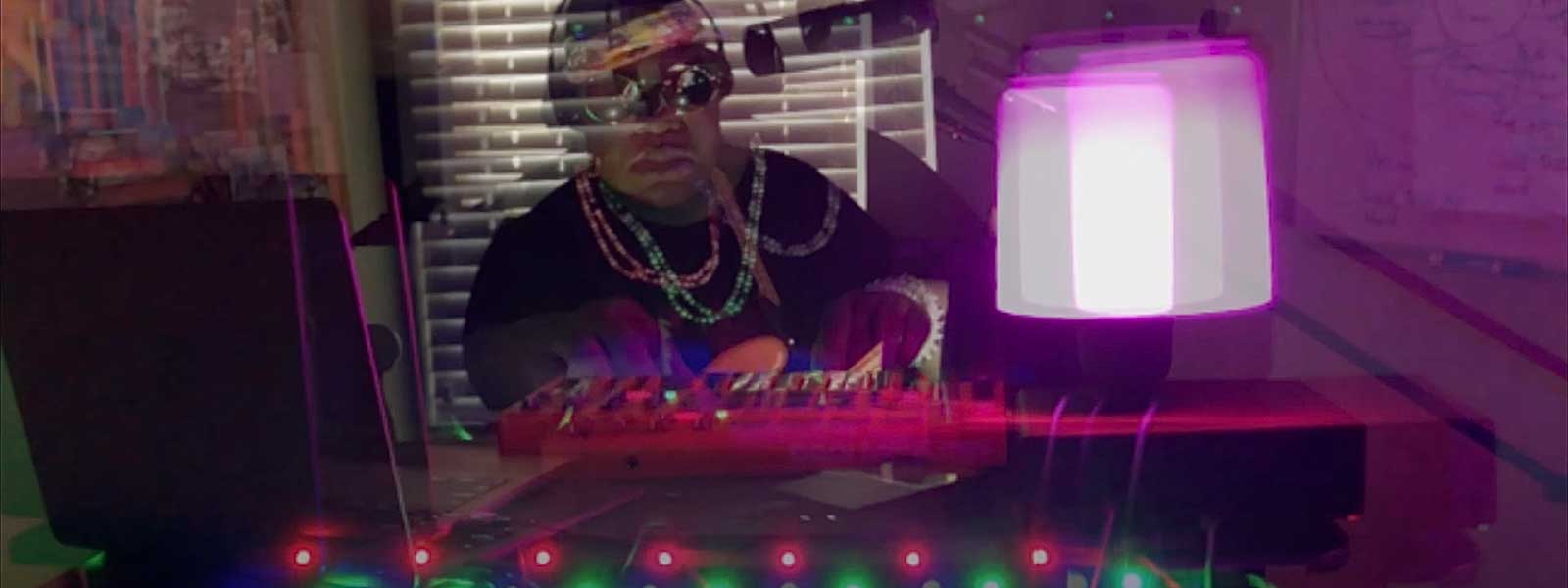
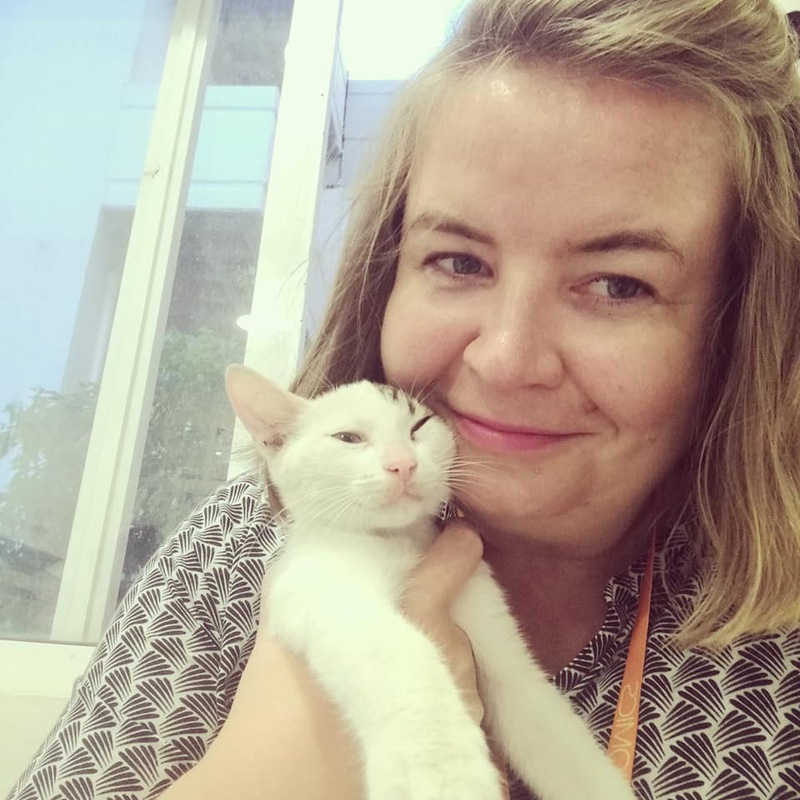
Li Jiannan is a Full-time Assistant Professor of Computer Science at the School of Computing and Information Systems, Singapore Management University (SMU). He is part of the SMU HCI community and holds a PhD from the University of Toronto (2024). His research focuses on human-machine collaborative systems, pervasive sensing, and human-computer interaction applications in health, wellbeing, and future work paradigms. Research interests include: Language-driven robotic telepresence systems Large language models for visualization and design studies Mixed reality collaboration tools Immersive environments for skill teaching Recent publications demonstrate expertise in: Robot-assisted physical task guidance Generative AI for VR scene creation Camera control through subtle human cues 360° video navigation techniques Scientific recognition includes: Best Paper Award at ACM/IEEE HRI 2025 Best Paper Honorable Mention at CHI 2025 Best Paper Honorable Mention at CHI 2021 Best Paper Honorable Mention at CHI 2018
Norman H. Christ is the Ephraim Gildor Professor of Computational Theoretical Physics in the Department of Physics at Columbia University. He leads research in lattice Quantum Chromodynamics (QCD), focusing on high-precision calculations to test the Standard Model of particle physics, particularly in areas where the model may fall short such as CP violation phenomena. His research interests center on high-energy nuclear and particle physics, with specific focus on lattice QCD calculations for kaon physics, CP violation, and precision tests of the Standard Model. Christ develops advanced computational methods to calculate subtle effects like the direct CP violating parameter ε' in K → ππ decay, the hadronic light-by-light contribution to the muon anomalous magnetic moment, and the extremely small mass difference between neutral K mesons. His recent publications demonstrate consistent high-impact work in lattice field theory, with particular emphasis on kaon physics, algorithm development, and precision Standard Model predictions. The research spans theoretical development, numerical algorithm design, and large-scale computational implementations. Scientific Awards and Recognition: Ephraim Gildor Professor of Computational Theoretical Physics Fellow of the American Physical Society Professor Christ maintains an active research program with Columbia colleague Robert Mawhinney and through major international collaborations including the RBRC-Brookhaven-Columbia (RBC) and UKQCD collaborations. His work requires substantial computational resources and involves close collaboration with experts at Brookhaven National Laboratory, RIKEN BNL Research Center, University of Connecticut, and European institutions including the Universities of Edinburgh and Southampton. His laboratory, part of Columbia's High Energy Theory Group, focuses on developing and applying lattice QCD methods to solve challenging problems in particle physics where precision calculations can reveal potential limitations of the Standard Model.
Mareike Riedel is a Senior Lecturer at Macquarie Law School and a member of the Ethics and Agency Research Centre. She holds a PhD in sociolegal studies from the Australian National University (ANU). Her research focuses on intersections of law, religion, and race, particularly exploring how cultural biases shape rights for marginalized groups. Key areas include secular law’s legacy of anti-Judaism, Islamophobia in anti-discrimination frameworks, and racialized religious discrimination. Education: PhD in Sociolegal Studies from ANU. Research Interests: Law and Religion in Multicultural Societies Racial Discrimination & Anti-Semitism Cultural History of Secular Law Legal Responses to Islamophobia Legal Theory & Jurisprudence Teaching: Convenes and teaches courses on Foundations of Law, Anti-Discrimination Law, and Human Rights & Moral Dilemmas. Recognized for innovative pedagogy, including a 2023 Vice-Chancellor’s Award and 2024 Faculty Teaching Award for statutory interpretation module design. Collaborations: Visiting Fellowships at ANU’s RegNet (2022–present) and Max Planck Institute for Religious and Ethnic Diversity (2024). Previously held fellowships at ANU and Max Planck Institute for Social Anthropology. Grants & Projects: Principal Investigator for the 2022 project EES 2022: Riedel_Mareike_EES2022 , supported by institutional grants. Publications: Authored the 2024 monograph Law and Jewish Difference , with over 15 peer-reviewed articles in journals like Griffith Law Review and Identities . Her work bridges sociolegal studies with interdisciplinary insights from humanities and social sciences.
Amy Brookes is an Associate Professor at the University of Reading, serving as School Director of Diversity and Inclusion. She co-leads the BSc Architecture stage 1 design studio and teaches visualization and communication within the architecture program. With a background as a RIBA Chartered Architect and former associate director at BPR Architects, Brookes brings substantial professional experience to her academic role, having delivered £36m worth of educational projects including a £18m Science and Technology building for Middlesex University. Education: PhD in Architecture by Published Works, University of Westminster, 2023 PGDip in Professional Practice in Architecture (RIBA/ARB part 3), University of Westminster PGDip Architecture (RIBA/ARB part 2), University of Westminster BSc Architectural Studies (RIBA/ARB part 1), Cardiff University Brookes' research centers on the intersection of architecture and science fiction, exploring how narrative and utopian thinking can inform architectural practice. Her work examines narrative communication in architectural design, the utopian imaginary in architecture, and widening participation in architectural education. She investigates how science fiction literature and film represent architectural concepts, particularly focusing on megastructures, collective spaces, and feminist approaches to urban design. Her research demonstrates architecture as a social art that should embody and support progressive social development through consultation, participation, and narrative communication. Analysis of Brookes' recent publications reveals a consistent focus on the relationship between science fiction and architectural thinking, with particular emphasis on feminist and queer perspectives. Her work increasingly examines threshold conditions, edge-lands, and the politics of collective space, demonstrating how speculative fiction can provide critical frameworks for reimagining urban environments. The interdisciplinary nature of her research connects architecture with literary studies, gender studies, and urban theory, creating innovative approaches to both design practice and architectural education. Scientific Awards and Recognition: Nominated for Teaching Excellence Award at Newcastle University As School Director of Diversity and Inclusion, Brookes leads initiatives to broaden participation in architecture education. She co-founded Involve Architecture Collective, which has partnered with major institutions including Tate Britain, RIBA, Open City, the V&A Museum, and the Horniman Museum to create small-scale installations and workshops that engage diverse audiences with architectural thinking. Her teaching philosophy emphasizes social engagement in design and explores narrative's role in architecture, directly informed by her research into science fiction. Brookes is an active member of several scholarly communities including the Imaginaries of the Future Network, London Science Fiction Research Community, the British Science Fiction Association, and the Utopian Studies Society. Through Involve Architecture Collective, she maintains a practice-based research approach that bridges academic inquiry with public engagement, creating opportunities for community participation in architectural discourse and design processes.
Amanda L. Almond is an Associate Professor of Psychology in the Department of Social Science at the New York City College of Technology, part of the City University of New York (CUNY) within the School of Arts & Sciences. She is actively engaged in teaching and research, with a strong commitment to social justice, inclusivity, and health equity. Education: PhD in Psychology (Behavioral Science, Methodology focus), University of Rhode Island, 2014 MA in Psychology (Behavioral Medicine/Health Psychology), Connecticut College, 2011 BS in Human Development and Family Studies, Mitchell College, 2009 (Summa cum laude, Salutatorian) Dr. Almond's research centers on the intersection of race, gender, and health, with a focus on microaggressions in healthcare and academic settings, self-care among women, and inclusive mentoring practices. Her feminist research approach emphasizes amplifying marginalized voices and developing valid measures to assess subtle forms of discrimination. She investigates how organizational and individual factors contribute to disparities, particularly for Black Americans in healthcare and women in psychology programs. Her recent publications reflect a consistent thematic focus on microaggressions, measurement development, and self-care. The articles span qualitative and quantitative methodologies, including concept mapping and psychometric validation, and are published in journals such as Professional Psychology: Research & Practice and Ethnicity & Health . These works collectively contribute to a deeper understanding of resilience, identity, and equity in health and education. While no formal scientific awards are listed in the provided text, her scholarly contributions through peer-reviewed articles, book chapters, and interdisciplinary teaching demonstrate significant academic engagement. Dr. Almond is actively involved in mentoring and education, teaching courses including Health Psychology, Interdisciplinary Health Psychology, Introduction to Psychology, and a special topics course on Monument Removal. Though no specific advisees are listed, her research on mentoring suggests a strong commitment to student support and inclusion. Her ongoing research aims to advance sustainability, quality of life, and national social justice initiatives, particularly through interdisciplinary collaboration and feminist research frameworks. She does not appear to lead a named lab or research team in the provided text, but her research agenda is clearly defined and socially impactful.
Andrew Harris is a Professor at Université Clermont Auvergne (UCA) specializing in volcanology. He is part of the Volcanology Team based at LMV Cezeaux, with research focusing on regional geology, lava flow dynamics, and volcanic hazard assessment. His work bridges field observations with advanced remote sensing techniques to understand volcanic processes and improve risk management strategies for communities living near active volcanoes. Professor Harris's research spans multiple areas of volcanology with particular emphasis on lava flow dynamics , thermal remote sensing of volcanic activity , and volcanic hazard assessment . His work integrates field measurements with satellite data to track and model volcanic processes. He has made significant contributions to understanding lava rheology, volcanic plume dynamics, and the development of early warning systems for volcanic hazards. His research often focuses on European volcanoes like Stromboli, Etna, and Piton de la Fournaise, but also extends to volcanic systems worldwide. Analysis of Professor Harris's recent publications reveals a strong trend toward integrating machine learning techniques with traditional volcanological methods. His work increasingly combines field observations, satellite data, and computational modeling to create more accurate hazard assessments. Recent research shows particular focus on volcanic risk communication, the dynamics of lava-sea interactions, and the application of deep learning for detecting subtle thermal anomalies that might indicate volcanic unrest. Professor Harris maintains extensive international collaborations across Europe, the Americas, and Asia. His work involves significant fieldwork at active volcanoes and has contributed to the development of several important methodologies for volcanic monitoring. He has been involved in multiple effusive crisis response efforts, particularly at Piton de la Fournaise, where he has helped implement real-time monitoring systems that integrate satellite data with ground-based observations for improved hazard assessment.
Christine Paul serves as a Scientific Associate in the Department of German Didactics within the Department of Education and Psychology at Freie Universität Berlin, specializing in linguistic and cultural education. Currently on leave while fulfilling duties at Technische Universität Dresden, her expertise spans multilingual pedagogy, German as a second language, and conversation analysis, with significant contributions to corpus linguistics through the Wendekorpus project documenting German reunification narratives. Education: PhD in Linguistics (2016), Freie Universität Berlin First State Examination in German and Spanish (2006), Freie Universität Berlin Graduate Fellowship, Evangelisches Studienwerk Villigst (2009-2013) Study Abroad, Pontificia Universidad Católica del Peru, Lima (2001-2002) Research Focus: Dr. Paul investigates multilingual identity construction in educational settings, analyzing how students navigate spoken vs. academic language varieties through conversation analysis and cognitive linguistics frameworks. Her work bridges theoretical linguistics with classroom practice, particularly examining meaning negotiation in multilingual dialogues and historical language shifts in post-reunification Germany, often utilizing corpus-based methodologies to reveal subtle pragmatic patterns. Publication Evolution: Early career works (2010-2015) established her expertise in temporal inference and retrospective utterances within conversation analysis. Recent publications (2019-2023) demonstrate strategic expansion into digital education spaces and multilingual identity, culminating in 2023's examination of linguistic diversity on school websites. Her research consistently centers on language as a tool for identity construction within institutional contexts, with growing emphasis on intersectional factors like gender and migration background. Academic Engagement: As co-developer of the Wendekorpus audio archive and contributor to the Learning and Research Workshop for Literary Education, she actively shapes pedagogical resources. Her 2024 conference presentation on multilingual female students' self-identification continues her trajectory of connecting linguistic theory to real-world educational challenges through empirical discourse analysis.
Henning Pohl is a Tenure Track Assistant Professor in the Department of Computer Science at Aalborg University, affiliated with The Technical Faculty of IT and Design. His research focuses on Human-Centered Computing, emphasizing Virtual Reality (VR), Augmented Reality (AR), and subtle/casual interaction techniques. He explores how technology can be integrated into everyday life through wearable devices and contextual computing. Key research interests include body-based AR interfaces, mobile interaction design, and the ethical implications of AI-generated advice. Notable projects include developing tools like Hafnia Hands for VR research and investigating user perceptions of AI limitations. His work bridges HCI with practical applications in mental health support, collaborative platforms like OpenStreetMap, and playful AR environments. Recent publications highlight advancements in AR feedback during conversations, LLM denial mechanisms, and fear-inducing game design. His articles reflect a commitment to understanding human-technology relationships across psychological, social, and technical dimensions. Labs/Teams: Human-Centered Computing group at Aalborg University Advising: No formal student advisees listed in available texts.
Ciaran Williams is an Associate Professor in the Department of Physics at the University at Buffalo, within the College of Arts and Sciences. His research focuses on high energy theory and collider physics, particularly precision calculations in Quantum Field Theories relevant to the Large Hadron Collider (LHC). He explores topics such as Dark Matter production, quantum chromodynamics (QCD), and theoretical phenomenology. Education: MSci in Theoretical Physics, University of Durham (2006) PhD in Physics, University of Durham (2010) Postdoctoral Research at Fermilab and the Niels Bohr Institute His research interests include high-precision calculations for LHC experiments, Dark Matter interactions, and bridging theoretical predictions with experimental data. He emphasizes collaboration between theorists and experimentalists to enhance LHC’s potential for discovering new physics. His work has been recognized with awards such as the NSF CAREER Award (2017) and the UB Young Investigator Award (2018). His publications span topics like Higgs boson studies, Dark Matter production at colliders, and advanced matrix element methods. His contributions aim to reduce theoretical uncertainties in LHC data analysis to uncover subtle signals of new physics.
Dr. Salam Daher is an Assistant Professor in the Department of Informatics at the New Jersey Institute of Technology (NJIT), with courtesy faculty status at the University of Central Florida (UCF). She holds a PhD in Modeling and Simulation from UCF (2018) and completed a postdoctoral fellowship there in 2019, focusing on augmented reality applications in healthcare simulation. Her educational background includes an MS in Digital Arts and Sciences from the University of Florida (2006) and a BS in Computer Science with a minor in Mathematics from the Lebanese American University (2004). Dr. Daher's research is centered on healthcare simulation and technology, particularly through the development of augmented reality systems. She pioneered the concept of Physical-Virtual Patients (PVP), which integrate real-time tactile, auditory, and visual cues to create immersive medical training environments. Her work bridges computer graphics, virtual and augmented reality, synthetic environments, and 3D character modeling with realistic facial expressions and body language. This research has applications in healthcare, education, and military training. Her publications from 2015 to 2020 reflect a consistent focus on interactive simulation technologies, especially AR-based patient simulators, touch sensing interfaces, and social presence in virtual environments. The work demonstrates interdisciplinary collaboration, particularly with medical and human-computer interaction experts. National Center for Women and Technology (NCWIT) National Award Winner (2018) RADM Fred Lewis (I/ITSEC) Scholarship (2017) Link Fellowship for Modeling, Simulation and Training (2016) UCF Modeling and Simulation Scholarship (2013, 2014, 2015) IEEE VR 2017 Doctoral Consortium Nominated for UCF’s Order of Pegasus Award (2018) Nominated for UCF’s Outstanding Dissertation Award (2019) Dr. Daher has advised and collaborated with students and researchers on projects involving augmented reality patient simulators, virtual humans, and interactive environments. Her work has been supported through competitive fellowships and scholarships. Prior to her academic career, she worked as a multimedia software developer at Vcom3D, leading simulation projects for education, healthcare, and military applications, including a multilingual cultural translator for the U.S. Army. She has been involved in the development of 3D synthetic environments and virtual human models, particularly through her work at UCF's Synthetic Reality Lab and the Digital Worlds Institute. Her projects often involve interdisciplinary teams focused on creating realistic, interactive simulations for training and education.
Frank G. Whitby is a Research Professor in the Department of Biochemistry at the University of Utah, where his research centers on high-resolution structural biology and drug discovery. He earned a BS from the University of Denver, a PhD in Biochemistry from Rice University, and pursued postdoctoral training at both the University of Utah and the University of California. His laboratory uses X-ray crystallography to illuminate molecular mechanisms governing viral entry, proteasome function, porphyrin metabolism, and neurotransmission. Education University of Utah – Postdoctoral Fellowship University of California – Postdoctoral Fellowship Rice University – PhD University of Denver – BS Research Interests Whitby’s investigations integrate structural and biochemical approaches to dissect macromolecular machines that underpin human disease. Current foci include: Conformational dynamics of the 20S proteasome and its regulatory complexes Structural determinants of HIV and ebolavirus membrane fusion Mechanistic enzymology of porphyrin biosynthetic enzymes Neuroreceptor regulation and synaptic signaling Structure-guided optimization of small-molecule therapeutics for metabolic and infectious diseases Scientific Contributions & Trends Across more than 50 peer-reviewed publications, Whitby has provided landmark crystal structures for proteasome activators, viral glycoproteins, and metabolic enzymes. His recent work (2021–2024) emphasizes translational applications, revealing how subtle structural changes can be exploited to design potent inhibitors against galactokinase, HIV gp41, and malaria cytochrome c. A consistent theme is the integration of high-resolution structures with functional assays to accelerate therapeutic development. Awards & Recognition Although the supplied text does not enumerate specific awards, Whitby’s sustained funding and prolific publication record in high-impact journals ( Nature , Cell , PNAS , Journal of Biological Chemistry ) underscore his international recognition in structural biology and chemical biology communities. Collaborations & Teams Whitby is a core member of the University of Utah’s Structural Biology Facility and actively collaborates with medicinal chemists, virologists, and neuroscientists worldwide. His multi-disciplinary projects are supported by federal grants and industry partnerships aimed at translating structural insights into novel therapeutics.
Layal Wiltgren serves as Associate Professor at Linköping University's Department of Behavioural Sciences and Learning (IBL), specifically within the Division of Education, Teaching and Learning (PEDI). She teaches and coordinates multiple courses in the Teacher Education Programme, focusing on practical and theoretical aspects of educational practice. Education: Dual degree in Psychology and Social Anthropology Doctoral degree from Tema Barn, Linköping University (2014) Her research pioneers the concept of "polite exclusion"—subtle verbal and non-verbal acts that socially isolate high-achieving minority ethnic students despite institutional claims of inclusivity. She investigates why school staff remain unaware of these dynamics, particularly how colorblind approaches in Swedish classrooms render ethnicity invisible in peer interactions. This work spans both socially disadvantaged and privileged school environments, revealing that academic success does not guarantee social acceptance for immigrant-origin students. Analysis of her publications shows consistent focus on micro-interactions in educational settings, with increasing international scope (evidenced by the 2025 cross-country study). Her methodology combines year-long participant observation with in-depth interviews, primarily examining Swedish high schools while developing frameworks applicable to global contexts of colorblind racism in education. Scientific Awards: Prize for Year's Best Thesis at Linköping University Dr. Wiltgren secured significant research funding as project leader for the FORTE-financed study "High-performing Students with Migrant Backgrounds: Identities and Success Strategies." While her course coordination role involves mentoring teacher education students, specific doctoral advisees aren't documented. Her collaborative network includes international scholars, as demonstrated by the 2025 publication with researchers from three countries, reflecting growing global engagement with her exclusion frameworks. Her work operates within IBL's Division of Education, Teaching and Learning, which focuses on human behavior in educational contexts. Current research directions emphasize making "polite exclusion" visible to educators and developing practical interventions for inclusive classroom practices that acknowledge ethnic diversity without tokenism.
Brittany J. Green is a North Carolina-based composer, performer, and educator currently teaching composition and music theory at East Carolina University while completing her Ph.D. in Music Composition as a Deans Graduate Fellow at Duke University. Her interdisciplinary artistic practice spans acoustic and electroacoustic composition, electronic performance, spoken word, and multimedia installation, creating collaborative musical spaces that explore the intersection of sound, video, movement, and text. Green's research interests center on the application of Black feminist theory to musical composition, particularly examining how systems can be constructed, displaced, and ruptured through sound. Her work frequently employs sonification techniques and algorithmic processes, as demonstrated in pieces like "r_upTure" which uses Python programming to create musical systems that disrupt themselves. She also investigates Julius Eastman's work through queer theory methodologies and explores sound as a site of strategic opacity in the Black Church tradition. Her compositional output reveals a consistent exploration of identity, community, and systemic structures, with a notable shift toward electronic and interdisciplinary work during the pandemic. Green's pieces often incorporate live electronics, field recordings, and collaborative elements with poets, dancers, and visual artists, reflecting her belief that meaningful musical creation requires both deep listening and community engagement. American Academy of Arts and Letters Charles Ives Scholarship ASCAP Foundation Morton Gould Award New Music USA Creator Development Grant Alarm Will Sound Matt Marks Impact Fund As an educator, Green emphasizes the importance of being a good listener and building community as foundational skills for musical careers. Her upcoming projects include the Saykaly Garbulinska Composer Residency with Lexington Philharmonic, a collaboration with the New York Philharmonic, and "Letters to America" at Carnegie Hall featuring GRAMMY-award winning soprano Karen Slack. She is particularly passionate about addressing systemic issues in the field, advocating for more holistic funding models that provide composers with health insurance and creative freedom beyond thematic constraints.
Sanna Lillbroända-Annala is a Senior Lecturer in Cultural Analysis at Åbo Akademi University, affiliated with the Faculty of Arts, Psychology and Theology and the Department of Culture, History and Philosophy. She holds a Doctor of Philosophy in Nordic Ethnology from the same institution, awarded in 2010. Her academic journey includes roles as University Teacher in Ethnology and Cultural Analysis (2014–2020) and as a Researcher funded by the Academy of Finland (2021–2023). Her research centers on cultural analysis and ethnology, with a focus on everyday life, urban development, multispecies relations, and the cultural dimensions of economic practices. She explores themes such as unemployment, spatial marginality, affect, and the implications of digitization on cultural heritage. Her work bridges historical and contemporary perspectives, often engaging with Nordic societal contexts. The recent publications reflect a strong engagement with interdisciplinary themes, particularly the intersection of environmental humanities and cultural theory, as seen in her contributions to multispecies studies and the cultural meaning of money in cashless societies. Her scholarly output spans ethnographic analysis, affective methodologies, and critical examinations of anthropocentrism. Sanna Lillbroända-Annala has been actively involved in significant research projects, including: Humans and Ticks in the Anthropocene (2020–2024), where she served as a Co-Investigator, exploring human-nonhuman entanglements. COMPEL: Coexisting Money Practices in Everyday Life (2025–2027), where she is a Co-Principal Investigator, investigating the cultural significance of diverse monetary practices in a transitioning cashless society. She also contributes to academic service through editorial and leadership roles. Since 2024, she has served as Editor-in-Chief of Budkavlen. Tidskrift för etnologi och folkloristik , and has organized academic events such as the Nordic 2.0 and beyond conference (2025). She has participated in doctoral committees and delivered invited talks, such as her 2023 presentation on ticks and anthropocentrism. Her work is supported by the Academy of Finland, indicating sustained research funding and institutional recognition. Laboratory or team-specific information is not explicitly mentioned, but her collaborative projects suggest active participation in interdisciplinary research networks focused on cultural, environmental, and societal issues.
Sandra Schneider is a Professor in the Department of Psychology at the University of South Florida, within the College of Arts and Sciences. Her research focuses on judgment and decision making, cognitive psychology, and experimental methodology. She leads the Judgment and Decision Making Lab and has been actively involved in national initiatives such as the Federal Demonstration Partnership. Her educational background includes a Ph.D. in Cognitive and Neural Sciences, with specialization in cognition (CNS). She has contributed significantly to understanding how framing, affect, and metacognition influence risk-taking and decision accuracy. Dr. Schneider's research interests span judgment and decision making , framing effects , Bayesian inference , metacognition , and experimental design . Her work explores how people process information under uncertainty, particularly in health and risky contexts. She investigates how subtle changes in how choices are presented—such as survival versus mortality framing—can shift risk preferences and outcomes. The trend across her recent publications shows a sustained focus on improving decision accuracy through training, refining measurement tools like the FoSOD for offender denial, and analyzing cognitive mechanisms behind real-world decisions. Her work bridges laboratory research with practical applications in health, education, and forensic settings. Scientific Contributions and Leadership: Editor of the 4-volume series Experimental Design in the Behavioral and Social Sciences (Sage, 2013) Co-editor of Emerging Perspectives on Judgment and Decision Research (Cambridge University Press, 2003) Principal investigator on faculty workload and IRB policy research via the Federal Demonstration Partnership Developer of cognitive training modules to improve Bayesian reasoning Dr. Schneider has advised numerous graduate students, many of whom co-authored peer-reviewed publications and conference presentations with her. Her advising spans topics in risk perception, adolescent health behavior, and statistical cognition. She has not received explicitly mentioned awards in the provided text, but her editorial roles and sustained publication record indicate peer recognition. She is actively engaged in grants related to decision science and research methodology, particularly through federally supported collaborative efforts. She directs the Judgment and Decision Making Lab at USF, where she mentors students and conducts empirical studies on cognitive processes in decision contexts. The lab investigates framing, numeracy, metacognitive calibration, and the role of emotion in shaping choices.