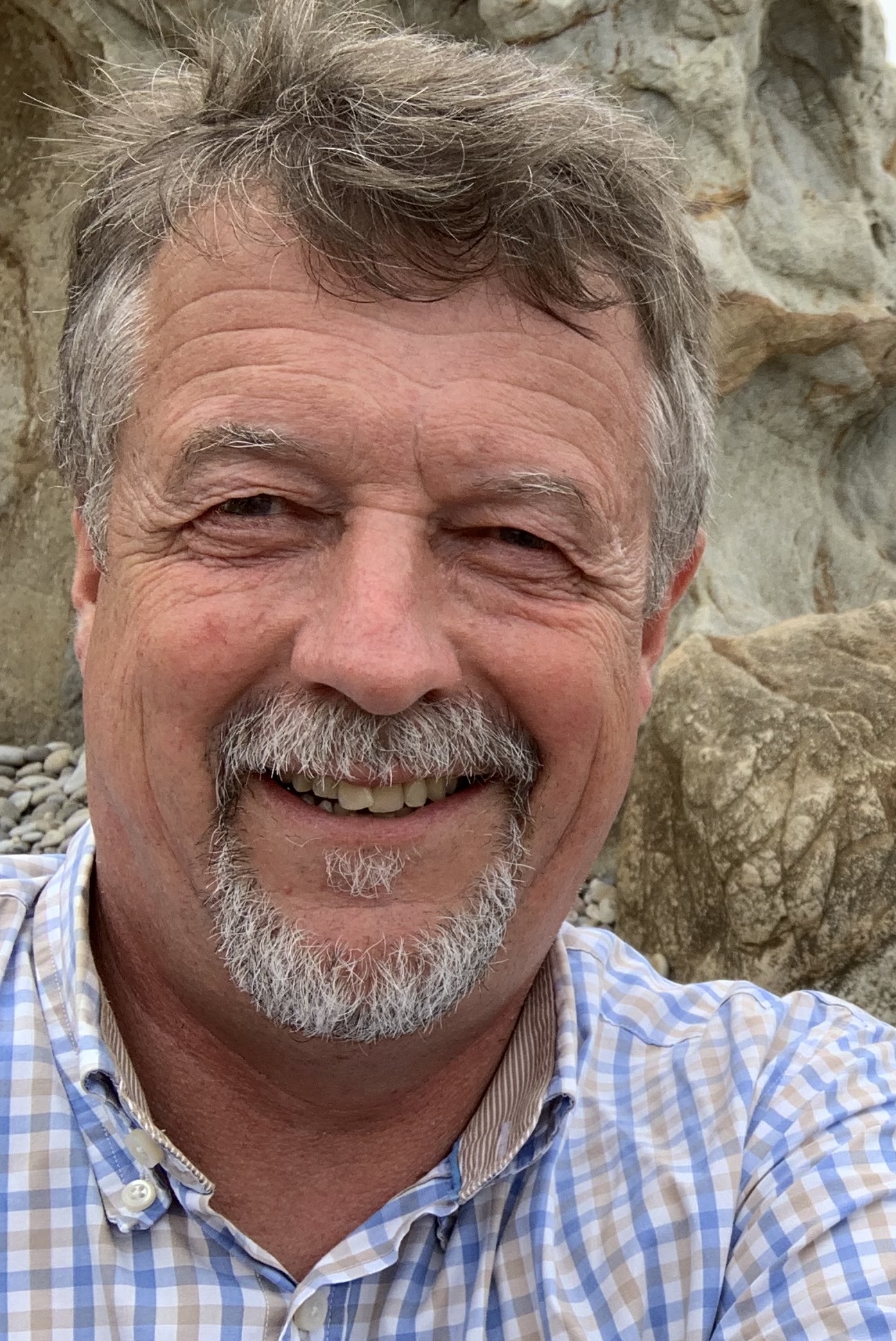
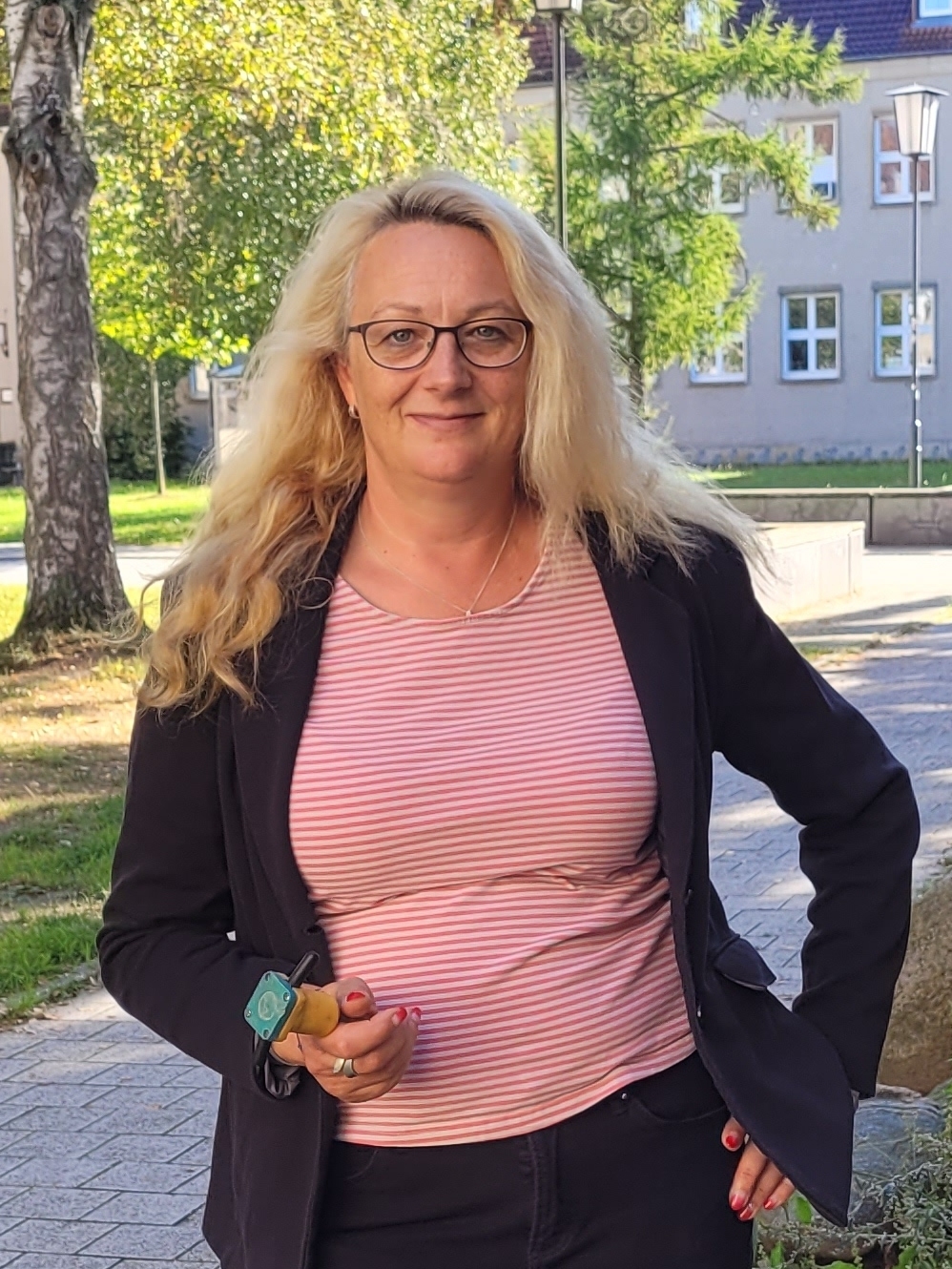
Dr. Karlis Kukemilks is a researcher at the Department of Geology within the Department VI - Spatial and Environmental Sciences at the University of Trier. He leads the DBU-funded project 'Utilization of clay-containing sludge from gravel washing and silicate-rich dust as alkali-activated binders for the production of novel geopolymers for ecologically optimized cement formulations' (2024-2026), aiming to reduce CO₂ emissions in cement production by repurposing industrial byproducts. His work bridges academic research and industrial application through partnerships with regional SMEs. Geomechanical modeling of slope stability Production of eco-cements from industrial waste Hydrogeological modeling and drainage solutions Hydrogeophysical investigations using resistivity tomography and self-potential methods The project develops geopolymer cement with properties like acid resistance and aesthetic versatility, targeting applications in construction and materials science. His computational expertise spans GIS (ArcMap, QGIS), geomechanics (GeoStudio, Rocscience), and hydrogeology (HydroGeoSphere, MODFLOW). Collaboration with industry partners demonstrates his commitment to sustainable innovation in construction. Contact: kukemilks@uni-trier.de , Behringstraße 21, Trier.
Prof. Rüdiger Lorenz is a Professor of Building Physics and Building Climatology at the University of Applied Sciences Potsdam , where he has taught since 2004. He leads the Building Physics Laboratory and has served as Vice President for Campus Development (2016–2022). His work bridges energy efficiency , building simulation , and climate-friendly urban development . Academic Background: Physics degree from RWTH Aachen University (1991) His research focuses on integrated building simulation for optimizing energy, thermal comfort, and facade design. He specializes in historic building preservation and sustainable urban masterplans , notably contributing to Potsdam’s '100% Climate Protection by 2050' initiative. His work includes CFD modeling for facade optimization and hygrothermal analysis for moisture protection in heritage structures. Recent publications analyze double-skin facades , clay moisture barriers , and life-cycle energy metrics , reflecting his interdisciplinary approach. The 2021 Brandenburg State Teaching Award recognized his innovative virtual laboratory environment using MIRO whiteboard tool and dynamic video systems. Scientific Memberships: Climate Protection Council of the City of Potsdam (2008–2018) Consultancy: Institute for Building Simulation Prof. Lorenz (since 2012)
Damien Fournier is a Scientist at the Max Planck Institute for Solar System Research in the Department of Solar and Stellar Interiors. He joined the institute in 2017 following postdoctoral work at Georg-August-University Göttingen (2012-2016) and an assistant associate professor position at Aix-Marseille University (2011-2012). He holds a Ph.D. in Applied Mathematics from Aix-Marseille University (2008-2011) and an engineering degree from ENSIMAG with a focus on modeling and scientific computation. His research specializes in computational helioseismology , with dual focus areas: Forward modeling of wave propagation dynamics in solar interiors Inverse problem resolution for reconstructing interior perturbations from surface seismic measurements Secondary interests include Reynolds stress analysis, noise estimation methodologies, and Pinsker estimators for flow inversions. Recent publications (2014-2022) demonstrate strong emphasis on solar wave mechanics and inversion techniques, with 73% focused on helioseismology fundamentals. Dominant themes include: Solar Rossby wave dynamics under rotational effects (26% of recent works) Computational advancements in wave equation solutions and kernel development (33%) Meridional flow structure and convection zone dynamics (20%) He contributes to academic training through co-supervision of bachelor/master/PhD candidates. Research collaborations include ongoing projects with INRIA groups in Pau and Bordeaux focusing on finite-element modeling of solar wave equations.
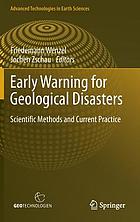
Jörn Lauterjung is a researcher at the GFZ German Research Centre for Geosciences in Potsdam, Germany, affiliated with departments 2.6 Seismic Hazard and Risk Dynamics and 5.0 Geoinformation. He specializes in multi-risk assessment, tsunami early warning systems, and geophysical hazard modeling, with a focus on the Andean region, Indonesia, and Central Asia. Research Interests : Multi-risk analysis for cascading and concurrent hazards Tsunami and earthquake early warning systems Geoinformation tools for disaster management Climate-resilient infrastructure through geophysical data Recent Article Trends : His publications (2016–2025) emphasize seismic hazard modeling, landslide/volcano-induced tsunamis, and data-driven approaches for risk reduction, often integrating geospatial analysis and international collaboration. Key Projects : Co-editor of the 10 Years Indonesian Tsunami Early Warning System (2017) Contributor to the European Plate Observing System (EPOS) Tsunami Thematic Core Service Lead on the MI-DAM project for real-time dam risk assessment in Kyrgyzstan
Thomas Heinze is a Senior Lecturer in the Department of Hydrogeochemistry and Hydrogeology at Ruhr-University Bochum, Germany. His research specializes in coupled thermo-hydro-mechanical-chemical processes in geological systems, with applications in geothermal energy, climate change impacts, and natural hazard mitigation. He leads multiple funded projects investigating heat transfer in fractures, frozen soil dynamics, and mine water management. Research Focus: Dr. Heinze's work bridges microscale processes (pore/fracture-scale interactions) with macroscale applications in energy systems and environmental hazards. Key areas include: Thermo-hydraulic coupling in fractured media and geothermal reservoirs Climate impacts on mountain hydrology and frozen soil behavior Novel monitoring strategies for groundwater and abandoned mines Earthquake swarm mechanisms and landslide early-warning systems Development of high-performance computational models for subsurface processes His publication trends show consistent focus on heat transfer mechanisms, with recent work emphasizing climate-adaptive solutions and advanced geothermal technologies. Article keywords frequently include fracture dynamics, thermal non-equilibrium, multiphase flow, and geohazard prediction. Awards & Recognition: Higher Education Teaching Grant (EGU, 2020) Global Young Faculty VI member (Mercator Foundation, 2019) Blended Learning Award (Ruhr-University Bochum, 2019) DAAD Workshop Tour Funding (2018) He leads projects funded by DFG, BMBF, and Volkswagen Foundation, collaborating with institutions across Europe and Sri Lanka. Current grants include DIETER (AI-based mine monitoring), Winzer (mine heat storage), and studies on earthquake swarms (ICDP Eger Rift) and frozen soil infiltration. Dr. Heinze directs laboratory experiments and field monitoring campaigns, develops open-source simulation tools (MATLAB/Python/Fortran), and emphasizes FAIR principles in computational research. He teaches graduate courses in groundwater modeling, field hydrogeology, and scientific soft skills.
Timo Houben is a Geoscientist, Data Scientist, and Modeller working in the Department of Monitoring and Exploration Technologies at the Helmholtz Centre for Environmental Research - UFZ in Leipzig, Germany. His work focuses on environmental data science, machine learning applications for environmental monitoring, and groundwater modeling. He is actively involved in several research projects including AIAMO (Artificial Intelligence and Mobility) and has contributed to developing tools for urban air quality monitoring and soil moisture prediction. Houben holds a Ph.D. in Groundwater Modeling from the Helmholtz Centre for Environmental Research - UFZ (2017-2020), supervised by Sabine Attinger. Prior to this, he earned a Master of Science in Applied Geosciences with a focus on Engineering Geology, Hydrogeology and Geophysics from RWTH Aachen University (2013-2016), and a Bachelor of Science in Applied Geosciences from the same institution (2009-2013). Houben's research spans multiple interdisciplinary areas at the intersection of environmental science and data science. His primary interests include urban small-scale air quality monitoring and modeling, AI and high-performance computing applications for environmental problems, and machine learning for automated quality control of environmental sensor data. He has developed expertise in spectral analysis of environmental signals, particularly for groundwater level fluctuations, and has created Python tools for aquifer characterization. His work bridges theoretical modeling with practical applications for environmental monitoring and management. His recent publications demonstrate a strong trend toward integrating machine learning with environmental monitoring systems. Houben has made significant contributions to spectral analysis methods for groundwater parameter estimation, urban air quality monitoring through digital twin technology, and machine learning applications for soil moisture prediction. His work increasingly focuses on explainable AI methods for environmental applications, particularly for quality control of sparse sensor networks. The interdisciplinary nature of his research connects hydrogeology, data science, and urban environmental management. Houben is actively involved in several research teams and projects. He co-chairs the PhD-Team Data Science at UFZ and previously chaired the Machine Learning Café. His current work with the AIAMO project focuses on developing an urban digital twin for environmentally sensitive mobility planning in Leipzig. He has contributed to the development of AquiPy, a Python tool for aquifer characterization, and has been involved in spectral analysis of groundwater level fluctuations to estimate hydrogeological parameters.
Estanislao Pujades Garnes is a postdoctoral researcher at the Computational Hydrosystems Department of the Helmholtz Centre for Environmental Research - UFZ in Leipzig, Germany. He holds a PhD in Hydrogeology from the Technical University of Catalonia (2013) and has worked at the University of Liège (Belgium) and the Spanish National Research Council (CSIC). Research Focus Groundwater dynamics in underground structures Numerical modeling of coupled hydrological processes Geo-energy systems (Underground Pumped Storage Hydropower) Hydrochemical evolution in aquifers Urban infrastructure-groundwater interactions Scientific Contributions 15+ peer-reviewed publications (2017-2022) on groundwater modeling, UPSH efficiency, and contaminant transport Key presentations at EGU, AGU, IAH, and International Nitrogen Workshop conferences Supervised PhD and Master's students in hydrogeological research Awards Marie Curie BEIPD-COFUND Postdoctoral Fellowship (2014-2016) FI-DGR PhD Fellowship (Catalonia Government, 2010-2013)
Professor Harald Stollhofen serves as Chair of Geology (Exogenous Geodynamics) at the GeoCenter Northern Bavaria, Friedrich-Alexander University Erlangen-Nuremberg (FAU). His extensive academic career spans several prestigious German institutions including RWTH Aachen, University of Heidelberg, and University of Würzburg before his current position at FAU. Stollhofen's research interests span multiple interconnected fields of geology and earth sciences. His primary focus areas include reservoir geology with emphasis on reservoir petrology and petrophysics (clastics), deep and near-surface geothermal energy systems, and the geological subsurface as a control factor. He conducts significant research on offshore/onshore correlations and seismic modeling of post-breakup strata in Namibia and Brazil, Plio-Pleistocene paleoenvironments, explosive volcanism and hominid evolution at Olduvai Gorge, Tanzania, and fluvio-aeolian interactions in the Namib Desert. His work also examines fluvio-marine terraces, diamonds, tectonics, and sea level changes along the African continental margins. Professor Stollhofen's publication record demonstrates consistent research productivity across sedimentology, structural geology, paleoclimatology, and paleoanthropology. His recent work shows increasing integration of advanced analytical techniques including machine learning applications for geological analysis, multi-scale fault network analysis, and detailed studies of carbonate cementation processes. Much of his research maintains a strong field component with significant work in African settings, particularly Namibia and Tanzania, where he examines geological processes in the context of human evolution and environmental change. As a principal investigator, Stollhofen leads multiple research projects including Soil2heat-Vibra-Pflug for geothermal applications, studies on deformation zones and clay smear effects, investigations of rapid sandstone compaction in Namibia, and significant paleoanthropological research at Olduvai Gorge and Kilombe Caldera. His work often involves interdisciplinary collaboration with experts in paleoanthropology, archaeology, and engineering disciplines. At FAU, Professor Stollhofen contributes to the Master's program in 'GeoThermie/GeoEnergie,' which focuses on comprehensive training in geothermal resource exploration, development, and utilization. His laboratory work centers on applied sedimentology with applications to both energy resources and paleoenvironmental reconstruction, particularly through the analysis of sedimentary archives related to hominin evolution.
Prof. Dr. Andreas Hördt serves as a University Professor at the Technical University of Braunschweig within the Faculty of Electrical Engineering, Information Technology, and Physics. He leads the Applied Geophysics Group at the Institute of Geophysics and Extraterrestrial Physics, maintaining an active research and teaching role in geophysical sciences. His research spans fundamental and applied geophysics with emphasis on terrestrial subsurface analysis and extraterrestrial physical phenomena. The Applied Geophysics Group under his direction focuses on developing practical methodologies for geophysical investigations while exploring planetary and space-related physical processes, bridging theoretical physics with real-world applications in earth and space sciences. No scientific awards were documented in the source materials. While specific advisory relationships and grant funding details were not disclosed in the available information, his leadership of the Applied Geophysics Group indicates active supervision of research personnel and potential involvement in collaborative projects. Prof. Hördt directs the Applied Geophysics Group, which operates as a specialized research unit within the Institute of Geophysics and Extraterrestrial Physics, conducting field and laboratory investigations into geophysical phenomena with applications ranging from environmental studies to planetary exploration.
Dmitry Koroteev serves as a Full Professor and Principal Research Scientist at the Center for Petroleum Science and Engineering, Skolkovo Institute of Science and Technology (Skoltech), where he leads advanced research initiatives in petroleum sciences. His research expertise centers on Petroleum Engineering, Reservoir Engineering, and Energy Resources, with emphasis on hydrocarbon recovery optimization and sustainable resource management methodologies. This work directly addresses critical challenges in global energy production and subsurface resource utilization. The Center for Petroleum Science and Engineering at Skoltech functions as his primary research hub, integrating multidisciplinary approaches to advance petroleum science education and industry applications. Information regarding student advising, research funding, and scientific honors was not documented in the source material.
Lars Houpt is a Researcher at the Geophysical Institute (GPI) of the Karlsruhe Institute of Technology . He holds a doctorate in physics from the Free University of Berlin, with a focus on seismic monitoring of CO2 storage in depleted gas reservoirs. Prior to his current role, he spent eight years in the oil and gas industry. His research interests include: Processing and imaging of seismic data Finite-difference modeling of seismic waves Inversion of seismic waveforms Geothermal heat storage potentials in rift zones Key publication trends highlight his work on: Seismic monitoring for CO2 storage projects (e.g., CLEAN) Structural analysis of the Upper Rhine Graben Conductivity anomalies in European geological formations Integration of 3D-seismic and borehole data He contributes to teaching through: Geophysical field exercises (summer semester) Seismic Data Processing courses (summer semester) Lectures on Seismics (winter semester)
Dr. Saeed Mahmoodpour is a researcher at the Technical University of Munich's Department of Geothermal Technologies within the School of Engineering and Design. He works under the Assistant Professorship of Geothermal Technologies led by Prof. Dr. Michael Drews, focusing on subsurface energy systems and contributing to projects like the Geothermal Alliance Bavaria (GAB) and GoEffective. His educational background includes: Bachelor of Science in Petroleum Engineering from Sharif University of Technology (2008-2012) Master of Science in Reservoir Engineering from Sharif University of Technology (2012-2014) Professional experience at University of Tehran and Technical University of Darmstadt prior to his current position Dr. Mahmoodpour's research centers on subsurface energy systems , with particular expertise in fracture network modeling , THMC simulations , carbon capture and storage , and underground hydrogen storage . His work integrates computational approaches with geological analysis to address challenges in sustainable energy development. He has developed sophisticated models for predicting behavior of geological formations under various energy storage and extraction scenarios. Analysis of his recent publications (2022-2025) reveals a strong focus on hydrogen storage in geological formations and enhanced geothermal systems . His research demonstrates increasing sophistication in modeling coupled physical processes, with recent work incorporating molecular dynamics simulations alongside traditional reservoir modeling approaches. A notable trend is his expanding investigation of CO2-hydrogen mixtures and their behavior in subsurface environments. Dr. Mahmoodpour actively collaborates with researchers across multiple institutions, contributing to the Geothermal Congress and EGU General Assembly presentations. His work supports the Bavarian Pressure Map initiative and other regional geothermal development efforts in the North Alpine Foreland Basin.
Jonas Dickmann is a PhD Student and Scientific Associate at the Chair of Engineering Geology and Hydrogeology , RWTH Aachen University. His research focuses on excavation damage zones (EDZ) in crystalline rock for radioactive waste repositories at the Bedretto Underground Laboratory (Switzerland). Projects: Bundesgesellschaft für Endlagerung mbH (BGE) funded PRECODE project Methods: Hydraulic testing, microseismic monitoring, ground-penetrating radar (GPR) He has worked at RWTH Aachen University since 2019, including internships in South Africa and Germany. Jonas holds an M.Sc. in Applied Geosciences with a specialization in Geoengineering.
Dr. Grit Büttner serves as a Researcher in the Department of Applied Geophysics within the Faculty of Geography and Geology at the University of Greifswald, where she has held academic and research responsibilities since August 2002. Her work integrates teaching in general and applied geophysics—including specialized borehole geophysics courses—with active research in subsurface fluid dynamics and thermal processes. Her academic foundation includes a Diploma in Geophysics from the Technical University of Berlin (1998), with thesis work on hydrologically relevant rock characteristics using combined radar and geoelectrical methods, followed by a doctoral degree (2002) from TU Berlin/GFZ Potsdam. Her dissertation investigated thermo-hydraulic fields and heat flux density near Hawaii's active mantle plume through borehole temperature analysis—a continuation of her DFG-funded project at the GeoForschungsZentrum Potsdam (1999-2002). Research interests center on Geophysics and Hydrogeology, with specialized focus on Heat Flow quantification, Fluid Transport mechanisms in geological formations, Mantle Plume dynamics, and Borehole Geophysics applications. Her methodology emphasizes field-based temperature measurements to model subsurface thermal regimes and fluid migration, particularly in volcanic settings. As an academic advisor, Dr. Büttner supervises student research while managing departmental system administration. She actively contributes to the Applied Geology | Hydrogeology Working Group and maintains professional affiliations with the German Geophysical Society (DGG) and the European Association of Geoscientists and Engineers (EAGE), reflecting her engagement with both national and international geoscience communities.
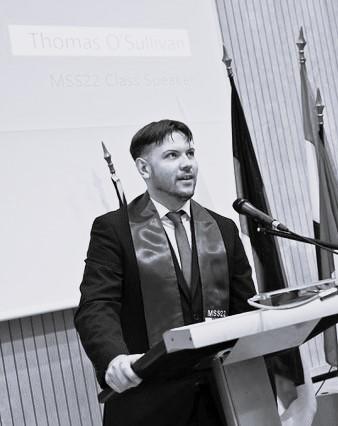
Thomas O'Sullivan is a PhD researcher at the Planetary Sciences and Remote Sensing department of the Institute of Geological Sciences , Freie Universität Berlin. His work focuses on modeling impact ionization mass spectrometry through quantum chemistry to analyze organic compounds in ice grains from icy moons like Enceladus and Europa. Education : BSc in Astrophysics (University of Kent); MSc in Space Studies (International Space University) His research bridges astrobiology , hydrothermal systems , and planetary habitability by simulating spaceborne analytical techniques. Using computational quantum chemistry methods, he investigates organic signatures relevant to Cassini mission data and future icy moon exploration. Publications highlight expertise in mass spectrometry and cosmic dust analysis , with a focus on hydrothermal synthesis of organic compounds on Ocean Worlds. His work is funded through the Elsa-Neumann Scholarship .