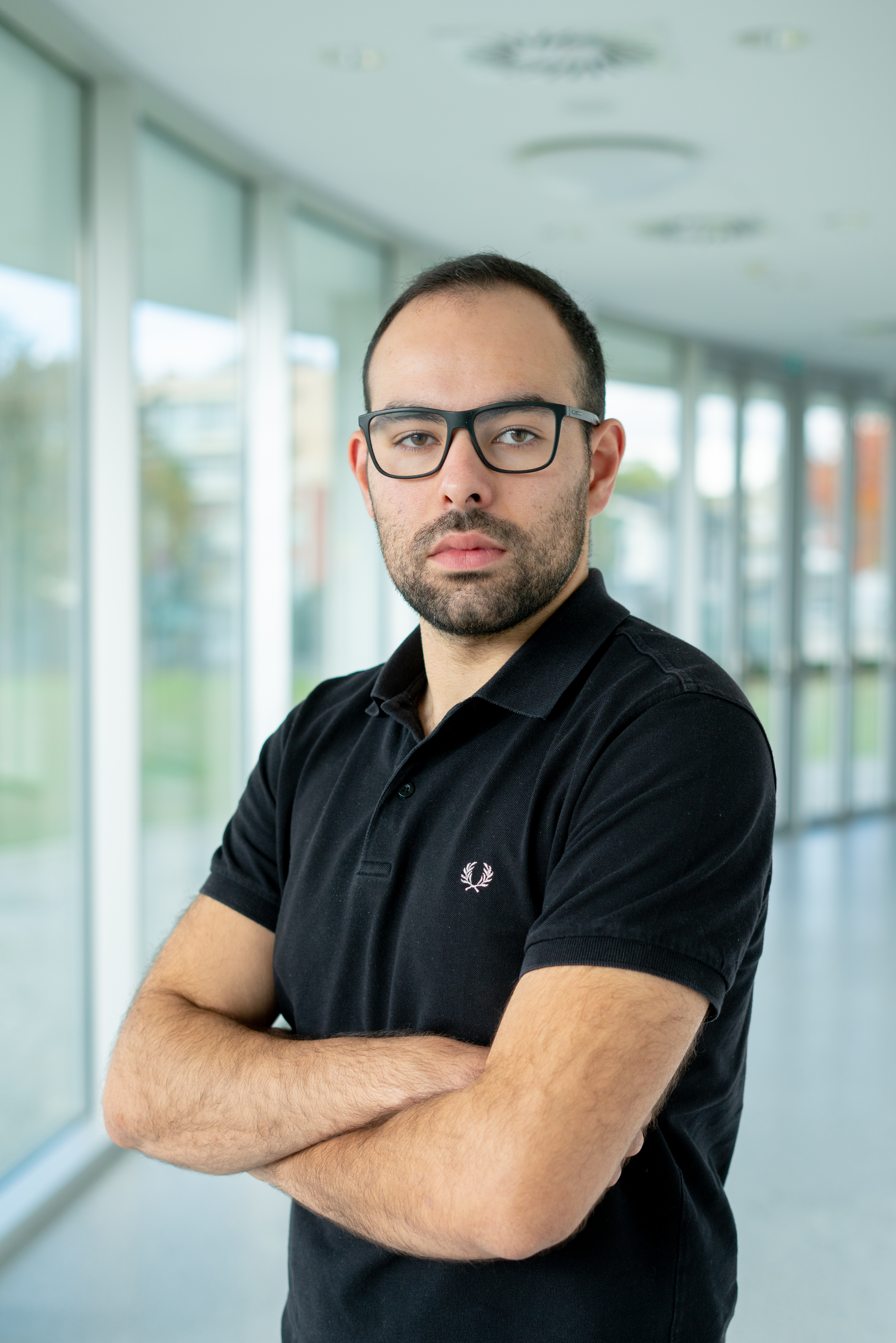
Jones G ParkerView profile
Assistant Professor
Jones G Parker, PhD, serves as Assistant Professor at Northwestern University's Feinberg School of Medicine with joint appointments in Neuroscience, Pharmacology, and Psychiatry and Behavioral Sciences. His research program leverages cutting-edge in vivo imaging to investigate neural circuit dysfunction in neuropsychiatric disorders. His educational trajectory includes: BA from Colorado College (2005) PhD from University of Washington (2011) Postdoctoral Fellow at Pfizer Neuroscience (2015) Postdoctoral Fellow at Stanford University Biology (2015) Research Associate at Stanford University Biology (2018) Dr. Parker's research centers on the dopamine system's role in pathological behaviors using miniature microscopy and two-photon imaging in deep-brain structures like striatum. His lab develops animal models to probe neural substrates of Parkinson's disease, schizophrenia, and movement disorders, aiming to identify novel therapeutic targets through neuropharmacological interventions. Key methodologies include cellular-resolution calcium imaging during behavioral paradigms. Recent publications reveal groundbreaking insights into antipsychotic mechanisms (highlighting D1 receptor neuron modulation), fear response pathways via cortico-amygdala circuits, and metabolic neural regulation. His work consistently bridges molecular pharmacology with systems-level neural dynamics. Major recognitions include: Whitehall Foundation Research Grant (2020) ACNP Travel Award (2018) Dr. Parker actively mentors graduate students in the NUIN program and undergraduate researchers while directing externally funded projects. His laboratory operates within Northwestern's Center for Autism and Neurodevelopment and Stephen M. Stahl Center for Psychiatric Neuroscience, utilizing advanced imaging platforms for drug efficacy studies. The Parker Lab maintains a multidisciplinary team employing head-mounted microscopes, two-photon imaging, and behavioral assays including drug self-administration and spatial working memory tasks. Current projects focus on intersectional genetic approaches to target specific neural subpopulations in disease models.