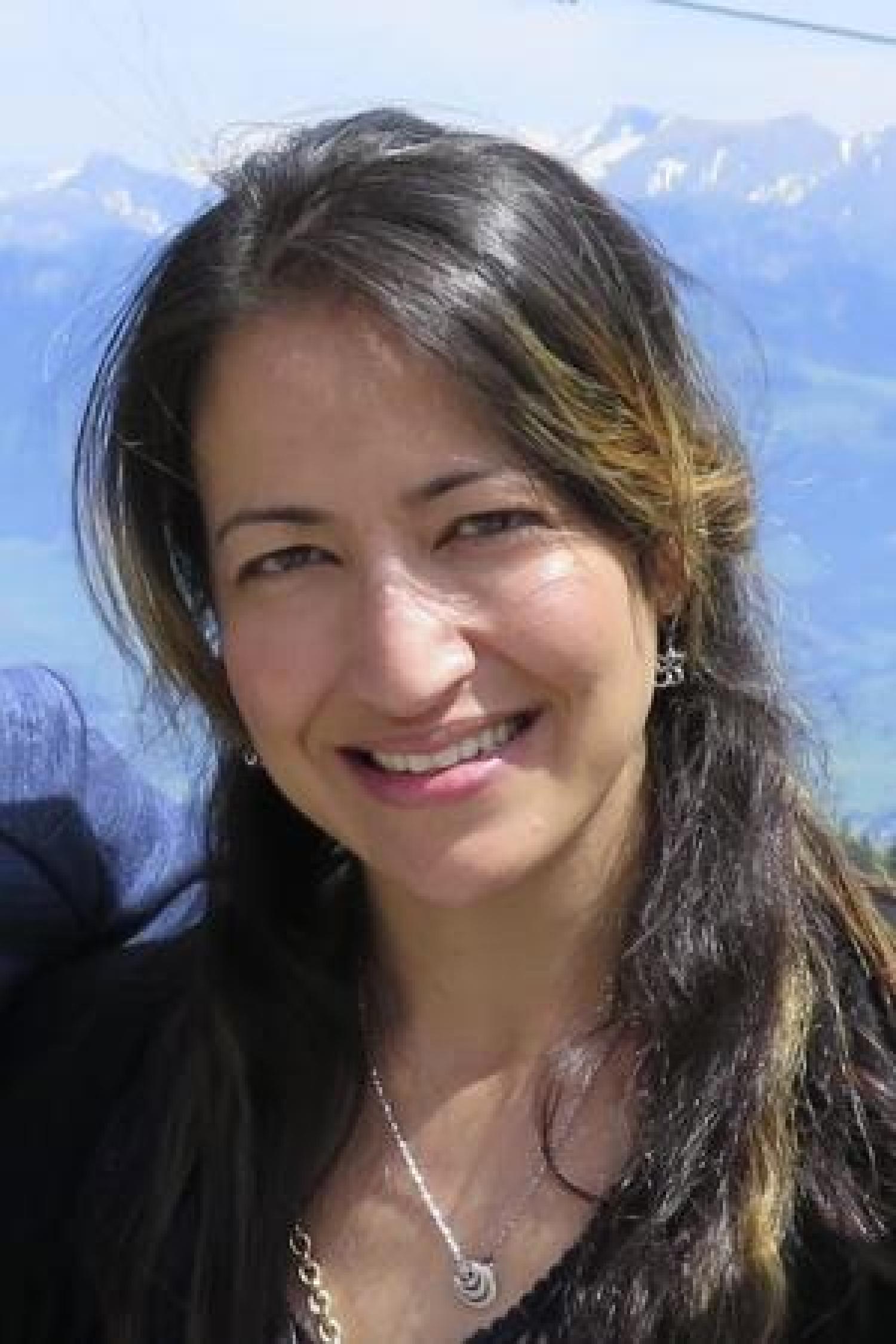
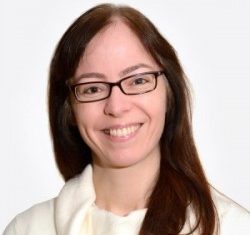
Alaa Ahmed is a Professor in the Department of Integrative Physiology at the University of Colorado Boulder. She holds a PhD in Biomedical Engineering from the University of Michigan (2005) and completed postdoctoral training at the University of Michigan Medical School (NIH fellowship) and the University of Cambridge (Whitaker International Fellow). Her research explores the neuroeconomic principles underlying sensorimotor decision-making, integrating neuroscience, economics, and engineering. Notable awards include the NSF CAREER Award and DARPA Young Faculty Award. Her work investigates how the brain optimizes movement costs, effort, and rewards, with implications for aging, neurological disorders, and motor adaptation. Education: PhD, Biomedical Engineering, University of Michigan (2005) Postdoctoral Fellowships: NIH, University of Michigan Medical School; Whitaker International Fellow, University of Cambridge Research Focus: Neuroeconomics of movement control, sensorimotor decision-making, metabolic cost optimization, and aging-related motor adaptations. Dr. Ahmed’s studies highlight how economic utility principles govern movement vigor and learning. Her lab uses interdisciplinary methods to quantify subjective costs (e.g., metabolic, temporal) and their impact on motor behavior. Media features include Forbes, Wired, and PBS. She explores translational applications for rehabilitation and human-machine interfaces.
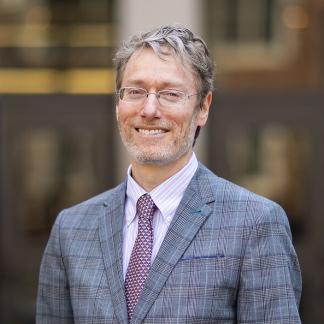
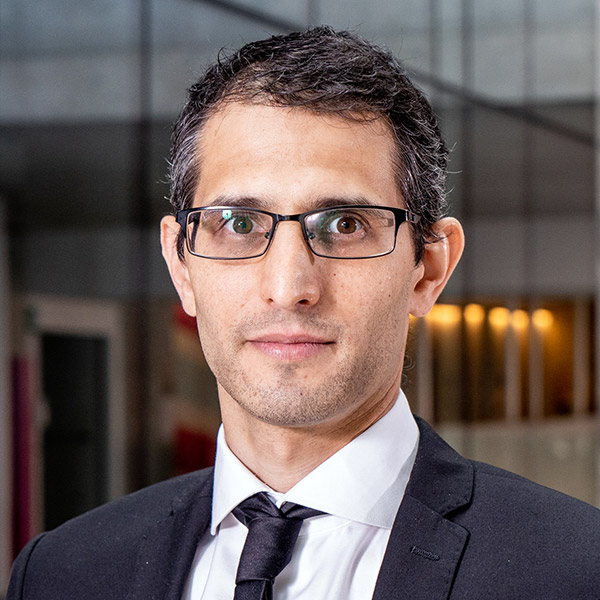
Henrik Høeg Müller is an Associate Professor and Head of Department in Spanish Business Communication at the School of Communication and Culture, Aarhus University, Denmark. He is actively engaged in linguistic research focusing on typological differences between Danish and Spanish, particularly in syntax, morphology, and lexical-schematic distinctions. Institution: Aarhus University School: School of Communication and Culture Department: Spanish Business Communication Position: Associate Professor, Head of Department Email: henhm@cc.au.dk His research centers on the structural and typological contrasts between Danish and Spanish, especially in nominal expressions, predicate formation, and lexical vs. syntactic encoding. Key interests include bare nouns, count/mass distinctions, telicity, motion verbs, and schematicity. His work often employs comparative and cognitive linguistic frameworks. The most recent publications reveal a strong trend in analyzing how lexical and syntactic strategies diverge across languages, especially in expressing similarity, kind, and event structure. Topics such as the Danish 'slags', complex predicates, and ambiguous nominal structures highlight his focus on fine-grained syntactic and semantic analysis. These works contribute to broader discussions in typology and cognitive linguistics. Henrik Høeg Müller has served as an editor for Ny Forskning i Grammatik and frequently presents at academic events, including workshops and conferences. He has no listed scientific awards in the provided text. Editorial Role: Editor, Ny Forskning i Grammatik Presentations: Regular lecturer at seminars and conferences on Danish and Spanish linguistics He is involved in academic networks related to Scandinavian and Romance linguistics, contributing to collaborative research and scholarly discourse. No labs or formal research teams are explicitly mentioned.
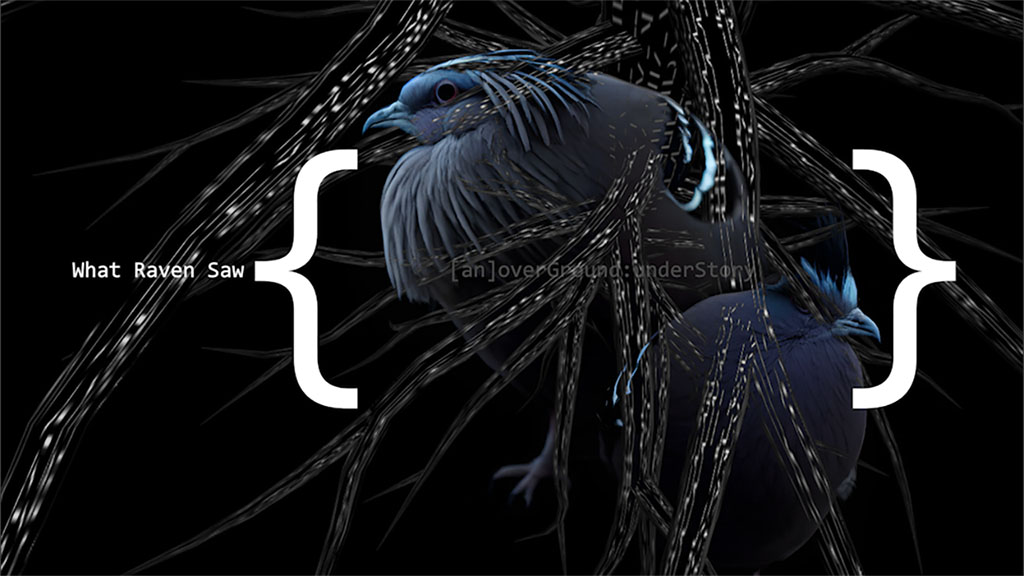
Dr. Andrew Burrell is a Senior Lecturer in Visual Communication at the University of Technology Sydney's Faculty of Design and Society. He is a practice-based researcher and educator exploring virtual and digitally mediated environments as sites for the construction, experience, and exploration of memory as narrative. His work sits at the intersection of digital media, virtual reality, and environmental humanities, with a particular focus on more-than-human ecologies and queer approaches to virtual environments. Andrew's research investigates the relationship between imagined and remembered narrative and how the multi-layered biological and technological encoding of human subjectivity may be portrayed within, and inform the design of, virtual environments. His networked projects in virtual and augmented environments have received international recognition, with recent works including "Twice, again" and "overGround:underStory," which explore the role of memory and forgetting in machine-mediated spaces and more-than-human encounters between physical and virtual ecologies. His creative practice informs his traditional research outcomes, which include publications in journals such as the Leonardo Electronic Almanac and Virtual Creativity. Andrew is particularly interested in how emerging and speculative technologies are implicated in more-than-human ecologies, and he uses creative practice to research and understand the complexities of these technologies. Andrew is a member of the UTS Visualisation Institute, a multidisciplinary research group focused on the creation of data visualizations, stories, and immersive experiences, and the School of Design's Critical Visualisation research group. He has received funding from various sources including the Australian Research Council (ARC) Discovery Projects and Create NSW. Research Interests Virtual and Augmented Reality as narrative spaces Memory construction in digital environments More-than-human ecologies and digital storytelling Queer approaches to virtual embodiment Creative applications of machine learning and AI Data visualization and environmental storytelling Accessibility and ethics in digital humanities Notable Projects Twice, again : Examines the role of memory and forgetting in machine-mediated spaces overGround:underStory : Explores entangled networks between physical and virtual ecologies Waves of Words : ARC Linkage initiative investigating language movement in pre-colonial times can't buy me love : A virtual environment collaboration with Amala Groom Layered Horizons : A geospatial humanities research platform Scientific Recognition MMUVE IT - Inter-Arts Office Australia Council Grant (2008) International presentations at conferences including ISEA (International Symposium on Electronic Art) Teaching and Supervision Andrew is an advocate for studio-based learning in which students design solutions to real-world questions through iteration and experimentation. He considers design as an anchor for interdisciplinary practice and regularly brings cross-disciplinary perspectives into his teaching. He currently supervises five PhD and master's students, with an interest in working with students at the intersection of traditional and practice-based research approaches. Research Themes in Recent Publications Andrew's recent publications demonstrate a consistent focus on the intersection of virtual environments, narrative construction, and ecological thinking. His work explores how digital technologies can be used to create new forms of storytelling that acknowledge our entanglement with non-human entities. There's a strong emphasis on ethical considerations in digital design, particularly regarding accessibility and representation. His research also investigates the application of machine learning technologies in creative practice, examining both their potential and limitations for representing human experience.
Dr. Angie Birt is an Assistant Professor in the Department of Psychology at Mount Saint Vincent University. Her research focuses on human memory, particularly how emotion influences memory encoding and recall in distressing or traumatic events, with applications in forensic contexts such as eyewitness testimony. She also investigates forgiveness's impact on memory, memory processes across aging, and deception detection. Education: M.A. and Ph.D. in Cognitive Psychology, University of British Columbia B.A. Honours in Psychology, University of Prince Edward Island Research Interests: Dr. Birt employs emotionally evocative stimuli (e.g., videos, photographs) in lab experiments and examines subjective vs. physiological measures of emotional experience. She explores mechanisms behind emotion-memory interactions and real-world implications, such as legal scenarios involving trauma victims. Additional interests include false memory, prospective memory, implicit/explicit memory dynamics, memory decline in aging/dementia, and criminal behavior analysis (e.g., psychopathology, sexual violence). Teaching & Mentorship: She supervises Honours students, directs independent studies, and offers research assistantships (paid and volunteer). Her lab provides students hands-on experience in experimental design, data collection, and analysis across cognitive and forensic psychology domains. Contact: Office: Evaristus 423 | Phone: (902) 457-6667 | Email: angela.birt@msvu.ca
Jay Gottfried is the Arthur H. Rubenstein University Professor at the University of Pennsylvania's Perelman School of Medicine. His research focuses on human olfactory neuroscience, investigating how odor perception is processed in limbic circuits related to emotion, learning, and memory. He employs advanced techniques like functional MRI (fMRI) and intracranial EEG to study olfactory systems, with recent work exploring olfactory navigation using grid-like neural representations and interactions between sensory cortices. Education: A.B. in Molecular Biology from Princeton University; M.D. and Ph.D. in Physiology and Neuroscience from NYU School of Medicine. Postdoctoral training in olfactory neuroscience at University College London. Research Interests include odor coding, oscillations in the piriform cortex, and translational studies linking olfactory dysfunction to neurodegenerative diseases. Notable projects involve odor categorization, fear learning, and sleep-dependent memory consolidation. His lab bridges human and rodent studies to elucidate olfactory mechanisms. Key findings include temporal segregation of nostril odor signals, grid-cell-like representations in olfactory navigation, and the role of piriform cortex in integrating sensory information. He collaborates on developing high-resolution imaging and EEG techniques to map olfactory circuits.
Lisa K. Son serves as Professor of Psychology at Barnard College, where she has been a faculty member since 2002. Her academic work bridges cognitive psychology with practical applications in learning and memory systems across human and animal subjects. Education: BA, University of Pennsylvania MA, Columbia University PhD, Columbia University Research Focus: Professor Son's work centers on metacognitive processes and optimal learning strategies , with significant contributions to understanding human and animal cognition . Her research examines how individuals monitor and control learning through metacognitive judgments, study-time allocation, and strategy selection. She investigates both short-term and long-term memory systems, with particular attention to developmental differences in children's learning approaches and cross-species metacognitive transfer in primates. Publication Trends: Analysis of her work reveals consistent focus on metacognitive control mechanisms since 2002. Her research trajectory shows expansion from foundational memory studies to contemporary applications including cultural differences in game theory (2022), emotional impacts on problem-solving (2023), and psychological aspects of failure (2020). The Korean-language book Metacognition (2019) represents her cross-cultural scholarship. Academic Engagement: Professor Son actively contributes to psychological discourse through collaborations (e.g., with Robert Brotherton on metacognitive organization) and public scholarship on topics like activism psychology during AAPI Heritage Month (2021). Her work demonstrates sustained engagement with both theoretical cognitive frameworks and real-world applications.
Sergio López-Sancio is a psycholinguist specializing in human language processing and Natural Language Processing (NLP). He holds a PhD from the University of the Basque Country (UPV/EHU), an MA in Linguistics from the same institution, and a BA in English Philology from the University of Oviedo, where he earned the National Award for Excellence in Academic Performance and an Outstanding Degree Award for his honors thesis on the subjunctive mood in English and Spanish. His research focuses on real-time dependency processing, combining EEG and behavioral methods to study syntactic structures across languages. He has presented at prestigious conferences such as the Linguistic Society of America and AMLaP, addressing topics like dependency locality, island effects, and cross-linguistic variation in Basque, Spanish, and Italian. López-Sancio has contributed to research projects including OVO: Originating Variation from Order (MINECO-funded), The Bilingual Mind (Basque Government), and AThEME (EU-funded), totaling over €5M in funding. His current role at Amazon involves enhancing Alexa's Spanish language understanding through NLP tools. Key Awards: National Award for Excellence in Academic Performance, Outstanding Degree Award, Outstanding Cum Laude Dissertation Research Themes: Dependency Parsing, Locality Effects, Cognitive Modeling, Cross-Linguistic Syntax
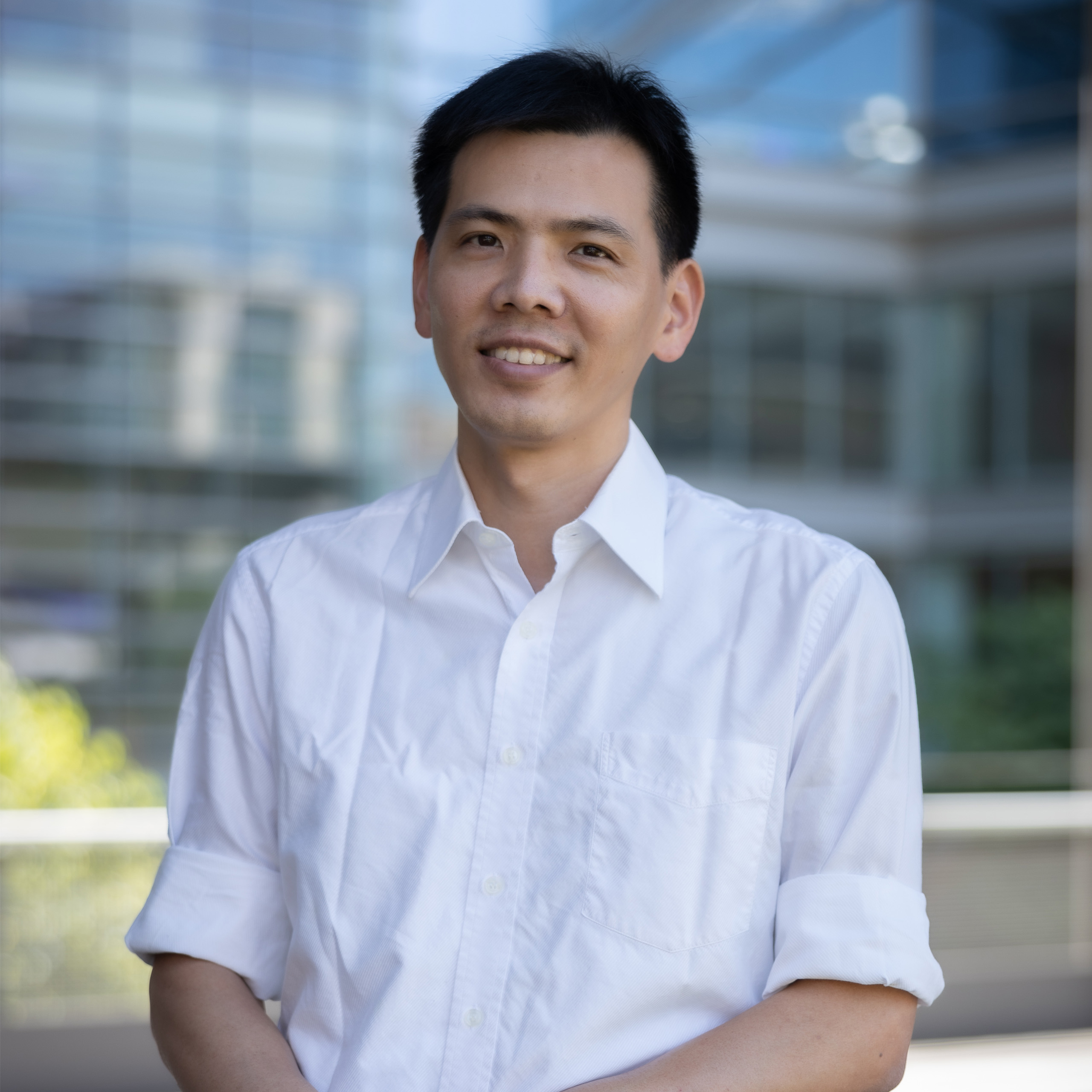
Dr. Wei-Tang Chang is an Assistant Professor in the Department of Radiology at the University of North Carolina School of Medicine. His research focuses on advancing ultrahigh-resolution functional and diffusion MRI techniques, with emphasis on improving spatial and temporal resolution while reducing scan times. Key projects include submillimeter isotropic-resolution fMRI for hippocampal subfield analysis (funded by NIH R21), novel dMRI approaches to overcome resolution limits, and clinical translation of robust imaging methods resistant to motion/noise artifacts. Dr. Chang holds a PhD in Biomedical Engineering from National Taiwan University and completed postdoctoral training at the Martinos Center for Biomedical Imaging (MGH), Massachusetts General Hospital, and Singapore BioImaging Consortium (SBIC). His research innovations include SORDINO fMRI for awake rodent imaging, pPRISM diffusion MRI for submillimeter resolution, and ZTE pulse sequences for ultra-fast acquisitions. Awards include the 2011 OHBM Trainee Award for work on MEG source localization and fMRI temporal resolution breakthroughs. Current work bridges basic neuroimaging science with clinical applications, particularly in neurodegenerative disease biomarker development and rodent disease model studies. Education: PhD in Biomedical Engineering, National Taiwan University Postdoctoral Fellowships: Martinos Center for Biomedical Imaging (MGH) Singapore BioImaging Consortium (SBIC) Key Technologies Developed: ZTE pulse sequences (25 ms temporal resolution fMRI) pPRISM diffusion MRI (navigator-free submillimeter imaging) Draining-vein suppression layer-dependent fMRI Awards & Funding: NIH R21 Grant (2019) for hippocampal subfield fMRI OHBM Trainee Award (2011) Dr. Chang's translational focus involves adapting laboratory innovations for clinical use, with particular interest in Alzheimer's disease biomarkers through hippocampal network analysis and Huntington's disease models using rodent functional connectivity studies. His lab actively develops open-source MRI reconstruction algorithms and collaborates internationally on multi-center neuroimaging projects.
Anna-Katharina Matke-Bauer is a Lecturer in Psychology at Royal Holloway, University of London, leading the Lifespan Auditory Neuroscience Lab. Her work focuses on auditory perception across the lifespan, particularly age-related hearing loss and its cognitive implications. PhD in Experimental Psychology (2018) and MSc in Neurocognitive Psychology (2013) from Carl von Ossietzky Universität Oldenburg Research Themes: Hearing loss and cognition (EEG measurement of subcortical/cortical responses) Hearing changes during menopause transition (hormonal influence on sensory-cognitive systems) Subjective vs objective hearing loss mismatch (real-world listening challenges) Projects: Royal Society-funded study "From brainstem to cortex: Auditory brainstem responses and cognitive performance in age-related hearing loss" (2024-2025).
Karin Schon is an Associate Professor in the Department of Anatomy & Neurobiology at Boston University Chobanian & Avedisian School of Medicine, with secondary appointments in Psychological and Brain Sciences and Neuroscience at Boston University College of Arts and Sciences. She directs the Brain Plasticity and Neuroimaging Laboratory and serves as Assistant Dean for Diversity & Inclusion. PhD in Psychology (2005) from Boston University Joint BA/MA in Psychology (1998) from University of Hamburg Her research examines how aerobic exercise, aging, and psychosocial stress modulate brain health, particularly in hippocampal and amygdala systems. She pioneered anti-racist neuroscience studies on racial discrimination's impact on neurocognitive aging in Black/African American populations. Methodological approaches include high-resolution fMRI, structural MRI, and biomarker assays for neurotrophins like BDNF. Recent publications focus on 2024 studies of perceived discrimination's neuroanatomical effects, 2024 cortical thickness analysis in spatial cognition, and 2022-2020 investigations into hippocampal connectivity and exercise-induced neuroplasticity. Awards include NIH Pathway to Independence (2010), CCAD Junior Investigator (2013), and multiple NIH/NIA/NIMH grants. Scientific Leadership : Organized DEIA events, co-directed BU PREP pipeline program, and contributed to university-wide policy changes including the removal of Myles Standish name from campus housing in 2024 Service : Chair of BU Faculty Council Equity and Inclusion Committee (until 2024), active in GMS Diversity Steering Committee, and advocate for universal design in STEM education
Uri Barnea serves as an Assistant Professor in the Marketing Department at Bocconi University, where he has taught undergraduate, Master's, and PhD courses in marketing and consumer behavior since September 2020. His research program integrates experimental methodologies to investigate fundamental aspects of consumer decision-making in contemporary digital contexts. Academic Background Undergraduate studies in Psychology PhD in Marketing from the Wharton School, University of Pennsylvania Research Program Professor Barnea's scholarship examines three interconnected domains: (1) Judgment formation under uncertainty, particularly how prediction sequencing affects outcome selection; (2) Cognitive processing of digital content, with emphasis on how platform-specific features like ephemerality alter information absorption; (3) Psychological consequences of resource constraints, demonstrating how time-money allocation decisions impact subjective well-being. His experimental approach reveals causal mechanisms through controlled laboratory and field studies. Publication Trajectory His recent publications demonstrate methodological rigor and theoretical innovation across top marketing and psychology journals. The 2024 Management Science paper identifies a novel prediction order effect where later forecasts disproportionately favor improbable outcomes. The 2023 Journal of Marketing Research article establishes how ephemeral content formats trigger distinct cognitive processing patterns compared to permanent content. His highly cited 2016 work in Social Psychological and Personality Science provides empirical evidence linking time prioritization to enhanced happiness. Award Recognition No specific scientific awards, fellowships, or medals were documented in the provided materials. Mentorship and Research Operations Professor Barnea supervises graduate students across multiple degree programs while maintaining an active experimental research agenda. Though specific grant details are unreported, his publication record in premier journals indicates successful funding acquisition for laboratory-based consumer research. The materials do not reference dedicated research facilities or formal team structures beyond standard departmental resources.
Dr. Yankee Modi is a Research Associate at the University of Sydney , affiliated with the Department of Linguistics and the Sydney Centre for Language Research . She serves as Co-Director of the Centre for Cultural-Linguistic Diversity (Eastern Himalaya) and holds membership in the Vere Gordon Childe Centre . Education: BA (Hons) from Rajiv Gandhi University MA from Jawaharlal Nehru University (JNU) MPhil from JNU PhD from University of Bern Her research focuses on documentation and description of Tibeto-Burman languages in the Eastern Himalayas, particularly those of the Milang tribe in Arunachal Pradesh, India. She specializes in community-led language projects, cultural prehistory reconstruction through proper names, and linguistic responses to geopolitical tensions. Recent projects include a 4-year community-led documentation initiative for 20 Eastern Himalayan languages in partnership with Firebird Foundation and University of North Texas. Publications span topics like applicative morphology, subject autonomy marking, and cultural linguistic diversity. Awards: Shortlisted finalist for 2019 Panini Award (Association for Linguistic Typology) She advocates for indigenous researcher sovereignty and has publicly challenged Chinese geopolitical influence in academic publishing, as seen in her 2023 commentary on retracted Himalayan research.
Nils Gruschka is a Professor at the Department of Informatics , University of Oslo, specializing in Information Security and Privacy . He contributes to the Digital Security (SEC) group and the Partnership for Cybersecurity (P4C). His work bridges technical security implementations with regulatory compliance, particularly under GDPR.
Marco Carli is a Full Professor at the Department of Industrial, Electronic, and Mechanical Engineering, Roma Tre University, Italy. He holds a Laurea in Telecommunication Engineering from Università degli Studi di Roma 'La Sapienza' and a Ph.D. from Tampere University of Technology. His research focuses on digital signal and image processing applied to multimedia communications, including digital watermarking, multimedia quality evaluation, and information security. He has led projects such as EHEM (medieval architecture modeling), ISEEYOO (AI-based anomaly detection), and INSECTT (secure IoT-AI systems). Carli serves as an Associate Editor for IEEE Transactions on Image Processing and Area Editor for Signal Processing: Image Communication. He is an IEEE Senior Member. His work spans over 55 journal publications and numerous conferences, addressing topics like immersive VR applications, cybersecurity, and perceptual quality metrics. Education: Laurea in Telecommunication Engineering, Università di Roma 'La Sapienza', 1990s Ph.D. in Telecommunication Engineering, Tampere University of Technology, Finland Projects: EHEM: Digital modeling of medieval architecture and art ISEEYOO: Anomaly detection in Cyber-Physical Systems INSECTT: Secure IoT systems with AI Research Interests: Signal/image processing for multimedia Quality evaluation and watermarking Cybersecurity and IoT applications Awards: None explicitly listed Grants/Advising: Multiple EU-funded projects (e.g., ImmerSAFE, RESISTO, ATENA) and collaborations with industry partners like Thales Alenia Space.
Al Bovik is a Visiting Professor at the University of Texas at Austin's Department of Electrical and Computer Engineering, part of the College of Engineering. His research focuses on digital video, visual neuroscience, and deep learning, with an emphasis on developing perceptual theories for high-quality streaming video and virtual/augmented reality systems. He has pioneered advancements in video quality assessment, compression, and AI-generated media evaluation. He has received prestigious awards including the IEEE Edison Medal, Primetime Emmy, and membership in multiple national academies. Bovik co-founded the IEEE Transactions on Image Processing and established the IEEE International Conference on Image Processing in 1994, which he chaired. His influential books include The Essential Guides to Image and Video Processing . Key Research Contributions: HDR/SDR video quality metrics, perceptual artifact detection, and AI-driven quality assessment frameworks. Labs/Teams: Leadership in IEEE initiatives and collaborations in media quality and signal processing. His work bridges theoretical research with practical applications in video streaming, medical diagnostics, and user-generated content analysis.