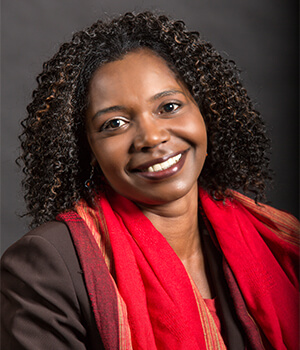
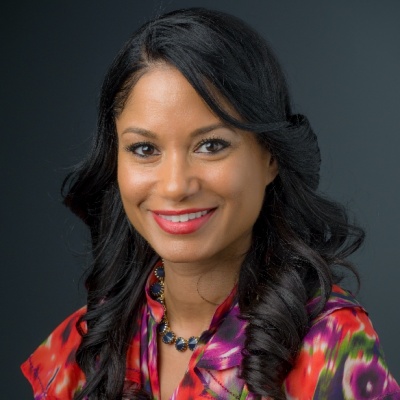
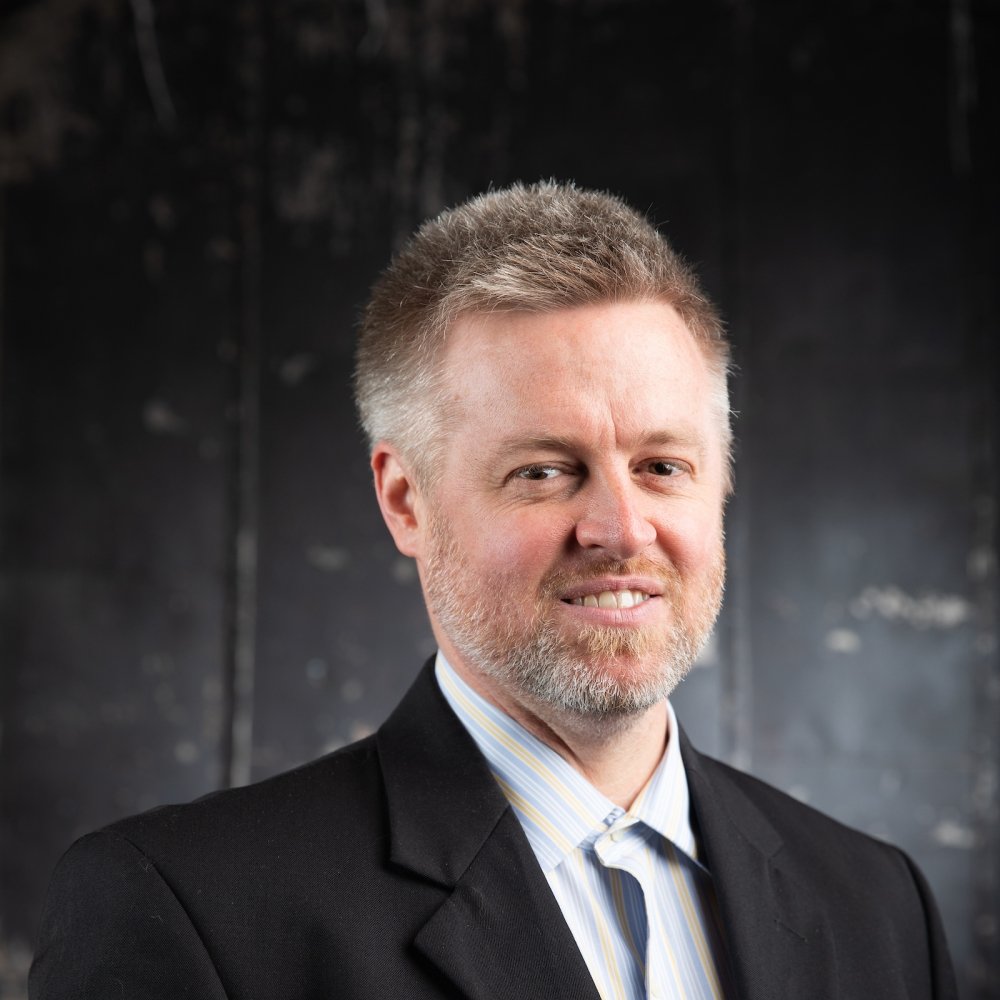
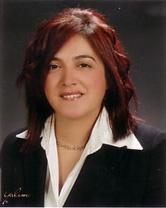
Fatima Serra is a Professor in the Department of World Languages and Cultures at Salem State University. She holds a BA in Anglogermanic Philology from Universidad de Oviedo and a PhD in Hispanic Literatures from UMASS Amherst. Her academic career spans teaching undergraduate and graduate courses, coordinating Spanish study abroad programs, and developing curriculum. Selected Courses : SPN 202, SPN 351, SPN 402, SPN 405, SPN 415A, SPN 480N, SPN 706, SPN 710, WLC 190H Education : BA - Universidad de Oviedo; PhD - UMASS Amherst Her research focuses on Contemporary Spanish Literature , Women's Writings , Transnational Cinema , and Spanish as a Foreign Language . She explores themes like gender representation , post-crisis cultural narratives , Basque identity , and Maghrebi intersectionality in Spanish and Latin American media. Recent publications analyze Eva G. Sáenz de Urturi's noir fiction, Katixa Agirre's feminist critique of patriarchy, and Dolores Redondo's narrative innovations. Her work intersects with transnational cinema , historiography , and digital learning methodologies .
Peninnah Kako, PhD, is a full-time Professor in the University of Wisconsin-Milwaukee (UWM) College of Nursing , where she has served since 2008. She is board-certified as a Family Nurse Practitioner and chairs the Executive Committee of her faculty research group, Local to Global Community Health . Education: PhD in Nursing – University of Wisconsin-Milwaukee, Milwaukee, WI MSN, Family Nurse Practitioner – University of Wisconsin-Milwaukee, Milwaukee, WI BSN – University of Wisconsin-Milwaukee, Milwaukee, WI Associate Degree in Nursing – Milwaukee Area Technical College, Milwaukee, WI Research Interests: Dr. Kako’s scholarship centers on improving healthcare access for underserved populations both in the United States and sub-Saharan Africa. Her work integrates ethnographic, qualitative, and mixed-methods designs to examine: HIV prevention and chronic disease self-management among women in Kenya and Malawi Gender-based violence and its health sequelae Culturally tailored community health interventions delivered through school-based clinics and peer-support networks She currently directs the HRSA-funded Sexual Assault Nurse Examiner (SANE) training program at UWM. Publication Trends: Across more than two dozen peer-reviewed articles (2011-2022), Dr. Kako’s research consistently addresses HIV care trajectories , mental health burdens among women , and structural barriers to treatment adherence . Studies span rural Kenyan villages, Malawian communities, and underserved urban U.S. populations, employing qualitative and mixed-methods lenses to highlight culturally embedded determinants of health. Scientific Awards & Honors: 2024 AACN Elevating Leaders in Academic Nursing (ELAN) Fellow 2016 DAISY Award for Extraordinary Faculty Ruth L. Kirschstein National Research Service Award (NRSA) Grants & Advising: She has served as principal investigator or co-investigator on grants totaling over $2 million from NIH-NIMH, NIH-NINR, HRSA, UWM Research Growth Initiative, and the UW System Institute on Race & Ethnicity. These awards fund longitudinal cohort studies of HIV-positive women in Kenya, development of overseas field-research experiences for undergraduates, and faculty-diversity initiatives in nursing academia. Labs & Teams: Dr. Kako leads the Local to Global Community Health faculty research group within the College of Nursing and mentors an interdisciplinary team of doctoral, DNP, and undergraduate students. She also spearheads a Winterim study-abroad program in Kenya focused on community health and cultural humility training for nursing and health-professions students.
Karin DeJonge-Kannan is a Senior Lecturer at Utah State University's College of Arts & Sciences, Department of World Languages and Cultures. Her academic work focuses on pedagogy, foreign language education, intercultural communication, teacher training, student development, and study abroad programs. Her research explores topics such as contemplative practices in education, compassion-driven pedagogy, religious and cultural diversity in academia, and strategies for enhancing student engagement through study abroad initiatives. The 2023-2025 articles highlight her emphasis on scaffolded learning, inclusive course design, and adaptive teaching during global crises like the pandemic. Her publications also reflect a sustained commitment to dual language immersion (DLI) frameworks, reflective teaching practices, and global standards in EFL trainer education, with subfields spanning second language acquisition, cross-cultural education, and educational technology integration.
Julie Pennington is a Professor of Literacy Studies at the University of Nevada, Reno, where she serves as Interim Chair of the Department of Educator Preparation and Graduate Program Director. Affiliated with the College of Education and Human Development, her work centers on literacy instruction in linguistically and culturally diverse settings, emphasizing autoethnography as a method for teacher education and educational equity. Education: Ph.D., University of Texas at Austin M.Ed., University of Texas at Austin B.A., University of Texas at Austin Pennington’s research examines how teachers navigate racial, linguistic, and cultural diversity through critical autoethnography, focusing on deconstructing whiteness and repositioning resistance in literacy education. Her work also explores civic education integration in elementary classrooms and the use of multimodal approaches for English learners. Recent publications highlight trends in critical whiteness studies, autoethnographic methodologies, and the intersection of literacy with social justice. Key themes include racial identity in teaching, equity-oriented pedagogy, and the transformative potential of narrative research. Roles: Interim Chair, Department of Educator Preparation Director, Center for Learning and Literacy Graduate Program Director Professor of Literacy Studies
Joanne Burnett is a Professor of French and Second Language Acquisition at the University of Southern Mississippi, affiliated with the School of Social Science and Global Studies and the World Languages department. Her work bridges qualitative research in second language pedagogy, French cultural studies, and digital humanities. Education Ph.D. in Second Language Acquisition, Pennsylvania State University (1997) M.A. in Second Language Acquisition, University of Illinois at Urbana-Champaign (1986) B.A. in English Literature minor, Central Methodist University-College of Liberal Arts and Sciences (1984) Burnett’s research focuses on innovative approaches to second language education, including technology integration, online learning, and cross-cultural analysis. She has contributed to scholarship on Francophone film, literature, and media, alongside translating works on environmental conservation in Madagascar and colonial histories in French Louisiana and Guadeloupe. Her professional activities include coordinating summer study abroad programs in Paris and teaching French language, culture, and pedagogy at all levels within the Master of Arts in the Teaching of Languages program. Courses taught include French in the Americas , French and Francophone Film , The Life and Times of Marie Antoinette , and French Cuisine . Joanne Burnett’s office is located in Liberal Arts Building 452, Hattiesburg, and she can be reached via email at Joanne.Burnett@usm.edu. She is proficient in English (Native), French (Full Professional), Spanish (Limited Working), and Dutch (Elementary).
Tiffany Brown is a Professor in the Family and Consumer Sciences Department at California State University, Long Beach. She teaches courses on middle childhood and adolescent development, family stress and coping, and family development across the lifespan. Dr. Brown serves as a faculty advisor to Kappa Omicron Nu (KON), a national student honor society, and actively contributes to diversity, equity, and inclusion initiatives as a President’s Commissioner for equity and change. Education: PhD in Child and Family Studies, Syracuse University MA in Social Sciences BS in Psychobiology, Binghamton University Research Interests: Dr. Brown's research focuses on contextual influences affecting ethnic minority adolescents, the role of father involvement in development, and the impact of international study experiences on college student outcomes. Her work emphasizes equity and inclusion in educational and family environments. Service & Contributions: As a faculty advisor to KON and a President’s Commissioner for equity and change, Dr. Brown bridges academic mentorship with institutional DEI efforts. Her affiliations reflect a commitment to advancing health and human services through education and policy.
Brett Werner is an Associate Professor of Environmental Studies at Centre College, where he teaches core courses such as Introduction to Environmental Studies and Senior Seminar, as well as specialized topics like Environmental Policy, Water and Rivers, and the Human Dimensions of Climate Change. He also leads off-campus programs in Thailand, Lake Tahoe, and Singapore, emphasizing experiential learning and international engagement. B.A., Saint Olaf College in Mathematics and Models of the Environment M.A. and Ph.D., University of Minnesota in Rhetoric and Scientific & Technical Communications Werner’s research addresses critical environmental issues, including the effects of climate change on prairie wetlands, wetland and grassland restoration, floodplain forests, and the integration of science and policy in conservation. His current work investigates human relationships with rivers and water systems, alongside promoting inclusivity and risk assessment in outdoor environmental education. His publications reflect interdisciplinary research spanning environmental science, policy, and education. Key themes include climate change adaptation in wetland ecosystems, the science-policy nexus, sustainable development in Asia, and the application of high-impact practices in academic settings. Centre Scholar (2017, 2021) David F. Hughes Award for Excellence in Teaching and Service (2018) Werner has secured over $450,000 in grants from the Henry Luce Initiative for Asian Studies and the Environment since 2014. These funds support experiential learning initiatives such as study abroad programs, language immersion, research internships, and other high-impact practices that bridge academic rigor with real-world application. His work underscores the importance of interdisciplinary and global perspectives in addressing contemporary environmental challenges.
Markus Winkelmann is a Researcher at the Institute for Technology Assessment and Systems Analysis (ITAS) at Karlsruhe Institute of Technology (KIT). His work focuses on sustainability transitions, with expertise spanning sociotechnical energy futures, sustainable bioeconomy, and technology assessment. He has contributed to European projects like CONCERTO and LeNa Shape, integrating societal responsibility into scientific institutions. Education: Studied sociology (major), psychology, and history at Albert-Ludwigs University of Freiburg (1996-2003), with study abroad at University of Wisconsin, Madison (1999-2000). Research Interests include: Sustainable consumption patterns and societal impacts of technology Energy efficiency in urban districts and renewable energy acceptance Responsible research frameworks for sustainability transformation Smart city development with inclusive mobility solutions Food systems sustainability and consumer behavior Decarbonization strategies and degrowth principles Publications reflect his focus on sociotechnical systems, with recent work covering: Position papers for EU sustainability projects Climate protection strategies post-pandemic Public participation in mobility technology development Sustainable neighborhood energy systems across Europe Transdisciplinary research effectiveness Consumer attitudes toward cereal-based functional foods Professional Activities span multiple institutions, including research roles at: European Institute for Energy Research (2005-2007) Federal Research Center for Nutrition and Food (2006-2009) Interfaculty Coordination Office for General Ecology in Bern (2009-2012) He has presented at international conferences including the European Sociological Association and World Sustainable Energy Days, with recent 2024 contributions focusing on societal responsibility in research processes.
Peter Bartmann is a Lecturer and Research Assistant at the Technical University of Lübeck in the Department of Electrical Engineering and Computer Science, working closely with the CoSA Competence Center (Communication - Systems - Applications). He has been employed at the university since April 2016, progressing from laboratory engineer to research associate, and most recently serving as lecturer for special assignments from 2022 to 2024 before returning to his current dual role. His educational background includes an M.Sc. in Electrical Engineering from the University of Rostock (2010-2012) with a semester abroad at the University of Plymouth, and a B.Sc. in Information Technology/Computer Engineering from the University of Rostock (2006-2010). Mr. Bartmann's research spans several key technical domains: Digital signal processing Wireless communication systems Information theory applications FPGA architecture development Hardware design methodologies He serves as Deputy Head of the Applied Information Technology Study Program (M.Sc.) and manages international student exchanges within his department. His laboratory responsibilities include overseeing the Transmission Technology laboratory (Room 18-2.03) and Communication Networks laboratory (Room 18-2.15). His extensive teaching portfolio covers: Master's level: Applied FPGA and VLSI Design, Wireless Networks for Cyber-Physical Systems, Scientific Project, and Student Project Bachelor's level: Digital Transmission Technology/Communication Engineering, Digital Technology, Basic Electrical Engineering laboratories, Large-scale integrated circuits, Communication networks, Computer networks, and Stochastics across multiple degree programs
Hanna Linell is a Lecturer at the Department of Social Work , Stockholm University . Her research focuses on violence in close relationships , social child welfare , and honor-related violence . She leads a project mapping experiences of honor oppression and violence among young people taken abroad, and contributes to a Forte-funded research program on coordinated intervention systems against violence at Marie Cederschiöld University. PhD in Social Work Specializes in family-oriented crisis interventions Develops frameworks for emergency shelters as child protection mechanisms Her work examines systemic barriers in child protection, including police reporting practices and organizational challenges in implementing intervention models like 'Efter barnförhöret'. She has published extensively on abuse conceptualization, adolescent agency in disclosure processes, and legislative responses to honor-based oppression. Key findings include the systematic underreporting of abuse and the need for child-centered approaches in social services.
Christopher Johnstone is a Professor and Department Chair of Organizational Leadership, Policy, and Development at the University of Minnesota-Twin Cities. His research focuses on operationalizations of inclusiveness in international development, K-12 education, and campus internationalization, with extensive fieldwork in Sub-Saharan Africa and South Asia. Education Ph.D. in Comparative and International Development Education, University of Minnesota M.S. in Special Education, Syracuse University B.S. in Special Education, State University of New York, Plattsburgh Research Focus Johnstone's work explores disability inclusion, international education systems, and equity in global contexts. His current projects examine livelihoods in East Africa, disability identity in India, and inclusive employment frameworks in Bhutan, demonstrating a consistent emphasis on bridging policy and practice in diverse cultural settings. Publication Trends His scholarly output centers on inclusive education policy, disability studies, and international development, with recent works examining post-pandemic assessment, cultural adaptation of curricula, and critical analyses of inclusion frameworks in Global South contexts through both empirical research and theoretical contributions. Awards and Honors Fulbright Specialist, Czech Republic (2018) Outstanding Mentoring and Advising Award, Council of Graduate Students (2016) Global Engagement Award, University of Minnesota (2015) Leadership and Grants Johnstone directs significant initiatives including a UNICEF global evaluation of disability inclusion, serves as Academic Director of the Mandela Washington Fellowship, and leads a grant on inclusive employment in Bhutan. His work integrates research with practical implementation across educational and development sectors.
Zehra Keser Ozmantar is an Associate Professor at the Department of Educational Sciences within the Faculty of Education at Gaziantep University , Türkiye. She has served in this role since 2012, following earlier positions as a Doctor Lecturer and Research Assistant at the same institution. Her academic journey includes a PhD in Educational Sciences (2011) and a Master’s in Educational Sciences with Thesis (2007) from Gaziantep University, and a Licence in Classroom Teaching from Hacettepe University (2003). Research Interests : Her work focuses on Educational Management , School Leadership , and Teacher Education , with a strong emphasis on Educational Policy and Accreditation in Education . Her studies address critical issues such as crisis management in schools , ethical decision-making processes , educational equity under neoliberal policies , and the integration of refugee teachers into educational systems. She has also explored emergency remote teaching and 21st-century teaching competencies . Scientific Awards : European Innovative Teaching Award (2022), Public Abroad Education Scholarship (2010). Advising : Supervised 10 Master’s theses and 1 PhD thesis, covering topics like school leadership , teacher fears , and refugee teacher integration . Her grant and project involvement includes a TÜBİTAK project (2021–2021) on applied school leadership and an EU project (2017–2019) for inclusive school heritage . She has also contributed to professional development programs in Turkey and international courses at the University of Nottingham.
Nora Neuenhaus is a Scientific Associate at the Chair of Empirical Educational Research within the Faculty of Human Sciences at Otto-Friedrich-University Bamberg. She holds a doctorate in Psychology from the University of Bamberg (2011) and has built a distinguished research career focused on metacognition and strategic learning processes across educational contexts. Her educational background includes: 2011: Doctorate – Dr. phil. (Psychology) University of Bamberg 2006: Diploma – Dipl.-Psych., University of Koblenz-Landau 2002/03: Research semester, University of Minnesota, Minneapolis 2002: Semester abroad, Leiden University, Netherlands Dr. Neuenhaus's research program centers on strategic learning and self-regulated learning , investigating how metacognitive processes influence academic performance. Her work examines the developmental trajectory of metacognitive knowledge from elementary through secondary education and into university settings. She has made significant contributions to understanding how procedural and declarative metacognitive components interact with learning strategies to affect reading comprehension and subject-specific achievement. Her methodological approach often combines computer-based assessments with traditional measures to capture strategic processing in authentic learning contexts. Analysis of her publication record reveals a consistent research trajectory focused on metacognition across educational stages, with recent expansion into digital learning environments. Her work demonstrates increasing sophistication in measuring strategic knowledge and its relationship to performance outcomes. A notable trend is the integration of theoretical frameworks with practical applications for educational interventions, particularly in the development of assessment tools and learning support systems. Dr. Neuenhaus has been actively involved in multiple significant research projects including 'Strategic behavior of students when reading non-fiction texts' (funded by FNK), 'Self-regulated learning at university – conditions, consequences, support (SeLF)', and 'EWIKO - Development of metacognitive knowledge and domain-specific prior knowledge in secondary school students' as part of a DFG Priority Programme. She is a member of the German Society for Psychology (DGPS) and the European Association for Research on Learning and Instruction (EARLI), reflecting her active participation in the international research community. Her teaching portfolio includes numerous seminars on self-regulated learning, strategic learning techniques, and psychological foundations of education spanning from 2009 to the present. Her research has direct applications for educational practice, particularly in developing evidence-based approaches to enhance students' metacognitive skills and learning strategies across different educational contexts.
Prof. Dr. Nazan Dağüstü is a full Professor at Uludağ University , Faculty of Agriculture, Department of Field Crops / Agricultural Biotechnology. Since 2011, she has held the academic rank of Professor, having previously served as Associate Professor (2003–2011) and Assistant Professor (1999–2003). She earned her PhD in Agricultural Biotechnology from Bath University, UK between 1991 and 1996, following her MSc and BSc in Field Crops from Uludağ University. Education: BSc, Field Crops, Uludağ University (1984–1988) MSc, Field Crops, Uludağ University (1988–1990) PhD, Agricultural Biotechnology, Bath University, UK (1991–1996) Research Interests: Prof. Dağüstü's research spans a wide range of topics in plant biotechnology , with a particular focus on in vitro tissue culture, somatic embryogenesis , anther culture , genetic transformation , and crop improvement . Her work has significantly advanced the understanding and application of sunflower and wheat regeneration systems, including the development of protocols for immature embryo culture , Agrobacterium-mediated transformation , and embryo rescue techniques for interspecific hybridization. Publications Overview: Her recent publications reflect a consistent focus on sunflower biotechnology and wheat genetics , with emphasis on in vitro regeneration, hybrid performance, and genetic transformation. These studies collectively contribute to the development of resilient crop varieties and accelerated breeding programs through biotechnological interventions. Scientific Awards: Graduated 3rd in Department – Uludağ University Faculty of Agriculture (1988) PhD Scholarship Abroad – YÖK (1991–1996) Most SCI Publications Award – Uludağ University Rectorate (2009) Projects and Grants: Prof. Dağüstü has served as Principal Investigator on multiple national projects funded by Uludağ University Research Fund and TÜBİTAK. These include studies on somatic embryogenesis in cereals, sunflower regeneration, and embryo culture-based breeding. She has also received international support, including a fellowship from the Turkish Higher Education Council (YÖK) for research at Royal Holloway, University of London . Laboratory and Team: She leads the Plant Tissue Culture Laboratory at Uludağ University, where she supervises graduate students and research assistants in ongoing projects related to plant regeneration, transformation, and conservation genetics.
Sandy Alspach serves as Professor of Communication in the Department of Humanities at Ferris State University's College of Arts, Sciences and Education. She has received the Academic Excellence Award (2001) and International Educator Award (2004) for her contributions to academic instruction. Her educational credentials include: PhD in Communication Theory and Process from Ohio University MA in Theatre History, Dramatic Literature & Criticism from Ohio University BA in English, Secondary Education with concentration in Speech and Theatre from Miami University Professor Alspach's research integrates communication theory with practical applications in public speaking, sports contexts, and community development. Her work demonstrates particular innovation in experiential learning through travel programs and internship frameworks for communication majors. She maintains active scholarship in sports communication pedagogy, examining contemporary issues like the NCAA transfer portal's impact on athlete communication. Her publication history reveals consistent focus on foundational communication principles while evolving toward current sports communication challenges. The progression from theoretical textbooks to conference presentations on modern sports communication issues demonstrates responsive scholarly adaptation to field developments. Her professional recognition includes: Academic Excellence Award (2001) International Educator Award (2004) Professor Alspach demonstrates strong commitment to student development through her Internship Manual for Communication Majors and coordination of the Sports Speaker Series. Her leadership in organizing 2018-2022 speaker events through the Sports Leadership Institute connects students with industry professionals, creating practical learning pathways beyond traditional classroom instruction. She serves as a key organizer for the Sports Leadership Institute's speaker series, developing programming that brings sports communication professionals to campus for student engagement. Her recent 2024 Convocation presentation on coaching while parenting demonstrates ongoing integration of personal and professional communication contexts.