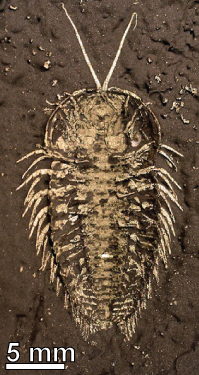
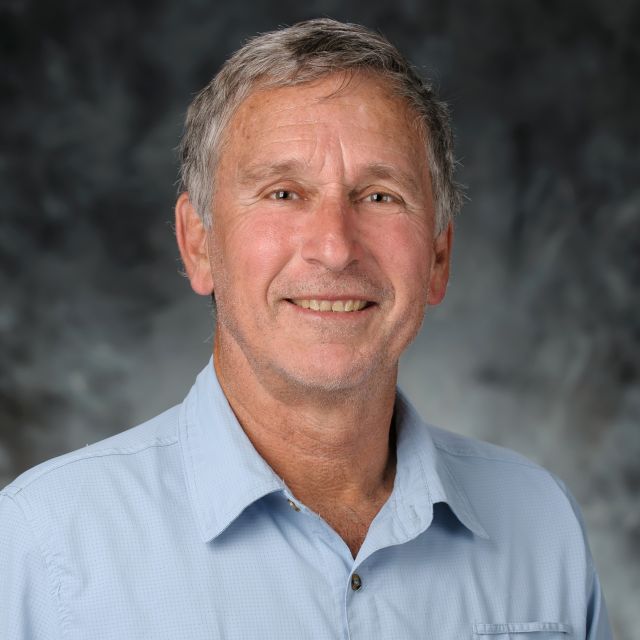
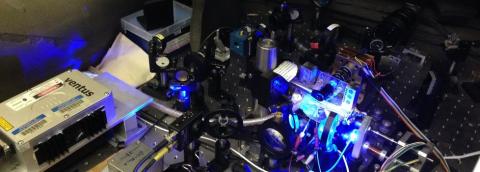
G. Evelyn Hutchinson Professor of Earth & Planetary Sciences at Yale University and Curator of the Yale Peabody Museum of Natural History. Research focuses on exceptional fossil preservation and its evolutionary significance. Investigates decay processes, mineralization mechanisms, and fossilization conditions through experimental approaches and field studies. Major discoveries include insights into Burgess Shale-type preservation and color reconstruction in fossils. Recipient of the Paleontological Society Medal. Current research explores molecular preservation in ancient tissues and biophotonic structures in fossil insects. Supervises large team of postdoctoral researchers and graduate students at Yale Paleobiology Group.
Jennifer Johnson-Hanks serves as Professor and Executive Dean of the College of Letters & Science at the University of California, Berkeley, holding a joint appointment in the Departments of Sociology and Demography. She currently chairs the Berkeley Division of the Academic Senate, demonstrating significant administrative leadership within the university structure while maintaining active scholarly contributions to demographic theory and methodology. Her educational background includes: BA in Anthropology from University of California, Berkeley MA in Anthropology from Northwestern University PhD in Anthropology from Northwestern University Johnson-Hanks' research examines the intersection of cultural anthropology and demography, with particular focus on how intentions shape family formation and fertility decisions in contexts of uncertainty. Her work integrates ethnographic evidence with demographic analysis to explore life course transitions, especially in sub-Saharan Africa where she has conducted extensive fieldwork on educated women's motherhood timing. Central to her scholarship is the critique of methodological individualism in demographic research, emphasizing how material and schematic structures influence vital events. Analysis of her 2015-2022 publications reveals persistent thematic threads: methodological innovation in measuring intentions, the social construction of statistical norms, and the cultural embeddedness of demographic behavior. Her work consistently challenges assumptions about preference stability while developing frameworks like 'conjunctural action' to integrate social theory with demographic analysis. Regional expertise in African demographic systems informs broader theoretical contributions about how uncertainty shapes life decisions across diverse contexts. While specific advising relationships and grant funding details aren't documented in available sources, Johnson-Hanks' leadership roles and theoretical contributions indicate significant institutional influence. Her directorship of the College of Letters & Science positions her at the nexus of academic administration and demographic scholarship, where she shapes both research agendas and educational infrastructure.
Professor Wes Armour is a Professor of Scientific Computing at the University of Oxford and serves as the Associate Head of Department for Research in the Department of Engineering Science. He previously directed the Oxford e-Research Centre, an interdisciplinary research center within the Engineering Science Department. With over £31 million secured as PI or Co-I, his work spans supercomputing, signal processing, machine learning, computational fluid dynamics, and protein crystallography. Professor Armour's research focuses on extracting science from data through fundamental challenges in modeling, simulation, and data processing. His work draws from numerical analysis, signal processing, and machine learning to develop technologies enabling future scientific discoveries, particularly for the Square Kilometre Array (SKA) telescope. Key interests include GPU computing, high performance computing, and machine learning applications across diverse domains from radio astronomy to finance. As Director and Principal Investigator of JADE and JADE2, a 700-GPU machine, he established the UK's first national High Performance Computer facility dedicated to advancing Artificial Intelligence and Machine Learning. His research group has pioneered GPU applications across multiple fields, including Square Kilometre Array data processing, protein crystallography, and graphene simulations. Current projects span energy-efficient machine learning, stock price prediction in finance, prime number prediction in cryptography, and multi-modal CCTV data analysis. Professor Armour has been instrumental in developing real-time signal processing techniques for astronomical observations, including the ARTEMIS system for millisecond radio transient detection. His publications demonstrate consistent innovation in GPU-accelerated computing dating back to early work in 2008 on accelerating conjugate gradient routines for electron transport in graphene.
Stephen Wu is an Assistant Professor of Electrical and Computer Engineering and Physics at the University of Rochester. His research focuses on merging quantum materials science with nanoscale electronic devices to advance electronics beyond Moore's Law. He holds a B.S. and B.A. from UC Berkeley (2006), and M.A. and Ph.D. in Physics from UC Berkeley (2009, 2012). Before joining Rochester in 2017, he was a postdoctoral scholar at Argonne National Laboratory's Materials Science Division. Key research interests include spintronic devices for nanoscale spin current manipulation, complex oxide thin films for quantum materials exploration, and 2D systems for topological electronic devices. His work integrates experimental condensed matter physics with materials science and electrical engineering. Recent studies emphasize strain engineering in 2D materials such as MoTe2 and graphene, exploring strain-induced phase changes, moiré patterns, and superconductivity. He has pioneered scalable fabrication techniques for van der Waals heterostructures and investigated strain effects on electronic properties. His publications span topics like memristor performance, moiré engineering, and nanoscale strain control. Collaborative efforts focus on interdisciplinary challenges in quantum materials and device miniaturization.
Christoph T. Koch is a Professor of Physics at Humboldt-Universität zu Berlin, where he has held the W3 Chair since 2015. Previously, he held a similar position at Ulm University (2011–2015), supported by the Carl Zeiss Foundation. His research focuses on advanced electron microscopy techniques, including quantitative transmission electron microscopy (TEM), electron holography, and strain mapping. He leads the AG Strukturforschung/Elektronenmikroskopie group, advancing materials science through innovations in imaging and spectroscopy. Education: B.Sc./M.Sc. in Physics at Heidelberg University (1996–1998), followed by an exchange at Arizona State University (1997–1998). PhD in Physics from Arizona State University (2002, advisor: Prof. John C.H. Spence). Postdoctoral research at the Max Planck Institute for Metals Research, Stuttgart (2002–2011). Research interests include: Electron diffraction and phase retrieval Nanometer-scale strain and defect analysis Electron energy-loss spectroscopy (EELS) for plasmonics and bandgap mapping Development of FAIR data infrastructure for materials science Leadership: Managed the Department of Physics at Humboldt University (2020–2024). Collaborates widely, with key co-authors including P.A. van Aken, W. Sigle, and C. Felser. His work bridges experimental microscopy and computational modeling, addressing challenges in semiconductors, ceramics, and 2D materials. Notable contributions include pioneering methods for 3D reconstruction via electron ptychography, dynamic electron diffraction analysis, and strain mapping in advanced CMOS technologies. Current efforts emphasize real-time imaging and AI-driven data analysis in materials research.
Associate Professor Stephen Bell is a faculty member in the School of Physics, Chemistry and Earth Sciences at the University of Adelaide, within the Faculty of Sciences, Engineering and Technology. He holds an academic rank of Associate Professor and leads research focused on enzyme catalysis, particularly cytochrome P450 enzymes. His work emphasizes biocatalysis applications in sustainable chemical synthesis and bioremediation, leveraging interdisciplinary methods from biochemistry, synthetic biology, and chemistry. Research Interests: Dr. Bell’s lab studies cytochrome P450 enzymes for their potential in oxidizing organic compounds, including steroids and terpenoids, with a focus on extremophile-derived enzymes for robust biocatalytic processes. Key areas include enzyme engineering, electron transfer partner identification, whole-cell oxidation systems, and structural studies via X-ray crystallography. Collaborative projects involve drug metabolism mechanisms, enzyme structure determination, and immobilization technologies for enhanced stability. Awards and Grants: His research has been supported by Australian Research Council grants, including Discovery Projects and a Future Fellowship. Notable achievements include founding the spin-out company Oxford Biotrans, which commercialized biocatalytic production of high-value compounds like flavor and fragrance ingredients. Teaching: He teaches inorganic, medicinal, and biological chemistry courses, covering reaction mechanisms, electron transfer processes, and transition metal chemistry. Supervision: Currently oversees 7-8 PhD students and has extensive experience mentoring Honours students. His group actively recruits candidates interested in enzyme engineering, biocatalysis, and synthetic biology. Labs and Teams: The lab focuses on interdisciplinary approaches to enzyme-based biocatalysis, with emphasis on scaling up reactions using fermentor technology and bioprocess engineering. Collaborations span structural biology, spectroscopy, and industrial partners for application development.
Rowan Lubbock is Senior Lecturer in Political Economy of Development at Queen Mary University of London's School of Politics and International Relations. He completed his PhD in International Relations at Birkbeck, University of London and previously served as Junior Research Fellow at Corvinus Institute for Advanced Studies in Budapest. His research examines agrarian political economy, Latin American regionalism, and the historical sociology of international order. Education: PhD in International Relations, Birkbeck, University of London (2017) Lubbock's research explores how agricultural transformations shape international relations, with current focus on the UN Food and Agriculture Organization's role in structuring global food governance. His work combines historical materialism with critical agrarian studies to analyze the co-constitution of global order and agro-ecological systems. His publications analyze Latin American regionalism (particularly ALBA-TCP), food sovereignty movements, and the political economy of agricultural systems, demonstrating consistent theoretical engagement with Marxism and historical sociology across diverse empirical contexts. Scientific awards include the Junior Research Fellowship at Corvinus Institute for Advanced Studies (2022-2023) supporting his archival research on international organizations. He teaches courses on political economy and development, and mentors PhD students working on critical international relations theory and political economy.
Oscar Mendez Maldonado is a Lecturer in Robotics and Artificial Intelligence at the University of Surrey's School of Computer Science and Electronic Engineering, affiliated with the Robotics Department and CVSSP Centre. He holds a PhD (2018) and BEng (2013) from the University of Surrey. His research focuses on Machine Learning, Computer Vision, and Robotics, with emphasis on autonomous systems, localisation, and SLAM applications. Key projects include the Autonomous Valet Parking (AVP) system for indoor navigation and the SMILE project for sign language assessment using AI. He has supervised students like James Ross (Autonomous Vehicles), Xihan Bian (Reinforcement Learning), and Nimet Kaygusuz (Visual Odometry). Notable achievements include the Sullivan Thesis Prize (2018) and impactful publications in IEEE conferences (e.g., ICRA, CVPR, IROS). Research spans topics like 3D hand pose estimation via diffusion models, graph-based visual odometry fusion, and Raman spectroscopy for localisation. He contributes to open-source tools (e.g., RaSpectLoc GitHub) and collaborates with industry partners like Parkopedia. His work bridges theoretical advances with real-world applications in autonomous systems and healthcare.
Lars Moberg Salbu is a Postdoctoral Fellow at the Department of Informatics, University of Bergen. His research focuses on computational geometry, algebraic topology, and parameterized complexity, with contributions to graph theory, metric analysis, and algorithm design. He has collaborated with institutions such as the Department of Mathematics and Department of Computer Technology at Western Norway University of Applied Sciences. His work bridges theoretical mathematics and computer science, addressing challenges in topological data analysis and combinatorial optimization. Key publications include studies on transition graph dynamics, minimum bounded chains, and homology determination from data samples. Salbu’s research emphasizes interdisciplinary approaches, leveraging discrete mathematics and geometric principles to solve complex computational problems. No scientific awards are listed, but his active participation in international journals like IEEE Access and Mediterranean Journal of Mathematics highlights his academic contributions. Collaborations with co-authors such as Morten Brun and Belen Garcia Pascual underscore his collaborative approach to advancing theoretical frameworks in his field.
Phillip Gans is a Professor in the Department of Earth Science at the University of California, Santa Barbara. His research focuses on structural geology, tectonics, and volcanology, with an emphasis on deformational processes in continental lithosphere and extensional tectonics. He holds a B.S. in Engineering and Geology from Cornell University (1978), an M.S. in Economic Geology from Stanford University (1982), and a Ph.D. in Geology from Stanford (1987). His work integrates field-based studies with radiometric dating, geochemical analyses, and numerical modeling. Notable projects include investigations into the Cenozoic evolution of the Basin and Range province, gneiss domes in Arctic Alaska and northeast Russia, and the structural evolution of the Tibetan plateau. Recent studies expand into the Mexican Basin and Range province and gneiss domes in Tibet. His publications span tectonic evolution, metamorphic core complexes, and volcanic systems, with recent articles addressing topics such as Gold Butte normal fault block tectonics (2025) and magmatic belts in southern California (2024). He advises current graduate student Ryan Eden and has mentored past student Evan Monroe. His research is supported through grants and collaborations involving fieldwork, geochronology, and structural analysis.
Robyn Creswell is an Associate Professor of Comparative Literature and Director of Graduate Admissions at Yale University. He specializes in Modern Arabic Literature, Translation Studies, and Modernist Poetry, with a focus on the intersection of literature and politics in the Middle East. Creswell holds a Ph.D. from New York University (2011) and a B.A. from Brown University (1999). His research explores Cold War intellectual movements, pan-Arabism, and the role of translation in preserving literary heritage. Education: Ph.D., Comparative Literature, New York University, 2011 B.A., Comparative Literature, Brown University, 1999 (Magna cum laude) Research Interests: Creswell’s work spans Modernist Poetry, Arabic literature, translation theory, and the politics of Middle Eastern cultural production. He has written extensively on 20th-century Arab poets like Nazik al-Mala’ika and Adonis, analyzing how literary forms reflect broader sociopolitical shifts. His current project, The Ruins: Arabic Poetry in an Age of Extremes , examines post-WWII Arab intellectual history through poetic analysis. Publications: His book City of Beginnings: Poetic Modernism in Beirut (2019) won the Gaddis Smith International Book Prize. He has translated works by Iman Mersal, Sonallah Ibrahim, and Abdelfattah Kilito, including the National Translation Award-winning The Threshold (2022). His essays appear in The New York Review of Books , Daedalus , and Critical Inquiry . Awards and Fellowships: Guggenheim Fellowship (2021) National Translation Award (2023) Berlin Prize (American Academy in Berlin, 2015–16) Cullman Center Fellowship (2011–12) Teaching and Service: Creswell has taught courses on Arabic poetry, literary translation, and the global history of sports writing. He directed Yale’s Comparative Literature Department (2021–23) and served as poetry editor for The Paris Review (2011–18). He has organized academic symposia such as Translation/Tarjama (2018), exploring Arabic literary translation’s political dimensions.
Prof Duncan Robertson is a Professorial Research Fellow at the School of Physics and Astronomy, University of St Andrews, Scotland. He holds a B.Sc. (Hons.) and Ph.D. in Physics from the same institution. His career has focused on millimeter-wave radar technologies with applications in environmental sensing, security systems, and battlefield systems. He leads the Millimetre Wave Group, specializing in radar imaging, radiometry, electron spin resonance instrumentation, and antenna design. Education: B.Sc. (Hons.) in Physics and Electronics, University of St Andrews (1991) Ph.D. in Millimetre Wave Physics, University of St Andrews (1991) Research Interests: Prof Robertson’s work spans millimeter-wave radar systems, including drone detection, glacier monitoring, sea clutter analysis, and holographic metasurfaces. His group develops technologies for security screening, environmental monitoring, and material characterization. Grants & Projects: Environmental Monitoring: Short Range Interferometric Synthetic Aperture Radar (InSAR) MuWMAS: Snowflake Scattering and Microstructure Analysis Drone Detection Radar Commercialization Labs/Teams: Leads the Millimetre Wave Group, collaborating on radar phenomenology and advanced sensor systems. Active in international radar conferences and experimental field trials.
Simon Mochrie is a Professor of Physics and Applied Physics at Yale University, affiliated with the Department of Physics within the Faculty of Arts and Sciences. His research focuses on experimental biophysics and condensed matter physics, with emphasis on chromatin dynamics, nuclear mechanics, and super-resolution microscopy. He holds a Ph.D. from MIT (1985) and has pioneered techniques such as optical tweezers and STED microscopy to study biological systems like the ubiquitin-proteasome system in yeast. Current projects include single-molecule measurements on nucleosomes and developing novel imaging methods like LIVE-PAINT for live-cell super-resolution imaging. Educations: Ph.D., Physics, MIT (1985) Research interests center on understanding how chromatin organization influences nuclear mechanics, with studies on heterochromatin condensation, cohesin-driven loop extrusion, and chromatin-envelope interactions. His lab develops advanced microscopy techniques to visualize protein dynamics and subnuclear structures in real time. Recent work explores diffusive states of membrane proteins and the role of phase separation in heterochromatin mechanics. His articles demonstrate a focus on interdisciplinary approaches, combining biophysical experimentation with computational modeling to elucidate fundamental mechanisms in cell biology and soft matter physics. Notable themes include the interplay between chromatin structure and nuclear stiffness, loop extrusion dynamics, and quantitative analysis of intrachromosomal contacts. Teaching contributions include developing introductory physics courses tailored for life sciences students, emphasizing applications in biology and medicine. He actively participates in STEM education initiatives, including collaborative research networks for graduate students in physical biology. The Mochrie Lab also emphasizes instrumentation innovation, such as building fast-scanning STED microscopes and reversible peptide-based imaging systems.
Assoc Prof Frederique Elise Oggier is an Associate Professor in the School of Physical and Mathematical Sciences, Division of Mathematical Sciences at Nanyang Technological University (NTU). She holds a PhD from the Swiss Federal Institute of Technology (EPFL) and has held visiting positions at Caltech and the Research Center for Information Security (Tokyo). Her research focuses on algebraic coding theory, lattice-based cryptography, and applications of number theory to secure and reliable communication systems. Education: Bachelor’s and Master’s in Mathematics from the University of Geneva PhD in Mathematics from EPFL Research Interests: Her work bridges abstract algebra with practical coding challenges, emphasizing lattice codes for wiretap channels, distributed storage systems, and security protocols. Specialized in algebraic structures like cyclic division algebras and modular lattices, her contributions advance both theoretical foundations and real-world implementations of secure communication systems. Publications: Her recent work addresses cutting-edge topics such as MDS codes, non-GRS code constructions, and lattice-based security in noisy channels. These contributions highlight her expertise in coding theory and its interdisciplinary applications. Grants/Advising: While specific grants are not detailed, her prolific publication record reflects sustained research activity. She advises on projects related to distributed storage and secure coding, though student names are not listed in the provided texts. Labs/Teams: Affiliated with NTU’s mathematical sciences division, she collaborates with global researchers on projects such as lattice coding for 5G/6G systems and cryptographic protocols leveraging algebraic number theory.
Sergio Barbero is an Associate Researcher at the Visual Optics laboratory of the Instituto de Óptica (CSIC), Spain, under the supervision of Prof. Susana Marcos. He holds a BSc in Physics from the University of Zaragoza (1999) and a PhD in Visual Sciences from the University of Valladolid (2004), which earned him the Doctoral Thesis Extraordinary Award (2005). His research focuses on optical aberrations, intraocular lens design, wavefront measurement techniques, and gradient-index modeling of ocular structures. Barbero has collaborated with international groups at Indiana University (USA), University of Houston (USA), and Australian institutions. His work includes pioneering studies on crystalline lens tomography, corneal ablation algorithms, and novel wavefront sensing methods. He has authored 16 peer-reviewed publications and contributed to a US patent on wavefront reconstruction techniques. His research spans three core areas: (1) intraocular lens design using analytical tools, (2) gradient-index modeling of the human eye, and (3) in vivo measurement of crystalline lens aberrations. He has secured grants from the Spanish government (I3P-CSIC), NIH (USA), and Fulbright fellowships. Barbero has presented 33 scientific talks/posters, including invited lectures, and maintains an h-index of 9. His work bridges fundamental optics with clinical applications in ophthalmology.