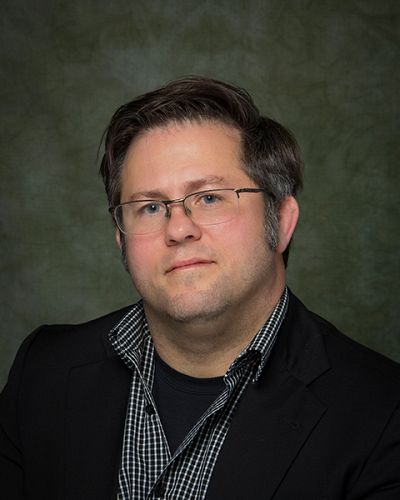
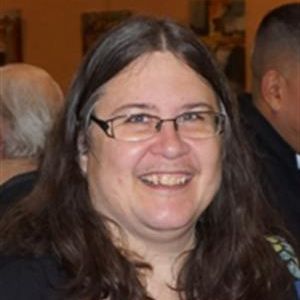
Nathanael Andrade is a Professor in the History Department at Binghamton University within the College of Arts and Sciences. Specializing in Greek and Roman history, with a focus on the Ancient Mediterranean and Late Antiquity, his work explores the Roman Near East, Hellenistic Syria, and cultural interactions in antiquity. Education: PhD in Greek and Roman History from the University of Michigan; BA from Wesleyan University Research Interests span the Roman and later Roman Near East, including topics like religious pluralism , urban economies , and gender dynamics in antiquity. His scholarship interrogates cultural identity, material culture, and the transmission of ideas across the Mediterranean and Indian Ocean networks. Recent Publications (2025–2009) address diverse themes: Pompey's impact on the Levant, economic circularity in Palmyra, enslaved women and children in Roman legal documents, and the interplay of Greek and Syrian identities. These works situate him at the intersection of military history , social archaeology , and comparative religion . Academic Network includes co-authorship with Rubina Raja on Palmyrene economy, editorial contributions to volumes on the Roman Near East, and affiliations with institutions like the University of Michigan and Wesleyan University.
Jens Carlsson is a Professor at Uppsala University, affiliated with the Department of Cell and Molecular Biology and the Science for Life Laboratory (SciLifeLab) . His research focuses on computational biochemistry , particularly G protein-coupled receptors (GPCRs) , using physics-based modeling to advance structure-based drug design . Academic rank: Full Professor (since 2022) Key methodologies: Molecular dynamics simulations, docking, free energy calculations Research themes: GPCR ligand interactions, virtual chemical space screening, allosteric modulators Recent work (2025) highlights AI-driven discovery of brain disease therapeutics and DNA repair inhibitors , while 2024 projects explore AlphaFold applications in TAAR1 agonist design . His group has received Swedish Research Council grants (3.6M SEK, 6M SEK) and industry collaborations . Scientific awards include the Göran Gustafsson Prize (2016), Excellence Prize in Molecular Design (2022), and Ingvar Carlsson Award (2012). Key students include PhD candidates Mariama Jaiteh and Pierre Matricon , with postdocs like Nicolas Panel and Duy Duc Vo .
Lauri Rautkari is an Associate Professor in the Department of Bioproducts and Biosystems at Aalto University, Finland. His research focuses on water interactions in biomaterials, particularly wood, with an emphasis on developing advanced analytical methods for water vapor sorption, creating novel low-sorption materials, and investigating hygroscopicity and fungal decay resistance in modified wood systems. Research Highlights: Gas-phase ozone treatment for improved wettability, thermal and chemical wood modification, hyperspectral imaging for moisture prediction, bioinspired coatings for fungal protection, and interlaboratory studies on sorption data quality. Recent Publications: Key contributions to understanding lignin's role in moisture interactions, acetylation reversibility, and the impact of fungal degradation on heat-treated wood. The trend in his publications reflects a strong focus on hygroscopicity, chemical modification techniques (acetylation, melamine-formaldehyde impregnation), advanced imaging methods (hyperspectral, neutron scattering), and the development of sustainable wood-based materials for construction and acoustic applications. Collaborative interlaboratory efforts dominate his work, ensuring standardized methodologies for moisture analysis.
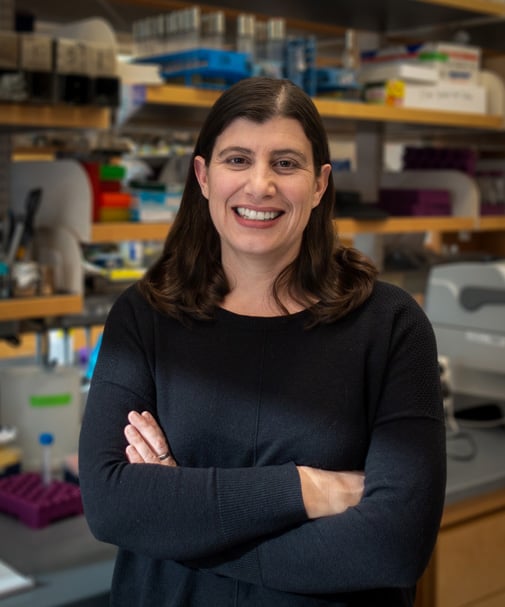
Catherine F. Clarke is Professor of Biochemistry at the University of California, Los Angeles, where she joined the Department of Chemistry and Biochemistry in 1993. She made history in June 2016 as the first woman to lead the UCLA Department of Chemistry and Biochemistry and was appointed Dean of Special Projects in the UCLA Division of Physical Sciences in 2019. Her laboratory investigates the biosynthesis and function of coenzyme Q (ubiquinone), a critical component of mitochondrial electron transport and cellular antioxidant defense. Dr. Clarke's research has fundamentally advanced our understanding of coenzyme Q biosynthesis through her work with yeast models. Her laboratory identified eight of the eleven polypeptides required for Q biosynthesis and discovered a novel Q biosynthetic pathway using para-aminobenzoic acid (pABA) as an alternative ring precursor. Her team demonstrated that human homologs of yeast Coq proteins can rescue corresponding yeast mutants, establishing critical connections between basic research and human diseases related to coenzyme Q deficiency. Analysis of her recent publications reveals consistent focus on coenzyme Q biosynthesis pathways, with particular emphasis on the regulation of the Coq protein complex, mechanisms of coenzyme Q uptake and trafficking, and therapeutic approaches for coenzyme Q deficiency disorders. Her work bridges fundamental biochemistry with clinical applications, particularly in understanding how coenzyme Q deficiencies contribute to kidney disease, neurodegenerative conditions, and aging. 2001 Ellison Medical Foundation Senior Scholar Award 2009 Hanson-Dow Award for Excellence in Teaching, UCLA 2018 WHS Hall of Fame, Whittier High School 2019 BSF Research Grant Award 2021 Career Development Award Dr. Clarke has mentored numerous graduate students, postdoctoral fellows, and undergraduate researchers who have gone on to successful careers in academia, industry, and medicine. Her laboratory collaborates extensively with clinical researchers to translate basic findings into potential therapeutic approaches, particularly for coenzyme Q deficiency-related disorders. The Clarke Lab maintains active research programs investigating coenzyme Q biosynthesis regulation, membrane contact sites in coenzyme Q production, and mechanisms of coenzyme Q uptake and trafficking in cells.
Jennifer A Benanti is a Professor at UMass Chan Medical School in the Department of Molecular, Cell and Cancer Biology within the T.H. Chan School of Medicine. She holds multiple appointments across the institution including in the Department of Biochemistry and Molecular Biotechnology, Program in Molecular Medicine, Systems Biology, and several graduate programs including Cancer Biology, Interdisciplinary Graduate Program, MD/PhD Program, Millennium MD/PhD Program, Postbaccalaureate Research Education Program, and Systems Computational and Quantitative Biology. B.S. in Biochemistry & Cell Biology from University of California, San Diego (1996) Ph.D. in Molecular & Cellular Biology from University of Washington and Fred Hutchinson Cancer Research Center (2003) Postdoctoral work at University of California, San Francisco (2004-2010) Dr. Benanti's research focuses on understanding how transcription, protein degradation, and phosphorylation integrate to form a robust cell cycle control network. Her lab primarily uses budding yeast as a model system to study how cyclin-dependent kinases (CDKs) phosphorylate proteins to coordinate cellular processes with division, how stress response pathways interface with the cell cycle regulatory network, and how the ubiquitin-proteasome system controls cell growth and division. Her work has significant implications for understanding cancer biology, as misregulation of the cell cycle is a hallmark of all cancer cells. Analysis of Dr. Benanti's 15 most recent publications reveals a consistent focus on cell cycle regulation through multiple mechanisms. Her work spans from molecular-level studies of phosphorylation codes and transcription factor activation to systems-level understanding of how stress responses rewire the cell cycle. A significant portion of her recent work examines calcineurin signaling in stress response and how it interfaces with CDK regulation, demonstrating her lab's integrative approach to understanding cell cycle control. 2011 Smith Family Award for Excellence in Biomedical Research Dr. Benanti has mentored numerous graduate students through the Morningside Graduate School of Biomedical Sciences, including Mackenzie Flynn (2018-2024), Michelle Conti (2017-2023), Claudine Mapa (2013-2018), and Tyler Doughty (2011-2016). Her lab has received support from prestigious fellowships including a Damon Runyon Cancer Research Foundation Fellowship and a Pathway to Independence Award from the NIH during her postdoctoral training, suggesting continued NIH funding for her independent research program. She actively recruits rotation students, postdocs, and undergraduate researchers. The Benanti Lab, located at UMass Chan Medical School, consists of postdoctoral associates, research associates, and graduate students working collaboratively on cell cycle regulation projects. Recent lab members include Sujiraporn Pakchuen (Postdoctoral Associate), Linnea Budge (Research Associate), and Aurelia Reynolds (Research Associate). The lab maintains active collaborations with researchers at UMass Chan and beyond, as evidenced by co-author networks including Zhu, Lee, and Fazzio.
Dr. Yoon Seok Kim is a Postdoctoral Fellow at Stanford University’s Department of Bioengineering, focusing on structural and mechanistic studies of light-gated ion channels. He earned his Ph.D. in Bioengineering at Stanford, mentored by Drs. Karl Deisseroth and Brian Kobilka, with research centered on ion channel selectivity and optogenetic applications. Education: Ph.D. in Bioengineering, Stanford University Dr. Kim’s research spans Optogenetics , Structural Biology , and Neuroscience , particularly the molecular mechanisms of ion channels in neural and glioma contexts. His work includes structural analysis of potassium-selective channelrhodopsins and synaptic mechanisms in neurodegenerative diseases. Recent publications highlight interdisciplinary trends, merging Neuroscience , Molecular Biology , and Bioengineering , with subfields like diffuse midline gliomas , dopamine neuron resilience , and machine learning in protein engineering . His studies often integrate advanced imaging and optogenetic tools.
Charles G Hoogstraten is an Associate Professor at the Department of Biochemistry & Molecular Biology, Michigan State University, and serves as Assistant Director for Undergraduate Education. His research focuses on RNA conformational dynamics and molecular function, utilizing advanced biophysical techniques such as NMR spectroscopy, surface plasmon resonance (SPR), and molecular dynamics simulations. Ph.D. (1995) - University of Wisconsin-Madison B.S. (1990) - Michigan State University, Chemistry & Biochemistry Previous appointments: UC Davis (1998-2002), University of Colorado, Boulder (1995-98) His work investigates the relationship between RNA structural flexibility and catalytic function, particularly in ribozymes like the hairpin ribozyme. Key contributions include developing novel isotope labeling methods and chemically constrained nucleotides to study RNA backbone dynamics and docking mechanisms. Collaborations with computational biologists enhance atomic-level understanding of these processes. Recent publications highlight his expertise in RNA tertiary structure, metal ion coordination, and spectroscopic analysis. His lab applies techniques such as SPR for docking kinetics, CD difference assays for equilibrium studies, and MD simulations to map RNA energy landscapes. Howard Hughes Medical Institute Predoctoral Fellowship Helen Hay Whitney Postdoctoral Fellowship Hoogstraten teaches advanced biochemistry courses (BMB 461, BMB 829) and leads the Hoogstraten Lab, which bridges experimental biophysics with computational modeling to unravel RNA-catalyzed reactions.
Sophia Lunt is a Professor in the Department of Biochemistry & Molecular Biology and Chemical Engineering & Materials Science at Michigan State University , where she has been since 2015 (Assistant Professor 2015-2021, Associate Professor 2021-2025, Professor 2025-present). She leads the Lunt Lab , focusing on cancer metabolism , particularly metabolic reprogramming in tumor proliferation, heterogeneity, and metastasis . Her work combines mass spectrometry , genetic cancer models , cell biology , and fluorescent agents to develop targeted cancer therapies . Ph.D. (2010) & B.S. (2005) in Chemistry Postdoctoral Fellow at MIT (2010-2015) NSF CAREER awardee (2019) 20+ peer-reviewed publications since 2007 Research Focus : Cancer metabolism (Warburg effect, PHGDH heterogeneity, TIGAR regulation) Photodynamic therapy (counterion-tuned agents, metal halide nanoclusters) Metabolomics (tumor-immune interactions, microbiome effects) Selected Scientific Awards : 2022 MSU College of Natural Science Teacher-Scholar Award 2022 MSU BMB Teaching Award 2020 MANA Young Investigator Award 2019 NSF CAREER & METAvivor Early Career Investigator Awards Her teaching includes BMB 101: Frontiers in Biochemistry (curriculum overhaul for freshman success) and BMB 461: Advanced Biochemistry I , covering metabolic regulation and pathways.
Christoph Benning is a University Distinguished Professor at Michigan State University, holding appointments in the Department of Biochemistry & Molecular Biology , Molecular Plant Sciences Program , Plant Biology , and Genetics & Genome Sciences Program . He leads the MSU-DOE Plant Research Laboratory and contributes to the Cell & Molecular Biology Program and BioMolecular Science Gateway . Ph.D., 1991, Michigan State University M.S., 1986, Albert-Ludwigs Universitaet, Freiburg, Germany Postdoctoral Researcher, 1991-1993, Michigan State University Group Leader, 1993-1997, Institut fuer Genbiologische Forschung Berlin GmbH His research centers on lipid metabolism in photosynthetic organisms , with a focus on chloroplast membrane assembly, lipid remodeling under stress, and biofuel production from algae. His lab uses Arabidopsis and Chlamydomonas to study genetic and biochemical mechanisms governing lipid biosynthesis, stress tolerance, and cellular quiescence in algae. Recent publications highlight advancements in chloroplast nanofactories , ER-chloroplast lipid transport , and WRINKLED1 transcription factor engineering to boost lipid accumulation. These works span synthetic biology , metabolic engineering , and environmental stress responses in plants and algae. Scientific Awards : Fellow of the American Society of Plant Biologists (2025), Member of the National Academy of Sciences (2025), Senior Member of the National Academy of Inventors (2022), and multiple teaching/mentoring awards. Advising : Recognized for mentoring graduate and postdoctoral researchers. Labs & Collaborations : Leads the Benning Lab at MSU, with DOE-funded projects and partnerships in algal biofuel research.
Joanne Martin is a Professor of Pathology at Queen Mary University of London and Deputy Vice Principal (Health). She holds affiliations with the Centre for Genomics and Child Health and serves as Chair of the BSc Experimental Pathology program. Her career spans clinical practice, research, education innovation, and national healthcare leadership. Education: MA from Cambridge University, MB BS from London Hospital Medical College, PhD from University of London, Masters in Leadership Research focuses on gastrointestinal neuromuscular disorders, particularly dysmotility pathogenesis and genetics. She also investigates digital education systems, digital pathology, and laboratory information management interoperability. Recent publications address chronic rectal dilatation pathways (2021), intestinal dysmotility guidelines (2020), and aging-related colon neuromuscular changes (2019). Key leadership roles include National Specialty Advisor for Pathology (NHS England/Improvement), former Royal College of Pathologists President (2017-2020), and Barts Health NHS Trust Director (5 years). She co-founded Biomoti (drug delivery company) and leads RCPath's adaptive learning program for Health Education England. Clinical expertise lies in gastrointestinal motility disorders. She contributed to digital pathology systems development and volunteered as a vaccinator during the pandemic. Awards recognize her eCPD app innovations and professional leadership.
Stefanie Sequeira is an Assistant Professor in the Department of Psychology at the University of Virginia, focusing on clinical psychology, adolescent mental health, and neuroimaging. Her research explores how social threat and reward processes develop during childhood and adolescence, linking these mechanisms to psychopathology such as anxiety disorders and suicidal thoughts and behaviors (STBs). Integrates ecological momentary assessment (EMA), fMRI, and eye-tracking into her work Pursues three research lines: novel measures for social threat/reward, brain-behavior links in psychopathology, and associations between reward functioning, anxiety, and STBs in adolescence Lab: Brains, Emotions, and Adolescent Relationships (BEAR) Lab Her recent publications examine social media impacts on adolescent affect, neuroimaging in ADHD, climate change anxiety, and cultural humility in psychology training. She is recruiting graduate students for Fall 2024.
Robert G. Salomon is the Charles Fredrick Mabery Professor of Research in Chemistry at Case Western Reserve University and holds a secondary appointment as Professor of Ophthalmology in the Department of Ophthalmology & Visual Sciences. With a career spanning over four decades at Case Western since 1973, Dr. Salomon leads the Lipid Research Group focused on understanding the role of lipid oxidation in disease processes and developing new diagnostic tools and therapeutic strategies. Dr. Salomon received his B.S. in Chemistry from the University of Chicago in 1966, followed by a Ph.D. in Organic Chemistry from the University of Wisconsin in 1971. He completed postdoctoral studies at both the University of Wisconsin and Indiana University before joining Case Western Reserve University, where he progressed from Assistant Professor to his current named professorship. Dr. Salomon's research bridges chemistry, biology, and medicine with groundbreaking work on lipid oxidation products. His laboratory discovered critically important compounds including levuglandins and isolevuglandins - highly reactive oxidized lipids that contribute to disease through reactions with proteins and DNA. His work has established connections between lipid oxidation and conditions such as age-related macular degeneration, atherosclerosis, and cancer. The research employs a multidisciplinary approach combining organic synthesis, analytical chemistry, immunology, and cell biology to investigate disease mechanisms and develop potential interventions. Analysis of Dr. Salomon's recent publications reveals a continued focus on the biochemical and pathological effects of lipid oxidation products, particularly their role in retinal diseases and cancer. His work demonstrates how compounds like HOHA lactone and carboxyethylpyrroles contribute to disease mechanisms through protein modification, inflammation, and cellular dysfunction, with significant implications for understanding disease progression and developing targeted therapies. Mortar Board 'Top Prof' Award (2003) Cleveland Clinic Innovator Award (2006) Editorial Advisory Board, Chemical Research in Toxicology (2009-) Editorial Advisory Board, Journal of Lipids (2009-) Editorial Advisory Board, Organic Chemistry International (2009-) NIH Synthetic and Biological Chemistry A Study Section (2012-16) Director, Visual Sciences Research Center Tissue Culture & Hybridoma Core (2015-) Associate Editor, Free Radical Research (2019-) Dr. Salomon's Lipid Research Group operates from the Millis Science Center at Case Western Reserve University, working in a laboratory previously occupied by Nobel Laureate George A. Olah. His laboratory features extensive capabilities for HPLC analysis, radiochemical experiments, cell culture (bacterial and mammalian), immunological studies, organic synthesis, and tissue fractionation. Through strong collaborative interactions with biomedical researchers at the CWRU School of Medicine and the Cleveland Clinic Foundation, Dr. Salomon's research extends into sophisticated mass spectroscopic analyses, animal studies, and clinical investigations on human subjects.
Denise Walsh serves as an Associate Professor in the Departments of Politics and Women, Gender & Sexuality at the University of Virginia, where her research interrogates the relationship between democratic institutions, cultural practices, and women's rights. Her interdisciplinary work bridges political science, gender studies, and human rights to challenge assumptions about inevitable conflicts between cultural traditions and gender equality. Walsh earned her academic credentials through a B.A. from Bennington College, an M.A. from Columbia University, and a Ph.D. from the New School for Social Research. This foundation supports her critical examination of how democracies can be structured to enhance inclusivity for marginalized groups. Her research program centers on dismantling the false dichotomy between cultural rights and women's rights, demonstrating through comparative analysis of France's burka ban, South Africa's polygyny legalization, and Canada's Indigenous marrying-out rule that justice for women need not require cultural erasure. Walsh's scholarship reveals pathways for reconciling cultural identity with gender equality through institutional design and public sphere engagement, with particular emphasis on how democratic quality impacts women's substantive representation. A recurring theme across Walsh's publications is the strategic navigation of multicultural contexts to advance women's rights without compromising cultural integrity. Her work traces an evolving trajectory from analyzing democratic transitions in Chile and South Africa to contemporary examinations of feminist backlash and disciplinary diversity within political science itself, consistently advocating for structural reforms that center marginalized voices. Walsh's research program has secured substantial funding from the National Science Foundation, USAID, the Notre Dame Institute for Advanced Studies, the Institute for Women's Studies at the University of Michigan, the Collegio Carlo Alberto, and multiple University of Virginia entities. These grants have enabled her to conduct transnational comparative research while supporting initiatives to diversify political science through collaborative projects with Carol Mershon on leadership development and anti-discrimination frameworks within academic departments.
Younis Abiedalla serves as an Assistant Research Professor in the Department of Drug Discovery and Development at Auburn University's Harrison School of Pharmacy, where he conducts cutting-edge research in forensic drug chemistry and analytical methodologies for novel psychoactive substances. Education: B.S. in Pharmaceutical Sciences from Omar Al-Mukhtar University (Libya), 2007 M.S. in Pharmaceutical Sciences from Auburn University, 2012 Ph.D. in Pharmaceutical Sciences (Medicinal Chemistry) from Auburn University, 2018 Dr. Abiedalla's research program focuses on separation science and forensic drug chemistry, with particular expertise in analyzing regioisomeric compounds in synthetic novel psychoactive substances (NPS). His laboratory employs advanced hyphenated chromatographic techniques including Gas Chromatography-Mass Spectrometry (GC-MS), Gas Chromatography-Infrared Spectroscopy (GC-IR), and High-Resolution Mass Spectrometry (HRMS) to differentiate between closely related drug compounds that pose challenges for forensic identification. His publication record demonstrates a consistent research trajectory focused on forensic analysis of designer drugs, particularly synthetic cannabinoids and cathinone derivatives. Recent work has expanded into electron ionization fragmentation studies of various substituted compounds, with publications spanning from 2012 through the present, including a 2025 publication currently in press. Dr. Abiedalla collaborates extensively with researchers including Jack DeRuiter and C. Randall Clark, and his work contributes significantly to the forensic science community's ability to identify and characterize emerging designer drugs that present public health challenges.
Crista Johnson is an Instructor of Spanish in the Department of Languages, Literatures and Cultures within the College of Arts & Sciences at the University of Delaware. She teaches elementary and intermediate Spanish courses (SPAN105, 106, 107, 200, and 201) across multiple semesters and holds key administrative roles as the Department Placement Advisor and SPAN105 Course Coordinator. She also directs the Costa Rica study abroad program in Heredia on an occasional basis. Education Master of Arts, University of Delaware Research and Professional Interests Ms. Johnson specializes in Spanish language pedagogy with emphasis on introductory-level instruction (SPAN105), curriculum development, and student placement methodologies. Her work integrates immersive study abroad experiences in Costa Rica to enhance cultural competency and language acquisition. She focuses on creating structured pathways for students to achieve proficiency through classroom instruction and exemption exam administration. Scientific Awards No scientific awards were mentioned in the provided information. Advising and Administrative Roles As Placement Advisor, she guides students through language course registration and administers SPAN107 exemption exams. In her capacity as SPAN105 Course Coordinator, she oversees curriculum standardization, instructional materials, and teaching assistants across 6-8 sections per semester. Her advising extends to study abroad program direction in Heredia, Costa Rica, facilitating immersive cultural experiences.