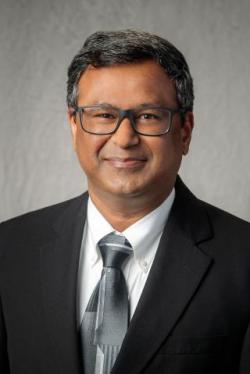
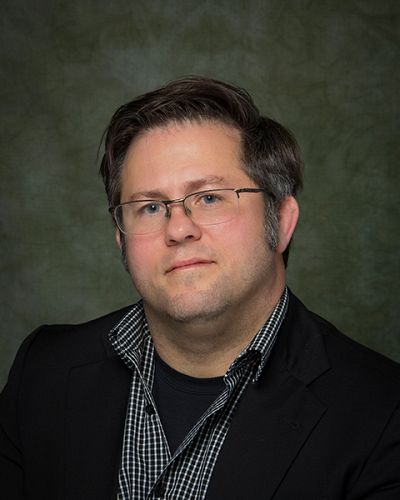
Dr. Éric Hébrard is a Senior Lecturer in Astrophysics at the University of Exeter since 2018, with prior academic roles including NASA Goddard Senior Research Fellow and CNRS Research Associate. His work bridges planetary atmospheres, astrochemistry, and combustion modeling with expertise in 3D chemical simulations. PhD in Physics and Chemistry of Planetary Atmospheres, Université Paris 7 (2006) Magna cum laude Magistère Interuniversitaire de Chimie, ENS Paris (2003) Research focuses on: Exoplanetary atmosphere modeling (hot Jupiters, TRAPPIST-1e) Photochemical kinetics and UV absorption Coupling of atmospheric circulation and chemistry Cross-disciplinary combustion-atmosphere analogs Chemical validation strategies for model accuracy Scientific contributions include: NASA-funded research on organic-rich habitable zones Development of KIDA kinetic database for astrochemistry STFC Consolidated Grant for multi-dimensional chemical models Quantum chemistry integration for Titan atmosphere studies Awards: Higher Education Academy Fellowship (ASPIRE program) NASA Postdoctoral Fellowship (2015-2017) CNES Postdoctoral Fellowship (2007-2009)
Michelle Farkas is an Associate Professor in the Department of Chemistry at the University of Massachusetts Amherst. Her work bridges chemical biology, synthetic chemistry, and cancer biology to develop molecular tools for studying circadian rhythms and macrophage phenotypes in oncology contexts. Affiliated with the Graduate Program in Molecular & Cellular Biology Faculty member at the Center for Bioactive Delivery and Models to Medicine within the Institute for Applied Life Sciences Research focuses on: Designing reporters and modulators for circadian rhythms in cancer models Engineering macrophages for anti-cancer polarization and targeted delivery Developing chemically modified cells and nanozymes for therapeutic/diagnostic applications Scientific contributions include chemical modulation of circadian clocks, bioorthogonal nanozyme systems, and novel cell-based delivery platforms. Her recent publications highlight interdisciplinary approaches combining synthetic chemistry with cancer immunology. DOD-BCRP Postdoctoral Fellow Current projects aim to translate molecular tools into clinical diagnostics and therapies, leveraging collaborations across chemistry, biology, and medicine.
Dr. Julia Swart is an Assistant Professor of Economic Sustainability at Utrecht University's Faculty of Law, Economics and Governance, specifically within the Department of Economics. She is also a board team member of the interdisciplinary Philosophy, Politics and Economics (PPE) bachelor program at Utrecht University. Her academic home is the Utrecht University School of Economics, where she contributes to research within the Institutions for Open Societies (IOS) and Pathways to Sustainability (PtS) frameworks, particularly the PtS - Future Food Utrecht initiative. Dr. Swart holds a PhD in Economics from Erasmus University Rotterdam and Tinbergen Institute, with her thesis titled 'Natural Resources and the Environment: Implications for Economic Development and International Relations.' She also earned an MPhil in Economics from the Tinbergen Institute and an MSc in Economics from the University of São Paulo. During her doctoral studies, she was a visiting scholar at Oxford University's OxCarre. Her research focuses on the intersection of international economics, development economics, and environmental economics, particularly examining how climate change impacts socio-economic outcomes such as economic growth, well-being, and employment. She also investigates necessary adaptation investments to mitigate climate-related costs. Her work on Foreign Direct Investment (FDI) explores how it contributes to development in countries, particularly in Latin America and Brazil, and its environmental impacts. She has also conducted research on Social Technologies, Economic Complexity, and Climate Change Control. Dr. Swart's publication record shows a consistent focus on sustainability, development, and environmental economics across numerous high-impact journals. Her work spans theoretical and applied research, with strong policy implications. She has published on topics including climate change mitigation technologies, sustainable oceans, green investment, FDI in developing contexts, and the relationship between economic complexity and sustainability. She has earned teaching qualifications including the Senior University Teaching Qualification (SKO) in April 2021 and the Basic University Teaching Qualification (BKO) in June 2018. She has supervised 10 bachelor theses and 18 master theses, demonstrating her commitment to student development. Dr. Swart has been actively involved in multiple research projects including 'Gaming for Change' aimed at increasing sustainability knowledge among students, the Delta Climate Center focusing on 'Flexible deltas: nature-based solutions,' and the Signature Project on 'Tackling gender inequality and sustainability in agribusiness' where she serves as Research Leader. She has also contributed to the 'Zero Footprint Campus' initiative and collaborated on the 'Shapes of Thinking' project with the Dutch Ministry of Defense.
Joel Johnson is a Professor in the Department of Earth Sciences at the University of New Hampshire. He teaches courses in Earth History, Structural Geology, Sedimentology, Geotectonics, Geological Oceanography, and research-focused classes. With a Ph.D. in Geological Oceanography from Oregon State University and an M.S. in Structural Geology & Tectonics from the University of Illinois at Urbana-Champaign, his research spans gas hydrate systems, sedimentology, and methane cycling in marine environments. Ph.D., Geological Oceanography, Oregon State University M.S., Structural Geology & Tectonics, University of Illinois at Urbana-Champaign B.S., Geology, University of Minnesota Duluth His work examines gas hydrate dynamics in settings like Hydrate Ridge (Cascadia margin) and Svyatogor Ridge (Fram Strait), focusing on crustal processes , fluid flow mechanisms , and authigenic carbonate formation . Studies in the Gulf of Mexico and Indian continental margins analyze hydrate accumulation controls, while Arctic lake research explores methane emission temperature sensitivity and microbial influences . Collaborative projects include 3D seismic analysis , tectonic stress modeling , and monsoon-driven sedimentation in the Bay of Bengal and Andaman Sea. Recent publications highlight earthquake-enhanced carbon cycling in deep sediments (2023), primary deposition controls on gas hydrate reservoirs (2022), and crustal-scale methane systems in Arctic regions (2022). His 15 most recent articles span 2023-2014, emphasizing gas hydrate systems , methane seepage , sedimentary diagenesis , and tectonic influences on fluid flow. Subfields include authigenic carbonate formation , 3D seismic imaging , isotopic geochemistry , and late Quaternary climate reconstructions . Contact: Joel.Johnson@unh.edu
Dr. Yves Boubenec is an Associate Professor at École Normale Supérieure (ENS)-PSL University, Paris, France. He serves as Head of the LSP Neuro Platform and Director of Studies at the Department of Cognitive Studies. Academic Rank: Associate Professor Institution: ENS-PSL Departments: Cognitive Studies (ENS), LSP Neuro Platform Email: yves.boubenec@ens.psl.eu Research Focus: Boubenec investigates neural mechanisms of auditory perception and cognition using integrated methodologies spanning single-neuron electrophysiology to large-scale neuroimaging. His work reveals how context, learning, and multisensory interactions shape sound encoding in mammalian neocortex. Primary Research Themes Context-dependent auditory encoding Perceptual attention mechanisms Task-driven neural plasticity Self-supervised learning models Population-level cortical dynamics Human/ferret auditory comparisons Publication Trends: Recent work (2024-2025) examines speech production networks, premotor auditory categorization, and algebraic structures in sound learning. Earlier studies (2018-2022) focus on population gating, hierarchical auditory coding, and self-voice mechanisms. 2025 Self-voice frequency analysis Hierarchical ferret auditory cortex mapping Temporal window constraints 2024 Premotor category hemodynamics Self-supervised sound structures Human speech cortical encoding Methodological Expertise: Combines awake ferret functional UltraSound, Neuropixels recordings, and computational modeling to analyze neural representations across spatial scales. Specializes in translating animal model findings to human auditory processes.
Nora H Prior, PhD, is a Senior Research Associate in the Psychology Department at Cornell University, focusing on sensory systems, social behavior, and neurogenomics. Her research team explores avian behavioral neuroscience, with expertise in neuroendocrinology, bioacoustics, and comparative psychology. 2020-2021: Sessional Instructor & course designer, University of British Columbia 2018-2021: Postdoctoral Associate, Avian Behavioral Neuroscience Lab (University of Maryland) 2016-2018: Postdoctoral Fellow, Center for Comparative and Evolutionary Biology of Hearing (University of Maryland) 2015: Postdoctoral Fellow, Neuroethology & Bioacoustics Lab (University of Lyon) 2009-2014: PhD Candidate (University of British Columbia) Her research combines neuroendocrinology, bioacoustics, and behavioral ecology to study avian communication, pair bonding, and neurogenomic responses to environmental stressors. Key topics include: Acoustic fine structure in zebra finch communication Neuroendocrine regulation of monogamy and aggression Effects of water restriction on vocal behavior Differential gene expression in extreme physiological states Temporal processing of vocal sequences Perceptual limitations in avian cognition While her publications span from 2010-2025, recent work emphasizes methodological rigor in neuroscience research, environmental impacts on brain development, and neurogenomic resilience in wild birds. Her 2025 paper on Science Democratization addresses systemic challenges in behavioral neuroscience.
Prof. Dr. Georg Garnweitner is a full Professor of Nanomaterials at the Institute for Particle Technology , Faculty of Mechanical Engineering, Technische Universität Braunschweig. He has served as Dean of Studies since 2023, DFG Liaison Lecturer since 2021, and head of the Laboratory for Emerging Nanometrology (LENA) board since 2013. University Professorship in Nanomaterials (2013–present) Junior Professorship in Nanoparticles/Nanocomposites (2007–2013) Research at Max Planck Institute (2005–2006) His research focuses on nanomaterial synthesis , non-aqueous nanoparticle formation , and energy storage materials , particularly for lithium-sulfur batteries. He also explores drug delivery systems using silica aerogels and optofluidic particle analysis . His work combines materials science , surface chemistry , and advanced characterization techniques . Recent publications highlight breakthroughs in solid-state electrolyte design (2023), solvent-free drug loading (2022), and nanoparticle migration dynamics (2020). He contributes to crystal engineering (2021) and population balance modeling (2017) for nanoparticle formation.
Lisa Nathan is an Associate Professor and current PhD Program Chair at the University of British Columbia's School of Information, situated on unceded Musqueam territory. Her academic home resides within the Department of Library, Archival and Information Studies under the Faculty of Arts, where she directs doctoral studies and teaches specialized courses in information ethics and climate justice. Her research examines the critical intersection of information policy, sustainability, and Indigenous knowledge systems, exploring how information ecosystems shape societal values through frameworks like climate justice and multi-lifespan design. Nathan's work consistently centers on disrupting colonial information practices while developing ethical alternatives through community-engaged scholarship, particularly evident in her collaborations with Indigenous communities on language preservation and cultural protocols. Analysis of her recent publications reveals a strong trajectory toward decolonial computing and environmental justice, with increasing emphasis on Indigenous-led information initiatives and the inclusion of 'other-than-human' participants in design processes. Her scholarly output spans high-impact journals including Journal of Documentation and First Monday, alongside influential books like Digital Technology and Sustainability: Engaging the Paradox. Outstanding Information Science Teacher Award (2017) Honorable Mention Paper Award at ACM CSCW (2016) Leadership in ACM SIGCHI Sustainability initiatives British Columbia Library Association Climate Action Committee Nathan actively supervises doctoral research through UBC's Indigenous Information Studies pathway, currently mentoring Rodrigo dos Santos while having guided recent graduates including Shaffer, Shankar, and Kaczmarek to completion. Her service includes chairing the First Nations Curriculum Concentration (2010-2018) and developing innovative courses like LIBR 564: Information Practice and Protocol in Support of Indigenous Initiatives. As Director of the Centre for Climate Justice research cluster, she fosters interdisciplinary collaborations addressing information policy's role in environmental crises.
Ming Lei is a Professor of Physiology and Pharmacology at the University of Oxford. His research focuses on cardiac electrophysiology, signal transduction, and molecular mechanisms of arrhythmias. He leads the Lei Group , also known as the Cardiac Signalling Group , which explores novel therapeutic targets for cardiovascular diseases. Education: BM, MD, D.Phil Professional Recognition: Fellow of the Royal Society of Biology (FRSB) Recent publications highlight his work on: PAK Kinases as targets for arrhythmias Anti-arrhythmic drug classification and clinical applications Isoform-specific glycosylation of ion channels Optical mapping techniques in preclinical cardiac models Stem cell-derived cardiomyocytes for studying atrial function His research trends emphasize molecular mechanisms of cardiac dysfunction, kinase modulation, and advanced imaging methodologies. The Lei Group collaborates on projects involving genetic models (e.g., RyR2 knock-in mice) and cellular interactions (e.g., myofibroblast-cardiomyocyte crosstalk). Key subfields include signal transduction , lysosomal pathways , ion channel regulation , cardiac hypertrophy , electrophysiological imaging , and stem cell applications .
Elizabeth T Bartom, PhD is an Associate Professor in the Department of Biochemistry and Molecular Genetics at the Feinberg School of Medicine, Northwestern University. She is affiliated with the Simpson Querrey Institute for Epigenetics, Center for Genetic Medicine, and Robert H. Lurie Comprehensive Cancer Center. PhD: Cold Spring Harbor Laboratory (2004) Postdoctoral Fellow: Harvard University and Broad Institute (2006–2010) Her research focuses on chromatin organization , transcriptional regulation , and genomic integrity in cancer and immunobiology. Recent work explores 3D genome effects in bladder cancer and pediatric brain tumors, lipid metabolism in breast cancer, and novel genomic labeling techniques. R50 Research Specialist Award, National Cancer Institute (2023) Outstanding Teacher Award, Feinberg School of Medicine (2021) Dean’s Teaching Award, Driskill Graduate Program (2019) She is a member of the Robert H Lurie Comprehensive Cancer Center (2020–present) and Simpson Querrey Center for Epigenetics (2018–present), with expertise in computational biology and genomics.
Surendranath Suman is an Assistant Dean of Research and Professor in the Department of Animal and Food Sciences at the University of Kentucky's College of Agriculture, Food and Environment. He also holds secondary appointments with the Center for Muscle Biology and the Division of Nutritional Sciences. With over 15 years of academic service at the university, he has progressed from Assistant Professor (2006-2012) to Associate Professor (2012-2017) and currently serves as Professor (2017-present). Dr. Suman earned his B.V.Sc. & A.H. from Kerala Agricultural University (1999), M.V.Sc. from Indian Veterinary Research Institute (2001), and Ph.D. from University of Connecticut (2006). He is also a Diplomate of the American College of Animal Sciences (2010). His research focuses on meat science with particular expertise in proteomics of meat quality, myoglobin chemistry and meat color stability, and novel strategies to improve meat quality. Dr. Suman has made significant contributions to understanding the biochemical mechanisms behind fresh meat color, particularly in beef and pork. His work integrates traditional meat science methodologies with high-throughput proteomic and metabolomic approaches to unravel complex biochemical pathways. Analysis of Dr. Suman's recent publications reveals a strong focus on meat color stability mechanisms, particularly through proteomic approaches. His research spans multiple species including beef cattle, pork, bison, and poultry, with particular attention to mitochondrial functionality, myoglobin chemistry, and post-translational modifications that influence meat quality attributes. Recent work has expanded into metabolomics applications in meat science. Scientific Awards and Recognition Distinguished Research Award, American Meat Science Association (2022) University Research Professor, University of Kentucky (2021) International Lectureship Award, American Meat Science Association (2019) Distinguished Alumni Award, University of Connecticut (2019) Meats Research Award, American Society of Animal Science (2018) Thomas Poe Cooper Distinguished Research Award, University of Kentucky (2017) Bobby Pass Excellence in Grantsmanship Award, University of Kentucky (2016) Special Visiting Researcher Fellowship, Government of Brazil (2014-2017) Early Career Achievement Award, American Society of Animal Science (2013) Dr. Suman has served as an invited speaker internationally across six continents and is an active editorial board member for numerous prestigious journals including Meat and Muscle Biology (Associate Editor), Journal of Animal Science, and Meat Science. His extensive editorial service reflects his standing as a leading authority in meat science research. He has successfully secured multiple research grants, as evidenced by the Bobby Pass Excellence in Grantsmanship Award he received in 2016. As Assistant Dean of Research, Dr. Suman plays a leadership role in advancing research initiatives within the College of Agriculture, Food and Environment. His collaborative research involves multiple laboratories both domestically and internationally, particularly with institutions in Brazil, given his Special Visiting Researcher Fellowship from the Brazilian government. His work bridges fundamental biochemistry with practical applications in meat production and quality assessment.
David B. Grusky is the Barbara Kimball Browning Professor and Edward Ames Edmonds Professor in the School of Humanities and Sciences at Stanford University. He serves as Director of the Stanford Center on Poverty and Inequality, co-editor of Pathways Magazine , Senior Fellow at the Stanford Institute for Economic Policy Research, and Faculty Fellow at the Center for Population Health Sciences. His research examines structural inequality, mobility, and poverty, with an emphasis on data-driven policy solutions. Grusky holds a B.A. in Sociology from Reed College (1980) and an M.S. (1983) and Ph.D. (1987) in Sociology from the University of Wisconsin-Madison. His research addresses late-industrial inequality through multiple lenses: rent-seeking and market failure in income inequality; economic mobility; essentialist barriers to gender equality; cross-class interaction patterns; and the decline of traditional social classes. He pioneers projects leveraging administrative data and qualitative methods to monitor poverty and inequality, including the American Opportunity Study and American Voices Project. Recent publications (2019–2024) focus on economic mobility, COVID-19 impacts, gender segregation, and poverty reduction. These works employ interdisciplinary approaches spanning sociology, economics, network science, and policy analysis, consistently emphasizing empirical rigor and actionable insights for reducing inequality. Major honors include: Member, National Academy of Sciences Member, American Academy of Arts and Sciences Fellow, American Association for the Advancement of Science Max Weber Award (2004, corecipient) Founder, Cornell University Center for the Study of Inequality Former Presidential Young Investigator As Faculty Director of the Stanford Center on Poverty and Inequality, Grusky oversees the annual State of the Union poverty reports and leads initiatives to integrate big data into social policy. The center collaborates with interdisciplinary teams to address contemporary challenges in inequality measurement and intervention.
Nathanael Andrade is a Professor in the History Department at Binghamton University within the College of Arts and Sciences. Specializing in Greek and Roman history, with a focus on the Ancient Mediterranean and Late Antiquity, his work explores the Roman Near East, Hellenistic Syria, and cultural interactions in antiquity. Education: PhD in Greek and Roman History from the University of Michigan; BA from Wesleyan University Research Interests span the Roman and later Roman Near East, including topics like religious pluralism , urban economies , and gender dynamics in antiquity. His scholarship interrogates cultural identity, material culture, and the transmission of ideas across the Mediterranean and Indian Ocean networks. Recent Publications (2025–2009) address diverse themes: Pompey's impact on the Levant, economic circularity in Palmyra, enslaved women and children in Roman legal documents, and the interplay of Greek and Syrian identities. These works situate him at the intersection of military history , social archaeology , and comparative religion . Academic Network includes co-authorship with Rubina Raja on Palmyrene economy, editorial contributions to volumes on the Roman Near East, and affiliations with institutions like the University of Michigan and Wesleyan University.
Jens Carlsson is a Professor at Uppsala University, affiliated with the Department of Cell and Molecular Biology and the Science for Life Laboratory (SciLifeLab) . His research focuses on computational biochemistry , particularly G protein-coupled receptors (GPCRs) , using physics-based modeling to advance structure-based drug design . Academic rank: Full Professor (since 2022) Key methodologies: Molecular dynamics simulations, docking, free energy calculations Research themes: GPCR ligand interactions, virtual chemical space screening, allosteric modulators Recent work (2025) highlights AI-driven discovery of brain disease therapeutics and DNA repair inhibitors , while 2024 projects explore AlphaFold applications in TAAR1 agonist design . His group has received Swedish Research Council grants (3.6M SEK, 6M SEK) and industry collaborations . Scientific awards include the Göran Gustafsson Prize (2016), Excellence Prize in Molecular Design (2022), and Ingvar Carlsson Award (2012). Key students include PhD candidates Mariama Jaiteh and Pierre Matricon , with postdocs like Nicolas Panel and Duy Duc Vo .
Lauri Rautkari is an Associate Professor in the Department of Bioproducts and Biosystems at Aalto University, Finland. His research focuses on water interactions in biomaterials, particularly wood, with an emphasis on developing advanced analytical methods for water vapor sorption, creating novel low-sorption materials, and investigating hygroscopicity and fungal decay resistance in modified wood systems. Research Highlights: Gas-phase ozone treatment for improved wettability, thermal and chemical wood modification, hyperspectral imaging for moisture prediction, bioinspired coatings for fungal protection, and interlaboratory studies on sorption data quality. Recent Publications: Key contributions to understanding lignin's role in moisture interactions, acetylation reversibility, and the impact of fungal degradation on heat-treated wood. The trend in his publications reflects a strong focus on hygroscopicity, chemical modification techniques (acetylation, melamine-formaldehyde impregnation), advanced imaging methods (hyperspectral, neutron scattering), and the development of sustainable wood-based materials for construction and acoustic applications. Collaborative interlaboratory efforts dominate his work, ensuring standardized methodologies for moisture analysis.