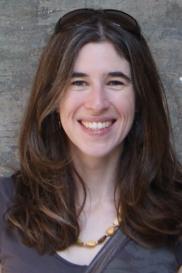
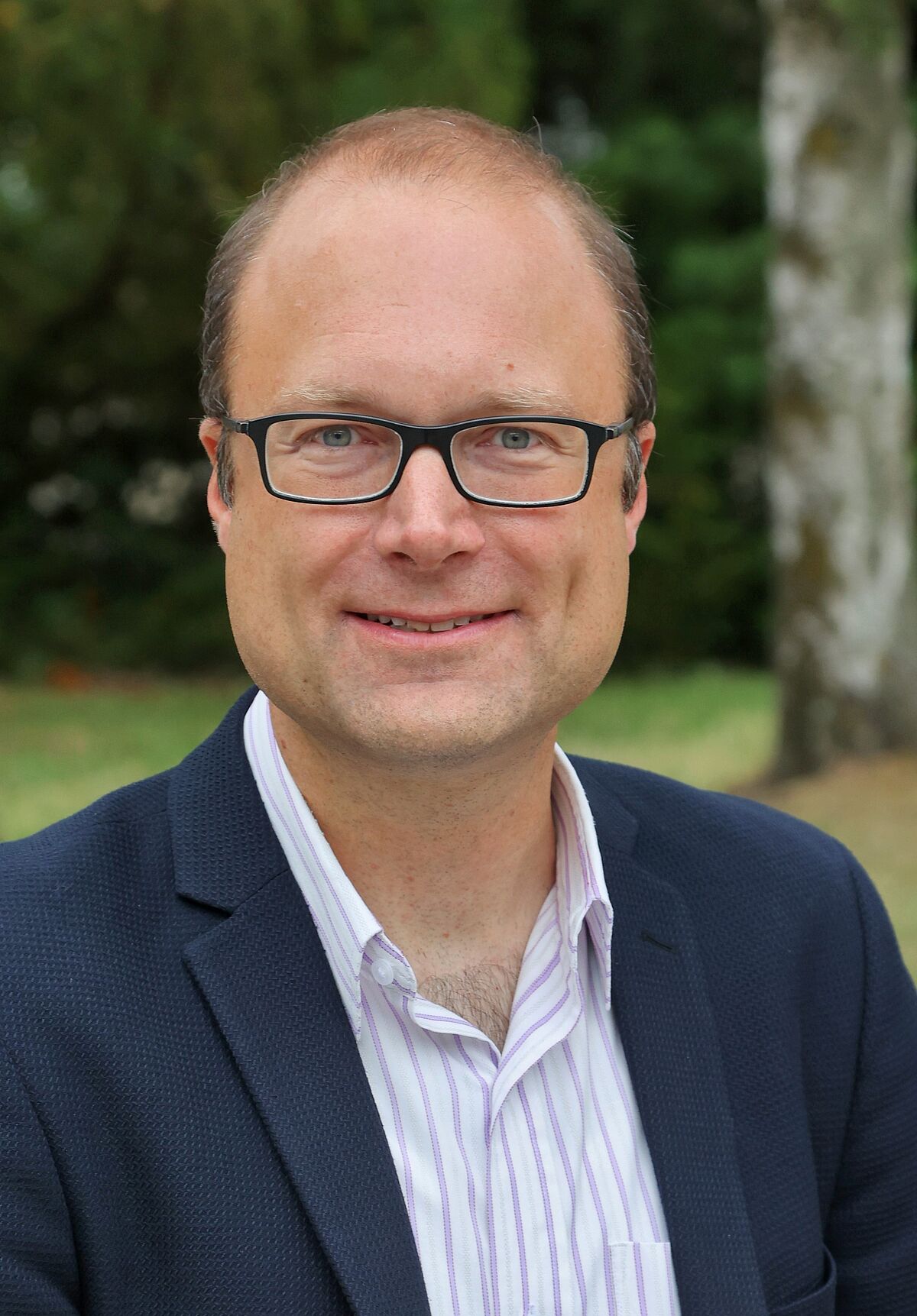
Professor Michael De Volder is a Fellow and College Lecturer at St John's College, University of Cambridge, holding the position of Professor of Advanced Materials Engineering in the Department of Engineering. His research focuses on energy storage solutions, nanotechnology, and scalable manufacturing methods for sustainable battery technologies. Belgian Royal Academy Laureate Co-founder of Echion Technologies (niobium-based anode materials) Expert in Li-ion/Zn-ion battery innovation Research activities center on improving battery sustainability through novel synthesis techniques, extending battery lifetime via structural optimization, and developing high-energy-density materials. His work spans nanoscale engineering, electrode design, and fundamental electrochemical investigations. Scientific publications from 2022-2025 demonstrate expertise in: Li-ion/Zn-ion battery systems, nanotube integration, electrode manufacturing, and degradation analysis. Recent work explores mechanochromic displays, dual-gradient electrodes, and aqueous-organic electrolyte formulations. Belgian Royal Academy Laureate Co-founder of battery technology startup Echion Technologies
Professor Graham Ladds is a Professor of Receptor Pharmacology at the University of Cambridge's Department of Pharmacology and Fellow of St John's College. He serves as Co-Director of the Cambridge Academy of Therapeutic Science and Director of Studies for Pharmacology. His academic journey includes a BSc in Biochemistry from the University of Birmingham and PhD in yeast pheromone signalling from the University of Warwick, where he progressed to Associate Professor before joining Cambridge in 2015. His research focuses on G protein-coupled receptor (GPCR) pharmacology, specializing in: Agonist bias mechanisms and signaling dynamics Mathematical modeling of receptor-ligand interactions RAMPs (Receptor Activity-Modifying Proteins) in Class B1 GPCRs Intracellular calcium signaling pathways Development of biosensors for receptor activity screening He employs multidisciplinary approaches combining pharmacological assays, computational modeling, and machine learning. His recent publications demonstrate strong focus on adenosine receptor pharmacology, GPCR signaling bias, and therapeutic applications for metabolic/cardiovascular disorders. Research frequently appears in high-impact journals with significant industry collaboration themes. Honors include: Fellow of the British Pharmacological Society (2020) Royal Society Industry Fellowship for collaboration with AstraZeneca He leads a 17-member research group investigating GPCR signaling dynamics and maintains active industry partnerships with GSK, Takeda, and AstraZeneca. His teaching includes lectures on drug-receptor interactions and diabetes therapeutics for medical/natural sciences students. Laboratory activities focus on: BRET-based molecular probing of GPCR interactions Development of computational models for receptor activation Calcium signaling studies continuing legacy of Professor Colin Taylor Industry-linked drug discovery projects
Kristy Robinson is an Associate Professor in the Department of Educational and Counselling Psychology at McGill University , where she investigates classroom teaching practices and contextual factors that enhance student motivation and wellbeing. Her research program focuses on creating theoretical and empirical frameworks to support equitable instructional strategies for students' goal achievement. SSHRC-funded researcher FQRSC grant recipient Key Research Areas Motivational climate theory Expectancy-value-cost models STEM education equity Self-determination theory Emotion dynamics in learning Awards & Recognition Canadian Psychological Society President's New Researcher Award AERA Division C Outstanding Early Career Scholar AERA Motivation SIG Wilbert C. McKeachie Early Career Award Top-Producing Educational Psychology Scholar (2024) Research Platforms Director of MILES Lab (Motivation, Instructional, and Learning Experience Study) Developer of "mFlip" flipped classroom framework
Jason Matthews is a Professor in the Department of Nutritional Sciences at the Faculty of Medicine, University of Oslo. He also holds a status-only professorship at the Department of Pharmacology and Toxicology, Faculty of Medicine, University of Toronto, Canada. His research focuses on the aryl hydrocarbon receptor (AHR) and its target gene PARP7/TIPARP in the context of cancer, inflammation, and metabolic diseases. Current positions: University of Oslo (since 2015), University of Toronto (status-only since 2016) Education: PhD (2001, Michigan State University), BSc (1997, University of Western Ontario) Matthews' research investigates how AHR and PARP7 enable cancer cells to evade immune detection and promote tumor growth. His work explores therapeutic strategies combining AHR/PARP7 inhibition with immunotherapy to combat cancer progression. Additional studies examine the AHR-PARP7 axis in chronic inflammatory conditions like obesity and atherosclerosis. Recent publications highlight his team's work on AHR inhibition in pancreatic cancer, PARP7's role in interferon signaling, environmental pollutant impacts on immune gene expression, and novel chemical compounds targeting the AHR pathway. These studies employ cell biology, gene editing, genomics, and preclinical cancer models. Collaborations span institutions including University of Toronto, Karolinska Institute, and University of Leeds, focusing on cancer immunology, nutritional sciences, and drug development.
Daphne van Helden is an Assistant Professor at the Department of Public Administration and Sociology, Erasmus School of Social and Behavioural Sciences, Erasmus University Rotterdam. Her research focuses on the interplay between individual agency and structural factors in academic career advancement, particularly through the lens of gender and digitalization. Academic Career (2024) Gender & Medical Academia (2025) Key research areas include: Structural barriers in academic careers Gendered networks and leadership Digitalization's impact on career trajectories Pandemic-induced career shocks Systematic reviews of career dynamics Her recent publications analyze career disparities in medical academia and the pandemic's dynamic effects on academic work environments. Collaborations span institutions like Erasmus University and focus on occupational career dynamics and gender equality.
Roland Kostić serves as Senior Lecturer in Holocaust and Genocide Studies and Associate Professor in Peace and Conflict Research at the Uppsala Centre for Holocaust and Genocide Studies, Department of History, Uppsala University, Sweden. He is the Director of the Centre, where he teaches and supervises master's level students. His research focuses on: Transitional justice and reconciliation after mass violence and genocide Knowledge production during mass violence and in peacebuilding interventions How formal and informal networks shape intervention knowledge Social psychology, group attitudes, and memory in post-conflict settings Kostić's scholarly work examines the complex relationship between knowledge production, intervention strategies, and social memory in post-conflict societies. His research methodology combines qualitative fieldwork with interdisciplinary theoretical approaches, particularly analyzing how top-down versus bottom-up approaches to transitional justice impact local communities. He has conducted comparative studies across Sierra Leone, Bosnia-Herzegovina, and Timor Leste, investigating how victims and perpetrators coexist after mass atrocities. His publications reveal a strong focus on peacebuilding, transitional justice, and social memory, particularly concerning the Balkan region. Kostić frequently analyzes the role of transnational actors, think tanks, and informal networks in shaping post-conflict reconstruction and reconciliation processes. His work bridges multiple disciplines including political science, sociology, history, and psychology. At Uppsala University, Kostić supervises master's level students and teaches specialized courses including Genocide and Mass Violence II, Political Psychology of Mass Violence, Transitional Justice: Retribution, Restoration, Coexistence, Methods in Comparative Genocide Studies, and the Master's Thesis course. He has published in journals such as Civil Wars, Third World Quarterly, and Journal of Intervention and Statebuilding, and has edited two book volumes while contributing numerous chapters to edited collections. The Uppsala Centre for Holocaust and Genocide Studies, which Kostić directs, functions as a multidisciplinary research hub examining genocide, mass violence, and their aftermath through historical, sociological, and psychological lenses. The Centre's work addresses contemporary challenges in understanding and preventing mass atrocities while exploring pathways to reconciliation and justice.
Christof Weiß is a Professor for Computational Humanities at the CAIDAS / Institute of Computer Science, Julius-Maximilians-Universität Würzburg (JMU), Germany. He serves as Head of the DFG-funded Emmy Noether group on Computational Analysis of Music Audio Recordings: A Cross-Version Approach. His academic journey includes previous positions as Visiting Researcher at University Télécom Paris (2021), Visiting Lecturer at Karlsruhe University of Music (2020, 2021), and Research Assistant at International Audio Laboratories Erlangen (2015-2022) and Fraunhofer Institute for Digital Media Technology (2012-2015). His educational background encompasses a PhD in Media Technology from University of Technology Ilmenau (2017), Concert Diploma in Composition from Würzburg University of Music (2012), Physics Diploma from University of Würzburg (2012), and Music Diploma in Composition from Würzburg University of Music (2011). This unique combination of technical and artistic training forms the foundation of his interdisciplinary research approach. Weiß's research operates at the critical intersection of computer science and musicology, developing novel computational methods for analyzing musical structures in audio recordings. His work bridges technical audio processing with musicological insights, creating methodologies for tonal analysis, key estimation, and cross-version comparison of musical performances. His approach combines deep learning techniques with music theory to extract meaningful patterns from large music corpora, enabling new forms of musicological corpus studies that were previously impossible. His recent publications reveal a clear research trajectory toward integrating advanced machine learning with fundamental musicological questions. The consistent theme across his work involves analyzing classical music structures through computational lenses, with particular emphasis on cross-version consistency in performances, tonal complexity measurement, and developing datasets that support computational musicology. His publications span both highly technical audio processing journals and musicology-focused venues, demonstrating his commitment to bridging these disciplines. Best paper award at the 4th conference on Computational Humanities Research (CHR), 2023 KlarText award for science communication of the Klaus Tschira Foundation, 2018 2nd prize at Festival Pablo Casals composition competition, Prades (France), 2013 Youth Cultural Advancement Award (Kulturförderpreis) of the city of Amberg, Germany, 2011 As principal investigator of the DFG Emmy Noether group, Weiß leads a multidisciplinary research team investigating computational analysis of music audio recordings through a cross-version approach. His research has secured significant funding including the prestigious Emmy Noether program, supporting doctoral and postdoctoral researchers working on various aspects of music information retrieval and computational humanities. His collaborative network spans institutions across Europe, including University Télécom Paris, Queen Mary University of London, and multiple German research centers. Weiß leads the Computational Humanities research group at CAIDAS, which focuses on developing computational methodologies for music analysis with particular emphasis on classical repertoire. The lab creates specialized datasets (including the Wagner Ring Dataset and Schubert Winterreise Dataset), develops algorithms for structural music analysis, and applies these tools to address musicological questions that require computational scale and precision. Their work bridges the gap between technical audio processing capabilities and humanities research questions, creating new pathways for understanding musical structure and evolution.
Lisa Maher is a faculty member in the Department of Anthropology at the University of California, Berkeley, since 2012. She directs the Geoarchaeology and Southwest Asia Prehistory Laboratory, serves as Curator of Lithic Collections at the Hearst Museum of Anthropology, and is affiliated with the Center for Middle Eastern Studies, Center for European Studies, and the University of Toronto’s Archaeology Center. Education: PhD in Anthropology from the University of Toronto (2005) Postdoctoral: Social Science and Humanities Research Council of Canada Postdoctoral Fellow (2005-2007), Arts and Humanities Research Council of Britain-funded Research Associate (2007-2011) Her research investigates Late Pleistocene hunter-gatherer societies in the Eastern Mediterranean and North Africa, focusing on human-environment interactions, transitions to food production, and landscape archaeology. She explores how climate change, technological innovation, and social networks influenced sedentism, population aggregation, and mortuary practices through material culture analysis. Lisa’s recent publications address meat preservation techniques (2019), hut structures in Southwest Asia and Europe (2019), phytolith evidence for Neolithization (2016), and environmental dynamics in the Levant (2016). These works highlight her expertise in geoarchaeology, lithic analysis, and climate-society linkages over 20,000+ years. Scientific Awards: Social Science and Humanities Research Council of Canada Postdoctoral Fellow (2005-2007) Arts and Humanities Research Council of Britain-funded Research Associate (2007-2011) Lisa collaborates with institutions like the University of Toronto, University of Tulsa, and UNLV on projects in Jordan, Cyprus, and Hawaii. She contributes geoarchaeological expertise to regional studies in the Levant, Iran, and Kurdistan, emphasizing interdisciplinary methods and long-term landscape change.
Namık Kemal Öztürk is a Professor at Muğla Sıtkı Koçman University's Faculty of Economics and Administrative Sciences, Department of Public Administration. With a career spanning over three decades, he has established himself as a prominent scholar in Turkish public administration and political science. His academic journey began with a Bachelor's degree from Istanbul University's Faculty of Political Sciences, followed by Master's and Doctoral degrees from Dokuz Eylül University's Institute of Social Sciences in Public Administration. Professor Öztürk's research interests encompass Public Administration, Bureaucracy Studies, Ethics in Public Administration, Turkish Government System, Presidential System, and Local Governance. His scholarly work demonstrates a consistent focus on the intersection of political theory and public administration practice, with particular attention to Turkish institutional contexts. His recent publications reflect evolving interests in digital governance, blockchain technology applications in public service, and contemporary challenges in the presidential system. Analysis of his publication record shows a clear trajectory from traditional public administration topics toward more contemporary governance challenges. His early work focused on ethical values in public administration decisions and bureaucratic reforms, while his recent scholarship addresses digital transformation, presidential systems, and multi-stakeholder governance. This evolution reflects both personal academic development and broader shifts in the field of public administration globally. Among his notable achievements are multiple awards in Total Quality Management article competitions, including recognition from Kalder and TÜSİAD. His scholarly impact is evident through numerous citations of his work, particularly in areas related to public sector performance measurement, bureaucratic ethics, and Turkish constitutional governance. Professor Öztürk has supervised numerous graduate students across diverse topics in public administration, from municipal strategic planning to supply chain management in the public sector. His teaching portfolio includes courses in State Theory, Management Theory, Constitutional Law, and Bureaucracy, reflecting his broad expertise across political science and public administration disciplines.
Dimitrios (Dimitris) Anastasiou is a Senior Group Leader at The Francis Crick Institute in London, UK, specializing in cancer metabolism research. Previously, he served as a Group Leader at the Medical Research Council National Institute for Medical Research (NIMR) starting in 2012 before transitioning to the Crick Institute in 2015. His research career includes postdoctoral work and an Instructor position at Beth Israel Deaconess Medical Center and the Department of Systems Biology, Harvard Medical School under Lewis Cantley, where he focused on metabolic reprogramming in cancer. University College London, UK - BSc Molecular Biology (2001) University of Basel, Basel, Switzerland - PhD in Biochemistry (2006) Anastasiou's research centers on understanding how cancer cells generate energy and utilize nutrients differently from normal cells. His laboratory conducts detailed analyses of metabolic pathways in cancer, investigating how tumor cells rewire their metabolism to support rapid growth and evade the body's defenses. His work spans biochemistry, proteomics, computational systems biology, human physiology, and tumor biology, with particular emphasis on identifying metabolic vulnerabilities that could be targeted for cancer therapy. His innovative approaches include developing chemical 'sensors' to monitor metabolic changes in cancer cells over time as tumors develop. Analysis of his recent publications reveals a consistent focus on metabolic regulation in cancer, particularly regarding glycolysis, hypoxia response, amino acid metabolism, and nucleotide biosynthesis. His work frequently examines enzyme regulation (particularly PKM2), metabolic adaptation to environmental stressors, and the intersection between metabolism and signaling pathways. A notable trend is his exploration of how metabolic enzymes function beyond their traditional roles, influencing cellular signaling and gene expression in cancer contexts. Anastasiou has made significant contributions to understanding metabolic reprogramming in cancer, particularly regarding pyruvate kinase M2 regulation, hypoxia responses, and nutrient utilization in tumor microenvironments. His work bridges basic biochemical mechanisms with potential therapeutic applications, focusing on identifying metabolic vulnerabilities in cancer cells that could be exploited for treatment. As a Senior Group Leader at the Crick Institute, Anastasiou leads a research group investigating how metabolism contributes to disease, particularly cancer. His laboratory utilizes a range of techniques including metabolomics, bioinformatics, structural biology, and high-throughput screening to study metabolic pathways. The group's work aims to identify fundamental differences between metabolic pathways in tumors and healthy tissue to discover new therapeutic targets against cancer.
Daniel Schiller is a Professor of Economic and Social Geography at the University of Greifswald, where he has been employed since April 2016. He currently serves as Vice Rector for Research and Transfer (since April 2025) and has held several significant administrative positions including Managing Director of the Institute of Geography and Geology (2020-2024) and Vice Dean of the Faculty of Mathematics and Natural Sciences (2020-2023). His academic affiliations include leadership roles at the Steinbeis Research Center for Regional Economics and membership in the Northeast Regional Working Group at the Academy for Spatial Development. Professor Schiller's research focuses on knowledge-based and sustainable regional development, transformation of regional economies, spatial justice, and futures of globalization, with regional expertise in Germany, the Baltic Sea region, and East and Southeast Asia. His work bridges theoretical economic geography with practical regional development challenges, particularly examining innovation systems, bioeconomy transitions, and the spatial dimensions of sustainability. His publications reveal a strong emphasis on how regions navigate economic transformation, with particular attention to the role of institutions, networks, and governance in shaping regional development trajectories. His recent publications demonstrate a clear trend toward examining sustainability transitions in regional contexts, with increasing focus on bioeconomy development, One Health approaches, and the spatial dimensions of innovation. The geographical scope of his work spans from local German regions to East Asian contexts, particularly China's innovation systems. Methodologically, his work combines qualitative case studies with spatial analysis and theoretical frameworks from economic geography and innovation studies. Scientific Prize 'Human Geography' of the Prof. Dr. Frithjof Voss Foundation for Geography (2013) Professor Schiller has secured substantial research funding from multiple sources including BMBF, DFG, EU, and regional programs, leading major projects such as Plant³ RIIS, RegioTransformOH, and ChiKUBIG. His research portfolio demonstrates strong international collaboration, particularly with Chinese institutions. As Chair of Examination Boards for M.Sc. programs in Regional Development and Tourism and Bioeconomy, he plays a significant role in academic program development and student education. His leadership extends to the WIR! innovation alliance Plant³, where he serves as spokesperson since 2019. Through his work at the Steinbeis Research Center for Regional Economics and various research projects, Professor Schiller leads teams examining regional innovation systems, economic transformation, and sustainable development pathways. His current research agenda focuses on the intersection of bioeconomy development, spatial justice, and regional transformation, with particular attention to how regions can navigate the complex challenges of sustainability transitions while addressing socio-spatial inequalities.
Christopher Grainge is a Conjoint Associate Professor at the University of Newcastle's School of Medicine and Public Health, and a Staff Specialist in Respiratory and General Medicine at John Hunter Hospital. Previously, he served as a Consultant Physician and Senior Lecturer at the University of Southampton. His extensive clinical background includes service in the Royal Navy, specializing in diving and remote medicine, and deployments to Antarctica and Southern Iraq. Dr. Grainge maintains active research collaborations with institutions worldwide, focusing on respiratory medicine. Dr. Grainge completed his undergraduate training at Imperial College, University of London, with an intercalated BSc. He earned his PhD from the University of Southampton in 2011, with research published in the New England Journal of Medicine. His thesis examined the effect of repeated bronchoconstriction on airways in asthma. He also holds membership in the Royal College of Physicians and was awarded the Diploma in the Medical Care of Catastrophes, specializing in remote and refugee medicine. Dr. Grainge's research focuses on the role of mechanical forces in asthma pathophysiology, environmental dusts in lung disease development, and platelet antagonists' effects on allergen challenge. His work demonstrates that mechanical forces play a crucial role in determining long-term changes in human airways. He leads investigations into how environmental exposure to inhaled particles leads to conditions like constrictive bronchiolitis, and explores novel therapeutic pathways for asthma through platelet activation inhibition. His research has significant clinical implications for difficult asthma and interstitial lung disease management. Dr. Grainge's recent publications reflect strong trends in interstitial lung disease research, particularly idiopathic pulmonary fibrosis, and asthma mechanisms. His work increasingly incorporates advanced technologies like artificial intelligence for disease stratification and deep learning for predicting disease progression. Collaborative research with international teams examines biomarkers for disease progression and novel treatment approaches for fibrotic lung diseases, with a particular focus on quantitative CT analysis and patient-reported outcome measures. Leatherdale Prize for Clinical Teaching: Finalist (2013) Military and Civilian Health Partnership Awards Winner (2011) University of Southampton Translational Medicine Research Prize (2011) Michael Arthur Clinical Research Prize (2014) British Lung Foundation Travel Fellowship (2011) Gilbert Blane Medal (2010) Colt Foundation Prize: Finalist (2010) Asthma UK Travel Fellowship (2009) Dr. Grainge has received significant research funding from the British Lung Foundation, the Southampton Marine and Maritime Institute, the Institute for Life Sciences, and the Gerald Kerkut Foundation. His projects investigate the effects of physical and environmental stress on lung disease, mechanisms underlying lung disease development following environmental particle exposure, and potential therapies. He has collaborated extensively with research teams across Australia, the UK, the Netherlands, and South Africa, contributing to the training of numerous students and junior researchers through his supervision and mentorship roles. Dr. Grainge collaborates extensively with the Respiratory Research group at the University of Southampton, the Asthma and COPD Research Group at the University of Groningen in the Netherlands, and the Microbiome group at the South Australia Medical Research Institute. His current work at the Hunter Medical Research Institute (HMRI) focuses on mechanical forces within airways and their impact on acute and long-term lung changes in patients with airway diseases. He is also involved in the Australian IPF Registry, contributing to multicenter studies on idiopathic pulmonary fibrosis progression and treatment outcomes.
Dr. Yanjie Fu is an Associate Professor in the School of Computing and AI at Arizona State University, part of the Ira A. Fulton Schools of Engineering. He maintains his office in BYENG 506 at the Tempe campus and can be reached at yanjie.fu@asu.edu. Dr. Fu received his Ph.D. from Rutgers University in 2016, the B.E. degree from the University of Science and Technology of China, and the M.E. degree from the Chinese Academy of Sciences. His industry research experience includes positions at Microsoft Research Asia and IBM Thomas J. Watson Research Center. His research focuses on developing disruption-robust machine intelligence that can handle imperfect and complex data. Dr. Fu's work spans two major efforts: Data for AI (D4AI), exploring how structure knowledge of data can guide AI, and AI for Data (AI4D), investigating how AI can augment, reprogram, and knowledgeize data. His current research interests include space-time intelligence, data-centric AI, sim2decision, multimodal reasoning, and LLM with agentic AI. His lab has contributed projects including D4AI-spatial, D4AI-timeseries, D4AI-causal outliers, AI4D-RL, AI4D-Gen, and AI4D-LLM. Dr. Fu's recent publications reveal a strong trend toward integrating causal reasoning with deep learning for robust anomaly detection, advancing time series forecasting with novel normalization techniques, and applying generative AI to urban planning. His work increasingly bridges traditional machine learning with large language models, particularly focusing on data-centric approaches for tabular data transformation and feature engineering. US NAE FOE early career engineer (2023) US NSF CAREER (2021) NSF CRII (2018) ACM KDD18 Best Student Paper Finalist IEEE ICDM Best Paper Finalist (2014, 2021, 2022) ACM SIGSpatial Best Paper Runner-up (2020) 2022 Baidu Scholar global top Chinese young scholars in AI 2021 Aminer.org AI 2000 Most Influential Scholar Award Honorable Mention Dr. Fu has successfully mentored multiple Ph.D. students who have secured tenure-track faculty positions at prestigious institutions including University of Kansas, Chinese Academy of Sciences, Great Bay University, Portland State University, and University of Macau. His research has been supported by significant grants including the NSF CAREER award, and he currently serves as Associate Editor of ACM Transactions on Knowledge Discovery from Data. He is also a senior member of both ACM and IEEE. Dr. Fu leads a research group focused on developing trusted and safe machine intelligence. The lab connects computing issues across representation learning, self-supervised learning, interactive learning, adaptive learning, and stream learning to build disruption-robust frameworks. The group executes two key steps: data representation construct (integrating structure knowledge, self-optimization, explainability) and learning strategy construct (integrating robust representations with adaptive and interactive learning).
Sameer Naik is a Senior Lecturer at the School of Mechanical Engineering , Purdue University, where he has been actively involved in research since his Ph.D. graduation from Purdue in 2004. His work bridges fundamental combustion science and applied engineering for energy systems. Ph.D., Purdue University, 2004 Dr. Naik's research focuses on gas turbine combustion and internal combustion engines , utilizing advanced laser-based spectroscopy techniques for diagnostics. His expertise spans thermodynamics , combustion chemistry , and environmental impact analysis in propulsion systems. His publication record (10+ peer-reviewed articles) demonstrates technical leadership in laser-induced fluorescence applications, CARS spectroscopy , and high-pressure combustion analysis . These works address critical challenges in sustainable energy and transportation technologies , particularly in reducing emissions from gas turbines. Contact: naiks@purdue.edu
Andy White is Professor of Practice and Engagement at the University of Michigan's School for Environment and Sustainability (SEAS), where he leads courses on Indigenous Rights, Conservation, and Climate Action. He advises the Eastern Band of Cherokee Indians on land return initiatives and convenes the international Pathways Alliance for Change and Transformation (PACT). Prior to joining SEAS in 2023, he co-founded the Rights and Resources Initiative (RRI) and served as president of its secretariat, Rights and Resources Group. His research spans environmental justice, sustainability, forest tenure systems, climate policy, and community-based governance. White's work emphasizes the role of Indigenous Peoples in conservation and climate solutions, with field experience across 30+ countries. Key themes include market-based conservation mechanisms, land rights, and equitable resource governance. White's scholarly publications (1995–2011) focus on forest policy, climate adaptation, and community rights. Earlier works analyze collective action and land-use economics, while later publications address carbon markets and tenure reforms. Recurring topics include indigenous livelihoods, forest governance, and policy design for equitable conservation. Leadership in Networks: Co-founded Rights and Resources Initiative (RRI), advancing Indigenous land rights globally Convenor of Pathways Alliance for Change and Transformation (PACT) Co-chaired MegaFlorestais (international forest agency network) Co-chaired Interlaken Group (investor-NGO coalition for community land rights) Co-created International Land and Forest Tenure Facility