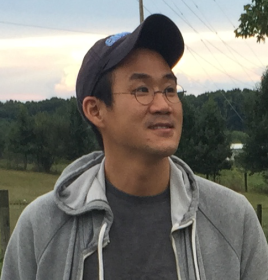
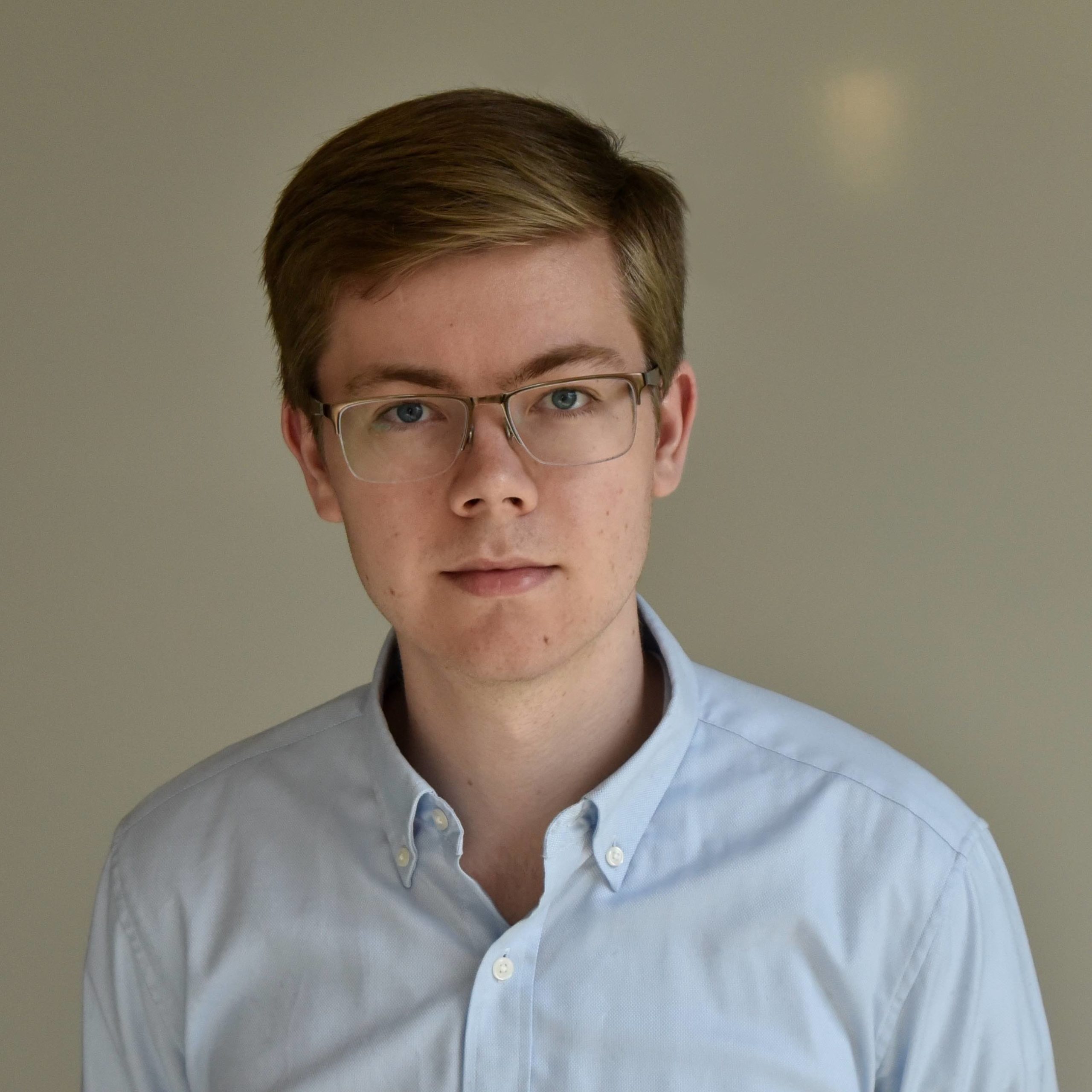
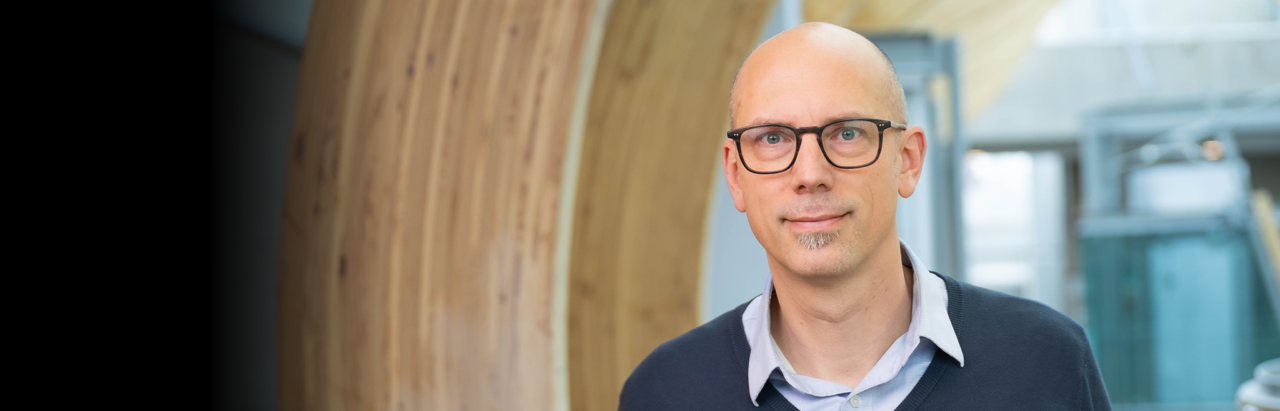
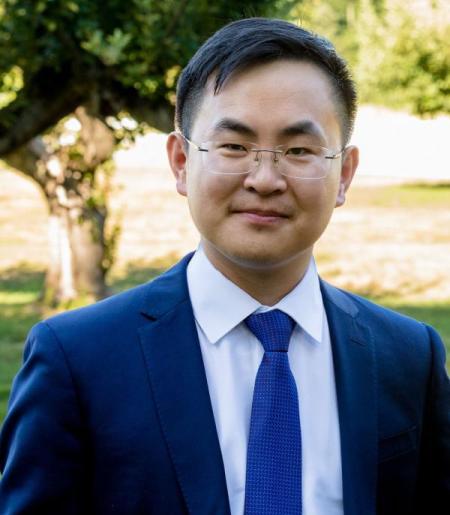
Tae-Ho Lee is an Associate Professor in the Department of Psychology at Virginia Tech, with affiliated appointments in the School of Neuroscience and Translational Biology, Medicine, and Health. His research focuses on affective and cognitive neural development across the lifespan, neurodegeneration, and family-based neural dynamics. PhD in Brain and Cognitive Science, University of Southern California M.A. in Clinical Psychology, Korea University B.A. in Psychology, Korea University Dr. Lee’s work explores brain connectome dynamics, dyadic neural concordance in families, and age-related attentional control. He employs neuroimaging techniques to study how familial and environmental factors shape emotional and cognitive outcomes in adolescents and older adults. Recent publications highlight trends in longitudinal studies , parent-child neural similarity , and functional connectivity in emotion regulation . Key areas include autism spectrum disorder, substance misuse risk, and the role of socioeconomic factors in brain development. Rising Star , Association for Psychological Science (2020) Dr. Lee is not currently accepting students and leads the Affective Neurodynamics and Development (AND) Lab at Virginia Tech.
David H. Sherman is the Hans W. Vahlteich Professor of Medicinal Chemistry at the University of Michigan, holding joint appointments in the College of Pharmacy (Department of Medicinal Chemistry), Medical School (Microbiology & Immunology), and College of Literature, Science, and the Arts (Chemistry). He leads the Sherman Lab at the Life Sciences Institute and co-founded the Natural Products Discovery Core. His research focuses on natural product discovery, biosynthetic pathways, and drug development for infectious diseases, cancer, and neurological disorders. Education: PhD in Synthetic Organic Chemistry from Columbia University (1981), BA in Chemistry from UC Santa Cruz (1978). Postdoctoral research at MIT (1984). Research interests include microbial secondary metabolites, enzymatic catalysis (e.g., C-H functionalization, polyketide assembly), and high-throughput drug screening. He pioneered a microbial natural product library with over 50,000 samples. Current projects emphasize developing macrolide antibiotics and advancing compounds toward clinical trials through the Natural Products Biosciences Initiative. Collaborations span global institutions, with a focus on biodiversity conservation and capacity-building in low-income nations. He has mentored 67 PhD students, 60 postdocs, and 85+ undergraduates, fostering interdisciplinary training in chemical biology and microbial biochemistry. Labs/Teams: Sherman Lab (Life Sciences Institute), Center Member at Samuel and Jean Frankel Cardiovascular Center, Center for Computational Medicine and Bioinformatics, Rogel Cancer Center.
Connor Coley is the Henri Slezynger (1957) Career Development Assistant Professor at the Massachusetts Institute of Technology (MIT) School of Engineering. His research bridges chemistry and machine learning, focusing on autonomous molecular discovery, predictive chemistry, and laboratory automation. Education: Ph.D., MIT (2019) M.S.CEP., MIT (2016) B.S., Caltech (2014) Research Interests: Dr. Coley’s work centers on domain-informed machine learning for chemistry, computer-aided molecular design, and autonomous laboratories. Key themes include predictive modeling of chemical reactivity, optimization of synthesis pathways, and integration of AI with experimental data for drug discovery and materials science. Publications: His recent articles highlight advancements in AI-driven reaction prediction, molecular representation learning, and laboratory automation. Trends include applications of Bayesian optimization, contrastive learning, and diffusion models to chemical discovery. Scientific Awards: Camille Dreyfus Teacher-Scholar Award (2025) James W. Swan Outstanding Faculty (2025) Schmidt Futures AI2050 Early Career Fellow (2022) NSF CAREER Award (2021) Forbes 30 Under 30: Healthcare (2019) Software & Tools: He leads the open-source ASKCOS software suite for synthesis planning, adopted by 35,000+ chemists and deployed at 15+ pharmaceutical companies. His team also develops tools for metabolomics and molecular representation learning.
Thibault Mayor is a Professor in the Department of Biochemistry and Molecular Biology and the Michael Smith Laboratories at the University of British Columbia (Vancouver). His research focuses on understanding how cells manage misfolded proteins, with implications for neurodegenerative diseases like Parkinson's and Alzheimer's. He holds academic affiliations with the Centre for High-Throughput Biology (CHiBi) and has been recognized with awards including the UBC Killam Teaching Award (2020). Education: BSc, University of Geneva, Switzerland (1997) PhD, University of Geneva & Max Planck Institute of Biochemistry, Germany (2001) Postdoctoral Fellow, California Institute of Technology (2002) Research Interests: Mayor's lab investigates protein homeostasis, ubiquitin-proteasome system dynamics, and the molecular mechanisms underlying protein aggregation in aging and disease. Projects include proteomic approaches to identify aggregation-prone proteins and develop microbial cell factories for protein production. Grants & Awards: CIHR Project Grant ($730K, 2018) Michael Smith Foundation Career Award (2012) UBC Killam Teaching Award (2020) Labs & Collaborations: The Mayor Lab is part of the Michael Smith Laboratories and collaborates with computational biologists like Jörg Gsponer. They maintain active partnerships in proteomics and systems biology, contributing to initiatives like the BC Proteomics Network.
Prof. Paul Stupple is a Professor of Medicinal Chemistry at Monash University, Australia, with over 20 years' experience in pharmaceutical industry and academia. He holds leadership roles at Canthera Discovery and manages the Australian Translational Medicinal Chemistry Facility. His expertise lies in small molecule drug discovery, particularly targeting cancer therapies and epigenetic regulators. Affiliations: Monash University, Faculty of Pharmacy and Pharmaceutical Sciences Canthera Discovery (Director, Medicinal Chemistry) Education: BA and DPhil in Chemistry from the University of Oxford (1992–1999). Early career at Pfizer as a medicinal chemistry leader, delivering 6 clinical candidates. Key contributions include: Licensing deals with Merck (2016) and Pfizer (2018) for preclinical projects Leading the Cancer Therapeutics CRC's medicinal chemistry program Research Interests: Small molecule drug discovery focused on histone acetyltransferase inhibitors, cancer therapeutics, and epigenetic modulation. Notable projects include development of KAT6A/B inhibitors for ER+ breast cancer and STING agonists for immunotherapy. Grants/Projects: Principal Investigator for major initiatives like MedChem Australia (2023–2028) and drug target identification platforms. Collaborates widely with institutions like WEHI and University of Sydney. Over 28 peer-reviewed publications spanning 1997–2025. Labs/Teams: Oversees the Australian Translational Medicinal Chemistry Facility, a key resource for drug discovery in Australia.
Weiping Tang is a Professor of Pharmaceutical Sciences and Chemistry at the University of Wisconsin-Madison, holding the Janis Apinis Professorship in the School of Pharmacy and the Vilas Distinguished Achievement Professorship. He also serves as Director of the Medicinal Chemistry Center at the School of Pharmacy and maintains a faculty appointment with the Department of Chemistry in the College of Letters and Science. Janis Apinis Professor of Pharmaceutical Sciences Vilas Distinguished Achievement Professor Director of Medicinal Chemistry Center Faculty Appointment with Department of Chemistry Dr. Tang received his B.S. in Chemistry from Peking University in 1997, M.S. in Chemistry from New York University in 1999, Ph.D. in Organic Chemistry from Stanford University in 2005, and completed a postdoctoral fellowship in Medicinal Chemistry, Chemical Biology and Drug Discovery at Harvard University in 2007. Dr. Tang's research program focuses on drug discovery for cancer, infectious diseases, and neurodegenerative disorders through three interconnected areas: Organic Synthesis (advancing glycoscience through novel carbohydrate synthesis technologies), Medicinal Chemistry (developing small molecules that selectively remove disease-associated proteins), and Chemical Biology (dissecting biological pathways using novel small molecule probes). His group operates as an interdisciplinary team where chemists and biologists collaborate closely on drug discovery projects, with particular emphasis on developing novel degraders for disease-causing proteins. Analysis of Dr. Tang's publication record reveals a significant shift toward targeted protein degradation technologies, particularly PROTACs and molecular glues, while maintaining strong foundations in carbohydrate chemistry. His most impactful recent work includes developing degraders for extracellular and membrane proteins (previously considered 'undruggable'), creating rapid synthesis platforms like Rapid-TAC and Rapid-Glue, and advancing understanding of ternary complex formation for novel PROTAC design. His research spans both chemical methodology development and therapeutic applications across multiple disease areas. Vilas Distinguished Achievement Professorship Janis Apinis Professorship Numerous high-impact publications in leading chemistry and pharmacology journals Editor's pick and hot paper designations for significant contributions Dr. Tang mentors a diverse team of graduate students, postdoctoral fellows, and staff scientists with expertise spanning synthetic chemistry, medicinal chemistry, carbohydrate chemistry, computational chemistry, biochemistry, and cell biology. His group has developed innovative platforms for the rapid synthesis of protein degraders and has made significant contributions to understanding the mechanisms of action for these novel therapeutics. Current research includes developing selective degraders for cancer targets like RIPK1, BRD4, and CARM1, as well as advancing delivery systems for clinical translation. The Tang Research Group maintains state-of-the-art facilities within the School of Pharmacy at UW-Madison, equipped for comprehensive chemical synthesis, compound characterization, and biological evaluation. The group actively collaborates with researchers across campus and with industry partners to advance discoveries toward clinical applications, with particular focus on cancer therapeutics and protein degradation technologies.
J. Anthony Movshon is a Professor at New York University (NYU) in the Department of Psychology and a key member of NYU's Center for Neural Science (CNS). His research focuses on the primate visual system, particularly the encoding and decoding of visual information in cortical areas like V1 and MT, and its role in behavior and perception. Education: Doctorate in Visual Neurophysiology and Psychophysics from Cambridge University Research Interests: Movshon investigates the functional architecture of the visual cortex, emphasizing motion, form, and color processing. His work explores how neural activity relates to perceptual decisions and motor behavior, using electrophysiological recordings, neuroimaging, and computational models. He also studies developmental disorders like amblyopia and their impact on visual system organization. Publications: His recent work spans visual texture selectivity in V2, contextual modulation in neural responses, motion processing in MT, and decoding mechanisms in visual cortex. These studies employ interdisciplinary approaches blending neurophysiology, computational neuroscience, and cognitive modeling. Labs & Collaborations: Movshon leads the Visual Neuroscience Laboratory at NYU, collaborating with researchers such as Michael Hawken, Lynne Kiorpes, and Eero Simoncelli.
John M. Woodley is a distinguished Professor in the Department of Chemical and Biochemical Engineering at the Technical University of Denmark (DTU), where he leads research at the PROSYS - Process and Systems Engineering Centre and contributes to the DTU Microbes Initiative. With over 30 years of experience, he has established himself as a leading expert in biocatalysis and bioprocess engineering, with research spanning both theoretical and experimental work across multiple scales. His primary research interests focus on the interface of bioprocess engineering, process chemistry, and reaction engineering. Dr. Woodley's work encompasses multi-step biocatalysis (including systems biocatalysis and flow chemistry), downstream processing from biocatalytic reactors and fermentations (including ISPR), modeling tools for bioprocess assessment (thermodynamics, kinetics, process simulation, economic evaluation), and bio-oxidations (including oxygen supply methods). His enzymatic investigations particularly target alcohol oxidases, carbohydrate oxidases, cytochrome P450s, Baeyer-Villiger monooxygenases, and transaminases. His research portfolio demonstrates consistent innovation in sustainable chemical production, with particular emphasis on enzymatic synthesis of pharmaceuticals and chemicals from renewable resources. Analysis of his recent publications reveals a strong focus on overcoming industrial implementation challenges, particularly regarding enzyme stability in various reactor environments, optimization of multi-enzyme systems, and scale-up methodologies for biocatalytic processes. Dr. Woodley actively supervises multiple PhD students and leads several significant research projects, including 'P450-based biocatalytic processes for the pharmaceutical industry' (2025-2028), 'Integrated model for up- and downstream bioprocess intensification' (2024-2027), and 'ENFACE: A tool for prediction of enzyme stability at gas-liquid interfaces' (2024-2027). His work has resulted in an impressive publication record of 781 research outputs across various formats, including journal articles, book chapters, and conference proceedings. His research group operates within the Department of Chemical and Biochemical Engineering at DTU, utilizing advanced facilities for biocatalysis research, including specialized reactor systems for studying gas-liquid interfaces, computational modeling resources, and laboratories for enzyme characterization and bioprocess development. Through his leadership in the PROSYS center, he contributes to DTU's strategic focus on sustainable process technologies and systems engineering.
Dr. Rajesh Bera is a Research Fellow at ICFO's Functional Optoelectronic Nanomaterials group specializing in quantum-confined nanostructures. His research examines ultrafast carrier dynamics, excitonic properties, and optoelectronic applications of nanomaterials including quantum dots, nanoplatelets, and hybrid nanostructures. Current investigations focus on intraband transitions in doped nanocrystals, orientation-dependent excitonic behavior in 2D materials, and charge transfer mechanisms in heterostructure devices. Work bridges fundamental photophysics with applications in photodetection, sensing, and energy conversion. Recent publications demonstrate expertise in time-resolved spectroscopy of quantum materials, nanomaterial synthesis via colloidal chemistry, and rational design of optoelectronic devices. Continually develops novel characterization methods to probe ultrafast processes at nanoscale interfaces.
Yao Yang is an Assistant Professor in the Department of Chemistry and Chemical Biology at Cornell University's College of Arts and Sciences. His research focuses on developing multimodal operando electron microscopy and synchrotron X-ray methods to probe electrochemical dynamics at solid-liquid interfaces for energy materials. PhD, Cornell University (2021) Miller Postdoctoral Fellow, UC Berkeley (2021-2024) Research interests span fundamental electrochemistry and energy material interfaces, particularly CO2 reduction, clean H2 production, and rechargeable batteries. The Yang group specializes in operando electrochemical liquid-cell scanning transmission electron microscopy (EC-STEM) and correlative synchrotron X-ray methods at Cornell Center for Materials Research (CCMR) and Cornell High Energy Synchrotron Source (CHESS). Recent publications highlight atomic-scale imaging of catalyst dynamics, Tafel slope analysis, and epitaxial growth techniques for enhanced electrocatalysts. Articles demonstrate interdisciplinary approaches combining electrochemistry, nanoscience, and advanced characterization. Scientific Awards: 2025 ACS Materials and Interfaces Outstanding Presentations by Young Investigators Award 2024 Journal of Materials Research Distinguished Invited Speaker Miller Postdoctoral Fellowship (2021-2024) 2023 Best Early Career Presentation at MRS Spring 2022 ACS AC/DC Rising Stars in Analytical Chemistry Contact: yaoyang@cornell.edu
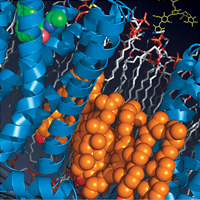
Vadim Cherezov, the Ester Dornsife Chair in Biological Sciences and Professor at the University of Southern California (USC), leads groundbreaking research in membrane protein structure and function. Affiliated with the Bridge Institute, Department of Chemistry, and Michelson Center for Convergent Bioscience, his work focuses on GPCRs, ion channels, and transporters—critical targets for drug discovery. His team leverages advanced techniques like Lipidic Cubic Phase (LCP) and Serial Femtosecond Crystallography (SFX) at XFEL facilities to solve high-resolution structures under physiological conditions. Institutional Affiliations: Bridge Institute, USC Michelson Center, Department of Chemistry, Department of Pharmacology and Pharmaceutical Sciences. Key Collaborations: Katritch Lab, Kuhn Lab, NIH, European XFEL. His research explores the role of lipids in modulating GPCR function, addressing diseases like Alzheimer’s, diabetes, and cancer. By solving the structure of the A 2A adenosine receptor via sulfur SAD phasing at XFEL, Cherezov’s lab demonstrated de novo phasing without heavy atoms. This breakthrough enables structural studies of previously intractable membrane proteins. Scientific Awards & Grants: NIH R01 GM108635, U54 GM094618, U54 GM094599, R01 GM095583 Science Signaling Breakthroughs of the Year (2014) Cherezov mentors a dynamic team, including postdocs (e.g., Dong-Gyun Kim), graduate students (e.g., Behnaz Davoudinasab), and alumni (e.g., Benjamin Stauch at Eli Lilly, Nairie Michaelian at Genentech). His lab’s publications span Nature , Science , and Cell , with recent work on Science Advances (2025) addressing ABEL-FRET for GPCR dynamics.
Angela D. Kent is a Professor in the Department of Natural Resources and Environmental Sciences at the University of Illinois Urbana-Champaign, where she also serves as Director of the Program in Ecology, Evolution, and Conservation Biology within the School of Integrative Biology. She is affiliated with the Carl R. Woese Institute for Genomic Biology. Her research focuses on microbial communities in agroecosystems and natural environments, particularly their roles in nitrogen cycling, soil health, and sustainable bioenergy production. Key research interests include microbial interactions in plant-microbe systems, the impact of genetic variation in crops on microbial processes, and the ecological and biogeochemical implications of soil microbiomes. She has authored over 99 publications and supervised datasets on topics such as denitrification dynamics, rhizosphere microbiome assembly, and microbial contributions to nitrogen retention. Dr. Kent has received the NACTA Educator Award (2012) and has contributed to high-impact studies on topics like microbial community responses to environmental stressors and the application of stable isotopes in bioenergy research. Her work bridges microbial ecology, agronomy, and environmental science, emphasizing practical solutions for sustainable agriculture and ecosystem management.
Dr. Monica E. McCallum is an Assistant Professor of Chemistry in the Department of Chemistry at the University of Pennsylvania’s School of Arts & Sciences. Her research focuses on understanding the biochemical origins of natural products and their roles in microbial communication. She leads the McCallum Lab, which employs interdisciplinary approaches combining organic synthesis, biochemistry, microbiology, and microscopy to study microbial natural products in their native contexts. Education: 2016 – Postdoctoral Fellow at Harvard University under Prof. Emily P. Balskus 2016 – PhD in Organic Chemistry from Baylor University 2013 – PhD Candidate at Colorado State University 2011 – B.S. in Chemistry from University of California, Irvine Research Interests: Dr. McCallum’s work bridges organic synthesis and microbiology to decode microbial metabolite functions. Key themes include: Synthesizing complex natural products and their biosynthetic precursors Discovering novel enzyme-catalyzed reactions Unraveling microbial communication mechanisms via natural products Investigating environmental microbial community dynamics Lab & Collaborations: The McCallum Lab emphasizes interdisciplinary collaboration, integrating techniques from organic chemistry, molecular biology, and microscopy to study natural products in situ. Current projects focus on diazeniumdiolate biosynthesis pathways and enzymatic detoxification of marine toxins.
Dr. Xinwei Ye serves as a Researcher in the Inorganic Chemistry and Catalysis division at Utrecht University's Faculty of Science. His primary affiliation is with the Department of Chemistry, where he conducts cutting-edge research on heterogeneous catalysis for environmental applications, particularly focusing on selective catalytic reduction (SCR) systems for automotive emissions control. With a strong background in inorganic materials and advanced characterization techniques, Dr. Ye contributes significantly to understanding catalyst structure-performance relationships. Educational Background: Master of Science (MSc) - Institution not specified in source Doctor of Philosophy (PhD) in Chemistry, Utrecht University (2022) Dr. Ye's research program centers on the development and mechanistic investigation of copper-exchanged zeolite catalysts for NH 3 -SCR processes. His work integrates multiple advanced characterization methodologies including operando spectroscopy, scanning transmission X-ray microscopy (STXM), and atom probe tomography to probe catalyst behavior under working conditions at nanometer resolution. This multi-technique approach enables unprecedented insights into active site speciation, reaction mechanisms, and deactivation pathways in emission control catalysts. Analysis of Dr. Ye's publication record from 2018-2022 reveals a cohesive research trajectory focused on copper-zeolite SCR catalysts. His work consistently addresses critical challenges in catalyst durability and performance optimization through fundamental understanding of structure-activity relationships. The publications demonstrate increasing sophistication in experimental approaches, moving from membrane synthesis (2018) to nanoscale deactivation studies (2020) and ultimately to comprehensive structure-performance correlations in his doctoral thesis (2022). As a core member of Utrecht University's catalysis research community, Dr. Ye collaborates extensively with the renowned Weckhuysen group. His research is conducted within well-equipped laboratories featuring state-of-the-art instrumentation for catalyst synthesis, testing, and characterization, including access to synchrotron radiation facilities for advanced X-ray techniques.
Dr. Steven G. Clarke is a Distinguished Professor at UCLA Department of Chemistry & Biochemistry and director of research at the Molecular Biology Institute . His work bridges protein chemistry , methylation biology , and aging research through studies of spontaneous protein damage and its repair mechanisms. Education: BA in Chemistry and Zoology, Pomona College (magna cum laude, Phi Beta Kappa) PhD in Biochemistry and Molecular Biology, Harvard University (NSF Fellow) Postdoctoral Fellowship at UC Berkeley (Miller Fellow) Dr. Clarke's research focuses on protein isoaspartyl repair via PCMT1/PIMT enzymes , ribosomal protein methylation in Saccharomyces cerevisiae , and PRMT family characterization including PRMT7 and PRMT9. His lab combines biochemical assays , genetic models , and structural analysis to investigate aging mechanisms and disease implications. Recent publications highlight: COQ5 structure-function analysis in coenzyme Q biosynthesis PCMTD1 ubiquitin ligase interactions PRMT7 substrate specificity in histone H2B Protein isoaspartyl impacts on T cell function in lupus Novel PRMT inhibitors for cancer therapy Methionine addiction in osteosarcoma malignancy Major scientific awards: American Chemical Society Ralph F. Hirschmann Award in Peptide Chemistry NIH MERIT Award Ellison Medical Foundation Senior Scholar Award William C. Rose Award, ASBMB UCLA Distinguished Teaching Award (Eby Award winner) Current lab members include PhD candidates Eric Pang (UCSB) and Sining "Cindy" Wang (UCLA), while undergraduates Celeste Medina-Seymoure , Elizabeth Oroudjeva , Olivia Pacheco , and Jasmine Winter contribute to ongoing proteostasis studies. Collaborations with Profs. Jose Rodriguez and Catherine Clarke demonstrate interdisciplinary research approaches.