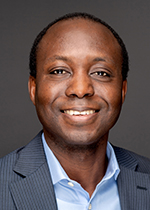
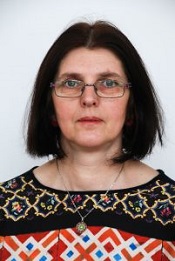
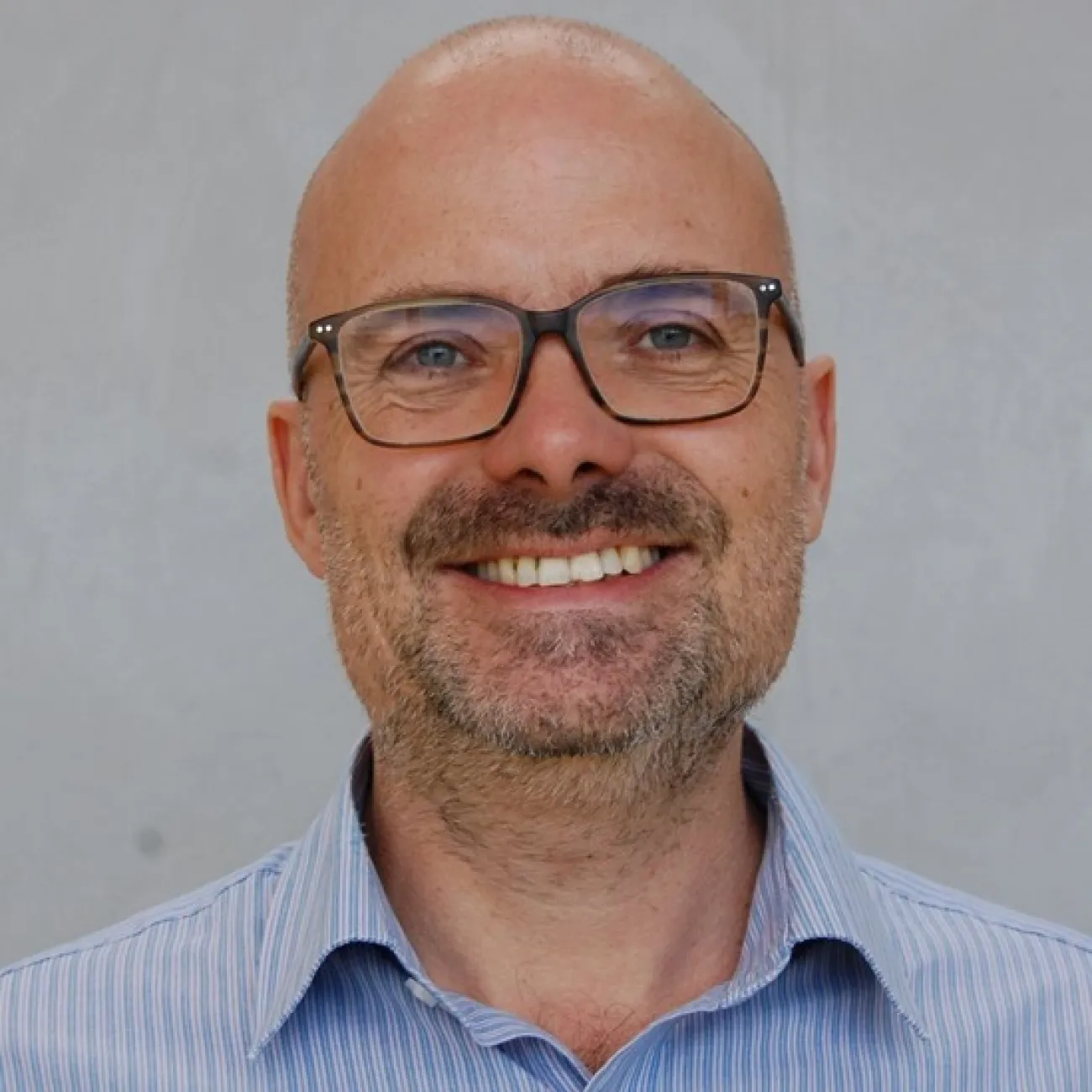
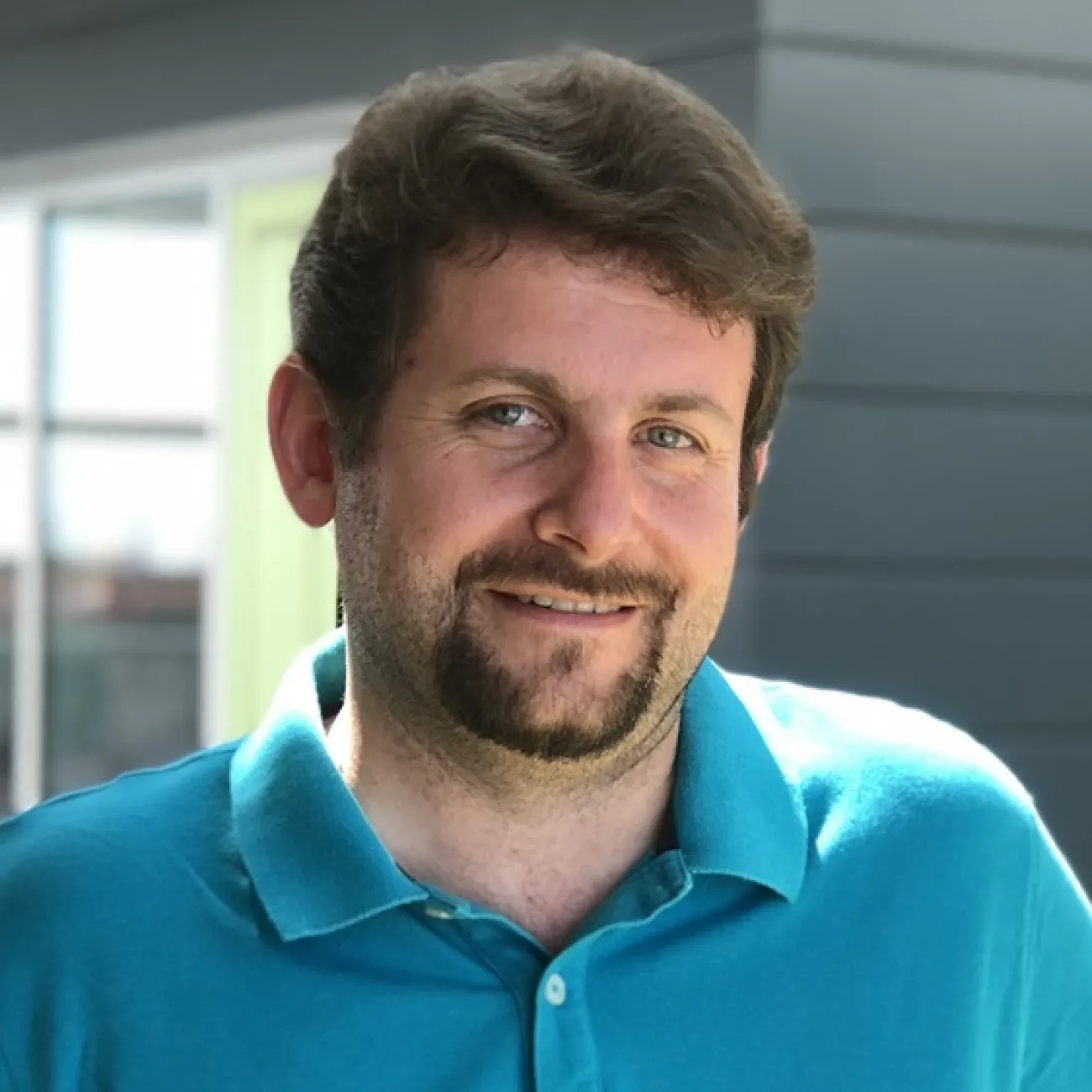
Professor Peter Nixon holds the position of Professor of Biochemistry in the Department of Life Sciences at Imperial College London's Faculty of Natural Sciences. His research focuses on solar energy conversion mechanisms in chloroplasts and cyanobacteria, including enhancing photosynthetic light reactions, photosystem II assembly/repair, and synthetic biology applications in agriculture and sustainability. Education: BA (Hons) Biochemistry from the University of Cambridge, followed by a PhD at Imperial College London. He also served as a Visiting Professor at Nanyang Technological University's School of Biological Sciences from 2016 to 2020. Key research interests include thiamine deficiency pathogenesis, folate bioavailability, and enzyme catalysis mechanisms. His work spans structural biology, synthetic biology, and food science applications. Recent publications highlight his long-standing contributions to understanding ethanol-induced neurological damage, transketolase biochemistry, and folate-milk protein interactions. He collaborates with multiple centers including the Centre for Solar Biotechnology, Bezos Centre for Sustainable Protein, and Molecular Plant and Microbial Systems.
Professor Jasper J. van Thor is a Professor of Molecular Biophysics at Imperial College London's Department of Life Sciences under the Faculty of Natural Sciences. His research focuses on ultrafast spectroscopy and structural dynamics of proteins, leveraging X-ray free electron lasers (XFELs) and advanced optical techniques. Key affiliations include the Centre for Structural Biology, Electron Microscopy Centre, and Energy Futures Lab. Education: MSc Chemistry (1993) and PhD in Chemistry (1999) from the University of Amsterdam, specializing in oxygenic photosynthesis. He held Royal Society and HFSP fellowships at the University of Oxford before joining Imperial College in 2007, where he established the Ultrafast Spectroscopy Laboratory and Molecular Biophysics Group. Research Interests: Ultrafast phenomena in biological systems, structural dynamics of photoreceptors, and development of theoretical tools for analyzing multi-pulse spectroscopy. Notable contributions include the Hula-Twist mechanism in fluorescent proteins and femtosecond X-ray crystallography of Photosystem II. Publications highlight advancements in ultrafast structural biology, with a focus on XFEL applications and computational modeling (e.g., PyLDM software for lifetime density analysis). Awards include the Royal Society University Research Fellowship and EMBO Long-Term Fellowship. Lab Activities: Director of the Imperial College network for Ultrafast Measurement Frontiers and PI of the LUXD (Ultrafast X-ray Diffraction) facility. Collaborates globally on XFEL projects (LCLS, SACLA, European XFEL).
Robert Spadoni serves as an Associate Professor in the Department of English at Case Western Reserve University, where he teaches diverse film courses including Introduction to Film , History of Film—Origins to Present , The Horror Film , and Science Fiction Films . The university offers an undergraduate minor in film and an English major concentration in film under his academic purview. His educational foundation comprises a Doctorate in English from the University of Chicago and a Master of Arts in Cinema Studies from New York University. These credentials anchor his interdisciplinary approach to film scholarship. Spadoni's research centers on horror film genesis, historical reception of cinema, and film atmosphere as critical analytical frameworks. His seminal 2007 monograph Uncanny Bodies: The Coming of Sound Film and the Origins of the Horror Genre (University of California Press) establishes connections between technological shifts in sound cinema and horror's emergence. He pioneers atmospheric analysis as both aesthetic phenomenon and narrative counterforce, examining sensory experiences across eras from Vitagraph's silent techniques to contemporary folk horror like Midsommar . His scholarly output reveals consistent engagement with horror's historical trajectories—from Universal's 1930s monster films ( Werewolf of London ) to Dreyer's expressionist works—while innovating theoretical lenses like Thing Theory applications. This corpus demonstrates how atmospheric elements disrupt conventional narrative structures while creating immersive psychological spaces. Spadoni's teaching excellence has been formally recognized through prestigious institutional honors. Carl F. Wittke Award for Excellence in Undergraduate Teaching While his mentorship of graduate students and grant-funded research projects aren't detailed in source materials, his pedagogical impact is evidenced by the established film studies pathways at Case Western. His work bridges historical film analysis with contemporary theoretical frameworks across publications in leading journals like Quarterly Review of Film and Video and Film History . No dedicated laboratories or research teams are mentioned in available documentation, though his scholarship inherently contributes to broader film studies communities through editorial engagements and academic discourse.
Boubacar Kanté is the inaugural Chenming Hu Endowed Chaired Professor at the University of California, Berkeley , affiliated with the College of Engineering and Department of Electrical Engineering and Computer Sciences . He leads research at the intersection of Nanophotonics , Plasmonics , Metamaterials , and Quantum Optics , with a focus on wave-matter interaction across microwave to optical frequencies. Education: Ph.D. in Engineering/Physics (Universite Paris Saclay, 2010), M.Eng. in Electrical Engineering and Computer Sciences (Ecole Polytechnique Universitaire de Lille, 2006), M.S. in Electrical Engineering/Telecommunications (Universite de Lille 1, 2006) His research explores topological photonics and bound state in continuum (BIC) lasers , addressing challenges in energy, defense, and health through novel optical devices. Notable inventions include the BerkSEL (Berkeley Surface Emitting Laser) and the first non-magnetic metamaterial invisibility cloak . Recent work focuses on quantum emitter synthesis in silicon , exceptional point-based sensors , and topological lasers . His publications span Nature , Science Advances , and Physical Review journals, emphasizing scalable quantum technologies and nonperiodic photonic systems. Scientific Awards: 2024 Bakar Prize 2021 Bakar Fellows Spark Award 2020 Moore Inventor Fellow 2017 ONR Young Investigator Award 2016 NSF Career Award 2010 Richelieu Prize 2007 URSI Young Scientist Award Kanté has advised Ph.D. students including Yertay Zhiyenbayev , Zhetao Jia , and Rushin Contractor . His group holds world records in plasmonic nanosensing and achromatic metalens bandwidth/efficiency . Current projects involve quantum internet technologies and silicon-based quantum light sources .
Jan Huisken is a Humboldt Professor for Multiscale Biology at the Georg-August-Universität Göttingen, affiliated with the Johann Friedrich Blumenbach Institute of Zoology and Anthropology. His research focuses on advanced light sheet microscopy techniques for biomedical and developmental biology applications. Role: Humboldt Professor University: Georg-August-Universität Göttingen Department: Johann Friedrich Blumenbach Institute of Zoology and Anthropology Research interests include light sheet microscopy , biomedical imaging , and developmental biology with a strong emphasis on zebrafish models. He develops tools for tissue clearing , image processing , and 3D microscopy . The 15 most recent publications analyze innovations in light sheet microscopy, tissue clearing protocols, and computational methods for image restoration. These works span fields such as optical imaging , developmental cardiology , computational biology , and biomedical instrumentation . Huisken contributes to open-source microscopy systems like 'Flamingo' and 'BigFUSE,' aiming to democratize access to advanced imaging technologies. His work integrates engineering, computer science, and biology to solve complex imaging challenges.
Thorsten Ackemann is a Professor of Nonlinear Photonics in the Department of Physics at the University of Strathclyde, United Kingdom. He has been a faculty member since 2005 and was promoted to full Professor in 2012. His research lies at the intersection of nonlinear optics, quantum optics, and complex systems, with strong affiliations to the Institute of Photonics and Quantum Sciences (IPaQS) and SUPA (Scottish Universities Physics Alliance). His research focuses on self-organization in light-matter systems, particularly in cold atoms and semiconductor lasers. Key themes include the formation of spontaneous patterns and phase transitions in cold atomic gases, simulation of condensed matter phenomena, realization of supersolids, and the study of solitons and structured light in vertical-cavity surface-emitting lasers (VCSELs). His work often bridges fundamental physics with technological applications in photonics and quantum technologies. The recent publications highlight a strong trend in quantum-enhanced interferometry, entanglement generation, optomechanical coupling, and complex soliton dynamics. These works reflect a deep engagement with quantum simulation, nonlinear feedback systems, and collective behavior in nonequilibrium systems. Fellow of the Institute of Physics (IOP), 2012 Fellow of the Optical Society (OSA), 2013 Professor Ackemann has led multiple research projects as Principal Investigator, including EU Horizon 2020 and Leverhulme Trust grants, often in collaboration with leading institutions across Europe and the US. He has supervised several PhD students and postdoctoral researchers, though specific names are not listed in the provided text. He is active in organizing international conferences and workshops, such as the ColOpt Winter School, and serves on professional committees. He is involved in several research groups and networks, including the Photonics Group at Strathclyde, and participates in large-scale collaborative efforts like the Stanford-Scotland Photonics Innovation Collaboration. His lab focuses on experimental and theoretical investigations of nonlinear optical phenomena, particularly in cold atom systems and semiconductor lasers.
Susan Spesyvtseva is a Knowledge Exchange Fellow and Associate Dean (Knowledge Exchange) in the Faculty of Science at the University of Strathclyde, based in the Department of Physics. Her work bridges academic research and industrial innovation, focusing on photonics, quantum technologies, space, and applied physics. She plays a key role in facilitating collaborations between industry, government, and academia through mechanisms such as consultancy, KTPs, CPD, and Innovate UK projects. Education: Doctor of Philosophy (PhD) in Applications of Cylindrical Vector Beams to Optical Micromanipulation, University College London (2013) Master of Physics (MPhys), University of St Andrews (2008) Susan's research interests lie at the intersection of photonics and real-world applications. She specializes in optical trapping, beam shaping, and plasmonics, with a strong emphasis on use-inspired research. Her work enables technologies in medical devices, space instrumentation, and advanced manufacturing. She actively promotes knowledge transfer and innovation through partnerships with RTOs and industry. Her recent publications focus on optical manipulation techniques, particularly using structured light and vector beams to control nanoparticles. The research demonstrates trends in precision control of micro- and nano-objects, with applications in biophysics, materials science, and lab-on-a-chip systems. Key themes include rotational dynamics, photothermal effects, and chirality-selective optical forces. Scientific Awards: British Science Association Media Fellowship (2015) Carey Foster Prize (2013) UK Physics Student of the Year, World Leadership Forum (2008) Susan advises on and manages multiple research grants and innovation projects, including those funded by the Wellcome Trust and internal university schemes. She leads initiatives such as the Space Photonics project and the Cultures of Collaborative Research project. As a Knowledge Exchange expert, she supports PhD student projects, proof-of-concept studies, and CPD programs, particularly in laser technologies. She is also involved in professional activities including consultancy, conference organization, and public engagement. She is associated with the Space Academic Network (SPAN) and contributes to Strathclyde’s leadership in photonics and quantum technologies. Her role as Associate Dean enhances cross-faculty collaboration, especially in science and engineering domains. She is a central figure in building innovation ecosystems around emerging technologies.
Toșa Nicoleta Ioana is a senior researcher at the National Institute for Research and Development of Isotopic and Molecular Technologies (INCDTIM) in Cluj-Napoca, Romania, where she is affiliated with the Department of Isotopic and Molecular Technologies and the Laser Induced Processes research team. She obtained her PhD in Chemistry from Babeș-Bolyai University in 2009 and has been actively contributing to advanced materials and laser-based technologies research since 2006. Education: MSc in Heterocyclic Chemistry, Babeș-Bolyai University, Cluj-Napoca (1995) PhD in Chemistry, Babeș-Bolyai University, Cluj-Napoca (2009) Her research focuses on laser nanofabrication, plasmonics, spectroscopy, and functional materials , with applications spanning biosensing, environmental monitoring, and biomedical technologies. She specializes in photochemical synthesis of noble metal nanoparticles, direct laser writing, surface-enhanced Raman spectroscopy (SERS), and structural characterization in solid and solution phases. Her work bridges chemistry, physics, and engineering to develop innovative sensing platforms and nanomaterials. The recent articles highlight a strong trend in advanced optical sensing and nanofabrication , particularly in dual-mode biosensors (SERS/electrochemical), ultrafast photonics, high-density data storage, and supramolecular systems. Her projects often integrate simulation, nanofabrication, and spectroscopic validation to address challenges in healthcare and environmental science. Scientific Awards: No specific awards listed in the provided text. Dr. Toșa has played a key role in numerous national and international research projects, serving as a key expert in areas such as plasmonic biosensing, EUV photonics, and environmental pollutant detection, and as a partner team leader in projects on optical nanofabrication and petabyte-scale optical storage. She has secured significant research funding and collaborated with institutions across Romania and Europe. Her laboratory and research team focus on laser-induced processes and nanostructured materials , utilizing advanced facilities for optical characterization and nanofabrication within INCDTIM.
Professor Lyle Armstrong is a leading researcher at Newcastle University specializing in stem cell applications for ophthalmology and retinal disease modeling. His work focuses on developing induced pluripotent stem cell (iPSC)-derived retinal organoids to study inherited retinal disorders, evaluate therapeutic interventions, and understand disease mechanisms. He collaborates extensively with experts including Professor Majlinda Lako and Professor Evelyne Sernagor within Newcastle's research ecosystem. Armstrong's primary research interests include stem cell differentiation into retinal lineages, photoreceptor transplantation for vision restoration, and modeling genetic disorders such as Stargardt disease, retinitis pigmentosa, and age-related macular degeneration. His investigations frequently address mitochondrial dysfunction, splicing defects, and lysosomal storage pathologies in retinal cells. Recent work emphasizes single-cell transcriptomics to map retinal development and optimize disease modeling protocols. Analysis of his 2022-2025 publications reveals a strategic focus on translating stem cell models into clinical applications, particularly through drug screening, toxicity testing, and mechanistic studies of tissue-specific disease phenotypes. His editorial leadership in stem cell-ophthalmology methods underscores his influence in standardizing field protocols. No scientific awards were documented in the provided publication records. While student advising and grant details weren't explicitly listed, Armstrong's role as senior/corresponding author across 50+ publications indicates extensive mentorship of junior researchers. His work involves multidisciplinary teams spanning stem cell biology, genomics, and ophthalmology, though specific lab structures weren't detailed in the source material.
Peter William Tinning serves as a Research Fellow in the Department of Electronic & Electrical Engineering at the University of Strathclyde's Faculty of Engineering. He is affiliated with the Centre for Microsystems and Photonics (CMP) where he develops advanced microscopy technologies, particularly focusing on miniaturized structured illumination systems using 3D printed components and MEMS. His research interests span biomedical imaging, optical microscopy, MEMS technology, and super-resolution imaging techniques. Tinning specializes in developing hardware solutions for live cell imaging, with particular expertise in structured illumination modalities, light sheet microscopy, and photoacoustic imaging systems. His work bridges physics, engineering, and biomedical applications. Analysis of his recent publications reveals a strong focus on practical microscope development using MEMS scanning mirrors, with applications in super-resolution imaging of cellular processes. His research shows a progression from fundamental optical techniques to increasingly miniaturized and specialized systems with clear biomedical applications. Scientific Awards: Stephen Young Entrepreneurship Award (2024) Tinning is currently leading the Northern Light Microscopy project as Principal Investigator, funded by the Royal Academy of Engineering (£78,250), and serves as Co-investigator on an Innovate UK project focused on MEMS super-resolution microscopy. His entrepreneurial activities include developing business models around his research innovations. Based at the Centre for Microsystems and Photonics, Tinning works within a multidisciplinary team focused on microsystems, photonics, laser gas diagnostics, and microfluidics for biomedical applications.
Professor Peter G.R. Smith is a leading academic at the University of Southampton within the Faculty of Physical Sciences and Engineering and Optoelectronics Research Centre . Current research focuses on Quantum Technology , Integrated Photonics , and Nonlinear Optical Materials , with funding exceeding £100m as Principal Investigator (PI) or Co-Investigator (Co-I), including £11m in PI-equivalent grants. EPSRC Established Career Fellowship in Quantum Technologies Leverhulme Trust Early Career Fellowship Over 203 publications in Web of Science 16 licensed patents Research trends emphasize UV and visible wavelength quantum optics , photonic device fabrication , and integrated quantum computing systems . Key projects include quantum state engineering and precision waveguide fabrication techniques. Co-founder of Stratophase Ltd Current director of Covesion Ltd (www.covesion.com) Former director of ECS Partners (2011-2015) Scientific awards include: EPSRC Established Career Fellowship Two 2017 Highly Commended Research Group Awards Current research supervision includes PhD candidates Noelia Palomar Davidson and Peter William Iveson . Key research groups include: Photonic Systems, Circuits and Sensors Group Optical Engineering and Quantum Photonics Group Southampton Marine and Maritime Institute
Professor Marco Petrovich is a leading researcher at the University of Southampton's Optoelectronics Research Centre (ORC), specializing in advanced hollow core optical fiber technology. His work represents cutting-edge developments in photonics with significant implications for next-generation optical communication systems and sensing applications. Professor Petrovich's research focuses on overcoming fundamental limitations in optical fiber technology through innovative hollow core structures. His expertise spans the physics of light propagation in gas-filled fibers, optical loss mechanisms, environmental stability, and practical implementation in communication systems. Recent work has achieved remarkable progress in reducing optical loss to 0.11 dB/km in double nested antiresonant nodeless fiber (DNANF) structures, bringing hollow core technology closer to commercial viability while offering advantages in bandwidth and nonlinear properties over traditional solid-core fibers. Analysis of Professor Petrovich's publication record reveals a strategic research trajectory evolving from fundamental investigations of gas composition and pressure dynamics in hollow core fibers toward engineering solutions that dramatically improve optical performance and enable practical applications. His 2022 Nature Communications paper on super-broadband spectral translation demonstrates successful translation of basic research into telecommunications applications, while recent 2024 conference papers showcase record-breaking performance metrics in hollow core fiber technology. Principal investigator for ESA-funded 'Versatile High-Fidelity reference Gas Cell' project Extensive collaboration network including David Richardson, Francesco Poletti, and Natalie Wheeler Research supported by major funding bodies including European Space Agency Based at the world-renowned Optoelectronics Research Centre, Professor Petrovich contributes to Southampton's leadership in optical fiber research through access to state-of-the-art facilities for fiber drawing, characterization, and application development. His work bridges fundamental photonics research with practical engineering solutions for next-generation optical communication infrastructure.
Dr Tracy Melvin is an Associate Professor at the University of Southampton, specializing in interdisciplinary research at the intersection of photonics, biomedical engineering, and molecular biology. Her work focuses on developing advanced photonic devices and nanotechnologies for biological sensing, particularly in DNA analysis and skin conductivity studies. Research interests include biosensors, microfluidics, and molecular diffusion Active collaborations with the Institute for Life Sciences Key funding from Biotechnology & Biological Sciences Research Council (BBSRC) Her recent publications highlight innovations in nanoporous gold membranes, silica nanowires for UV sensing, and microfluidic systems for single-molecule DNA stretching. These works emphasize applications in medical diagnostics, genetic analysis, and biophotonic detection. Tracy Melvin currently supervises PhD student Charlotte Law and has held external advisory roles with prestigious organizations including the BBSRC Engineering and Biological Sciences Panel (2006-2009) and EU Marie Curie Fellowships LIFE Fellowship Review Panel (2011).
Dr. Nisa Salim is a Senior Lecturer at the School of Engineering, Swinburne University of Technology , where she conducts pioneering research in multifunctional composite materials, smart coatings, and sustainable energy technologies. Her work is aligned with national and global priorities in space technology, clean energy, and circular economy. Institution: Swinburne University of Technology School: School of Engineering Academic Rank: Senior Lecturer Email: nsalim@swin.edu.au ORCID: 0000-0001-8069-8039 Dr. Salim’s research focuses on developing smart, engineered materials that can sense, actuate, and store energy. Her key areas include graphene-based composites, structural health monitoring, hydrogen storage, and digitalization of composite manufacturing. She leverages advanced nanomaterials to create next-generation composites for aerospace, marine, robotics, and energy applications. The recent publications highlight a strong trend in multifunctional materials, particularly in energy storage (supercapacitors, hydrogen), smart sensing (graphene sensors, digital twins), and sustainable composites (biomass-derived carbon, recycled polymers). Her work integrates machine learning, IoT, and Industry 4.0 principles into material design and manufacturing processes. Scientific Awards and Recognition Alexander von Humboldt Fellowship Philip Law Award, Royal Society of Victoria Theo Murphy Award, Australian Academy of Science Alfred Deakin Post-Doctoral Fellowship Victoria Fellowship Endeavour Research Fellowship AINSE Gold Medal for PhD Excellence University Ambassador, Royal Australian Chemical Institute Dr. Salim actively supervises PhD and master’s students in cutting-edge projects related to hydrogen storage, lunar dust mitigation, structural batteries, and smart coatings. She has secured multiple competitive grants from ARC, CSIRO, and industry partners, including projects on Scalable Graphene Enabled Smart Composites and Passive Lunar Dust Mitigation . Her editorial roles include serving on the boards of Chemical Engineering Journal , Polymers , and Journal of Composites Science . She leads research in advanced labs focused on composite manufacturing, nanomaterial synthesis, and smart sensor integration, often in collaboration with CSIRO, University of Melbourne, and international institutions. Her vision is to develop living materials that enable digitalization and IoT integration in engineering systems.
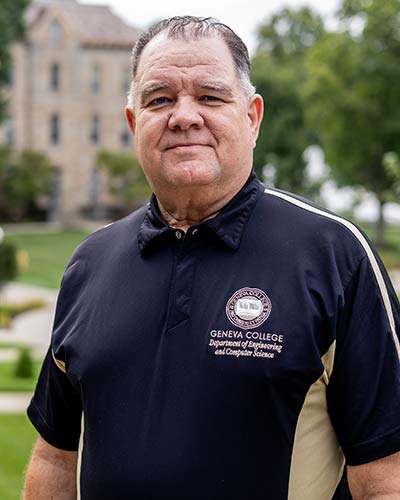
Christopher C. Jobes is a Professor in the Department of Mechanical Engineering at Geneva College, with a Ph.D. in Engineering from West Virginia University (1987). He also holds M.S. and B.S. degrees in Mechanical Engineering from West Virginia University (1985) and Geneva College (1983, 1982), respectively. Fields of Instruction: Mechanical Engineering & Engineering Mechanics Research Interests: Machine Component Design, Kinematics of Mechanisms, Finite Element Methods, Control Systems Design Professional Certification: Registered Professional Engineer (Pennsylvania) His recent work focuses on Mining Equipment Safety , including proximity detection systems, vibration control, and electromagnetic interference mitigation. He has collaborated extensively with NIOSH on safety protocols for underground mining machinery. Key awards include: Excellence in Scholarship Award, Geneva College (2020-2021) Silver Chairman’s Award (2014, Federal Executive Board of Pittsburgh) Outstanding Scientific Paper Nominee (2013, Charles C. Shepard Science Award) NIOSH/HHS Excellence in Communication (2012) Jobes serves as faculty advisor for Geneva College’s SAE Baja Racing Team and has over 69 publications with 35 first authorships in peer-reviewed journals and conferences.