Dr. Serge Dumont is a Professor at the University of Perpignan, affiliated with the Multidisciplinary Modeling and Simulation Laboratory (LAMPS) and the MATH-INFO Department. His academic work focuses on mathematical and numerical modeling in mechanics. His research primarily addresses: Nonlinear analysis of contact and interface mechanics problems Optimization strategies for poorly conditioned linear systems Development of numerical methods for multi-contact structures Energy conservation algorithms in contact dynamics Current research themes include: Frictional contact problems Hyperelastic material modeling Applications to granular media and fluid/structure interactions Primal-dual active set methods Bipotential numerical approaches
Antonio Trujillo Ponce is a Professor of Finance at Pablo de Olavide University in Seville, Spain, affiliated with the Department of Financial Economics and Accounting. He serves as Director of the Banking and Entrepreneurial Finance Research Group (BANEF/GIBFE) and has held visiting researcher positions at Cass Business School (London) and NYU Stern School of Business. His academic leadership extends to serving on the Board of Directors of a Mutual Guarantee Society since 2016. He earned his PhD from the University of Seville in 2001 with a dissertation on commercial loan credit risk analysis supervised by Dr. José Luis Martín Marín. His educational foundation includes formal training in financial economics and accounting methodologies relevant to banking regulation. Trujillo Ponce's research centers on banking regulation and SME financing mechanisms, with particular expertise in credit guarantee systems. His work examines how public-private guarantee schemes mitigate SME credit constraints, analyzes bank capital requirements under Basel frameworks, and investigates ethical governance in financial institutions. Recent projects focus on post-pandemic financing challenges and the economic impact of guarantee schemes using input-output analysis. His publication record spans over 20 articles in leading finance journals including the Journal of Banking and Finance and Journal of Financial Services Research. Recent work (2021-2025) demonstrates consistent methodological rigor through empirical analysis of Spanish banking data, with recurring themes in SME financing constraints, deposit insurance design, and regulatory capital impacts. The research shows increasing policy relevance, particularly regarding credit guarantee systems during economic crises. As Director of BANEF/GIBFE, he leads a multidisciplinary team researching banking innovation and entrepreneurial finance. Current initiatives include analyzing Mutual Guarantee Societies' role in capital requirement optimization and developing frameworks for risk-based deposit insurance premiums. His external board position provides practical insights connecting academic research with real-world SME financing solutions.
Elena García is a researcher at the University of Zaragoza's Institute for Advanced Materials Science (I3A), affiliated with the Multiscale Research Group in Mechanical and Biological Engineering (M2BE). She holds a double degree in Chemistry and Biochemistry and specializes in tissue engineering for both regenerative medicine and cancer research. Education: Double Degree in Chemistry and Biochemistry Her research focuses on creating biomaterials for personalized medicine, particularly exploring bioprinting techniques to develop patient-specific implants. In cancer research, she investigates the tumor extracellular matrix's role in pancreatic ductal adenocarcinoma progression. The 15 most recent publications reveal trends in three key areas: (1) auxetic scaffolds for mechanical tissue engineering, (2) hydrogel development for wound healing, and (3) tumor-on-a-chip models for cancer studies. These works emphasize advanced fabrication techniques like melt electrowriting and cold plasma treatment. At I3A, she works in a multidisciplinary environment that combines biomedical engineering with robotics, which supports her innovative approach to tissue engineering challenges.
Arman Arghami, M.D., M.P.H., is an Associate Professor of Surgery at Mayo Clinic in Rochester, Minnesota. He serves as a Consultant in the Department of Cardiovascular Surgery within the Mayo Clinic College of Medicine and Science. Dr. Arghami specializes in robotic cardiac surgery and minimally invasive techniques , with a focus on treating structural heart diseases and arrhythmias. Education Highlights: MD from Mashhad University of Medical Sciences (2004) Preliminary General Surgery Residency at Mayo Clinic (2011) General Surgery Residency at Mayo Clinic (2016) Cardiothoracic Fellowship (4+3) at Mayo Clinic (2018) MPH in Epidemiology from Harvard T.H. Chan School of Public Health (2021) Dr. Arghami's research bridges artificial intelligence and clinical cardiology , emphasizing AI-driven risk stratification and outcomes analysis. His work also investigates preventive strategies for renal failure after cardiac surgery and pharmacological trials for postoperative care. Recent publications highlight his expertise in robotic mitral valve repair, transcatheter interventions, and valvular disease management. Scientific Contributions: Editorial Board Member, The Journal of Thoracic and Cardiovascular Surgery (2022-present) Ad hoc Reviewer, Journal of Cardiothoracic and Vascular Anesthesia (2021-present) Editorial Board Member, The Annals of Thoracic Surgery (2020-present) Co-Chair, Society of Thoracic Surgery Taskforce on Robotic Cardiac Surgery (2025-present) He actively participates in clinical trials evaluating novel cardiac devices and surgical techniques, and serves on committees including the AI Project Strategy Committee and Cardiovascular Surgery Quality & Safety Committee . Dr. Arghami is certified by the American Board of Thoracic Surgery (2019) and American Board of Surgery (2016).
Joe Gauthier is an Assistant Professor in the Department of Chemical Engineering at Texas Tech University, directing the Computational Catalysis Research Laboratory. His work bridges theoretical and applied research in sustainable energy technologies. His academic background includes: Ph.D. in Chemical Engineering, Stanford University (2020) B.S. in Chemical Engineering, The Ohio State University (2015) Dr. Gauthier's research focuses on structure-property relationships for catalyst design in renewable energy systems. His multidisciplinary approach integrates electrochemistry , heterogeneous catalysis , materials science , and data science to develop in-silico methods for understanding catalyst limitations and engineering novel materials. Key applications include ammonia synthesis, CO2 reduction, and nitrate electroreduction for energy storage and environmental remediation. Analysis of his 15 most recent publications (2025-2022) reveals dominant themes in computational electrocatalysis: electric double layer modeling, reaction selectivity optimization (particularly for urea and ammonia), and energy-efficient pathway design. His work consistently emphasizes high-current-density operation and scalability for industrial decarbonization. Dr. Gauthier actively mentors five doctoral researchers and has guided multiple undergraduates through research projects, reflecting his commitment to developing next-generation scientists. His laboratory maintains strong collaborations with experimental groups to validate computational predictions. The Computational Catalysis Research Laboratory operates as a multidisciplinary hub where quantum mechanical simulations meet practical energy challenges, driving innovation in sustainable chemical production.
Dr. Michael S. Kim is an Assistant Professor in the Department of Radiation Oncology at the University of Maryland. He specializes in treating genitourinary, gastrointestinal, and musculoskeletal malignancies, with a focus on brachytherapy and radioembolization. Education: Bachelor of Sciences with Honors in Biochemistry from McMaster University, Doctor of Medicine from the University of Western Ontario. Residency: Nova Scotia Cancer Center (Dalhousie University), where he served as Chief Resident. Fellowship: Brachytherapy at the University of California, Los Angeles. Dr. Kim’s research spans clinical radiation oncology, medical education, and healthcare workforce planning. His recent publications include systematic reviews on stereotactic radiotherapy for head and neck cancers, qualitative analyses of medical student experiences, and projections for radiation oncologist supply in Canada. His work also involves multidisciplinary collaborations in cancer care and healthcare delivery optimization. A 2023 article on national holidays’ impact on treatment timing highlights his interest in clinical workflow efficiency.
William Weadock, MD, is a Clinical Professor in the Department of Radiology at the University of Michigan Medical School. He specializes in abdominal and pelvic imaging (CT, MRI, ultrasound) and has pioneered the use of 3D medical printing in radiology. A leader in the RSNA Informatics Committee and 3D Printing Special Interest Group , he has developed educational courses and optimized imaging workflows for over two decades. Education: MD from University of Michigan Medical School (1992), Radiology residency at University of Minnesota (1997), Body Imaging fellowship at University of Michigan Health System (1998). Clinical Interests: Abdominal/pelvic CT/MRI/US, 3D analysis, vascular imaging, and endovascular device evaluation. Research Trends: His work bridges 3D printing and medical imaging , focusing on surgical planning, education, and workflow optimization. Recent publications highlight 3D models for complex surgeries, data privacy in radiology presentations, and ergonomics in radiology practice. He also explores MRI artifacts in iron-related pathologies and interventional radiology training phantoms. Scientific Awards Fellowship, American College of Radiology Lifetime Achievement Award, American Board of Radiology Leadership Roles: Director of the Department of Radiology’s Media Services division , which enhances educational materials with professional standards. He has also led initiatives to optimize PACS systems and structured reporting in radiology.
Mari Ariluoma is a Doctoral Researcher and long-term part-time lecturer in the Department of Architecture at Aalto University, actively contributing to landscape architecture research and education. Her work bridges academic inquiry with professional practice through her partnership at Nomaji Landscape Architects, which received Finland's State Award in Architecture in 2023 for pioneering sustainable design. Her research centers on urban ecological systems, with primary focus areas including landscape architecture, sustainable urban planning, biodiversity conservation, and carbon neutrality. She investigates how green infrastructure integrates ecological functions with human well-being, developing practical tools like the Espoo Green Factor for quantifying environmental benefits in urban development projects. Her approach emphasizes co-benefits between climate mitigation and habitat creation. Recent publications reveal strong trends toward applied sustainability solutions, particularly in residential-scale interventions that optimize biodiversity and carbon sequestration while creating functional public spaces. Her work consistently connects theoretical frameworks with competition-winning designs for hospitals, neighborhoods, and waterfront areas. Key scientific awards include: State Award in Architecture (2023) for Nomaji's landscape architecture contributions Top 3 prizes in Antuo Hill Museums (2021) and Guoshen National Museum (2021) competitions 1st prize in Junatie urban planning competition (2019) 1st prize in Clean Vallisaari Innovation Competition (2016) Ariluoma's collaborative practice involves multidisciplinary teams including JKMM Architects, L-Arkkitehdit Oy, and environmental consultants. Her projects like the Espoo Green Factor tool and Vallisaari island development demonstrate integration of ecological science with design innovation, often addressing historical contexts and community needs through temporary installations and permanent urban interventions.
Arash Badie-Modiri is a Visiting Professor at Aalto University's School of Science, Department of Computer Science. His research focuses on temporal networks, multilayer networks, and computational modeling of complex systems. Institution: Aalto University School: School of Science Department: Department of Computer Science Rank: Visiting Professor Email: ext-arash.badie-modiri@aalto.fi His work spans network science, statistical physics, and software development, with particular emphasis on temporal network analysis , multilayer network modeling , and dynamic connectivity estimation . Recent publications highlight contributions to epidemic modeling, crowdsourcing methodological improvements, and open-source software tools like the pymnet library. Collaborations with researchers such as Kimmo Kaski, Jari Saramäki, and Mikko Kivelä reflect his integration into multidisciplinary academic networks. Research outputs demonstrate expertise in temporal network theory , weighted event graphs , and percolation dynamics applied to complex systems.
Michael Seaman, Ph.D., is an Associate Professor of Medicine at Beth Israel Deaconess Medical Center and Harvard Medical School (Harvard University), where he serves as Principal Investigator of the Seaman Laboratory. His research focuses on HIV vaccine development and antibody-mediated immunity, with significant contributions to the HIV Vaccine Trials Network (HVTN) and Collaboration for AIDS Vaccine Development (CAVD). His academic credentials include: B.S. in Microbiology, University of Washington, Seattle (1992) Ph.D. in Immunology, University of Texas Southwestern Medical Center, Dallas (2000) Research Fellowship in Viral Pathogenesis, Beth Israel Deaconess Medical Center (2004) Dr. Seaman's work centers on HIV immunology, specializing in broadly neutralizing antibody induction, vaccine design against viral pathogens, and translational research bridging laboratory findings to clinical applications. His laboratory employs structural biology, animal models, and clinical trial data to develop novel vaccine strategies targeting HIV's vulnerabilities, with emphasis on CD4 binding site antibodies and germline-targeting approaches. Analysis of his 2024 publications reveals a concentrated effort in advancing HIV vaccine candidates through human and non-human primate studies, with key themes including heterologous neutralizing antibody induction, cross-clade neutralization, and combination antibody therapies. His team's work spans preclinical model validation to Phase 1/2a clinical trials, demonstrating translational impact across multiple high-impact journals including Nature, Science, and Cell. His scientific recognition includes: NRSA Predoctoral Trainee (NIH #5 T32 CA09082, 1996-1999) NRSA Fellow in AIDS Research (NIH #5 T32 AI07386, 2000-2002) Network Citizenship Award (HVTN, 2008) Young/Early Career Investigator Award (CAVD, 2012) Dr. Seaman's research is supported by NIH grants and major collaborations including HVTN and CAVD, with ongoing projects focused on germline-targeting vaccines and antibody therapeutics. His laboratory actively contributes to HIV cure research and next-generation preventive strategies through multidisciplinary approaches involving virology, immunology, and structural biology. The Seaman Laboratory operates within Harvard Medical School's Center for Virology and Vaccine Research (CVVR), collaborating with investigators across virology, immunology, and clinical research domains. Current initiatives include optimizing polyvalent vaccine regimens, characterizing complex viral escape pathways, and developing dual immunotherapy approaches for HIV remission.
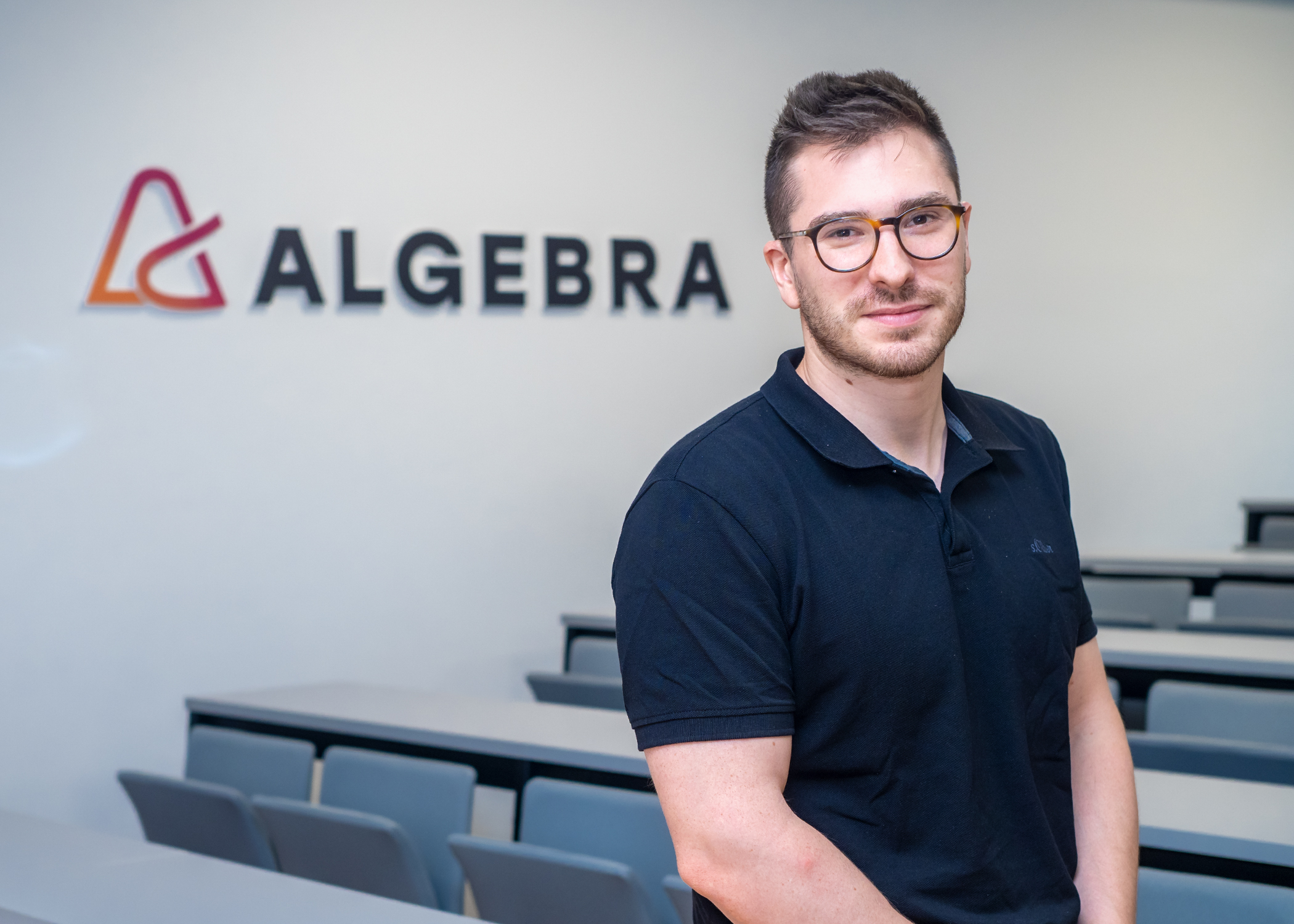
Mateo Sokač, PhD, serves as Assistant Professor at Algebra University, bringing expertise from his Health Science doctorate at Aarhus University Hospital and multidisciplinary background spanning bioinformatics, genomics, and information technology. His academic foundation includes a Master's in Bioinformatics and Bachelor's in Information Technology from RIT Croatia, complemented by internationally recognized certifications in AI, machine learning, and genomic engineering. His educational qualifications: PhD in Health Science, Aarhus University Hospital, Aarhus, Denmark Master's in Bioinformatics, Aarhus University Hospital, Aarhus, Denmark Bachelor's in Information Technology, RIT Croatia, Zagreb Dr. Sokač's research pioneers the integration of cancer evolution analysis with personalized medicine development, employing cutting-edge computational approaches to transform public health standards. His work uniquely bridges genomic engineering, artificial intelligence, and clinical oncology to address complex challenges in tumor heterogeneity and therapeutic resistance. This multidisciplinary focus has generated significant publications in high-impact journals, particularly in cancer vaccine development and genomic biomarker discovery. Analysis of his 2023-2025 publications reveals dominant themes in computational oncology (73% of works), with strong emphasis on AI-driven cancer vaccine development, multi-omics integration for personalized therapy, and environmental health applications. His research consistently employs advanced techniques like graph neural networks, non-negative matrix factorization, and foundation models across diverse domains from marine microbiology to lung adenocarcinoma grading. Professional development highlights: Dozen+ international certifications in AI, machine learning, and genomic engineering Specialized training in DNA sequencing and genomic engineering Certifications acquired from domestic and foreign institutions While specific advising details remain undisclosed, his publication record indicates extensive collaboration on large-scale cancer genomics projects including TRACERx and international consortia. His work on ctDNA analysis and immune cell profiling suggests involvement in major grants related to cancer evolution and immunotherapy response prediction. Current research trajectories point toward developing integrated platforms for real-time cancer monitoring and personalized treatment adaptation. Dr. Sokač leads innovative projects at the intersection of computational biology and clinical oncology, notably developing frameworks like ANORAK for histopathological analysis and BRAINS for neuroimaging applications. His environmental monitoring initiatives using solar gliders and drone technology demonstrate commitment to cross-domain applications of data science, contributing to Algebra University's research ecosystem through interdisciplinary collaboration.
Dr. Peter Dunning is a Lecturer in the School of Engineering at the University of Aberdeen, specializing in advanced computational methods for structural and aerospace engineering. He leads PhD supervision and teaches core engineering courses, including Fundamentals of Engineering Materials and Group Design Projects . His academic credentials include a PhD in Aerospace Engineering from the University of Bath (2011) and Chartered Engineer status with IMechE (2016). Research Areas: Multiscale Reliability-Based Optimization of Composite Materials Geometric Nonlinear Topology Optimization Aeroelastic Structure Design for UAVs and Aircraft Metamaterial Development via Computational Methods Recent Publication Trends: His 2025-2024 work focuses on UAV winglet optimization, offshore wind turbine mooring systems, and thermal-mechanical metamaterials. Earlier studies (2023-2019) address buckling constraints, composite reliability, and aerostructural design. All research integrates advanced numerical methods with practical engineering applications. Scientific Awards: Nominated for Best Supervisor (Postgraduate Research) - Runner-up Multiple Best Undergraduate Lecturer nominations Excellence in Postgraduate Teaching (2017/18) Supervision: Currently advising PhD candidates in floating offshore wind systems and composite design. Former students include experts in wave energy extraction and geometrically nonlinear aeroelastic analysis. He also serves as a reviewer for 12+ international journals.
Professor Len Luyt serves as a faculty member in the Department of Chemistry at Western University, with cross-appointments in Oncology and Medical Imaging. His research laboratory is located at the London Regional Cancer Program (LRCP) within the Cancer Research Laboratories. Dr. Luyt leads an active research group focused on developing novel chemical entities for cancer imaging and therapy. Dr. Luyt received his B.Sc.(Eng.) from Queen's University, followed by a Ph.D. in Chemistry from The University of Western Ontario under the mentorship of Prof. Duncan Hunter. He completed his postdoctoral fellowship with Prof. John Katzenellenbogen at the University of Illinois, Urbana-Champaign. Prior to joining Western University in 2005, he worked as a Senior Medicinal Chemist at Bayer-Schering. His research program focuses on three primary areas: developing imaging agents targeting the ghrelin receptor (GHSR), exploring metal-organic compounds as scaffolds for biologically relevant chemical space, and creating peptide drugs that interfere with RHAMM:Hyaluronan interactions. His work bridges synthetic organic chemistry with molecular imaging and cancer therapeutics, specifically targeting peptide receptors on cancer tumor cells through radiolabeled compounds. The group develops compounds that can be used for positron emission tomography (PET) imaging and potential cancer treatments. An analysis of Dr. Luyt's recent publications reveals a strong focus on molecular imaging agents, particularly for cancer diagnostics. His work spans multiple imaging modalities including PET, fluorescence, and SPECT imaging. A significant portion of his research targets the ghrelin receptor in prostate cancer, while other work explores novel chemical methodologies for radiolabeling peptides and developing metal-organic complexes for imaging applications. His research demonstrates a consistent trajectory from basic chemical synthesis through to applied preclinical studies. Innovator of the Year, Vanguard Awards (WorlDiscoveries) Early Researcher Award Dr. Luyt actively mentors graduate students and postdoctoral fellows in his research laboratory. His group consists of multiple graduate students working on various aspects of cancer imaging agent development, including peptide synthesis, radiolabeling techniques, and biological evaluation. The research requires interdisciplinary collaboration with cancer biologists, imaging scientists, and clinicians to take projects from basic chemistry through to animal model studies. His laboratory at the London Regional Cancer Program provides students with training in synthetic organic chemistry, solid-phase organic chemistry, peptide/peptidomimetic design, bioconjugation, and radiolabeling techniques. The Luyt Laboratory operates within the London Regional Cancer Program's Cancer Research Laboratories, providing state-of-the-art facilities for synthetic chemistry and radiopharmaceutical development. The research group collaborates extensively with other scientists at Western University and the Lawson Health Research Institute, creating a multidisciplinary environment focused on translating chemical discoveries into potential clinical applications for cancer imaging and therapy.
Gregory Tew is an Adjunct Professor at the Department of Polymer Science and Engineering, University of Massachusetts Amherst, with a cross-affiliation as Co-Coordinator of the CUMIRP Cluster B: Polymers in the BioArena in the Department of Veterinary and Animal Sciences. His research bridges chemistry, biology, and materials science to create functional macromolecules through synthetic organic chemistry, focusing on self-assembly, biomimetics, and magnetic polymers. B.S. in Chemistry, North Carolina State University (1995) Ph.D. in Chemistry, University of Illinois, Urbana-Champaign (2000) His work explores programming molecular information into polymers for hierarchical materials, biomimetic structures rivaling proteins, and applications in antimicrobials, wound dressings, and magnetic materials. Recent projects include bottlebrush networks for adhesives and hydrogels, metal-containing polymers, and nanocellulose composites. Articles highlight trends in synthetic strategies (e.g., thiol–ene, ROMP), mechanical property tuning, and biomedical applications like T-cell immunomodulation and autoimmune disease prevention. Member, Scientific Advisory Board, Polymer Competence Center Leoben GmbH (PCCL) Faculty 1000, Macromolecular Chemistry Section ACS Polymer Division Fellow (2010) Presidential Early Career Award for Scientists and Engineers NSF CAREER Award DuPont Young Faculty Grant Grants from the Army Research Office, Office of Naval Research, and DuPont support his work. He leads the Tew Research Group, emphasizing multidisciplinary training, and contributes to collaborative clusters like CUMIRP. His lab encourages intellectual creativity and prepares students for cutting-edge research in academia, industry, and government labs.
Fabio Midulla is a Full Professor in Pediatrics at the Department of Maternal and Child Health and Urological Sciences , Sapienza University of Rome. His career spans over four decades with clinical, research, and teaching roles in pediatric pulmonology and respiratory diseases. Born: Rome, December 15, 1955 Education: MD (1980, Sapienza), PhD in Lung Physiology (1988) Clinical Roles: Director of Pediatric Emergency First Aid, Cystic Fibrosis Center attending physician Research Focus: His work centers on respiratory syncytial virus (RSV) bronchiolitis , primary ciliary dyskinesia , non-CF bronchiectasis , and bronchial asthma . He explores viral interactions, interferon responses, and long-term respiratory sequelae. Key projects include "Bronchiolitis in infants: viral, microbiological and immunological determinants" and international collaborations on pediatric bronchoscopy guidelines. Scientific Contributions: With over 20 major publications since 2015, his recent work examines SARS-CoV-2 impacts on pediatric populations, RSV variant severity, and interferon gene expression patterns. He has coordinated European studies on broncho-alveolar lavage and flexible bronchoscopy techniques. Scientific Awards: Multiple early-career scholarships from Italian National Institute of Social Welfare; Foundation 'Eleonora Lorillard Spencer Cenci' research grants Teaching & Leadership: Professor of Pediatric Pulmonology (1999-present), coordinator of European Respiratory Society bronchoscopy courses, and contributor to clinical practice guidelines. His clinical activities include managing pediatric emergencies and interventional bronchoscopy services.