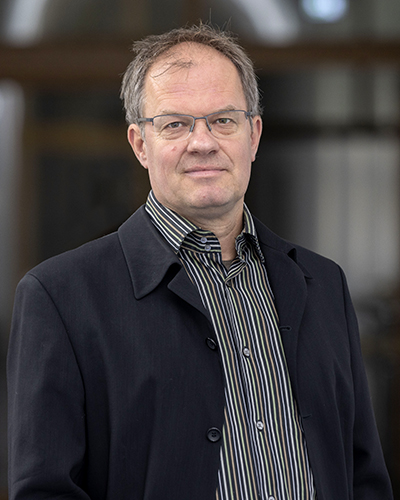
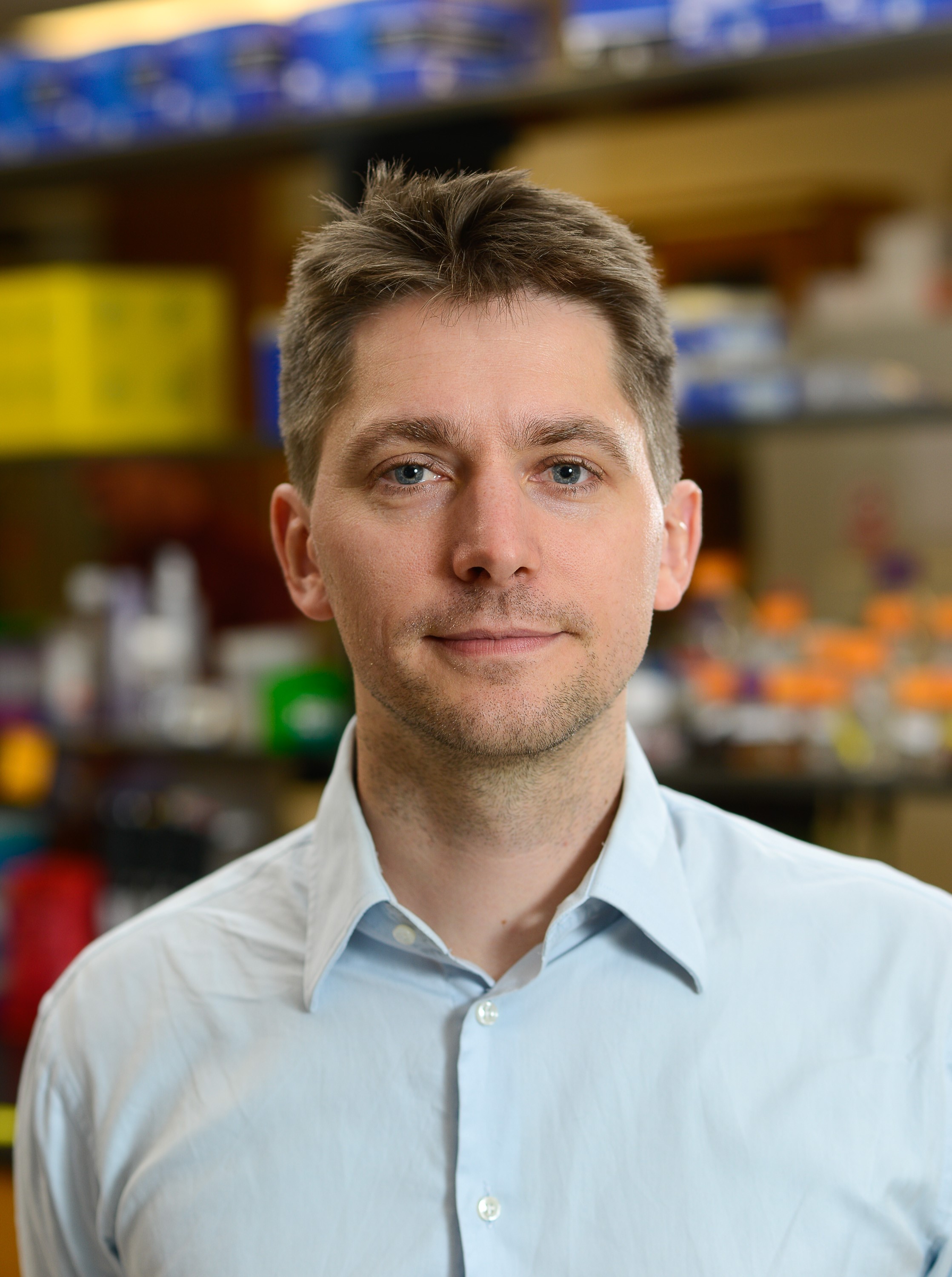
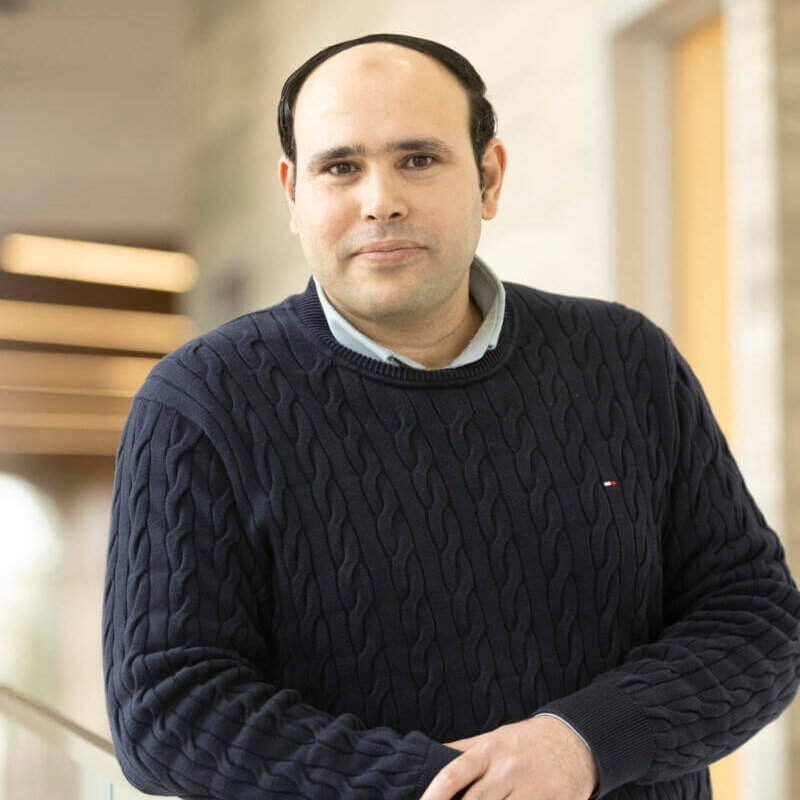
Prof. CHEN Shuming is a Tenured Professor and Doctoral Supervisor at the Department of Electronic and Electrical Engineering , Southern University of Science and Technology (SUSTech) . He has held academic positions since joining SUSTech in 2013 and was promoted to Professor in 2024. Education: PhD in Electronic and Computer Engineering (HKUST, 2012), Master in Optical Engineering (Sun Yat-sen University, 2008), Bachelor in Optoelectronics (South China University of Technology, 2005) Research Focus: Prof. Chen specializes in quantum dot light-emitting diodes (QLEDs) and organic light-emitting diodes (OLEDs) , with expertise in device engineering , device physics , and display/lighting applications . His work includes: Novel device structures (tandem, top-emitting, flexible) Charge transport and exciton dynamics Low-cost fabrication techniques (inkjet printing, laminating) Publication Trends: His recent papers address QLED stability , high-efficiency architectures , and AC-compatible devices , reflecting advancements in quantum dot technology and consumer electronics integration . Scientific Awards: Guangdong Natural Science Award (2024) Shenzhen Youth Science and Technology Award (2017) China Invention Association Innovation Award (2024) International Society for Information Display Outstanding Paper Award (2018) Advising and Grants: Prof. Chen has supervised 6 doctoral students, 5 master's students, and multiple undergraduates. He has led over 10 major projects, including National Natural Science Foundation grants and National Key R&D Program initiatives.
Dr. Barbara L. Hempstead is a Professor of Neuroscience and Medicine at Weill Cornell Medical College, where she has held positions since 2001 and 2002 respectively. Her research focuses on neurotrophin signaling mechanisms, particularly the roles of BDNF and its receptors in neuroinflammation, synaptic plasticity, and neurodegenerative diseases. She has made significant contributions to understanding proBDNF/proNGF signaling pathways in neuronal apoptosis and vascular biology. Education: M.D., Ph.D., Washington University School of Medicine (1982) B.A., Tufts University (1976) Dr. Hempstead's work bridges molecular neuroscience and cardiovascular biology, with a particular interest in receptor stoichiometry (p75NTR, TrkB), neurotrophin-induced synaptic remodeling, and therapeutic applications of neurotrophin modulators in Huntington's disease and post-seizure neuronal injury. Her lab investigates how genetic variants like BDNF Val66Met influence anxiety-related behaviors, social memory, and neurodegenerative disease progression through altered neurotrophin trafficking and signaling. Her recent publications highlight neuroinflammatory mechanisms (2023), immune-neurotrophin interactions (2022), and molecular pathways involving BDNF prodomain structure (2020) and SorCS2-mediated receptor trafficking (2017-2020). While no scientific awards are explicitly mentioned in the scraped text, her funded research (National Institute on Aging, NIMH) demonstrates sustained recognition of her work in neurotrophin biology. Dr. Hempstead's lab develops in vitro and in vivo models to study neurotrophin-receptor dynamics, including 3D culture systems for angiogenesis research and transgenic mouse models for Huntington's disease. Her interdisciplinary approach combines molecular neurobiology with vascular physiology to uncover novel therapeutic targets for neurological and cardiovascular conditions.
Timm Beichelt is a Professor of European Studies at the European University Viadrina, where he serves as Dean of the Faculty of Social and Cultural Sciences and Head of the Master's degree programme in European Studies (MES). His research bridges political science and social/cultural sciences, focusing on democracy and autocracy in Central/Eastern Europe, EU foreign policy, and the intersection of football and politics. Doctorate in Political Science (University of Heidelberg, 2000, summa cum laude) Junior Professor at European University Viadrina (2003) Head of MES since 2003 Director of Viadrina Institute for European Studies (2017-2022) Head of Jean Monnet Policy Network 'ValEUs' (2024) His research explores democratic consolidation in post-socialist Europe, political emotions , and the politics of football as a transnational organizational field. Recent work analyzes EU foreign policy contradictions, autocratic practices in football, and emotional dynamics in governance. Articles reveal a focus on institutional hybridity, transnational networks, and late-modern societal contradictions. Recipient of the German Political Science Association (DVPW) Dissertation Prize (2000) Board member of Brandenburgische Landeszentrale für Politische Bildung (2019) Advisory Board member of Genshagen Foundation (2014) Co-spokesperson for DGO specialist group 'Political and Social Science' (2018) Beichelt leads the EU-funded 'ValEUs' research network and has contributed extensively to debates on democracy promotion, Europeanization, and the social dimension of political emotions. His career spans teaching, research, and leadership roles, emphasizing interdisciplinary approaches to European integration and political systems.
Dr Gëzim Visoka serves as Associate Professor of Peace and Conflict Studies at Dublin City University (DCU), where he also completed his PhD in Politics and International Relations. A prolific scholar, he has authored or co-edited 10 books, published 25 journal articles, and contributed 20 book chapters, establishing himself as a leading voice in critical peace studies and state recognition theory. Education: PhD in Politics and International Relations, Dublin City University Visoka's research interrogates the intersections of peacebuilding, state formation, and global governance, with particular emphasis on diplomatic recognition practices, the foreign policy of small states, and Kosovo's contested statehood. His critical approach challenges liberal peacebuilding paradigms while exploring emancipatory alternatives through concepts like 'normal peace' and 'peace multitudes,' grounded in extensive fieldwork across the Western Balkans. Analysis of his recent publications reveals three dominant trajectories: 1) Theoretical innovations in state recognition/derecognition dynamics, 2) Critical examinations of 'counter-peace' as systemic obstruction to conflict resolution, and 3) Investigations into micro-level normalization practices in post-conflict settings. His work consistently bridges high theory with empirical studies of Kosovo, demonstrating how everyday state-making practices intersect with international governance structures. Dr Visoka holds influential editorial positions including Associate Editor of Peacebuilding journal, editor of Routledge Studies in Statehood book series, co-editor of Rethinking Peace and Conflict Studies , and editor-in-chief of the Palgrave Encyclopaedia of Peace and Conflict Studies . Complementing his academic work, he maintains 15+ years of practical engagement with civil society organizations and policy institutions in post-conflict environments, providing critical insights into transitional justice implementation and peacebuilding effectiveness.
Matthias Schlottbom is an Associate Professor specializing in Mathematics of Computational Science, with a focus on numerical methods and their applications in physics, biology, and engineering. His research integrates advanced computational techniques with interdisciplinary problems, including radiative transfer, photonic crystals, and chemotaxis modeling. Research Interests: Schlottbom’s work spans numerical analysis, finite element methods, and machine learning. He develops high-order discretization schemes, iterative solvers for anisotropic transport, and mathematical frameworks for biological network formation. Publications: Recent articles highlight his contributions to accelerating radiative transfer simulations, extending component mode synthesis for Helmholtz equations, and analyzing diffusion limits in kinetic models. His work often bridges computational mathematics with practical applications in photonics and multiscale systems. Collaborations: He actively collaborates on datasets for optical simulations, radiative transfer algorithms, and photonic crystal modeling, contributing to open-access repositories like 4TU.Centre and Zenodo. Activities: Schlottbom has organized workshops such as the Kinetic Theory Workshop in the Netherlands and delivered keynotes on residual minimization and data-driven methods for transport equations. Scientific Awards: No specific awards or fellowships are mentioned in the provided materials. Advising & Grants: Details about students, advising roles, or grant funding are not included in the available data.
Manuel Kleiner is an Associate Professor in the Department of Plant and Microbial Biology at North Carolina State University. His research focuses on metabolic and physiological interactions in host-microbe systems, microbial ecology, and the application of metagenomics and high-resolution mass spectrometry to study complex microbiota-host relationships. Research Highlights: Development of metaproteomic techniques to quantify protein expression, analyze community structure via biomass contributions, and track isotope ratios to understand nutrient flow between hosts and microbiota. Creator of the "transductomics" approach to detect horizontal gene transfer via viral transduction in intestinal systems. Collaborates with researchers such as Theriot, Sartor, Sheikh, Ziegler, and Gonzalez. Recent Trends: His 2025 publications emphasize gut microbiome dynamics, maize root-microbe interactions, transplantation biology, and advancements in metaproteomic methodologies. Key themes include dietary impacts on microbiota, stable isotope probing, and synthetic microbial communities for plant and human health. Laboratory Tools: The Kleiner Lab utilizes quantitative metagenomics, high-resolution mass spectrometry, and computational modeling to dissect functional interactions in symbiotic systems across diverse environments, from marine organisms to agricultural crops.
Silas Alben is a Professor in the Department of Mathematics at the University of Michigan, affiliated with the College of Literature, Science, and the Arts. His research focuses on applied mathematics and mathematical biology, particularly fluid-structure interactions in biological systems. He employs computational simulations and laboratory experiments to study fundamental physics of flexible bodies in fluids. Research interests include biomechanics of swimming organisms, vortex dynamics in fluid-structure interactions, and thermal transport optimization. His work bridges mathematical modeling with experimental validation to understand complex physical phenomena. Publications demonstrate strong focus on fluid dynamics applications, including vortex-enhanced heat transfer, membrane flutter dynamics, and bio-inspired locomotion. Recurring themes include optimization of fluid-structure systems, vortex wake interactions, and computational methods for aeroelastic problems.
Mohamed Shaat is an Assistant Professor of Mechanical Engineering in the Engineering Department at St. Mary's University, San Antonio, Texas. Holding a Ph.D. from New Mexico State University (2017), he previously served as Assistant Professor at Abu Dhabi University (2019-2021) and held postdoctoral positions at Southern Methodist University (2022-2024) and Boston University (2021-2022). His research bridges energy storage systems, active matter physics, and advanced materials engineering. His educational foundation includes: Ph.D. in Mechanical Engineering, New Mexico State University, 2017 M.Sc. in Mechanical Engineering, New Mexico State University, 2016 M.Sc., Zagazig University (Egypt), 2012 B.Sc., Zagazig University (Egypt), 2007 Dr. Shaat's research program focuses on interdisciplinary innovation in energy storage (SOFCs & ASSBs), mechanics of active matter, nano-confined fluids, chiral metamaterials, and topological/non-Hermitian mechanics. He integrates machine learning with continuum mechanics to optimize electrochemical systems and additive manufacturing, exploring nontraditional phenomena in complex materials for next-generation engineering applications. Analysis of his 60+ journal articles reveals a dominant trajectory in nonlocal elasticity theory and topological mechanics, with increasing integration of machine learning (2020-2024). His work spans nanostructure mechanics, metamaterial design, and energy storage optimization, demonstrating consistent innovation in theoretical frameworks for complex material systems. His scholarly recognition includes: World's Top 2% Scientist (Stanford University, Mechanical Engineering & Transports, since 2019) Outstanding Graduate Award, New Mexico State University (2017) Merit-Based Enhancement Fellowship, New Mexico State University (2017) Best Master's Thesis Award, Zagazig University (2013) Committed to academic service, Dr. Shaat serves on the editorial board of Scientific Reports and as Specialty Associate Editor for Frontiers in Mechanical Engineering. His extensive peer review for Nature, Nature Communications, and Applied Physics Letters reflects his field authority. While specific grant details aren't disclosed, his postdoctoral appointments and publication volume indicate successful research funding. His teaching includes Materials Engineering and Materials Laboratory courses, emphasizing hands-on student mentorship. Though laboratory infrastructure isn't explicitly detailed, his research scope suggests computational modeling expertise and likely collaboration with experimental teams for materials characterization in energy storage and metamaterials development.
Nathan van de Wouw is a Full Professor at the Mechanical Engineering Department of Eindhoven University of Technology (TU/e), affiliated with ICMS, EAISI Mobility, EAISI High Tech Systems, EAISI Foundational, and EIRES. He also holds an adjunct Full Professor position at the University of Minnesota and a part-time Full Professorship at Delft University of Technology. His research focuses on dynamics and control of mechanical systems, including mechatronics, robotics, smart manufacturing, energy systems, and networked control. He has supervised over 150 students and led numerous projects funded by industry partners like ASML, Philips, and Shell. Education: M.Sc. (with Honors) in Mechanical Engineering, TU/e (1994) Ph.D. in Mechanical Engineering, TU/e (1999) Research Interests: Nonlinear systems and control Model reduction and complexity analysis Data-driven and networked control strategies Applications in high-tech systems, autonomous vehicles, and energy systems Awards: IEEE Control Systems Technology Award (2015) for variable-gain control in motion systems Grants & Projects: Lead projects on mechatronic design, lithography systems, and thermodynamic optimization Collaborations with TNO, ASML, and industrial partners Labs & Teams: Member of TU/e’s Dynamics and Control group Affiliated with EAISI (Eindhoven AI Systems Institute)
Florian Muijres is an Associate Professor and Chairholder at the Experimental Zoology Group, Wageningen University & Research, where he leads the Animal Flight Lab. His research focuses on the biomechanics, aerodynamics, and flight control of natural flyers such as insects, birds, and bats, with applications in bio-inspired robotics and ecological solutions like mosquito traps and flapping-wing drones. He holds a PhD from Lund University (Sweden) and conducted postdoctoral research at the Dickinson Lab, University of Washington (USA). Research Interests: Merging experimental and computational methods, his work explores primary research on flight mechanics (e.g., mosquito evasion, butterfly gliding) and applied studies (e.g., drone design, pollinator behavior in greenhouses). His lab uses advanced videography and robotic models to study flight dynamics under real-world conditions. Labs & Teams: The Animal Flight Lab collaborates with biologists, physicists, and engineers to investigate flight adaptations in mosquitoes, bumblebees, and pied flycatchers. Projects include developing high-efficiency traps and analyzing flight performance in complex environments.
Dr. Hongli (Julie) Zhu is an Associate Professor in the Department of Mechanical and Industrial Engineering at Northeastern University's College of Engineering. Her research focuses on sustainable energy storage, multifunctional materials, and advanced manufacturing, with emphasis on developing environmentally friendly biomass-derived materials, all solid-state batteries, and flow batteries. She leads the ZHU Lab at Northeastern University, which is dedicated to creating safer, cheaper, and higher performance energy storage solutions while exploring multifunctional materials derived from nature. Dr. Zhu received her PhD from South China University of Technology and Western Michigan University (2004-2009). She conducted postdoctoral research at KTH Royal Institute of Technology in Sweden (2009-2011), focusing on biodegradable and renewable biomaterials from natural wood, followed by additional postdoctoral work at the University of Maryland (2012-2015), where she researched nanocellulose and energy storage. Dr. Zhu's research spans multiple disciplines at the intersection of materials science, energy storage, and sustainable manufacturing. Her work addresses critical challenges in energy storage technology, including developing all solid-state batteries, flow batteries, and high energy density battery systems. She has pioneered research in sustainable biomass-derived materials, particularly investigating cellulose, hemicellulose, and lignin for applications in bendable, implantable, and biocompatible electronics. Her lab also focuses on advanced manufacturing techniques, including high-speed roll-to-roll processing for emerging advanced materials and devices. Analysis of Dr. Zhu's publication record reveals a strong focus on next-generation battery technologies, particularly solid-state systems. Her research demonstrates significant contributions to understanding and improving lithium dendrite suppression, electrode architecture optimization, and interface stabilization in solid-state batteries. She has also made substantial advances in sustainable materials derived from natural resources, developing applications for cellulose nanostructured fibers, paper, and aerogel/hydrogel systems. MRS Communications Early Career Distinguished Presenters and JMR Distinguished Invited Speakers (2024) Selected in Stanford University List of Top 2% Scientists Worldwide (2021-2024) College of Engineering Faculty Fellow (2023) Soren Buus Outstanding Research Award (2022) Women in Materials Science, Advanced Materials (2021 and 2022) Women Scientists at the Forefront of Energy Research, ACS Energy Letters (2020) Innovator of the Year 2013, Maryland Jakob Wallenberg Scholarship, Sweden Dr. Zhu has secured significant research funding from various sources, including the National Science Foundation and Department of Energy. Her current projects include "Uncovering the mechano-electro-chemo mechanism of fresh Li in sulfide based all solid-state batteries through operando studies" (NSF), "Enabling Advanced Electrode Architecture through Printing Technique" (DOE), and "Engineering the Metal Sulfide Interface in All Solid State Batteries through Operando Study" (NSF). She collaborates with industry partners including Rogers Corporation and has developed patented technologies related to sustainable materials and energy storage. Dr. Zhu serves as Codirector of Advanced & Intelligent Manufacturing, Editor of Progress in Materials Science, and on the Editorial Advisory Board of Chemical Society Reviews. The ZHU Lab at Northeastern University is a highly interdisciplinary research group that bridges scales from the nanoscopic to macroscopic and system level. The lab's work has led to numerous patents, including "Natural fiber composites as a low-cost plastic alternative" and "Fire-retardant Nanocellulose Aerogel, and Methods of Preparation and Uses Thereof." The group focuses on making energy storage safer, cheaper, and higher performing while exploring multifunctional materials derived from nature, with particular emphasis on applying high-speed roll-to-roll manufacturing to emerging advanced materials and devices.
Dr. Nicholas Nelson is an Associate Professor in the Department of Physics at California State University, Chico. His research spans interdisciplinary areas including astrophysics, dynamical chaos, and medical education curriculum development. He specializes in stellar evolution models, solar convection dynamics, and magnetic field generation in stars. His work bridges physics and healthcare, addressing structural competency in medical training and social determinants of health through innovative curricula. Research interests include: solar magnetic loop formation, chaotic dynamics in celestial bodies, and integrating social determinants of health into residency programs. His publications reflect a dual focus on computational astrophysics and healthcare equity. Notable contributions include studies on knuckleball aerodynamics, early career challenges in astrophysics, and curriculum design for addressing health disparities. Though no awards are explicitly listed, his work demonstrates impactful cross-disciplinary engagement. No advising relationships or grant information was provided in the source material. His office is located in PHSC 121B on campus.
Andrew S. Whittaker is a SUNY Distinguished Professor in the Department of Civil, Structural and Environmental Engineering at the University at Buffalo, State University of New York . He serves as Director of the Institute of Bridge Engineering and Interim Director of the Stephen Still Institute for Sustainable Transportation and Logistics , both within the School of Engineering and Applied Sciences . A registered Civil and Structural Engineer in California, Whittaker specializes in structural and earthquake engineering, bridge engineering, blast and impact engineering, performance-based engineering, and nuclear structures. Research Interests: His work focuses on seismic isolation systems for nuclear reactors, fluid-structure interaction in advanced reactor vessels, gamma radiation effects on materials, and the dynamic behavior of graphite blocks in high-temperature gas reactors (HTGRs). He also explores the commodification of microreactors and soil-structure interaction for seismically isolated facilities. Scientific Awards: Distinguished Member, American Society of Civil Engineers (2025) Untermyer & Cisler Reactor Technology Medal (2023) Nathan M. Newmark Medal (2023) Fellow of multiple societies (ASCE, SEI, ACI) Awards and grants highlight his leadership in nuclear safety, seismic engineering, and reactor design.
Hongyi Xu is a Senior Lecturer at the Australian National University's Research School of Chemistry and a researcher/principle investigator at Stockholm University (0.2 FTE). He holds a PhD in Materials Engineering from the University of Queensland (2013) and a Bachelor of Engineering (Mechatronics) from the same institution (2008). His research focuses on developing electron crystallography methods for studying materials, small molecules, peptides, and macromolecules, with applications in drug design and structural biology. He has pioneered MicroED techniques, including solving the first new protein structure using this method and demonstrating protein-inhibitor binding analysis. Key research areas include electron crystallography methodology, multidimensional electron microscopy toolkits, metalloenzyme charge state analysis, and fragment-based drug design. He has secured grants such as the Swedish Research Council Starting Grant and has collaborated with over 25 international groups. Notable achievements include the development of SerialED and contributions to cryo-EM advancements like Single Particle Analysis (SPA) and cryo-ET. Recent publications highlight advancements in perovskite photovoltaics, electrocatalytic hydrogen peroxide production, and zeolite structural analysis. His work bridges materials science and biology, addressing challenges in structural determination through innovative microscopy techniques. Awards include the Dean’s Accommodation for Academic Excellence (2013) and the Best Thesis Award (2013).
Hari Nair is an Assistant Professor in the Department of Materials Science and Engineering at Cornell University, part of the College of Engineering. His research focuses on the synthesis and characterization of complex oxide thin films using molecular beam epitaxy (MBE), with applications in power electronics, quantum materials, and optoelectronics. B.Tech. in Engineering Physics, Indian Institute of Technology Madras, 2006 M.S. in Electrical and Computer Engineering, The University of Texas at Austin, 2008 Ph.D. in Electrical and Computer Engineering, The University of Texas at Austin, 2013 His research interests lie at the intersection of semiconductor physics, materials synthesis, and advanced functional materials. He specializes in epitaxial strain engineering, heterostructure design, and the control of electronic and magnetic properties in oxide thin films. His vision is to leverage novel materials to enable revolutionary advances in electronic and optoelectronic devices. Analysis of his recent publications reveals a strong focus on β-Ga₂O₃ for high-power devices and ruthenate-based quantum materials such as Sr₂RuO₄ and SrRuO₃. His work spans ultra-wide bandgap semiconductors, strain-engineered phase transitions, superconductivity, and spin-orbit phenomena. Techniques include MBE growth, THz spectroscopy, and advanced electron microscopy. Notable scientific awards include: Student Paper Award, Device Research Conference (DRC), 2013 The Ben Streetman Prize for Outstanding Research in Electronic and Photonic Materials and Devices, 2013 Student Paper Award, Electronics Materials Conference (EMC), 2012 Hari Nair has advised several graduate students and postdoctoral researchers, though specific names are not listed in the provided text. His work has been supported by grants from federal agencies and institutional programs focused on advanced materials and quantum science. He is actively involved in collaborative research through centers and labs at Cornell, particularly those related to materials synthesis and characterization. He leads a research group focused on the growth and study of epitaxial thin films, working closely with the D.G. Schlom group and other collaborators in the Kavli Institute at Cornell. His lab utilizes state-of-the-art MBE systems and advanced characterization tools for probing electronic, magnetic, and structural properties at the nanoscale.