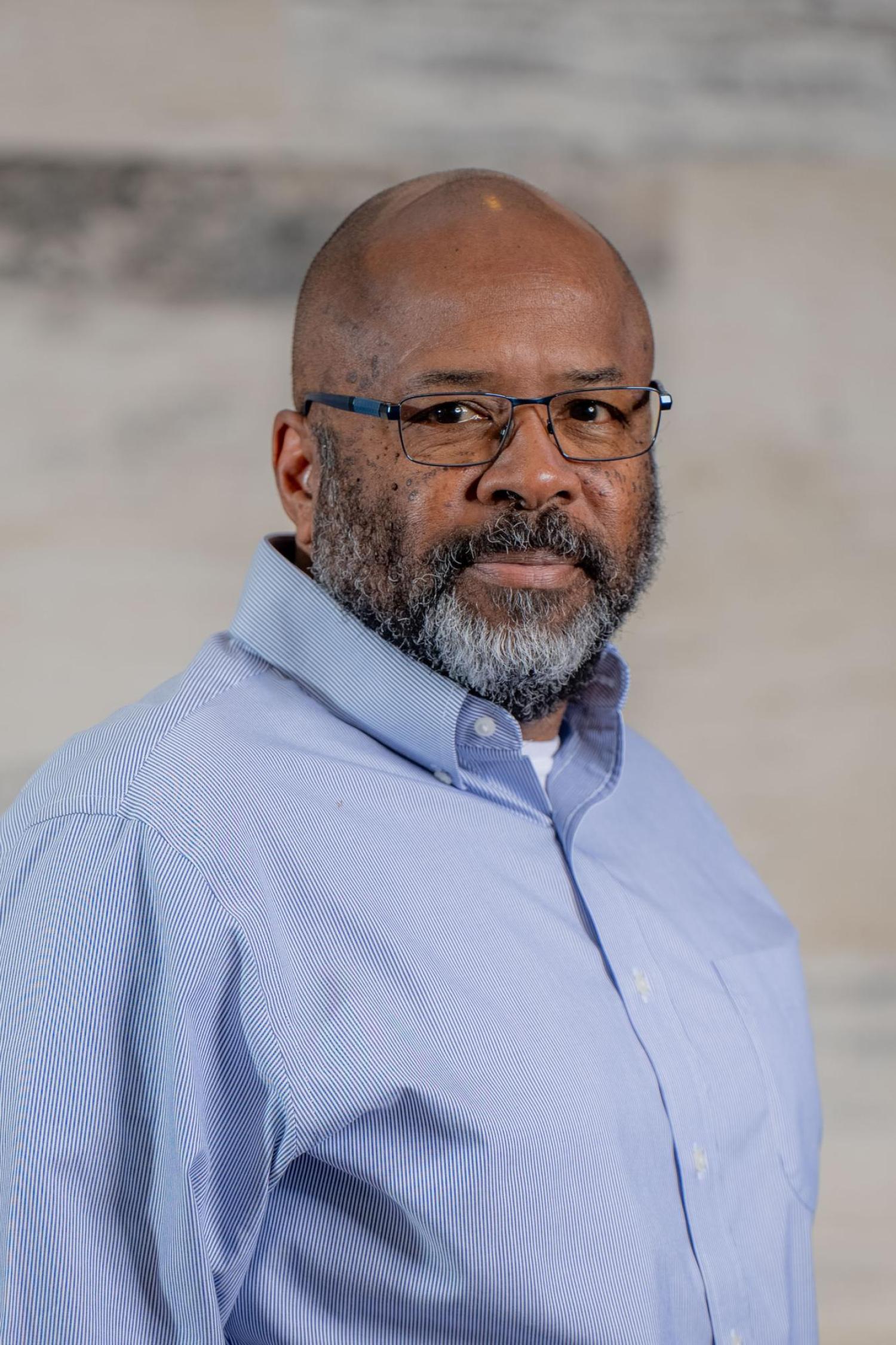
Andreas HöferView profile
Professor
Professor Andreas Höfer serves as Head of University at Deutsche Bundesbank University of Applied Sciences, where he leads academic operations while maintaining an active faculty role. His expertise centers on banking supervision, business administration, and bank management within this specialized central banking institution. His educational foundation includes rigorous training in international finance: Bachelor's degree in International Finance, Frankfurt University of Applied Sciences, Germany Semester abroad, London Metropolitan University, UK Master's degree in Finance and Investment, University of Durham - Durham Business School, UK PhD awarded by the University of Bamberg, Germany Höfer's research critically examines banking supervision frameworks, SME financing mechanisms, asset pricing models, and corporate governance structures. His empirical approach investigates regulatory impacts on financial stability, with particular attention to operational risk management and investor protection mechanisms in European banking contexts. Publication trends reveal sustained focus on financial regulation effectiveness, analyzing topics like operational risk in credit institutions, mutual fund rating reliability, and financial analyst behavior. His work consistently bridges academic rigor with practical policy implications for banking supervision. Though no specific scientific awards are documented, his scholarly contributions appear through peer-reviewed publications and international conference presentations spanning finance and regulatory economics. Professional experience includes research assistant roles at the University of Bamberg's Chair of Finance and Household Finance Research Unit, plus leadership as Head of department at Bayreuth's Economic Research Centre for SMEs. His background also encompasses renewable energy advisory work and business consultancy. Collaborative research patterns with co-authors like A. Oehler indicate active participation in financial regulation research networks, though specific laboratory structures aren't detailed in available materials.