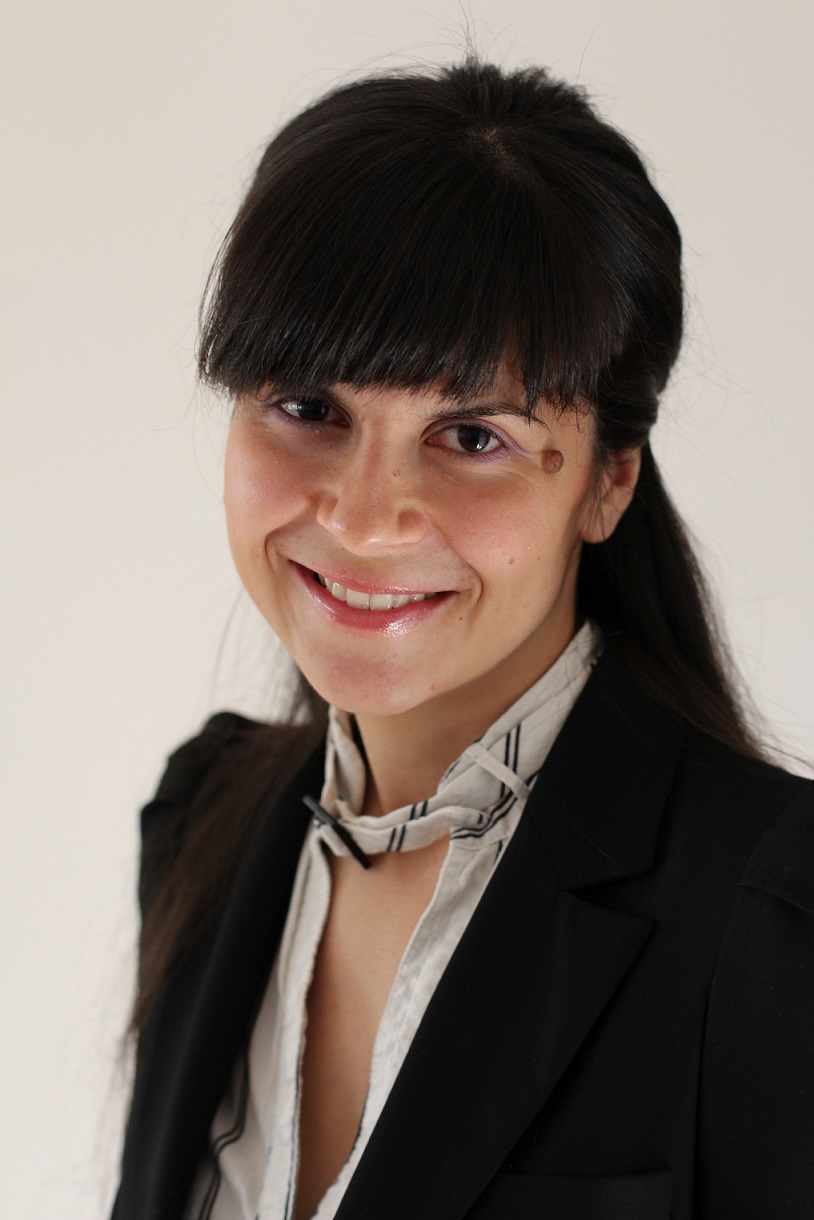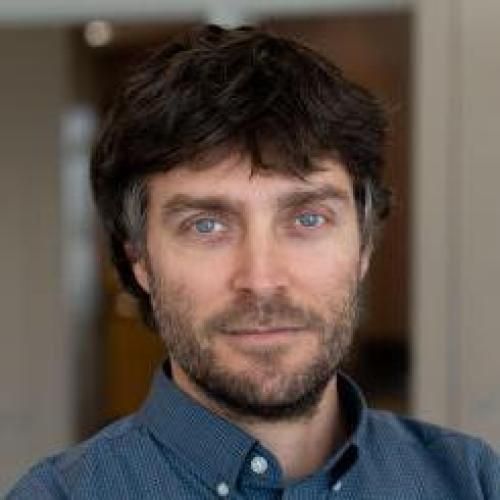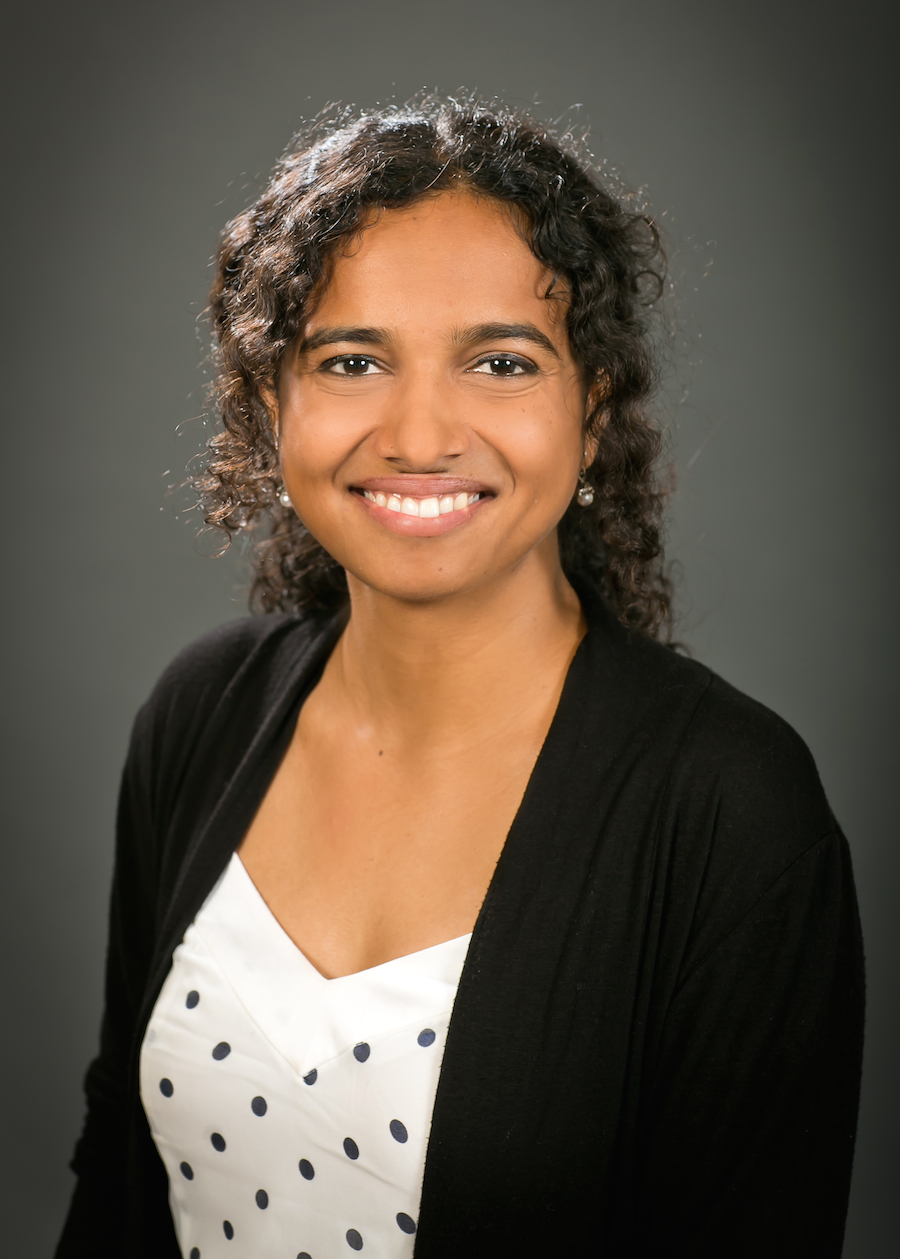
Ramya Korlakai VinayakView profile
Assistant Professor
Ramya Korlakai Vinayak is the Dugald C. Jackson Assistant Professor in the Department of Electrical and Computer Engineering at the University of Wisconsin-Madison. She also holds affiliations with the Department of Computer Science and the Department of Statistics at UW-Madison. Her research program bridges theoretical machine learning with practical applications in data science and crowdsourcing. Education: PhD in Electrical Engineering from California Institute of Technology (Caltech), advised by Prof. Babak Hassibi B.Tech in Electrical Engineering with minor in Physics from Indian Institute of Technology Madras (IIT Madras) Dr. Vinayak's research focuses on developing theoretically grounded machine learning tools for reliable inference using data from human sources. Her work spans machine learning theory, statistical inference, and crowdsourcing systems, with particular emphasis on preference learning, metric learning, and robust dataset construction. She has pioneered methods for learning from limited pairwise comparisons, auto-labeling systems, and human-in-the-loop out-of-distribution detection. Her recent publications reveal a consistent trajectory toward building practical machine learning systems that incorporate human feedback while maintaining theoretical guarantees. The pattern shows increasing focus on ethical considerations in AI, particularly regarding bias in generative models and reliable human-AI collaboration frameworks. Scientific Awards: Faculty for the Future fellowship (2013-2015) from Schlumberger Foundation NSF CAREER Award American Family Funding Initiative Award with Fred Sala Dr. Vinayak leads an active research group with multiple PhD students across ECE and CS departments. She has secured significant research funding including an NSF grant for "Uncovering the cognitive and neural fingerprints that make each of us unique" in collaboration with Tim Rogers, Rob Nowak and Brad Postle. She is also co-organizing the MidWest Machine Learning Symposium and NeurIPS tutorials on dataset construction. Her research group operates at the intersection of theory and practice, developing mathematically grounded frameworks that address real-world challenges in dataset construction, human-AI collaboration, and reliable machine learning systems.