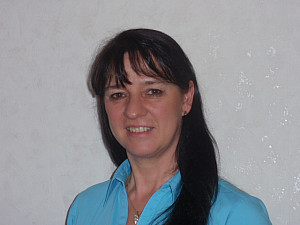
Monika L. Eckenberg is an Assistant Professor at Purchase College, State University of New York, within the School of Natural and Social Sciences and the Department of Chemistry. Her research bridges organic chemistry, biochemistry, and microbiology with a focus on Green Chemistry. PhD from Georg August University (Germany) Postdoctoral research at MIT on Polyhydroxyalkanoate synthase enzyme mechanisms Research interests span organic synthesis , antibiotic biosynthesis , and interdisciplinary approaches in chemistry-microbiology. Her publications from 1990–1993 reveal trends in Streptomyces metabolite studies , pyrrole formation , and structural analysis of antibiotic precursors . Contact : Email: Monika.Eckenberg@Purchase.edu Office: Natural Science Building, Room 3010 Phone: 914-251-6689 Office Hours: Wednesdays 10:00 AM – 11:00 AM, Fridays 1:00 PM – 2:30 PM
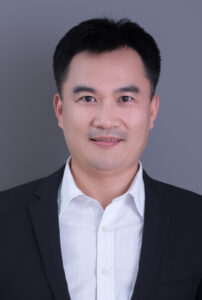
Dr. Shan Yan is Professor and Associate Chair for Research in the Department of Biological Sciences at the University of North Carolina at Charlotte (UNC Charlotte), within the College of Science. He joined UNC Charlotte as a tenure-track Assistant Professor in 2010, was promoted to Associate Professor with tenure in 2016, and to Full Professor in 2019. Dr. Yan also serves as Program Leader of the Genome Integrity and Cancer Initiative (GICI) at UNC Charlotte and as Director of the Charlotte Biology and Biotechnology (CBB) Exchange Group, co-sponsored by the North Carolina Biotechnology Center. Additionally, he is an Affiliate Faculty member of the School of Data Science. Dr. Yan's research program focuses on the molecular mechanisms of genome integrity and cancer etiology . His work spans Cancer Biology, Cell Biology, Molecular Biology, Developmental Biology, and Environmental Health, with particular emphasis on DNA repair pathways, DNA damage response (DDR), and genome stability. The Yan laboratory employs Xenopus egg extracts and mammalian cell lines as model systems, utilizing bioinformatics, biochemical, biophysical, molecular and cell biology approaches. His lab has made significant contributions in five key areas: (1) dissecting DNA single-strand break repair and ATR-/ATM-mediated checkpoint signaling; (2) elucidating molecular mechanisms of DNA damage response in oxidative stress; (3) revealing mechanisms of ssDNA stability maintenance; (4) demonstrating regulatory mechanisms of nucleolar DNA damage response through biomolecular condensates; and (5) characterizing cancer etiology and therapeutics. Dr. Yan's publication record shows a clear trajectory toward increasingly sophisticated understanding of genome integrity mechanisms. His 2022-2024 publications particularly highlight advances in understanding APE1's role in nucleolar DNA damage response, biomolecular condensates, and ATM signaling regulation. Recent work demonstrates how liquid-liquid phase separation contributes to DNA damage checkpoint response in the nucleolus, representing cutting-edge research at the intersection of cell biology and genome integrity. 2023 EMGS Education Award from the Environmental Mutagenesis & Genomics Society (EMGS) 2022 Outstanding Data Science Faculty Research Award from School of Data Science at UNC Charlotte Dr. Yan has demonstrated exceptional commitment to mentoring, having guided 2 junior tenure-track faculty members, 3 research faculty/staff, 4 postdoctoral fellows, 13 graduate students, and 26 undergraduate students, with particular attention to supporting women and underrepresented minority students. His service extends to significant leadership roles including Director on the Board of Directors of FASEB, Chair of EMGS Awards & Honors Committee, and Chair of the Competitive Grant Committee at UNC Charlotte. He has served as a grant reviewer for NIH Study Sections and NSF Review Panels, and as an editor for several prestigious journals including Journal of Biological Chemistry and Nature Communications. The Yan Laboratory operates as a dynamic research team investigating fundamental mechanisms of genome integrity. Current research directions include deciphering SSB/DSB repair regulation, elucidating nucleolar and mitochondrial DNA/RNA stability mechanisms, dissecting biomolecular condensates in genome integrity, and modulating APE1, APE2, and PARP1 mechanisms for BRCA-related cancer treatment.
Professor Jane Endicott is a distinguished structural biologist at Newcastle University's School of Natural and Environmental Sciences, where she serves as a Professor within the Institute for Cell and Molecular Biosciences. Her extensive research career spans over three decades, with continuous publication output from the 1980s through to 2025, demonstrating sustained scientific impact and leadership in her field. She maintains a highly active research program focused on the structural basis of cell cycle regulation and cancer drug discovery. Professor Endicott's research interests center on understanding the molecular mechanisms of cyclin-dependent kinases (CDKs) and related cell cycle regulatory proteins through structural biology approaches. Her work has significantly advanced our understanding of protein-protein interactions in the cell cycle, particularly focusing on CDK-cyclin complexes, MDM2-p53 interactions, and ubiquitin-mediated protein degradation pathways. She employs cutting-edge techniques including X-ray crystallography, cryo-electron microscopy, and fragment-based screening to elucidate the structural basis of protein function and to guide rational drug design. Her research bridges fundamental structural biology with translational applications in cancer therapeutics, making significant contributions to the development of novel cancer treatments targeting cell cycle regulators. Analysis of Professor Endicott's recent publications reveals a consistent focus on structural characterization of key cell cycle regulatory complexes and their application to cancer drug discovery. Her work demonstrates an evolving trajectory from fundamental structural studies of CDK-cyclin complexes to increasingly translational research involving fragment-based drug design, structure-based inhibitor development, and preclinical characterization of novel therapeutic compounds. The research shows particular strength in applying structural insights to understand kinase selectivity, protein-protein interactions, and mechanisms of drug action. Her most recent work continues to push methodological boundaries with advanced cryo-EM studies, innovative fragment screening approaches, and sophisticated structure-based drug design targeting multiple cancer-relevant pathways. Throughout her career, Professor Endicott has maintained a highly productive collaborative network, most notably with Professor Martin Noble at Newcastle University, with whom she has co-authored numerous high-impact publications. Her research program has consistently attracted significant funding to support structural biology infrastructure, personnel, and drug discovery initiatives. She has supervised multiple PhD students and postdoctoral researchers who have gone on to successful careers in academia and industry. Professor Endicott leads a dynamic structural biology research group that integrates crystallography, biophysical methods, and medicinal chemistry approaches to tackle fundamental questions in cell cycle regulation and cancer biology. Her laboratory maintains specialized facilities for protein expression, purification, and structural analysis, and collaborates extensively with medicinal chemists and cancer biologists to translate structural insights into therapeutic applications. The group's work continues to be at the forefront of structural approaches to understanding cell cycle control and developing novel cancer therapeutics.
Svitlana Korolchuk is a researcher at Newcastle University affiliated with the Faculty of Medical Sciences, actively contributing to structural and molecular biology through studies on cyclin-dependent kinases (CDKs) and their regulatory complexes. Her work focuses on elucidating mechanisms of cell cycle regulation, phosphorylation specificity, and protein degradation pathways. Research Interests: The research spans structural biology, biochemical regulation, and cancer biology, with particular emphasis on CDK-cyclin interactions, kinase conformational dynamics, and their implications in oncology. Key areas include cyclin A's role in substrate selection, Cks1-mediated phosphorylation, and structural analysis of CDK complexes via cryo-EM. Publications: Recent work explores structural mechanisms of CDK inhibition, prostate cancer oncoproteins (ING3), and molecular determinants of p27KIP1 degradation. These studies integrate structural biology with functional assays to address therapeutic challenges in cell cycle-related diseases.
Professor Nicola Curtin is a leading academic at Newcastle University specializing in DNA damage response and cancer therapeutics. Her research focuses on developing inhibitors targeting key DNA repair enzymes like PARP, ATR, and DNA-PK to enhance cancer treatment efficacy. She has pioneered studies on synthetic lethality approaches, particularly in BRCA-deficient cancers, and explored drug repurposing for viral infections like COVID-19. Her work spans multiple oncology domains: investigating PARP inhibitor mechanisms, chemosensitization strategies, DDR pathway modulation, and biomarker development. Research integrates molecular biology techniques with preclinical models to validate therapeutic concepts, emphasizing translational potential. Key interests include overcoming therapy resistance and developing combinatorial regimens. Publications demonstrate consistent focus on DNA repair targeting across solid tumors, with recent expansion into virology. Article analysis reveals three major themes: 1) Mechanistic studies of PARP/ATR inhibitors, 2) Synthetic lethality applications, and 3) Therapeutic repurposing for non-oncological conditions. Collaborative work frequently involves biomarker validation and resistance mechanism elucidation. No awards or student advisees are detailed in the source material. Research outputs indicate leadership in multinational consortia focused on DDR inhibitors and frequent industry-academia partnerships for therapeutic development.
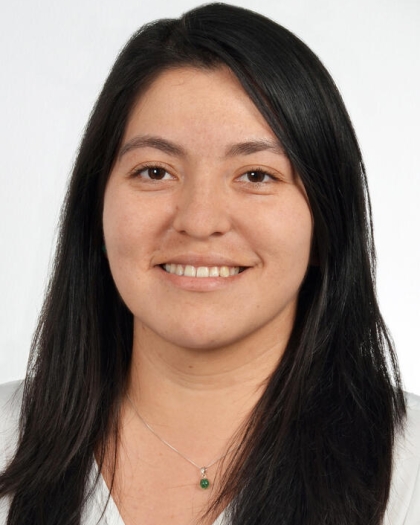
Andrea Lopez Moreno is a Postdoctoral Fellow at the Department of Biomedicine, Faculty of Medicine, University of Bergen, Norway. She conducts structural biology research in Petri Kursula's lab, focusing on protein-lipid interactions and cytoskeletal dynamics in parasitic organisms such as Plasmodium and Toxoplasma gondii . Her research interests include: Structural Biology and Cryo-EM Molecular Parasitology Actin and Actomyosin Filament Dynamics Protein-Lipid Membrane Interactions Membrane Biophysics Drug Discovery in Neurodegenerative and Infectious Diseases Her recent publications reveal a strong focus on high-resolution structural studies of parasite cytoskeletal proteins, particularly actin and its regulators. These works contribute to understanding motility, invasion, and survival mechanisms in malaria and toxoplasmosis. The integration of biophysical and structural methods underscores a multidisciplinary approach to parasitology. Scientific contributions and collaborations include: Key contributor in Cryo-EM studies of Plasmodium actin and actomyosin filaments Collaborative research with institutions including the Francis Crick Institute, University of Oulu, and Humboldt-Universität zu Berlin Publications in high-impact journals such as PLoS Pathogens , PLoS Biology , and Frontiers in Cellular and Infection Microbiology She is involved in the Biometric Proteolipid Multilayers - Structure and Properties (BIOPROM) project, aiming to elucidate structural mechanisms of myelin proteins and their interactions with lipids and cytoskeletal elements. While there is no public information about her advising students or receiving individual awards, her consistent publication record reflects active engagement in cutting-edge biomedical research.
Ping Zhang is a Professor of Pediatric Dentistry at the University of Alabama at Birmingham (UAB) School of Dentistry since 2004, with additional appointments as Senior Scientist in UAB's School of Medicine departments including Neurodegeneration and Experimental Therapeutics, and Center for Clinical and Translational Science. Their research bridges dental science and systemic health through immunological mechanisms, focusing on osteoclast biology , periodontal disease , and innovative vaccine adjuvants . Zhang holds concurrent roles in the Civitan International Research Center and Comprehensive Arthritis Center. Ph.D. in Oral Biology (1997) and DDS (1992) from Hubei University of Medicine Board-certified pediatric dentist with NIH-funded research Research highlights include: Defining RANK/IVVY motif's role in Porphyromonas gingivalis -induced bone loss Developing structurally-defined saponin adjuvants from Momordica cochinchinensis Elucidating age-related immunological changes in bone metabolism Discovering oral-gut translocation of periodontal pathogens in metabolic disorders Recent publications emphasize calcium silicate cements for pulp therapy, chromatin regulation in osteoclasts, and microRNA-based therapies for dental inflammation. Ping Zhang serves on multiple graduate committees and teaches courses on oral microbiology and pediatric dentistry research . They have received extramural funding from NIH (NIDCR, NIAID, NIGMS) and industry partners for vaccine adjuvant development and periodontal disease mechanisms.
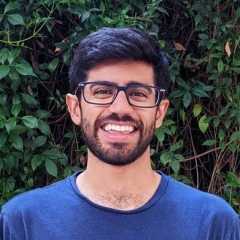
Rahul Sujanani is a Postdoctoral Research Scholar in the Department of Chemical Engineering at the University of California, Santa Barbara, affiliated with the Robert Mehrabian College of Engineering. He conducts research in the Segalman Lab, focusing on advanced membrane materials for sustainable separations. His academic foundation includes: Ph.D. in Chemical Engineering, The University of Texas at Austin (2022) B.S. in Chemical Engineering, Rensselaer Polytechnic Institute (2016) Dr. Sujanani's research centers on hydration physics in polymer membranes, specifically investigating how water content governs ion and solute transport mechanisms. His work bridges fundamental polymer physics with practical membrane design for water treatment, energy applications, and environmental sustainability. Key themes include the transition between dry and hydrated states in polymers, pressure-induced diffusion phenomena, and molecular engineering of selective transport pathways. This interdisciplinary approach integrates materials synthesis, transport characterization, and computational modeling to address critical challenges in separation science. Analysis of his 15 most recent publications (2022-2025) reveals consistent focus on hydration-dependent transport in ion-containing polymers. Dominant trends include quantification of water concentration gradients, elucidation of ion pairing effects, and development of structure-property relationships for membrane selectivity. His work spans fundamental electrochemistry (Donnan potential, ion association) to applied engineering (3D-printed hydrogel devices, sustainable polymer design), demonstrating strong alignment with global priorities in water-energy nexus technologies. Within the Segalman Lab, Dr. Sujanani contributes to research on bio-inspired materials and polymer upcycling, particularly in the 'Membranes and Water Interactions' initiative. The lab's collaborative environment enables cross-cutting work on conjugated polymers, mixed conducting systems, and polymeric ionic liquids, positioning his membrane transport studies within broader materials innovation efforts for sustainability.
Igor Novak is a Senior Lecturer in Chemistry at Charles Sturt University, affiliated with the School of Agricultural, Environmental and Veterinary Sciences. He has been a faculty member since 2005, following a distinguished career that included positions as Associate Professor at the National University of Singapore and research fellowships at King’s College London and the University of Birmingham (UK). His research spans physical chemistry, computational chemistry, and chemical education. Key areas include molecular electronic structure, photoelectron spectroscopy, synchrotron radiation studies, energetic materials, endohedral fullerenes, and fluorescent dyes. He has published over 227 peer-reviewed articles and 26 in chemical education journals, demonstrating deep engagement in both research and pedagogy. The recent trend in his publications shows a strong focus on high-energy molecules such as peroxide-based explosives, chemical warfare agents, and radicals using advanced computational and spectroscopic techniques. His work often combines quantum chemistry with experimental data to elucidate ionization processes and electronic states. Fellow of the Royal Society of Chemistry (UK) Fellow of the Institute of Physics (UK) He has supervised five MSc and PhD students and is a registered supervisor at CSU. His scholarly activities include contributions to teaching reflections, particularly on theoretical yield in reversible reactions. There is no indication of part-time status or retirement—he remains an active researcher with publications extending into 2025. He leads research on electronic structures of complex systems including biomolecules, porphyrinoids, and zwitterionic liquids, often working in collaboration with international teams as reflected in his external research engagements.
Konstantin V Korotkov is an Associate Professor in the Department of Molecular and Cellular Biochemistry at the University of Kentucky, College of Medicine. His research focuses on understanding the molecular mechanisms of bacterial protein secretion systems, particularly the ESX (Type VII) systems in pathogenic bacteria such as Mycobacterium tuberculosis , Staphylococcus aureus , and Bacillus anthracis . His research interests lie at the intersection of structural biology, biochemistry, and microbial pathogenesis. Using X-ray crystallography, electron microscopy, and biochemical assays, Dr. Korotkov aims to elucidate the architecture and function of the ESX secretion machinery. This knowledge is expected to guide the development of novel antibacterial therapies, especially for tuberculosis. His lab investigates key enzymes and protein complexes involved in bacterial metabolism and virulence, with a strong emphasis on identifying druggable targets. The recent publications (all from 2019) highlight a consistent focus on structural characterization of bacterial enzymes and secretion system components. These works span topics such as methionine biosynthesis, NAD metabolism, cell wall modifications, and chaperone-mediated protein transport. Collectively, they reflect expertise in structural enzymology and a strategic approach to targeting essential pathways in pathogenic bacteria. Dr. Korotkov has published in high-impact journals including Nature Chemical Biology , ACS Chemical Biology , Scientific Reports , and Journal of Molecular Biology . While specific awards are not listed, his publication record indicates significant contributions to the field of bacterial pathogenesis and structural microbiology. He mentors research in a laboratory setting focused on structural and biochemical analysis of bacterial systems. Although specific students are not named, his research program supports graduate and potentially undergraduate research opportunities. Collaborative work is evident from co-authorship with researchers across disciplines, including microbiology, chemical biology, and glycobiology. His lab utilizes shared resources such as protein production facilities and advanced microscopy. Dr. Korotkov is affiliated with structural and biochemical research facilities at the University of Kentucky, including access to X-ray crystallography and electron microscopy infrastructure. His work is supported by structural biology and infectious disease research networks, and he contributes to the academic mission through research, publication, and training in molecular biochemistry.
David W Rodgers, PhD , is an Associate Professor in the Department of Molecular and Cellular Biochemistry at the University of Kentucky , affiliated with the College of Arts and Sciences . His research integrates structural biology, enzymology, and protein engineering to understand molecular mechanisms of disease and develop therapeutic strategies. Education B.A., Thiel College Ph.D., Cornell University Postdoctoral Fellowship, Harvard University Dr. Rodgers' research centers on enzyme catalysis and substrate recognition , with a focus on neuropeptidases such as neurolysin and insulin-degrading enzyme. His lab employs X-ray crystallography and functional assays to elucidate how these enzymes recognize small peptides and regulate neurotransmitter levels, with implications for psychotic disorders , addiction , pain , and Alzheimer's disease . Another key area involves the structural basis of congenital myasthenic syndromes and immunodeficiency disorders through mutagenesis and functional analysis. His recent publications reflect a strong trend in structural enzymology , neurodegenerative disease mechanisms , and therapeutic targeting , including work on calpain-5, nanobodies, and polyglutamine-binding proteins. These studies combine high-resolution structural data with biochemical validation to inform drug design. Scientific Awards No specific awards mentioned in the provided text. Dr. Rodgers is actively engaged in mentoring graduate students and collaborative research , including partnerships with pharmaceutical companies to develop enzyme inhibitors. His lab is supported by research grants focused on enzyme mechanisms and disease-related protein dysfunction. He utilizes advanced structural techniques and computational modeling to advance both basic science and translational applications. Laboratories and Research Teams His research is conducted within the Molecular and Cellular Biochemistry Department at the University of Kentucky, leveraging core facilities such as X-ray crystallography and protein production. He leads a multidisciplinary team focused on structural and functional analysis of disease-relevant enzymes.
Professor Marcel Jaspars is Chair in Chemistry at the University of Aberdeen, affiliated with the School of Natural and Computing Sciences and the Department of Chemistry. He is a leading expert in marine biodiscovery, natural product chemistry, and science policy. He previously served as Head of the Department of Chemistry (2016–2019) and led the €9.5M EU FP7 PharmaSea project. BA Hons (Cantab), Natural Sciences (Chemistry), University of Cambridge, 1987 PhD, Organic Chemistry, Trinity College, Dublin, 1992 ScD (Cantab), Organic Chemistry, University of Cambridge, 2018 His research focuses on discovering bioactive compounds from marine and desert environments, with applications in drug discovery for Alzheimer’s and epilepsy. He pioneers structure determination using NMR and atomic force microscopy and studies the biosynthesis of cyclic peptides like patellamides. His work integrates chemistry, biotechnology, and sustainability. His recent publications span marine natural products, computational drug discovery, and policy on marine genetic resources. Key themes include antimicrobial agents, neuroprotective flavonoids, deep-sea metabolites, and digital sequence information (DSI) governance. Biotechnology and Biological Sciences Research Council Research Development Fellow (2006–2009) American Society of Pharmacognosy Matt Suffness Award (2003) Fellow of the Royal Society of Edinburgh (FRSE) Fellow of the Royal Society of Chemistry (FRSC) Chartered Chemist (CChem) Fellow of the Higher Education Academy He has secured major grants from EU Horizon 2020 and Horizon Europe, including the MARBLES, BlueRemediomics, and HOTBIO projects. He advises PhD students and teaches courses such as Small Molecule Drug Discovery and Organic & Biological Chemistry. He leads the Marine Biodiscovery research group and contributes to policy through the Deep Ocean Stewardship Initiative and UN processes on biodiversity beyond national jurisdiction (BBNJ).
Abigail Jensen is an Associate Professor in the Department of Biology at the University of Massachusetts Amherst, within the College of Natural Sciences. She serves as Graduate Program Director and Principal Investigator of a research lab focused on vertebrate retinal development and disease. Her laboratory investigates the molecular and cellular mechanisms of photoreceptor outer segment morphogenesis and renewal, using zebrafish as a primary model organism. Education: B.A., University of California, San Diego, 1988 Ph.D., University of Wisconsin, Madison, 1992 Postdoctoral Training: University College London (1992–1996), University of Oregon (1996–2002) Her research centers on understanding how photoreceptor outer segments—highly modified cilia responsible for light detection—are formed, maintained, and renewed throughout life. A major focus is on the continuous renewal process involving proximal growth and distal shedding of outer segments, which is critical for long-term photoreceptor viability. Her lab developed innovative tools such as the Tg(hsp70:HA-mCherryTM) transgenic zebrafish and Tet-On inducible systems to study the kinetics and regulation of outer segment renewal in vivo. The recent publications reflect a strong trend in molecular and cellular mechanisms of photoreceptor development, particularly involving polarity complexes (e.g., Crumbs complex), FERM domain proteins (e.g., Mosaic eyes, Yurt), and transgenic tools for temporal control of gene expression. These studies bridge developmental biology, neuroscience, and cell biology, with implications for inherited retinal degenerations such as retinitis pigmentosa and macular degeneration. Dr. Jensen leads a research team that includes a senior research associate, postdoctoral fellow, research assistants, and undergraduate students. She mentors early-career scientists and maintains an active research program, as evidenced by publications up to 2012. While no formal scientific awards are listed in the provided text, her contributions to retinal biology are significant, particularly in elucidating the role of key proteins in photoreceptor structure and function. She has been involved in securing research tools and plasmids for the community, with requests directed to her lab. Her work has implications for developing therapies to prolong vision in retinal degenerative diseases by maintaining outer segment integrity.
Professor James Nowick is a faculty member in the Department of Chemistry at the University of California, Irvine, within the School of Physical Sciences. He is a recognized scholar in the fields of biochemistry and chemical biology, with a focus on understanding the molecular basis of protein structure, stability, folding, and interactions. His research lies at the intersection of organic chemistry and biology, particularly in the design and study of synthetic systems that mimic protein behavior and in elucidating fundamental mechanisms governing biopolymers. His work has significantly advanced the understanding of molecular recognition and self-assembly in complex biological systems. The trends in his research, as reflected in his recognition, emphasize chemical approaches to biological problems, particularly through the lens of peptide and protein mimicry, supramolecular chemistry, and mechanistic studies of folding and aggregation. Scientific Awards: 2024 Biopolymers Murray Goodman Memorial Prize – awarded for seminal contributions to biochemistry and chemical biology, particularly in elucidating interactions governing protein structure, stability, folding, and mechanisms. Professor Nowick has been recognized for his impactful research, though specific details about grants, student advising, or collaborative teams are not available in the current text. He will be honored with a symposium at the ACS Fall 2025 National Meeting.
Dr Michael Stephenson is a Lecturer in Medicinal Organic Chemistry at the School of Chemistry, University of East Anglia (UEA). He is a member of the Chemistry of Life Processes research group and actively supervises PhD students. His research is situated at the intersection of Natural Product Chemistry and Synthetic Biology, with a focus on the biosynthesis of plant-derived triterpenes and their pharmaceutical applications. Institution: University of East Anglia School: School of Chemistry Department: School of Chemistry, Pharmacy and Pharmacology Position: Lecturer in Medicinal Organic Chemistry Email: M.Stephenson1@uea.ac.uk ORCID: https://orcid.org/0000-0002-2594-1806 Education: MPharm (1st Class), University of East Anglia, 2006–2010 PhD in Medicinal Chemistry, University of East Anglia, 2011–2015 Michael Stephenson's research investigates the biosynthesis of high-value natural products, particularly triterpenes, using agrobacterium-mediated transient expression in Nicotiana benthamiana . His group studies oxidosqualene cyclases (OSCs), which catalyze the cyclization of 2,3-oxidosqualene into diverse triterpene scaffolds. A major breakthrough from his work was the 2019 discovery of a novel cyclization route leading to orysatinol, challenging the long-standing protosteryl/dammarenyl dichotomy in triterpene biosynthesis. This finding has significant implications for understanding natural product diversity and stereochemical assignments. His recent publications (2022–2025) reveal a strong trend in elucidating biosynthetic pathways of medicinally relevant compounds such as saponin adjuvants and limonoids, often in collaboration with Professor Anne Osbourn. The work combines genetic, enzymatic, and synthetic biology approaches to improve preparative access to complex natural products. His research outputs span high-impact journals including Science , PNAS , and Journal of the American Chemical Society , indicating broad recognition in both chemistry and plant sciences. Scientific Contributions: Discovered a novel triterpene cyclization pathway (orysatinol), challenging established biosynthetic dogma Elucidated key enzymes in protolimonoid and saponin biosynthesis Developed scalable plant-based platforms for triterpene production Contributed to understanding evolutionary links between sesquiterpene and triterpene biosynthesis Research Grants and Projects: Active project: 'Synthesis of caged porphyrin-phthalocyanine assemblies' funded by the Royal Embassy of Saudi Arabia Cultural Bureau (2023–2025) Outreach and Engagement: Invited speaker at the Society of Chemical Industry Conference (2022) Engaged in school outreach, including a talk at Westcliff High School for Boys (2023) Laboratory and Collaborations: Michael leads a research group at UEA focused on plant synthetic biology and natural product discovery. He maintains strong collaborations with Professor Anne Osbourn (John Innes Centre) and international partners, as evidenced by multi-institutional publications. His lab utilizes cutting-edge techniques in metabolic engineering and transient expression to manipulate biosynthetic pathways and produce novel drug-like molecules.