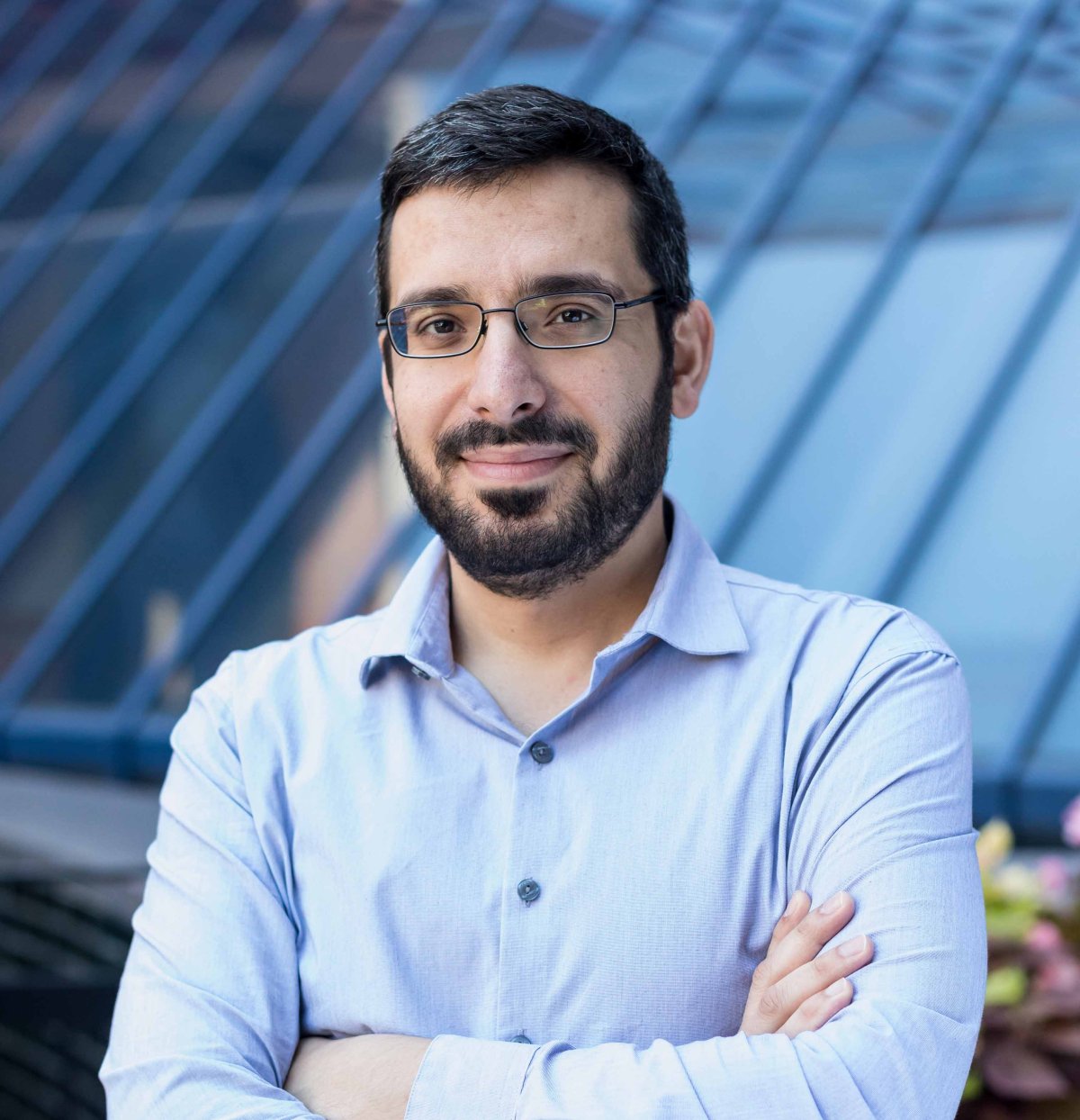
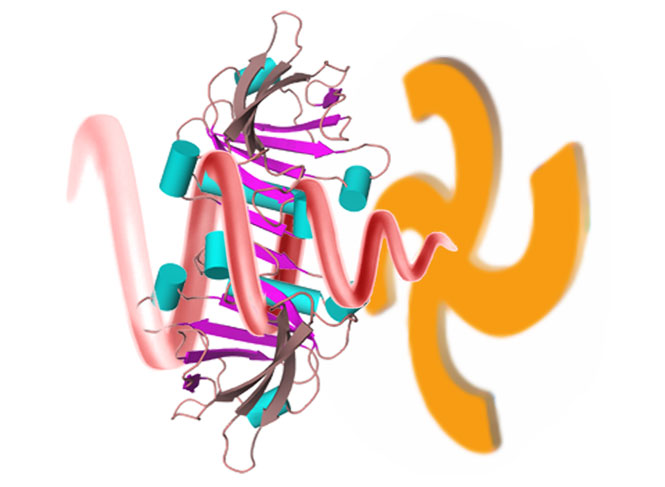
Turan Birol is an Associate Professor in the Department of Chemical Engineering and Materials Science at the University of Minnesota, with a secondary appointment in the School of Physics. He leads the Theoretical Materials Physics Group , focusing on computational materials design to discover exotic condensed matter phenomena. Education: PhD in Physics (Cornell University), Postdoc (Rutgers University) Research Areas: Ferroelectricity, Charge Density Waves, Multiferroics, Strongly Correlated Systems, Kagome Metals His work combines Density Functional Theory with Dynamical Mean Field Theory to study materials like perovskites, layered antiperovskites, and 2D/3D compounds. Recent projects include Office of Naval Research -funded ferroelectric design and NSF Discovery File -featured transparent conductors. Scientific contributions include 15+ recent articles on topics spanning structural chirality in superconductors, strain-tuned magnetism, and catalytic resonance theory. Former advisees include PhD graduates in Physics and Materials Science.
Laurens Lootens is a Researcher in the Department of Applied Mathematics and Theoretical Physics (DAMTP) at the University of Cambridge. His work focuses on theoretical physics, particularly in quantum lattice models, topological phases of matter, and mathematical structures underlying quantum systems. He is affiliated with the High Energy Physics research group within DAMTP. His research interests include dualities in quantum systems, matrix product operator symmetries, conformal field theories, and tensor network methods. Lootens explores topics such as entanglement in many-body systems, symmetry-protected topological phases, and the interplay between algebraic structures and physical phenomena. Publications highlight his contributions to understanding lattice representations of dualities, topological sectors in quantum models, and critical lattice models for conformal field theories. His work bridges theoretical frameworks with computational methods, advancing both fundamental physics and quantum information science.
Professor Malcolm Kadodwala holds the Gardiner Chair within the School of Chemistry at the University of Glasgow. His research spans chiral nanophotonics, surface science, and spectroscopy with applications in biomolecular detection and nanomaterials. He maintains an active laboratory producing high-impact publications in top journals including Nature Nanotechnology, ACS Nano, and JACS. PhD from University of Nottingham Gardiner Chair in School of Chemistry Active research group with extensive international collaborations His research interests focus on three interconnected themes: (1) spectroscopic investigations of electronic properties in nanostructured materials; (2) development of electron-based chirally sensitive spectroscopic techniques; and (3) creation of novel chiroptical spectroscopic probes. Current work emphasizes superchiral fields for ultrasensitive biomolecular detection, chiral plasmonics, and nanoscale light-matter interactions. His group has pioneered techniques for detecting protein conformations and viral structures at unprecedented sensitivity levels. Publication trends show consistent high-impact output with 15+ recent articles (2021-2025) in nanophotonics and chiral sensing. His work bridges physics, chemistry, and biology, with strong emphasis on practical biosensing applications. Key journals include Nano Letters, ACS Nano, and Nature Nanotechnology. PhD from University of Nottingham Professor Kadodwala advises multiple PhD students including Calum Jack, Affar Karimullah, and Ryan Tullius. His research has attracted significant funding including an MRC discipline-hopping grant (Ref. G0902256). He maintains active collaborations with institutions worldwide including EPFL, University of Jena, and Heriot-Watt University. His laboratory specializes in chiral plasmonic nanostructures and superchiral field generation, with applications in disposable biosensors and viral detection platforms. Current projects involve nanoscale control of electronic properties using structured light and development of chiral metasurfaces for advanced optical applications.
Yu Xia is a Post Doc at the Department of Chemistry, Stockholm University, Sweden. He is affiliated with the Tom Willhammar Research Group, focusing on advanced electron microscopy and diffraction techniques for structural characterization of materials. PhD (2019–2023) from a joint program between the University of Birmingham (UK) and the Southern University of Science and Technology (China). Research emphasizes fabrication of metallic nanoparticles with non-equilibrium structures and shapes using gas-phase condensation and thermal shock methods. Specializes in scanning transmission electron microscopy (STEM), in-situ heating experiments, and electron energy loss spectroscopy (EELS) for nanoparticle analysis. Current work prioritizes 4DSTEM imaging for electron beam-sensitive materials and Python-based post-processing of electron microscopy datasets. Yu Xia's research spans Materials Science , Nanotechnology , and Electrocatalysis , with applications in photocatalytic hydrogen evolution , graphene composites , and advanced electron microscopy techniques . His work often integrates computational image processing with structural characterization to optimize material properties. Publications highlight innovations in heterostructure engineering , metallic alloy catalysts , and electron beam-sensitive material imaging . No scientific awards are explicitly mentioned in the provided text. Yu Xia's technical expertise includes Python scripting for image analysis, in-situ electron microscopy , and multifunctional graphene-based materials .
Mark Hertzberg is an Associate Professor in the Department of Physics and Astronomy at Tufts University, located within the School of Arts and Sciences. He holds a PhD from MIT (2010), following degrees from the University of Sydney. His research focuses on theoretical physics at the intersection of cosmology, particle physics, and astrophysics, with a particular emphasis on dark matter (e.g., axions), cosmological inflation, gravitation theory, and quantum phenomena. He has been Director of the Institute of Cosmology at Tufts since 2023. Education: PhD Physics, MIT, 2010 MSc Physics, University of Sydney, 2004 BSc Physics & Mathematics, University of Sydney, 2002 Research Interests: Dark matter structure and axion physics Cosmological inflation and post-inflationary dynamics Gravitational theory and quantum gravity constraints Large-scale structure and cosmic microwave background analysis Grants: Multiple NSF awards including 'Cosmology and Fundamental Physics' (2024-2026) and 'Constraining Physics Beyond the Standard Model with Cosmological Observations' (2023-2026). Teaching: Courses include General Relativity, Cosmology, Quantum Field Theory, and graduate research supervision.
Joakim Westerlund is a Professor in the Department of Economics at Lund University's School of Economics and Management. With over 134 research outputs and 33 academic activities, his work focuses on econometrics, particularly panel data analysis, structural breaks, and estimation theory. He has contributed to the development of econometric methods for the New Keynesian Phillips Curve and common correlated effects models. Active Wallenberg Academy Fellowship (2019-2028) Supervised 11 doctoral theses and bachelor/master projects Peer-review panel member and journal editor His research aligns with UN Sustainable Development Goals in Economics and Econometrics, with significant contributions to panel unit root testing, interactive effects models, and Stata-based econometric methods. Westerlund received the prestigious Journal of Applied Econometrics Distinguished Author award in 2018. Current PhD supervisees include Christina Maschmann (2023-2028), Tilman Bretschneider (2023-2028), Pelle Almgren (2022-2027), and Shayan Meskinimood (2021-2026).
Hajime Murakami is an Advanced Research Fellow at the University of Aberdeen's School of Medicine, Medical Sciences and Nutrition, where he conducts cutting-edge research on meiotic recombination mechanisms. His work focuses on understanding how cells manage the complex process of DNA double-strand break formation and repair during meiosis, with implications for human fertility and chromosome disorders. Dr. Murakami's research interests center on the molecular mechanisms of meiotic recombination, particularly the role of DNA double-strand breaks (DSBs) in chromosome segregation. His laboratory investigates how proteins like Hop1 and Red1 function as 'manager proteins' that direct the DNA 'scissors' to appropriate chromosomal locations, ensuring proper recombination while preventing errors that could lead to miscarriage or congenital syndromes. His work primarily uses yeast as a model system, which shares fundamental meiotic mechanisms with humans. Analysis of Dr. Murakami's publication record reveals a consistent focus on the molecular regulation of meiotic recombination across his career. His research has progressively uncovered sophisticated control mechanisms that ensure accurate chromosome segregation, with particular emphasis on how cells manage DNA break formation across chromosomes of different sizes. His work spans fundamental molecular mechanisms to potential clinical applications in reproductive medicine. Dr. Murakami has received significant recognition for his work, most notably a Medical Research Council (MRC) Career Development Award, which supports his ongoing research into the molecular basis of meiotic recombination. As an active researcher accepting PhD students in Biomedical Sciences, Dr. Murakami continues to advance our understanding of fundamental genetic processes that underlie human reproductive health. His laboratory at the Institute of Medical Sciences on Foresterhill Campus employs yeast genetics and molecular biology approaches to investigate the critical processes that ensure proper chromosome segregation during gamete formation.
Phiala E. Shanahan is the Class of 1957 Career Development Associate Professor of Physics at the Massachusetts Institute of Technology (MIT). Her research focuses on theoretical nuclear and particle physics, particularly the structure of hadrons and nuclei from QCD. She integrates machine learning to overcome computational challenges in QCD studies, pioneering techniques for lattice gauge theory simulations. Affiliated with MIT's Center for Theoretical Physics, Laboratory for Nuclear Science, and the NSF AI Institute for Fundamental Interactions (IAIFI), she also collaborates with Jefferson Lab and the Electron-Ion Collider project. Education: BSc (2012) and PhD (2015) from the University of Adelaide. Career: Postdoctoral Associate at MIT (2015–2017), then joint position as Assistant Professor at College of William & Mary and Senior Staff Scientist at Jefferson Lab (2017–2018) before joining MIT in 2018. Research Interests: Gluon structure in nuclei, strange quarks in protons/nuclei, and machine learning applications. Her work predicts gluon distributions testable at Jefferson Lab and the Electron-Ion Collider, with implications for dark matter detection via precision calculations. She also explores nuclear forces and symmetry-breaking effects in QCD. Awards: 2023 South Australian Woman of the Year, 2022 Ruby Payne-Scott Medal, 2021 Maria Goeppert Mayer Award (APS), 2020 Kenneth G. Wilson Award, 2018 NSF CAREER Award, 2016 Bragg Gold Medal. Grants & Labs: DOE Early Career Award (2020), IAIFI affiliate, MIT Center for Theoretical Physics. Active in public engagement, including a Perimeter Institute lecture on 'The Building Blocks of the Universe.'
Eunchun Park serves as an Assistant Professor in the Department of Agricultural Economics and Agribusiness at the University of Arkansas, concurrently holding the position of Director of the Experiment Station (DREX). A specialist in Bayesian spatial statistics and econometrics, his research focuses on agricultural risk analysis with particular emphasis on crop insurance mechanisms and financial commodity markets. His methodological expertise addresses critical data scarcity challenges in federal crop insurance premium calculations through advanced spatial modeling techniques. Dr. Park's academic foundation includes: Ph.D. in Agricultural Economics from Oklahoma State University (2017) M.S. in Food and Resource Economics from Korea University (2013) B.S. in Food and Resource Economics from Korea University (2010) His research program centers on extreme price and yield risk quantification in agricultural commodities, employing sophisticated Bayesian modeling frameworks to overcome data limitations in spatial risk assessment. Current work develops innovative approaches for measuring catastrophic risks in crop production systems and refining insurance rating structures through spatial smoothing of yield densities. This research bridges theoretical econometric advances with practical applications for risk management tools used by farmers and policymakers. Analysis of Dr. Park's recent publications reveals a consistent trajectory in spatial risk modeling for agricultural insurance systems, with increasing focus on prevented planting coverage factors, commodity market volatility around information releases, and climate-related production risks. His work demonstrates methodological progression from theoretical Bayesian frameworks toward actionable risk assessment tools, particularly through the application of kriging techniques to non-normal yield distributions and extreme event modeling. Dr. Park's scholarly contributions have been recognized through: Outstanding Contribution to Applied Risk Analysis Award (2020) from the Agricultural and Applied Economics Association Outstanding Graduate Student Paper Award (2018) from the Agricultural and Applied Economics Association Outstanding Doctoral Dissertation Award (2018) from the Southern Agricultural Economics Association While specific details of current advisees and grant funding are not provided in available materials, his active publication record in top agricultural economics journals suggests an ongoing mentorship role for graduate students and potential involvement in externally funded research initiatives related to agricultural risk management. His work on spatial smoothing techniques and extreme risk modeling likely informs collaborative projects with agricultural extension services and federal risk management agencies. No specific laboratory facilities or dedicated research teams are mentioned in the available documentation, though his methodological expertise suggests collaboration with spatial statistics and agricultural risk modeling groups within the university's research infrastructure.
James Unwin is an Associate Professor in the Department of Physics at the University of Illinois Chicago (UIC), affiliated with the College of Liberal Arts and Sciences. He holds a DPhil in Physics from the University of Oxford (2013) and has held postdoctoral positions at the University of Notre Dame. His research focuses on theoretical particle physics, astrophysics, and cosmology, particularly exploring physics beyond the Standard Model, dark matter models, and interdisciplinary applied mathematics. Current interests include dark matter interactions, primordial black holes, and novel experimental approaches like Coulomb explosion imaging. Research Interests: Dark Matter Models: Including freeze-in mechanisms, annihilation signatures, and cosmological constraints Particle Astrophysics: Supersymmetry, LHC searches, and Grand Unified Theories Interdisciplinary Work: Applications of mathematics to epidemiology (e.g., COVID-19 forecasts via stock market indicators) and social dynamics Recent publications emphasize ultrafast molecular dynamics, XUV spectroscopy, and cosmological impacts of primordial black holes. He has advised PhD students Prolay Chanda and Qingyun Wang, both advanced to candidacy in 2021. Professional activities include visiting roles at UC Berkeley (2022–2023) and a Distinguished Academic Visitor appointment at Queen’s College, Oxford (2023). Affiliations: UIC Department of Physics Adjunct roles at UC Berkeley and University of Oxford Collaborations with institutions like Fermilab and CERN
Professor Tim Rogers is affiliated with the University of Bath as a faculty member in the Department of Mathematical Sciences . He is actively involved in research spanning complex systems, network theory, and stochastic processes. PhD in Random Matrix Theory from King's College London (2010) His research focuses on emergent behavior in random systems , including: Collective Behavior : Crowd dynamics, lane formation, and noise-enhanced synchronization Epidemics & Networks : Spread prediction, node risk assessment, and misinformation impacts Ecology & Evolution : Trait emergence, species boundaries, and demographic noise effects Random Matrix Theory : Spectral analysis and applications to complex systems Publication trends reflect interdisciplinary work bridging Physics, Biology, and Mathematics , with a focus on network structures , stochastic modeling , and emergence phenomena . Scientific awards include: 2015 : Editor's Choice for Europhys. Lett. 109, 28005 2016 : Highlight of Journal of Physics A 2017 : Editor's Suggestion for Phys. Rev. E 92, 032708 He has supervised numerous PhD students and postdocs on projects related to stochastic dynamics , network modeling , and mathematical biology , with ongoing grants from agencies like EPSRC and The Leverhulme Trust .
Holger Dette is a Professor and Chair Holder of Stochastics (specializing in Statistics) at the Faculty of Mathematics, Ruhr University Bochum. He leads the prominent Group Dette within the Institute of Statistics, overseeing a team of researchers, doctoral students, and administrative staff including Birgit Tormöhlen as team assistant. His research group is deeply integrated within the university's mathematical ecosystem, collaborating with other research groups across algebra, analysis, numerics, and topology. Dette's research spans mathematical statistics with strong applications in real-world problems. His primary interests include optimal experimental design, time series analysis, functional data, change point problems, nonparametric regression, biostatistics, special functions, goodness-of-fit tests, and random matrices . His work bridges theoretical statistics with practical applications, particularly evident in his collaborations with pharmaceutical giants Novartis and Bayer AG in biostatistics, as well as Quasol, a spin-off company from his statistics institute. His recent publications (2024-2025) reveal a research program increasingly focused on high-dimensional and functional data analysis, privacy-preserving statistics, and novel methodological approaches to longstanding statistical problems. Dette's work shows strong interdisciplinary connections, particularly with biomechanics (analyzing joint angles during fatigue phases) and data science (addressing challenges in the era of big data). His research group is actively involved in multiple DFG-funded projects including the newly established 'Small Data' collaborative research center (Sonderforschungsbereich 1597) and the Spatio-temporal Statistics for the Transition of Energy and Transport (Transregio 391). Dette has received significant recognition including the prestigious Humboldt Research Award . His paper 'With Great Power Come Great Side Channels: Statistical Timing Side-Channel Analyses with Bounded Type-1 Errors' achieved second place at the CSAW'24 Applied Research Competition MENA. His research group has also secured multiple significant funding awards from the German Research Foundation (DFG). As an advisor, Dette supervises numerous doctoral and master's students including Pascal Quanz, Marius Kroll, and Carina Graw. His group offers statistical consulting services for scientists and students across bachelor's, master's, and doctoral phases. The group maintains strong industrial partnerships, particularly in biostatistics applications, demonstrating Dette's commitment to translating theoretical statistics into practical solutions for real-world challenges.
Edoardo Baldini is an Assistant Professor of Physics at the University of Texas at Austin, affiliated with the College of Natural Sciences. His research focuses on discovering and controlling emergent quantum phases in materials using ultrafast laser spectroscopy and advanced experimental techniques. Key affiliations include the Center for Complex Quantum Systems, Texas Quantum Institute, and Texas Materials Institute. Education: PhD from École Polytechnique Fédérale de Lausanne (2017), Postdoc at MIT (2017-2021). Research interests include quantum materials, ultrafast laser science, light-matter interaction, and multiferroics. His group develops techniques to study collective modes (phonons, magnons, excitons) and engineer novel functionalities via terahertz fields. Recent breakthroughs include manipulating spin waves in antiferromagnets and revealing hidden polar orders in quantum materials. Publications highlight discoveries in multiferroic oscillations, terahertz-driven magnon dynamics, and structural symmetry-breaking mechanisms in Ta₂NiSe₅. Awards include the 2025 Sloan Fellowship and NSF CAREER Award. Grants and recognitions include funding from the U.S. Department of Energy, Army Research Office, and Keck Foundation. His lab actively recruits students and postdocs in experimental condensed matter physics.
Joseph Katz is the William F. Ward Distinguished Professor of Mechanical Engineering at Johns Hopkins University's Whiting School of Engineering and a member of the National Academy of Engineering. His research focuses on experimental fluid mechanics, multiphase flow, cavitation phenomena, and advanced optical diagnostics. He directs the Laboratory for Experimental Fluid Dynamics and co-founded the Johns Hopkins Center for Environmental and Applied Fluid Mechanics. Key research areas include: - Turbulent boundary layers and compliant wall interactions - Cavitation dynamics in turbomachinery - Environmental fluid dynamics (oil spills, oceanic flows) - Medical imaging applications of fluid mechanics - Turbomachinery flow control (axial compressors) His work has been funded by agencies including the Office of Naval Research, NSF, NASA, and DOE. Over 150+ journal papers, 220+ conference papers, and 7 patents reflect his prolific output. Notable awards include the ASME Fluids Engineering Award and fellowships from ASME and APS. Key Contributions: - Developed novel optical diagnostics techniques - Advanced understanding of tip clearance flows in compressors - Studied oil dispersion mechanisms in marine environments - Pioneered holographic PIV for 3D flow visualization
Professor Daniel Gryko leads a prominent research group at the Institute of Organic Chemistry, Polish Academy of Sciences, specializing in advanced functional dyes and photochemistry. His work bridges fundamental organic synthesis with practical applications in bioimaging, molecular electronics, and nanomaterials. With over 150 publications and numerous high-impact grants, including an ERC Advanced Grant and multiple Horizon Europe projects, Gryko has established himself as a leader in the field of novel chromophore design. Gryko's research focuses on developing innovative fluorescent dyes with exceptional photophysical properties, particularly exploring fluorescence of nitroaromatics, two-photon absorption phenomena, and excited-state intramolecular proton transfer (ESIPT). His group specializes in several key structural platforms including corroles, diketopyrrolopyrroles, pyrrolo[3,2-b]pyrroles, dipyrrolonaphthyridinediones, porphyrins, and coumarins. Recent work has centered on creating strongly emitting helicenes, quadrupolar dyes with unique symmetry-breaking properties, and developing specialized fluorophores for super-resolution microscopy applications. Analysis of Gryko's recent publications reveals a strong emphasis on molecular design strategies for controlling photophysical behavior. His group frequently employs π-expansion techniques, heteroatom doping, and strategic substitution patterns to tune emission properties. A significant portion of their work focuses on overcoming traditional limitations in fluorophore design, such as the non-fluorescence of nitroaromatics, through innovative molecular architectures. Gryko has received prestigious recognition including an ERC Advanced Grant for the ARCHIMEDES project targeting NIR-II emission efficiency, multiple Horizon Europe grants, and the TEAM grant from the Foundation for Polish Science supporting development of fluorescent probes for super-resolution microscopy. His group's work has resulted in numerous publications in top-tier journals including Journal of the American Chemical Society , Chemical Science , and Angewandte Chemie . Professor Gryko actively mentors a diverse research team including PhD students, postdoctoral researchers, and collaborators worldwide. His group has secured substantial funding including Horizon Europe grants for PhotoBrane and APACE projects, ERC funding, and multiple Polish National Science Centre grants. Current projects focus on developing novel fluorescent probes for super-resolution microscopy, creating bio-mimetic sunlight-pumped lasers, and designing photo-switchable membranes for molecular separation. The Gryko group operates a well-equipped laboratory focused on organic synthesis and photophysical characterization. Their work spans from fundamental molecular design to practical applications in bioimaging and materials science. Recent expansions of their research program include development of probes for detecting SARS-CoV-2 proteases, demonstrating the group's ability to pivot toward addressing pressing societal challenges.