Steve Murray is a Professor and Senior Director at Genetic Resource Science , affiliated with the Graduate School of Biomedical Science and Engineering at the University of Maine. His research focuses on developmental mechanisms of morphogenesis and structural birth defects using CRISPR/Cas9 modeling, large-scale mutagenesis programs, and mouse genetic resources. Research Interests Murray's work spans: CRISPR/Cas9 for functional genomics Mouse models of human disease Embryonic morphogenesis and gene function Genetic drivers of behavioral and developmental traits Resource development for the scientific community His recent publications emphasize mouse mutagenesis programs (KOMP2), genome editing applications, and collaborations in developmental biology and immunology. Articles highlight interdisciplinary approaches to understanding genetic pathways, inflammation, and therapeutic interventions in rare disease models. Laboratory & Collaborations Murray leads initiatives at The Jackson Laboratory and contributes to international consortia like the International Mouse Phenotyping Consortium . His lab develops tools such as CrePortal.org for conditional mutagenesis and participates in large-scale phenotyping efforts.
Kim Waller is an Associate Professor Non-Tenure Research in the Epidemiology Department at UTHealth Houston School of Public Health. Her work focuses on the prevention of structural birth defects, including research on maternal obesity, diabetes, infection, and radiologic exposures. Key research areas: Perinatal epidemiology, birth defects, maternal health Teaching roles: Lead instructor for Maternal Child Health Training Seminar, Epidemiology III and IV Affiliated with UTHealth Houston’s School of Public Health in Houston, TX While her CV highlights big data applications in epidemiology and women’s health research, specific student mentees, awards, and recent publications were not found in the provided text.
Francis Lee is an Associate Professor at Södertörn University's Department of Natural Sciences, Environment and Technology, and holds a joint appointment at Chalmers University of Technology in both the Division of Media Technology and Division for Science, Technology, and Society. PhD in Technology and Social Change (Linköping University, 2010) Docent qualification (2016) Previously affiliated with Uppsala University and Linköping University His research, grounded in Science and Technology Studies (STS), examines: Algorithmic power dynamics in knowledge production Digital transformation of biomedical research Classification and valuation practices in epidemic surveillance Sociotechnical infrastructures shaping societal understanding Recent publications analyze: Ontological overflows in STS methodology (2022) Value disjunctures in fetal research history (2022) Classification egress strategies in congenital malformation tracking (2022) Scientific leadership: Management team member, Wallenberg AI program (WASP-HS) Board member, European Association for STS (EASST) since 2025 Founding member, Algorithm Studies Network His teaching emphasizes embodied learning through methods like: Algorithm Walks Epistemic Black Box analysis Interactive critical thinking frameworks
Dr. Corinne Riddell serves as Associate Adjunct Professor of Biostatistics at the University of California, Berkeley School of Public Health, where she conducts pioneering research on racial health inequalities through social and perinatal epidemiology. Her work investigates structural drivers of disparities in infant mortality and injury-related deaths between Black and White Americans, employing advanced causal methodologies and interactive data visualization to analyze state-level variations in health outcomes. Her academic credentials include: PhD in Epidemiology from McGill University (2016) MSc in Statistics from University of British Columbia (2011) BMath in Statistics from University of Waterloo (2009) BBA from Wilfrid Laurier University (2009) Dr. Riddell's research centers on structural racism's impact on maternal and child health, with particular focus on nativity-based disparities among Black women and innovative applications of digital epidemiology. Her methodological expertise bridges traditional epidemiological frameworks with computational approaches for analyzing complex health inequities across geographic and demographic dimensions. Analysis of her 2024-2025 publications reveals intensifying focus on structural determinants of health, including latent profile analysis of state racism typologies, workforce diversity impacts on cardiovascular mortality, and neighborhood-level police violence effects on maternal morbidity. Her work increasingly integrates novel data sources like Google search trends with traditional public health surveillance systems. Dr. Riddell secured a $2.7 million grant in July 2022 to study early life stressors in Mexican-origin children and revolutionized UC Berkeley's PH142 course in Fall 2018 by incorporating R-based data science curriculum, training public health students in modern data manipulation and visualization techniques essential for contemporary epidemiological practice.
Marc HOFFMANN is a Professor at Université Paris Dauphine-PSL and holds the Fundamental Chair at the Institut Universitaire de France since 2024. His academic journey includes roles at institutions such as INRIA (2020-2022), École Polytechnique (2007-2015), and Université Gustave Eiffel (2003-2012). Research Focus: Statistics of random processes, nonparametric statistics, and applications in financial modeling and population biology. Key Contributions: Adaptive estimation, confidence bands, inverse problems, rough volatility modeling, and growth-fragmentation processes. Advising: Supervised 19 PhD students with topics spanning statistical inference, Hawkes processes, and stochastic volatility. Collaborations include CIFRE grants with EDF, SCOR, and Banque de France. Scientific Awards : Fundamental Chair at Institut Universitaire de France (2024).
Dr. Chantel Martin is an Associate Professor in the Department of Epidemiology at the University of North Carolina's Gillings School of Global Public Health. Her research focuses on social and biological mechanisms of health disparities, particularly how early-life stressors like neighborhood deprivation, crime, and air pollution impact health equity across the life course. She holds a PhD from UNC-Chapel Hill and an MSPH from UNC Charlotte, with postdoctoral training in cancer health disparities. Dr. Martin leads studies on epigenetic mechanisms linking socio-environmental stressors to chronic disease, supported by grants from NIMHD and NIA. She co-leads the Cardiopulmonary Disease Translation Research at the Center for Environmental Health & Susceptibility and is a Carolina Population Center fellow. Education: BS in Finance (Economics minor), University of Delaware, 2005 MSPH in Epidemiology, UNC Charlotte, 2009 PhD in Epidemiology, UNC Chapel Hill, 2015 Research Interests: Dr. Martin’s work integrates social epidemiology, life course theory, and biological markers (e.g., epigenetics) to understand how early-life stressors become biologically embedded, increasing chronic disease risks in marginalized populations. Key areas include maternal and child health, structural racism, and environmental health disparities. She has pioneered studies using the Add Health and Detroit Neighborhood Health Study cohorts. Recent Research Trends: Her articles emphasize epigenetic correlates of social stressors (e.g., crime, pollution), disparities in maternal and child health outcomes, and methodological advances in measuring structural racism’s health impacts. Recent work highlights interventions to mitigate inequities in Alzheimer’s risk, postpartum depression, and cardiometabolic health. Awards & Recognition: 2022 Gillings Health Equity Faculty Award 2024 ASPPH Early Career Research Excellence Award NIMHD K99/R00 Pathways to Independence Award Advising & Grants: Dr. Martin mentors doctoral, master’s, and undergraduate students, emphasizing socially responsible research. She leads NIH-funded studies on racial inequities in Alzheimer’s disease and environmental exposures during pregnancy. She co-developed a required epidemiology course on socially responsible research practices and received the 2023 Gillings Teaching Innovation Award. Labs & Teams: Collaborates with the Carolina Population Center and Center for Environmental Health & Susceptibility. Active in interdisciplinary initiatives addressing environmental justice and health disparities.
Edward Winter is a Professor in the Department of Biochemistry & Molecular Biology at Thomas Jefferson University's College of Life Sciences and serves as Director of the Biochemistry, Structural, & Molecular Biology PhD Program. He received his PhD from the State University of New York at Stony Brook in 1985. Dr. Winter's research focuses on molecular mechanisms of meiosis using Saccharomyces cerevisiae as a model organism. His laboratory investigates two primary areas: (1) the transcriptional cascade of meiosis involving early, middle, and late gene sets controlled by the Sum1/Ndt80 switch that regulates meiotic commitment and chromosome segregation; and (2) meiosis-specific signaling networks including kinases Ime2 and Smk1 that coordinate meiotic progression with spore formation. This work has critical implications for understanding infertility, birth defects, and spontaneous abortion. The Winter laboratory employs molecular genetic approaches to dissect regulatory signals controlling meiotic development, with research keywords spanning Biological Sciences, Map Kinase, Microbial Genetics, and Yeast Sporulation.
Sue Biggins serves as the Director of the Basic Sciences Division at Fred Hutchinson Cancer Center and is a Howard Hughes Medical Institute Investigator. She leads the Biggins Lab which focuses on understanding the fundamental mechanisms of chromosome segregation during cell division. Dr. Biggins' research centers on the molecular machinery that ensures accurate chromosome distribution to daughter cells. Her laboratory takes an interdisciplinary approach combining biochemical, biophysical, cell biological, genetic, and structural methods using both yeast and human cell models. A major breakthrough from her lab was the isolation of the kinetochore—the large molecular machine that coordinates chromosome sorting—from yeast cells, which paved the way for critical new findings about how tension plays a role in chromosome sorting. Her work has significant implications for understanding aneuploidy, the condition where cells contain the wrong number of chromosomes. Aneuploidy is the most common chromosomal abnormality in cancers and a cause of birth defects and other diseases. By studying the underlying mechanisms that regulate cell division and chromosome segregation, her research aims to maintain genomic stability and prevent human disease. Dr. Biggins has received prestigious recognition including the NIH Maximizing Investigators' Research Award from NIGMS. She actively participates in the scientific community, promoting new research directions such as the upcoming Cell Cycle Regulation in Health and Disease meeting. Her laboratory has trained numerous researchers, with members receiving fellowships including the Kirschstein-NRSA F32 postdoctoral fellowship and Jane Coffin Childs postdoctoral fellowship. Dr. Biggins is also engaged in science advocacy, supporting efforts to maintain NIH funding and promote scientific research.
David H. Stitelman, MD is an Associate Professor of Surgery in the Division of Pediatric Surgery at Yale School of Medicine. He serves as Surgical Director of the Yale Fetal Care Center, where he collaborates with multidisciplinary teams to manage prenatal diagnoses. University of Pennsylvania Medical School (MD 2004) Hospital of the University of Pennsylvania (Residency 2011) Children's Hospital of Philadelphia (Fellowship 2013) His research focuses on prenatal therapy for genetic and structural diseases, particularly congenital diaphragmatic hernia and cystic fibrosis , utilizing gene editing and RNA therapy approaches. Recent publications highlight advances in nanoparticle delivery systems for fetal interventions. Dr. Stitelman has received teaching awards including the Elton Cahow Teaching Award (2018) and Francis Gilman Blake Award (2017) . He actively contributes to medical education research regarding virtual learning in surgical training. Email: david.stitelman@yale.edu Office: 203.785.2701
Logan G Spector is a Professor in the Department of Pediatrics at the University of Minnesota Medical School, affiliated with the Masonic Institute for the Developing Brain, Minnesota Population Center, and Driven to Discover Research Facility (D2D). His ORCID (0000-0003-2516-0222) and research focus center on pediatric cancer epidemiology and survivorship. Dr. Spector's research spans Pediatric Oncology, Cancer Epidemiology, and Health Disparities, with emphasis on genetic epidemiology of childhood cancers, structural racism in end-of-life care, and cancer survivorship. As a key member of the Children's Oncology Group and Childhood Cancer and Leukemia International Consortium, his work integrates large-scale genomic studies with population health approaches to address critical gaps in pediatric cancer outcomes. His 2025 publications reveal strong trends in genetic risk assessment (polygenic scores), environmental carcinogen exposure, obesity-cancer relationships, and birth defect-cancer associations, reflecting his dual focus on molecular mechanisms and social determinants of pediatric cancer. With 51 funded projects including NIH National Cancer Institute grants and American Kennel Club collaborations, Dr. Spector leads major initiatives like "Unpacking Structural Racism in Quality of End-of-Life Care for Children with Cancer" (2025-2029) and "Genomics of childhood acute lymphoblastic leukemia" (2022-2027), demonstrating extensive grant leadership across pediatric oncology consortia. He directs research teams within the Masonic Institute for the Developing Brain and Minnesota Population Center, leveraging interdisciplinary collaborations with St. Jude Children's Research Hospital and international networks to advance pediatric cancer prevention and survivorship science.
Tobias Riede, D.V.M., Ph.D. is an Associate Professor of Physiology at Midwestern University with appointments across multiple colleges including the College of Health Sciences-Glendale, College of Graduate Studies - Arizona, Arizona College of Osteopathic Medicine, and College of Veterinary Medicine. His research focuses on vocal communication mechanisms across various vertebrate species, investigating how respiratory and vocal movements integrate to generate voice and how phenotypic variation of the vocal apparatus contributes to acoustic variation. Dr. Riede earned his D.V.M. and Ph.D. from institutions in Berlin, Germany in 2000. His educational background bridges veterinary medicine and biological sciences, providing a unique perspective on vocal physiology. His laboratory employs neurophysiological techniques, macroscopic and microscopic imaging, sound analysis, and biomechanical testing to explore vocal behavior in vertebrates. Analysis of Dr. Riede's recent publications reveals a strong focus on vocal production mechanisms across diverse species including rodents, birds, and amphibians. His research demonstrates how anatomical structures relate to acoustic output, with particular attention to developmental changes, evolutionary adaptations, and biomechanical constraints. Recent work has examined vocal development in mice, laryngeal changes during human puberty, and the relationship between vocal learning and tonality in birds. Dr. Riede has secured significant research funding including multiple NIH grants (R21, U24, R01), an NSF Collaborative Research grant, and funding from the Gordon and Betty Moore Foundation. His current NIH R21 project "The Influence of Vocal Loading Upon the Healing of Experimental Vocal Fold Injury" runs from 2022-2026. Current Major Grants: The Influence of Vocal Loading Upon the Healing of Experimental Vocal Fold Injury (NIH R21, 2022-2026) The Effect of Obesity on the Form and Function of the Upper Respiratory Airways in the Mouse Model (NIH-U24 Subcontract, 2020-2022) The Role of Vocal Ligament in Fundamental Frequency and Adduction Control (NIH-R01 Subcontract, 2020-2024) Collaborative Research: Evolution of Long-distance Communication in Vocal Rodents (NSF, 2018-2023) As an educator, Dr. Riede teaches Veterinary Physiology I and II courses at Midwestern University. His teaching directly connects to his research expertise in physiological mechanisms of vocal production, providing students with opportunities to learn neurophysiological techniques, imaging methods, sound analysis, and biomechanical tests.
Rajat Rohatgi is a Professor of Biochemistry and Medicine (Oncology) at Stanford University, with affiliations at multiple interdisciplinary institutes including Bio-X, Cardiovascular Institute, Maternal & Child Health Research Institute, Stanford Cancer Institute, and Wu Tsai Neurosciences Institute. His research focuses on signal transduction mechanisms, particularly the Hedgehog and WNT pathways, lipid regulation of signaling, phase separation in cellular organization, and responses to osmotic stress. Research Trends from his 15 most recent publications indicate: Elucidating cholesterol's role as a second messenger in Hedgehog signaling Discovering phase separation mechanisms in transcriptional regulation and nucleolar disruption Mapping lipid droplet-mediated drug activation pathways Characterizing membrane-tethered ubiquitination in developmental signaling Identifying novel small molecule regulators of signaling pathways Scientific Awards include: NIH Director's New Innovator Award V Foundation Martin D. Abeloff Scholar March of Dimes Basil O'Connor Award Stand Up To Cancer Innovation Grant Co-founding member of American Society for Clinical Investigation Rohatgi mentors doctoral students in Biochemistry and Cancer Biology PhD programs, with advisees including Katie DeLong, Rae Brown, and Claire Chiang. His laboratory employs CRISPR/Cas9 screens, protein biochemistry, chemical probes, advanced imaging, and structural biology collaborations to investigate fundamental signaling mechanisms with implications for cancer and developmental disorders.
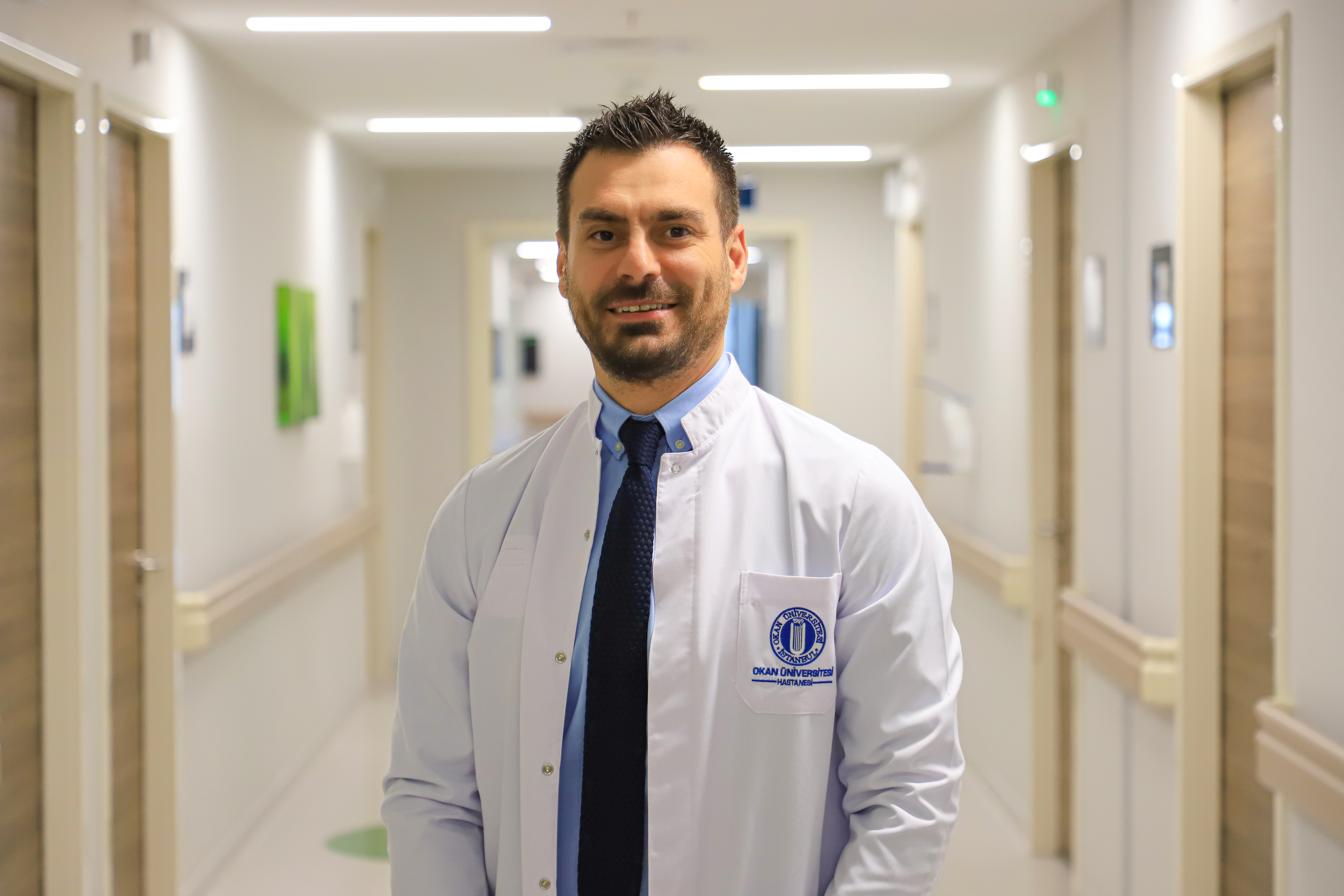
Doç. Dr. Mustafa Behram serves as an Associate Professor in the Perinatology Department at Istanbul Okan University Hospital since September 2023, specializing in high-risk pregnancies and fetal complications. His clinical expertise spans maternal-fetal medicine with emphasis on preeclampsia, fetal anomalies, and gestational diabetes management. Previous positions include Antalya Training and Research Hospital (2021) and Antalya Atatürk State Hospital (2015-2017). His academic training includes: Medical Degree: Başkent University Faculty of Medicine (2002-2009) Residency: Dr. Zekai Tahir Burak Training and Research Hospital (2009-2014) Perinatology Subspecialty: Istanbul Kanuni Sultan Süleyman Training and Research Hospital (2014-2016) Dr. Behram's research centers on biomarker discovery for pregnancy complications, particularly preeclampsia pathogenesis and fetal structural anomalies. His work investigates molecular mechanisms like angiogenic proteins (Cyr61, BRD4) and inflammatory markers in predicting adverse outcomes. He examines clinical management of conditions including gastroschisis, vascular rings, and neural tube defects, with focus on improving prenatal diagnosis protocols and perinatal outcomes in Turkish tertiary centers. Analysis of his 15 most recent publications reveals dominant themes in preeclampsia biomarker research (60% of articles), fetal anomaly management (30%), and obstetric emergencies (10%). His studies consistently utilize Turkish tertiary hospital data, emphasizing local epidemiological patterns while contributing to global understanding of maternal-fetal pathophysiology through molecular and clinical investigations. Professional development includes active participation in Turkish Maternal Fetal Medicine and Perinatology Association conferences, International Hippocrates Congress presentations on shoulder dystocia, and specialized training in fetal echocardiography and ultrasound diagnostics.
Seth Weinberg, PhD, is a Professor in the Department of Oral and Craniofacial Sciences at the University of Pittsburgh School of Dental Medicine. He also serves as co-Director of the Center for Craniofacial and Dental Genetics and holds a secondary appointment in the Department of Human Genetics. His research focuses on the genetic basis of human craniofacial morphology, etiology of craniofacial birth defects, and 3D imaging technologies. Dr. Weinberg leads collaborative NIH-funded projects exploring genetic architectures of facial variation and orofacial clefts. Educational Background: BA in Anthropology (Temple University, 1998), MA and PhD in Anthropology (University of Pittsburgh, 2001 and 2007), Postdoctoral Fellowship in Neuroimaging (University of Iowa, 2009). Research Interests: Integrates 3D imaging, morphometrics, and genomics to study facial genetics. Key areas include identifying genes influencing facial appearance, understanding cleft lip/palate etiology, and documenting global craniofacial variation. His work combines population genetics with advanced computational methods. Grants: Principal Investigator (PI) on NIH grants R01-DE027023 (Genetic Architecture of Human Facial Morphology), R01-DE016148 (Orofacial Cleft Phenotype Expansion), and U01-DE020078 (3D Facial Variation Data Repository). Labs/Teams: Leads the Center for Craniofacial and Dental Genetics, collaborating with institutions globally. Active in multiethnic genomic studies and computational phenotyping initiatives.
Don J. Diamond, Ph.D. is a Professor in the Department of Hematology & Hematopoietic Cell Transplantation at City of Hope. His research focuses on developing vaccines to combat hematologic malignancies, solid tumors, and infectious pathogens such as herpesvirus and cytomegalovirus (CMV) HIV. Dr. Diamond has held multiple leadership positions at City of Hope, including Professor in the Department of Hematology & Hematopoietic Cell Transplantation (2018-present), Chair and Professor of the Department of Experimental Therapeutics (2014-2018), and Professor in the Department of Virology (1999-2014). His research career spans over three decades with significant contributions to vaccine development and immunotherapy. Dr. Diamond's research interests center on translational vaccine research, particularly for cancer and viral infections. His laboratory has developed several vaccine platforms including CMV peptide vaccines, MVA-based vaccines, and Salmonella-based therapeutic approaches. Current research focuses on developing vaccines targeting hematologic malignancies, solid tumors, and infectious pathogens like CMV. His work has led to multiple phase I and II clinical trials, including a therapeutic CMV peptide vaccine undergoing phase II human efficacy testing and a second-generation CMV vaccine based on modified vaccinia Ankara (MVA) undergoing phase I human safety testing. A vaccine based on the MVA platform expressing unmutated p53 has completed phase I human testing in gastrointestinal cancer patients. Leukemia Society of America Fellow (1985-1987) Dr. Diamond has mentored numerous students and postdoctoral fellows, including Graduate Students Benjamin Johnson and Charmaine Soco. His laboratory team consists of multiple staff scientists, postdoctoral fellows, and research associates working collaboratively on various aspects of vaccine development and immunotherapy research. The Division of Translational Vaccine Research, under Dr. Diamond's leadership, has produced several agents that have advanced beyond pre-clinical testing into Phase I and II trials. Current projects include refining a therapeutic platform based on attenuated Salmonella bacterium to treat pancreatic, skin, and brain cancers, and developing a prophylactic CMV vaccine in collaboration with researchers at University of California at Davis to control gestational infection that causes birth defects in children.