Jubin Abutalebi, MD, PhD, is an Associate Professor of Neuropsychology at the University Vita Salute San Raffaele's Faculty of Psychology in Milan, Italy. He holds dual appointments as Honorary Associate Professor at the University of Hong Kong's Faculty of Education and directs the Centre for Neurolinguistics and Psycholinguistics. His academic journey includes Summa cum Laude graduation from Brescia Medical School (1998) and specialization in Neurology at Vita Salute San Raffaele (2003), with postdoctoral training at Charité Hospital (Berlin), Université de Montréal, and University of Hong Kong. Graduated Summa cum Laude: University of Brescia Medical School (1998) Neurology specialization: Summa Cum Laude at Vita Salute San Raffaele (2003) His research focuses on the neurobiological basis of bilingualism, language control, and cognitive aging. He examines how multilingual experience affects brain structure/function, cognitive reserve, and neurodegenerative disease progression. His work spans neuroimaging, functional connectivity, and clinical applications in aphasia rehabilitation. Recent publications address: Language processing in multilingual speakers Cognitive aging and bilingualism Emotional processing in native/foreign languages Neuroplasticity mechanisms Impact of language distance on executive function Scientific recognition includes: Fellow, World Federation of Neurology (2006-present) Editor-in-Chief of Bilingualism: Language and Cognition (2014-present) He has held visiting appointments at: University of Montréal (2005) University of Tehran (2010-2011) Pontifícia Universidade Católica do Rio Grande do Sul (2011) University of Hong Kong (2015-2018) University of Utrecht Summer School (2013)
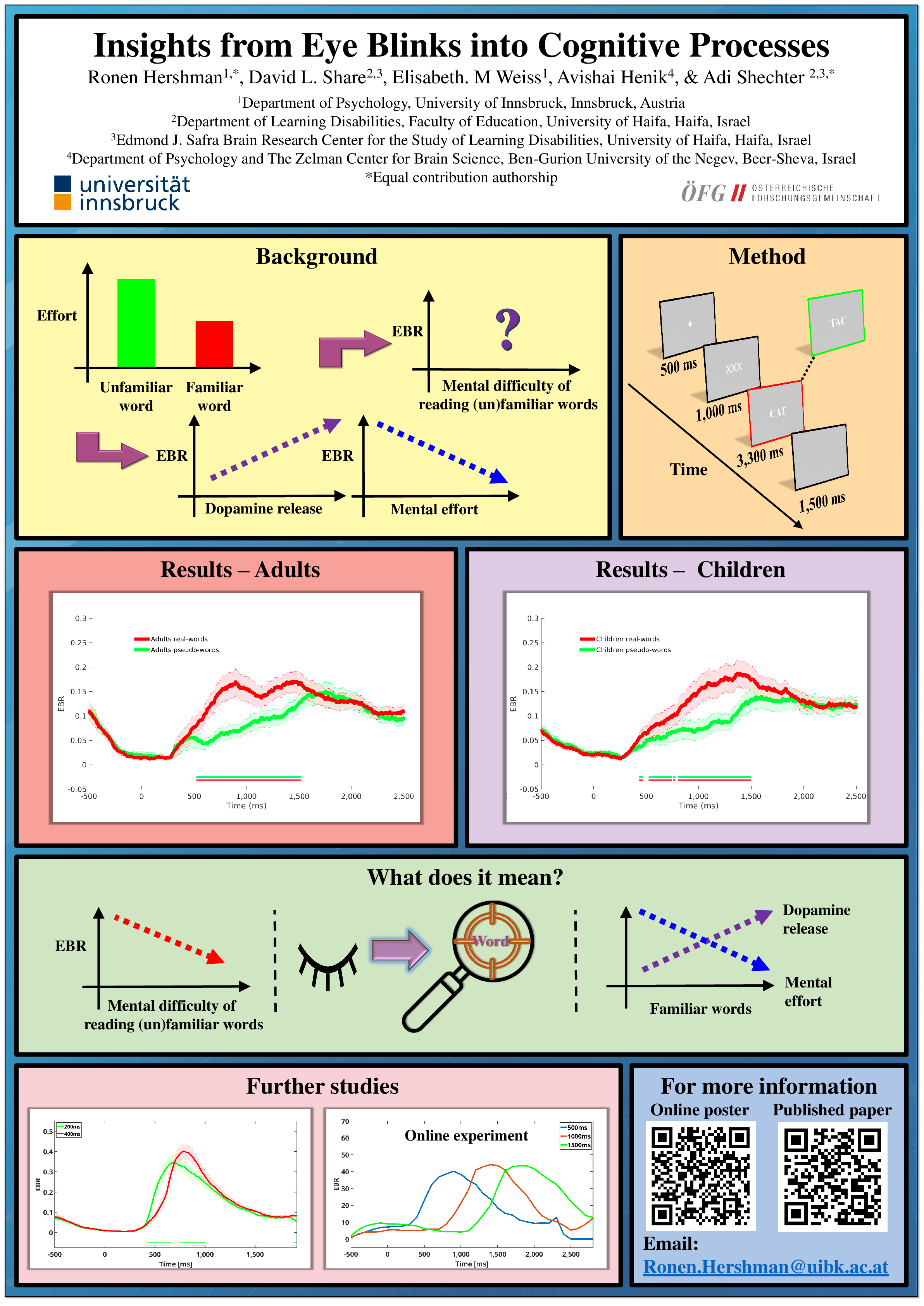
Ronen Hershman is a Research Fellow at the Department of Clinical Psychology I, University of Innsbruck. He specializes in cognitive psychology research with a focus on pupillometry, eye movements, and cognitive control mechanisms. His work primarily investigates numerical processing and conflict resolution using Stroop task paradigms. His research interests center on: Cognitive control mechanisms in conflict tasks Pupillometry as an indicator of cognitive effort Numerical cognition and processing Eye movement patterns in cognitive tasks Development of methodological tools for pupillometry analysis Hershman's publications demonstrate a consistent focus on cognitive conflict paradigms, particularly Stroop task variations, with an emphasis on temporal analysis of pupillary responses. His methodological work includes developing CHAP, an open-source pupillometry analysis software that has become a significant contribution to the field. He has taught courses including Research Seminar, Specific Clinical Research Methods, and specialized seminars on pupillometry and eye movement methodologies. His teaching portfolio includes both graduate and undergraduate level instruction in statistics and research methods.
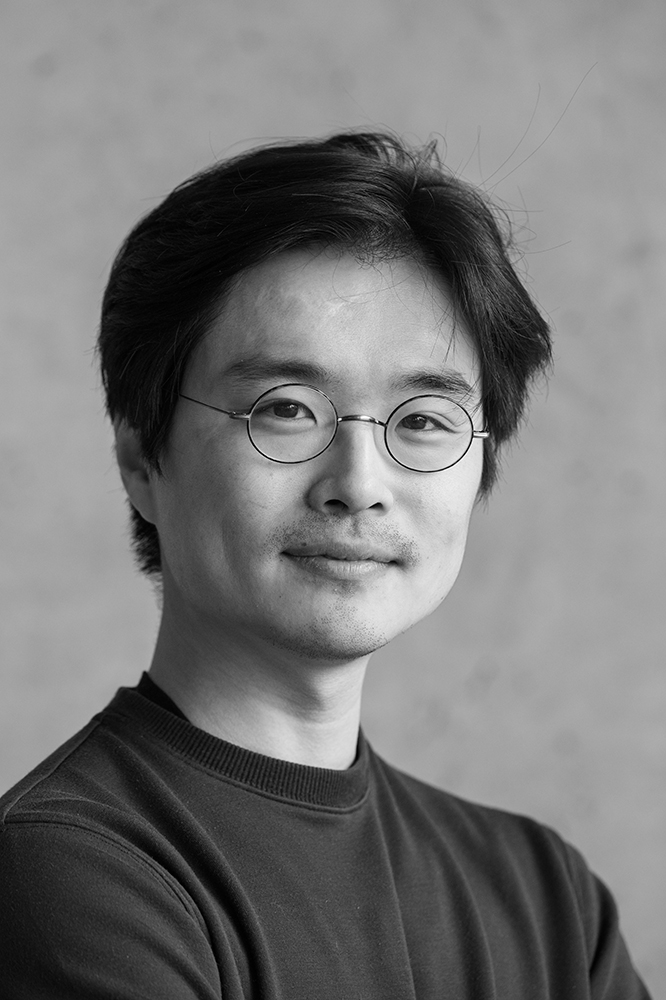
Min Yeo (he/him/his) is a Design Critic in Landscape Architecture at Harvard University's Graduate School of Design (GSD), within the Department of Landscape Architecture. His research explores formal responses to ecological forces at the intersection of architecture, urbanism, and landscape architecture. His doctoral work examined the organizational challenges of experimental design research through a historical analysis of the Princeton Architectural Laboratory (1949–1954). He teaches core landscape architecture courses such as Landscape Architecture III, Landscape Representation I and II, and Landscape Architecture II. These courses emphasize design methodologies and representation techniques central to contemporary landscape practice. While no formal grants or awards are listed, his scholarly publications span neuroscience and behavioral studies, including work on transcranial magnetic stimulation (TMS) and cognitive reappraisal. These interdisciplinary contributions suggest a dual focus on design pedagogy and neuroscientific inquiry. His academic role at the GSD emphasizes studio-based teaching and critical design discourse, reflecting his commitment to advancing ecological and urban design practices through historical and experimental lenses.
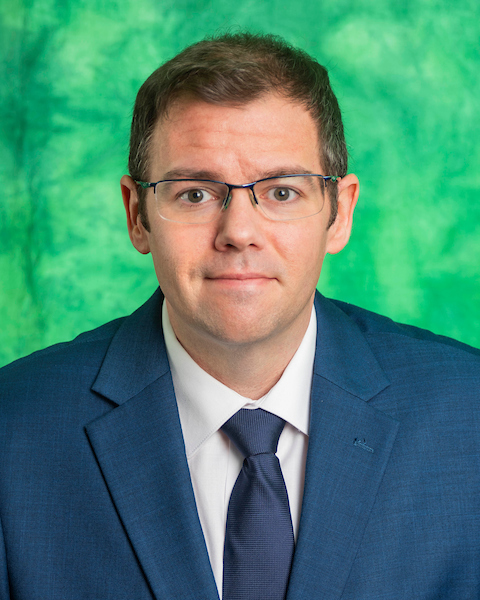
Dr. Timothy McMahan is an Assistant Professor in the Department of Computer Science at the University of North Texas. His research focuses on adaptive virtual environments, neurogaming, and applying VR/AR technologies to neuropsychological assessment and training. He holds a Ph.D. in Computer Science (2016) and multiple advanced degrees from UNT. Education: Ph.D. Computer Science, University of North Texas (2014–2016) M.S. Computer Science, University of North Texas (2007–2013) B.S. Computer Science, University of North Texas (2003–2007) Postdoctorate in Computational Neuropsychology, University of North Texas (2016–2017) Research Interests: Adaptive VR environments for personalized user experiences Neurogaming applications in healthcare and education Machine learning for cognitive assessment and environmental adaptation EEG-based analysis of user engagement and cognitive workload VR tools for neuropsychological disorder diagnosis and treatment Recent work emphasizes VR applications in memory research, adaptive systems leveraging real-time ML predictions, and EEG-driven analyses of subjective experiences. Articles focus on bridging virtual and real-world interactions through computational neuroscience methods. No scientific awards or grants are explicitly listed in the provided materials. No advisees or lab affiliations are documented here.
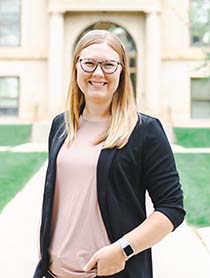
Zoe Kriegel, Ph.D., CCC-SLP is an Assistant Professor in the Division of Communication Disorders at the University of Wyoming. She holds a Ph.D. (2022), M.S. (2018), and B.S. (2016) from Bowling Green State University and Kent State University respectively, with a research focus on speech motor control in individuals with Parkinson Disease. Ph.D., Bowling Green State University, 2022 M.S., Bowling Green State University, 2018 B.S., Kent State University, 2016 Her research examines how competing cognitive demands affect speech production, using dual-task paradigms and cognitive-linguistic interference to analyze changes in speech acoustics, kinematics, and facial muscle activity. This work aims to improve clinical assessment and intervention strategies for speech disorders in Parkinson's patients. Recent publications highlight her expertise in speech kinematics, dual-task performance, and cognitive-speech interactions. Dr. Kriegel teaches courses on neurological communication disorders and voice disorders, contributing to both graduate and undergraduate education in speech-language pathology.
Amrita Puri is Associate Professor of Biology at University of Central Arkansas, teaching Principles of Biology, Neuroscience, and Sensation & Perception. Holds PhD in Neuroscience (UC Davis) and dual BS degrees in Biology/Chemistry (UNO). Research examines visual cognition and sensory integration. Key research areas: Crossmodal transfer between echolocation, vision and haptics Attentional mechanisms in numerical/physical size processing Anxiety effects on facial emotion perception Neural correlates of visual attention allocation Publications demonstrate strong methodological diversity, employing psychophysics, eye-tracking, fMRI, and auditory perception paradigms. Recent work explores sensory substitution mechanisms and perceptual resolution in echolocation.
Marie Banich is a Distinguished Professor in the Department of Psychology and Neuroscience at the University of Colorado, and Executive Director of the Intermountain Neuroimaging Center (INC). She holds a PhD from the University of Chicago (1985). Her research focuses on the neural mechanisms underlying executive function, attention, and cognitive control, with expertise in neuroimaging techniques including fMRI and MR spectroscopy. She co-authored the widely used textbook Cognitive Neuroscience , now in its 4th edition, which integrates clinical and developmental perspectives with advanced neuroimaging methods. Banich also serves as Editor-in-Chief of Cognitive, Affective, and Behavioral Neuroscience and on the governing board of the Cognitive Neuroscience Society (CNS). Her work emphasizes translational applications, such as understanding how brain development and stress impact cognitive functions. The Banich Lab employs machine learning to analyze complex neuroimaging data, particularly in studying adolescent brain development through the ABCD Study. Key themes in her research include neural integration of information, psychopathology correlates, and the role of prefrontal cortex in adaptive behavior. Her research spans foundational topics like working memory, decision-making, and emotional regulation. Recent studies examine gender differences in stress-related brain changes, neuroanatomical correlates of internalizing disorders, and the impact of substance use on brain morphology. She collaborates extensively on large-scale initiatives like the ABCD Study, which tracks neurocognitive development in children. Banich’s contributions bridge basic science and clinical applications, with a focus on enhancing educational and mental health interventions through neuroscience insights.
Prof. Eddy Davelaar is a full Professor of Psychology and Applied Neuroscience at the School of Psychological Sciences, University of London. He holds a PhD from Birkbeck, University of London (2003), and earlier degrees from Maastricht University. His research focuses on cognitive aging, neurofeedback, and cognitive enhancement through interventions. He leads projects on cognitive decline prevention and neurocognitive mechanisms of brain training. Administrative roles include directing the MSc Psychology (conversion) and MSc Psychological Research Methods programs. Research interests include human memory interactions, racial bias determinants, and neurofeedback applications. Collaborations emphasize co-designing interventions with target populations. Over 150+ peer-reviewed articles span cognitive neuroscience and aging, with recent work on EEG neurofeedback and mental strategy optimization. Advises doctoral researchers like Albert Hunt and Vicki Shepherd. Affiliated with the Centre for Cognition, Computation and Modelling.
Sachiko Kinoshita is an Associate Professor in the School of Psychological Sciences at Macquarie University, where she contributed to founding the Macquarie Centre for Cognitive Science (MACCS) and later the ARC Centre of Excellence in Cognition and its Disorders (CCD). Her research focuses on automatic cognitive processes like visual word recognition and masked priming, particularly exploring how readers process distorted or novel stimuli across languages. She has developed the Bayesian Reader model with Dennis Norris, explaining phenomena such as letter position flexibility and task-dependent priming effects. Teaching responsibilities include undergraduate cognitive psychology courses and research methods. Supervision spans Honours projects (e.g., dyslexia, Japanese kana recognition) and PhD topics on reading aloud mechanisms and cognitive control. She holds editorial roles at leading journals including Psychological Science , Journal of Experimental Psychology: Learning, Memory, and Cognition , and Journal of Memory and Language . Current research includes a 2020-2022 project bridging theory and brain mechanisms in reading, and a 2014 ongoing study on the Noisy Channel model for word recognition. Collaborations span institutions like the MRC Cognition and Brain Sciences Unit (Cambridge) and involve multi-national studies on taboo language processing.
Julie Bugg is a Professor of Psychological & Brain Sciences and Director of Graduate Studies at Washington University. She holds a PhD and MS from Colorado State University and a BA from Bloomsburg University of Pennsylvania. Her research focuses on cognitive control mechanisms underlying attention, memory, and aging, with a particular emphasis on conflict tasks (e.g., Stroop) and the impact of aging on cognitive processes. She leads the Cognitive Control & Aging Lab, exploring how environmental contingencies and exercise influence cognitive control in older adults. Her educational background includes advanced degrees in psychology, and she mentors undergraduate researchers like S. Chanani. Key research areas include top-down vs. stimulus-driven control, the neural correlates of aging, and strategies to maintain cognitive function through exercise. Though no awards are explicitly listed, her work has been featured in prominent journals like Neurobiology of Aging and Psychonomic Bulletin & Review . Research trends in her articles emphasize experimental methods to dissect cognitive control processes, with a focus on task-specific adaptations and the interplay between aging and neuroplasticity. Her work bridges cognitive psychology and neuroscience, addressing practical implications for aging populations.
Dr. Pragalathan (Prahan) Apputhurai is a Lecturer in Applied Statistics at Swinburne University of Technology's School of Health Sciences . With a PhD in Applied Statistics from Swinburne and prior degrees from the University of Peradeniya, Sri Lanka, his expertise spans Bayesian Statistics , Structural Equation Modeling , and Extreme Events Data Modelling . He teaches undergraduate and postgraduate courses in Applied Statistics and supervises PhD/Master's students in areas including Factor Analysis and Social Determinants of Health. Education: PhD in Applied Statistics, Swinburne University of Technology, Australia Bachelor of Science & Applied Statistics, University of Peradeniya, Sri Lanka Research Interests: Specializing in statistical methods for health and social sciences, Dr. Apputhurai's work addresses issues including intimate partner violence, mental health in chronic disease populations, and empathetic AI in healthcare. His recent publications focus on structural equation modeling applications, psychometric validation in gastrointestinal disorders, and conversational agent empathy assessment. Grants: Rome Foundation (2025): Dietary interventions for IBS pain management Civil Aviation Safety Authority (2022-2024): Bayesian methodology in aviation safety Department of Communities and Justice (2018-2019): Indigenous women's reintegration through empowerment pathways Professional Recognition: Vice Chancellor's Teaching Excellence Award (2016) SUPRA Scholarship Recipient (2009) Academic Excellence in B.Sc. Examinations (2003) Academic Supervision: Currently supervising research projects in inflammatory bowel disease mental health support, conversational agent development, and trauma impact on quality of life across various health conditions.
Daniel Howard Weissman serves as Professor of Psychology in the College of Literature, Science, and the Arts at the University of Michigan, with additional affiliation as Faculty Associate at the Research Center for Group Dynamics within the Institute for Social Research. His research centers on psychological mechanisms of attention and cognitive control, specifically investigating distraction minimization, cross-modal attention allocation, avoidance of attentional capture by salient stimuli, task-switching during multi-tasking, and statistical learning of environmental regularities. A core focus examines adaptive control—how recent experiences shape behavioral adjustments—as demonstrated through Stroop task paradigms showing reduced distraction after overcoming interference and during high-distraction blocks. Analysis of his 2019-2025 publications reveals concentrated investigation of conflict tasks (particularly prime-probe paradigms), congruency sequence effects, and proportion congruency phenomena. His work consistently explores dual-timescale adaptive control mechanisms spanning immediate trial-by-trial adjustments to longer block-wide adaptations, emphasizing episodic memory's role and examining neural correlates in aging and trauma contexts. Dr. Weissman maintains active laboratory research at the Research Center for Group Dynamics, employing cognitive psychology methodologies to dissect attentional and executive control systems through experimental paradigms measuring behavioral and neural responses.
Nadège Rochat is a Lecturer in the Faculty of Sports and Physical Education (UFR STAPS) at University Clermont Auvergne (UCA), France. She is affiliated with the Activity, Knowledge, Transmission, Education (ACTé) research group and the Center for the Study of Transformations in Physical and Sports Activities (CETAPS). Her research focuses on activity analysis, enaction theory, and learning processes in sports contexts. Dr. Rochat earned her Doctorate in STAPS (Sciences and Techniques of Physical and Sports Activities) in 2017 from University of Lausanne and University of Rouen Normandy, under the supervision of D. Hauw and L. Seifert. Her dissertation was titled "Enactive analysis of activity in trail and ultra-trail: a multi-sourcing approach." Prior to her current position, she completed several post-doctoral fellowships including: 2021-2022: Post-doctorate, ANR-RIN OptiCog project, CETAPS and CRFDP Laboratories, University of Rouen Normandy; 2020-2021: Post-doctorate, ANR-DFG SALAMMBO project, GIPSA-Lab, Grenoble INP, CNRS, University of Grenoble Alpes; 2017-2019: Post-doctorate, ANR DynACEV project, CETAPS Laboratory, University of Rouen Normandy. Dr. Rochat's research interests center on the enactive and phenomenological approaches to understanding sports activity, particularly in trail running, climbing, and officiating contexts. Her work integrates mixed methods to analyze both behavioral data and lived experience. She investigates how athletes, referees, and coaches make sense of their activities through embodied cognition and environmental interactions. Her research has important implications for sports training, equipment design, and professional development in sports contexts. Her work often focuses on the relationship between physical activity and cognitive processes, examining how movement and environment shape perception and decision-making. She has made significant contributions to understanding emotional dynamics in sports coaching, the appropriation of sports equipment, and the development of skills frameworks for sports officials. Analysis of Dr. Rochat's publications reveals a consistent focus on enactive approaches to sports activity across diverse contexts including trail running, climbing, refereeing, and coaching. Her work demonstrates an evolving trajectory from analyzing individual athlete experiences toward examining professional transitions and skill development in sports officiating. A significant portion of her research examines the interplay between phenomenological experience and behavioral data, using innovative methodological approaches to bridge these typically separate domains of inquiry. Her recent work shows increasing emphasis on practical applications of enactive theory for sports training, equipment design, and professional development. Dr. Rochat has been involved in several significant research projects including: Learning Dynamics: Behavior and Lived Experience. What Place for Exploration Strategies?; Supporting Referees' Professional Transitions: using a skills framework to co-construct tools and methods; Optimizing the understanding of cognitive control abilities through Stroop interference: behavioral, electrophysiological and fMRI study of its different components. Dr. Rochat is an active researcher with numerous publications in high-impact journals including Frontiers in Psychology, Cognitive Processing, and PLoS ONE. Her work demonstrates strong collaborative networks with researchers across France and internationally.
Deepthi Kamawar is a Professor in the Department of Psychology at Carleton University, affiliated with the Faculty of Arts and Social Sciences. She holds degrees including a B.Sc. in Cognitive Science (University of Toronto), B.Ed. (York University), M.A. and Ph.D. in Psychology (University of Toronto). Her research focuses on young children’s cognitive development, particularly future-oriented cognition, executive function skills, and theory of mind. She investigates how children develop abilities like saving, inhibition, cognitive flexibility, and understanding others’ mental states. Her lab examines symbolic representation, intentionality in moral evaluations, and developmental progression of cognitive skills. Research interests include children’s understanding of knowledge change over time, symbolic communication, and the role of executive functions in decision-making. Her work bridges developmental psychology and cognitive science, addressing topics like numerical cognition, language specificity in number processing, and task-based assessments of cognitive flexibility. Dr. Kamawar’s studies often involve innovative experimental designs, such as the Multidimensional Card Selection Task and token savings tasks. She has contributed to debates on scalar implicature interpretation in children and the role of working memory in symbolic reasoning. Her research emphasizes applied and theoretical insights into early childhood development.
Greg Siegle is an Associate Professor in the Department of Psychiatry at the University of Pittsburgh School of Medicine, with affiliations in the Center for the Neural Basis of Cognition and the Clinical and Translational Sciences Institute (CTSI). He directs the Program in Cognitive Affective Neuroscience (PICAN) and holds a Ph.D. from the San Diego State University/UCSD Joint Doctoral Program in Clinical Psychology. His research focuses on neural mechanisms underlying rumination, dissociation, and emotional disorders such as depression, PTSD, and autism, employing fMRI, EEG, and computational modeling. He develops interventions like Cognitive Control Training to target specific brain mechanisms and improve treatment outcomes. His work bridges basic neuroscience and clinical practice, emphasizing precision in diagnosis and treatment. Education: Ph.D., Clinical Psychology, San Diego State University/UCSD Joint Program Research Interests: Siegle investigates how sustained emotional processing disrupts cognitive and neural systems in psychopathology. His projects include understanding prefrontal-limbic interactions in depression, translating neuroimaging findings into clinical tools, and developing targeted therapies. He explores topics like pupil dilation as a biomarker of treatment response, the role of reward processing in late-life depression, and developmental changes in emotional processing during puberty. Labs & Collaborations: He leads the PICAN lab, offering opportunities for postdocs, undergraduates, and research assistants. Collaborations include work on virtual reality exposure paradigms, Emotiv headset processing, and functional connectivity tools. His lab develops software for data analysis, including the Functional Connectivity Toolbox and pupilometry tools. Grants & Software: Developed grants database templates for biosketch formatting Code for processing pupillary data, ASL5000 pupil data, and waveform comparisons Future Work: Focuses on translating neuroimaging insights into low-cost clinical tools, enhancing treatment personalization, and exploring mechanisms of sustained vs. blunted affective processing across disorders. He also advocates for rigorous standards in neuroscience reporting (e.g., COBIDAS guidelines).