David M. GordonView profile
Lecturer
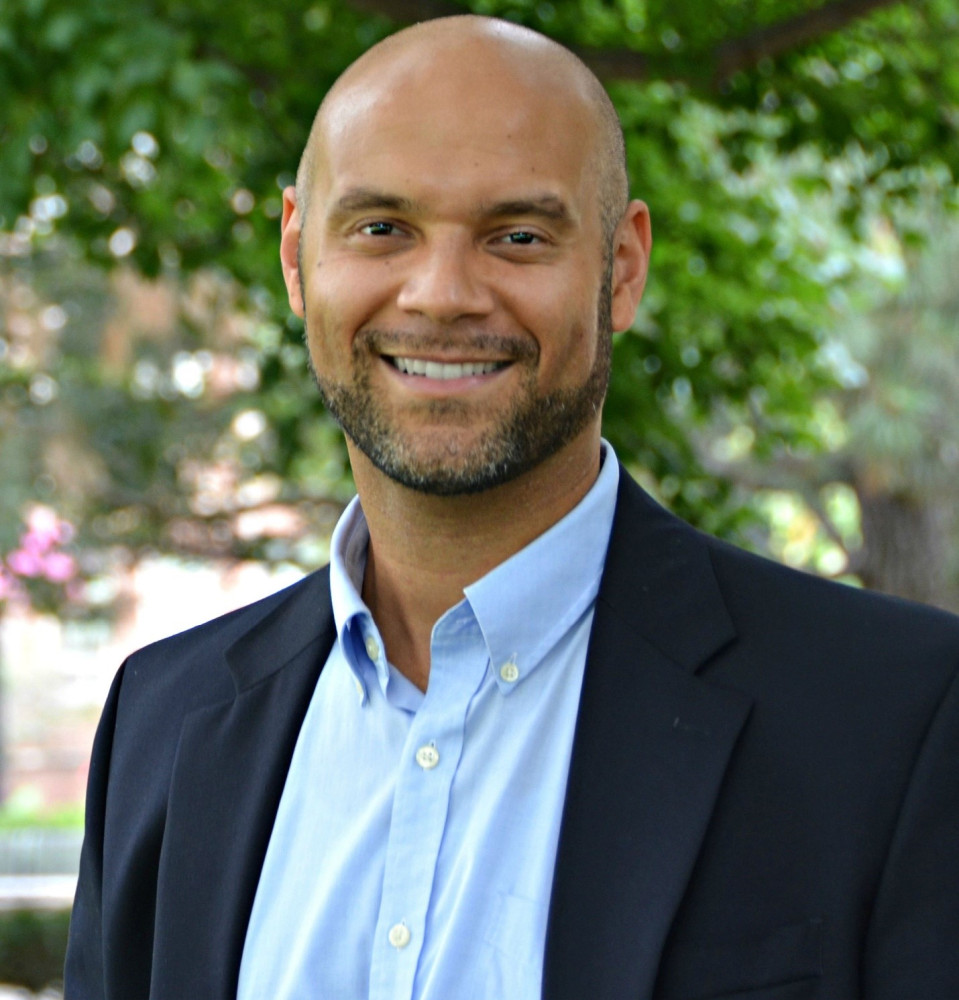
David M. Gordon is a composer and music theorist serving as a Music Theory and World Music Instructor at Northern Illinois University's School of Music within the College of Visual and Performing Arts. He holds a Ph.D. in music composition with a secondary concentration in music theory from the University of Chicago, along with B.M. and M.M. degrees in composition from Northern Illinois University. His research and creative work centers on the amalgamation of Western and non-Western musical languages, exploration of new acoustic timbres, microtonal tuning systems, and complex rhythmic structures. Gordon's theoretical specializations include historical, non-Western, and experimental tuning systems; theories of metric organization; analysis of world music; and form in popular music. Gordon's 2020 album 'Mysteria Fidei' represents a significant creative output, featuring three sacred chamber works that explore themes of searching amidst life's difficulties. The album includes 'Fader, stilla våra andar,' 'Consolation New' (featuring two microtonally-tuned pianos), and 'Mysteria Incarnationis' (a song cycle setting ancient Syriac texts). His compositional output demonstrates a consistent exploration of microtonal systems and cross-cultural musical synthesis. Collaborated with Eighth Blackbird, Pacifica Quartet, South Dakota Symphony Orchestra Performed at Tanglewood Festival, Ojai Music Festival, Singapore International Festival of Arts Featured at Chicago's Symphony Center and Philadelphia's Kimmel Center Work described as 'strong, disturbing music' (Los Angeles Times) Recognized for 'gritty, grinding passion and raw ritualism' (American Record Guide) Gordon maintains an active presence in both composition and music theory instruction, with his work bridging academic scholarship and creative practice. His teaching at NIU focuses on music theory and world music, drawing directly from his research interests in tuning systems and cross-cultural musical analysis. While not leading a formal research laboratory, his creative output functions as a significant contribution to contemporary music scholarship through performance and recording.