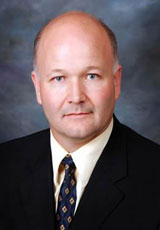
Gordon L. Holloway is an Honorary Research Professor in the Department of Mechanical Engineering at the University of New Brunswick in Fredericton. His research focuses on turbulent shear flow dynamics, submarine hydrodynamics, aerial spray applications, and flow-induced vibration in industrial systems. Holloway holds a PhD in Mechanical Engineering and has contributed to advanced CFD modeling techniques for complex fluid-structure interactions. Research Interests: Turbulent Shear Flow and Flow Curvature Effects Wing Tip Vortex Stability Submarine Hydrodynamics & Slender Body Theory Aerial Spray Dynamics for Pesticide Applications Flow Induced Vibration in Polymer Reactors Backward Facing Menisci in Metal Casting His recent publications (2005-2008) emphasize computational fluid dynamics advancements in submarine design, aerodynamic force estimation for streamlined vehicles, and experimental validation of compliant structure dynamics. Holloway collaborates extensively with industry on practical applications like mixing vessel vibration analysis and pesticide spray optimization. While no specific grants or awards are listed, his work demonstrates significant contributions to fluid mechanics research with applications in marine engineering, aerospace systems, and industrial fluid dynamics.
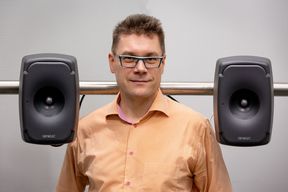
Professor Tapio Lokki is a renowned academic in acoustics and audio engineering at Aalto University's School of Electrical Engineering, Department of Signal Processing and Acoustics. He transitioned from the School of Science's Department of Computer Science to streamline teaching and research in acoustics. His work focuses on concert hall acoustics, spatial sound reproduction, binaural technology, and augmented reality audio. Key projects include developing measurement techniques for concert halls and sensory evaluation methods. He holds the title of Honorary Member of the Acoustical Society of Finland and is a Fellow of the Audio Engineering Society. Research interests include room acoustics modeling, perceptual differences in concert halls, and hearing protection devices. His contributions span psychoacoustic studies, material science for sound absorption, and virtual acoustic environments. He leads the Aalto Acoustics Lab, advancing interdisciplinary applications in audio engineering and environmental acoustics.
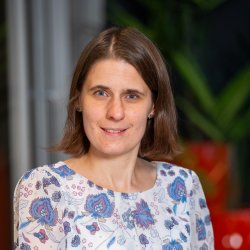
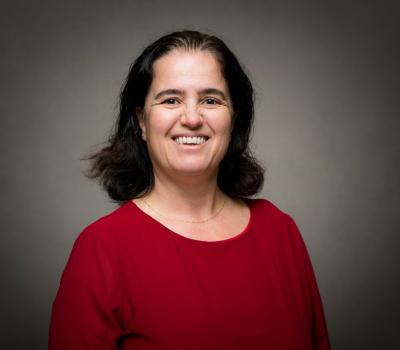
Dr. Magda Zasada is a Lecturer in Workforce, Organisation and Wellbeing at the University of Surrey's School of Health Sciences, part of the Faculty of Health and Medical Sciences. She has been a researcher in the School since 2015, appointed to her current lecturing role in 2021. Her work focuses on the social and organizational aspects of healthcare delivery, particularly organizational cultures and staff wellbeing in healthcare settings. Her research interests include healthcare staff wellbeing, the effectiveness of multidisciplinary team (MDT) meetings, and the impact of regulatory processes on healthcare professionals. She has published extensively on topics such as virtual MDT meetings during the pandemic, NHS staff wellbeing interventions, and fitness-to-practice investigations. Recent studies highlight her contributions to understanding the challenges of virtual healthcare workflows, the efficiency of cancer MDTs, and the psychological impact of professional regulatory processes on healthcare workers. Her work often employs mixed-methods approaches to address complex healthcare system issues. Dr. Zasada currently serves as a Wellbeing Champion in her School and represents Early Career Researchers (ECR) in institutional committees. She collaborates with national healthcare organizations to improve service delivery and staff support mechanisms.
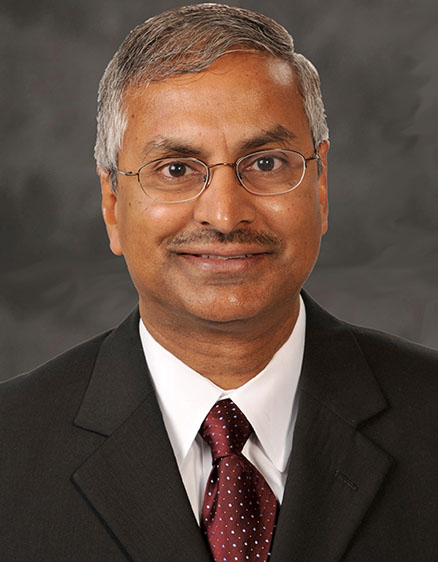
Akhil Datta-Gupta is University Distinguished Professor, Regents Professor, and L.F. Peterson '36 Chair in the Harold Vance Department of Petroleum Engineering at Texas A&M University, with joint affiliation in Chemical Engineering. A National Academy of Engineering member, he holds a Ph.D. (1992) and M.S. (1985) from University of Texas at Austin, and a B.S. (1982) from Indian School of Mines. Research focuses on rapid flow simulation, reservoir optimization, inverse modeling for parameter estimation, and uncertainty quantification. Specific methodologies include streamline simulation applications and data integration across scales. Additional interests encompass geostatistics, enhanced oil recovery modeling, and subsurface imaging. Honors include SPE Honorary Membership, John Franklin Carll Award, Lester C. Uren Award, and DOE recognition for contributions to geosciences. Publications demonstrate consistent innovation in reservoir simulation, with recent expansion into machine learning applications for subsurface challenges and materials science.
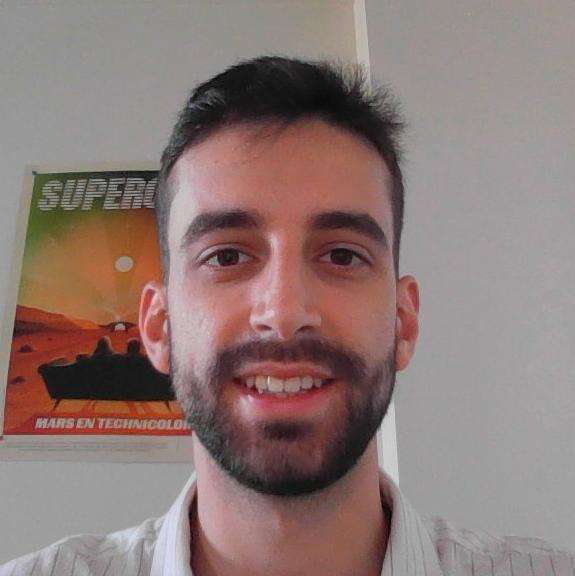
Ramón García Alarcia is a Research Associate and Doctoral Candidate at the Chair of Spacecraft Systems, Technical University of Munich (TUM), under Prof. Alessandro Golkar. He holds dual Bachelor's degrees in Aerospace and Telecommunication Systems Engineering from the Polytechnic University of Catalonia (UPC), and a Master's in Aerospace Engineering (Space Systems specialization) from ISAE-SUPAERO. His research focuses on applying Large Language Models (LLMs) to streamline space mission design, particularly in requirements generation and high-level documentation. This work aims to reduce costs and democratize access to space. Key areas include generative AI for complex systems, autonomous space systems, and federated satellite networks. Ramón teaches courses on spacecraft systems, including 'Design and Simulation of Microsatellites' and 'Systems Engineering – Advanced.' He has authored/co-authored over a dozen peer-reviewed publications, covering topics like AI-driven mission design tools, event-based cameras for situational awareness, and telecommunication network analysis. His doctoral project involves developing a prototype AI-assisted mission design tool, leveraging generative models to enhance efficiency in early-stage spacecraft planning. Collaborations span institutions like ISAE-SUPAERO and UPC, with a focus on interdisciplinary aerospace challenges.
Catarina Pestana is a Senior Lecturer and Undergraduate Program Coordinator in the Department of Civil and Construction Engineering at Oregon State University's College of Engineering. She specializes in teaching construction management courses, emphasizing active learning, applied problem-solving, and peer collaboration. Her research focuses on lean construction practices, risk management, and the integration of human factors with virtual design and simulation in the Architecture, Engineering, and Construction (AEC) industry. Educational Background: Ph.D., Civil Engineering, Oregon State University (2016) M.S., Civil Engineering, San Diego State University (2010) M.A., Economics and Social Sciences, Technical University of Valencia, Spain (2008) Licenciatura (5-year degree), Civil Engineering, Technical University of Lisbon, Portugal (1998) Research Interests: Catarina’s work explores enhancing production systems and product lifecycle performance in the AEC industry through lean methodologies, risk-based optimization, and multi-criteria decision-making. She investigates how digitalization improves construction-phase information management for project owners and examines the alignment between lean practices and worker safety. Her studies often address real-world challenges in project management, supply chain efficiency, and sustainable construction materials. Research Trends in Publications: Her articles highlight themes like circular economy applications in timber construction, digitalization’s impact on project outcomes, and lean tools for risk mapping. She frequently connects safety performance with process improvements and evaluates submittal management in AEC workflows. Labs/Teams: She contributes to the Construction Research group within the College of Engineering, focusing on innovative solutions for construction industry challenges.
Assoc. Professor Renáta Hajabáč Machová, PhD is Vice-Rector for Education and External Relations at J. Selye University's Faculty of Economics and Informatics (2021-2025), where she serves as Associate Professor in the Department of Economics and Management. She is responsible for Corporate Economics and Management study programs at all degree levels and has held various leadership roles including Vice-Dean (2011-2017) and Chairman of the Erasmus+ Commission (2014-2021). Her educational background includes: University studies at University of Economics in Bratislava, Faculty of Commerce in Foreign Trade (1989-1994) PhD studies at University of Economics in Bratislava, Faculty of Commerce in International Business (1996-2005) Habilitation at University of Sopron in Management and Organizational Sciences (2017) Prof. Machová's research focuses on human resource management, transformation process management, SMEs, EU fund implementation, and labor market policy. Her work particularly examines generational differences between Y and Z generations in workplace expectations, ethical behavior in SMEs, and the impact of EU integration on business practices. She has led numerous research projects examining innovation in SMEs and educational quality improvement. Her recent publications show a strong trend toward examining generational workplace dynamics, with particular attention to how Generations Y and Z differ in their expectations, stress responses, and consumer behaviors. There's also a clear focus on the intersection of EU policies with business practices, especially regarding innovation, ethics, and sustainable development in Central European contexts. Prof. Machová has led multiple significant research projects including: "Education quality increasing and innovation of study programmes" (2013-2015) "Streamlining Managerial Skills of the generations Z and Y by gamification" (2019-2020) "Examining the effects of the uncertain economic environment of small and medium-sized enterprises" (2023-present) "The application of innovative educational methods in the context of development of critical thinking" (2024-2025) "Accelerating and Enhancing Green Transition: collaboration of universities in climate adaptation" (2024-2026) She has served extensively on academic committees including as Chairman of Erasmus+ Commission (2014-2021), member of examination commissions for state examinations and doctoral defenses (2011-2021), and as a dissertation opponent and evaluator for various institutions. Her work has received significant citation impact with 1,107 total citations according to the CREPČ database.
Antonio Calvo Morata is an Assistant Professor at the Universidad Complutense de Madrid (UCM), specializing in Software Engineering and Artificial Intelligence. He belongs to the research group "Ingeniería del software y e-learning" and focuses on applying learning analytics and serious games to address educational challenges, particularly in bullying prevention and STEM recruitment. His work integrates AI-driven tools to enhance game development and assessment workflows. Education: Doctorate from UCM (2020) with a thesis on using learning analytics for serious games validation in cyberbullying contexts. Supervisors included Dr. Baltasar Fernández Manjón and others. Research Interests: Development of inclusive serious games, AI applications in education, game-based learning analytics, and tools simplifying game validation (e.g., Simva framework). His studies span STEM education outreach, collaborative learning methodologies, and bioelectrical signal analysis for game evaluation. Key Contributions: Designed the Conectado serious game for bullying awareness, validated through rigorous analytics. Pioneered frameworks blending visual and data mining techniques for educational game improvement. Explored AI tools to streamline serious game authoring and deployment. Labs/Teams: Active in the UCM's Software Engineering and e-learning research group, focusing on educational technology innovation.
Gianrico Settembrini serves as a Lecturer and Head of the Research Group at the Institute of Building Technology and Energy within the Lucerne School of Engineering and Architecture, part of the Lucerne University of Applied Sciences and Arts. His work bridges academic research and practical application in sustainable construction, focusing on climate-resilient building solutions and energy transition in the built environment. His educational foundation includes: Architecture degree from ETH Zurich (1996) NDS in Timber Construction from Biel (2007) MAS in Energy and Sustainability in Construction from Muttenz (2011) Settembrini's research centers on sustainable building systems with specialization in timber construction , solar architecture , and embodied energy assessment . His work investigates circular economy principles in construction, climate adaptation strategies for buildings, and the integration of renewable energy systems. He develops practical tools for embodied carbon calculation and sustainable renovation, emphasizing the balance between environmental performance and economic feasibility in building projects. His extensive publication record reveals strong trends toward climate change adaptation in construction, with recent work focusing on embodied energy metrics, sustainable renovation triggers, and climate-resilient building standards. Key thematic areas include the development of Swiss sustainability assessment tools (SNBS), life cycle analysis of building technology systems, and practical guidelines for building owners and planners facing climate challenges. His research consistently addresses the intersection of technical innovation and policy implementation in the construction sector. As leader of the Center for Integrated Building Technology research group, Settembrini directs major projects including LENGTH (extending building technology service life), SYGREN (embodied energy metrics for building systems), and RENOWAVE (sustainable facade renovation). His team collaborates with Swiss government agencies (BFE, BAFU), industry partners, and international organizations to advance practical applications of sustainable building practices, with recent work extending to Chinese zero-emission building initiatives and Swiss hospital decarbonization pathways.
Jihoon Park is an Adjunct Professor at The Irwin S. Chanin School of Architecture, The Cooper Union. He holds a Bachelor of Architecture from Cooper Union, with minors in Economics and Public Policy. His expertise spans computational design, structural analysis, and interdisciplinary collaboration between architecture, engineering, and digital fabrication. With professional experience at firms like Walter P Moore, Stantec, and SKM Architects, he focuses on integrating computational methodologies across sports, healthcare, and hospitality sectors to enhance design efficiency and innovation. Key research interests include parametric geometry, BIM interoperability, computational simulation, and digital fabrication technologies. His work emphasizes bridging architectural design with technical disciplines to streamline workflows and foster creative solutions.
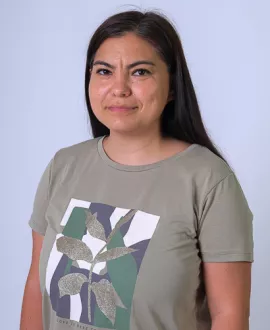
Merve Gürbüz Çaldağ is an Assistant Professor in the Department of Mathematics at TED University. She specializes in numerical analysis and computational fluid dynamics, particularly focusing on magnetohydrodynamics (MHD), nanofluid dynamics, and machine learning applications in fluid mechanics. Her research integrates advanced numerical methods like Radial Basis Functions (RBF) and boundary element techniques to solve complex fluid flow problems under magnetic fields. Dr. Çaldağ has taught a wide range of courses, including Advanced Calculus, Linear Algebra, Differential Equations, and Probability Theory, across multiple academic terms from 2022 to 2026. Her teaching emphasizes both theoretical foundations and practical computational skills. Her research interests revolve around modeling fluid dynamics in constrained geometries, such as lid-driven cavities and constricted channels, under varying magnetic field conditions. Recent work involves applying machine learning to enhance predictive accuracy in MHD flow simulations and analyzing bioconvection dynamics involving magnetotactic bacteria. She has also explored numerical stability and optimization of RBF-based methods for solving unsteady MHD flow equations. Despite no listed awards, her contributions to computational fluid dynamics and MHD modeling are evident through over 15 peer-reviewed articles since 2015. She currently holds no grants or lab affiliations mentioned in the provided texts.
Vincent Jacquemet is an Associate Professor in the Department of Pharmacology and Physiology at the University of Montreal's Faculty of Medicine. His research laboratory is located at the Research Center of the Hôpital du Sacré-Coeur de Montréal. He is also a member of the Institute of Biomedical Engineering (IGB, UdeM), the Centre for Applied Mathematics in Bioscience and Medicine (CAMBAM, McGill), and the Groupe de Recherche en Sciences et Technologies Biomedicales (GRSTB, Polytechnique Montreal). Born in Sion, Switzerland Master degree in Physics (2000) from Swiss Federal Institute of Technology, Lausanne (EPFL) Ph.D. in Signal Processing (2004) from EPFL under J.-M. Vesin and M. Kunt Post-doctoral research at EPFL/Lausanne University Hospital and Duke University Dr. Jacquemet's research focuses on cardiac electrophysiology, neurocardiology, biophysical modeling, complex dynamical systems, computer simulation and signal processing. His work combines integrative biophysical modeling and signal processing techniques to improve diagnostic interpretation of cardiac bioelectric signals. Specific research themes include modeling atrial electrophysiology and arrhythmias, ECG signal processing, and multichannel recordings of the intrinsic cardiac nervous system. His laboratory develops three-dimensional virtual models of the human atria based on anatomical, histological and electrophysiological data, and creates patient-specific approaches to estimate and monitor the rate-corrected QT interval. Analysis of Dr. Jacquemet's recent publications reveals a strong focus on computational modeling of cardiac electrophysiology, particularly atrial fibrillation mechanisms and diagnostics. His work integrates experimental data with sophisticated computer simulations to bridge the gap between clinical observations and underlying cardiac pathology. Recent publications show expanding applications to pediatric oncology survivors, examining cardiac electrical abnormalities following cancer treatment, demonstrating the translational impact of his research. Research scholar Junior 1 from Fonds de Recherche du Quebec en Sante (FRSQ) Research scholar Junior 2 from Fonds de Recherche du Quebec en Sante (FRSQ) Dr. Jacquemet has advised numerous graduate students and postdoctoral researchers, with current doctoral and master's students working on electrophysiological modeling of atrial arrhythmias, neural control of cardiac function, and ECG signal processing. His research is conducted in collaboration with multiple institutions including Hôpital du Sacré-Coeur, East Tennessee State University, and the Lausanne Heart Group. His laboratory is equipped with office space for students, desktop workstations, and access to Linux clusters at RQCHP for high-performance computing needs.
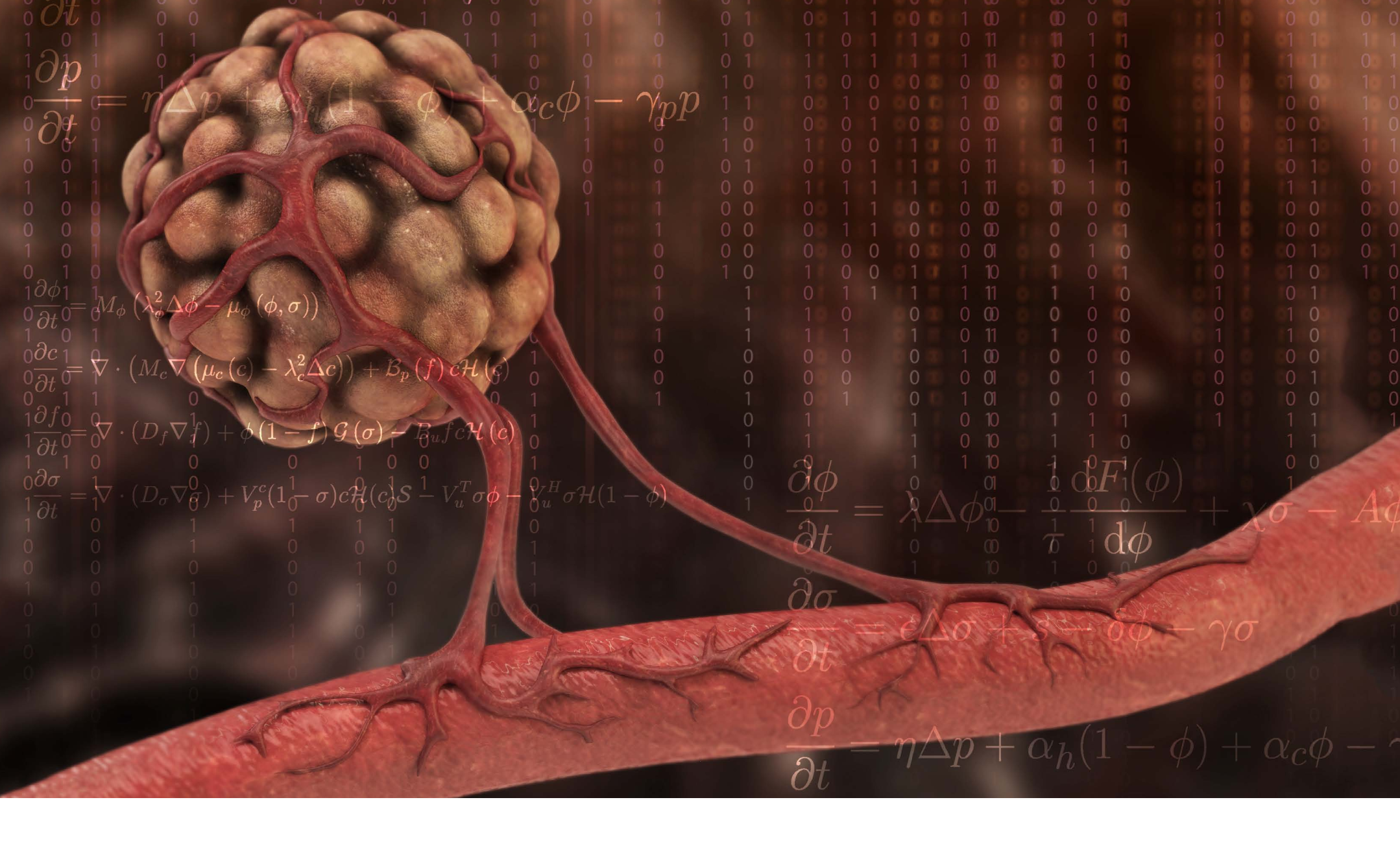
Hector Gomez is a Professor of Mechanical Engineering and Courtesy Professor of Biomedical Engineering at Purdue University’s School of Mechanical Engineering. He leads the Gomez Lab, focusing on computational mechanics, multiphase systems, and biomedical applications. His research bridges engineering and medicine through advanced modeling of interface problems, including tumor growth, fluid-structure interaction, and biomechanics. Education: Ph.D. in Civil Engineering from Universidade da Coruña, Spain. He also holds a Civil Engineering degree from the same institution. His work integrates isogeometric analysis, phase-field methods, and high-performance computing. Research Interests: Modeling multiphase and multiphysics systems using phase-field methods; isogeometric methods in fluid/solid mechanics; tumor growth simulation; computational fluid-structure interaction. His lab collaborates on prostate cancer growth forecasts using MRI data and personalized biomechanical models. Key Achievements: ERC Starting Grant (2012), MIT Technology Review Innovators Under 35 (2014), Princess of Girona Scientific Award (2017), USACM Fellow (2023). His team develops open-source tools for multiphysics simulation. Grants & Funding: Includes ERC grants, USACM awards, and Purdue University faculty scholarships. Active in computational oncology, drug delivery (subcutaneous injection modeling), and soft material mechanics. Labs/Teams: Gomez Lab at Purdue, specializing in computational engineering and medicine. Collaborations with biomedical researchers and industry on personalized medicine and medical device design.
Robert Kirby is a Professor of Mathematics and Undergraduate Advisor at Baylor University, affiliated with the College of Arts & Sciences and the Department of Mathematics. He holds a Ph.D. from the University of Texas at Austin (2000) and has held academic positions at Texas Tech University, the University of Chicago, and as a Dickson Instructor. His research focuses on automating numerical methods for partial differential equations (PDEs), including finite elements, preconditioners for multiphysics problems, and high-performance computing. Kirby's research interests bridge mathematics and computer science, emphasizing the development of efficient algorithms for PDE simulation using domain-specific languages, Bernstein polynomials, and multicore architectures. His work integrates theoretical analysis with practical software implementation in projects like FEniCS and Firedrake. His publications consistently address finite element methods, numerical stability, and computational efficiency. Recent articles emphasize automated time-stepping, domain truncation, and preconditioning techniques, reflecting a trend toward scalable and user-friendly tools for scientific computing. Grants and Advising: Kirby has secured significant funding, including NSF awards for automated algorithms and Sandia National Laboratory contracts. He advises doctoral students in mathematics and computing, with alumni at Amazon, NSA, and academia. Grants include: NSF CCF award 1117794: Metanumerical computing ($500k) NSF CCF award 0830655: Automated intrusive algorithms ($270k) DOE Early Career Award: Automatic parallel finite elements ($300k) He leads collaborations on open-source projects (FEniCS, Firedrake) and develops tools like FIAT and Irksome to streamline finite element workflows.
Kevin Connington is a Teaching Professor in Mechanical Engineering at Stevens Institute of Technology's Charles V. Schaefer, Jr. School of Engineering and Science. His computational research explores multiphase systems using lattice Boltzmann methods. Core research areas: Fluid-particle interaction mechanics Interfacial phenomena in complex fluids Parallel computing implementations Wetting dynamics on engineered surfaces Publications demonstrate methodological advances in modeling emulsions, particle-laden flows, and suspension dynamics. Recent work examines shear-induced assembly of anisotropic particles and droplet impact physics. Connington serves as reviewer for leading fluid mechanics journals and contributes to departmental lab development committees.