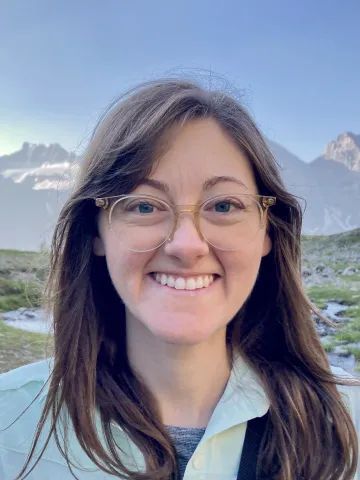
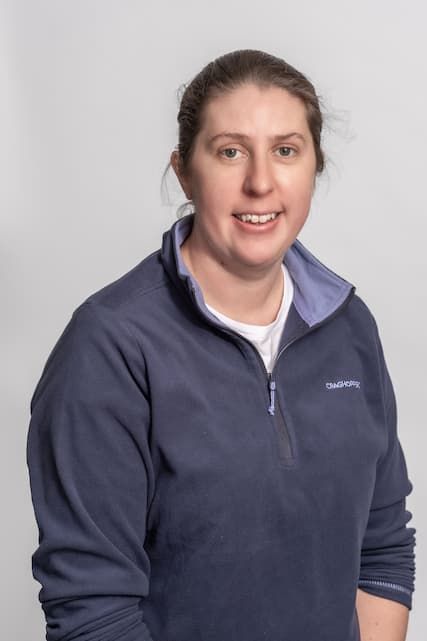
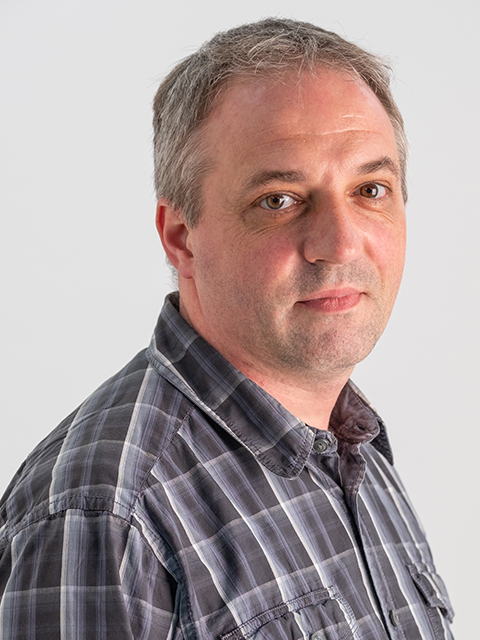
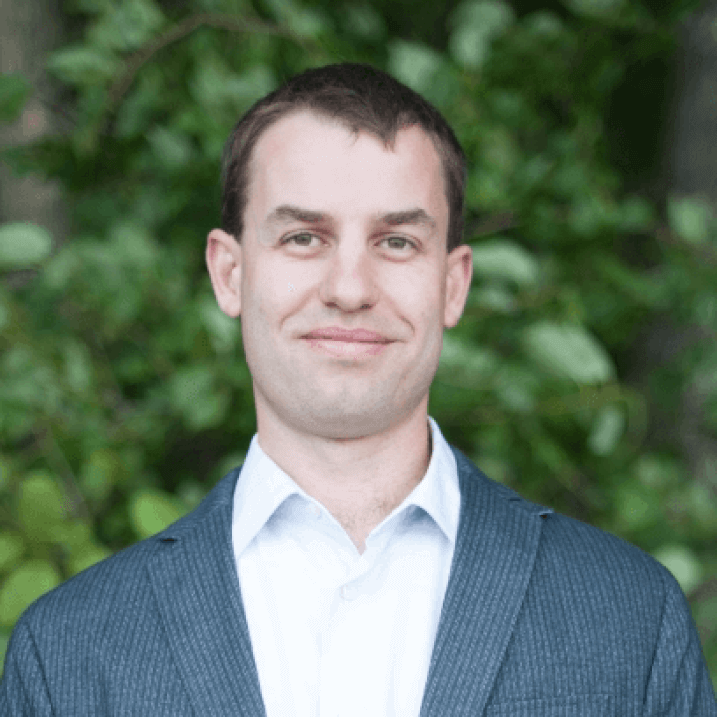
Jennifer Bowen is an Assistant Professor at the School of Earth & Atmospheric Sciences , Georgia Institute of Technology. Her research focuses on the biogeochemistry of wetland and aquatic ecosystems, particularly the fate of carbon along the land-ocean continuum under environmental disturbances like climate change and deforestation. She employs advanced analytical techniques such as ultra-high-resolution mass spectrometry and metabolomics. Education: Ph.D. in Earth & Environmental Science (University of Michigan, 2021), B.S. in Chemistry and Environmental Science & Policy (Chapman University, 2015) Research Interests: Her work investigates organic matter decomposition across redox gradients, impacts of thawing permafrost and disturbed peatlands on carbon mobilization, and the role of abiotic degradation products in microbial activity. She also focuses on translating lab experiments to environmental carbon degradation rate predictions. Collaboration Highlights: She collaborates on methane oxidation dynamics, tropical peatland restoration, and soil respiration studies, integrating interdisciplinary approaches to study global carbon cycling. Scientific Awards: Scripps Institution Postdoctoral Fellowship (2021) University of Michigan Predoctoral Fellowship (2020) Woods Hole Oceanographic NOSAMS Graduate Student Fellowship (2018)
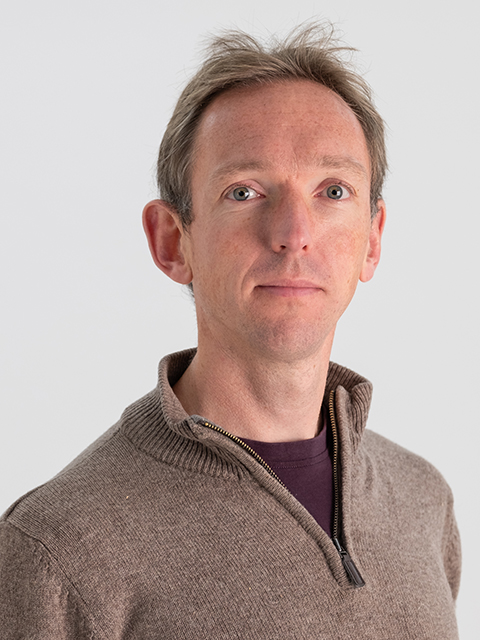
Dr. Haosu Tang is a Research Fellow at the School of Geography and Planning, University of Sheffield. He holds a PhD in Meteorology (2023) from the Institute of Atmospheric Physics, Chinese Academy of Sciences, and previously worked as an assistant researcher at the same institution before joining Sheffield in 2024. His research lies at the intersection of extreme climate events , anthropogenic climate change attribution , and public health impacts . He specializes in statistical and storyline approaches to analyze Antarctic extreme weather drivers, multi-model climate projections, and the health risks of climate change and air pollution. His work integrates climate science with large-scale epidemiological studies. The 15 most recent publications span climate modeling , extreme event analysis , and public health impacts . Key topics include ENSO teleconnections , marine heatwaves , stroke risk under heatwaves , and household air pollution health burdens , with frequent use of Global Burden of Disease datasets and multi-model ensemble projections . His methodology emphasizes attribution studies , trend analysis , and climate-public health integration , primarily focusing on China and Northwest Pacific regions. While no specific awards or student advising activities are mentioned, his work has been featured in high-impact journals like The Lancet , Climate Dynamics , and Geophysical Research Letters .
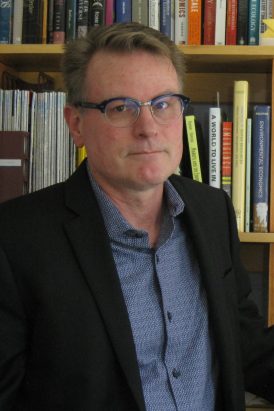
William Currie is a Professor at the University of Michigan with dual appointments in the School for Environment and Sustainability and the College of Literature, Science, and the Arts. His research centers on ecosystem ecology in wetland and Great Lakes environments, addressing nutrient cycling dynamics, invasion processes, and anthropogenic impacts including urbanization and climate change. His primary research interests encompass wetland biogeochemistry, nutrient cycling under environmental stressors, invasion ecology of species like Typha in coastal systems, and the integration of machine learning for environmental prediction. Currie's work bridges experimental field studies, ecosystem modeling, and socio-ecological frameworks to address sustainability challenges in the Great Lakes region and continental US water systems. Analysis of his 2020-2025 publications reveals a significant shift toward computational approaches, particularly machine learning applications for water quality prediction and Great Lakes forecasting, while maintaining core experimental research on wetland nutrient dynamics. His scholarship increasingly addresses cross-cutting issues including urban stream pollution, blue carbon valuation, and the ecological consequences of infrastructure development. Currie directs the Currie Lab Group, which focuses on sustainability science through ecosystem modeling, field experimentation, and stakeholder engagement to advance understanding of environmental change in freshwater coastal systems.
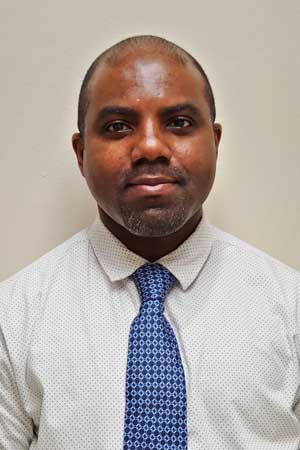
Kpoti Gunn is an Assistant Professor at the Richard J. Resch School of Engineering, University of Wisconsin Green Bay, specializing in Environmental Science. He holds degrees in Agricultural Engineering from the University of Lome-Togo and Environmental Sciences from Bellevue University, with a Ph.D. in Environmental Engineering from Ohio State University. Education: Agricultural Engineering, University of Lome-Togo Environmental Sciences, Bellevue University MS & Ph.D. in Environmental Engineering, Ohio State University His research focuses on agricultural water management, wastewater treatment, hydrologic modeling, and climate change impacts on water resources. He has developed expertise in drainage water recycling, watershed hydrology, and nutrient load reduction strategies, particularly for the Chesapeake Bay and Midwest agricultural systems. At UWGB, he teaches courses including Fluids 1, Water and Wastewater Treatment, Hydrology, and Introduction to Environmental Engineering. He previously served as a postdoctoral researcher at Ohio State University and USDA Agricultural Research Service, and as a teaching assistant during his graduate studies.
Jacques C Finlay is a Professor in the Department of Ecology, Evolution and Behavior at the University of Minnesota's College of Biological Sciences, with additional affiliation at the St. Anthony Falls Laboratory. His research spans multiple dimensions of aquatic ecosystem science, with particular focus on watersheds, biogeochemistry, and the impacts of urbanization and climate change on aquatic systems. Finlay's research interests center around watershed dynamics, food web ecology, stable isotope applications, and the biogeochemical processes governing nutrient cycling in aquatic ecosystems. His work integrates field studies with modeling approaches to understand how global change factors—including climate change, land use alteration, and urbanization—affect the structure and function of freshwater ecosystems. A significant portion of his research addresses phosphorus dynamics, particularly legacy phosphorus mobilization and transport in changing climate conditions. His recent publications reveal a strong trend toward interdisciplinary research addressing the intersection of climate change, water quality, and ecosystem management. Finlay's work increasingly incorporates machine learning approaches for environmental prediction and focuses on practical applications for urban stormwater management and agricultural conservation practices. His research demonstrates how fundamental ecological principles can inform solutions to pressing environmental challenges in both urban and agricultural landscapes. Finlay maintains an active research program with numerous ongoing projects funded by agencies including the Legislative-Citizen Commission on Minnesota Resources and the U.S. Geological Survey. His collaborative network spans multiple institutions and disciplines, reflecting the interdisciplinary nature of contemporary environmental science. He leads or contributes to several major research initiatives focused on climate change impacts, phosphorus cycling, microplastic pollution, and urban ecosystem management. His work has garnered significant attention, with publications cited extensively and covered by numerous news outlets, indicating the relevance and impact of his research on both scientific and policy communities.
John Olson is an Associate Professor in the Department of Applied Environmental Science specializing in freshwater systems. With over 15 years of research experience, he investigates watershed influences on rivers, lakes, and streams to develop river health management strategies through empirical water chemistry modeling, invertebrate distribution analysis, and eDNA/satellite-based predictive ecology. His educational background includes Master's research in the south-eastern United States and Ph.D. work in the Great Basin, Rockies, and Desert South-west regions. Prior to academia, he served as an Army infantry officer. Dr. Olson's research focuses on freshwater ecology, hydrology, and environmental modeling. Key projects establish water chemistry baselines, analyze geological impacts on invertebrates, and develop predictive models for fish/algae distributions using environmental DNA and satellite data to address salinity and nutrient pollution challenges. His publication record demonstrates consistent focus on water quality parameters (salinity, specific conductivity) and their ecosystem impacts. He integrates remote sensing with biodiversity data to tackle complex environmental issues, as seen in recent works published in Environmental Science & Technology and Science . Scientific awards: No awards mentioned in source materials Advising and grants: Student advising details not provided Grant funding information unavailable Laboratory and research team information is not described in the given text.
Marina Mlakar serves as a Project associate at the Ruđer Bošković Institute's Division for Marine and Environmental Research within the Laboratory for physical chemistry of traces. Her career spans over four decades, focusing on electrochemical analysis of trace metals in marine systems and their biogeochemical interactions with organic compounds. She maintains active research collaborations across Croatian environmental institutions and contributes significantly to national monitoring programs in protected areas. Her educational foundation includes a Master's degree (1981) on aliphatic analogues of inosine, a Magister degree (1984) examining uranyl ion interactions with organic ligands in seawater, and a PhD (1988) on synergistic adsorption of uranium(VI) mixed complexes on mercury electrodes. These advanced degrees established her expertise in electrochemical speciation techniques applied to marine environments. Dr. Mlakar's research centers on trace metal biogeochemistry in marine systems, with particular emphasis on electrochemical characterization of metal-organic interactions. Her work investigates copper-phospholipid binding at membrane interfaces, cobalt complexation with natural ligands like humic substances and catechols, and rare earth element distributions in coastal sediments. She pioneers voltammetric methodologies for detecting trace metals in complex matrices, contributing to understanding metal bioavailability and cycling in Adriatic ecosystems. Her recent studies increasingly address climate change impacts, examining how warming and oligotrophication affect phytoplankton lipid production and trace metal dynamics. Analysis of her publication record reveals consistent focus on electrochemical techniques for environmental monitoring, with recent work (2015-2024) showing intensified investigation of climate change effects on marine biogeochemistry. Her research demonstrates methodological evolution from fundamental speciation studies toward applied environmental diagnostics, particularly in Croatian national parks. The interdisciplinary nature of her work bridges analytical chemistry, marine science, and climate impact assessment. Dr. Mlakar actively mentors the next generation of scientists, having supervised three advanced degree candidates: Sonja Pavković (Master's, 2015), Anđela Bačinić (PhD, 2022), and Petra Vukosav (PhD, 2011). Her research is sustained through numerous institutional projects, as evidenced by over 20 technical reports for the Ruđer Bošković Institute addressing trace metal monitoring in national parks (Mljet, Krka, Plitvice Lakes), river systems (Krka, Neretva), and coastal areas. These projects often involve multi-institutional teams assessing ecotoxic metals (Hg, Cd, Pb, Cu, Zn) across water, sediment, and biota compartments. She operates within the Laboratory for physical chemistry of traces, a specialized facility for advanced electrochemical analysis of environmental samples. Her team conducts in situ studies in marine lakes and estuaries, using these natural laboratories to investigate organic matter influences on metal speciation. Current work focuses on climate change impacts on Adriatic trace metal cycling, with emerging research on cobalt biogeochemistry and phytoplankton lipid responses to warming.
Dr. Xiaorong Li serves as a Research Officer at Bangor University's School of Ocean Sciences, where she conducts critical environmental research focused on aquatic pollution and coastal dynamics. Her work bridges laboratory experimentation with advanced computational modeling to address pressing marine environmental challenges. Her research portfolio emphasizes: Microplastics behavior in freshwater and marine systems Pathogen survival mechanisms in aquatic environments Climate change impacts on coastal processes Computational fluid dynamics applications Sediment transport and morphological change Analysis of her 15 most recent publications reveals a concentrated evolution toward microplastics research and water quality virology since 2023, while maintaining foundational work in coastal hydrodynamics. Her methodology consistently integrates experimental microcosm studies with sophisticated numerical modeling techniques like lattice Boltzmann simulations, demonstrating interdisciplinary innovation across environmental science and engineering disciplines. Scientific Awards: No formal awards or fellowships were documented in the available institutional records. Advising and Grants: Publicly accessible information does not indicate graduate student supervision or principal investigator roles for research grants, though her collaborative publications suggest active participation in funded research projects through Bangor University's marine science initiatives. Labs and Teams: Dr. Li operates within Bangor's School of Ocean Sciences research ecosystem, contributing to environmental fluid dynamics and pollution research groups. Her work connects with the university's broader coastal processes research cluster focused on climate change impacts and marine renewable energy environmental assessments.
Qian Yu serves as an Associate Professor and Graduate Program Director for Geography within the Department of Earth, Geographic, and Climate Sciences at the School of Earth and Sustainability, University of Massachusetts Amherst. She earned her Ph.D. in Environmental Science from the University of California at Berkeley and maintains active research collaborations with Central Michigan University, UMass-Boston, USGS MA-RI Water Resources Center, and Woods Hole Marine Biological Laboratory. Her academic foundation: Ph.D. in Environmental Science, University of California at Berkeley Dr. Yu specializes in environmental geography using GIS, remote sensing, and spatial modeling to investigate complex environmental systems. Her research focuses on riverine carbon export through in situ spectral measurements and hyperspectral remote sensing (collaborating with Yong Tian and Bob Chen), aquatic biomass monitoring with satellite imagery (with USGS), object-based vegetation classification from high-resolution imagery, and greenhouse gas emissions/soil respiration studies (with Jim Tang at Woods Hole). Her methodologies advance understanding of carbon cycling, water quality dynamics, and ecosystem responses to environmental change across coastal and inland waters. Analysis of her 2021-2025 publications reveals concentrated expertise in blue carbon mapping of Northeast US salt marshes using LiDAR and optical remote sensing, alongside innovative work on suspended particulate matter, dissolved organic carbon, and foliar nutrient concentrations. She integrates multi-sensor satellite data (Landsat, Sentinel, GOES) to develop high-resolution environmental monitoring frameworks applicable to climate change mitigation and resource management. Scientific recognition is demonstrated through sustained partnerships with major research institutions including USGS and Woods Hole Marine Biological Laboratory, though specific awards are not documented in available sources. As Graduate Program Director, Dr. Yu leads geography graduate education while directing research supported by collaborative grants with Central Michigan University, UMass-Boston, USGS, and Woods Hole. Her work involves field campaigns for spectral data collection and algorithm development for environmental monitoring, operating within interdisciplinary frameworks that bridge remote sensing technology and ecological applications.
Frederick Cheng is an Assistant Professor at the University of Virginia, Department of Environmental Sciences. His research focuses on understanding how natural and built infrastructure influence pollutant cycling and water resource protection through nature-based solutions. His work examines hydrologic processes and biogeochemical cycles across terrestrial-aquatic interfaces such as wetlands, vadose zones, and hyporheic zones at multiple scales (site, watershed, continental). Key interests include climate change impacts on reactive interfaces, anthropogenic pressures, and sustainable ecosystem management. Research trends highlight expertise in data synthesis, process-based modeling, geospatial analysis, and machine learning applications to address nutrient retention, contaminant persistence, and ecosystem service optimization. His group integrates interdisciplinary approaches to balance environmental trade-offs.
Luc Aquilina is a Professor at Université de Rennes 1, where he has been teaching and conducting research since 1999. He serves as Head of the Master's Degree in Water Sciences and leads the Water and Territories research team within Géosciences Rennes. His work spans environmental sciences with a particular focus on water resources, climate change impacts, and interdisciplinary approaches to resource management. His educational background includes a Doctorate in geochemistry from the University of Paris VII (1989-1992) and authorization to direct research at the University of Paris VI (now Sorbonne University) in 1999. Prior to his professorship, he worked as a researcher and project manager at BRGM (Bureau de Recherches Géologiques et Minières) from 1992 to 1999. Professor Aquilina's research interests span environmental sciences with a focus on water resource management, climate change impacts, microbial ecology, and groundwater chemistry and residence time. His work is highly interdisciplinary, bridging physical sciences, biology, and social sciences to address complex water resource challenges. He has developed significant expertise in groundwater dating through dissolved gas analysis, a technique where his CONDATE-Eau platform is the only laboratory in Europe offering such services. His research has been published in high-impact journals including Nature Geosciences, Proceedings of the National Academy of Sciences, and Hydrology and Earth System Sciences. His work addresses critical questions about agricultural legacy impacts on water quality, groundwater-surface water interactions, climate change effects on water resources, and socio-hydrological systems. France Universities Research Prize 2020 for co-managing the PIEC Joint Environmental Intelligence Program H-index of 42 (ResearchGate) and 36 (Web of Science), placing him in the top percentiles of researchers Over 5,000 citations on ResearchGate and 3,000+ on Web of Science 134 peer-reviewed publications over 33 years (approximately 5 per year since 2012) Professor Aquilina has supervised 19 doctoral theses (18 completed, 1 ongoing) and 6 post-doctoral researchers. His leadership extends to major research projects including the "Eaux et Territoires" chair, the "Rivages normands 2100" project, and the IRIS-E interdisciplinary environmental research initiative that secured €26 million in funding. He has played key roles in developing environmental education programs, including founding a bachelor's degree in environment and the Master's Degree in Water Sciences. His work has significant societal impact, with regular engagement with policymakers, media appearances, and public outreach activities. He has contributed to major environmental initiatives including the Green Algae plan and serves on various scientific committees addressing water resource management challenges.
Dr. John Hillier is a Professor in Natural Hazard Risk at Loughborough University, holding academic roles since 2010, including Lecturer, Senior Lecturer, and Reader. His professional affiliations include editorial roles for EGU's Geoscience Communication and Heliyon (Elsevier). He specializes in natural hazard risk assessment, GIS applications, climate change impacts, and science communication. Research focuses on compound hazards (e.g., flood-wind co-occurrence), catastrophe modeling, and disaster risk finance. His work bridges academia with industry, particularly through NERC-funded projects and collaborations with insurers like Zurich. Key outputs include the Co-RISK tool for university-industry hazard mitigation projects and open-source R code frameworks for financial risk evaluation. His articles highlight trends in jet stream-driven extreme weather, permafrost degradation impacts on landslides, and AI applications in risk assessment. Awards include the 2017 Loughborough University Research Informed Teaching Award and 2012 Higher Education Academy Fellowship. He has advised on disaster risk finance in Indonesia and pioneered outreach through Nuffield STEM programs. Current projects emphasize climate gentrification and integrating AI into hazard modeling.
Dr Kate Mathers is a UKRI Future Leaders Fellow at Loughborough University, specializing in freshwater ecology and river restoration. Since 2020, she has held this prestigious fellowship, following postdoctoral positions at Eawag (Swiss Federal Institute for Aquatic Science and Technology) and research associate roles at Nottingham Trent University and Loughborough University. Her educational background includes a PhD from Loughborough University (2013-2017), supported by the Lord Glendonbrook doctoral fellowship in collaboration with the Environment Agency. This foundation has enabled her to develop expertise in understanding how fine sediment dynamics affect freshwater ecosystems. Her research interests center on freshwater ecology , particularly examining how sediment deposition and flow interactions influence macroinvertebrate communities . She investigates biological invasions in river systems, with particular focus on Ponto-Caspian species and invasive crayfish . Her work bridges contemporary ecological monitoring with palaeoecological approaches to establish reference conditions for river restoration. Her recent publications demonstrate a focus on understanding fine sediment impacts across multiple scales, from laboratory experiments to global comparative studies . She explores seasonal dynamics in river systems, invasive species interactions , and restoration effectiveness . Her work increasingly incorporates interdisciplinary approaches to address complex challenges in freshwater conservation and management . Dr Mathers has received several prestigious awards, including: Francesca Gherardi International Memorial Prize (2019) Loughborough University Graduate School Research Student Prize (2016) Loughborough University Academic Output Award (2016) Loughborough University PhD Teaching Award (2016) Loughborough University Graduate School Prize (2013) She serves the scientific community through editorial roles as Associate Editor for Aquatic Sciences and Insect Conservation and Diversity , membership in the NERC Peer Review College , and previous guest editing for River Research and Applications special issues on biological invasions and fine sediment dynamics. From 2019, she has been an Early Career Member of the River Research and Applications editorial board.
Professor Paul Wood holds the position of Professor of Ecohydrology and Physical Geography at Loughborough University since 2014. Previously, he served as Lecturer, Senior Lecturer, and Reader at the same institution, with earlier roles at the University of Huddersfield. His research focuses on freshwater ecosystems, particularly macroinvertebrate biodiversity, sediment dynamics, invasive species impacts, and climate change effects. Professional roles include Editor-in-Chief of River Research and Applications , editorial board memberships in Ecohydrology and Cave and Karst Science , and trustee of the Freshwater Biological Association. Education: PhD from the University of Birmingham. Research emphasizes river restoration, drought resilience, and the interplay between hydrology and ecological processes. Recent work highlights innovative approaches like combining palaeoecological data with contemporary observations for restoration. He explores how fine sediment deposition, invasive species (e.g., signal crayfish), and climate shifts affect freshwater communities. His studies span global regions, including Australia, Brazil, and New Zealand, with a focus on lentic systems like garden ponds and intermittent rivers. Editorial and advisory roles reflect commitment to advancing freshwater science. Key themes in his publications include ecological impacts of emerging pollutants (e.g., microfibres), functional traits of macroinvertebrates under stressors, and policy-relevant frameworks for conservation.
Scott Hamshaw is an Adjunct Assistant Professor in the Department of Civil and Environmental Engineering at the University of Vermont (UVM) and a Machine Learning Specialist with the U.S. Geological Survey (USGS) Water Mission Area. His research focuses on applying machine learning to water resources, environmental sensing, and geomatics, with a particular emphasis on sediment dynamics, hydrological modeling, and remote sensing techniques. He holds a dual bachelor’s degree from UVM and St. Michael's College, followed by M.S. and Ph.D. degrees in engineering from UVM. Scott is a licensed professional engineer in Vermont and teaches courses in geomatics and stormwater engineering. Education: B.S., Civil Engineering, University of Vermont B.A., St. Michael's College M.S., Civil Engineering, University of Vermont Ph.D., Civil Engineering, University of Vermont Research Interests: Scott’s work integrates machine learning with environmental data to address challenges in water resource management, including streambank erosion monitoring, sediment transport analysis, and drought prediction. His methods leverage high-frequency sensor data, LiDAR, and UAS (unmanned aircraft systems) to quantify geomorphic changes and model hydrological processes. Recent projects include forecasting turbidity in drinking water basins and developing tools for hydrological drought prediction across CONUS. Publications Trends: His recent work emphasizes machine learning applications in hydrology, with a focus on predicting sediment dynamics, water quality parameters, and drought conditions. He has also explored spatial techniques like LiDAR and UAS photogrammetry for erosion monitoring and geomorphic change detection. Awards and Grants: No specific awards or grants are listed in the provided text. Advising and Labs: Scott has not listed advisees, but his teaching includes courses on geomatics and stormwater engineering. His work at USGS and UVM suggests involvement in collaborative research teams focused on water and environmental systems.