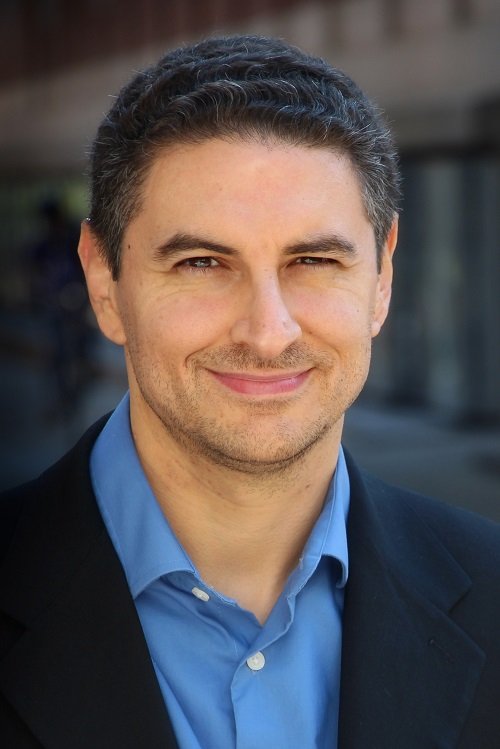
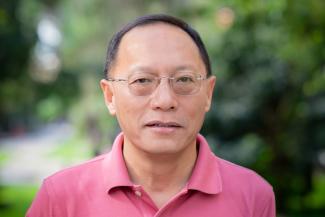
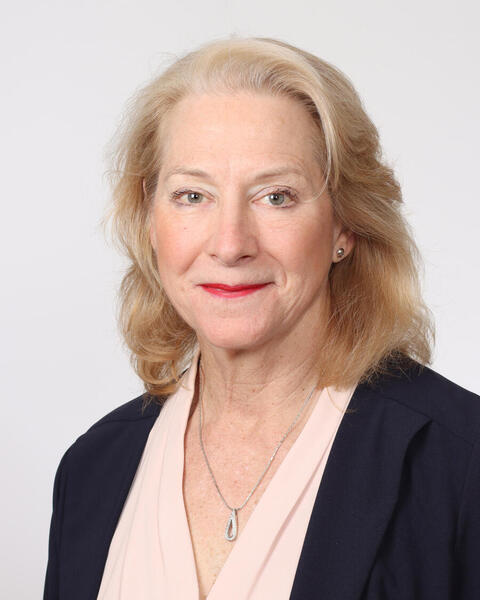
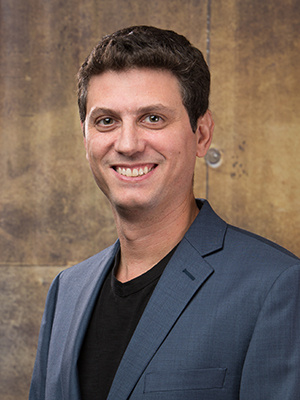
Michael McAlpine is a Professor in the Mechanical Engineering department at the University of Minnesota . He also holds affiliations with the Biomedical Engineering and Electrical and Computer Engineering departments. His research focuses on 3D printing functional materials & devices , Nanoscale inks , Biomedical devices , Bioelectronics , and Flexible Microsystems . Research Interests : 3D Printing, Biomedical Engineering, Nanotechnology, Flexible Electronics, Microfluidics Labs : ME 361/363 Contact : mcalpine@umn.edu , (612) 626-3303, ME 117 Recent Research Trends include 3D Printed Biomedical Devices , Flexible Electronics , and Bioprinting Applications . His work spans from Spinal Organoid Formation to Programmable Drug Release Capsules . Scientific Award : Circulation Research 2020 Best Manuscript Award
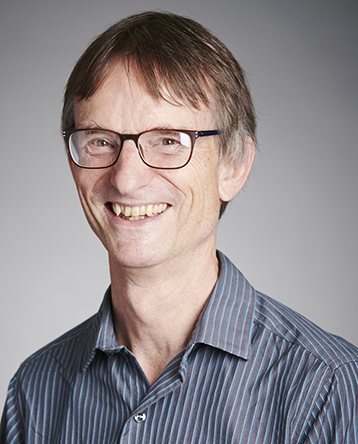
Anthony Rollett is a Professor in the Department of Materials Science and Engineering at Carnegie Mellon University , where he has been a faculty member since 1995. He serves as the Principal Investigator and Co-Director of the NASA-supported Institute for Model-Based Qualification & Certification of Additive Manufacturing (IMQCAM) and co-director of the Next Manufacturing Center . Prior to CMU, he held leadership roles at Los Alamos National Laboratory (1991-1995). Education: Ph.D., Materials Engineering, Drexel University (1987) MA, Metallurgy and Materials Science, Cambridge University (1977) Research Interests: Rollett’s work focuses on microstructural evolution and microstructure-property relationships in 3D using experiments and simulations. His expertise spans additive manufacturing , metal 3D printing , materials for energy systems , grain growth , recrystallization , and stereology , with techniques like high-energy diffraction microscopy (HEDM) and dynamic x-ray radiography (DXR) . Scientific Contributions: He has over 320 peer-reviewed publications and an h-index >80 . His recent articles highlight machine learning for laser processing , fatigue analysis of additively manufactured alloys, and design optimization for heat exchangers in supercritical CO2 and solar thermal applications . Scientific Awards: Fellow of ASM International (1996) Fellow of the Institute of Physics (UK) (2004) Fellow of The Minerals, Metals & Materials Society (TMS) (2011) Cyril Stanley Smith Award (TMS, 2014) Member of Honor, French Metallurgical Society (2015) US Steel Professor (2017) Francqui International Professor (2020-2021) International FAME Award (2023) Leadership & Impact: Rollett co-led the development of a NASA Space Technology Research Institute for additive manufacturing and established a new master’s program in additive manufacturing (2018). His research group is funded by industry , federal agencies , and Pennsylvania state grants . He also serves on the Basic Energy Science Advisory Committee and Defense Programs Advisory Committee for the Department of Energy.
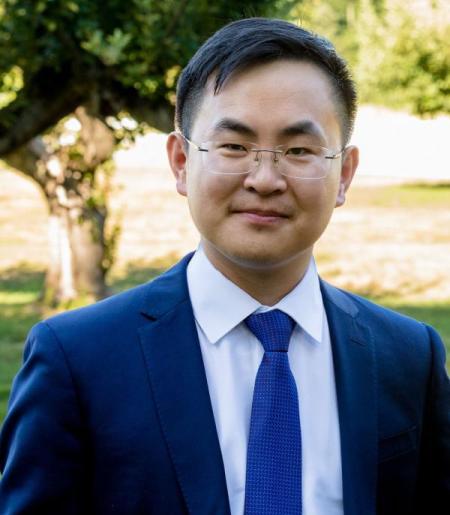
Yao Yang is an Assistant Professor in the Department of Chemistry and Chemical Biology at Cornell University's College of Arts and Sciences. His research focuses on developing multimodal operando electron microscopy and synchrotron X-ray methods to probe electrochemical dynamics at solid-liquid interfaces for energy materials. PhD, Cornell University (2021) Miller Postdoctoral Fellow, UC Berkeley (2021-2024) Research interests span fundamental electrochemistry and energy material interfaces, particularly CO2 reduction, clean H2 production, and rechargeable batteries. The Yang group specializes in operando electrochemical liquid-cell scanning transmission electron microscopy (EC-STEM) and correlative synchrotron X-ray methods at Cornell Center for Materials Research (CCMR) and Cornell High Energy Synchrotron Source (CHESS). Recent publications highlight atomic-scale imaging of catalyst dynamics, Tafel slope analysis, and epitaxial growth techniques for enhanced electrocatalysts. Articles demonstrate interdisciplinary approaches combining electrochemistry, nanoscience, and advanced characterization. Scientific Awards: 2025 ACS Materials and Interfaces Outstanding Presentations by Young Investigators Award 2024 Journal of Materials Research Distinguished Invited Speaker Miller Postdoctoral Fellowship (2021-2024) 2023 Best Early Career Presentation at MRS Spring 2022 ACS AC/DC Rising Stars in Analytical Chemistry Contact: yaoyang@cornell.edu
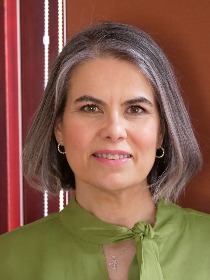
Beatriz Noheda is a Full Professor of Functional Nanomaterials at the University of Groningen's Faculty of Science and Engineering, where she chairs the Solid State Materials for Electronics group at the Zernike Institute for Advanced Materials. She also serves as the founding Director of the Groningen Cognitive Systems and Materials center (CogniGron). Her academic journey began with a PhD in Physics from the Autonomous University of Madrid in 1996, followed by research positions at Brookhaven National Laboratory and various European institutions before joining Groningen through the prestigious Rosalind Franklin Fellowship program in 2004. Her research interests span the physics of functional materials with particular emphasis on ferroelectric, piezoelectric, and multiferroic thin films . She investigates the relationship between structure and functionality, focusing on nano-domain control through strain engineering and the unique properties of domain walls. Her work bridges fundamental physics with two promising application areas: piezoelectric energy harvesting for low-power electronics and the development of novel materials for neuromorphic computing . This dual focus reflects her vision of enabling the next technological revolution through materials science. Noheda's publication record shows a clear evolution from fundamental structural studies of ferroelectric materials toward cutting-edge research in hafnia-based ferroelectrics and neuromorphic computing materials. Her most recent work focuses on oxygen migration in hafnium-zirconium oxide systems, metal-insulator transitions in nickelates, and the development of novel ferroelectric phases suitable for next-generation electronic devices. These publications demonstrate her leadership in advancing the field from basic understanding toward practical applications in memory devices and cognitive computing systems. Fellow of the American Physical Society (2011) - awarded for fundamental structural studies of new phases in perovskite-type ferroelectric materials and domain nanostructures IEEE Robert E. Newnham Ferroelectrics Award (2020) - for outstanding contributions to understanding giant piezoelectricity in lead zirconate titanate Member of the Netherlands Academy of Technology and Innovation (AcTI) (2022) Elected Senior member IEEE (2021) Rosalind Franklin Fellowship (2004) - enabling her successful academic career in Groningen Noheda has secured substantial research funding throughout her career, including a Rosalind Franklin Fellowship (2004-2009), VIDI-NWO Fellowship (2004-2008), TOP-NWO project on Functional Nanowalls (2007-2012), multiple Zernike Institute Dieptestrategie grants, and a significant TOP-PUNT grant (2016-2021). She has supervised numerous students and early-career researchers, contributing to the development of the next generation of materials scientists. Her leadership extends to editorial roles on prestigious journals including Science, Physical Review Applied, and npj Quantum Materials. As Director of CogniGron, Noheda leads an interdisciplinary center focused on developing materials and systems for cognitive computing. Her team combines expertise in functional oxides, nanoelectronics, and neuromorphic engineering to create novel computing paradigms inspired by the human brain. The center represents a strategic initiative at the University of Groningen to position itself at the forefront of cognitive systems research.
Catalan Institute of Nanoscience and Nanotechnology (ICN2)Spain
Prof. Gustau Catalán is an ICREA Research Professor and Group Leader of the Oxide Nanophysics Group at the Catalan Institute of Nanoscience and Nanotechnology (ICN2). He earned his PhD in Physics from Queen’s University of Belfast (2001) and held postdoctoral positions at IMEDEA (2002–2004), University of Groningen (2004–2005), and University of Cambridge (2005–2009). Since 2009, he has led pioneering research in flexoelectricity, domain wall physics, and strain-engineered oxide materials, supported by an ERC Grant. Education: PhD in Physics, Queen’s University of Belfast (2001) BSc in Physics, Universitat de Barcelona (1997) Research Interests: Gustau Catalán's work focuses on the interplay between ferroelectricity, flexoelectricity, and metal-insulator transitions in oxide materials. His research explores how these properties manifest at reduced dimensions, with applications in nanoelectronics, photovoltaics, and smart mechanical systems. Key areas include polarization dynamics, domain wall engineering, and strain-gradient effects. Recent Publications (2024–2025): The 15 most recent articles highlight advancements in flexoelectricity (e.g., water ice and halide perovskites), domain wall dynamics (e.g., tungsten trioxide), and strain-gradient-induced photovoltaic effects. These studies span materials like PbZrO3, BaTiO3, and BiFeO3, with implications for energy harvesting, memory devices, and nanoscale actuators. Scientific Awards: ERC Grant for flexoelectricity laboratory establishment Advising and Collaborations: While specific students are not listed, Catalán collaborates extensively with researchers across Europe. His group develops novel oxide-based systems and investigates their electromechanical and optoelectronic properties. Laboratory & Team: At ICN2, he established one of the world's first flexoelectricity laboratories, leading a team that explores oxide nanophysics through advanced characterization techniques like AFM, X-ray diffraction, and electrocaloric imaging.
Professor Chunsheng Lu is a faculty member at Curtin University's School of Civil and Mechanical Engineering within the Faculty of Science and Engineering. He currently holds the position of Professor and serves as Editor-in-Chief of Mechanical Engineering Advances . His research focuses on fracture mechanics, multi-scale modeling, energy materials, nonlinear dynamics, and natural disaster risk analysis. Lu is actively involved in HDR (Masters/PhD) supervision, offering projects on advanced materials modeling and simulations. His research interests include mechanics of energy materials, multi-scale modeling, and fracture statistics. He has contributed to over 200 publications, with recent work emphasizing piezoelectric semiconductors, nanomaterials, and energy storage systems. Lu's teaching spans materials engineering, solid mechanics, and numerical methods.
Peng Xiong is a Professor in the Department of Physics at Florida State University, with a research focus on electron and spin transport in low-dimensional quantum materials. He is affiliated with the Integrative NanoScience Institute (INSI) and has made significant contributions to mesoscale physics, spintronics, and organic/solid-state hybrid systems. B.S. in Physics (1987, University of Science and Technology of China) Ph.D. in Physics (1993, Brown University) Postdoctoral Fellowship (1993-1997, University of California at San Diego) Research Interests: Mesoscale Physics: Quantum phase transitions and fluctuation effects in 2D and 1D systems, semiconductor nanowires, carbon nanotubes, and nano-magnetism. Spintronics: Spin-polarized transport in hybrid structures (ferromagnet/normal metal, ferromagnet/superconductor, ferromagnet/semiconductor), magnetic semiconductors, and spin injection/detection. Organic/Solid-State Hybrids: Nanoscale biosensors utilizing magnetic and electrical principles, bio-mechanical devices, organic/solid interfaces, and template-directed nanostructure self-assembly. Publication Trends: His recent work spans superconducting fluctuations in ultrathin films, chirality-induced spin transport in semiconductors, interplay between structural chirality and spin-orbital effects, ion migration dynamics in 1D hybrids, quantum interference in nanowire loops, and modulation of nanomaterial properties through surface defect engineering. These studies often combine material synthesis, nanofabrication, cryogenic transport, and tunneling measurements. Scientific Recognition: Alfred P. Sloan Research Fellowship (1998) University Teaching Award (2003) PAI Award for Excellence (2004) Developing Scholar Award (2007) Fellow of the American Physical Society (2012) Advising Legacy: He has mentored numerous graduate students including Jeffrey Parker (Ph.D. 2003) Yongqing Li (Ph.D. 2003) Tianhan Liu (Ph.D. 2021) Jacob Hudis (Ph.D. 2021) and continues to guide current candidates like Yuwaraj Adhikari and Zhenqi Hua. Experimental Facilities: The lab at FSU features advanced equipment for nano-fabrication, including clean rooms, mask aligners, and thin film deposition systems. Cryogenic capabilities extend to dilution refrigerators (15 mK) and He3/He4 cryostats for ultralow-temperature studies of magnetic and superconducting systems.
Gunnar Kusch is a Senior Research Associate at the Department of Materials Science & Metallurgy, University of Cambridge. His research focuses on defects in semiconductors, porous AlGaN materials, and advanced characterization techniques like cathodoluminescence (CL) and atom probe tomography (APT). He holds a PhD from the University of Strathclyde and leads projects on UV-B LED optimization, nanoscale defect behavior analysis, and semiconductor device design. His work bridges materials synthesis, characterization, and device performance, with applications in energy-efficient lighting and solar cell technology. Key research areas include: Defect engineering in III-nitride semiconductors Porous AlGaN templates for high-efficiency UV emitters Correlative microscopy techniques (CL, EBSD, APT) Composition-structure-property relationships in photovoltaic materials Notable contributions include developing CL-based methods for nanoscale defect analysis and demonstrating improved Cu(In,Ga)S₂ solar cell efficiencies through compositional engineering. His laboratory focuses on translating microscopic insights into macroscopic device improvements.
State University of New York at BuffaloUnited States
Jun Liu is an Assistant Professor in the Department of Mechanical and Aerospace Engineering at the School of Engineering and Applied Sciences, University at Buffalo. His research focuses on advanced energy materials, nano/micro-mechanics, and self-powered systems, with applications in triboelectric energy harvesting and scanning probe microscopy. Education: PhD, Materials Engineering, University of Alberta (2018) MS, Materials Science, Shanghai University (2015) BE, Materials Science and Engineering, Nanchang University (2012) Research Interests: Development of tribovoltaic and triboelectric systems for self-powered electronics Mechanical energy harvesting via dynamic heterojunctions and Schottky contacts 3D-printed hydrogel structures for energy absorption and flexible electronics Nanoscale characterization using atomic force microscopy Design of nanocomposite sensors and catalytic materials Publication Trends: His work emphasizes triboelectricity, nanoscale energy conversion, and sustainable materials. Recent articles explore bionic tactile sensing, tunable hydrogels, and quantum dynamics in sliding interfaces. Awards: SONY Faculty Innovation Award (2021) Nature Springer MINE Young Scientist Award (2020) International Contest of Applications in Nano/Micro Technology Prize (2013) Laboratory: Advanced Energy Materials and Nanomechanics Lab at University at Buffalo.
David L. Henann serves as the James R. Rice Associate Professor of Solid Mechanics in the Department of Engineering at Brown University's School of Engineering. His research focuses on continuum-level constitutive modeling of engineering materials, with particular expertise in granular materials, viscoelastic foams, and bubble dynamics in soft solids. Henann leads an active research group developing computational frameworks for material behavior prediction through numerical simulation. PhD, Massachusetts Institute of Technology (2011) SM, Massachusetts Institute of Technology (2008) BS, State University of New York at Binghamton (2006) Henann's research spans constitutive theory development and computational implementation for complex material systems. His group pioneers nonlocal continuum models for granular flows, large-deformation viscoelastic theories for elastomeric foams, and high-strain-rate characterization of microcavitation phenomena. Current projects include modeling size segregation in granular media, bubble dynamics in viscoelastic hydrogels, and electromechanical instabilities in dielectric elastomers. His publication record reveals consistent focus on material instability phenomena , constitutive model validation , and experimental-computational synergy . Henann frequently collaborates with experimental groups to validate theoretical frameworks, particularly in soft matter mechanics and cavitation dynamics. Eshelby Mechanics Award for Young Faculty (2020) NSF CAREER Award (2016) Pi Tau Sigma Gold Medal (ASME, 2016) Brown University Teaching Awards (2015-2016) Henann maintains an active teaching portfolio covering continuum mechanics, solid mechanics, and plasticity at both undergraduate and graduate levels. His research group operates a computational mechanics laboratory with extensive Fortran-based simulation capabilities, evidenced by multiple open-source repositories on GitHub for granular rheology, foam modeling, and dielectric elastomer analysis. Current work focuses on extending nonlocal granular models to industrial applications and developing predictive frameworks for soft material failure under extreme loading conditions.
Jonas Faleskog is a Professor in the Department of Materials and Structural Mechanics at KTH Royal Institute of Technology. His research focuses on mathematical modeling of material deformation and failure mechanisms, particularly in metallic and polymeric materials. Key areas include ductile and brittle fracture analysis, fracture mechanics, and computational modeling of material behavior under various stress conditions. He leads a research group collaborating internationally to develop models describing material failure at microscopic scales. Faleskog teaches courses such as Fracture Mechanics (SE2139) and Modeling in FEM (SE2860), emphasizing practical applications of theoretical models. His work spans experimental and numerical methods, addressing challenges in material heterogeneity, porosity effects, and environmental degradation. Notable contributions include advancements in weakest-link modeling for brittle failure, probabilistic fracture models, and strain gradient plasticity analysis. His research bridges material science, applied mechanics, and numerical methods to optimize material utilization in engineering systems like reactor tanks, aircraft, and vehicles. Key collaborations involve international teams exploring microstructural influences on fracture behavior. While no specific awards are listed, his extensive publication record reflects sustained contributions to mechanical and materials engineering.
Mayo Clinic College of Medicine and ScienceUnited States
Kyle W. Klarich is Professor of Medicine and consultant in both the Division of Structural Heart Disease and Division of Echocardiography at Mayo Clinic. His clinical practice and research focus on structural heart disease, cardiac tumors, hypertrophic cardiomyopathies, and valvular heart disease. Dr. Klarich investigates complications prevention and quality-of-life improvement for patients with rare cardiac conditions. As Cardiovascular Disease Fellowship program director since 2010, he is extensively involved in medical education and has received multiple teaching awards including the ACGME's Parker J. Palmer Courage to Teach Award finalist recognition.
Michael E. McHenry is a Professor of Materials Science and Engineering at Carnegie Mellon University's College of Engineering. He holds appointments with multiple research centers including the Data Storage Systems Center, Engineering Research Accelerator, Materials Research Science and Engineering Center, and Wilton E. Scott Institute for Energy Innovation. Dr. McHenry received his BS in Metallurgical Engineering and Materials Science from Case Western Reserve University in 1980, his PhD in Materials Science and Engineering from MIT in 1988, and completed a postdoctoral fellowship at Los Alamos National Laboratory. His research focuses on soft magnetic nano-composites for power and energy applications, with particular expertise in metal amorphous nanocomposites (MANCs) for high-efficiency electric motors and power systems. His work spans advanced materials processing, magnetic properties under various conditions, and rare earth materials criticality. His research portfolio demonstrates a clear progression toward practical applications of magnetic materials, particularly in high-power density, high-efficiency motors that can operate at high rotational speeds with minimal energy loss. His publications reveal a strong focus on translating fundamental materials science into engineering solutions for energy conversion, with significant emphasis on rare earth-free alternatives and high-frequency applications. IEEE Distinguished Lecturer (2013) TMS Awardee for Research Excellence (2014) Subject of TMS Symposium in Honor of M. E. McHenry (2016) NATO Series Lecturer on Rare Earth Criticality (2016/17) Dr. McHenry has co-founded CorePower Magnetics Inc. with Paul Ohodnicki and Samuel Kernion, commercializing soft magnetic technologies with applications in grid modernization and electric vehicles. His extensive publication record and leadership in major research initiatives including a MURI on high-temperature magnetic materials and an ARPA-E program demonstrate significant impact in both academic and industrial contexts. He has served in various leadership roles for Magnetism and Magnetic Materials and Intermag Conferences, and continues to advise on rare earth scarcity issues for organizations like NATO.
Diego Donzis is a Professor in the Department of Aerospace Engineering at Texas A&M University, affiliated with the College of Engineering. He holds the Presidential Impact Fellow title. His work focuses on high-performance computing for fluid dynamics, particularly compressible turbulence, turbulent mixing, and shock-turbulence interactions. Donzis earned his Ph.D. and M.S. in Aerospace Engineering from the Georgia Institute of Technology. Research interests include large-scale simulations of turbulent flows, thermal boundary condition effects on turbulence, and the development of advanced numerical methods like Selected-Eddy Simulations (SES) for extreme-scale computing. His studies explore universality in turbulence scaling, energy spectra dynamics, and the interplay between compressibility and fluid mixing. Publications emphasize turbulence decay laws, shock-turbulence interactions, and the role of thermal non-equilibrium in turbulent flows. Notable contributions include advancing asynchronous algorithms for exascale CFD and analyzing density gradient statistics in compressible turbulence. Awards include the Presidential Impact Fellow distinction. Donzis collaborates on grants such as the Frontera Travel Grant for compressible turbulence research. His work bridges computational methods with fundamental fluid dynamics, addressing challenges in both numerical accuracy and physical modeling.
Anssi Laurila is a Professor in the Department of Ecology and Genetics, specializing in Animal Ecology at Uppsala University, Sweden. His research integrates evolutionary biology and ecology to explore the mechanisms underlying phenotypic and genetic variation in natural populations, particularly amphibians. His primary research interests include phenotypic plasticity , local adaptation , maternal effects , life-history evolution , and genomic responses to environmental gradients such as latitude, temperature, acidity, and predation. He investigates how populations adapt to heterogeneous environments through both plastic and genetic mechanisms, often using comparative studies across latitudinal clines and contrasting habitats. His work frequently focuses on amphibians like Rana temporaria , Rana arvalis , and Bufo bufo , as well as other ectotherms including freshwater snails and fish. The trends in his recent publications (2020–2025) show a strong emphasis on genomic and transcriptomic analyses of adaptation, host-pathogen interactions (especially with Batrachochytrium dendrobatidis ), immunogenetics (MHC diversity), conservation genetics of edge populations, and acclimation physiology . His studies often combine field observations with controlled experiments and molecular techniques, contributing to understanding evolutionary responses to climate change and anthropogenic stressors. No scientific awards are explicitly mentioned in the provided text. Dr. Laurila actively collaborates with researchers across Europe and supervises or co-supervises numerous studies, as evidenced by his consistent presence as a senior or corresponding author. While specific grant details are not listed, his extensive publication record in high-impact journals suggests sustained funding for research in evolutionary ecology and conservation. His work has implications for biodiversity conservation, particularly in the context of climate change and emerging infectious diseases. He is involved in research on amphibian microbiomes, thermal adaptation in geothermal systems, and the genetic basis of adaptive traits. His team explores how environmental stressors shape phenotypic and genetic variation, with a focus on understanding the limits and costs of plasticity and adaptation.