James Tung is an Associate Professor at the University of Waterloo’s Faculty of Engineering, Department of Mechanical and Mechatronics Engineering. His research focuses on assistive technology, rehabilitation engineering, and mobility solutions for individuals with disabilities. He leads the Neural and Rehabilitation Engineering (NRE) Lab, which develops wearable sensors, robotics, and machine learning tools to enhance mobility and monitor motor rehabilitation. He teaches courses including BME 355 (Physiological Systems Modelling), BME 540 (Neural and Rehabilitation Engineering), and ME/MTE engineering modules. The lab collaborates with clinical and industry partners to translate research into practical solutions, addressing real-world mobility challenges and aging demographics. His research spans real-world gait analysis, fall risk assessment, and prosthetic design, with a focus on pediatric neurodevelopmental disorders and elderly mobility. The NRE Lab emphasizes interdisciplinary work, combining biomechanics, robotics, and data science to improve healthcare outcomes. Lab Alumni: Includes researchers like Robin Murdock (Myant Inc.), Andrew Hart, and Raj Senthilkumar, contributing to prosthetics and gait analysis. Partnerships: Engages clinical and industry stakeholders for knowledge translation and commercialization. Current projects include developing smart rollators, biofeedback prosthetics, and sensor-based assessment tools to address mobility limitations in aging populations and individuals with disabilities.
Angela Chen is a Professor at the Southern California College of Optometry (SCCO), part of Marshall B. Ketchum University. She co-teaches Strabismus/Amblyopia Diagnosis and Management courses and provides clinical teaching to optometric interns in Vision Therapy and Pediatric Vision Care Services. Additionally, she coordinates the residency program in Pediatric Optometry, Vision Therapy, and Vision Rehabilitation. Education: BS from University of California, Davis OD and MS from State University of New York College of Optometry Residency in Pediatric Optometry and Vision Therapy at SCCO Dr. Chen's research focuses on strabismus, amblyopia, and non-strabismic binocular vision disorders, particularly in pediatric populations. She investigates diagnostic and management strategies for refractive errors in children and contributes to clinical trials through her role as a clinical investigator. Her scientific contributions include involvement in NEI-supported studies such as the Pediatric Eye Disease Investigator Group (PEDIG) and the Convergence Insufficiency Treatment Trial-Attention and Reading Trial (CITT-ART). These projects explore interventions for binocular vision issues and their impact on developmental outcomes. Scientific Awards: Fellow of the American Academy of Optometry Diplomate of the Binocular Vision, Perception, Pediatric Optometry Section Dr. Chen also oversees clinical training in the Pediatric Contact Lens Service and mentors residents, ensuring the application of advanced therapeutic techniques in vision rehabilitation settings.
Laurie Wilcox is a Full Professor in the Department of Biology at York University, affiliated with the Faculty of Science. Her research focuses on stereopsis, binocular vision, and depth perception, particularly exploring how the visual system processes binocular disparity signals. She leads a laboratory investigating cortical systems for fine and coarse disparities, with studies on amblyopia and applied collaborations with companies like Christie Digital and IMAX. Her work bridges basic neuroscience and applied research, addressing depth perception in 2D/3D displays and VR environments. Key interests include stereoscopic volume representation, perceptual grouping, and the impact of monovision on depth judgments. Recent studies examine lightness constancy in virtual reality, depth magnitude errors in 3D displays, and neural activation patterns in object-selective visual cortex. Wilcox has published extensively on binocular vision mechanisms, including coarse stereopsis in strabismus patients and the role of motion parallax in depth perception. Her applied projects evaluate visual fidelity in stereoscopic content, compression algorithms, and ergonomic considerations for XR devices. She also investigates how environmental context (e.g., familiar size, natural scenes) modulates depth perception accuracy across real and virtual environments. Her research emphasizes translational applications, aiming to optimize display technologies through insights from human visual processing. Ongoing work explores perceptual integration of binocular and monocular cues, attention modulation by depth, and the neurophysiological underpinnings of stereoscopic vision.
University of California, Los AngelesUnited States
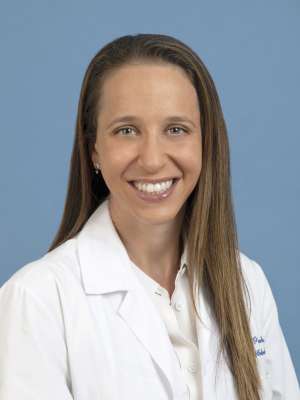
Stacy L. Pineles, MD, MS is a Professor of Ophthalmology and Residency Program Director at the Stein Eye Institute, David Geffen School of Medicine at the University of California, Los Angeles (UCLA). She also serves as Chair-Elect of the Pediatric Eye Disease Investigator Group (PEDIG), a collaborative network funded by the National Eye Institute dedicated to facilitating multicenter clinical research in strabismus, amblyopia, and other eye disorders affecting children. Dr. Pineles is affiliated with Ronald Reagan UCLA Medical Center and UCLA Santa Monica Medical Center as hospital affiliations. Dr. Pineles completed her medical training at the University of Pennsylvania in 2004, followed by ophthalmology residency at UCLA (2005-2008), pediatric ophthalmology fellowship at UCLA (2009), neuro-ophthalmology fellowship at the University of Pennsylvania (2010), and a Master's degree in Clinical Investigation at UCLA (2013). She joined the UCLA faculty in 2010 and became Residency Program Director in 2017. Her primary research interests focus on pediatric neuro-ophthalmology and strabismus, with specific emphasis on binocular vision in children and adults with eye misalignment, systemic effects of pediatric eye disease, and clinical trials in pediatric ophthalmology. Dr. Pineles serves as principal investigator of an NIH-sponsored multicenter study of pediatric optic neuritis. She runs an NIH-sponsored research program evaluating binocular vision in children and adults with eye misalignment. Analysis of Dr. Pineles' publications reveals consistent research activity in pediatric ophthalmology, neuro-ophthalmology, and strabismus, with particular focus on binocular vision, optic neuritis, and surgical outcomes. Her work spans clinical trials, diagnostic accuracy studies, and innovative surgical techniques, demonstrating expertise in both clinical care and research methodology. Super Doctors® Southern California, 2022-2025 AAPOS Young Investigator Award, 2019 University of California OptumLabs Research Credit Award, 2018 Appointment of Jerome and Joan Snyder Chair in Ophthalmology, 2017 American Academy of Ophthalmology Achievement Award, 2016 AAPOS Honors Award, 2016 Dr. Pineles serves on numerous professional committees within the American Academy of Ophthalmology, American Association of Pediatric Ophthalmology and Strabismus, and the North American Neuro-Ophthalmology Society. She travels regularly nationally and internationally to speak on topics related to her research in pediatric neuro-ophthalmology. As Residency Program Director since 2017, she oversees ophthalmology training at UCLA. She is author of more than 100 peer-reviewed publications and 10 book chapters. Dr. Pineles leads the Pediatric Ophthalmology division at the Stein Eye Institute, which is part of one of the world's leading centers of vision science. Her research program includes multicenter clinical trials and NIH-sponsored studies evaluating binocular vision and pediatric optic neuritis. She actively collaborates with the Pediatric Eye Disease Investigator Group (PEDIG), a network of over 100 participating sites with more than 300 pediatric ophthalmologists and optometrists across the United States, Canada, and the United Kingdom.
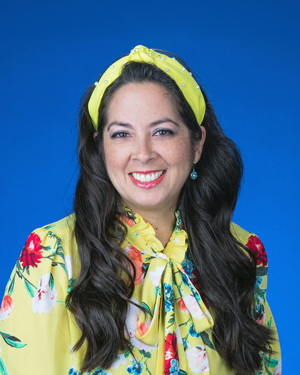
Dr. Debora M. Lee Chen is an Associate Professor of Clinical Optometry at the University of California, Berkeley’s School of Optometry & Vision Science. She serves as Co-Chief of the Binocular Vision Clinic and Chief Mentor for the Residency in Vision Therapy and Rehabilitation. Her roles also include Berkeley Optometry Disability Officer and active participation in institutional committees like the Clinical Curriculum and Instruction Committee and the Berkeley Optometry Curriculum Committee. Her research focuses on binocular vision disorders, pediatric vision, amblyopia, strabismus, traumatic brain injury, cerebral visual impairment, and innovative treatments using mobile applications. She teaches courses such as Optometry 240 (diagnosis/treatment of binocular vision anomalies), Optometry 241L (advanced strabismus management), and clinical specialty clinics (430B, 441A-C). Key research areas include pediatric vision challenges, neurodevelopmental conditions, and vision-related learning disabilities. She emphasizes community health, including barriers to eye care access and school-based screening initiatives. Her work bridges clinical practice with cutting-edge technologies like AI-driven optometry solutions. Dr. Chen’s contributions extend to neuro-optometric rehabilitation, particularly for patients with acquired brain injuries and developmental differences. She advocates for inclusive healthcare practices through her roles on the Disabled Student’s Program advisory committee and DEIB initiatives.
Anita Kohli, MD, is an Assistant Professor of Ophthalmology and Visual Science at Yale School of Medicine and a neuro-ophthalmology specialist at Yale Medicine. She focuses on vision loss, double vision, neurological vision deficits, and strabismus surgery in adults and children. University of Maryland, B.S. in Physiology and Neurobiology (2008, summa cum laude) University of Maryland School of Medicine, MD (2012, magna cum laude, AOA President) Residency and Neuro-Ophthalmology Fellowship at Scheie Eye Institute, University of Pennsylvania and Children’s Hospital of Philadelphia (2017) Non-Degree Medical Education Fellowship (2021) and Emerging Leaders Program (2023) at Yale Her research combines MRI and ophthalmic imaging to improve diagnosis and treatment of vision disorders linked to neurological conditions. She also emphasizes residency education , winning Yale’s Bruce Shields Faculty Teacher of the Year award in 2019. Awarded American Board of Ophthalmology certification (2017) Active in American Academy of Ophthalmology and North American Neuro-Ophthalmology Society Current roles include Journal Reviewer for JACC Heart Failure and BMC Neurology (2025–present), and Committee Member in Yale’s Multidisciplinary Pituitary Program (2020–present) Dr. Kohli leads lectures (e.g., Neuro-Ophthalmology: Is it really that urgent? , 2024) and clinical programs at Temple Medical Center, New Haven. She integrates imaging technology into clinical practice while mentoring residents and advancing medical education.
Alex V. Levin, M.D., M.H.Sc., serves as Professor in the Department of Ophthalmology at the University of Rochester School of Medicine and Dentistry, holding the Adeline Lutz - Steven S.T. Ching, M.D. Distinguished Professorship. He concurrently holds joint appointments in the Center for Visual Science and the Department of Pediatrics, Genetics. As Chief of the Flaum Eye Institute's Pediatric Ophthalmology and Ocular Genetics team and Chief of Clinical Genetics at URMC, he leads cross-functional teams comprising ophthalmologists, optometrists, pediatric specialists, geneticists, nurses, and genetic counselors. Medical Degree: Jefferson Medical College Residency: Pediatrics at Children's Hospital of Philadelphia Residency: Ophthalmology at Wills Eye Hospital Fellowship: Pediatric Ophthalmology and Strabismus at Toronto's Hospital for Sick Children Masters of Health Science in Bioethics: University of Toronto (2001) Dr. Levin's research spans ocular genetics and gene therapy, children's vision screening, pediatric glaucoma/cataract/uveitis, ocular manifestations of child abuse, and bioethics. His work integrates clinical expertise in pediatric anterior segment eye conditions with scientific investigation into genetic eye diseases. He maintains the only simultaneous US Board Certifications in pediatrics, ophthalmology, and child abuse pediatrics worldwide. Analysis of his 15 most recent publications reveals predominant focus on genetic eye disorders (73%), with significant emphasis on retinal hemorrhage patterns in trauma (13%) and pediatric glaucoma (7%). His research demonstrates consistent translational application from basic science to clinical practice, particularly in ocular genetics and abusive head trauma diagnostics. Resident Guardian Award (2022) Edward A. Jaeger and John B. Jeffers Citizenship Award (2020) Albert Marquis Lifetime Achievement Award (2018) Al Biglan Medal in Pediatric Ophthalmology (2014) Ray E. Helfer Society Award for Child Abuse Research (2011) With over 35 years of experience and hundreds of peer-reviewed publications, Dr. Levin has secured funding from the National Institutes of Health, Canadian Institute of Health, and private foundations. His research portfolio demonstrates exceptional continuity in pediatric ophthalmology and ocular genetics, with recent emphasis on deep learning applications for retinal hemorrhage analysis and international registry development for childhood glaucoma. He has established comprehensive vision screening programs for underserved urban populations and pioneered ethical frameworks for genetic testing in pediatric ophthalmology. Dr. Levin directs the Ocular Genetics Program at URMC, which provides multidisciplinary care through the Pediatric Ophthalmology and Ocular Genetics team. His laboratory investigations focus on nascent chromatin structure in fibrosis and protein modeling for inherited retinal diseases, with active collaborations across the Montalcino Aortic Consortium and Sturge-Weber Foundation research networks.
Malin Malmsjö is a Professor and Consultant at Lund University's Ophthalmology Department , affiliated with the Faculty of Engineering (LTH) . She leads the Ophthalmology Imaging Research Group and contributes to Photon Science and Technology and Light and Materials profile areas. Key Research Focus: Development of laser speckle contrast imaging , diffuse reflectance spectroscopy , and photoacoustic imaging for periorbital tumor margin analysis and reconstructive surgery optimization. Clinical Applications: Non-invasive diagnostics for giant cell arteritis , diabetic retinopathy , and breast cancer through interdisciplinary collaborations. Infrastructure: Manager of Vevo-LAZR-X , a laser-based imaging system for tissue analysis. Her work intersects ophthalmology , biophotonics , and medical imaging , addressing challenges in tumor excision, flap survival, and ocular reconstruction. She actively supervises PhD students and contributes to technology implementation in clinical settings.
Jacqueline Rodena serves as an Assistant Professor and Clinic Director of Peds Primary Care at the College of Optometry, Nova Southeastern University. She is an attending optometric physician supervising third and fourth year students across Pediatric and Binocular Vision clinics, Primary Care clinics, and instructs Anomalies of Binocular Vision II Laboratories. Her educational qualifications include: Bachelor of Science from Florida State University (1999) Doctor of Optometry from Nova Southeastern University College of Optometry (2004) One-year residency in Pediatrics and Binocular Vision at Nova Southeastern University Dr. Rodena specializes in binocular vision, pediatric eye care, vision therapy, and learning-related vision disorders. Her research involves active participation in Pediatric Eye Disease Investigator Group (PEDIG) studies on amblyopia/strabismus and Convergence Insufficiency Treatment Trial (CITT) studies, with presentations at American Academy of Optometry, American Optometric Association, College of Vision Development, and SECO International conferences. Scientific awards: None documented in the provided text. She provides clinical mentorship for optometry students and contributes to scholarly work through co-authoring a chapter in Visual Diagnosis and Care of the Patient with Special Needs with Dr. Yin C. Tea. Her research collaborations in PEDIG and CITT studies indicate grant-funded clinical trial involvement. Dr. Rodena directs the Peds Primary Care clinic and is integral to the Pediatric and Binocular Vision clinical teams at Nova Southeastern University, focusing on patient care and student training in specialized vision disorders.
Anja Rantanen is a University Lecturer at Tampere University's Faculty of Social Sciences and Health Sciences, specializing in Nursing Science. She teaches nursing at bachelor's and master's levels and supervises theses and dissertations. PhD in Nursing Science Adjunct Professor in Nursing Science Her research focuses on quality of life and psychosocial support for adult families, with recent work examining strabismus patients' experiences and inflammatory bowel disease nursing care. She employs qualitative and cross-sectional methodologies, emphasizing patient-centered care and healthcare quality assessment. Recent publications analyze strabismus-related HRQOL in Finland and psychosocial support expectations from healthcare professionals. These studies highlight intersections between nursing science, ophthalmology, and health services research. She serves as a doctoral thesis supervisor, conference reviewer, and pre-examiner for dissertation committees.
Jill Rotruck, MD, is an Assistant Professor of Ophthalmology and Visual Science at Yale School of Medicine, where she serves as a Fellowship-trained pediatric ophthalmologist and adult strabismus specialist at the Yale Eye Center. Her clinical practice encompasses comprehensive pediatric ophthalmology, strabismus in children and adults, amblyopia, nasolacrimal duct obstruction, pediatric cataracts, eyelid disease, and various other pediatric ophthalmic conditions. BS in Biology and BA in Music from Shepherd University MD from West Virginia University School of Medicine Internship in Internal Medicine at West Virginia University Ophthalmology Residency at California Pacific Medical Center Pediatric Ophthalmology and Strabismus Fellowship at Duke Eye Center Dr. Rotruck's research program focuses on advancing pediatric vision care through innovative approaches including binocular treatments for amblyopia, application of optical coherence tomography in pediatric eye disease, and pediatric ocular infection management. She is particularly interested in developing telehealth solutions for pediatric ophthalmology, having contributed to research evaluating vision screening devices during the pandemic to enhance patient convenience while maintaining quality care. Her work on improving amblyopia treatment outcomes has been influential in shaping AAPOS guidelines. Dr. Rotruck serves on the American Association of Pediatric Ophthalmology and Strabismus Vision Screening Committee and contributes to EyeWiki as an editorial board member. She is actively involved in resident education and international medical outreach initiatives. American Academy of Ophthalmology Fellow (2018) Alpha Omega Alpha (AOA) Honor Medical Society Membership (2011) John E. Prescott Award for Academic Excellence (2009) Joseph McMurran Scholar (2006) Phi Kappa Phi National Honor Fraternity Member (2006) Through her clinical work, research, and teaching, Dr. Rotruck is dedicated to improving pediatric vision outcomes and quality of life for children with eye conditions. She emphasizes the importance of early vision development, noting that 'Helping to ensure that children are set up to develop the best vision they can has repercussions that impact so many aspects of their daily experience throughout their lifetime.'
Professor Jeremy Guggenheim is a leading researcher in myopia genetics at Cardiff University's School of Optometry and Vision Sciences. With over two decades of research experience, he has made significant contributions to understanding the genetic and environmental factors contributing to short-sightedness. His work has been instrumental in identifying over four hundred genetic variants associated with myopia susceptibility through international collaborative efforts. His research interests span myopia genetics, genomic epidemiology, and the gene-environment interactions that influence refractive error development. Professor Guggenheim employs advanced genetic techniques including genome-wide association studies, Mendelian randomization, and polygenic risk scoring to unravel the complex etiology of myopia. His work bridges basic science discoveries with clinical applications for early detection and prevention of high myopia. Analysis of his recent publications (2023-2025) reveals a strong focus on genetic risk prediction, environmental modifiers of myopia development, novel treatment mechanisms, and international consensus building for myopia management. His work increasingly incorporates machine learning approaches for disease detection while maintaining a strong foundation in genetic epidemiology. College of Optometrists Biennial Arthur Bennett Prize for Outstanding Research (2012/2013) ARVO Gold Fellow Award (2022) Professor Guggenheim has supervised numerous PhD students throughout his career and currently leads the Investigative Techniques undergraduate module. He serves on editorial boards for Ophthalmic & Physiological Optics, Translational Vision Science & Technology, and as Associate Editor for Investigative Ophthalmology and Visual Science. His research is supported through multiple international collaborations including the Consortium for Refractive Error and Myopia (CREAM) and the UK Biobank Eye and Vision Consortium.
Brenda L Bohnsack, MD, PhD is Associate Professor of Ophthalmology (Pediatric Ophthalmology) and Pediatrics at Northwestern University Feinberg School of Medicine, where she serves as Chief of Pediatric Ophthalmology in the Department of Ophthalmology. She also holds the Lillian Sherman Cowen Reiger and Harold L.S. Cowen Research Professorship of Pediatric Ophthalmology. Dr. Bohnsack practices at Ann & Robert H. Lurie Children's Hospital of Chicago. Her educational background includes: BA from Northwestern University (1999) PhD from Baylor College of Medicine (2004) MD from Baylor College of Medicine (2006) Transitional Year Intern at Oakwood Hospital (2007) Residency in Ophthalmology at University of Michigan (2010) Chief Residency in Ophthalmology at University of Michigan (2010) Postdoctoral Fellowship in Orbital and Ocular Development at University of Michigan (2011) Fellowship in Pediatric Ophthalmology and Adult Strabismus at Duke University (2012) As an academic pediatric ophthalmologist and developmental biologist, Dr. Bohnsack focuses on the clinical aspects and underlying basic science of congenital eye diseases. Her clinical expertise includes the medical and surgical management of complex pediatric eye conditions such as primary congenital glaucoma, Peters Anomaly, Axenfeld-Rieger syndrome, aniridia, microphthalmia, and congenital ectropion uvea. Her research spans both clinical and basic science domains, with clinical research concentrating on identifying new genes associated with congenital eye diseases and outcomes in affected individuals, while her basic science research utilizes zebrafish and human embryonic stem cell models to study ocular neural crest cells and their role in eye development. Analysis of Dr. Bohnsack's most recent publications reveals a strong focus on pediatric ocular conditions with particular emphasis on Stickler syndrome, pediatric glaucoma management, and complications of systemic treatments in children. Her work spans clinical studies, surgical technique evaluations, systematic reviews, and investigations into the genetic basis of pediatric eye diseases. The publications demonstrate her commitment to improving diagnostic approaches, surgical outcomes, and understanding the molecular mechanisms underlying congenital eye disorders. Dr. Bohnsack has received numerous scientific awards and honors throughout her career: Honor Award, American Association of Pediatric Ophthalmology and Strabismus (2025) Secretariat Award, American Academy of Ophthalmology (2024) Academic Leadership Development Program, Association of University Professors of Ophthalmology (2024) Alpha Omega Alpha (2023) Gunter von Noorden Young Investigator Award (2022) Dr. Bohnsack actively participates in multi-center research collaborations focusing on the genetics of childhood glaucomas, long-term outcomes of myopia control, socioeconomic influences on eye disease outcomes, and health disparities in global myopia management. Her laboratory research focuses on molecular regulation of neural crest migration and differentiation in the anterior segment of the eye, with applications for understanding and potentially treating congenital eye disorders. She leads research efforts utilizing both in vivo (zebrafish) and in vitro (human embryonic stem cells) systems to model eye diseases, with particular attention to ocular neural crest cells and their contribution to corneal, iris, and aqueous humor drainage system development. Her work bridges basic science discoveries with clinical applications to improve understanding and treatment of blinding diseases in children.
Huib Simonsz is a researcher at Erasmus MC specializing in Ophthalmology . His recent work focuses on amblyopia treatment, vision and hearing screening programs, and cost-effectiveness analysis. Research trends indicate expertise in pediatric ophthalmology , visual acuity assessment , and healthcare economics for sensory screenings. Collaborative studies span Europe, emphasizing clinical trials and digital therapy applications. Potential future work may integrate auditory and visual screening methodologies to improve early diagnosis and treatment efficiency.
Dr. Shira S Simon serves as Associate Professor in the Departments of Ophthalmology and Neurology at Northwestern University's Feinberg School of Medicine, where she directs the Neuro-ophthalmology division and maintains board certification in Ophthalmology through the American Board of Ophthalmology. Her academic training includes: BA: Harvard College (2004) MD: Harvard Medical School (2012) Joint MD/MBA: Harvard Business School (2012) Transitional Internship: Cambridge Hospital (2013) Ophthalmology Residency: Northwestern University McGaw Medical Center (2016) Neuro-Ophthalmology Fellowship: University of Iowa Hospitals (2017) Dr. Simon specializes in complex neuro-ophthalmic conditions including optic neuropathies, visual field defects, diplopia, and ocular motor disorders. Her clinical approach integrates neurology, neurosurgery, and rheumatology expertise to manage conditions such as multiple sclerosis-related vision loss, idiopathic intracranial hypertension, and inflammatory disorders affecting visual pathways. Her professional recognition includes: Intern of the Year, Cambridge Hospital (2012) Board of Directors, Harvard Alumni Association (2022) Board Member, Harvard Medical School Alumni Council (2022) Dr. Simon directs Northwestern's Masters in Healthcare Administration program (2022-present) and leads the Harvard Medical Society of Chicago as President (2019-present). She maintains continuous service as a Harvard College Admissions Interviewer since 2004 alongside extensive alumni leadership roles across Harvard institutions. She provides specialized clinical care at Northwestern Memorial Hospital and Jesse Brown VA Medical Center within a multidisciplinary framework addressing complex visual pathway disorders.