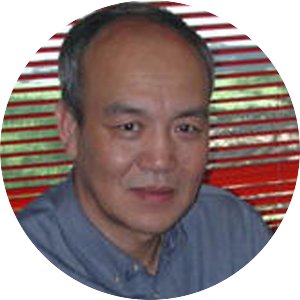
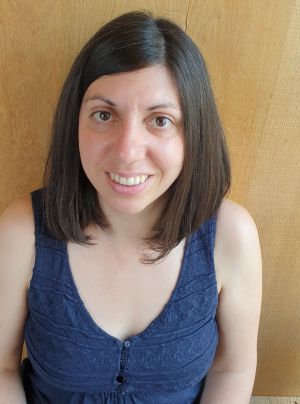
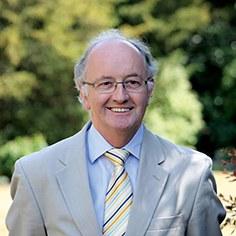
Associate Professor Peng Zhang is affiliated with the School of Life and Environmental Sciences and the Plant Breeding Institute at the University of Sydney. She holds memberships in the China Studies Centre and Sydney Institute of Agriculture. Her educational background includes a BSc from Wageningen Agricultural University (Netherlands), MSc in Biotechnology (Wageningen), and PhD in Genetics from Kansas State University (USA). Her research focuses on molecular cytogenetics of wheat, introgression of rust resistance genes from wild relatives, and developing durable resistant germplasm. Key research interests include cereal crop improvement, rust pathogen resistance mechanisms, and genomic tools for plant breeding. Notable awards include the 2023 Sydney Research Accelerator (SOAR) Prize. Recent grants involve rust resistance mechanisms and hybrid wheat breeding programs in collaboration with international partners. Publications highlight work on resistance gene characterization, molecular mapping, and disease management strategies. Collaborative research with institutions like Kansas State University and international bodies underscores her global impact in agricultural science.
Dr. Isabel ML Saur is a research group leader at the Institute for Plant Sciences, Faculty of Mathematics and Natural Sciences, University of Cologne. She leads the Saur Lab which focuses on plant-pathogen interactions, particularly the mechanisms employed by the powdery mildew fungus Blumeria hordei to colonize barley. Her research contributes significantly to understanding plant immunity and pathogen recognition mechanisms. Dr. Saur was trained as a Laboratory Assistant in Stuttgart-Hohenheim and completed her undergraduate studies in Biotechnology at the Applied Science University Esslingen am Neckar. She developed her interest in plant sciences during placements at the Research School of Biology, The Australian National University (ANU), Canberra. She earned her PhD in plant immunity from ANU in 2015 and subsequently joined the Max Planck Institute for Plant Breeding Research (MPIPZ) in Cologne. In 2020, she was granted a prestigious DFG Emmy Noether group leader position, establishing her independent research group. Dr. Saur's research focuses on cellular recognition mechanisms in plant immunity, signal transduction pathways linking receptor-mediated recognition to host physiology, and pathogen strategies for immune evasion and effector-mediated immune suppression. Her lab uses the interaction between barley ( Hordeum vulgare ) and the barley powdery mildew fungus Blumeria hordei as a primary model system, complemented by studies in Arabidopsis thaliana and Nicotiana benthamiana to explore both conserved and lineage-specific features of immunity in monocots and dicots. Analysis of Dr. Saur's recent publications reveals a strong focus on plant-pathogen interactions, particularly the molecular mechanisms of effector proteins from powdery mildew fungi and their recognition by plant immune receptors. Her work spans multiple disciplines including plant pathology, molecular biology, structural biology, and plant immunology, with specific attention to NOD-like receptors, cell death mechanisms, and the evolution of resistance gene specificity. Dr. Saur has received significant recognition for her research, most notably: DFG Emmy Noether group leader position (2020) Dr. Saur currently mentors several students and researchers in her lab, including PhD students Merle Bilstein-Schloemer and Sophie Sent, and postdoctoral fellows Ishani Shankar Das and Wei Shi. Her research is supported by multiple projects including her Emmy Noether project on quantification of virulence function, CEPLAS & EN Project on identification of intrinsic functions of effectors, SFB1403 Project on host cell death pathways, and For5682 Project on powdery mildew adaptation to the leaf epidermal cell niche. The Saur Lab maintains a dynamic research environment focused on understanding plant immunity through multiple ongoing projects. The lab actively participates in conferences and collaborations, contributing to the international plant-microbe interaction research community. Recent lab activities include participation in the 2025 IS-MPMI Congress in Cologne and preparation for the 17th International Cereal Rusts and Powdery Mildews Conference in Vancouver.
Ruth Dill-Macky serves as a Professor in the Department of Plant Pathology at the University of Minnesota, based at Stakman Hall and Borlaug Hall in St. Paul, MN. She maintains an active research program focused on cereal crop diseases with USDA Agricultural Research Service funding, collaborating directly with wheat, barley, and oat breeding initiatives to develop resistant varieties. Her academic credentials include: PhD in Botany-Plant Pathology from University of Queensland, Australia (1993) BS in Botany-Plant Pathology (Honours, First Class) from University of Queensland, Australia (1984) BS in Botany and Biochemistry from University of Queensland, Australia (1983) Professor Dill-Macky's research centers on economically devastating diseases of small grains, particularly Fusarium head blight, stem rust, and bacterial leaf streak. Her program develops resistance screening techniques, analyzes inheritance patterns of resistance traits, and conducts epidemiological studies on pathogen spread under varying environmental conditions. She prioritizes translating molecular insights into practical breeding solutions for Minnesota growers. Recent publications (2023-2025) reveal intensified focus on molecular characterization of Fusarium resistance mechanisms and Ug99 stem rust threats, alongside emerging bacterial disease challenges. Her work integrates genomics, field trials, and germplasm screening to address yield impacts from pathogens like Xanthomonas translucens, with strong emphasis on developing deployable resistance strategies for cereal production systems. Scientific awards: No specific awards documented in the provided materials She has secured 67 grants as Principal Investigator, primarily through USDA Agricultural Research Service, with active projects extending to 2026. Current work includes molecular characterization of Fusarium head blight, stem rust evaluation in oats, and bacterial leaf streak management. Her program has generated 96 research outputs and one major barley genomics dataset. Professor Dill-Macky leads a multidisciplinary research team collaborating with breeders and USDA scientists, operating field nurseries and molecular labs focused on pathogen virulence and host resistance mechanisms in cereal crops across Minnesota's agricultural landscape.
Yue Jin is an Adjunct Professor in the Department of Plant Pathology at the University of Minnesota and a USDA-ARS Research Plant Pathologist at the Cereal Disease Lab. His work focuses on cereal rust fungi biology, population genetics, and host resistance in wheat and barley. He leads nationwide surveys of stem rust pathogens and investigates genetic resistance mechanisms in crops. PhD in Plant Pathology, North Dakota State University (1990) MS in Applied Statistics and Plant Pathology, North Dakota State University (1990, 1988) BS in Plant Protection, Inner-Mongolia College of Agriculture (1982) Yue Jin’s research spans invasive species like Puccinia coronata and virulence dynamics in Puccinia hordei , contributing to UN Sustainable Development Goals (SDGs) 2 (Zero Hunger) and 15 (Life on Land). Recent projects include global initiatives like Accelerating Genetic Gains in Maize and Wheat (2020–2024) and Identifying Resistance to Ug99 in Wheat and Barley (2008–2011). His 15 most recent publications (2023–2024) highlight trends in crown rust detection, invasive species, and virulence evolution in barley leaf rust. Collaborators include institutions like CIMMYT, USDA-ARS, and international researchers. Yue Jin contributes to datasets on wheat stem rust genomics and is affiliated with the Minnesota Invasive Terrestrial Plants and Pests Center. His work addresses challenges in crop resilience and pathogen monitoring through peer-reviewed articles and field surveys.
Jochum Wiersma serves as an Extension Professor at the University of Minnesota within the College of Food, Agricultural and Natural Resource Sciences, affiliated with the Northwest Research and Outreach Center (NWROC). His work bridges academic research and practical agricultural extension, focusing on crop science and agronomy for Minnesota's farming community. Dr. Wiersma's research spans crop science, agronomy, plant breeding, and sustainable agriculture with emphasis on small grains. He investigates critical agronomic parameters including planting date optimization, nitrogen management strategies, and disease resistance mechanisms in wheat, rye, and barley systems. His work addresses real-world challenges such as lodging prevention, Fusarium head blight control, and climate adaptation in Upper Midwest agricultural environments. Through field trials and variety development, he translates scientific findings into actionable practices for grain producers. Analysis of his recent publications (2022-2025) reveals consistent focus on management-intensity impacts across diverse small grain systems. Key trends include hybrid rye adaptation across US regions, genomic approaches to oat improvement, and dual-purpose (grain/forage) crop optimization. His research demonstrates particular expertise in spring wheat production systems, with significant contributions to variety registration and nitrogen-use efficiency studies across Minnesota and Canadian Prairies. Dr. Wiersma maintains active engagement with the Northwest Research and Outreach Center (NWROC), where he conducts field-based research and extension activities. His work involves direct collaboration with farmers, commodity groups, and industry partners to address regional agricultural challenges through scientifically rigorous yet practically applicable solutions.
Endashaw Bekele is a distinguished academic and researcher at Addis Ababa University , active from 1995 to 2023. He has also held affiliations with the Federal Ministry of Health - Ethiopia , Case Western Reserve University , and the University of Addis Ababa Center of Human Genetic Diversity , among others. His research spans genetics , biotechnology , and their applications to Ethiopian agriculture and public health . Key areas include genetic characterization of crops, nutritional profiling of indigenous plants, and the interplay of genetics and culture in Ethiopia. His work on stem rust resistance in wheat and the nutritional potential of noug (an Ethiopian oilseed crop) has been published in journals like Nature Communications and BMC Genomic Data . The five highlighted publications reflect his focus on plant genetics and medical genetics , with studies on coffee chloroplast divergence (2007), grass pea variation (2003), Ethiopian lentil diversity (2011), and the influential African Genome Variation Project (2015). Recent work in 2017 explored FMO2 polymorphisms linked to tuberculosis in Ethiopian populations. Bekele has attracted significant funding from global sponsors including the National Science Foundation , National Institutes of Health , and the Medical Research Council , with a publication record spanning 90 citations across 42 works and an H-index of 33. His research has been supported by institutions like the Deutsche Forschungsgemeinschaft , Carnegie Corporation of New York , and the Science and Technology Facilities Council . His work has strong international and regional collaboration, with research locations across Ethiopia and Eritrea . With 90.7% co-authorship linkage and a high activity level, Bekele remains a central figure in advancing Ethiopian genetic research.
Admas Alemu Abebe is an Associate Senior Lecturer at the Swedish University of Agricultural Sciences (SLU) , specifically within the Department of Plant Breeding at SLU Alnarp. His research focuses on integrating genomics and quantitative genetics into plant breeding strategies to enhance climate resilience and yield in crops such as wheat, peas, turnip rape, and potatoes. Specializations: Genomic selection, genome-wide association studies (GWAS), linkage mapping, and genetic gain optimization. Teaching: Course P000048 on genome-wide predictions and BI1296 on Plant Biology for Breeding and Protection. His work emphasizes environmentally sustainable breeding practices and improving resistance to diseases like Septoria tritici blotch and Fusarium head blight. While his recent publications highlight advancements in sorghum, wheat, and sesame, his research spans diverse crops and methodologies aimed at addressing global agricultural challenges.
Akshaya Biswal is an Assistant Research Scientist at the University of Georgia (UGA), affiliated with the Department of Horticulture and the Institute of Plant Breeding, Genetics and Genomics (IPBGG). His work focuses on advancing peanut genetics, breeding, genomics, and genetic engineering to enhance crop yield, quality, and disease resistance, particularly in Georgia. Education: B.S. in Physics, Chemistry, and Mathematics, Utkal University, India (1994) M.S. in Biotechnology, Banaras Hindu University, India (1996) Ph.D. in Biotechnology, Jawaharlal Nehru Technological University, India (2010) Research Interests: Functional mechanisms of peanut stem rot disease resistance Peanut genetic transformation and genome editing Molecular plant breeding and precision genetic technologies His research bridges biotechnology and field application, including developing high-efficiency genetic transformation protocols for wheat and enhancing disease-resistant crop varieties. Grants & Professional Activities: Dr. Biswal contributes to UGA's research and service activities (95% research, 5% service). He collaborates with institutions like CIMMYT and focuses on global crop challenges, such as maize lethal necrosis and climate-smart rice. Labs & Teams: Affiliated with the Plant Center and the Institute of Plant Breeding, Genetics and Genomics (IPBGG).
Dr. Sambasivam Periyannan is an Associate Professor at the School of Agriculture and Environmental Science, University of Southern Queensland , where he has been employed since 2022. Prior to this, he held roles at CSIRO (2011-2021) and completed an ARC DECRA Fellowship at the Australian National University (2017-2019). Education: PhD in Plant Molecular Genetics from the University of Sydney (2011) His research focuses on plant molecular genetics and pathology , particularly in cereal crops. Key areas include crop genetics , biotechnology , rust resistance , and disease management . Recent work involves leveraging genetic resources like the Vavilov and Watkins wheat collections for disease resistance breeding. Recent publications highlight genomic approaches to rust resistance in wheat, biocontrol mechanisms against fungal pathogens, and machine learning applications for disease detection. These span disciplines including plant genetics, microbiology, and agricultural biotechnology. Scientific Awards: 2024 China Academy of Science Visiting Fellowship He supervises doctoral students in projects such as characterization of novel resistance genes and spatial disease modeling , supported by grants like the ARC Discovery Project and Australian Cotton Disease Collaboration initiative. He also serves as a senior/associate editor for journals including Plant Disease and BMC Biology .
Dr. Rea Laila Antoniou Kourounioti is a Lecturer in Molecular Biosciences at the University of Glasgow's School of Molecular Biosciences, College of Medical, Veterinary & Life Sciences. With an interdisciplinary background in Biology (Imperial College, London) and Mathematics (University of Crete), she completed her PhD at the University of Nottingham in 2014 on artificial photosynthesis before conducting postdoctoral research at the John Innes Centre. Current Research: Investigates plant temperature sensing mechanisms, focusing on molecular responses to cold and climate change impacts. Methodology: Integrates mathematical modeling with molecular biology, genetics, and omics approaches. Key Research Themes: Distributed temperature sensing networks Epigenetic and environmental control of flowering time Mathematical modeling of gene expression dynamics Climate change adaptation in plants Publications: 15 most recent works examine temperature-dependent gene regulation, epigenetic memory, and interdisciplinary approaches to plant-environment interactions. Her students include Joseph McLeod and Chantal Sharples, working on projects like "Mathematical modeling of environmental information processing in hybrid aspen" and "Engineering Crops to Extend Growing Seasons".
Dario Copetti is a Researcher at the University of Arizona, specializing in plant genomics and evolutionary biology. His work focuses on genome assembly, analysis of genomic datasets, and DNA sequencing technologies. He holds an MS and PhD in Plant Biothechnology and Plant Genomics, with expertise in plant genome evolution, crop improvement, and resistance gene discovery. Education: MS and PhD in Plant Biothechnology and Plant Genomics Research Interests: Plant genome biology, evolutionary genomics, genomic dataset analysis, DNA sequencing technologies His research has produced high-resolution genome assemblies for species like Italian ryegrass, perennial ryegrass, and saguaro cactus. He explores genetic resistance mechanisms against pathogens such as bacterial wilt and stem rust, leveraging nested association mapping and bulked segregant analysis. Key contributions include pan-genome studies of Asian rice and hexaploid oat, revealing insights into genetic diversity and evolutionary pathways. Publications highlight advancements in genomic tools, including low-input DNA extraction methods and phased genome assembly techniques for heterozygous genomes. His work bridges fundamental biology with applied agriculture, addressing challenges in crop improvement and ecological adaptation. Collaborative projects involve genomic resources for species like apple, peach, and grapevine, emphasizing functional variation in flowering time and disease resistance. While no formal students are listed, his research impacts global initiatives such as the 3,010 rice genomes project.
Brian J. Steffenson , a Professor of Plant Pathology at the University of Minnesota , is the Lieberman-Okinow Endowed Chair of Cereal Disease Resistance. His work focuses on leveraging genetic diversity in wild cereal species to enhance disease resistance in wheat, barley, oat, and rye. As Co-Director of the Stakman-Borlaug Center, he leads collaborative projects to clone resistance genes and study cereal rust evolution. Education PhD in Plant Pathology, University of California-Davis (1988) MS in Plant Pathology, University of Minnesota (1983) BS in Plant Pathology, University of Minnesota (1980) Research Interests Genetics of disease resistance in cereals Exploitation of wild crop progenitors for trait improvement Molecular diversity in plant pathogens Host-parasite co-evolution Virulence mechanisms in rust fungi Article Trends Recent work highlights gene discovery in barley (e.g., Rpg1 , rpg4 , RpgQ ), virulence effectors in rust fungi, and cross-species pathogen dynamics. Key methods include map-based cloning, haplotype analysis, and transgenic resistance testing. Projects integrate UN SDG goals for sustainable crop production. Grants USDA Agricultural Research Service (2022–2026): Genetic Enhancement of FHB Resistance , Host Immunity in Rust Evolution Collaborative projects on oat crown rust and barley germplasm development Labs & Teams Steffenson Lab Collaborations with researchers in Germany (IPK Gatersleben), Ethiopia, and the U.S.
Jianbo Li is a Research Fellow at the Plant Breeding Institute under the School of Life and Environmental Sciences at the University of Sydney. His work focuses on cytogenetic techniques and wheat improvement. He holds a BSc, MSc in Crop Genetics (Shanxi University, 2015), and a PhD in Biomedical Engineering (University of Electronic Science and Technology of China, 2020). His research emphasizes molecular mapping of disease resistance genes, wheat-wild species introgression, and cytogenetic analysis using techniques like ND-FISH and GISH. He is part of the “Hybrid wheat for food security” project. His publications highlight advancements in wheat disease resistance and genetic improvement. Notable work includes studies on leaf/stem rust resistance genes and stripe rust-resistant translocation lines. While no awards are listed, his contributions to crop science are evident through his collaborative projects and published research. Advising and grants details are not explicitly stated, but his involvement in high-impact projects suggests active engagement in academic collaborations and funding initiatives.
Dr. Ibrahim Amir is a Professor and Project Leader of the Small Grains Breeding program at Texas A&M University's College of Agriculture & Life Sciences. He serves as Associate Director & Chief Scientific Officer at Texas A&M AgriLife Research, focusing on wheat and oat cultivar development across Texas and internationally. He holds a Ph.D. in Soil and Crop Sciences from Colorado State University (1998). His research integrates molecular genetics, genomic prediction, and remote sensing technologies to enhance crop resilience against biotic/abiotic stresses. He collaborates globally with institutions like CIMMYT and USDA-ARS, releasing 30 wheat and 3 oat cultivars. Key areas include hybrid wheat development, QTL mapping for disease resistance, and UAS-based phenotyping. Teaching responsibilities include SCSC 660 (Experimental Designs in Agriculture) and SCSC 402 (Crop Stress Management). He oversees a team including support staff and advisees like Abdullah, Mustafa Cerit, and Geraldine Opena. Over 200 publications span refereed journals, extension articles, and technical reports.
Professor Chris Gilligan serves as Director of Research and Head of the Epidemiology and Modelling Group within the Department of Plant Sciences at the University of Cambridge. A Fellow of King's College since 1988, Professor Gilligan has dedicated over 40 years to advancing mathematical approaches for plant disease control and food security. His leadership extends to trustee roles at Royal Botanic Gardens, Kew and the James Hutton Institute, demonstrating significant influence in botanical and agricultural policy spheres. ScD, University of Cambridge (1999) MA, University of Oxford (1978) MA, University of Cambridge (1977) DPhil Plant Pathology, Wolfson College, University of Oxford (1974-1978) BA Agricultural & Forest Sciences, Keble College, University of Oxford (1971-1974) Professor Gilligan's research program focuses on developing theoretical epidemiological frameworks to predict and control outbreaks of plant pathogens and pests within changing agricultural landscapes. His work addresses critical food security challenges through innovative modeling approaches that have been deployed across multiple continents. Current projects target desert locust population dynamics, wheat rust pathogens across Africa and Asia, and disease threats to staple crops including cassava, banana and citrus. His research integrates environmental change considerations with practical surveillance systems to mitigate risks to global food production. Analysis of Professor Gilligan's recent publications reveals a sophisticated integration of mathematical modeling with real-world agricultural challenges across diverse systems. His work spans from developing early warning systems for wheat rusts deployed in Ethiopia to creating transferable models for citrus greening in the U.S. and comprehensive frameworks for aflatoxin contamination throughout maize supply chains. A notable trend is the increasing sophistication of spatially-explicit models that incorporate climate variables and human activity patterns to predict disease spread with greater precision. These models demonstrate remarkable transferability across different crop-pathogen systems while maintaining scientific rigor. CBE for Services to Plant Pathology in the field of Epidemiology (2015) R.W. Holley Lecturer, Cornell University (2012) Professorial Research Fellow, BBSRC (2005-2010) Fisher Lecturer, Rothamsted Research (2009) Honorary Fellow, American Phytopathological Society (2005) Professor Gilligan's research has attracted substantial funding from major international organizations including the Bill and Melinda Gates Foundation and UK Foreign, Commonwealth and Development Office. His current program provides practical disease surveillance applications across 15 sub-Saharan African countries, Bangladesh and Nepal. The wheat rust early warning system developed through this work has been successfully implemented in Ethiopia through collaboration with the UK Met Office, CIMMYT and the Ethiopian Institute of Agricultural Research, with expansion underway in Kenya, Bangladesh and Nepal. His models have directly informed policy decisions by the UK Government, United States Department of Agriculture, and Australian authorities on emerging pest and pathogen threats. As leader of the Epidemiology and Modelling Group, Professor Gilligan directs a comprehensive research program organized around three major thematic areas: Orchard Crops (focusing on citrus greening and avocado viroid), Stored Foods (addressing aflatoxin contamination), and Forestry and Urban Trees (managing threats like ash dieback and oak processionary moth). The group's work integrates field data with sophisticated mathematical models to create practical tools for disease prediction and management. Their recent development of an animation showing cassava brown streak disease spread across Nigeria demonstrates the group's innovative approach to visualizing complex epidemiological dynamics for practical decision support.