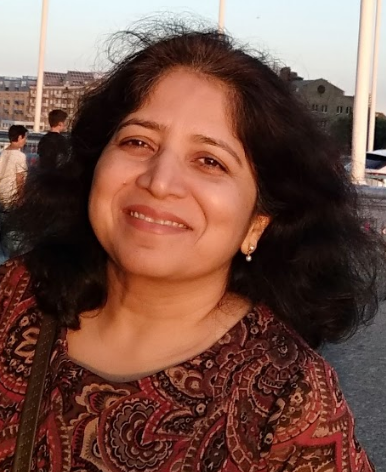
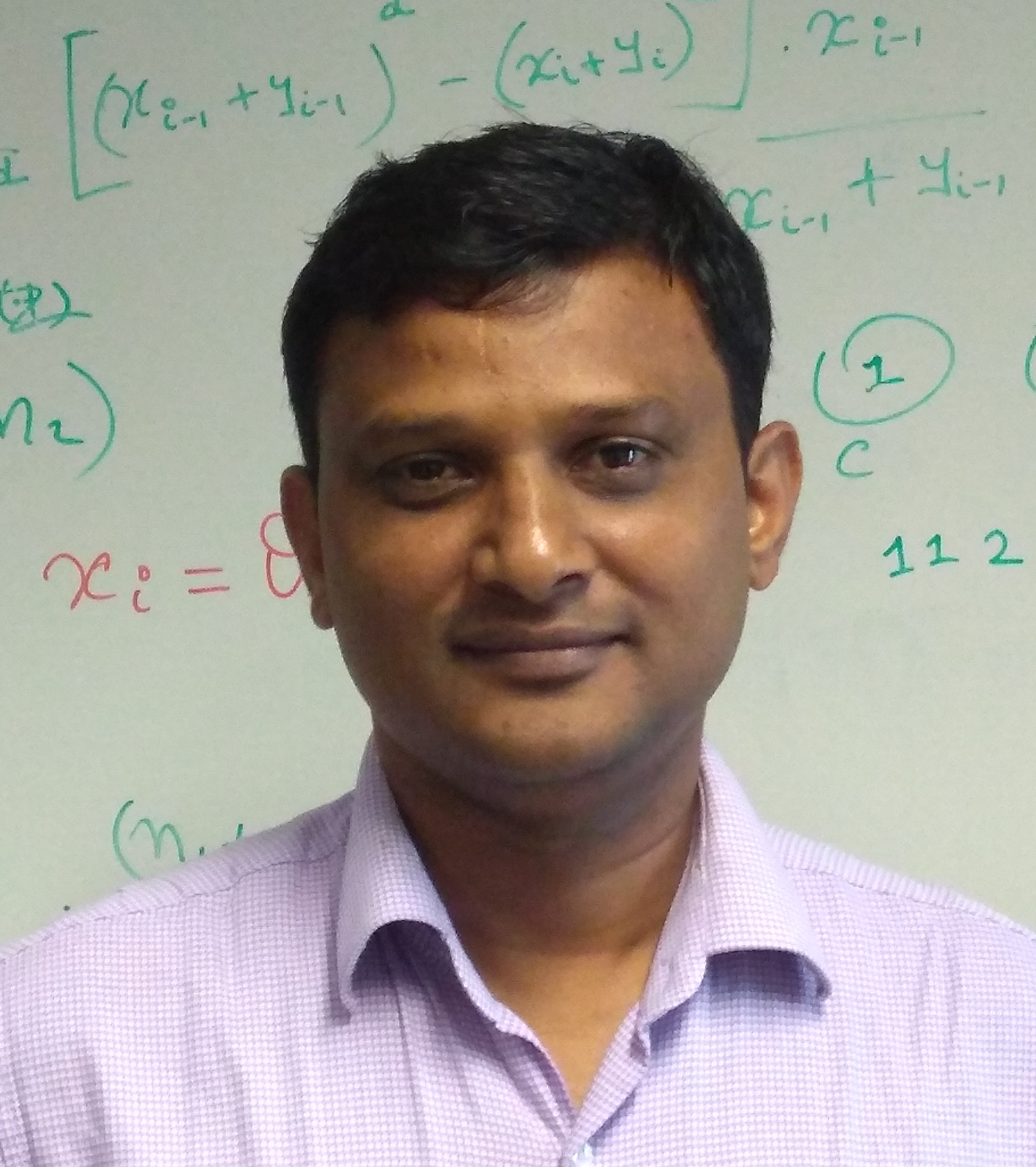
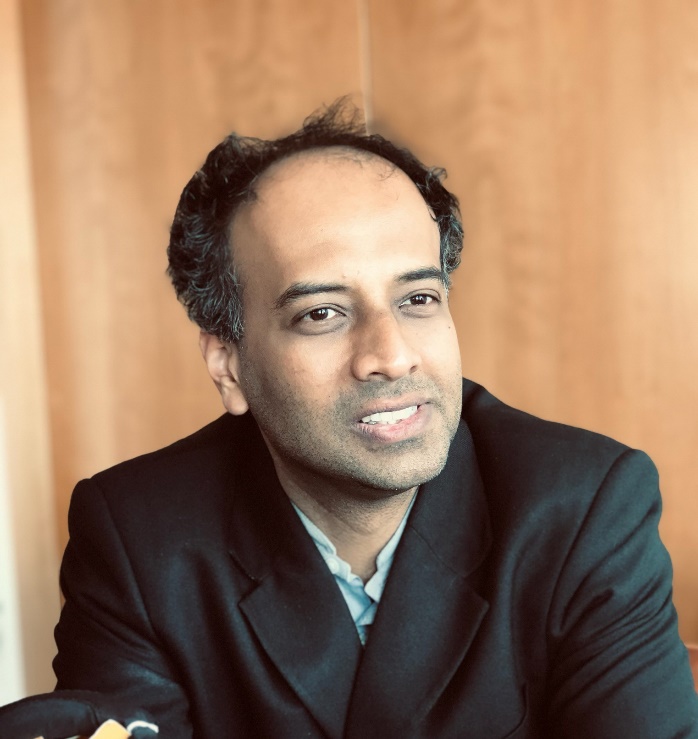
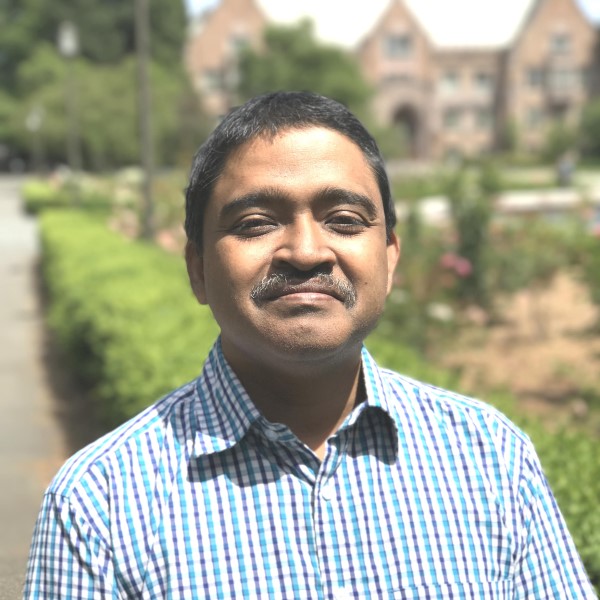
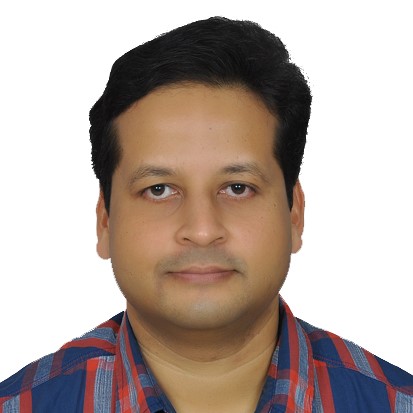
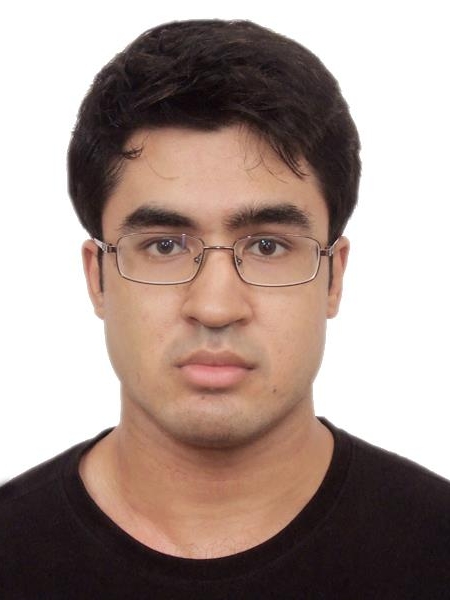
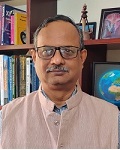
Sunita Sarawagi is a Professor at Computer Science and Engineering , IIT Bombay, and a member of AI Labs@CSE . She is also associated with the Center for Machine Intelligence and Data Science (CMInDS), which she founded in 2020. Education: PhD in Computer Science from UC Berkeley (Thesis: Query Processing in Tertiary Memory Databases), BTech in Computer Science from IIT Kharagpur Research Interests span machine learning , data analytics , graphical models , and structured learning , with applications in text segmentation, sequence modeling, domain adaptation, and human-in-the-loop systems. Her publications reveal a strong focus on integrating data mining with database systems , temporal data analysis , and information extraction using probabilistic methods. Professional Activities include serving on the IEEE John Von Neumann Medal committee (2017-), VLDB 2011 Research Track Co-chair , and multiple program committee roles at top conferences like ICML, KDD, and SIGMOD. Labs & Teams : Leads the SS Lab , a research group focused on probabilistic graphical models, sequence modeling, and data integration techniques.
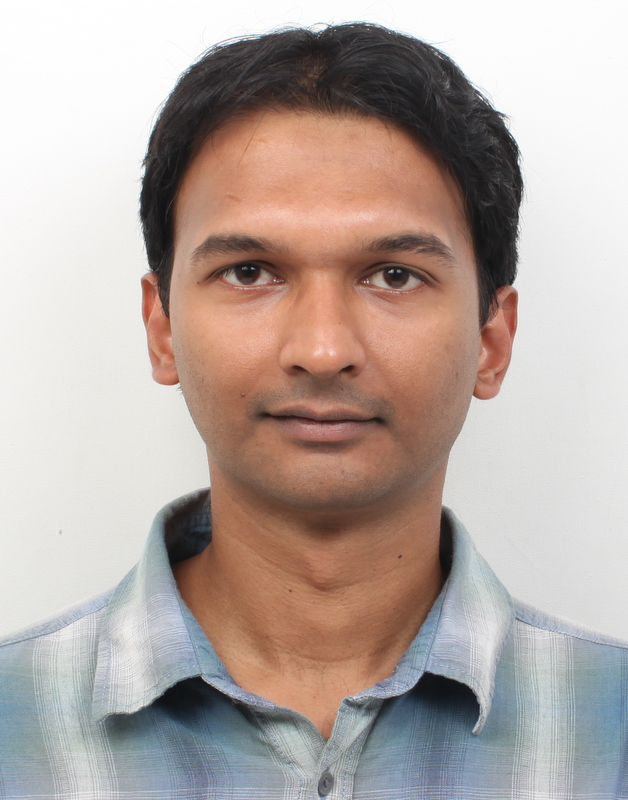
Shivaram Kalyanakrishnan is an Associate Professor at the Department of Computer Science and Engineering , Indian Institute of Technology Bombay , specialising in Artificial Intelligence and Machine Learning . His research spans sequential decision making , multiagent learning , multi-armed bandits , and humanoid robotics , with applications in robot soccer , computer games , and online advertising . He teaches advanced courses like CS 747: Foundations of Intelligent and Learning Agents and CS 748: Advances in Intelligent and Learning Agents , focusing on end-to-end system design and theoretical analysis. His scientific awards include the Best Student Paper Award at RoboCup International Symposium 2006 and nomination for Best Student Paper Award at AAMAS 2007 . His work on reinforcement learning and policy iteration has been published in leading venues such as IJCAI , ICML , and COLT , with recent contributions to railway scheduling and bandit algorithms. While no explicit list of advisees is provided, his research projects and publications suggest mentorship of students in collaborative efforts. Contact : shivaram@cse.iitb.ac.in .
Indian Institute of Technology Hyderabad (IITH)India
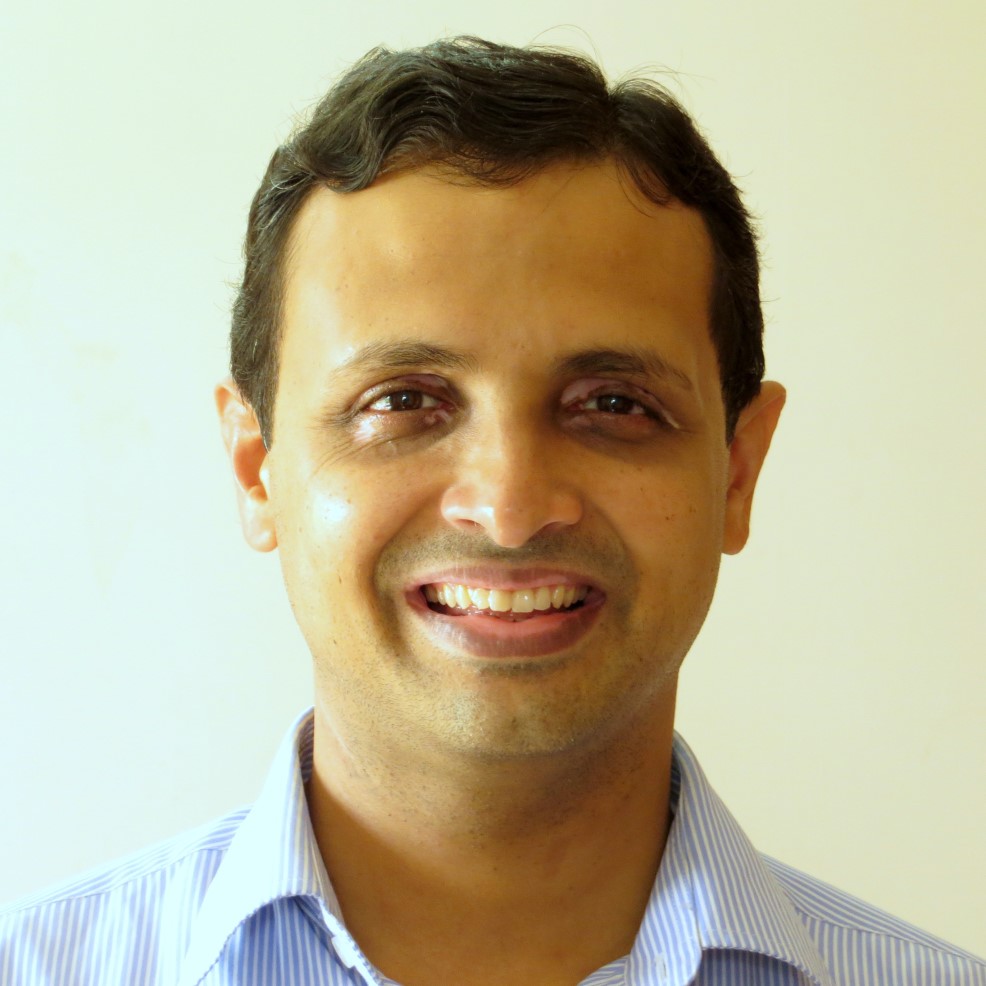
Vineeth N Balasubramanian is a Professor in the Department of Computer Science & Engineering at the Indian Institute of Technology Hyderabad, with affiliate faculty status in the Department of Artificial Intelligence. His research focuses on the intersection of deep learning, machine learning, and computer vision, emphasizing explainability, robustness, and real-world applications. He leads Lab 1055, which investigates problems such as Explainable and robust AI/ML systems Lifelong learning in evolving environments Multimodal vision-language models Applications in agriculture, autonomous navigation, and human behavior analysis His recent work includes causal reasoning in transformers, vision-language model capabilities, and drone-based object detection. Funded by organizations like Google, Microsoft, Intel, and DST, he has received multiple awards including the World's Top 2% Scientists (2022-23), INSA/INAE Fellowships, and Best Paper recognitions. Lab 1055 collaborates with institutions like CMU, UBC, and Monash University, contributing to cutting-edge advancements in AI.
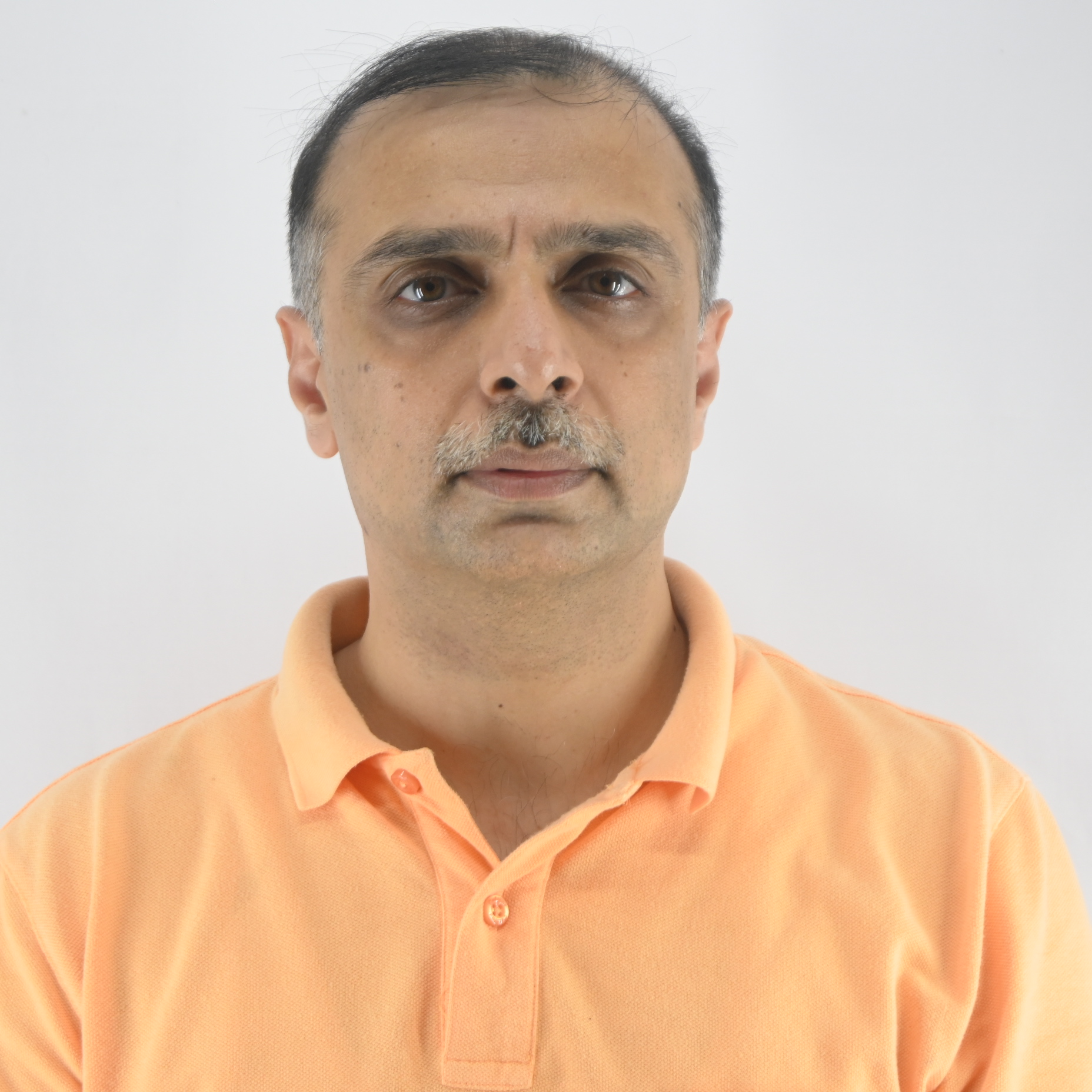
Ajit Rajwade is a Professor at the Department of Computer Science and Engineering , Indian Institute of Technology Bombay. His research spans Artificial Intelligence , Compressed Sensing , and Medical Imaging , with affiliations to the Centre for Machine Intelligence and Data Science and the Koita Centre for Digital Health . Education : PhD in Computer and Information Science and Engineering, University of Florida (2010) MSc in Computer Science, McGill University (2004) BTech in Computer Engineering, University of Pune (2002) His research interests focus on intelligent data acquisition, particularly in neural network analysis , graph signal processing , and medical imaging . He develops compressed sensing algorithms for inverse problems like tomography and MRI reconstruction , alongside applying group testing to pandemic response. Scientific awards include the Prof. S. P. Sukhatme Award (2024) and Departmental Teaching Excellence (2019). His publications demonstrate expertise in image restoration , noise modeling , and epidemiological algorithms . He has advised PhD students like Sabyasachi Ghosh and Jerin Geo James , with a focus on computationally efficient methods in medical imaging and machine learning .
Manjesh Kumar Hanawal is an Associate Professor at the Industrial Engineering and Operations Research (IEOR) center of IIT Bombay , India. His academic journey includes a Ph.D. from University of Avignon/INRIA (2013), M.Sc (Engg) from IISc Bangalore (2009), and B.E. from NIT Bhopal (2004). Pre-Ph.D. work: Scientist-B at DRDO's CAIR Postdoctoral: Boston University (2013-2015) Appointed as first Professor-In-Charge of TCA2I center Research focuses on Machine Learning algorithms for limited feedback environments, Communication Networks resource allocation, and Cybersecurity threat detection. Publications span top venues like IEEE Transactions, NeurIPS, INFOCOM, and AISTATS. Recent work trends include: Bandit algorithms for distributed learning in heterogeneous networks Contextual information integration in sequential selection Energy efficiency optimization in wireless sensor networks Net neutrality violation detection frameworks Anti-jamming countermeasures in cognitive networks Scientific recognition includes the SERB Early Career Research Award (2019-2022) for machine learning applications in wireless networks. Advisees include Ph.D. awardee Arun Verma and Best Masters Thesis Awardee Sayan Chatterjee.
Soumya Dutta is an Assistant Professor in the Department of Computer Science and Engineering at the Indian Institute of Technology Kanpur (IITK), where he leads the INSIGHT: Intelligent Scientific and Visual Computing of Big Data Research Group. He joined IIT Kanpur in October 2022 after working as a Scientist II at Los Alamos National Laboratory (LANL) from July 2019 to August 2022, and previously as a Postdoctoral Research Associate at LANL from June 2018 to July 2019. His educational background includes a Ph.D. and M.S. in Computer Science and Engineering from The Ohio State University (2011-2018), where he was part of the GRAVITY research group, and a B.Tech. in Electronics and Communication Engineering from West Bengal University of Technology, India (2005-2009). Research Interests: Dr. Dutta's research focuses on the intersection of machine learning, visual computing, big data, and high-performance computing. His primary research areas include Machine Learning for Visual Computing and Image Analysis, Big Data Visualization and Analytics, Data Science and HPC, Machine Learning for Scientific Computing, and Explainability and Interpretability of AI Models. His work addresses various big data characteristics including the 5 Vs: Volume, Velocity, Variety, Veracity, and Value. He develops techniques that make complex machine learning models more interpretable and explainable, enabling their effective adoption in real-life applications across scientific domains, social media, IoT, healthcare, and industry applications. Dr. Dutta's research group has secured multiple funded projects including: DAVi: An Intelligent Data Analytics and Visualization Framework (funded by ISRO), Intelligent Visual Computing of Extreme-scale Data for Accelerating Scientific Discovery (IIT Kanpur Initiation Grant), Enabling Interactive Big Data Analytics and Visualization at Exascale (SERB), Development of AI-Enabled National Portal for Efficient Search of Missing People (C3iHub), and Proactive and Generalized Deepfake Defense Mechanisms (C3iHub). Best Reviewer, Honorary Mention Award for IEEE Transactions on Visualization & Computer Graphics (TVCG), 2021 Best Paper Award at ISAV 2021, co-located with Supercomputing (SC) LAAP Award at Los Alamos National Laboratory, 2021 Best Paper Award at TopoInVis 2019 Best Paper Award at ISAV 2018, co-located with Supercomputing (SC) Best Poster Award in 12th Annual CSE Student Poster Exhibition, The Ohio State University, 2018 Best Poster Award in 11th Annual CSE Student Poster Exhibition, The Ohio State University, 2017 Best Paper Honorable Mention Award at IEEE Visualization Conference (IEEE VIS) 2016 Dr. Dutta actively mentors a large group of students including Ph.D., M.Tech., and B.Tech. students. His current Ph.D. students include Shanu Saklani, Sankhadeep Bhowmick, Ananya Chaturvedi, Arpita Santra, Anubhav Dixit (co-supervised), and Robin Shah. He has supervised numerous M.Tech. students with thesis topics ranging from uncertainty-aware neural networks to deepfake detection. Dr. Dutta currently teaches courses including CS360 - Introduction to Computer Graphics and CS661 - Big Data Visual Analytics. The INSIGHT research group collaborates internationally with researchers from Meta, Oak Ridge National Laboratory, and National Taiwan Normal University. The group's work focuses on building machine learning and data science-based solutions to analyze large-scale multifaceted data in a scalable way, enabling interactive and interpretable analytics of complex data from scientific simulations, social media, IoT, healthcare, and other application domains.
Dr. Arnab Bhattacharya is a Professor in the Department of Computer Science and Engineering at the Indian Institute of Technology (IIT) Kanpur since December 2020. He previously served as Associate Professor (2014–2020) and Assistant Professor (2007–2014) at IIT Kanpur. Education: PhD in Computer Science (2007), University of California, Santa Barbara MS in Computer Science (2007), University of California, Santa Barbara Bachelor of Computer Science and Engineering (2001), Jadavpur University Research Focus spans Databases , Data Mining , Information Retrieval , and Artificial Intelligence . His work emphasizes graph analytics , skyline queries , probabilistic data , and knowledge graph management . Article Trends reveal expertise in graph neural networks , trajectory-aware systems , statistical significance in databases , and legal/medical data mining . His methodologies often integrate chi-square statistics , approximate indexing , and provenance tracking . Scientific Awards: IBM Faculty Research Award Yahoo! Faculty Research and Engagement Program Award Best Paper at COMAD 2011 Best Student Paper at COMAD 2010 Top-Five Student Paper at ICDM 2005 ICDM Student Travel Award sponsored by IBM Contact: Office RM 409, Department of Computer Science and Engineering, IIT Kanpur Email: arnabb@iitk.ac.in | Phone: +91-512-259-7650
Malay Banerjee is a Professor in the Department of Mathematics and Statistics at the Indian Institute of Technology Kanpur (IIT Kanpur) . His academic career is anchored in mathematical ecology and nonlinear dynamics, with a focus on modeling ecological and epidemiological systems. Education: Ph.D. (2005), University of Calcutta, India M.Sc. (1998), University of Calcutta, India Research Interests: His research spans Mathematical Ecology , Eco-epidemiology , and Nonlinear Dynamics . He applies differential equations and stochastic modeling to understand predator-prey dynamics, phytoplankton competition, and the impact of allelopathy and Allee effects on ecosystem stability. Publications Overview: His recent publications (2011–2014) focus on advanced modeling of ecological systems, including stochastic phytoplankton dynamics, bifurcation in predator-prey systems, and spatial self-organization. These works are published in leading journals like Mathematical Biosciences , Ecological Complexity , and Theoretical Ecology . Awards and Honors: Junior Research Fellowship (JRF), CSIR India Contact & Office: Office: FB-526, Department of Mathematics and Statistics, IIT Kanpur, Kanpur 208016 Phone: 0512-259-6157 (O) Email: malayb@iitk.ac.in
Rahul Mangal serves as an Associate Professor in the Department of Chemical Engineering at the Indian Institute of Technology Kanpur (IIT Kanpur). His academic profile demonstrates expertise in polymer physics, colloids, complex fluids, nanocomposites, active matter, and liquid crystals. Dr. Mangal completed his PhD at Cornell University in 2016, followed by a post-doctoral fellowship at the University of Wisconsin Madison (2016-2017). He earned his B Tech-M Tech dual degree from IIT Kanpur in 2010. Prior to his academic career, he gained industry experience as a Manager at Reliance Industries Limited in Jamnagar, Gujarat from July 2010 to July 2012. His research program focuses on the experimental investigation of colloid-polymer interactions in nanocomposite systems. Specifically, his group studies how colloids (1-1000 nm) interact with polymeric hosts to influence fundamental properties including phase behavior, rheology, and colloidal diffusion. His work explores the novel properties that emerge when colloids are added to polymer melts, block copolymers, and liquid crystals, with applications in energy devices, photonics, and bio-medicines. Dr. Mangal's research has produced significant publications in high-impact journals including Nature Communications, Langmuir, and Macromolecules, demonstrating his contributions to understanding polymer-nanoparticle systems and their applications in energy storage technologies. Outstanding Graduate Teaching Assistant, Robert Frederick Smith School of Chemical and Biomolecular Engineering, Cornell University (2016) McMullen Fellowship, Robert Frederick Smith School of Chemical and Biomolecular Engineering, Cornell University (2012) His work bridges fundamental polymer physics with practical applications, particularly in developing advanced materials for energy storage solutions. Dr. Mangal maintains an active research program that continues to explore the complex behavior of polymer-nanoparticle systems to engineer materials with precisely controlled properties for targeted applications.
Krishna Jagannathan is a full-time Professor in the Department of Electrical Engineering at the Indian Institute of Technology Madras (IIT Madras), India. He specializes in stochastic modeling, communication networks, information theory, and queuing theory. He obtained his B.Tech from IIT Madras in 2004, followed by S.M. and Ph.D. degrees from MIT in 2006 and 2010, respectively. After post-doctoral positions at Caltech and MIT, he joined IIT Madras in 2011. Education: B.Tech in Electrical Engineering, IIT Madras (2004) S.M. in Electrical Engineering and Computer Science, MIT (2006) Ph.D. in Electrical Engineering and Computer Science, MIT (2010) Research Interests: His research focuses on stochastic modeling and analysis of communication networks , information theory , and queuing theory . He has made significant contributions to understanding network performance, resource allocation, and risk-aware decision-making in complex systems. He leads the Networks and Stochastic Systems lab at IIT Madras, mentoring a large cohort of Ph.D. and M.S. students working on cutting-edge problems in networking, optimization, and stochastic systems. Scientific Awards: Best Paper Award at WiOpt 2013, Tsukuba, Japan Young Faculty Recognition Award for Excellence in Teaching and Research, IIT Madras (2014) Teaching & Mentorship: He has taught a wide range of courses including Probability Foundations , Stochastic Modeling and Queuing Theory , Convex Optimization , and Signals & Systems , consistently receiving high teaching evaluations. He has supervised over 15 Ph.D. and M.S. students to completion and continues to guide several active researchers.
Indian Institute of Technology Hyderabad (IITH)India
Kishalay Mitra is a Professor at the Indian Institute of Technology Hyderabad , with affiliations to the Department of Chemical Engineering , Department of Climate Change , and Department of Artificial Intelligence . He also holds visiting professorships at Washington University in St. Louis and University of Washington, Seattle . His work in the Global Optimization & Knowledge Unearthing Laboratory (GOKUL) spans interdisciplinary optimization, machine learning, and their applications in industrial-scale engineering problems. Education : Ph.D. from IIT Bombay. Research Interests : Mitra's research focuses on optimization under uncertainty , surrogate modeling , multi-objective optimization , and integrating machine learning with physics-based models . His work addresses real-world challenges in wind energy , bioenergy supply chains , chemical process control , nanoscience , and environmental modeling (e.g., PM10 spatiotemporal analysis, forest fire prediction, and carbon capture). Article Trends : His recent publications emphasize wind energy systems (layout optimization, yaw control, forecasting), materials science (precipitate growth prediction, polymerization), and industrial processes (crystallization, grinding circuits). Techniques include neural operators , Bayesian optimization , generative adversarial networks (GANs) , and explainable AI .
Naveen Tiwari is a Professor in the Department of Chemical Engineering at the Indian Institute of Technology Kanpur. His research focuses on transport phenomena, instabilities in micro-scale free surface flows, flow through porous media, and numerical modeling and simulation. He maintains active research collaborations and has published extensively in leading fluid dynamics journals. His research interests encompass Transport Phenomena , Instabilities in micro-scale free surface flows , Flow through porous media , and Numerical modeling and simulation . His work primarily investigates thin liquid film dynamics, interfacial phenomena, and stability analysis of coating flows over heterogeneous surfaces. His research has significant applications in coating technologies, microfluidics, and thermal management systems. His recent publications demonstrate a strong focus on Thin film stability analysis over heated surfaces Effects of substrate topography on liquid film behavior Nonlinear dynamics of volatile liquid films Dip-coating processes on patterned surfaces His work bridges fundamental fluid dynamics with practical engineering applications. His notable scientific achievements include: Young Scientist Research Award from the Department of Atomic Energy (2014) Membership in the Honor Society of Phi Kappa Phi (2007-2008) Invitation to present at the International Union of Theoretical and Applied Mechanics symposium in Bangalore (2014) Prof. Tiwari received his PhD from the University of Massachusetts Amherst (2003-2008) with a thesis on 'Dynamics and Stability of Non-Inertial Coating Flows over Heterogeneous Surfaces' under Prof. Jeffrey M. Davis. Prior to his current position, he worked as a Senior Research Engineer at Saint-Gobain, MA (USA) from 2008-2012, where he worked on Diesel Particulate Filter regeneration modeling, methane ignition modeling, sapphire crystal growth, and solid-oxide fuel cells.
Indian Institute of Technology Hyderabad (IITH)India
Kaushik Nayak is an Associate Professor in the Department of Electrical Engineering at the Indian Institute of Technology Hyderabad . His research spans semiconductor device physics, mesoscopic electronics, and electro-thermal effects in nanoscale transistors, with recent work on diamond MOSFETs, 2D material contacts, and thermal resistance in nano-sheet FETs. Ph.D., Indian Institute of Technology Bombay M. Tech., Microelectronics, IIT Bombay B.E., Electronics & Telecommunication, Utkal University He teaches advanced courses on semiconductor device modeling, mesoscopic electronics, and electromagnetic wave propagation. His publications focus on nanoelectronics, device variability, and high-temperature operations. Contact: knayak@ee.iith.ac.in .
Roop Aparajita Subhra Purushottam is an Associate Professor in the Department of Computer Science and Engineering at the Indian Institute of Technology Kanpur. His research focuses on machine learning foundations and applications, particularly in extreme classification, optimization techniques, robust learning, and educational technology. He has developed scalable algorithms for web-scale applications and innovative teaching tools for programming education. His research interests span: Design and analysis of machine learning algorithms Statistical learning theory and online optimization Non-convex optimization for large-scale problems Robust learning against adversarial corruptions Applications in information retrieval, education, and environmental monitoring Recent publications demonstrate a strong focus on extreme classification techniques, efficient deep learning architectures, and educational technologies. His work consistently appears in top-tier conferences including KDD, ICML, NeurIPS, and CVPR, with innovations in scaling machine learning systems to handle millions of labels and users. Significant Awards: Gopal Das Bhandari Distinguished Teacher Award (2024) PK Kelkar Faculty Fellowship (2024-2027) Microsoft Bing Ads Greatness Award (2021) Computer Society of India Faculty Award (2018) Multiple best paper awards and nominations at major conferences He leads several research grants and consults for industry partners including Microsoft Research and Tower Research. His team develops open-source tools like Prutor for programming education and DEFRAG for efficient feature agglomeration in extreme classification. He has advised numerous PhD and Master's students who have received prestigious awards for their research contributions.
Prof. Rajiv Sinha is a Professor in the Department of Earth Sciences at Indian Institute of Technology Kanpur . With a PhD from the University of Cambridge (1992), his career spans over two decades at IITK, including roles as Head of Department since 2014. Education: PhD (University of Cambridge, 1992), M.Tech (University of Roorkee, 1987), B.Sc (Patna University, 1983) Key Affiliations: Member of International Association of Sedimentologists, SEPM, Quaternary Research Association, and Indian Professional Societies Research Focus: Specializing in river science , Prof. Sinha investigates fluvial geomorphology , sedimentology , and natural hazards like Kosi floods . His work integrates remote sensing and GIS for climate change and paleoclimate reconstruction , notably studying the Ganga river system and its anthropogenic impacts . Scientific Leadership: His publications (2013-2017) reveal: Anthropocene river systems (2016) Indus Civilization paleohydrology (2017) Kosi megafan dynamics (2015) Monsoon evolution (2010, 2014) Groundwater management (2016) Awards & Recognitions: Pandit Girish Ranjan Chair Professorship (2013) National Mineral Award (2002) Alexander von Humboldt Fellowship (2000) UGC Research Fellowship (1988) University Gold Medal (1987) Collaborative Network: Partners include University of Durham , Imperial College London , and Institute du Physique de Globe, Paris . Currently leading Ganga River Basin Management studies and river science initiatives at IITK.