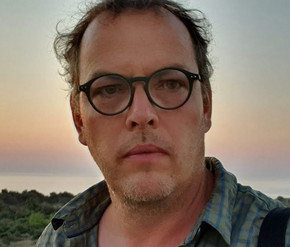
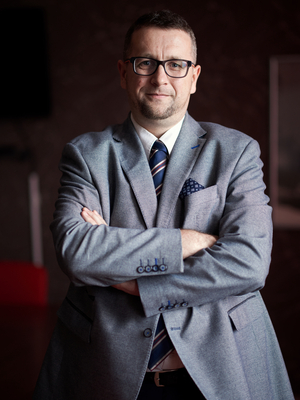
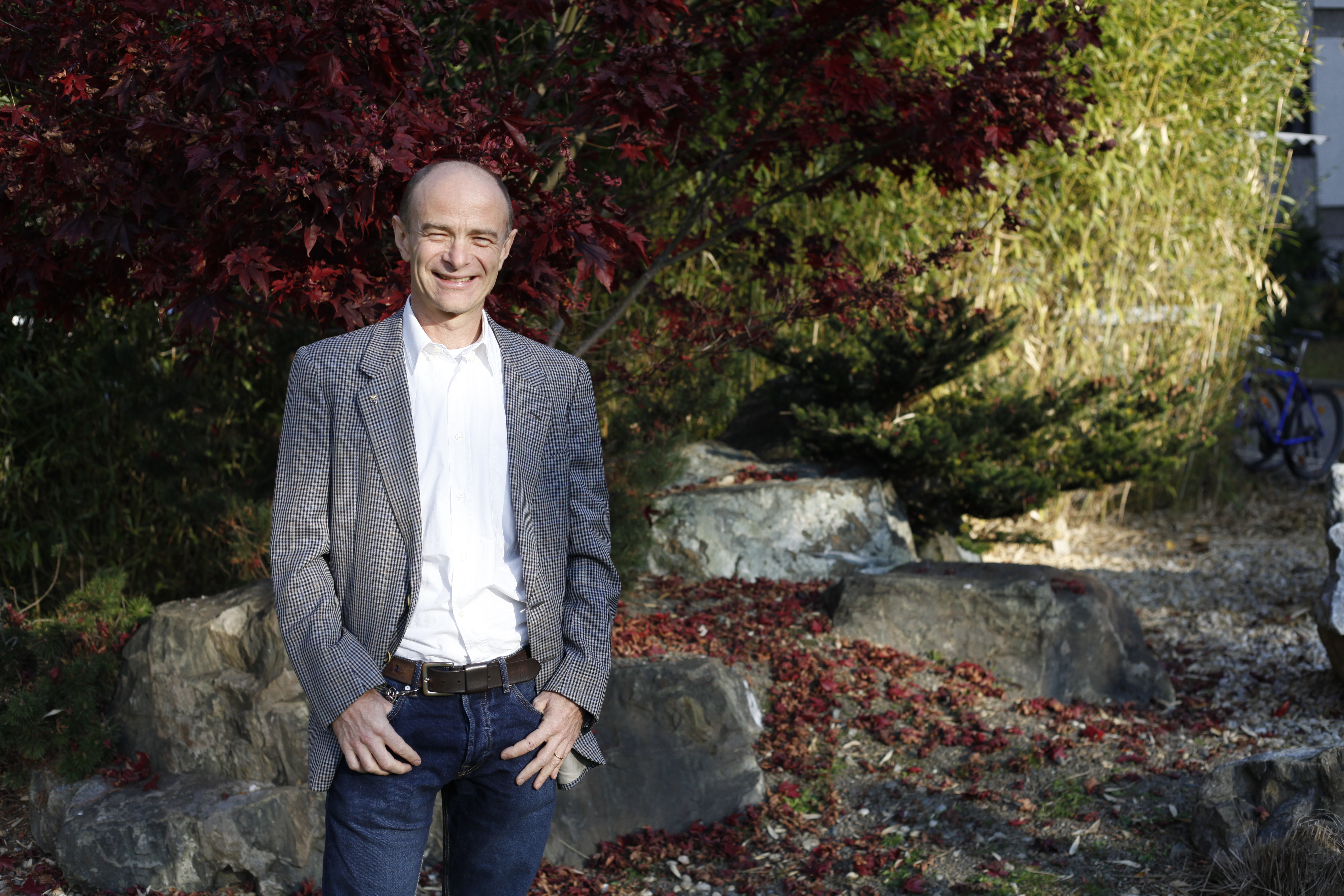
Claus Lamm is a Full Professor of Biological Psychology at the University of Vienna , where he leads the Social, Cognitive and Affective Neuroscience Unit (SCAN-Unit) . He serves as Vice Dean for Research and Advancement of Early Career Researchers at the Faculty of Psychology and holds affiliations with the Vienna Cognitive Science Hub , Environment & Climate Change Hub , and Austrian Academy of Sciences . His academic career spans international collaborations and formative research experience abroad. Scientific Focus: Lamm investigates the neural underpinnings of empathy and prosocial behavior , employing multi-modal approaches combining neuroimaging, psychopharmacology, and psychoneuroendocrinology . His work extends to comparative studies with ravens and dogs, and explores environmental social neuroscience through climate change decision-making research. Recent publications show trends in cross-cultural psychology , machine learning applications , and neurobiological pathways related to social behavior. Awards & Grants: Recipient of the APS Mentor Award for his support of early career researchers. Funded by European Research Council , Austrian Science Fund , Vienna Science and Technology Fund , and intramural grants exceeding €10 million. Key projects include "Unravelling the opioid system in empathy" and "Comparative dog-human fMRI" . Media Engagement: A prominent public science communicator, Lamm has appeared in Nature , Science Magazine , and Austrian media outlets like Ö1 Mittagsjournal and ORF2 , discussing topics from pandemic psychology to social media effects . He maintains active outreach through Science TV and educational programs .
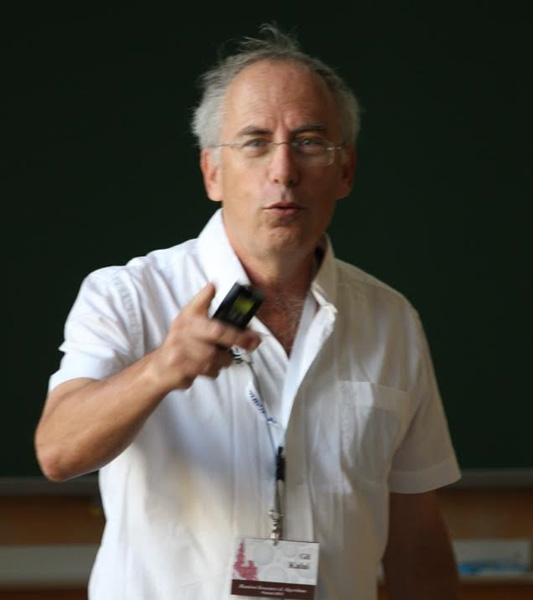
Gil Kalai is a Professor of Mathematics at the Hebrew University of Jerusalem since 1992, where he holds the Henry and Manya Noskwith Chair. He also serves as an Adjunct Professor of Mathematics and Computer Science at Yale University since 2004 in a long-term part-time visiting position. His academic career includes visiting positions at prestigious institutions including MIT, Cornell, IAS Princeton, Berkeley, Bell-labs, IBM, and Microsoft. Professor Kalai's research spans multiple areas within mathematics and theoretical computer science. His work in combinatorics encompasses geometric, probabilistic, and topological approaches. He has made significant contributions to the study of convex sets and polytopes, linear programming, and theoretical computer science. His influential 1988 paper with Kahn and Linial on Boolean functions pioneered applications of Fourier analysis in theoretical computer science. Kalai's research has evolved to include the application of Fourier analysis to thresholds, influences, symmetries, noise, percolation, and social choice. He has developed theories in algebraic shifting and studied face-numbers and other combinatorial invariants of polytopes. His work on the diameter of polytopes and randomized simplex algorithms has been influential in optimization theory. In 1993, his collaboration with Kahn produced a groundbreaking counterexample to Borsuk's Conjecture in 1325 dimensions. Professor Kalai's publications reveal a consistent focus on the intersection of combinatorics, geometry, and theoretical computer science. His work shows a progression from foundational combinatorial geometry to increasingly sophisticated applications of harmonic analysis in discrete mathematics. The recurring themes across his 30+ year career include Boolean functions, polytope theory, and probabilistic methods in combinatorics, demonstrating remarkable coherence in his research trajectory. 2016 European congress of Mathematics, plenary speaker 2013 ERC advanced grant 2012 Rothschild Prize 1994 International Congress of Mathematicians invited section talk, Zurich 1994 Fulkerson Prize 1993 Erdos Prize 1992 Polya Prize Though specific details of his advising are not provided in the source material, Kalai has written over 70 scientific papers and maintains an active research blog entitled "Combinatorics and More." His 2013 ERC advanced grant indicates significant research funding for his work. His extensive collaborations with researchers across multiple institutions suggest a robust research program with numerous PhD students and postdoctoral researchers, though specific names are not mentioned in the provided texts. Professor Kalai maintains active research connections across multiple institutions including Hebrew University, Yale, and various research centers worldwide. His work bridges pure mathematics and theoretical computer science, creating a unique interdisciplinary research environment that influences both fields.
Zhou Zhi-Hua is a Professor at Nanjing University's Department of Computer Science & Technology, serving as Standing Deputy Director of the National Key Lab for Novel Software Technology and Founding Director of LAMDA (Institute of Machine Learning and Data Mining). He holds simultaneous fellowships from ACM, AAAI, AAAS, IEEE, IAPR, IET/IEE, and CCF, reflecting his exceptional contributions to computational intelligence. His educational background includes: B.Sc. in Computer Science from Nanjing University (1996) M.Sc. in Computer Science from Nanjing University (1998) Ph.D. in Computer Science from Nanjing University (2000) Zhou's research pioneers fundamental advances in machine learning theory and applications. His seminal work on ensemble methods established new frameworks for classifier combination, while innovations in multi-label learning and anomaly detection addressed critical challenges in complex data analysis. His research bridges theoretical rigor with practical implementations across diverse domains including biometrics, data mining, and computer vision, resulting in over 150 publications and 18 patents. His textbooks "Ensemble Methods" (2012) and "Machine Learning" (2016) have become standard references in the field. Analysis of his publication trajectory reveals sustained leadership in core machine learning challenges: evolving from neural network ensembles (2002) through semi-supervised learning breakthroughs (2005) to foundational work on multi-instance learning (2012) and theoretical margin analysis (2013). His recent focus demonstrates increasing sophistication in handling complex data structures while maintaining theoretical soundness. His scientific excellence is recognized through: National Natural Science Award of China (2013) PAKDD Distinguished Contribution Award (2016) IEEE ICDM Outstanding Service Award (2016) IEEE CIS Outstanding Early Career Award (2013) Microsoft Professorship Award (2006) Simultaneous fellowships from 7 major international societies Zhou provides extraordinary service to the academic community as Executive Editor-in-Chief of Frontiers of Computer Science and Associate Editor-in-Chief of Science China Information Science. He founded the ACML conference and has chaired premier events including ICDM'16 and PAKDD'14. His leadership extends to serving as General Chair for ICDM'16, Program Chair for IJCAI'15 Machine Learning Track, and Area Chair for multiple top conferences. The available text does not specify student advising details or research grants. He directs LAMDA research group at Nanjing University, which has established itself as a global powerhouse in machine learning research, and contributes significantly to the National Key Lab for Novel Software Technology's mission of developing next-generation intelligent systems.
Ares J. Rosakis is the Theodore von Kármán Professor of Aeronautics and Mechanical Engineering at the California Institute of Technology (Caltech), where he served as Chair of the Division of Engineering and Applied Science from 2009-2015 and previously as Director of the Graduate Aerospace Laboratories (GALCIT). He has held numerous prestigious visiting professorships including at Nanyang Technological University, Northwestern University, Columbia University, Oxford University, and École Normale Supérieure in Paris. Rosakis earned his B.A. and M.A. in Engineering Science from Oxford University in 1978, followed by his Sc.M. (1980) and Ph.D. (1982) in Engineering (Solid Mechanics) from Brown University. He joined Caltech as an Assistant Professor in 1982, was promoted to Associate Professor in 1988, and to full Professor in 1993. In 2004, he was named the Theodore von Kármán Professor, one of Caltech's most distinguished named chairs. Rosakis is globally recognized as the foremost expert in dynamic failure mechanics of solid materials. His pioneering contributions span the dynamic failure of metals, composites, and interfaces. He invented Coherent Gradient Sensing (CGS) interferometry, a novel optical method sensitive to gradients of optical path differences that has been widely adopted in fracture mechanics and thin film stress measurements. His research encompasses dynamic shear-dominated rupture of heterogeneous materials, rupture mechanics of crustal earthquakes (where he experimentally discovered 'intersonic' or 'supershear' ruptures), and reliability of thin films and in-situ wafer level metrology. His work bridges engineering science, materials mechanics, and geophysics with remarkable interdisciplinary impact. His recent publications demonstrate a strong focus on earthquake mechanics and laboratory simulations of seismic events, particularly supershear earthquake ruptures. The research connects fundamental fracture mechanics with real-world geophysical phenomena, revealing how laboratory-scale experiments can illuminate the physics of large-scale earthquakes. His work has established critical links between theoretical models, experimental observations, and geological field evidence. Rosakis has received numerous prestigious awards including: 2024 Foreign Member of the Royal Society, UK 2023 Honorary PhD from National Technical University of Athens 2023 Honorary Degree of Doctor of Engineering from University of Illinois 2021 Zdeněk P. Bažant Medal for Failure and Damage Prevention 2018 Timoshenko Medal from ASME 2016 Elected to the National Academy of Sciences 2011 Elected to the National Academy of Engineering Throughout his distinguished career at Caltech, Rosakis has mentored numerous graduate students and postdoctoral researchers, many of whom have become leaders in their fields. His research has been continuously supported by major grants from the National Science Foundation, Department of Energy, and other federal agencies, focusing on dynamic fracture, earthquake mechanics, and advanced optical measurement techniques. He has served on numerous editorial boards and advisory committees for major scientific organizations. At Caltech, Rosakis leads research in the Graduate Aerospace Laboratories (GALCIT), where he has established world-class experimental facilities for studying dynamic fracture and earthquake mechanics. His laboratory features high-speed imaging systems capable of millions of frames per second, infrared diagnostics for temperature field measurements, and specialized equipment for simulating earthquake ruptures at laboratory scale. His research group combines experimental, theoretical, and computational approaches to address fundamental questions in solid mechanics and their applications to geophysics and materials engineering.
Béla Bollobás is a renowned mathematician affiliated with the University of Memphis as the Jabie Hardin Chair of Excellence in Combinatorics and the University of Cambridge as a Fellow of Trinity College and Honorary Professor at the Centre for Mathematical Sciences. His work spans combinatorics, probability theory, and graph theory, with significant contributions to percolation and random graphs. Dr. Rer. Nat. (Budapest, 1967) Ph.D. (Cambridge, 1972) Sc.D. (Cambridge, 1984) Bollobás pioneered extremal graph theory, random graphs, and probabilistic combinatorics. He introduced novel graph polynomials and advanced bootstrap percolation models, impacting both theoretical mathematics and statistical physics. His research includes inhomogeneous random graphs and cellular automata in random environments. His selected publications reveal a focus on percolation thresholds, graph invariants, and stochastic processes. Notably, he derived sharp thresholds for bootstrap percolation and defined critical probabilities for Voronoi percolation. Senior Whitehead Prize (2007) Fellow of the Royal Society (2011) Foreign Member, Hungarian Academy of Sciences (1990) Foreign Member, Polish Academy of Sciences (2013) Honorary Doctorate, Adam Mickiewicz University (2013) Szechenyi Prize (2017) Bollobás has supervised over 50 Ph.D. students and authored over 450 publications, including 10 books. He co-founded the journal Combinatorics, Probability and Computing and served on eight editorial boards. He organized numerous conferences, including Bill Tutte and Paul Erdős events.
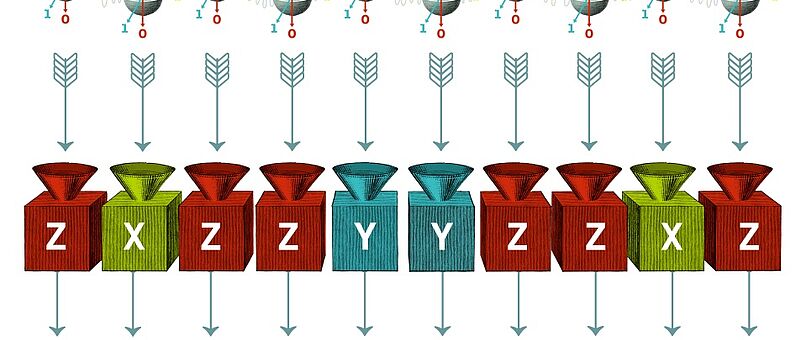
Dr. Borivoje Dakic is an Associate Professor at the University of Vienna , affiliated with the Faculty of Physics and the Quantum Optics, Quantum Nanophysics and Quantum Information department. His research spans foundational and applied aspects of quantum theory. Operational reconstruction of quantum formalism Quantum interference as a resource for communication Tomography of large-scale quantum systems Macroscopic quantum phenomena His work includes scalable verification techniques for quantum devices and collaborations with experimental teams like Philip Walther’s and Markus Aspelmeyer’s groups. He received the Marko Jarić Prize (2025) for his contributions. Recent projects focus on diagnostics of quantum devices (FWF BeyondC SFB), information-theoretic foundations of quantum interference (FWF P36994), and local operations in quantum field theory (Cluster of Excellence QuantA). His research on quantum coherence in networks and macroscopic entanglement challenges traditional assumptions about quantum-classical boundaries. Publications emphasize resource-efficient tomography, device-independent verification, and foundational frameworks for quantum statistics and field theory. Teaching: Quantum Information (2025W), Theory in Quantum Optics (2025S), VCQ Summerschool Labs: Dakić Group at University of Vienna
Dirk Praetorius is a Professor of Numerics of Partial Differential Equations (PDEs) at the Technische Universität Wien (TU Wien) , affiliated with the Institute for Analysis and Scientific Computing (ASC) within the Faculty of Mathematics and Geoinformation . He leads the research group on Numerics of PDEs and has held various leadership roles, including Institute Director (since 2020) and head of the Numerics research area. His work focuses on numerical methods for PDEs, including Finite Element Methods (FEM), Boundary Element Methods (BEM), adaptive algorithms, and computational micromagnetics. Education and Career: Praetorius earned his Diplom in Mathematics (2000) and PhD in Applied Mathematics (2003) from TU Wien, followed by a Habilitation in Numerical Analysis (2005). He has been a faculty member at TU Wien since 2005, progressing from Assistant Professor to full Professor in 2017. He has also held visiting positions at institutions such as the University of Jyväskylä and RICAM (Linz). Research Interests: His research spans numerical analysis, adaptive FEM/BEM, a-posteriori error estimation, matrix compression, and computational micromagnetics. He has contributed to modeling spin dynamics, magnetic skyrmions, and multiscale systems. His work emphasizes efficient algorithms for large-scale problems and optimal computational complexity. Awards and Editorial Roles: Praetorius received the TU Best Teacher Award (2021) and TU Best Lecture Award (2019). He serves as Senior Editor for Computational Methods in Applied Mathematics (CMAM) and on the editorial board of Applied Numerical Mathematics (APNUM) . He co-founded the outreach initiative TUForMath to promote mathematics education. Grants and Projects: He leads or co-leads several research projects funded by the Austrian Science Fund (FWF), including the collaborative SFB "Taming Complexity in Partial Differential Systems" (2017–2025) and international collaborations with Germany. His work addresses topics like functional error estimates, nonlinear PDEs, and computational design of magnetic devices. Labs and Teams: He contributes to the ASC Institute and coordinates interdisciplinary projects involving computational physics and engineering. His team develops software tools like MooAFEM and Commics for micromagnetic simulations.
Univ.-Prof. Aiko Voigt is a Professor and Head of the Department of Meteorology and Geophysics at the University of Vienna. Her research focuses on climate dynamics, cloud physics, and atmospheric processes. She leads the Environment and Climate Research Hub and teaches advanced courses like 'Climate Modelling Lab' and 'Cloud Physics.' Her work explores cloud-radiative interactions, climate change impacts, and extreme weather dynamics. Recent studies analyze energy imbalances, high-cloud feedbacks, and tropical precipitation patterns. Voigt's contributions bridge climate modeling with observational data, emphasizing high-resolution simulations and interdisciplinary approaches. Teaching includes courses such as 'Climate System of the Earth,' 'Scientific Communication,' and 'Introduction to Computational Meteorology.' Her research spans from present-day climate to Snowball Earth scenarios, addressing both modern and paleoclimatic challenges. Publications highlight advancements in radiative transfer algorithms, cyclone dynamics under warming, and uncertainties in climate model predictions. Her work underscores the critical role of clouds in amplifying climate sensitivity and reshaping atmospheric circulation patterns.
Rafał Latała is a distinguished Professor at the Institute of Mathematics, Faculty of Mathematics, Informatics and Mechanics, University of Warsaw, where he has held a full professorship since 2013. He is also a Corresponding Member of the Polish Academy of Sciences since 2016 and an AMS Fellow since 2013. His academic career spans over 25 years at the University of Warsaw, progressing from Instructor (1994-1997) to Assistant Professor (1997-2003), Associate Professor (2003-2012), and finally to his current position as Professor. Additionally, he held a part-time professorship at the Institute of Mathematics of the Polish Academy of Sciences from 2009-2012. His educational background includes a PhD in Mathematics from the University of Warsaw (1997) with a dissertation on estimation of moments of sums of independent random variables under the supervision of Professor Stanisław Kwapien, a Habilitation degree in Mathematics (2002), and the title of Professor awarded by the President of Poland (2009). He completed his MSc in Mathematics at the University of Warsaw in 1994. Latała's research focuses on the intersection of probability theory and geometric analysis, with particular expertise in convex geometry, functional analysis, asymptotic geometric analysis, and the theory of log-concave measures. His work bridges theoretical mathematics with applications in high-dimensional statistics and random matrix theory. He has made significant contributions to understanding moment inequalities, concentration phenomena, and the geometric structure of high-dimensional random objects. His recent work demonstrates increasing sophistication in handling complex relationships between different norms of random vectors and matrices. His publication record shows a consistent focus on probabilistic methods in geometric settings, with recent articles demonstrating advanced techniques for analyzing random matrices, log-concave measures, and canonical processes. The research trajectory reveals increasingly sophisticated methods for bounding norms and moments in high-dimensional spaces, with applications spanning theoretical mathematics to statistical learning theory. Kolmogorov Lecture 2024 Prize of the Foundation for Polish Science in mathematics, physics, and engineering sciences 2023 Orlicz Lecture 2023 Institute of Mathematics of the Polish Academy of Sciences Prize 2014 AMS Fellow since 2013 Foundation for Polish Science Grant Mistrz 2007-2011 Prime Minister Award for Habilitation Thesis 2003 Invited Speaker at International Congress of Mathematicians 2002 Latała has supervised five PhD students to completion (Rafal Meller, Marta Strzelecka, Jakub Wojtaszczyk, Radoslaw Adamczak, and Rafal Lochowski) and four MSc students (Maciej Bartczak, Dariusz Matlak, Tomasz Tkocz, and Marcin Lis). His editorial service includes positions at Probability Surveys (2024-26), The Annals of Probability (2015-20), and Studia Mathematica (2006-present). He has organized numerous international conferences including the High Dimensional Probability X conference in 2023 and served on various professional committees including the Central Commission for Academic Degrees and Titles.
Lars Nyberg is a Professor of Neuroscience at Umeå University's Medical Faculty and Director of the Umeå Centre for Functional Brain Imaging (UFBI) since 2001. He has held concurrent roles as Guest Professor in Bergen and Oslo, Norway, and led the Wallenberg Centre for Molecular Medicine (WCMM) from 2019. His academic leadership includes directing major initiatives like the EU-funded Lifebrain project (2017–2022) and holding the Torsten & Ragnar Söderberg Research Professorship in Medicine (2012–2017). Education: PhD in Psychology (1993) and Docent (1996) from Umeå University, with postdoctoral training at the Rotman Research Institute, Toronto. His research focuses on neuroimaging techniques (MRI/PET), dopamine systems, working memory, aging, and episodic memory. Key contributions include linking dopamine receptor availability to cognitive decline and demonstrating brain maintenance mechanisms in aging. Research Interests: Neuroimaging of memory systems, dopamine's role in cognition, aging-related brain changes, and cognitive reserve. Grants: EU Horizon 2020 (Lifebrain, €10M), KA Wallenberg Scholarships (2009, 2016), Swedish Research Council funding for COBRA (2013–2017). His awards include Royal Swedish Academy of Sciences membership (2008), Mångbergs Prize in Neural Sciences (2008), and multiple Wallenberg grants. Nyberg has supervised 27 PhD students and 11 postdocs, advancing translational neuroscience and aging research through interdisciplinary teams at UFBI and WCMM.
Vienna University of Economics and BusinessAustria
Ulrich Berger is a Professor of Economics at the Department of Economics of WU Vienna University of Economics and Business (WU Vienna). He serves as Editor-in-Chief of the journal Games and is actively involved in promoting science through the Vienna Skeptics Society. His research focuses on game theory, including non-cooperative, evolutionary, behavioral, and experimental variants. He has been recognized with multiple awards, including the WU Best Paper Award and an Outstanding Reviewer Award. His work explores dynamics of cooperation, reputation systems, and strategic behavior in economic contexts. Key research areas include evolutionary stability in reputation games, indirect reciprocity, and cognitive hierarchies in strategic interactions. His publications span peer-reviewed journals like PLoS ONE and Scientific Reports , as well as popular science articles in outlets like derStandard.at . Berger has led research projects on topics such as cognitive hierarchies in minimizer games and has contributed to policy discussions on access pricing in telecommunications. His academic contributions reflect a blend of theoretical rigor and practical engagement, with recent work emphasizing evolutionary mechanisms of deterrence and experimental validation of equilibrium concepts.
Martin Laimer serves as Associate Professor and 1st senior physician at Paracelsus Medical University in Salzburg, Austria, with dual appointments in the Department of Dermatology and Allergology and the Research Program of Molecular Therapy of Genodermatoses. His clinical and research work focuses on rare genetic skin disorders, particularly various forms of epidermolysis bullosa. With over 179 research outputs spanning more than two decades, he has established himself as a leading expert in the field of genodermatoses and rare skin diseases. Dr. Laimer's research interests center on clinical trials for rare dermatological conditions, molecular therapies for epidermolysis bullosa, and the challenges of conducting research on ultra-rare diseases. His work addresses critical issues in trial design, patient recruitment, and treatment efficacy for conditions affecting small patient populations. He has particular expertise in epidermolysis bullosa simplex, epidermolysis bullosa dystrophica, and associated squamous cell carcinoma. His recent publications demonstrate a consistent focus on advancing clinical trial methodologies for rare diseases, with significant contributions to understanding treatment approaches for epidermolysis bullosa variants. His research spans molecular genetics, clinical dermatology, and therapeutic interventions, with an emphasis on translating basic science discoveries into clinical applications. Dr. Laimer has led multiple research projects, including EB Clinical Research initiatives in 2019 and 2022 as principal investigator, and served as co-principal investigator for a dual-center phase II trial on losartan for recessive dystrophic EB. His collaborative work extends to statistical methodology development for rare disease trials, reflecting his commitment to improving research approaches in this challenging field. As an active contributor to the academic community, Dr. Laimer has organized significant conferences including the ÖADF Summer School in 2023 and the 5th Austrian Congress for Rare Diseases in 2015. His leadership in these events underscores his role as a central figure in advancing rare disease research and clinical practice in Austria.
University College of Teacher Education Lower AustriaAustria
Senad Bećirović serves as a full Professor at the University of Education Lower Austria (Pädagogische Hochschule Niederösterreich), having progressed from assistant professor (2014) to associate professor (2017) before attaining his current rank in 2023. His academic career spans teaching research methodology, pedagogy, and advanced statistics across undergraduate, graduate, and doctoral programs at international institutions, delivered through both online and in-person formats. Bećirović's research focuses primarily on Artificial Intelligence and digital technologies in education , with significant contributions to intercultural education , gifted education , and foreign language pedagogy . His work demonstrates a consistent trajectory toward understanding how emerging technologies reshape educational practices and outcomes. Through four books published by Springer and Nova Science and over 60 articles in top-tier journals, he has established himself as a leading voice in digital educational transformation. His recent publications (2023-2025) reveal a pronounced emphasis on AI applications in education, with multiple studies examining AI literacy, policy frameworks, and implementation strategies across European higher education contexts. This research demonstrates both theoretical depth and practical relevance to current educational challenges. Bećirović actively contributes to the scholarly community as editor and reviewer for numerous Q1 journals including Smart Learning Environments (Springer), Education and Information Technologies (Springer), and TESOL Quarterly (Wiley). He participates in multiple European Commission-funded initiatives such as ENRICH (Enhancing Teaching and Research through Innovative Digital Technologies) and Erasmus+ projects focused on peace learning and English education. His professional activities extend to international collaboration through membership in the European Network Ethical Use of AI and the American Educational Research Association (AERA). He frequently delivers keynote addresses at international conferences, sharing expertise on AI in education, digital transformation, and intercultural competencies.
Institute of Science and Technology AustriaAustria
Tim Browning is a Professor of Number Theory at the Institute of Science and Technology Austria (IST Austria). He leads the Browning Group, focusing on analytic number theory and its interfaces with algebraic geometry. His research addresses Diophantine equations, rational points on algebraic varieties, and the distribution of arithmetic objects. He organizes the Algebraic Geometry & Number Theory Seminar and the Women in Math Day. Previously, he held roles at the University of Bristol and University of Oxford. He has authored over 100 publications and received accolades including the Ferran Sunyer i Balaguer Prize and an ERC Starting Grant. His group includes PhD students and postdocs working on topics like rational points, sieve methods, and arithmetic statistics. Education: PhD in Mathematics, University of Oxford (2002) Postdoctoral Fellowships at University of Oxford and Université de Paris-Sud Research Interests: Analytic and arithmetic methods in number theory, Diophantine geometry, rational points on varieties, circle method, sieve theory, and arithmetic statistics. His work often combines geometric and analytic techniques, such as the circle method and algebraic geometry to solve problems like Manin's conjecture and the distribution of solutions to polynomial equations. Grants & Leadership: ERC Starting Grant (2012) Serves on editorial boards of journals like Compositio Mathematica and Commentarii Mathematici Helvetici Organizes international conferences and workshops Labs/Teams: Leads the Browning Group at IST Austria, which includes postdocs and PhD students working on number theory and algebraic geometry. Collaborates with researchers globally on topics like the arithmetic of Fano varieties and rational curves.
Enrico Arrigoni is a Professor at the Institute of Theoretical Physics - Computational Physics at Graz University of Technology (TU Graz). His research focuses on correlated quantum systems, many-body physics, and nonequilibrium dynamics, with applications to Mott insulators, quantum transport, and photovoltaic systems. He teaches courses such as 'Green's functions in Many-Particle Physics' and 'Atom Physics - Quantum Mechanics'. Recent work explores phonon effects in Mott systems, neural network approaches to quantum states, and impact ionization processes in photodriven materials. His methods include auxiliary master equation techniques and variational cluster approaches. Publications span topics like nonequilibrium steady states, quantum impurity models, and disordered systems. While no specific awards are listed, his contributions to theoretical physics and computational methods are evident through his prolific research output. Advising and grants details are not explicitly mentioned, though his involvement in graduate theses and research projects is implied via available master's and bachelor's thesis topics.