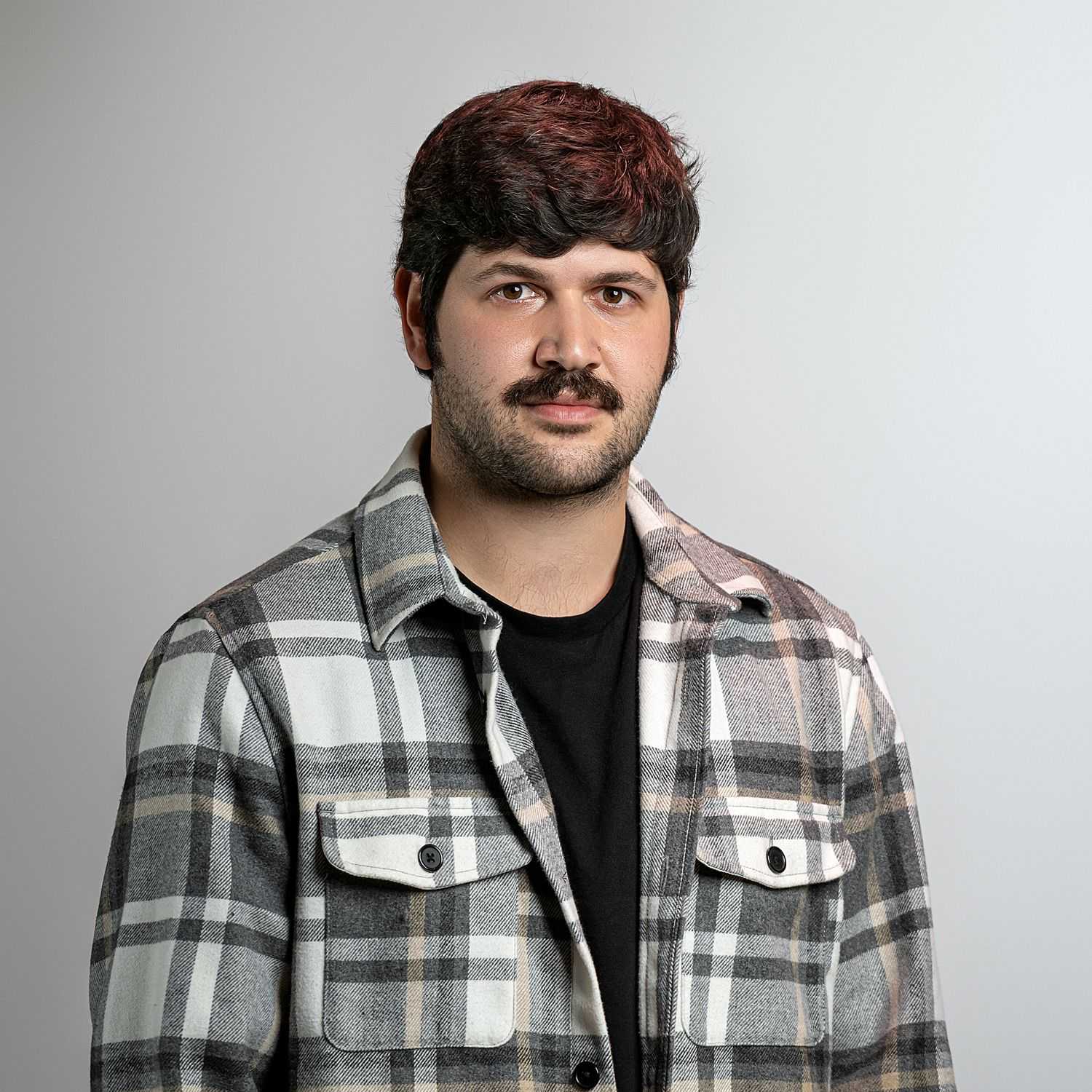
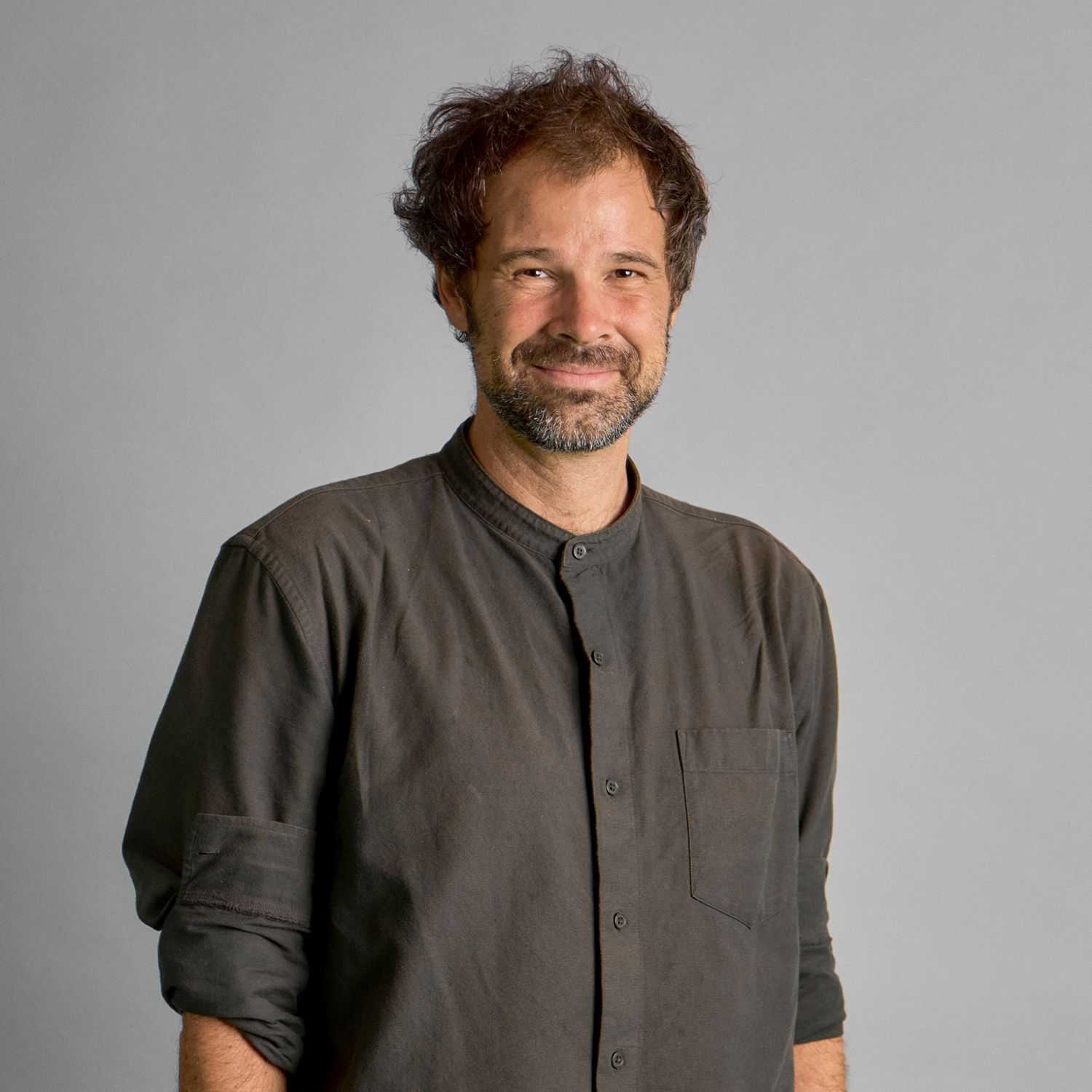
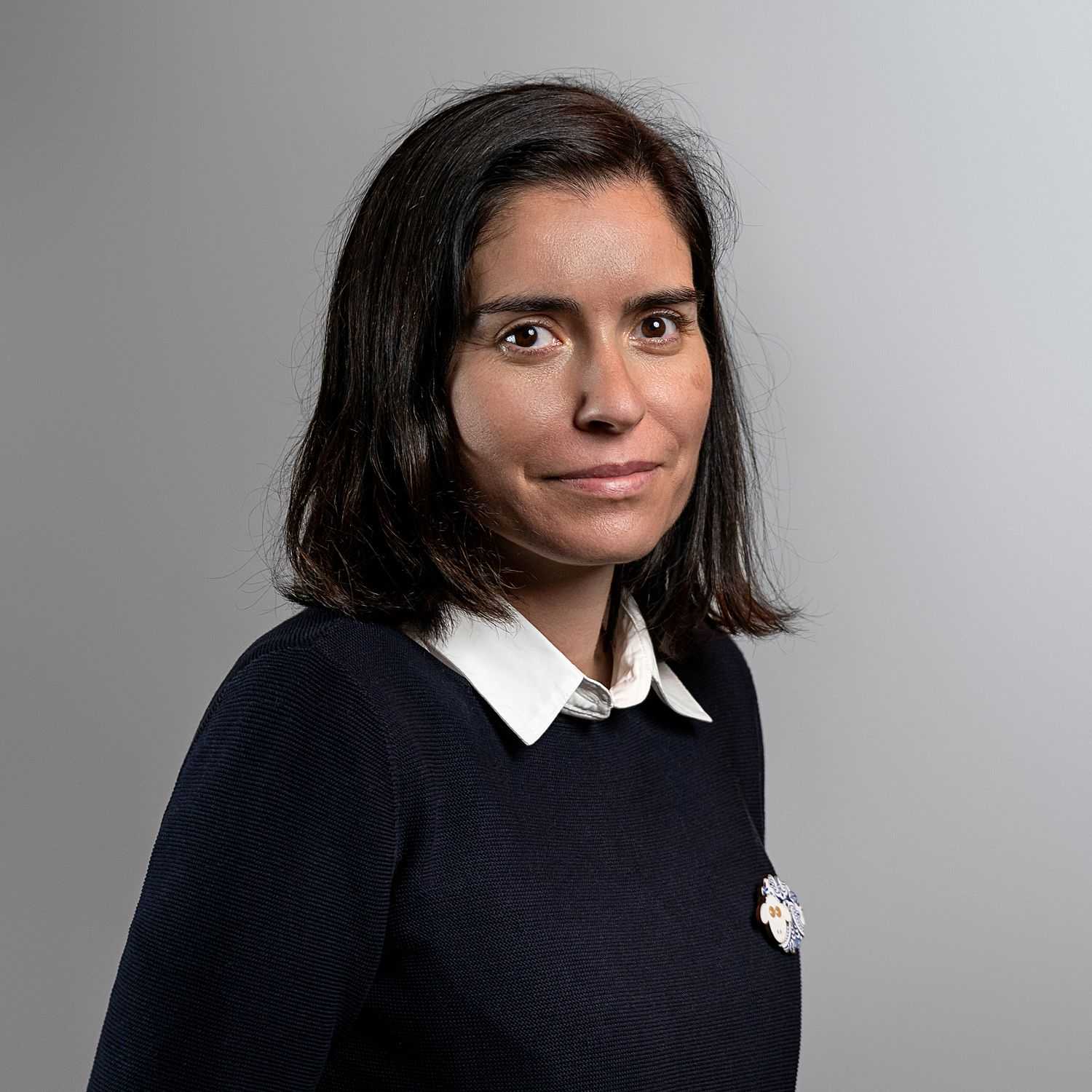
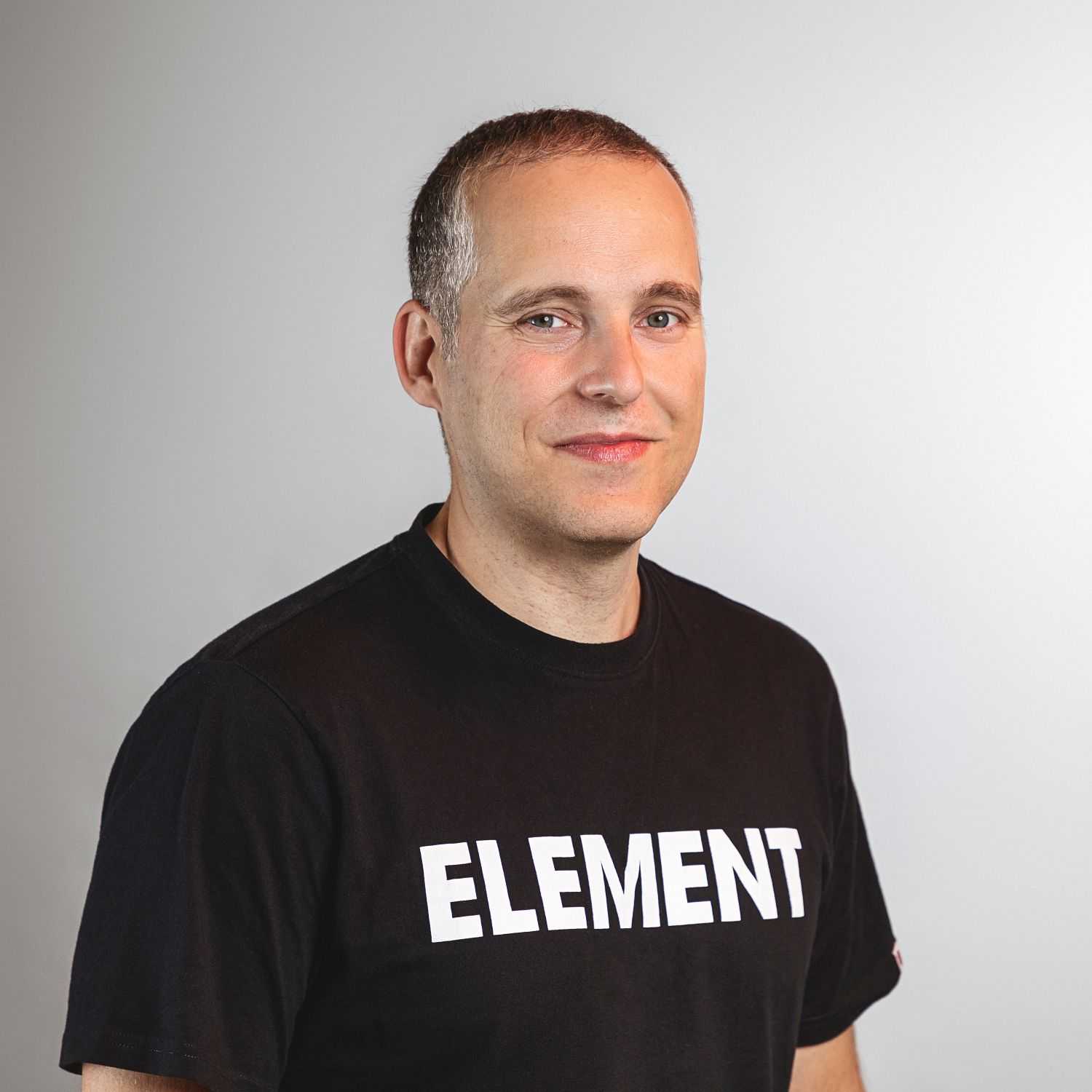
Julián García Fernández serves as a Visiting Professor at the University of Santiago de Compostela, based in Laboratory S2. His contact details include email: julian.garcia.fernandez2@usc.es and phone: +34 881816392. His primary research interests include: Semiconductor Physics Machine Learning Solid-State Physics Microelectronics Device Physics Computational Physics Dr. García Fernández's recent work demonstrates a focus on applying machine learning to semiconductor device simulation (TCAD) and thermal management. He has developed tools such as MLFoMpy for post-processing semiconductor data and novel workflows for optimizing cooling devices using solid-state physics principles. His research addresses challenges in ultra-scaled transistor technologies and device fluctuations, bridging computational methods with experimental physics. He is affiliated with Laboratory S2 at the University of Santiago de Compostela, which supports advanced research in semiconductor technologies and device physics through interdisciplinary collaboration.
David Ryan Glowacki is a cross-disciplinary Research Professor at Universidad de Santiago de Compostela, specializing in the intersection of virtual reality, molecular dynamics, and computational chemistry. He is the founder of the Intangible Realities Laboratory (IRL), a research group working at the immersive frontiers of scientific, aesthetic, computational, and technological practice. His educational background includes a B.A. from the University of Pennsylvania (2003), an M.A. in cultural theory from Manchester University (2004), and a Ph.D. in molecular physics from Leeds University (2008). His diverse academic training spans chemistry, mathematics, philosophy, comparative literature, and religions, reflecting his interdisciplinary approach. Glowacki's research focuses on interactive virtual reality applications for scientific simulation and visualization, particularly in molecular dynamics and drug discovery. He has pioneered the development of interactive molecular dynamics in virtual reality (iMD-VR) as a tool for flexible substrate and inhibitor docking, reaction network exploration, and computational drug design. His work bridges computer science, nanoscience, aesthetics, and cultural theory, creating innovative approaches to scientific problems. An analysis of his recent publications reveals a strong trend toward applying virtual reality technologies to solve complex problems in computational chemistry and drug discovery. His work on iMD-VR has been particularly influential, demonstrating how immersive technologies can enhance molecular modeling, protein-ligand binding studies, and educational approaches in chemistry. He has made significant contributions to understanding reaction networks, SARS-CoV-2 protease inhibition, and the application of machine learning to molecular systems. Royal Society Research Fellowship Philip Leverhulme award ERC grant SIG-CHI best paper award Glowacki has secured substantial research funding through prestigious grants including an ERC grant and Royal Society Fellowship, enabling his innovative work at the intersection of science and technology. His Narupa framework provides an open-source, multi-person VR environment that has been applied across multiple research domains. While specific student advising isn't detailed in the provided information, his educational publications suggest active engagement in teaching computational chemistry through innovative VR approaches. As founder of the Intangible Realities Laboratory, Glowacki leads a team exploring how immersive technologies can transform scientific practice. The lab's work spans from fundamental molecular dynamics research to applications in drug discovery and mental health, demonstrating the broad impact potential of interactive VR technologies. Their citizen science approach to distributed VR experiments represents a novel methodology for conducting large-scale psychological research.
Manuel Mucientes Molina is a Full Professor at the Research Center on Intelligent Technologies (CiTIUS) within the University of Santiago de Compostela . His research focuses on Artificial Intelligence , particularly in Computer Vision and Machine Learning , with applications in object detection, process mining, and healthcare diagnostics. Research Areas : Machine learning, Computer vision, Process mining, Deep learning, AI for healthcare. Projects : Protonterap-IA (2025), AZOR (2024), RAI4P (2021), eXplica-IA (2018), DronePlan (2014), SoftLearn (2012). Publications highlight advancements in few-shot object detection, small object tracking, and AI-driven conformance checking. Notable collaborations include work on X-ray vision systems and medical mask detection in operating rooms. Awards : Best Student Paper Nomination (2015), Runner-up best industry-oriented paper award (2008). Teaching includes courses on Statistical Learning, Deep Learning, and Automata Theory at the M.Sc. and B.Sc. levels.
Natalia Seoane Iglesias serves as an Associate Professor in the Department of Applied Physics at the University of Santiago de Compostela's College of Physics. Her research integrates semiconductor device physics with high-performance computing to address challenges in next-generation electronics and energy conversion systems. B.Sc. in Physics, University of Santiago de Compostela (Spain) Ph.D. in Physics, University of Santiago de Compostela (2007) Postdoctoral research: University of Glasgow (2007-09), University of Edinburgh (2011), Swansea University (2013-15) Her research focuses on semiconductor device simulation , nanoscale variability analysis , and laser power conversion systems . She develops advanced computational tools combining 3D finite-element modeling with machine learning techniques to optimize device performance. Current projects target ultra-high efficiency (>80%) SiC-based laser converters for space applications and statistical variability studies in sub-10nm transistor architectures. Her publication portfolio reveals strong trends in machine learning-enhanced TCAD and high-concentration photovoltaics . Recent work demonstrates how vertical epitaxial heterostructures with SiC/GaN materials can overcome traditional efficiency barriers in wireless power transfer systems, while her nanoscale variability studies provide critical insights for future CMOS scaling. Key scientific contributions include: Development of MLFoMpy for semiconductor data post-processing Novel Pelgrom-based predictive models for device variability Breakthrough laser power converter architectures exceeding 80% efficiency Comprehensive studies of metal grain effects in nanosheet FETs She leads the rePowerSiC project (2024-2028) developing space-qualified laser power systems and contributes to multiple EU-funded initiatives in high-performance computing. Her team employs advanced simulation frameworks including VENDES and Silvaco Atlas for device characterization, with applications ranging from satellite power systems to refinery monitoring drones.
Juan Carlos Vidal Aguiar serves as an Associate Professor in the Department of Electronics and Computer Science at the University of Santiago de Compostela, Spain. With extensive experience in academic research and teaching, he has established himself as a prominent figure in process mining and business intelligence applications. His work bridges theoretical computer science with practical implementations across healthcare and educational domains. Dr. Vidal Aguiar earned his Bachelor Engineering degree in Computer Science from the University of La Coruña in 2000, followed by several years working as a senior IT consultant. He completed his PhD at the University of Santiago de Compostela in 2010, where he has remained as faculty since. His academic journey reflects a trajectory from foundational computer science toward specialized applications in process analytics. His research interests focus on knowledge discovery, semantic annotation, semantic modeling of workflows and services, and the application of artificial intelligence for business intelligence . Recent work demonstrates significant evolution toward healthcare applications, particularly in cardiac rehabilitation and glucose monitoring, while maintaining strong foundations in process mining techniques. His publications reveal a clear progression from theoretical workflow modeling to practical AI-driven business process solutions with real-world impact. Analysis of his publication trends shows increasing specialization in predictive process monitoring with deep learning approaches, particularly evident in his 2023-2025 work. His research spans both theoretical contributions in kernel methods and biclustering algorithms, and practical implementations like the VERONA Python library for benchmarking. The interdisciplinary nature of his work is particularly notable in healthcare applications where process mining techniques are adapted for medical contexts. Dr. Vidal Aguiar leads multiple significant research initiatives including Predictive monitoring and causality for cardiac rehabilitation, Responsible AI for Process Mining 2.0, GAMification techniques for entrepreneurial teacher development, and Soft computing for gamification analytics in cardiac rehabilitation . These projects demonstrate his ability to secure research funding across diverse domains while maintaining a cohesive research vision centered on process analytics. His research ecosystem includes collaborations with numerous colleagues including Manuel Lama, Pedro Gamallo-Fernandez, and Marcos Matabuena across various projects. The SoftLearn platform represents one of his notable contributions to educational technology, applying soft computing techniques to process mining in e-learning contexts. His work consistently bridges academic research with practical implementations that address real organizational challenges.
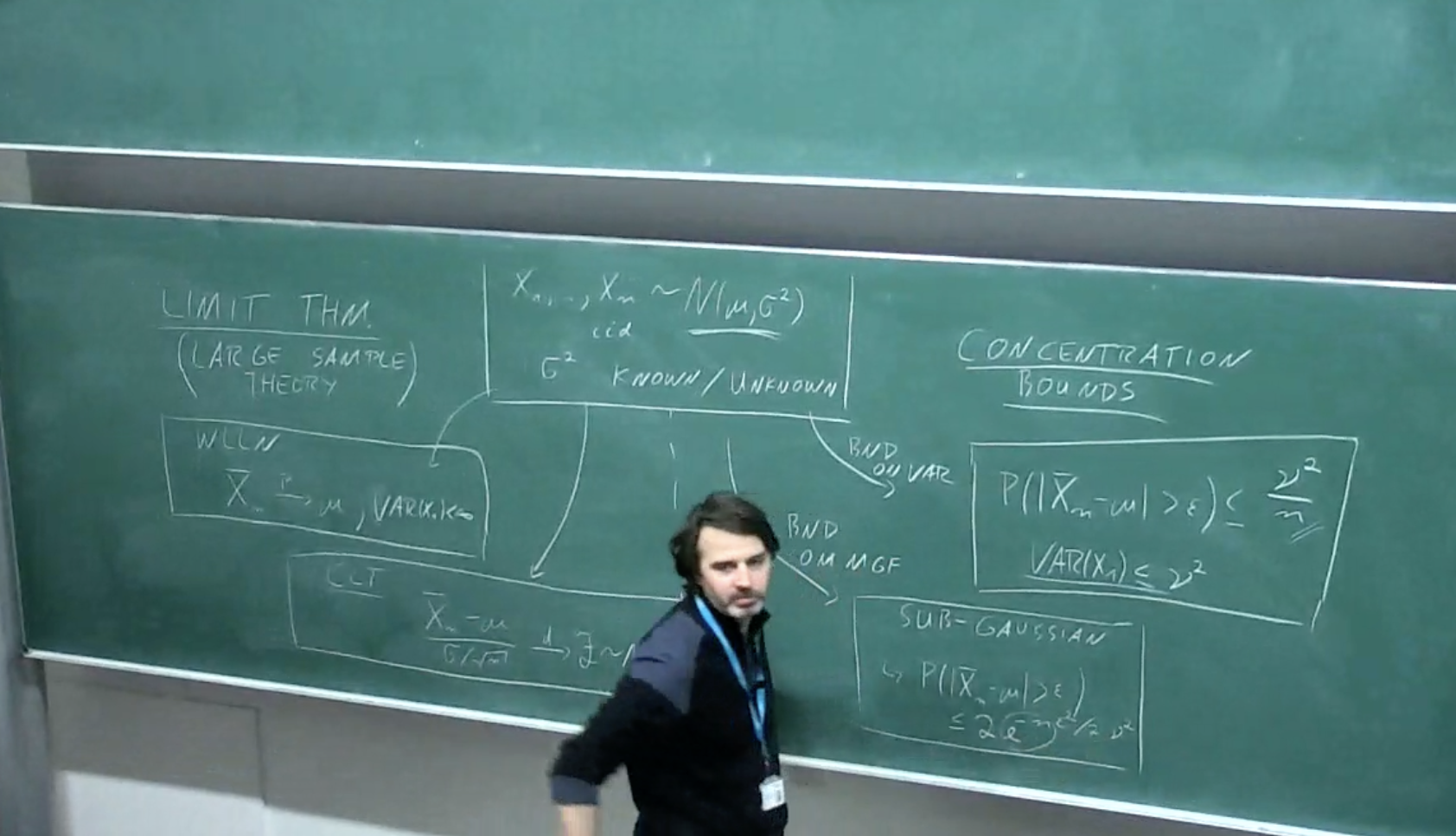
Gábor Lugosi is an ICREA Research Professor affiliated with the Department of Economics and Business at Universitat Pompeu Fabra (UPF) in Barcelona. He earned his PhD in Electrical Engineering from the Hungarian Academy of Sciences in 1991 and has been at UPF since 1996. Education: PhD in Electrical Engineering (Hungarian Academy of Sciences, 1991) His research focuses on statistical learning theory , probability , nonparametric statistics , and learning in games . These areas intersect machine learning, game theory, and mathematical statistics, emphasizing theoretical foundations and algorithmic approaches. While specific scientific awards are not listed, his ICREA Research Professor designation highlights his esteemed status in academia. He contributes to education through courses, seminars, and advising, though no student names are provided. His work spans theoretical exploration in learning algorithms and probabilistic models, with ongoing grants and collaborations at UPF’s Jaume I Building on Ciutadella Campus.
Dr. Steffen Grünewälder is an Associate Professor in the School of Mathematics at the University of York. His work focuses on intersectional research areas connecting statistics, machine learning, and data science. Research Interests Statistics and probabilistic modeling Machine learning theory and applications Data science ethics (algorithmic fairness) Neural computation Recent Activities 2024: Talk at Laboratoire Paul Painlevé, Université de Lille 2023: Talks at ENSAE Paris, University of Edinburgh, and Laboratoire de mathématiques d’Orsay 2022: Presentations at INRIA Paris and USI Lugano 2021-2020: Participation in workshops at University of Washington, UC Berkeley, Fields Institute, and Machine Learning Tokyo
Marta Sestelo Perez is a Professor in the Department of Statistics and Operations Research at the Faculty of Economic and Business Sciences, University of Vigo, Spain. She holds a full-time academic position and is affiliated with the SiDOR research group (Statistical Inference, Decision and Operations Research) and CITMAga research center (Centro de Investigación, Transferencia y Madurez Tecnológica de Galicia). Her research interests include: Statistics Operations Research Machine Learning Data Science Regression Analysis Survival Analysis Dr. Sestelo has maintained a robust teaching career across multiple Spanish institutions, including the University of Vigo (2014-present), Autonomous University of Barcelona (2013-14), and University of Santiago de Compostela (2007-09). She has delivered specialized courses for industry including Survival Analysis for BBVA Data & Analytics (2017), Machine Learning for GDG DevFest Galicia (2018), and cybersecurity-related data science workshops for Gradiant. She earned her PhD from the University of Vigo in 2013 with the thesis "Development and computational implementation of estimation and inference methods in flexible regression models applications in Biology, Engineering and Environment" under the supervision of Dr. Javier Roca Pardiñas. Her expertise spans both theoretical statistical methods and practical applications across diverse domains. Dr. Sestelo actively contributes to the data science community through workshops on R programming and package development, demonstrating her commitment to knowledge transfer and technical skill development among students and professionals.
Maria Araujo Fernandez is a Full Professor in the Department of Natural Resources and Environmental Engineering at the School of Mines Engineering, University of Vigo. Her research focuses on mining engineering, natural resources optimization, and environmental sustainability, with a particular emphasis on applying machine learning and statistical techniques to materials science in industrial contexts. She earned her PhD from the University of Vigo in 2010 with a thesis titled 'Design of a quality index for ornamental slate blocks based on statistical and machine learning techniques.' Dr. Araujo is affiliated with the GESSMin research group (Safe and Sustainable Mineral Resources Management) and the Research Center in Technologies, Energy, and Industrial Processes. Her academic work spans the intersection of mining engineering, environmental protection, and advanced data analysis methods.
Fernando María Garcia Bastante is a Full Professor at the University of Vigo, affiliated with the College of Mining Engineering and Department of Natural Resources and Environmental Engineering. His research focuses on mining engineering, rock mechanics, environmental impact assessment, and slope stability analysis. He has developed empirical models for blasting operations and collaborated on sustainable mineral resource management projects. His recent publications highlight advancements in granite strength analysis, blast-induced damage prediction, and AI applications for mining safety. These works span disciplines such as mining technology, computational modeling, and geospatial analysis. Specific subfields include detonation physics, rock fracture mechanics, and environmental compatibility of mining operations. Professor Garcia Bastante has contributed to quarry safety design, slope stability, and resource evaluation using statistical methods. He leads the GESSMin research group on Safe and Sustainable Management of Mineral Resources and has been involved with the Center for Industrial Process, Energy, and Technology Research (CIETI) at the Vigo campus.
Jose Maria Matias Fernandez is a Full Professor in the Department of Statistics and Operations Research at the School of Industrial Engineering, Universidade de Vigo. His research spans machine learning, structured deformations in continuum mechanics, wind energy modeling, and mineral resource management. Doctorate from University of Santiago de Compostela (2003): Thesis on neural networks for regression/classification His work focuses on global relaxation methods for hierarchical structured deformations, asymptotic analysis of thin structures, and applications of machine learning to environmental and industrial problems. Recent publications (2023-2025) emphasize multiscale geometrical modeling and energy minimization in material science. He has contributed to interdisciplinary fields including: Wind power density estimation using support vector machines Heavy metal adsorption modeling in soils 3D laser scanning applications for slate/wood-pulp characterization Bayesian networks for risk assessment in mining and transportation His research group GESSMin specializes in sustainable mineral resource management. Key collaborations involve electrical engineering problems (e.g., plug-in vehicles' impact on grids) and astrophysical studies of planetary nebulae.
Javier Martinez Torres is a Full-Time Professor in the Department of Applied Mathematics I at the School of Industrial Engineering , University of Vigo. His work bridges machine learning, applied mathematics, and functional data analysis across diverse domains. Education : PhD from University of Vigo (2011) with thesis on slate plate classification using computer vision and machine learning. Research Interests focus on: Machine learning applications in industrial engineering and healthcare Multi-criteria decision-making for sustainable urban planning Functional data analysis for environmental monitoring AI-driven optimization of thermal and mechanical systems Recent publications highlight his interdisciplinary approach, combining machine learning with operations research for pedestrian modeling, grey MCDM in urban development, and LSTM networks for solar energy systems. His work spans public health (SARS-CoV-2 pooling strategies) and digital humanities (AI for document heritage management). He collaborates with the Center for Research in Technologies, Energy, and Industrial Processes at the Vigo campus.
Dr. Raquel Caro Carretero is an Associate Professor at the School of Engineering (ICAI) of Comillas Pontifical University in Madrid. With 26 years of teaching experience , she chairs the Disasters Chair at Comillas and contributes to research in Statistics, Migration, Big Data, Space Sciences , and Sustainable Development Goals (SDGs) . Her work bridges industrial organization with social vulnerability and environmental risk assessment . Education: PhD in Economics and Business Administration (Comillas Pontifical University) Additional Training: Actuarial Sciences Degree (Universidad Complutense de Madrid); Pedagogical Accreditation Certificate Research Highlights: Her publications focus on multivariate statistical analysis for engineering and AI applications in disaster modeling, with recent work on wildfire risk monitoring and microplastics in salt production . She has led strategic partnerships under Erasmus+ and contributed to Martian atmospheric studies via the Meiga-MetNet research group. Scientific Awards: Award for 2006 Best Research in Corporate Social Responsibility Grants & Projects: Collaborated on European Human Rights Agency-funded research, led projects like Martian Data Analysis (ESP2016-79135-R), and participated in climate migration studies. Her work aligns with disaster resilience , climate policy , and smart city initiatives .
Camino Gonzalez Fernandez is a Professor at the Polytechnic University of Madrid, affiliated with the Department of Organizational Engineering, Business Administration and Statistics in the School of Industrial Engineering. She serves as Deputy Vice-Chancellor (since 2025) and is an active member of the Computational Statistics and Stochastic Modeling research group and the University Institute of Automotive Research (INSIA). Her research expertise includes Applied Statistics, Machine Learning, and Stochastic Simulation, with applications in Traffic Safety, Nuclear Safety, and Healthcare Analytics. She specializes in uncertainty propagation, multivariate analysis, and prediction methods for engineering systems such as electricity markets and accident studies. She has directed three doctoral theses and secured funding through 5 lead projects and 26 participations, resulting in 27 research articles (22 in JCR journals), 4 books, and 24 technical documents. Her work has fostered 13 collaboration agreements with industry and public bodies including Iberdrola and the General Directorate of Traffic.
Dr. Gonzalo Rubio Calzado is a Associate Professor at the Department of Applied Mathematics to Aerospace Engineering , part of the Universidad Politécnica de Madrid (UPM) . He is affiliated with the Research Group: Numerical Methods and Applications to Aerospace Technology and the Center for Research in Computational Simulation (CCS) at UPM. Bachelor's in Aeronautic Engineering (UPM, 2009) Master's in Aerospace Engineering (UPM, 2011) PhD in Aerospace Engineering (UPM, 2015) His research spans fluid dynamics, high-order numerical methods, and machine learning applications in CFD, with over 50 publications and an h-index of 15 (last 5 years). He focuses on: Discontinuous Galerkin (DG) methods Error estimation and hp-adaptation Turbulence modeling and LES Machine learning for flow simulations Multiphase flow analysis Industrial applications (aeronautics, energy systems) Recent publications emphasize machine learning integration with high-order DG solvers, turbulence modeling, and optimization techniques. His work includes collaborations with companies like REPSOL and AIRBUS, as well as national and European projects (SIMOPAIR, DeepCFD, HERFUSE, ROSAS). Scientific awards include the Extraordinary PhD Award (2015). He is the lead developer of the open-source HORSES3D high-order CFD project and contributes to energy measurement patents for building efficiency.