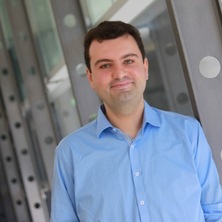
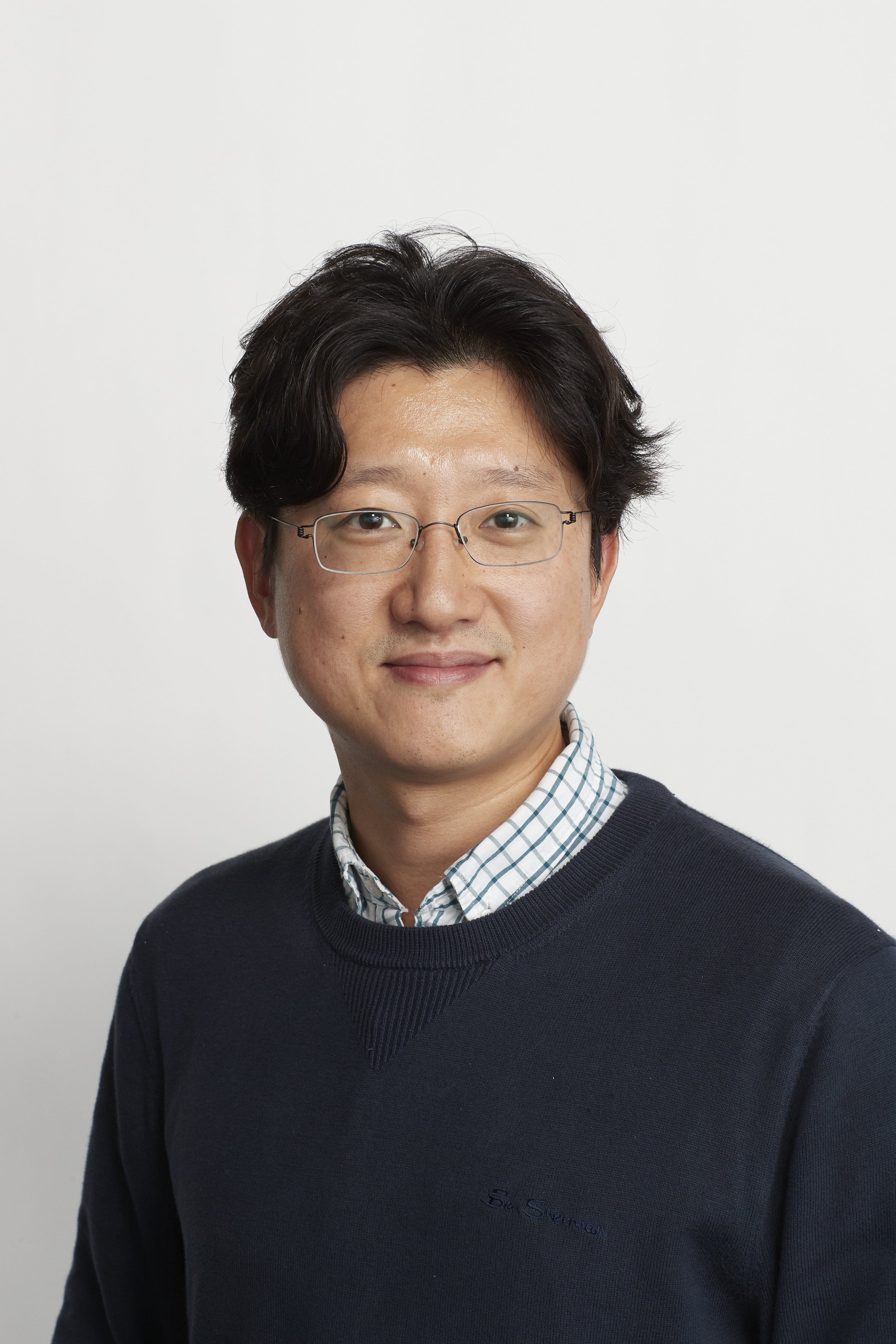
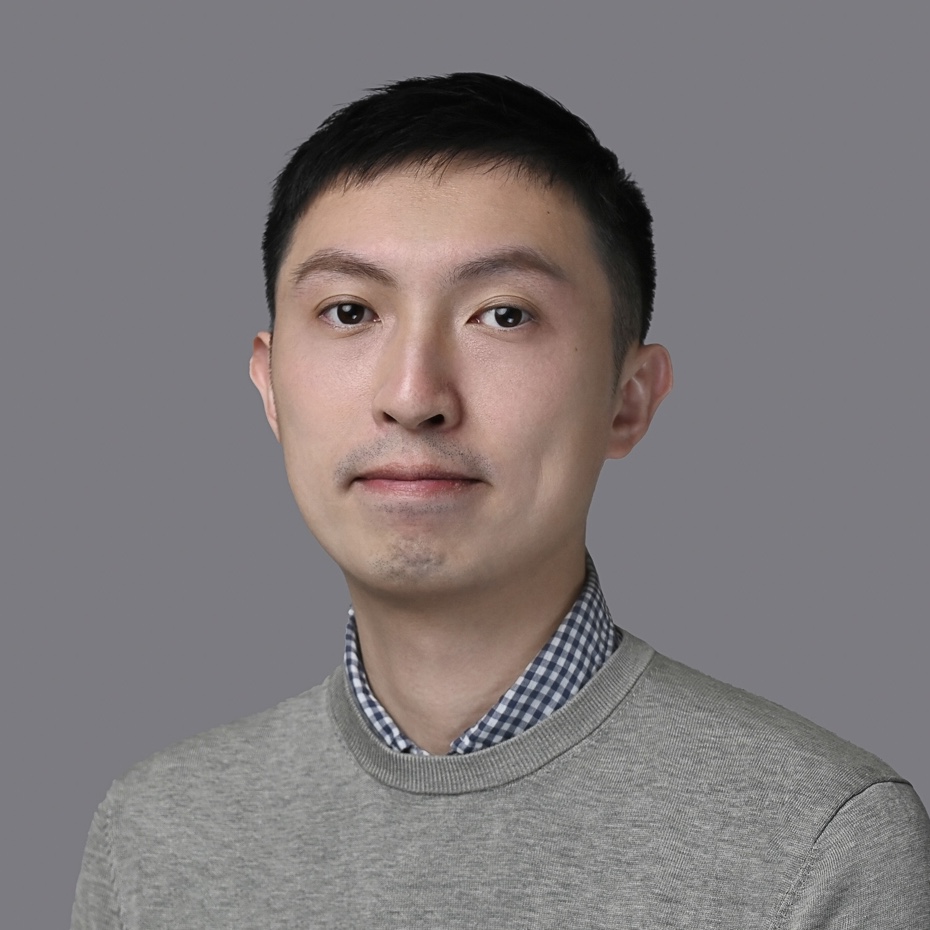
Dr. Mohamad Khaled is a Senior Lecturer in the School of Economics at The University of Queensland (UQ), affiliated with the Centre for Efficiency and Productivity Analysis within the Faculty of Business, Economics and Law. His research focuses on Applied Health Economics , Health Econometrics , and broader Econometrics methodologies. He specializes in analyzing health inequality, socioeconomic determinants of health, and statistical modeling techniques for economic data. His work addresses critical issues such as child malnutrition, health concentration curves, and income-related health disparities. Dr. Khaled has contributed to peer-reviewed journals including European Journal of Health Economics , Journal of Business and Economic Statistics , and Health Economics . His methodologies often involve advanced econometric frameworks and Bayesian approaches. He holds an academic position in a leading economics department and collaborates with institutions like Edward Elgar Publishing. His research emphasizes bridging theoretical econometric models with real-world health policy applications.
Dr. John Shepherd is an Associate Professor in the School of Science at RMIT University, specializing in applied mathematics, numerical and computational mathematics, and their applications in engineering and environmental systems. His research focuses on analyzing nonlinear problems, particularly in bioreactor dynamics, fluid mechanics, and nuclear energy policy. He has contributed to studies on anaerobic digestion models, reactor stability, and the role of nuclear energy in climate change mitigation. Education: Doctorate in Applied Mathematics (not explicitly stated in text, inferred from title). His work bridges theoretical analysis and real-world applications, such as optimizing methane production in waste digesters and evaluating environmental policies for nuclear energy. He actively supervises research projects, including the analysis of anaerobic digester dynamics. Dr. Shepherd’s publications span interdisciplinary topics, emphasizing the intersection of mathematics, engineering, and environmental science. He engages with policy discussions on nuclear energy’s role in decarbonization, advocating for its integration into clean energy strategies. His research highlights the importance of multiscale analysis in understanding complex systems like bioreactors and fluid flows. Collaborations involve industry and international institutions, reflecting his commitment to practical solutions for sustainability challenges.
Tao Zou is an Associate Professor at the Research School of Finance, Actuarial Studies and Statistics, Australian National University. His research spans covariance regression modeling, network data analysis, and applications in financial and environmental statistics. He earned a Ph.D. in Statistics in 2016. Ph.D. in Statistics, 2016 Dr. Zou’s work pioneers covariance regression, where covariances are modeled as functions of covariiates. Key contributions include robust estimation techniques, spatio-temporal modeling, missing data imputation via semi-supervised learning, and distributed data aggregation. His methods address challenges in high-dimensional and non-Euclidean data analysis. Recent publications (2025–2023) explore quasi-score matching for spatial autoregressive models, regularization in network regression, functional principal component analysis for complex data, and environmental applications like PM2.5 pollution studies. These works emphasize robustness, scalability, and interdisciplinary relevance in economics, finance, and environmental science. Dr. Zou collaborates on projects like the 2023 Data Analysis App to Empower Assessment of Immunogenicity of Biologics (Co-Investigator). While his student supervision list isn’t explicitly provided, his methodological advancements influence big data and spatial statistics. He contributes to open-access software and continues expanding covariance regression for non-normal and functional data.
Andrew Zammit Mangion is an Associate Professor at the University of Wollongong , affiliated with the School of Mathematics and Applied Statistics . His research focuses on spatio-temporal statistics, computational methods, and environmental informatics, with applications in climate science and geospatial data analysis. Education : PhD in Statistics (University of Sheffield, 2012), B.Eng. (University of Malta, 2007) Research Themes : Spatio-temporal modeling, Bayesian inversion frameworks (e.g., WOMBAT v2.S), deep learning integration, and statistical software development (e.g., FRK package) Grants & Projects : ARC DECRA Fellow (2018), Chief Investigator on ARC Discovery Project (greenhouse gases), ARC Special Research Initiative (Securing Antarctica's Environmental Future), and ARC Industrial Transformation Hub (TIDE). Collaborations : University of Bristol, University of Edinburgh, ESA CCI, NASA OCO-2 data projects Scientific Awards include the prestigious Australian Research Council Discovery Early Career Researcher Award (DECRA). His work spans Antarctic ice sheet analysis, CO2 flux inversion, and scalable spatial statistical models for environmental monitoring.
Dr. Thomas Parkinson is a Lecturer at The University of Sydney and Deputy Director of the IEQ Lab within the School of Architecture, Design and Planning. His research focuses on high-performance buildings, indoor environmental quality (IEQ), and human thermal physiology. He holds a PhD in Architectural Science from The University of Sydney and has led technical development of the SAMBA IEQ Monitoring System. He previously worked at the Center for the Built Environment at UC Berkeley. Education: BEnvMgt, BSc(Hons1), PhD in Architectural Science (University of Sydney). Research interests include thermal comfort dynamics, sensor technology for built environments, and adaptive comfort models. Key contributions include the ASHRAE Global Thermal Comfort Database II and studies on workplace dissatisfaction in 600 office buildings. Awards: 2022 Ralph G. Nevins Award (ASHRAE) for thermal comfort research, 2018 Best Paper Award (Building and Environment). He reviews for journals like Building and Environment and serves on ASHRAE Technical Committees. Teaching: Courses include BADP1001 Empirical Thinking and DESC9067 Mechanical Services. Current advisee: Sepideh Borghei (PhD project on indoor greenery's impact). Affiliations: Lawrence Berkeley National Laboratory, UC Berkeley's Center for the Built Environment. Active in ASHRAE committees and professional networks.
Andrea Collevecchio is a Professor in the School of Mathematics at Monash University, Australia, where he has been a faculty member since 2012. His research focuses on the intersection of Probability, Mathematical Physics, and Statistical Mechanics, with particular expertise in stochastic processes and theoretical modeling. He earned his PhD in Statistics from Purdue University in 2004, followed by postdoctoral positions in Italy and Germany. In 2006, he became Assistant Professor at Ca’Foscari University in Venice before joining Monash University. Collevecchio specializes in Reinforced Processes and Large Deviations, investigating complex systems through random walk models. His work bridges abstract probability theory with applications in statistical mechanics, examining phenomena like memory effects in stochastic processes and phase transitions in lattice systems. Recent research emphasizes hypercube structures, non-reversible dynamics, and reinforcement mechanisms. His 2021-2025 publications reveal a concentrated focus on hypercube random walks, with increasing exploration of non-reversible processes, vertex-reinforced dynamics, and bootstrap methods. These works consistently apply probabilistic frameworks to problems in mathematical physics, demonstrating strong connections between theoretical probability and physical modeling. Collevecchio has secured multiple research grants including ARC-funded projects on self-interacting random walks (2023-2026) and random walks with long memory (2018-2022). He contributes to interdisciplinary initiatives like the Smart Vehicles project for dementia support (2025-2027) and actively organizes academic events including the AIM Day series connecting mathematics, AI, and industry applications.
Ruben Loaiza-Maya is an Associate Professor (Research) in the Department of Econometrics and Business Statistics at Monash University. He holds a PhD in Econometrics from the University of Melbourne and an undergraduate degree in Economics from Universidad Nacional de Colombia (Medellin). His research focuses on Copula Modelling, Bayesian Estimation Methods, Time Series Analysis, and Macroeconomic/Financial Forecasting. Key contributions include advancements in variational inference, state space models, and robust forecasting techniques under model misspecification. He leads the active project 'Variational Inference for Intractable and Misspecified State Space Models' (2023–2026), funded as a Primary Chief Investigator. His work contributes to UN Sustainable Development Goals through methodological advancements in economic and financial analysis. Recent research emphasizes scalable Bayesian methods, hybrid variational approaches, and efficient computational techniques for high-dimensional models. Publications span prestigious journals like the International Journal of Forecasting, Journal of Econometrics, and Journal of Business and Economic Statistics. Notable collaborations include studies on copula-based time series forecasting and robust approximate Bayesian computation. His work bridges theoretical econometrics with practical applications in risk management and macroeconomic policy.
Associate Professor Seojeong Jay Lee is a faculty member at the UNSW Business School , specializing in Econometrics and Statistical Methods . Joining the University of New South Wales (UNSW) in 2012 after completing a PhD at the University of Wisconsin-Madison, they focus on developing robust statistical tools for economic models where traditional experimental controls are impractical. Research Interests Generalized Method of Moments (GMM) Instrumental Variables (IV) and Two-Stage Least Squares (2SLS) Robust inference under model misspecification Handling invalid/many/weak instruments in econometrics Heterogeneous treatment effects and clustered sampling analysis Grants & Funding Australian Research Council (ARC) Discovery Project DP210101440 (AUD 336,939), 2021-2023 Health@Business UNSW Grant (AUD 3,500), 2020 ARC Discovery Early Career Researcher Award (DECRA) DE170100787 (AUD 331,000), 2017-2019 UNSW Business School Special Research Grant (AUD 17,699), 2013-2014 Awards & Recognition Zellner Thesis Award (Honorable Mention), American Statistical Association, 2014 Non-Professorial Research Achievement Award, UNSW Business School, 2017 Academic Leadership Currently supervising PhD candidates Wei Tian and Fangzhou Yu in econometric theory and applications.
Associate Professor Seojeong Lee is a faculty member at the University of New South Wales (UNSW) Business School, School of Economics, specializing in advanced econometric theory. She joined UNSW in 2012 after completing her PhD at the University of Wisconsin-Madison and has established herself as a leading researcher in robust inference methods under complex data conditions. Her educational background includes: Ph.D. in Economics, University of Wisconsin-Madison (2008-2012) M.A. in Economics, Seoul National University (2006-2008) B.A. in Economics and Political Science (dual major), Seoul National University, summa cum laude (2000-2006, with military service 2002-2004) Professor Lee's research centers on developing theoretically rigorous methods for econometric inference, with primary focus on generalized method of moments (GMM), instrumental variables (IV), and two-stage least squares (2SLS) under model misspecification. Her work addresses critical challenges including invalid/many/weak instruments, heterogeneous treatment effects, and clustered sampling, contributing foundational advances to statistical inference in economics. Analysis of her recent publications reveals a strong trajectory in refining methods for many-instrument settings and misspecified models, with increasing emphasis on computational implementations (e.g., Stata packages) and applications to causal inference. Her work bridges theoretical econometrics with practical policy-relevant analysis. Her scientific achievements include: Australian Research Council DECRA Fellowship (2017-2019) UNSW Dean's Research Fellowship (2020-2022) Zellner Thesis Award Honorable Mention from American Statistical Association (2014) Multiple competitive UNSW research awards Professor Lee actively supervises PhD candidates Wei Tian and Fangzhou Yu, and has secured over AUD 700,000 in research funding including ARC Discovery Projects. She teaches undergraduate and postgraduate econometrics courses, integrating her research into pedagogy. Her ongoing work continues to push boundaries in robust econometric methodology for modern data challenges.
Xiaotian Zheng is an Assistant Professor of Statistics at the University of Georgia. Previously, they were a Postdoctoral Research Fellow with the Australian Research Council Special Research Initiative Securing Antarctica's Environmental Future at the University of Wollongong, working under Professor Noel Cressie and Associate Professor Andrew Zammit-Mangion. They earned their Ph.D. in Statistical Science from the University of California, Santa Cruz, advised by Professors Athanasios Kottas and Bruno Sansó. Their research focuses on developing statistical and machine learning methods for analyzing complex, dependent data, particularly in ecological and environmental contexts. Key areas include spatial/spatio-temporal statistics, probabilistic downscaling, data integration, transfer learning, and statistical deep learning. Xiaotian's publications reflect their work on mixture transition distribution models, nearest-neighbor mixture models, and geostatistical frameworks for discrete-valued processes. These contributions emphasize Bayesian inference, computational efficiency, and real-world applications in environmental science and biodiversity modeling.
Professor Matthew Simpson is a leading figure in applied mathematics at the School of Mathematical Sciences, Faculty of Science, Queensland University of Technology (QUT). He holds the position of Professor of Applied Mathematics and is an Australian Research Council (ARC) Future Fellow, reflecting his sustained research excellence. His work bridges mathematical theory and biological applications, particularly in cell migration, tissue invasion, and multiscale modeling. BE (Environmental) Honours 1, University of Newcastle (1995–1998) PhD (with Distinction), Environmental Engineering, University of Western Australia (2000–2003) Research Fellow, Department of Mathematics and Statistics, University of Melbourne (2003–2006) ARC Postdoctoral Fellow, University of Melbourne (2006–2009) Lecturer (2010–2011) and Senior Lecturer (2011–2013), QUT Associate Professor (2013–2014), QUT Professor and ARC Future Fellow (2014–present), QUT Matthew Simpson’s research focuses on mathematical and computational modeling of biological systems , particularly collective cell motion, diffusion processes, and reaction-diffusion dynamics. His interests span multiscale modeling , random walk processes , cell biology , and numerical and computational mathematics . He develops and analyzes models to understand phenomena such as wound healing, cancer progression, and tissue engineering. His recent publications (2023–2025) demonstrate a strong trend toward integrating data-driven modeling , likelihood-based inference , and equation learning with traditional mechanistic models. These works emphasize parameter identifiability , uncertainty quantification , and prediction robustness in biological contexts. Themes include sharp-fronted wave propagation, mechanical cell interactions, tumor spheroid formation, and generalized diffusivity in food drying, showcasing the breadth and depth of his modeling expertise. Among his key accolades are: J.H. Michell Medal (2012) – Awarded by ANZIAM for distinguished research by an early-career applied mathematician in Australia and New Zealand. ARC Future Fellowship (2013–2017) – For the project 'New data-driven mathematical models of collective cell motion' (FT130100148). Professor Simpson has also played significant editorial and leadership roles, including: Executive Associate Editor, Journal of Engineering Mathematics Academic Editor, PLoS ONE Editorial Board Member, ANZIAM Journal Co-chair of the 2015 ANZIAM meeting He has supervised PhD students on topics such as moving boundary problems, first-passage times, stochastic simulations, and curvature-dependent growth in biological systems. His research projects have been funded by competitive Australian grants (ARC DP and FT schemes), including studies on 3D cell migration, ghrelin’s role in cell invasion, and epithelial-to-mesenchymal transition in cancer and wound healing. He is actively involved in developing computational tools for biological modeling and promoting best practices in scientific publishing.
Howard Bondell is a Professor of Statistical Data Science at the School of Mathematics and Statistics, University of Melbourne, since 2018. He serves as Head of School since 2021, Co-Director of the Melbourne Centre for Data Science, and holds an ARC Future Fellowship (2020-2024). Ph.D. in Statistics, Rutgers University (2005) Academic Career: North Carolina State University (2005-2018) His research focuses on model selection , robust estimation , regularisation , Bayesian methods , and uncertainty quantification in statistical and machine learning. His publications emphasize applications in regression analysis, quantile modeling, variable selection for high-dimensional data, and genetic data analysis. Scientific awards include: Fellow of the American Statistical Association (2017) ARC Future Fellow (2020-2024)
Professor Spiridon Ivanov Penev is a leading academic in the School of Mathematics and Statistics at the University of New South Wales. He holds a PhD in Mathematical Statistics from Humboldt University (Berlin, Germany) and has been affiliated with UNSW since 1992, progressing from Lecturer to Professor in 2019. His research spans wavelet methods, saddlepoint approximations, structural equation models, and stochastic risk analysis. Education: PhD in Mathematical Statistics, Humboldt University Current Affiliation: Department of Statistics, School of Mathematics and Statistics, UNSW His work focuses on advanced nonparametric techniques, including wavelet-based signal recovery with adaptive sampling rates, and robust inference in structural equation models. He has developed bias-corrected reliability measures for psychometric applications and contributed to stochastic optimization problems in finance and engineering. Recent publications highlight his expertise in semiparametric regression, robust portfolio optimization, and marine engineering applications using machine learning. Key trends include the use of Bregman divergence for shape-preserving estimation and Markov chain methods for climate model weighting. Scientific Awards: DAAD award Elected member of the International Statistical Institute (ISI) He has supervised numerous grants as Chief Investigator, including Australian Research Council projects and industry collaborations. Administrative roles include membership in the School of Mathematics and Statistics Executive Committee. Teaching duties span advanced statistical inference, multivariate analysis, and data science applications.
Professor Dinh Phung is the Head of the Department of Data Science & AI at Monash University. His research focuses on machine learning, deep learning, generative AI, and robust AI systems. He has authored over 250 publications, with applications in NLP, computer vision, digital health, and cybersecurity. Phung holds a PhD and BSc(Hons) in Computer Science from Curtin University. He leads major projects like 'Can Machines Unlearn?' and 'Trustworthy Generative AI', funded by the Australian Research Council and the Department of Defence. Education: Doctor of Philosophy, Computer Science, Curtin University (2005) Bachelor of Science (Honours), Computer Science, Curtin University (2001) Research Interests: Machine learning, deep learning, and generative models Optimal transport and Bayesian methods Robust and trustworthy AI Applications in digital health, cybersecurity, and autism research Key Projects (2023–2029): Can Machines Unlearn? (2025–2029): Safety in AI Trustworthy Generative AI (2024–2026): Foundation models Robust Machine Learning via Optimal Transport (2023–2025) Awards and Grants: Australian Research Council grants for AI safety and robustness Department of Defence funding for robust learning systems Collaborations: Global partnerships in AI ethics, cybersecurity, and healthcare. Active advisory roles, including with the Victorian Parliamentary Library.
Dr. Linh Nghiem is a Lecturer in Statistics at the School of Mathematics & Statistics, University of Sydney. She specializes in both methodological and applied statistical research, focusing on measurement error modeling, dimension reduction, and graphical models. Her applied work involves collaborations with scientists exploring human perception of music and the societal impact of music on social empathy. Her research interests include longitudinal data analysis, privacy in data science, and experimental psychology of music at behavioral and neural levels. She is affiliated with the Sydney Southeast Asia Centre and actively contributes to interdisciplinary projects. Dr. Nghiem has secured grants such as the 2023 'Methodologies for complex datasets' under the Faculty Startup Scheme. She collaborates with institutions globally and maintains an active presence in academic communities through her ORCID profile and personal website.