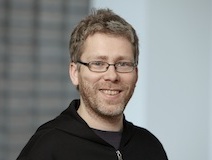
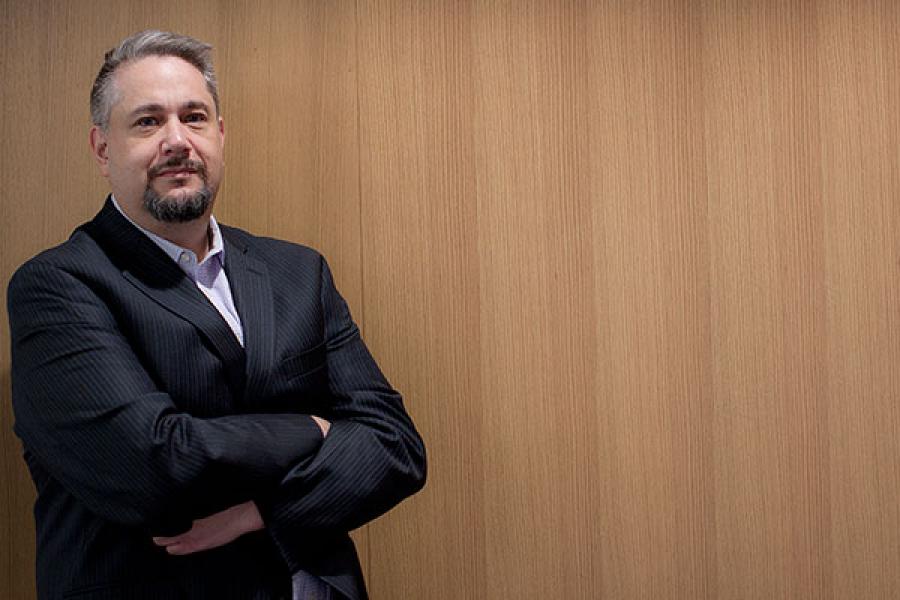
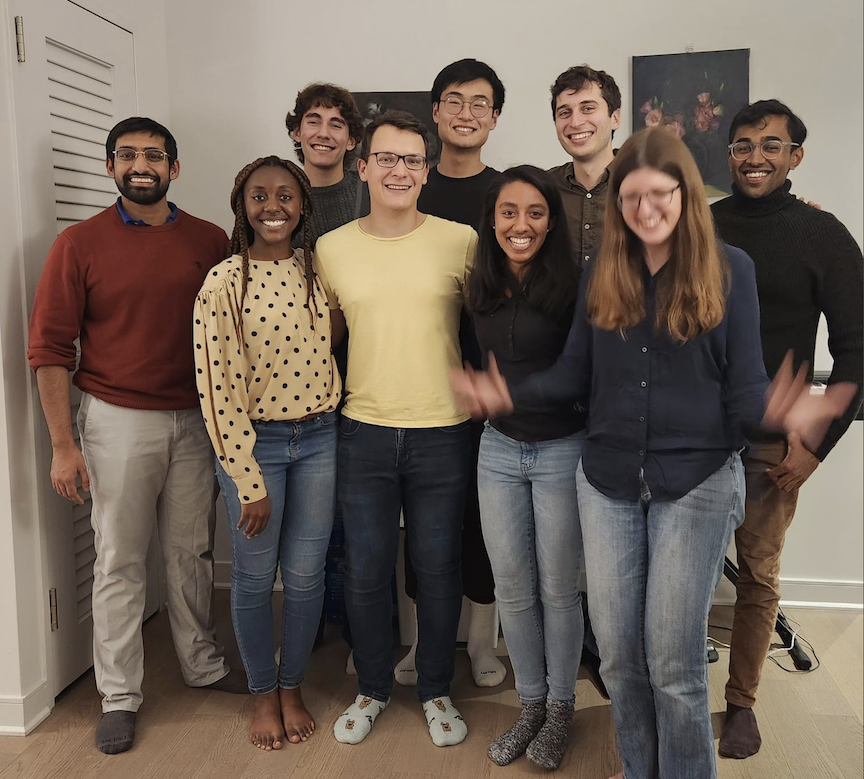
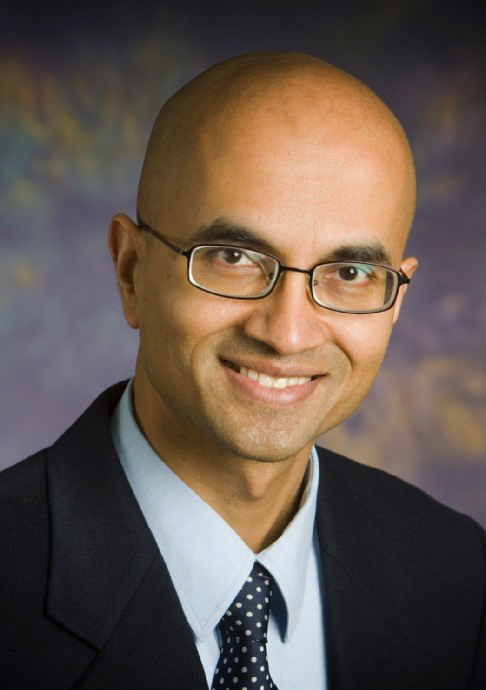
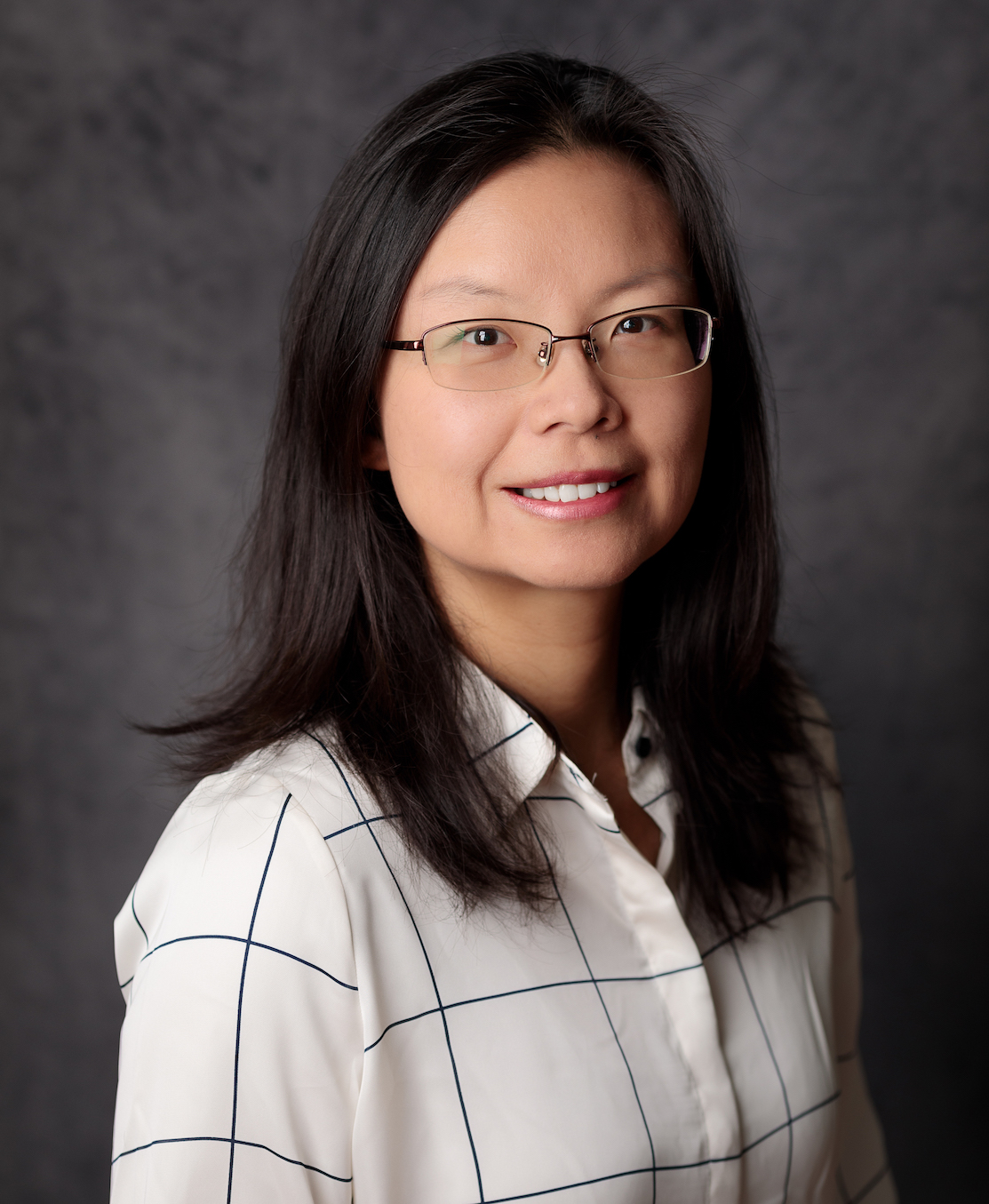
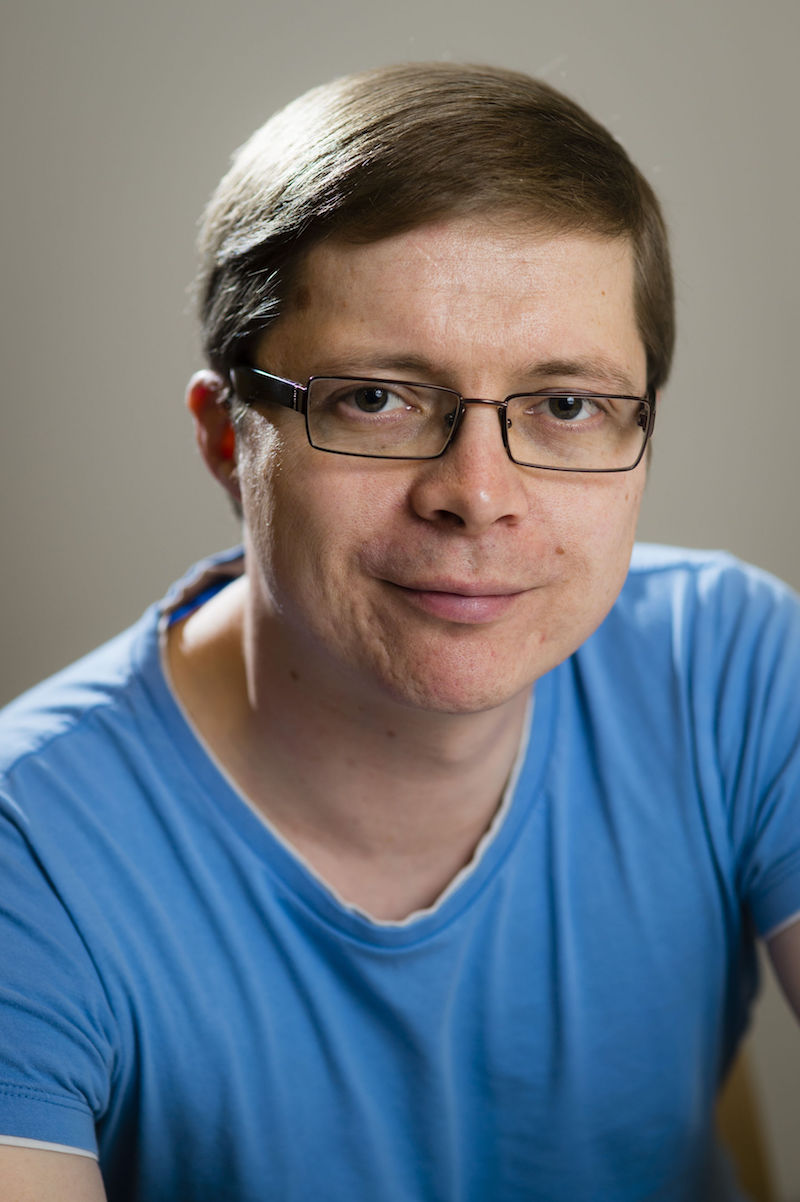
Marc Pollefeys is a Full Professor at the Department of Computer Science, ETH Zurich, and Director of the Microsoft Mixed Reality and AI Lab. His work focuses on advanced perception systems for HoloLens, 3D computer vision, robotics, and machine learning. Key contributions include automated 3D modeling from video, real-time reconstruction pipelines, and vision-based autonomous systems. Education: PhD from KU Leuven (1999) Previous Affiliation: Professor at UNC Chapel Hill Research interests span 3D reconstruction , computer vision , robotics , SLAM , augmented reality , and privacy-preserving mapping . His work often integrates geometric modeling , feature matching , and deep learning . Recent projects emphasize implicit 3D representations , open-vocabulary scene understanding , and robust estimation using neural-guided algorithms. Recent publications highlight advancements in neural implicit fields , line-based correspondence , and vision-language integration . Trends include hybrid point-line methods, differentiable RANSAC, and privacy-aware localization frameworks. Scientific recognition includes: IEEE Fellow (2012) David Marr Prize (ICCV 1998) DAGM Best Paper Award (1999) Advisees include current and alumni PhD students such as Yagız Aksoy, Federico Camposeco, and Sudipta Sinha. Collaborations span institutions like UNC Chapel Hill, ETH Zurich, and Microsoft Zurich. Research sponsors include Microsoft, Google, and European research initiatives.
Richard Jochelson serves as Dean of Law at the Faculty of Law, University of Manitoba (Robson Hall), a position he has held since July 1, 2016. Previously, he taught criminal law for 10 years at the University of Winnipeg. Dr. Jochelson holds a Ph.D. in Law from Osgoode Hall Law School at York University, an LLM from the University of Toronto Faculty of Law, an LL.B. with Gold Medal from the University of Calgary Faculty of Law, and a B.Sc. in Zoology with Distinction from the same institution. He completed his legal training as a clerk at the Alberta Court of Appeal and Court of Queen's Bench before working at a major Canadian law firm. Dr. Jochelson's research program centers on critical issues in criminal justice and constitutional law, with primary interests in police powers jurisprudence, sexual regulation (particularly obscenity and indecency law), jury systems and representativeness, and legal pedagogy. His interdisciplinary approach bridges law with sociology and psychology, bringing empirical and theoretical rigor to legal scholarship. His work consistently addresses social justice concerns, examining how vulnerable populations interact with the justice system and how concepts like risk, precaution, and visibility shape legal decision-making. He has developed a distinctive methodology combining doctrinal analysis with empirical research on judicial behavior and jury decision-making. His recent publications reveal evolving scholarly priorities that respond to contemporary legal challenges. The 2025 article "Morbid Matters" addresses medical assistance in dying within federal corrections, while his 2024 works on youth terrorism cases and agnotology demonstrate expansion into new interdisciplinary territories. His longstanding commitment to police powers scholarship continues with "Ancillary Police Powers in Canada" (2024). The pandemic period saw significant contributions to understanding digital justice, mental health in legal education, and remote court proceedings. His criminal law scholarship maintains focus on jury representativeness, particularly regarding Indigenous inclusion following Bill C-75's elimination of peremptory challenges. Students' Teacher Recognition Award (CATL) - 2018 Dr. Jochelson has secured multiple SSHRC Insight Grants as both Principal and Co-investigator, demonstrating his ability to lead interdisciplinary research teams. His mentorship extends to junior academics and students, with several publications co-authored with emerging scholars. He has built significant research infrastructure, notably assembling nearly 40 interdisciplinary scholars across Canada for Robsoncrim.com, which has elevated the Criminal Law Edition of the Manitoba Law Journal to prominence as one of Canada's preeminent criminal law publications. As Dean of Law, Dr. Jochelson provides leadership in academic governance and legal education innovation. His service includes extensive committee work on academic affairs, workload policy, and hiring/tenure committees. His commitment to universal design principles informs both his teaching approach and administrative leadership, emphasizing accessibility and student-centered pedagogy that allows flexible evaluation methods tailored to individual learning preferences.
Professor Emily So serves as Deputy Head of the School of Arts and Humanities at the University of Cambridge and directs the Cambridge University Centre for Risk in the Built Environment (CURBE). A chartered civil engineer with extensive field experience, she holds leadership roles in the Open-Oxford-Cambridge AHRC Doctoral Training Partnership and chairs the Faculty EDI Committee. Her research focuses on urban risk and resilience , particularly in earthquake-prone regions. Combining structural engineering with epidemiological approaches, she develops innovative casualty estimation models and engages directly with affected communities worldwide. Her work spans seismic safety, disaster epidemiology, and remote sensing applications for rapid damage assessment. Professor So's publication trends reveal strong emphasis on machine learning for disaster risk modeling , with recent work featuring graph neural networks, deep clustering for urban morphology, and LSTM-based population forecasting. Her research bridges engineering, social sciences, and data science to address resilience in developing nations. 2010 Shah Family Innovation Prize (Earthquake Engineering Research Institute) Fellow of the Institution of Civil Engineers (FICE) Scientific Advisory Group for Emergencies (SAGE) member advising UK government As Director of CURBE, she leads interdisciplinary collaborations with EEFIT, Global Earthquake Model (GEM), World Bank, and USGS. Her field investigations following major earthquakes inform practical solutions for vulnerable communities, notably contributing to the 2017 World Building of the Year design in China. Current work includes sabbatical research for 2025-2026 focused on decolonizing architectural approaches to disaster resilience. Professor So maintains active roles in professional organizations and international disaster response frameworks, with her CURBE team developing methodologies now implemented globally for seismic safety improvements.
Dr. Daniel Dutton is an Associate Professor in the Department of Community Health and Epidemiology at Dalhousie University's Faculty of Medicine, based at the Dalhousie Medicine New Brunswick campus in Saint John. His research focuses on how social environments influence health outcomes and the role of government policies in mitigating these impacts, particularly in areas like poverty, homelessness, and health economics. He holds adjunct roles at the University of New Brunswick (Sociology) and is the Scientific Director of APPTA, a hub bridging aging research and policy. He teaches courses in epidemiology, population health, and statistics. Education: PhD in Community Health Sciences (University of Calgary) MA in Economics (University of Calgary) BA Honours in Economics (Queen’s University) Research Interests: Dr. Dutton examines population-level health determinants, government policy effectiveness, and socioeconomic disparities. His work employs large datasets and econometric models to analyze topics such as homelessness incidence, healthcare cost savings through preventive measures, and the distributional impacts of public spending. Key Contributions: Scientific Director of the APPTA aging and technology hub. Co-founder of the IMPART research collaborative. Author of influential studies on Housing First programs, opioid prescribing patterns, and the fiscal benefits of guaranteed annual income policies. Advising & Grants: Supervises multiple MSc students and has collaborated on grants analyzing healthcare utilization in New Brunswick and Alberta. His work often intersects with policy-making, emphasizing actionable insights from quantitative research. Labs & Teams: Leads the Dutton Research Group, which uses mascot Odin the Saint Bernard to foster team cohesion. Active in interdisciplinary collaborations across public health, sociology, and economics.
Yimin D. Zhang is an Associate Professor in the Department of Electrical and Computer Engineering at Temple University's College of Engineering, where he leads the Advanced Signal Processing (ASP) Lab. His research spans statistical signal processing, array processing, radar, wireless communications, and convex optimization. Research Interests: Dr. Zhang's work focuses on cutting-edge signal processing techniques including compressive sensing, sparse arrays, time-frequency analysis, and robust beamforming. These are applied to radar systems, satellite navigation, assisted living, and wireless networks. His research addresses core challenges in target localization, direction-of-arrival estimation, and spectrum-efficient joint radar-communication systems. The recent publications highlight a strong trend in exploiting sparsity, virtual arrays, and deep learning to enhance resolution and robustness in radar and communication systems. Themes include multi-frequency processing, low-rank matrix recovery, and optimized OFDM waveforms for dual-function systems. Scientific Awards: 2016 IET Radar, Sonar and Navigation Premium Award 2017 IEEE Aerospace and Electronic Systems Society Harry Rowe Mimno Award 2018 IEEE Signal Processing Society Young Author Best Paper Award (coauthor) Advising and Grants: Dr. Zhang has served as Principal or Co-Principal Investigator on over $6 million in research funding from the NSF, AFRL, ONR, and DARPA. While student advisees are not listed, his leadership of the ASP Lab suggests active mentorship of graduate researchers. He contributes extensively to the academic community as an associate editor for IEEE Transactions on Signal Processing and editor for Signal Processing journal, and serves on key IEEE technical committees. Labs and Teams: He directs the Advanced Signal Processing (ASP) Lab at Temple University, which focuses on developing novel algorithms for real-world applications in radar, communications, and navigation. Previously, he led the Wireless Communications and Positioning Lab and the RFID Lab at Villanova University.
Subhashis Ghoshal is a Goodnight Distinguished Professor in the Department of Statistics at North Carolina State University (NCSU). He holds a Ph.D. in Statistics from the Indian Statistical Institute (1995). His research focuses on Bayesian nonparametrics, high-dimensional models, asymptotic theory, and functional data analysis. He has authored influential books like *Fundamentals of Nonparametric Bayesian Inference* (2017) and contributed to methodologies in image processing and statistical inference. Key awards include the Goodnight Distinguished Professorship (2021), Dr. Cavell Brownie Mentoring Award (2014-15), and the De Groot Prize (2019). He has held editorial roles in journals like *Statistical Science* and *Annals of Statistics*. His work bridges theory and applications, addressing challenges in modern statistical problems such as uncertainty quantification and causal inference. He advises on graduate programs and actively contributes to academic leadership at NCSU.
Emma Pierson is an Assistant Professor of Computer Science at the University of California, Berkeley, affiliated with the Berkeley Artificial Intelligence Research Lab (BAIR) , Computational Precision Health , and the Center for Human-Compatible AI . She focuses on developing data science and machine learning methods to address issues in healthcare equity and social inequality . Her work includes studies on race adjustments in clinical algorithms, migration patterns, and leveraging LLMs for health equity. Education: Ph.D. in Computer Science from Stanford University (2020), Master’s in Statistics from the University of Oxford. Prior roles include Assistant Professor at Cornell Tech, Senior Researcher at Microsoft Research, and data scientist at 23andMe and Coursera. Research Interests: Her research spans fair clinical prediction , sparse autoencoders , health disparities , and algorithmic fairness . Notable projects include the MIGRATE dataset for granular migration analysis and studies on policing disparities. Awards: NSF CAREER Award, Rhodes Scholarship, Hertz Fellowship, MIT Technology Review 35 Innovators Under 35, and Samsung AI Researcher of the Year. She writes a statistics blog ( Obsession with Regression ) and contributes to media outlets like The New York Times and FiveThirtyEight . Labs/Teams: Leads the MIGRATE project, a collaboration to analyze fine-grained migration data. Engages in interdisciplinary work across AI, healthcare, and social science.
Suchi Saria is the John C. Malone Associate Professor at Johns Hopkins University , with appointments in the Whiting School of Engineering (Computer Science), the Bloomberg School of Public Health (Health Policy & Management), and the Whiting School (Applied Math & Statistics). She directs the Machine Learning and Healthcare Lab and co-founded the Bayesian Health startup. Education: PhD in Computer Science from Stanford University (advisor: Daphne Koller), NSF Computing Innovation Fellowship at Harvard (2011), prior research at UMass (Barto, Madhavan), and industry experience at Aster Data Systems (acquired by Teradata). Research Focus: Saria develops statistical machine learning tools to extract insights from heterogeneous clinical data (structured/unstructured EHRs, sensor streams). Her work enables counterfactual reasoning for personalized treatment plans, dataset shift mitigation in healthcare AI, and weak supervision frameworks for mobile health apps. Key applications include sepsis prediction , Parkinson’s symptom tracking , and critical care optimization . Article Trends: Recent publications emphasize AI safety (2024-2025), addressing racial bias , transparency frameworks , and dynamic monitoring for clinical deployments. Her work spans conformal prediction , causal modeling , and policy guidelines for health AI. Scientific Awards: Sloan Research Fellowship (2018) DARPA Young Faculty Award (2016) MIT Technology Review TR35 Innovator (2017) Popular Science Brilliant 10 (2016) IEEE Intelligent Systems AI’s 10 to Watch (2015) NSF Computing Innovation Fellowship (2011) Rambus Fellowship (2004-2010) Best Paper Awards in ML, Informatics, and Medicine venues Advising & Grants: Saria mentors PhD students/postdocs in machine learning and health informatics , including funded projects like the NSF Smart and Connected Health Grant (2014) and Google Research Award (2014). Her lab’s TREWScore system (Science Translational Medicine 2015) is deployed in hospitals, while her Bayesian Health startup commercializes AI solutions for provider experience.
Naresh R. Shanbhag is the Jack Kilby Professor in the Department of Electrical and Computer Engineering and the Coordinated Science Laboratory at the University of Illinois at Urbana-Champaign. He serves as Director of the Systems on Nanoscale Information fabriCs (SONIC) Center and held the D.J. Gandhi Distinguished Visiting Professorship at IIT Mumbai from 2015-2020. Previously, he was a visiting faculty member at National Taiwan University (2007) and Stanford University (2014). Dr. Shanbhag received his doctorate from the University of Minnesota (1993) in Electrical Engineering. From 1993 to 1995, he worked at AT&T Bell Laboratories as the lead chip architect for AT&T's 51.84 Mb/s transceiver chips over twisted-pair wiring for Asynchronous Transfer Mode (ATM)-LAN and very high-speed digital subscriber line (VDSL) chip-sets. His research focuses on the design of energy-efficient machine learning, communications, and signal processing systems on resource-constrained embedded platforms. He explores fundamental trade-offs between energy efficiency, latency and accuracy of decision-making systems implemented in nanoscale technologies, with applications to computer vision, biomedicine, automatic target recognition, and imaging. His work spans four primary focus areas: Resource-efficient Machine Learning for the Edge, In-memory Computing (IMC), Energy-efficient High Data Rate Communications, and Shannon-inspired Statistical Error Compensation (SEC). Analysis of his recent publications reveals a strong emphasis on in-memory computing architectures (SRAM, MRAM, RRAM) for machine learning acceleration. His work consistently addresses energy-accuracy trade-offs, with increasing attention to security aspects of hardware implementations and applications to MIMO signal processing and edge AI systems. His research demonstrates a progression from theoretical foundations to practical silicon implementations. 2024 Semiconductor Research Corporation Innovation Award 2018 Semiconductor Industry Association/Semiconductor Research Corporation University Researcher Award 2018 IEEE International Symposium on Circuits and Systems Best Paper Award 2006 IEEE Fellow 1996 National Science Foundation CAREER Award Professor Shanbhag has mentored over 50 graduate students who now work at leading technology companies including Qualcomm, Amazon, Nvidia, Intel, and Apple. His research has been generously supported by the National Science Foundation, DARPA, AFRL, Semiconductor Research Corporation, Texas Instruments, Sandia National Laboratories, and industry partners including IBM, GlobalFoundries, and Intel Corporation. He led the Alternative Computational Models research theme (2006-2012) and was the founding Director of the SONIC Center (2013-2017), a 5-year multi-university center funded by DARPA and SRC. Currently, he leads research themes in the SRC and DARPA funded JUMP 2.0 Program's Center for Co-Design of Cognitive Systems and the Center for Ubiquitous Connectivity, and in the NSF IUCRC Center for Advanced Semiconductor Chips with Accelerated Performance (ASAP). As Director of the Systems on Nanoscale Information fabriCs (SONIC) Center, Professor Shanbhag leads a multidisciplinary team exploring novel computing paradigms for the nanoscale era. His group has benchmarked an extensive collection of in-memory computing and digital accelerator IC designs, maintaining a publicly available IMC benchmarking repository of metrics extracted from published IC prototypes. His research philosophy integrates concepts from information theory, statistical signal processing, detection and estimation, VLSI architectures, and digital and analog integrated circuits to develop energy-efficient systems from algorithms to silicon implementations.
Jessica Lin is an Associate Professor in the Department of Computer Science at George Mason University, with a focus on data mining and time series analysis. She has published extensively on topics including motif discovery, anomaly detection, clustering, and symbolic representation of time series data. Ph.D., M.S., and B.S. in Computer Science from UC Riverside (2005, 2002, 1999) Her research spans efficient algorithms for mining massive time series datasets, extending to multimedia data like images and texts. She has developed tools such as GrammarViz and SAX for pattern visualization and symbolic analysis. Recent publications highlight advancements in variable-length motif discovery, interpretable classification frameworks, and anomaly detection. Her work appears in top conferences like AAAI, ICDM, and SDM, as well as journals including Knowledge and Information Systems and Data Mining and Knowledge Discovery . Dr. Lin has advised numerous Ph.D. students, many of whom have taken academic or industry positions. She has served on editorial boards and program committees for conferences such as KDD, ICDM, and ECML-PKDD.
Raphael Hauser is an Associate Professor in Numerical Mathematics at the University of Oxford's Mathematical Institute, Director of Graduate Studies - Teaching, and Tanaka Fellow in Applied Mathematics at Pembroke College. His affiliations include membership in the Data Science, Numerical Analysis, and Mathematical and Computational Finance research groups, as well as a fellowship at the Alan Turing Institute. Education: PhD in Operations Research, Cornell University, Ithaca, USA Dipl. Math. ETH, Swiss Federal Institute of Technology (ETH Zurich), Switzerland Research interests span data science, numerical optimisation, medical imaging, distributed computing, and applied probability/statistics. His work integrates mathematical rigor with practical applications, particularly in optimization algorithms, machine learning theory, and medical imaging technology. Publications focus on optimization theory, stochastic processes, medical imaging systems, and computational finance, with recurring themes in non-convex optimization guarantees, PCA variants, and X-ray tomography innovations. Awards: Oxford University Teaching Award (2007) SIAM Optimization Prize (2005) SIAM Student Paper Prize (2000) Advising includes 15+ DPhil students and 40+ MSc students, with projects in optimization, finance, imaging, and machine learning. Current postdocs and students are affiliated with the Alan Turing Institute and industrial partners like Siemens and Macquarie Group. He leads teams in the Mathematical Institute's research groups and collaborates with the Alan Turing Institute on large-scale data science initiatives.
Tomasz Stefan Wiśniewski is a Professor at the Division of Thermodynamics within the Institute of Heat Engineering (ITC) at Warsaw University of Technology. His research focuses on heat transfer, thermodynamics, infrared thermography, and thermal property measurements of materials. He teaches courses on Statistical and Nonequilibrium Thermodynamics and Energy Storage . Research Trends: His publications emphasize composite materials, thermal conductivity modeling, interfacial thermal resistance, and advanced measurement techniques like flash method and infrared thermography. Key subfields include oscillatory chemical reactions, thermo-rheological properties of smart materials, and biomedical thermodynamics. Roles: Head of Scientific Council for Environmental Engineering, Mining, and Power Engineering at Warsaw University of Technology Head of Division of Thermodynamics at ITC Laboratory Affiliation: Division of Thermodynamics at Warsaw University of Technology's Institute of Heat Engineering.
Antti Honkela is a Professor of Data Science at the University of Helsinki's Department of Computer Science, within the Faculty of Science. He also serves as the Coordinating Professor for the Privacy-preserving and Secure AI Research Programme at the Finnish Center for Artificial Intelligence (FCAI), and as Deputy Director of the Master's Programme in Data Science. His roles include membership in the Health and Social Data Permit Authority (Findata) and as an Action Editor for Transactions on Machine Learning Research. Honkela's research focuses on privacy-preserving machine learning, differential privacy, Bayesian methods, and their applications in computational biology and healthcare. He leads projects such as the European Lighthouse in Secure and Safe AI (ELSA) and the Data Literacy for Responsible Decision-making initiative. His work emphasizes developing robust frameworks for privacy-aware AI, including differentially private synthetic data and federated learning. Honkela has advised numerous PhD and Master's students, and his contributions span theoretical advancements and practical implementations, such as the D3p Python package for differentially private probabilistic programming. Key contributions include advancements in Bayesian inference from synthetic data, privacy accounting mechanisms, and computational methods for genomic epidemiology. His interdisciplinary approach bridges machine learning, statistics, and healthcare, addressing challenges in data privacy and secure AI deployment.
David Martens is a Professor of Data Science at the University of Antwerp , where he directs the Applied Data Mining Research Group within the Faculty of Business and Economics . He also serves as Chair of the Department of Engineering Management and Director of the Antwerp Center on Responsible AI . His academic work spans data mining , interpretable machine learning , and the societal impact of AI . PhD in Applied Economic Sciences (KU Leuven, 2008) Director, Antwerp Center on Responsible AI Chair, Department of Engineering Management Martens' research focuses on responsible AI and data ethics , with applications in finance, public policy, and behavioral analysis. His recent publications emphasize counterfactual explanations , LLM interpretability , and privacy implications in AI systems. His articles reveal trends in Explainable AI (XAI) , including narrative-driven explanations , graph neural networks , and ethical challenges like monetization risks and algorithmic bias. Keywords span Computer Science , Artificial Intelligence , and Behavioral Data . Martens is a leading voice in data science ethics , authoring the book Data Science Ethics: Concepts, Techniques, and Cautionary Tales (Oxford University Press, 2022). He combines academic rigor with industry experience, having consulted for banks, telecom firms, and startups in fraud detection and digital advertising .
Professor Daniel Rueckert is a leading academic in Artificial Intelligence and Medical Imaging, holding dual positions at Imperial College London (as Professor of Visual Information Processing) and Technical University of Munich (Alexander von Humboldt Professor for AI in Medicine and Healthcare). He obtained his MSc from Technical University Berlin (1993) and PhD from Imperial College London (1997), followed by postdoctoral work at King’s College London. At Imperial, he led the Department of Computing (2016–2020) and founded the Biomedical Image Analysis group. His research focuses on AI-driven medical image analysis, including algorithms for image reconstruction, registration, and clinical decision support. His research interests span AI applications in healthcare, machine learning for medical imaging, and computational methods for clinical diagnostics. Notable contributions include over 500 publications and 60+ PhD graduates, with key works in federated learning, cardiac motion analysis, and biomarker development. Awards include the Leibniz Prize (2025), Royal Academy of Engineering Fellowship (2015), and multiple ERC grants. He leads the BioMedIA research group and is an editorial board member of Medical Image Analysis . Recent publications highlight advancements in AI-driven medical imaging, such as secure federated learning frameworks and deep learning models for disease prediction. His work bridges academic and industrial sectors through initiatives like IXICO, an Imperial spin-out. Current affiliations include roles at both Imperial and TUM, emphasizing interdisciplinary collaboration in healthcare technology. Advising and grants: Supervised over 60 PhD students and 40 post-docs. Secured grants including ERC Synergy (2013) and ERC Advanced (2020). Active in labs focused on biomedical image computing and AI in healthcare systems. Collaborative efforts include the BioMedIA group and TUM’s AI initiatives. Labs/teams: Leads the Biomedical Image Analysis group at Imperial and the TUM AI in Medicine team. Collaborates extensively on projects like cardiac imaging analysis and federated learning for healthcare.