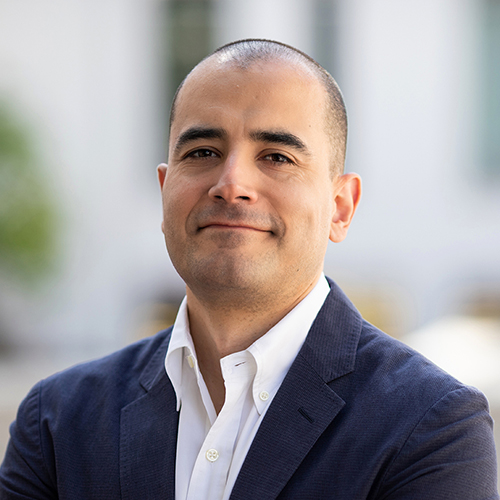
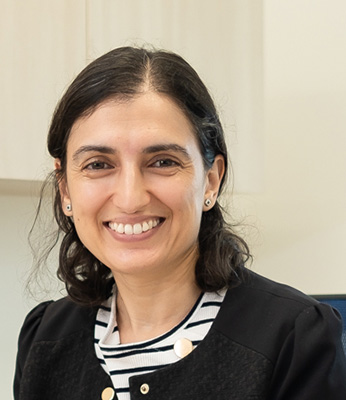
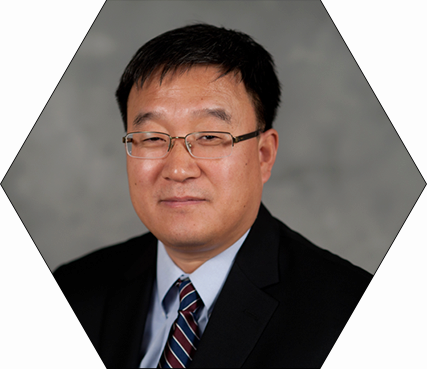
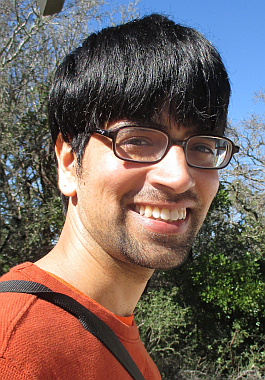
Miguel R. Rueda is an Associate Professor in the Department of Political Science at Emory University, specializing in electoral manipulation, civil conflict, money in politics, and political methodology. He holds a PhD from the University of Rochester (2014), an M.Sc. in Economics, and a B.Sc. in Economics and Mathematics from La Universidad de los Andes. Before Emory, he was a visiting scholar at Princeton University's Center for the Study of Democratic Politics (2013–2014). In Fall 2024, he will serve as a Visiting Associate Professor at Vanderbilt University. His research has been published in top journals like the American Political Science Review , American Journal of Political Science , and Journal of Conflict Resolution . Key themes include electoral fraud mechanisms, civil war dynamics, and the intersection of political methodology with empirical policy analysis. Rueda's work spans theoretical models of strategic behavior (e.g., foreign aid allocation, partisan poll-watching) and applied analyses of electoral systems, conflict outcomes, and governance challenges. His methodological contributions address econometric issues like post-instrument bias and omitted variable effects. Contact: miguel.rueda@emory.edu , 315 Tarbutton Hall, Emory University, Atlanta, GA 30322.
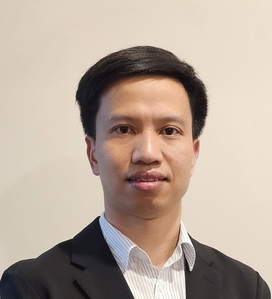
Dr. Debraj Roy is a Visiting Professor at the University of Amsterdam (UvA), affiliated with the Faculty of Science, Mathematics and Computer Science and the Informatics Institute. His research focuses on agent-based modeling, socio-economic dynamics, environmental resilience, and blockchain technology. He investigates complex systems such as urban slums, disaster recovery, and climate adaptation using computational methods like remote sensing and machine learning. His work bridges theory and practice, offering insights into policy design for sustainable development and social equity. Key research interests include slum dynamics, poverty traps, and the application of blockchain oracles for decentralized systems. He employs advanced techniques such as global sensitivity analysis and manifold learning to explore multi-scale socio-environmental challenges. His recent articles highlight trends in carbon pricing, flood risk valuation, and multi-agent systems. Earlier work concentrated on urban inequality in cities like Bangalore and Mexico City, leveraging geospatial and statistical tools. No scientific awards or grants are explicitly listed. His advising and team collaborations are unspecified in the provided text.
Associate Professor Sonny Pham leads research in artificial intelligence at Curtin University's School of EECMS. His work balances theoretical foundations with practical applications in computer vision, data mining, and deep learning. As head of the IAMAI research group, he collaborates with industry partners on security systems, healthcare AI, and sustainable technologies. His research explores: Computationally efficient deep learning architectures Compressed sensing for high-dimensional data Robust statistical methods for real-world problems Applications in computer vision and industrial automation Recent publications demonstrate a focus on medical imaging interpretation and efficient neural networks, with applications spanning radiology report generation, semantic segmentation for autonomous systems, and cybersecurity. His team's work consistently bridges theoretical AI advancements with industrial applications. Honors include: Multiple WANMA Awards (2021-2024) for industry-impactful research INCITE Award for social impact technology (2024) IEEE Young Author Best Paper Award (2010) Over $5M in competitive research funding including MRFF and DFAT grants He leads the IAMAI research group with 12+ graduate students and coordinates Curtin's Master of Artificial Intelligence program. Industry collaborations include Alcoa Australia, iCetana, and HyprFire.
Dr. Victoria C. P. Chen is a Professor in the Industrial, Manufacturing, and Systems Engineering (IMSE) department at The University of Texas at Arlington (UTA), where she has served since 2002. She previously held positions at the Georgia Institute of Technology from 1993-2001. Dr. Chen has held several leadership roles at UTA, including Interim Department Chair (2012-2014), Director of the Center on Stochastic Modeling, Optimization, & Statistics (COSMOS) (2008-2012, and again from 2017-present), and Director of Doctoral Studies (2019-present). She was also the George & Elizabeth Pickett Professor from 2015-2017 and was inducted into the UT Arlington Academy of Distinguished Teachers in 2019. Dr. Chen is actively involved with INFORMS (Institute for Operations Research and the Management Science), where she currently serves as Secretary on the Executive Board. Dr. Chen earned her B.S. in Mathematical Sciences from The Johns Hopkins University, and her M.S. and Ph.D. in Operations Research and Industrial Engineering from Cornell University. Her academic journey includes visiting professorships at the University of Genoa, Italy, and Iowa State University. Dr. Chen's research utilizes statistical perspectives to create new methodologies for operations research problems appearing in engineering and science. Her expertise includes the design of experiments, statistical modeling, and data mining, particularly for computer experiments and stochastic optimization. Through her statistics-based approach, she has developed computationally-tractable decision-making methods for many high-dimensional complex systems. Her work spans multiple domains including sustainability, energy, water management, healthcare, and law enforcement. Specific application areas include inventory forecasting, airline optimization, water reservoir networks, wastewater treatment, air quality monitoring, green building design, nurse assignment systems, and pain management programs. Her recent publications demonstrate continued innovation in mixed integer programming for electric vehicle charging stations, vacuum ultraviolet spectroscopy prediction, and sustainable building education. Senior Member, Institute for Operations Research and the Management Sciences (INFORMS) (2024) Data Mining Prize (Lifetime Achievement Award), INFORMS Society on Data Mining (2023) College of Engineering Teaching Award, UT Arlington (2021) Third Place Award, C3.ai COVID-19 Grand Challenge (2020) Academy of Distinguished Teachers, University of Texas at Arlington (2019) George & Elizabeth Pickett Professorship (2015-2017) As an educator and mentor, Dr. Chen has advised over 25 doctoral students across diverse research topics in operations research and systems engineering. She has secured substantial research funding from multiple sources including the National Science Foundation (over $1.5 million in active projects), Environmental Protection Agency, National Institute of Justice, and industry partners like Luminant and Dallas-Fort Worth International Airport. Her current research projects focus on decision analytics for sustainable urban environments, optimization for Texas water management, and statistical methods for pain management programs. She has served as Principal Investigator or Co-PI on more than 20 externally funded research projects totaling over $3 million in funding. Dr. Chen co-founded the Center on Stochastic Modeling, Optimization, & Statistics (COSMOS) at UTA with Dr. H. W. Corley. This research center brings together faculty and students from multiple disciplines to address complex problems through advanced statistical and optimization methods. She also leads interdisciplinary research teams working on projects related to sustainable infrastructure, energy systems, and healthcare optimization, frequently collaborating with researchers from civil engineering, environmental science, and medical fields.
Muhammad Noor E Alam directs the Decision Analytics Lab at Northeastern University, with joint appointments in Engineering and Public Policy. His NSF CAREER Award-winning research develops optimization frameworks for healthcare, logistics, and energy systems. He bridges operations research with public policy challenges including opioid crisis interventions. Research Areas: Large-scale optimization, healthcare delivery systems, sustainable energy planning, and humanitarian logistics. Current Projects: Designing decision tools for prescription opioid management and renewable energy grid integration.
Mustafa Bilgic is a Professor and Chair of the Computer Science Department at Illinois Institute of Technology, where he also directs the Master of Artificial Intelligence program and the Machine Learning Laboratory. His research focuses on machine learning, active learning, explainable AI, and probabilistic graphical models, with applications in healthcare, social media analysis, and biomedical engineering. He has received funding from NSF, NIH, and Samsung, among others. Education: PhD in Computer Science, University of Maryland at College Park (2010) M.S. in Computer Science, University of Maryland at College Park (2006) B.S. in Computer Science, University of Texas at Austin (2004, with High Honors and Special Honors) Research Highlights: Dr. Bilgic's work emphasizes AI ethics, algorithm transparency, and interactive machine learning systems. Notable projects include analyzing political news engagement dynamics and developing frameworks for eliminating explanation noise in AI models. His lab explores tools like OrganoID for tracking organoid growth and IDGI for improving model interpretability. Awards: NSF CAREER Award (2014) ACM SIGKDD Best Student Paper Award (2008) Illinois Tech College of Computing Teaching Excellence Award (2021) Teaching and Leadership: Bilgic teaches advanced courses in AI, machine learning, and data mining. He leads initiatives to bridge AI theory and practical applications, emphasizing interdisciplinary collaboration. His administrative roles include overseeing the AI master’s program and fostering innovation in computing education.
Dr. Steven Manson is a Professor in the Department of Geography, Environment, and Society at the University of Minnesota's College of Liberal Arts, where he also served as Associate Dean for Research and Graduate Programs. He directs the Human-Environment Geographic Information Science (HEGIS) laboratory and leads major data science initiatives like the National Historical Geographic Information System (NHGIS) and IPUMS Terra. PhD in Geography, Clark University (2002) BA Honours in Geography, University of Victoria (1995) His research focuses on geographic information science and human-environment systems , using agent-based modeling and big data to analyze land use change, urban dynamics, and sustainability challenges. Recent work explores spatiotemporal data harmonization and geospatial cyberinfrastructure . The articles reveal trends in GIScience methodology , urbanization analysis , and data-intensive sustainability research . Key contributions include self-organizing map applications for health data and hybrid statistical-GIS techniques for environmental policy. Scientific accolades include: Ecological Society of America Sustainability Science Award NASA Earth System Science Fellow McKnight Land Grant Professorship As Principal Investigator for NHGIS and IPUMS Terra, he secured over $40M in NSF, NIH, and DOJ grants for spatiotemporal data infrastructure. Outreach initiatives include developing open geospatial textbooks adopted globally and collaborating with Twin Cities K-12 programs.
Jann Spiess is an Associate Professor of Operations, Information & Technology at Stanford University's Graduate School of Business and holds a courtesy appointment as Associate Professor of Economics in the School of Humanities and Sciences. He is also a Center Fellow at the Stanford Institute for Economic Policy Research and a Faculty Affiliate of the Golub Capital Social Impact Lab. PhD in Economics (Harvard University, 2018) AM in Economics (Harvard University, 2015) MPP in Public Policy (Harvard University, 2013) MASt in Mathematics (University of Cambridge, 2011) BSc in Mathematics (Technical University of Munich, 2010) Jann's research integrates machine learning with econometric methods to advance causal inference and data-driven decision-making . He explores high-dimensional and robust causal inference, synthetic control methods, and algorithmic fairness, while addressing challenges in human-AI collaboration and policy design. His publications span econometrics, behavioral economics, and data science, focusing on experimental design, robust statistical techniques, and applications of machine learning to public policy. Key themes include replicable inferences from big data, human-AI interaction, and ethical algorithmic design. Philip F. Maritz Faculty Scholar, 2021–22 David A. Wells Prize for best dissertation, Harvard Economics, 2018 Restud Tour, 2018 Jann's work bridges microeconometric methods , statistical decision theory , and mechanism design to enhance analytical frameworks for data-driven policy. He has contributed to robust inference in panel data and synthetic control methods, alongside studies on nudges for vaccination and financial aid renewals. As Faculty Affiliate at the Golub Capital Social Impact Lab, Jann collaborates on projects applying data science to social policy challenges, merging technical rigor with societal impact.
David A. Stephens is a Professor in the Department of Mathematics and Statistics at McGill University, Montreal. He served as Chair of the Department from 2015 to 2019 and as Vice-Dean in the Faculty of Science from 2019 to 2025. His research focuses on Bayesian inference, biostatistics, causal inference, bioinformatics, and statistical genetics. He holds prestigious fellowships: International Statistical Institute (2015), American Statistical Association (2019), and Royal Society of Canada (2024). His work addresses challenges in epidemiology, HIV transmission dynamics, and clinical trial design. Key research themes include: Bayesian hierarchical modeling for infectious diseases (e.g., SARS-CoV-2, HIV) Causal inference in dynamic treatment regimes Survival analysis and censored data methods Statistical genomics and epigenetics His publications analyze public health trends, such as HIV transmission clusters in Quebec and SARS-CoV-2 seroprevalence in Canada. Methodologically, he develops novel techniques for time-series analysis, recruitment forecasting in clinical trials, and computational statistics. Notable contributions include: Advancing phylogenetic cluster inference in HIV studies Optimizing warfarin dosing strategies via SMART trials Modeling gut microbiota impacts on growth faltering in infants His academic leadership includes roles at McGill and prior experience at Imperial College London. His work bridges statistical theory and practical healthcare applications, emphasizing interdisciplinary collaboration.
Linda Sellou is a Senior Lecturer in the Department of Chemistry and Assistant Dean (Student Life) at the National University of Singapore (NUS). She holds a Ph.D. from the University of Bristol (2008) and an M.Sc. from Lille, France (2004). Her research focuses on chemical education, interdisciplinary STEM education, and science communication, with a particular emphasis on experiential learning, problem-based learning, and student-centered approaches. She leads initiatives such as the TEG-funded project on multidisciplinary fieldwork activities with Dr. Vik Gopal from Statistics and Data Science. Her teaching contributions include courses like CM3242 Instrumental Analysis II and CM3292 Advanced Experiments in Analytical and Physical Chemistry. She has received the 2008 University Engagement Awards for International Outreach from the University of Bristol for her work in science communication and outreach. Her research highlights include integrating molecular gastronomy into science education and exploring the impact of outreach programs on students' academic and career development. She actively collaborates with schools and institutions to design interactive climate science models and youth engagement programs, emphasizing the societal relevance of science. Linda’s work spans pedagogical innovation, including the use of Google Apps for Education and IT-enhanced classrooms. Her publications reflect a commitment to enhancing student learning through collaborative, technology-driven, and interdisciplinary approaches.
Dr. Laura B. Balzer is an Associate Professor of Biostatistics at the University of California, Berkeley. Her work focuses on causal inference, machine learning, and addressing methodological challenges in both randomized trials and observational studies, particularly in global health contexts. She leads collaborations in East Africa, focusing on HIV elimination and community health in rural regions. Her research emphasizes translating academic findings into real-world impact. Education: PhD in Biostatistics, UC Berkeley (2015) MPhil in Computational Biology, University of Cambridge (2009) BS in Applied Mathematics, University of Vermont (2008) Research Interests: Dr. Balzer’s work addresses causal inference in complex settings, including semi-parametric methods, measurement challenges, and dependence structures. Her global health projects target HIV prevention, tuberculosis transmission, and hypertension management in sub-Saharan Africa. She designs interventions like the SEARCH Dynamic Choice model, which offers flexible HIV prevention options, and evaluates community health worker programs. Publications highlight her contributions to HIV/AIDS research, including studies on PrEP uptake, viral suppression in adolescents, and tuberculosis-HIV co-infection. Methodologically, she advances causal inference frameworks to handle missing data and clustered designs. Awards: While no specific awards are listed, her work has been funded by initiatives like the SEARCH trials, reflecting its scientific and public health significance. Advising & Grants: Balzer collaborates with multidisciplinary teams in Uganda and Kenya, focusing on translational research. Her grants support interventions linking statistical innovation to healthcare delivery improvements in resource-limited settings. Labs/Teams: Her research is embedded within global health partnerships, particularly within the SEARCH trials network, which integrates biostatistics with clinical and community-based implementation.
Jianjun (Jan) Shi is the Carolyn J. Stewart Chair and Professor at the H. Milton Stewart School of Industrial and Systems Engineering (ISyE) and holds a joint appointment with the George W. Woodruff School of Mechanical Engineering at Georgia Institute of Technology. He previously served as the G. Lawton and Louise G. Johnson Chair Professor of Engineering at the University of Michigan. His research focuses on system informatics and control for manufacturing and service systems, with notable contributions to quality improvement, cyber-physical systems, and data-driven methodologies. B.S. & M.S. in Electrical Engineering, Beijing Institute of Technology (1984–1987) Ph.D. in Mechanical Engineering, University of Michigan (1992) Dr. Shi’s research interests include process modeling, control systems, and quality engineering. He pioneered methodologies for in-process quality improvement and developed advanced frameworks for high-dimensional data analysis in manufacturing. His work integrates statistical methods, machine learning, and system informatics to enhance operational efficiency and product quality. He has published over 150 peer-reviewed papers and secured $19 million+ in research grants from NSF, DOE, and industry partners. His lab, the System Informatics and Control Group, collaborates with automotive, aerospace, and pharmaceutical sectors. Shi leads initiatives such as the Quality Science Center at the Chinese Academy of Sciences and serves on editorial boards of journals like IIE Transactions and ASME Transactions . Recipient of the IIE Albert G. Holzman Distinguished Educator Award (2011) Fellow of INFORMS, ASME, and IIE Academician of the International Academy for Quality Shi advises 26 Ph.D. graduates, many of whom hold faculty positions or leadership roles in industry. His research group’s innovations have been implemented in global manufacturing systems, yielding significant economic impacts. Current work includes 4D printing, cyber-physical system resilience, and federated learning for industrial data.
Ke Xu is an Assistant Professor at the Department of Finance, Faculty of Business and Economics, University of Victoria. His research bridges finance, econometrics, and cryptocurrency, focusing on market microstructure, high-frequency trading, and price discovery mechanisms. He has extensively studied Bitcoin ETFs, fractional cointegration models, and machine learning applications in financial markets. Key Research Areas: Market Microstructure High-Frequency Trading Cryptocurrency Dynamics Price Discovery Machine Learning in Finance Financial Econometrics Article Trends: Xu’s work spans empirical analyses of Bitcoin ETFs, volatility modeling (e.g., affine GARCH), and algorithmic trading strategies. His recent papers explore mini flash crashes using machine learning, regulatory impacts on market quality, and sustainable crypto portfolios.
Jay Pujara is a Research Associate Professor in the Department of Computer Science at the University of Southern California (USC), affiliated with the Viterbi School of Engineering and the Information Sciences Institute (ISI). He directs the Center on Knowledge Graphs and leads research in artificial intelligence, specializing in knowledge graph construction, scalable machine learning, and probabilistic models. Education : PhD in Computer Science (University of Maryland, 2016), MS and BS in Computer Science from Carnegie Mellon University (2005 and 2004), with minors in Robotics, Mathematical Sciences, and Logic & Computation. Research Interests : His work focuses on probabilistic models for dynamic data, knowledge graph construction, entity resolution, and applications in NLP and social network analysis. He emphasizes scalable algorithms and real-world impact in domains like finance, climate science, and healthcare. Awards : Includes the SWSA Ten-Year Award (2023), Best Paper Awards at IUI 2019 and ISWC 2013, and grants totaling over $9M from DARPA, NSF, and industry partners. Grants & Mentorship : Principal Investigator on projects like "Artificial Domain-Understanding and Collaborative Agency" (DARPA) and "Explainable and Robust AI Agents" (NSF). Mentored over 50 students in PhD, MS, and undergraduate programs, focusing on knowledge graphs, NLP, and machine learning. Labs & Teams : Leads ISI’s Knowledge Graph and Neurosymbolic AI teams, coordinating the Open Knowledge Network (OKN) and tools like KGTK. Active in academic service, including roles on PhD admissions committees and ISI’s Space Management Committee.
Karen Bandeen-Roche is a Professor and the Hurley-Dorrier Professor and Chair of the Department of Biostatistics at the Johns Hopkins Bloomberg School of Public Health, with joint affiliations in the School of Medicine and the School of Nursing. She is a leading expert in biostatistical methodology, particularly in latent variable models, longitudinal analysis, and multivariate survival methods applied to aging and gerontology. Her research focuses on developing statistical models for unobservable processes such as frailty, resilience, and functional status in older adults. She has made significant contributions to the measurement of aging-related constructs and has extensive collaborative work in ophthalmology and neurology. Her methodological work includes mixture models, measurement error correction, and latent class modeling. The recent publications highlight a strong trend in gerontological biostatistics, with a focus on frailty, dementia risk, resilience, and multisystem physiological responses in aging. Her work integrates complex data from observational cohorts and clinical studies, often employing innovative latent variable frameworks to address measurement challenges in health outcomes. Scientific Awards and Honors: Marvin Zelen Leadership Award in Statistical Science (2016) Fellow of the American Statistical Association (2001) Brookdale National Fellow (1997) Golden Apple Award for Excellence in Teaching (2010) Garland Clay Award (1999) Chair, NIH BMRD Study Section (2006–2008) President, Eastern North American Region, International Biometric Society (2011–2013) Executive Board, International Biometric Society (2015–2022) Board of Directors, National Institute of Statistical Sciences (2020–2023) Karen Bandeen-Roche has been deeply involved in advising and training the next generation of researchers. She co-directs a training program in Biostatistics and Epidemiology of Aging and has received multiple teaching and mentoring awards. She has served on numerous academic committees, including appointments and promotions, faculty senate, and ethics committees at Johns Hopkins. Her grants and collaborative research span aging, dementia, ophthalmology, and cardiovascular health, often supported by NIH and other federal agencies. She leads the Center on Aging and Health and is actively involved in interdisciplinary research initiatives that bridge biostatistics, medicine, and public health. Her lab and research team focus on developing and applying advanced statistical methods to understand the biological and social determinants of healthy aging.