Krishnendu GopeView profile
Assistant Professor
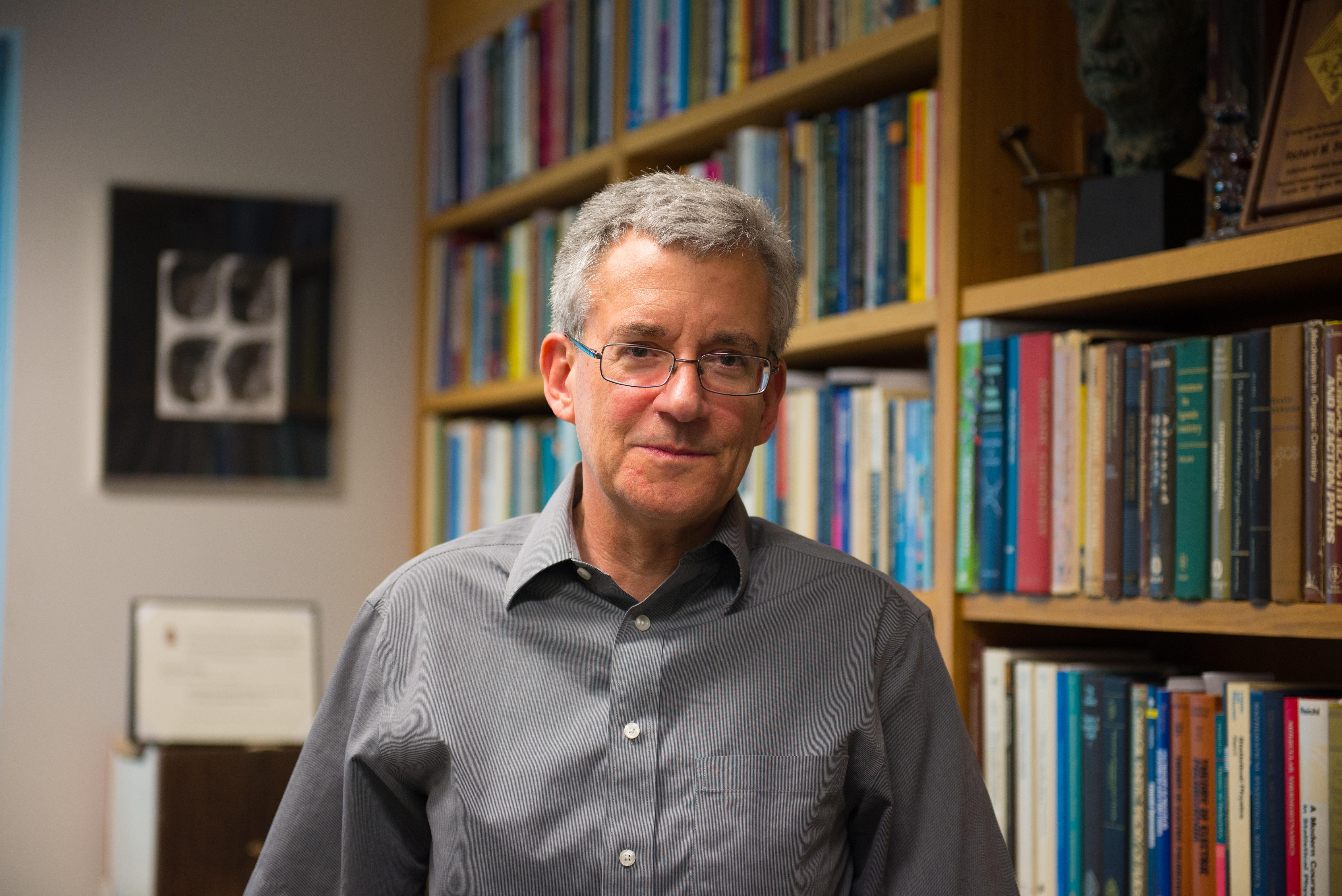
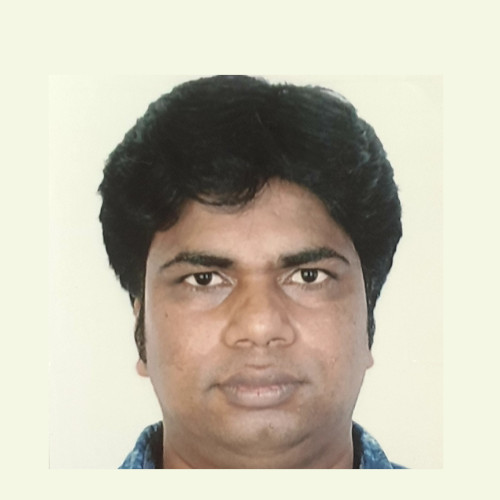
Dr. Krishnendu Gope is an Assistant Professor in the School of Physics at Indian Institute of Science Education and Research, Thiruvananthapuram (IISER-TVM) since October 2023. As an experimental physicist specializing in atomic and molecular physics, his research focuses on visualizing ultrafast molecular dynamics using laser-induced electron diffraction techniques (LIED) by measuring complete 3D momentum of all ejected electrons and fragmented ions in coincidence. His educational background includes an Integrated-Ph.D. from the Tata Institute of Fundamental Research (TIFR), Mumbai (2010-2017) and a B.Sc. from Visva-Bharati, Santiniketan, West Bengal (2007-2010). Prior to joining IISER-TVM, he held postdoctoral positions at Hebrew University of Jerusalem (2017-2022) and a scientific employee position at the Max Planck Institute for Nuclear Physics in Heidelberg, Germany (2022-2023). Dr. Gope's research program centers on several cutting-edge areas of experimental molecular physics. His primary expertise lies in Laser-induced electron diffraction (LIED), where he investigates molecular dynamics at ultrafast timescales. He also actively researches Interatomic Coulombic decay (ICD), Coulomb explosion imaging, and dissociative electron attachment processes. His recent work involves utilizing attosecond pulse-trains (recognized by the 2023 Nobel Prize) via higher-order harmonic generation for time-resolved molecular dynamics studies, demonstrating his engagement with the most current developments in the field. Analysis of his publication record reveals a consistent research trajectory focused on molecular fragmentation dynamics, particularly H 3 + formation mechanisms across various molecules (ethanol, methanol, 2-propanol), bond dissociation processes, and electron-molecule interactions. His work employs sophisticated experimental techniques including velocity slice imaging, coincidence detection methods, and time-resolved spectroscopy to probe fundamental molecular processes at femtosecond and attosecond timescales. Dr. Gope maintains an extensive international collaboration network, working with Prof. Alexander Dorn at the Max-Planck Institute for Nuclear Physics in Germany, Prof. Daniel Strasser at Hebrew University of Jerusalem, and Prof. Nigel Mason at Kent University, UK. Within India, he collaborates with researchers at Tata Institute of Fundamental Research including Prof. Vaibhav S. Prabhudesai and Prof. M. Krishnamurthy. He is actively recruiting PhD students for research in Ultrafast Molecular Dynamics, with upcoming projects focusing on Interatomic Coulombic Decay for benzenoid systems, molecular structural information using electron impact Coulomb explosion imaging, generation of attosecond pulse-trains for time-resolved molecular dynamics, and advanced Laser Induced Electron Diffraction techniques. Prospective students can apply through various fellowship routes including CSIR-JRF, UGC-JRF, DBT-JRF, and INSPIRE Fellowship.