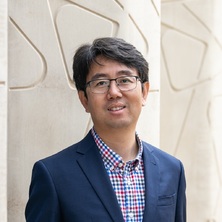
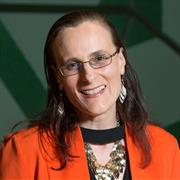
Professor Jianhua Guo is a faculty member at The University of Queensland (UQ), holding the position of Professor and UQ Amplify Fellow in the Australian Centre for Water and Environmental Biotechnology (ACWEB). He is also the ACWEB Deputy Director - Research. His research focuses on integrating process engineering, environmental microbiology, and biotechnology to develop sustainable solutions for contaminant removal in water and wastewater systems. He is a pioneer in studying the environmental dimension of antimicrobial resistance (AMR), particularly how non-antibiotic pharmaceuticals and chemicals contribute to AMR spread. His groundbreaking work has been featured in over 100 media outlets and has secured over $14M in research funding. He has published over 200 peer-reviewed articles in journals like Nature Microbiology , Water Research , and Environmental Science & Technology . His accolades include the 2013 DECRA and 2017 ARC Future Fellowship. He serves as an editor for Journal of Hazardous Materials and Water Science & Technology . Research Interests Environmental AMR and microbial ecology Methane-based biotechnology and bioconversion Nitrogen cycling microorganisms Bioremediation and biofilm reactors Microplastics and health risks Wastewater treatment innovations Grants & Funding $14M+ in ARC Discovery/Linkage grants and industry partnerships ARC Training Centre for Environmental and Agricultural Solutions to Antimicrobial Resistance (CEA-StAR) Dual-membrane upgrading and anaerobic alkane oxidation projects Awards 2013 DECRA 2017 ARC Future Fellowship Supervision Prof. Guo actively supervises PhD and master’s students in areas like AMR mitigation, methane-based bioreactors, and microbial ecology. Notable supervised projects include studies on antibiotic resistance in wastewater, novel disinfection processes, and microbial oxidation of gaseous alkanes. Labs & Teams He leads research teams within ACWEB and collaborates with the Queensland Alliance for Environmental Health Science. His lab focuses on cutting-edge technologies like membrane biofilm reactors and gas fermentation systems.
Dr. Ling Yin is an Associate Professor in the School of Electrical and Mechanical Engineering at the University of Adelaide, Faculty of Sciences, Engineering and Technology. She joined the University of Adelaide in 2018 as an Associate Professor in manufacturing and served as Faculty Research Theme Leader in Advanced Manufacturing from 2019 to 2022. Dr. Yin leads multi-institutional projects on advanced manufacturing funded by Defence SA (2024-2025) and the National Health and Medical Research Council (NHMRC) (2025-2028). Dr. Yin's educational background includes B.Sc., M.Sc., and Ph.D. degrees in mechanical engineering from Huazhong University of Science & Technology in Wuhan, China. Her academic career spans five countries across three continents, including positions at Tianjin University in China, Kumamoto University in Japan, Kansas State University in the USA, the Australian National University and James Cook University in Australia, the National Institute of Standards & Technology (NIST) in the USA, and A*STAR Singapore Institute of Manufacturing Technology (SIMTech) in Singapore. Dr. Yin's research focuses on manufacturing and mechanical characterization of advanced materials with applications in optics, semiconductors, mechanical structures, dental restorations, osteoporosis/osteoarthritis studies, and marine/animal sciences. Her work involves extensive collaborations across multiple disciplines. Her recent publications demonstrate expertise in ultrasonic vibration-assisted machining of dental ceramics, particularly zirconia and lithium silicate glass-ceramics, as well as advanced characterization techniques like micro-CT and in-situ SEM testing for understanding material behavior at micro and nano scales. JSPS Invitation Fellowship from the Japan Society for the Promotion of Science Japanese Government Scholarship from the Ministry of Education, Culture, Sports, Science and Technology, Japan Supervisor for a PhD Thesis cum laude with a Medal of Excellence awarded by James Cook University in 2017 Supervisor for a Best Honours Project in Mechanical Engineering at Ingenuity awarded by the University of Adelaide in 2023 Dr. Yin is actively involved in supervising higher degree research students and has available PhD projects in 2025 focused on ultrasonic-vibration assisted manufacturing techniques for dental applications. She has successfully led international academic delegations through the New Colombo Plan to manufacturing facilities in Singapore and Japan. Dr. Yin is a senior member of the North American Manufacturing Research Institution (NAMRI) and the Society of Manufacturing Engineers (SME), and also a member of several professional organizations including ASME, OSA, American Ceramic Society, ASM International, and SPIE.
Floyd Mueller is a Full Professor of Future Interfaces in the Department of Human Centred Computing at Monash University, where he also directs the award-winning Exertion Games Lab. His work bridges human-computer interaction, interaction design, and game and play design, with a focus on bodily engagement and physical activity through technology. He has held prior academic and research positions at RMIT University, the University of Melbourne, and CSIRO, and has been affiliated with elite institutions such as Stanford University, MIT Media Lab, and Microsoft Research Asia. PhD in Interaction Design – University of Melbourne (2011) MS in Media Arts and Sciences – Massachusetts Institute of Technology (2002) Diplom-Informatiker (Medieninformatik) – Hochschule Furtwangen (2000) BSc in Multimedia – Griffith University (1999) Floyd Mueller’s research centers on human-computer interaction with a strong emphasis on bodily interactions, exertion interfaces, and playful technologies. His work explores how digital systems can support physical activity, human values, and novel forms of expression through games, wearables, augmented reality, and immersive experiences. He employs methodologies such as design ethnography, autoethnography, and Research Through Design to investigate the phenomenology of human-computer integration. His recent publications (2024–2025) reflect a continued focus on the future of bodily interfaces, including lucid dream mediation, extended reality for fear reduction in water, sonic gastronomy, and shared bodily control in augmented human systems. These works are published in top-tier venues like CHI and Human-Computer Interaction journal, highlighting trends toward immersive, sensory-rich, and human-centered computing that challenge traditional boundaries between body and machine. His scientific awards include being an inaugural honouree of the Australian Design Honours, receiving 9 Best Paper Honorable Mentions and 2 Best Papers at CHI and CHI PLAY, and being recognized as a Fulbright Visiting Scholar and Microsoft Research Asia Fellow. His games have been featured by BBC, ABC, Discovery Science Channel, and New Scientist, and won a Media Star Award. Floyd Mueller actively supervises PhD students through the Exertion Games Lab and Supervisor Connect platform. He has secured major research grants, including Australian Research Council Discovery and Linkage Projects. His current projects include Advancing Australia’s hospitality industry through interactive food and Designing digital aquatic play to foster Australians' engagement with water . He also serves as associate editor for IMWUT and IJHCS, co-founded the CHI PLAY conference series, and was general co-chair for CHI PLAY’18 and CHI’20. He leads the Exertion Games Lab, an interdisciplinary research team focused on inventing the future of bodily play. The lab investigates how technology can support active lifestyles through exertion games, wearables, drones, and immersive environments. The lab’s work spans design, prototyping, user studies, and real-world deployment, often in collaboration with chefs, athletes, and underwater explorers.
Professor Gavan McNally is a distinguished behavioral neuroscientist at the University of New South Wales, where he serves as a Professor in the School of Psychology. He is actively engaged in research on the fundamental behavioral and brain mechanisms for learning and motivation, with applications to clinical conditions such as addictions, anxiety disorders, and mood disorders. McNally holds several prestigious editorial positions, including Editor-in-Chief of Neurobiology of Learning & Memory and Senior Editor of The Journal of Neuroscience. He also serves as President-Elect of the European Behavioral Pharmacology Society and is a Member of the Australian Research Council College of Experts. McNally's research interests span behavioral neuroscience, focusing on how fundamental brain mechanisms apply to clinical conditions. He employs a systems neuroscience approach, combining well-controlled behavioral approaches with optogenetics, chemogenetics, in vivo calcium imaging, and whole brain circuit mapping in both normal and transgenic animals. His work bridges basic science with clinical applications through collaborations with colleagues at University of Sydney, Sydney Local Health District, Monash University, and Turning Point. McNally's research particularly examines the cellular, circuit, and systems level mechanisms underlying learning, motivation, and their dysregulation in disorders like addiction. His laboratory investigates how these mechanisms translate to human conditions, with a strong emphasis on developing new treatments for psychological disorders. His extensive publication record demonstrates a clear trajectory in understanding punishment learning, addiction mechanisms, and the neural circuits underlying motivated behavior. Recent work has increasingly focused on the cognitive pathways to punishment insensitivity, the role of specific neural circuits in addiction, and translational approaches to understanding maladaptive behaviors. McNally's research bridges animal models with human studies, creating a comprehensive understanding of the neural mechanisms that govern learning and motivation, with particular attention to how these processes go awry in addiction and other psychological disorders. 2008 QEII Fellow, Australian Research Council 2009 Association for Psychological Science, International Rising Star 2010 Fellow, Association for Psychological Science 2010 UNSW Faculty of Science Staff Excellence Award for Research and Training 2011 Pavlovian Research Award, The Pavlovian Society 2012 Future Fellow (Level 3), Australian Research Council 2016 D.G. Marquis Behavioral Neuroscience Award, American Psychological Association 2017 Fellow, American Psychological Association 2019 Fellow of the Academy of Social Sciences in Australia 2021 D.G. Marquis Behavioral Neuroscience Award, American Psychological Association 2022 Ross Day Plenary Lecturer, Australasian Brain and Psychological Sciences 2023 European Behavioural Pharmacology Society Plenary Lecturer 2024 Elspeth McLachlan Plenary Lecturer, Australasian Neuroscience Society 2024 D.G. Marquis Behavioral Neuroscience Award, American Psychological Association Professor McNally actively supervises several students including Bixuan Lin, Si Yin Lui, Hannah Machet, Bart Cooley, Kelly Zhuang, and Alexandra Gregory. His current research is supported by significant funding including an Australian Research Council Discovery Project (2024-2026) on "Risky choices: From cells and circuits to computations and behaviour," another Discovery Project (2025-2028) on "Multimodal mapping of punishment learning," and NHMRC grants including a Synergy Grant on "Linking clinical and basic science discovery to find new treatments for alcohol-use disorder" and an Ideas Grant on "Novel pathways to abstinence from alcohol seeking." These projects reflect his commitment to both fundamental neuroscience and translational applications for treating psychological conditions. His teaching responsibilities include PSYC2081 Learning & Physiological Psychology and PSYC3051 Physiological Psychology. McNally's laboratory employs advanced techniques including optogenetics, chemogenetics, in vivo calcium imaging, and whole brain circuit mapping to investigate the neural mechanisms underlying learning, motivation, and their dysregulation in disorders. His team works at the intersection of basic neuroscience and clinical applications, with strong collaborations across multiple institutions to translate fundamental findings into potential treatments for addiction and other psychological disorders. The lab has made significant contributions to understanding the role of brain regions like the ventral pallidum, paraventricular thalamus, and nucleus accumbens in addiction, fear learning, and punishment sensitivity.
Professor Sylvia Urban is a distinguished academic at RMIT University, serving as a Professor of Chemistry in the School of Science. She leads the Marine and Terrestrial Natural Product (MATNAP) research group and is the Program Manager for the Bachelor of Science degree, the largest and flagship program in the School of Science. Professor Urban also holds significant leadership roles including Reconciliation and Responsible Practice Facilitator in the School of Science (STEM College) and member of the Nugulu Committee at RMIT University. Her expertise spans natural products chemistry and separation science, with particular focus on chromatography for purification and instrumental analysis for structural characterisation and elucidation. Professor Urban's research interests encompass natural product chemistry isolation and structural elucidation, NMR spectroscopy and mass spectrometry for characterisation of natural products, High Performance/Pressure Liquid Chromatography (HPLC) and other chromatographic techniques for natural product purification, hyphenated spectroscopic techniques such as HPLC-NMR and HPLC-MS for natural product profiling, and biological evaluation of natural products for drug discovery applications. Her work primarily focuses on exploring the biodiversity of Australian marine and terrestrial organisms including plants, fungi, sponges, and algae to discover new compounds with therapeutic potential. She has developed various dereplication and chemical profiling strategies to expedite the discovery process. Professor Urban's publication record demonstrates a strong focus on natural products derived from Australian flora and marine organisms, with particular emphasis on their chemical characterisation and biological evaluation. Her research spans ethnobotanical studies of Indigenous Australian medicinal plants, phytochemical profiling of Australian species, anthelmintic and antimicrobial assessments of natural compounds, and development of analytical methodologies for natural product research. The interdisciplinary nature of her work connects chemistry with pharmacology, ethnobotany, and sustainable development goals related to health, education, and gender equality. STEM College Learning & Teaching Award (Award for Values in Action) 2024 STEM College Athena Swan Award 2023 Top STEM College Media Star 2022 School of Science Reconciliation Champion Award for 2021 School of Science Associate Dean's Impact Award (Applied Chemistry) for 2021 STEM Female Educator of the Year Award in the STEM College in 2021 Fellow of the Royal Australian Chemical Institute (RACI) in 2020 2019 Australian Award for University Teaching (AAUT) Citation for Outstanding Contributions to Student Learning Professor Urban actively supervises Masters and PhD students, with recent projects focusing on nanoparticle synthesis, natural product evaluation from Australian plants and marine organisms, food science applications, and biomedical imaging agents. She has received numerous teaching grants including the SteLR Grant 2017 for Pen-enabled, Real-time Student Engagement for Teaching in STEM Subjects, SteLR Plus Learning and Teaching Grant 2016 for Contextualizing Learning Chemistry, and Global Learning by Design (GLbD) Learning and Teaching Grant 2014. As the leader of the MATNAP research group, Professor Urban oversees a team focused on exploring Australian biodiversity for drug discovery. She has been instrumental in establishing the VICS Molecular Resolution Facility (chromatography node at RMIT University) as part of "The Pipeline – An Integrated Approach to Drug Design and Development." Her research involves collaborations both within and external to RMIT University, including Australian and international university and industry partners.
Professor Sarah Bekessy is a leading interdisciplinary conservation scientist at RMIT University's School of Global, Urban and Social Studies (GUSS). She leads the ICON Science research group, focusing on urban biodiversity conservation, human behavior in conservation, and nature-positive urban design. Her work integrates ecological modeling, social sciences, and policy to address biodiversity challenges. She holds an ARC Future Fellowship (2014-2020) and has secured over AUD 12 million in research funding. Her research interests include biodiversity-sensitive urban design (BSUD), conservation psychology, and spatial conservation planning. Key contributions include the BSUD protocol adopted by governments and developers worldwide, and co-developing methodologies for the UN Cities with Nature program. She advises organizations such as WWF, Bush Heritage Australia, and the Living Building Challenge. Prof. Bekessy has authored highly cited papers (H-index 50) in journals like Conservation Biology and Nature Communications. Awards include the RMIT Media Star Award (2022/23) and the City of Melbourne Design Challenge (2020). She is engaged in teaching, supervising 8 postdocs and 8 postgraduates, and actively contributes to conservation policy through roles like Lead Councillor of The Biodiversity Council. Her research spans urban ecology, threatened species management, and environmental decision-making, with a focus on bridging science and practice. Recent projects include investigating nature-based solutions for loneliness reduction and sustainable coffee systems. She emphasizes 'everyday nature' experiences in cities and advocates for measurable 'nature-positive' development frameworks.
Dr. Chrishandra Sebastiampillai is a Lecturer in Film, Television and Screen Studies at Monash University Malaysia, School of Arts & Social Sciences. She holds a PhD from Monash University and teaches courses on Southeast Asian cinema, film studies, and celebrity culture. Her research centers on film stardom, representations of race and identity, and the cinematic cultures of Southeast Asia, especially the Philippines. She explores how national and transnational identities are constructed through film, with a focus on political contexts like Martial Law and postcolonial nation-building. Her recent scholarly output includes a book on 1970s Philippine love teams and chapters analyzing cinematic heritage and mixed-race stardom. These works reflect a consistent engagement with historical memory, cultural identity, and the politics of representation in regional cinema. Member of research project: 'Digital Technologies as a New Agenda and Mediator of Public Diplomacy: Fostering Korea-Southeast Asia Collaboration' (2025) Active contributor to public scholarship through media features and cultural exhibitions She has been involved in academic outreach, including media contributions and public exhibitions, and supervises PhD research in film and screen studies.
Associate Professor Peter Pugsley is affiliated with the University of Adelaide's School of Humanities, within the Faculty of Arts, Business, Law and Economics. He holds the position of Associate Professor and previously served as Head of the Department of Media. His research focuses on Asian cinema, global cinema trends, popular culture, and media systems, with notable publications on Japanese high school films, cross-cultural cinematic exchanges, and Asian media policy. He teaches courses such as Asian Film Studies and Screenwriting, and has supervised numerous PhD/Masters candidates. He currently serves as President of the Screen Studies Association of Australia and Aotearoa New Zealand (SSAAANZ). Research Interests: Asian film aesthetics, cross-cultural media interactions, television studies, cultural policy, and Australia-Asia relations. His work spans Indian, Malaysian, Hong Kong, Singaporean, and Chinese media, including analyses of TV, film, and social media. Publications: His 15 most recent works (2023-2010) explore topics like East Asian calligraphy in cinema, French-Japanese film exchanges, and gender discourses in Tamil cinema. These contributions highlight transnational film dynamics, cultural symbolism, and media's role in shaping identity. Professional Activities: He has taught abroad at Ritsumeikan University (Kyoto) and contributes to community radio. His leadership in SSAAANZ underscores his influence in screen studies. No scientific awards are explicitly listed, but his prolific publication record reflects academic recognition. Advising & Grants: Supervises multiple graduate students on film and media topics. His teaching spans film theory, screenwriting, and global cinema approaches, reflecting his commitment to both research and pedagogy.
Richard Norman is a Professor in the Curtin School of Population Health at Curtin University, serving as Dean of the Graduate Research School and a member of the Pharmaceutical Benefits Advisory Committee (PBAC) and its Economics Sub-Committee. He holds a BA(Hons) in Philosophy and Economics and an MSc in Health Economics from the University of York, UK, and a PhD from the University of Technology Sydney. His research focuses on health economics, including economic evaluation of healthcare, quality of life measurement, and discrete choice experiments. Norman has received prestigious awards, including the Australian Health Economics Society Rising Star Award (2021) and Curtin Mid-Career Researcher of the Year (2022). His work spans global health economics, with contributions to utility valuation protocols for instruments like EQ-5D-5L and EORTC QLU-C10D. Norman leads projects funded by the NHMRC and ARC, emphasizing cost-effectiveness analysis and health policy. Notable collaborations include studies on familial hypercholesterolemia screening and telehealth preferences in Australia. His interdisciplinary approach integrates econometric analysis with large datasets to inform healthcare decisions. Employment History: NHMRC Early Career Fellow (2014-2018), Senior Research Fellow at UTS (2013-2014), and roles at Queen Mary College, London. Memberships: Australian Health Economics Society, ISPOR, EuroQol Group. Recent Grants: NHMRC and ARC-funded studies on utility valuation, telehealth, and chronic disease screening. Publications highlight his expertise in discrete choice experiments, health state valuation, and policy-relevant research. Norman’s work bridges academic rigor with practical healthcare solutions, influencing both clinical and public health strategies.
Yi-Chin Toh is a Professor in the Faculty of Engineering at Queensland University of Technology (QUT), leading the Micro Tissue Engineering Lab. She holds an ARC Future Fellowship and has held prior roles as an Assistant Professor at the National University of Singapore. Her expertise lies in microfluidic tissue models for drug testing and organ-on-a-chip technologies. She earned her B.Eng. (2001) and Ph.D. (2008) in Bioengineering from National University of Singapore, followed by postdoctoral training at MIT and A*STAR. Her research focuses on advancing alternative animal-free technologies, with notable contributions to multi-organ microfluidic platforms and 3D bioprinted tissue models. She has published over 70 peer-reviewed articles, secured eight patents, and received accolades like the 2022 Lab on a Chip Pioneers in Miniaturization Award and 2019 Global 3R Award. She holds editorial roles in journals like Biomicrofluidics and contributes to conferences such as MicroTAS. Key research areas include mechanobiology modeling, hepatic-microbiome interactions, and AI-driven single-cell analysis. Her lab’s work bridges academia and industry, emphasizing translational applications in drug safety and toxicology. Current projects include modular microfluidic platforms for multi-organ interactions and FDA-regulatory compliant non-animal testing systems. Education: B.Eng in Chemical Engineering, National University of Singapore (2001) Ph.D. in Bioengineering, National University of Singapore (2008) Awards & Leadership: Lab on a Chip Lectureship (2022), Global 3R Award (2019), ARC College of Experts member, and leadership roles in MicroTAS conferences. She also leads the ARC Training Centre for Cell and Tissue Engineering Technologies.
Kevin Vinsen is a Senior Research Fellow at the University of Western Australia, working in the Data Intensive Astronomy (DIA) Program of the International Centre for Radio Astronomy Research (ICRAR) since 2009. He is also affiliated with the UWA Defence and Security Institute and holds an ORCID ID of 0000-0001-5332-3784. His work focuses on translating ICRAR software capabilities into practical industry applications across diverse domains. His research interests include: Peta-scale systems High-performance Computing Machine Learning applications in multiple fields Wave and weather forecasting Digital Assistive Technologies Agricultural applications of ML Large language models Vinsen heads the Translation and Impact work of the DIA team and leads the development of Machine Learning systems. His current projects include ML for wave forecasting on the NW shelf, wind and temperature forecasting, honey traceability and provenance, and digital assistive technology for people with disabilities. His work contributes to UN Sustainable Development Goals related to industry, oceans, agriculture, food, disability, and defense. His research output demonstrates a strong trend toward applying machine learning techniques to solve real-world problems across astronomy, environmental science, agriculture, and disability support. This interdisciplinary approach showcases the versatility of his computational expertise across scientific and social domains. Vinsen has an h-index of 11 with 621 citations across 33 research outputs. As the ICRAR/UWA Summer Studentship Co-ordinator, he mentors emerging researchers and contributes to building research capacity. His collaborative network spans multiple institutions and research areas, reflecting his ability to bridge academic research with practical applications.
Professor Karin Sanders serves as Associate Dean (Research) at the UNSW Business School, where she is affiliated with the School of Management and Governance. With over two decades of academic experience, she has established herself as a leading scholar in Human Resource Management, particularly focusing on the HR process approach and employee perceptions of HR practices. Her research has been published in top-tier journals including HRM (Wiley), Academy of Management Learning & Education, Human Resource Management Journal, and International Journal of HRM. Professor Sanders' research primarily centers on the HR process approach, examining how employees' perceptions, understanding, and attributions of HR practices influence their attitudes and behaviors. Her work explores critical areas such as informal learning activities, cooperative behavior, commitment, knowledge sharing, team learning, and absenteeism. She has made significant contributions to understanding the effects of alignment between line managers and HR managers on organizational climate, defined as shared perceptions of the organization among employees within a team. Her methodological approach often employs multi-actor, multi-level, and multi-method research designs, reflecting the complexity of HR phenomena in organizational contexts. As an influential academic leader, Professor Sanders serves as Editor for Special Issues at the International Journal of HRM and Associate Editor for Human Resource Management and Frontiers of Business Research in China. She sits on the Editorial Boards of six HRM and management journals. Previously serving as Head of School for Management between 2015 and 2019, she was also a member of the Executive Committee of the HR Division Academy of Management from 2013 to 2018. Her recent work has increasingly focused on HRM during crises, including the development of HR analytics and responses to the pandemic. Professor Sanders has secured substantial research funding, including an Australian Research Council Linkage Project on capacity building in the Not-For-Profit sector and multiple industry collaborations. She has edited several books, including the "Handbook on HR Process Research" (2021) with Huadong Yang and Charmi Patel. Her scholarly contributions bridge theoretical rigor with practical relevance, influencing both academic discourse and HR practice worldwide.
Dr. Jane Park is a Senior Lecturer in Gender and Cultural Studies at The University of Sydney, specializing in race, diaspora, and media representation. Her work examines globalization's impact on East Asian and diasporic communities through film, education, and policy frameworks. She actively contributes to the Sydney Southeast Asia Centre and teaches undergraduate/postgraduate units including GCST1601 Introduction to Cultural Studies and INGS4002 Identity, Politics, Globalisation. BA, Brown University MA, University of California, Irvine PhD, University of Texas Her research centers on decolonial pedagogies, race/ethnicity studies, and transnational media, evolving from early analyses of Hollywood's Orientalism ( Yellow Future: Oriental Style in Hollywood Cinema , 2010) toward contemporary anti-racism policy. Current projects include an ARC-funded study on Australian anti-racism ideologies (2022–present) and a memoir on teaching and healing. Her 2025–2014 publications reveal a trajectory from cinematic representation to embodied pedagogy, with increasing focus on Australian racial discourse and student affective experiences. Jane supervises PhD candidates researching digital design bias (Diana CHAMMA) and Chinese Danmei fandom (Lynn ZHENG). Her 2022 ARC Discovery Project examines Australian anti-racism policies since the 1990s, while earlier grants include Korean cosmetic surgery media analysis (2011). As a core member of the Sydney Southeast Asia Centre, she bridges academic research with community engagement through interdisciplinary teams exploring diasporic identities and transnational cultural flows.
Prof. Adam Deller is a Professor at Swinburne University of Technology, affiliated with the School of Science, Computing and Emerging Technologies. His academic journey includes a BSc, BE (1st class honours), and PhD in Astrophysics from Swinburne. He specializes in radio interferometry, neutron star physics, fast radio bursts (FRBs), and space domain awareness. His research focuses on compact objects like pulsars and black holes, using radio telescopes for high-resolution imaging. He co-founded Fourier Space Pty Ltd, developing signal processing solutions for radio astronomy and space industries. **Research Interests**: Radio interferometry instrumentation, neutron star magnetospheres, FRB localization and cosmological applications, and space domain awareness through radio observations. **Awards**: Includes the Pawsey Medal (2020), Newcombe Cleveland Prize (2022), and multiple grants from ARC and industry partners. His grants focus on SKA pulsar timing, FRB studies, and gravitational wave astronomy collaborations. **Teaching**: Teaches Computational Astrophysics, emphasizing numerical simulations for astrophysical problems. **Grants & Collaborations**: Key roles in ARC Centre of Excellence for Gravitational Wave Discovery, SKA pulsar timing projects, and international telescope collaborations like ASKAP and VLBI networks.
Dr. Jessica Zanuttini is a Lecturer in Special and Inclusive Education at the University of Sydney's Sydney School of Education and Social Work. She holds a PhD in Education and is a Fellow of the Higher Education Academy (FHEA). Her research focuses on the educational experiences of children and young people with disabilities, particularly those with autism, emphasizing qualitative and quantitative methods to explore social, political, and cultural influences on learning outcomes. She co-designs interventions that amplify student and caregiver voices while balancing community needs with academic rigor. Education: PhD in Education Bachelor of Education (Honours) Research Interests: Student voice and perspectives Single-subject experimental design Developmental disorders (autism, disabilities) Social communication and friendship development School-based interventions Early childhood intervention policies Awards: 2019 Australian Association of Special Education Research Award 2019 Council for Exceptional Children Doctoral Scholar Nominated for 2024 Vice Chancellor’s Excellence Awards (Inclusion Champion) Grants and Collaborations: Lead researcher on multiple grants including STaR Commissioned Research and FASS Open Access Funds Recipient of University of Sydney Nano Institute membership Collaborations on early childhood intervention policies and post-school transition programs Labs/Teams: Engaged with interdisciplinary teams in disability policy, inclusive education design, and participatory research methodologies.