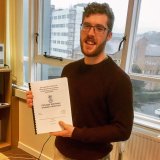
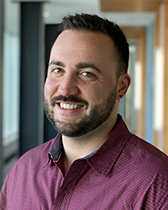
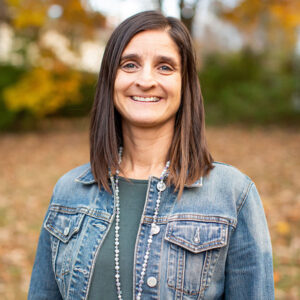
Liam Kelleher is a Research Fellow at Swansea University's College of Science, specializing in microplastic pollution and clinical tool development . His work bridges environmental science and health research through advanced spectroscopic techniques . Education : BSc Physics with Nanotechnology (1.1), Swansea University (2015) PhD (Centre for Nanohealth, Swansea University) Research Interests focus on environmental microplastic dynamics, including hydrological drivers , sensor development , and clinical applications of photobiomodulation for traumatic brain injury. His projects span from Arctic monitoring to neurodegenerative disease mechanisms. Recent Projects include POLARSENSE: Polar Online Airborne Nano/Microplastic Sensing (Principal Investigator) The Plastic Brain: Micro/Nanoplastics in Cerebrospinal Fluid (Principal Investigator) ADAPT: Photobiomodulation Device for TBI (Co-Investigator)
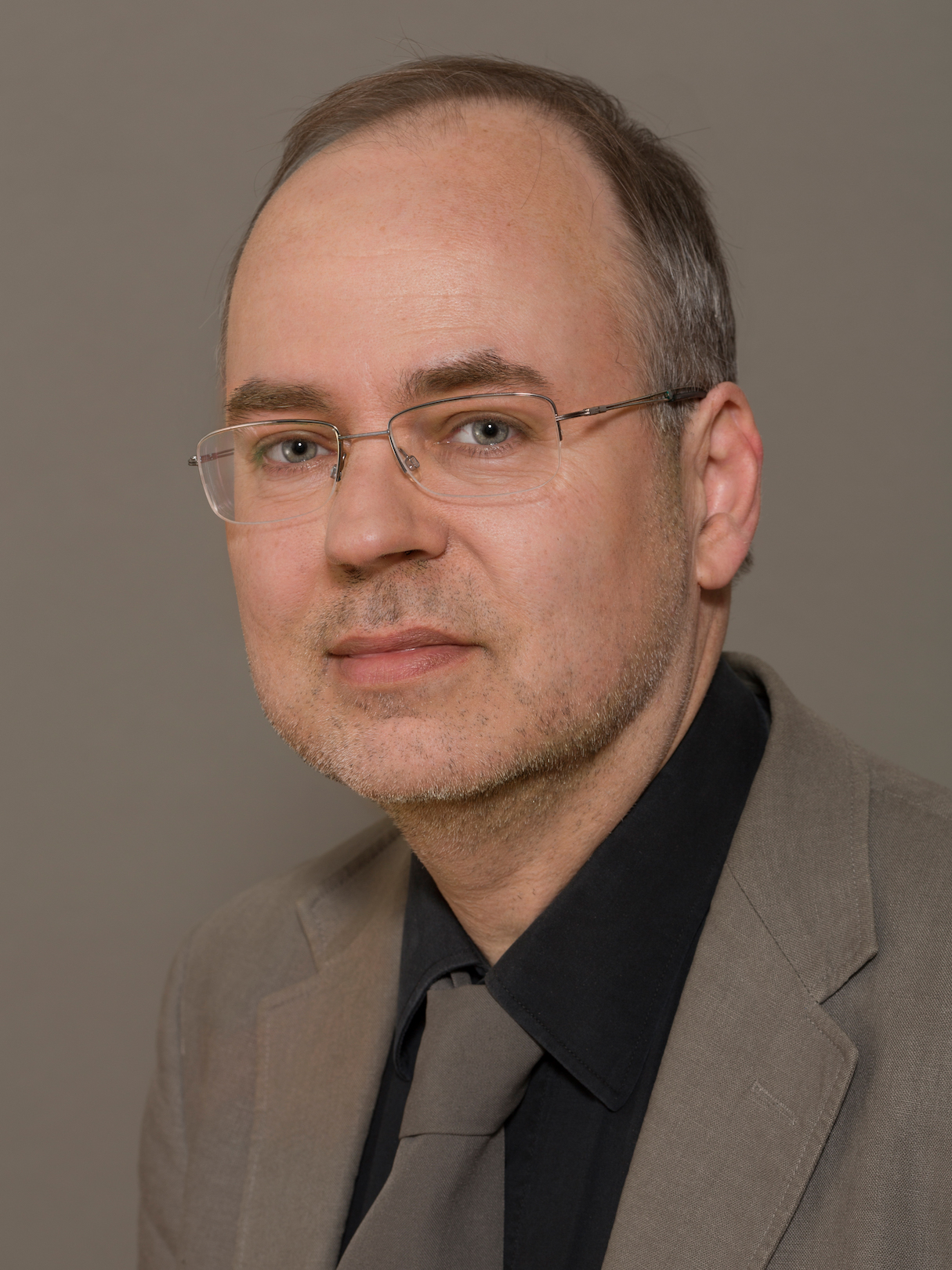
Professor Tomoji Kishi is a distinguished faculty member at Waseda University's School of Creative Science and Engineering, where he has been serving since 2009. Previously, he held academic positions at Japan Advanced Institute of Science and Technology (2003-2009) following a 21-year career at NEC Corporation (1982-2003). He earned his Ph.D. in Information Science from Japan Advanced Institute of Science and Technology in 2002, building upon his earlier engineering graduate studies at Kyoto University. Professor Kishi's research focuses on software engineering, particularly in software product line development, model checking, formal verification, and aspect-oriented modeling. His work bridges theoretical formal methods with practical applications in embedded systems, automotive software, and IoT technologies. He has made significant contributions to scalability challenges in model checking for configurable systems and has pioneered approaches to variability management and approximate modeling techniques. His publication record demonstrates remarkable consistency and evolution, with 42 papers and 153 citations according to Scopus data (h-index: 7), spanning from foundational work in software architecture in the 1990s to cutting-edge research on AI-enhanced verification methods in 2025. His recent work shows increasing application of machine learning techniques to traditional formal methods problems, particularly in the context of highly configurable systems and IoT applications. ITS Standardization Activity Merit Prize (2022) from Society of Automotive Engineers of Japan IPSJ/ITSCJ Standardization Contribution Award (2017) IPSJ/ITSCJ Project Editor Award (2016 and 2013) Information Processing Society of Japan Society Activity Contribution Award (2010) IPA/SEC Journal Best Paper Award (2007) Information Processing Society of Japan Yamashita Memorial Research Award (1998) Professor Kishi has led multiple JSPS-funded research projects, including recent work on 'variability management methods prioritizing usability through variability mining' (2020-2023) and 'utility-first modeling method' (2017-2020). His industry collaborations, particularly with automotive systems developers, demonstrate the practical impact of his research. He maintains active membership in major professional societies including IEEE Computer Society, ACM, and the Information Processing Society of Japan.
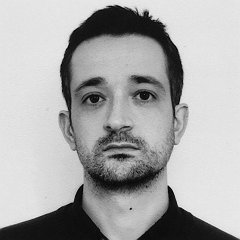
Gábor Bodnár is a Professor at the Institute of Arts Communication and Music , Eötvös Loránd University (ELTE) , where he serves as Head of the Department of Music Culture. His work bridges music pedagogy, creative education, and interdisciplinary studies. Academic Focus : Music education, creative teaching methods, and the integration of formal and non-formal education. Research Themes : Application of the Kodály concept in global teacher training, translation theory in musical contexts, and the interplay between text and music in art song repertoires. Publications : Recent works explore Aldous Huxley's musical ideas, Schumann's Dichterliebe revisions, and innovative pedagogical frameworks for music educators. Professional Impact : Bodnár has developed postgraduate programs emphasizing talent care and Kodály principles, influencing music education curricula and assessment systems in Hungary and beyond.
Karim Abu Salem serves as a Fixed-term Assistant Professor in the Department of Mechanical and Aerospace Engineering (DIMEAS) at the Polytechnic University of Turin, affiliated with the College of Mechanical, Aerospace, and Automotive Engineering. He additionally holds invited membership in the College of Management and Production Engineering. His teaching portfolio includes Aerospace Vehicle Design, Space Flight Mechanics/Structures, Space Environment Operations, and Aeronautical Legislation courses for both bachelor's and master's programs in Aerospace Engineering. Dr. Abu Salem's research centers on sustainable aviation innovation, specializing in box-wing aircraft configurations, hybrid-electric and hydrogen propulsion systems, and advanced structural design methodologies. His work addresses critical challenges in emissions reduction, flight dynamics optimization, and climate impact mitigation through computational modeling, metamodeling techniques, and multidisciplinary design analysis. Key focus areas include unconventional aircraft architectures, power management systems, and metamaterial applications for next-generation aerospace vehicles. Analysis of his recent publications (2023-2025) reveals a concentrated research trajectory toward decarbonizing regional and medium-range aviation. His work demonstrates increasing emphasis on liquid hydrogen propulsion, box-wing aerodynamic efficiency, and holistic environmental impact assessment beyond CO 2 emissions. The publications exhibit strong collaboration patterns with researchers like G. Palaia and E. Carrera, primarily targeting high-impact journals in aerospace engineering and sustainability. As an active educator, Dr. Abu Salem contributes to curriculum development across multiple aerospace engineering programs, bridging theoretical concepts with emerging sustainable aviation technologies through his course collaborations and lectures.
Ben Jann is a Professor and current Department Head at the University of Bern in the Department of Social Sciences . His methodological expertise spans statistical software development, decomposition analysis, and data visualization. Role: Department Head Institution: University of Bern Department: Department of Social Sciences Research Interests : Jann specializes in creating Stata modules for advanced statistical analysis, including geospatial mapping (geoplot), robust regression (robreg10), and inequality decomposition (oaxaca-blinder methods). His substantive work examines social inequality through economic and sociological lenses, analyzing how living costs and taxation systems impact income distribution in Switzerland. He also investigates educational transitions and gender disparities in STEM occupational choices through longitudinal studies like TREE2. Recent Publications Trends : Jann’s 15 most recent articles (2025-2023) demonstrate his focus on statistical software development for social science applications. Key contributions include methods for marginal odds ratios (2023), two-level model variance decomposition (2025), and list experiment analysis (2025). His empirical work connects statistical methodology to pressing social issues like gender wage gaps (2021) and teacher content knowledge in developing countries (2021).
David Roueche serves as the Gottlieb Associate Professor of Structural Engineering within the Department of Civil and Environmental Engineering at Auburn University's Samuel Ginn College of Engineering. His research focuses on structural performance under extreme wind events, forensic engineering methodologies, and improving building resilience against hurricanes and tornadoes through interdisciplinary approaches. Dr. Roueche's academic foundation includes advanced degrees from the University of Florida, with complementary physics training: Ph.D. in Structural Engineering, University of Florida M.S. in Civil Engineering, University of Florida B.S. in Civil Engineering, University of Florida B.S. in Engineering Physics, Jacksonville University His primary research explores extreme wind loads on low-rise buildings , post-disaster field investigations , and performance-based wind engineering , with specialized expertise in light wood-frame structures and surge/flood modeling. He integrates engineering analysis with social science through survivor interviews to reconstruct tornado events and identify vulnerabilities in residential construction, particularly for mobile and manufactured housing in the Southeastern United States. Analysis of his recent publications reveals a dominant focus on post-disaster assessment frameworks, field data collection protocols, and performance-based evaluation methods for wind-affected structures. His work increasingly emphasizes interdisciplinary collaboration—combining engineering, social science, and geospatial technologies—to develop comprehensive disaster response systems and improve building codes. Key trends include standardization of forensic engineering practices through organizations like StEER and application of computational modeling to predict structural failures. Dr. Roueche's significant recognitions include: Ginn Faculty Achievement Fellow designation NSF CAREER Award (2020) for advancing post-windstorm assessment methodologies He directs substantial research funding including a $500,000 USDA grant for timber-steel composite research and leads the Auburn Mass Timber Collaborative—an interdisciplinary initiative uniting forestry, architecture, and engineering faculty. Through the Structural Engineering Emergency Response (StEER) network, he coordinates Field Assessment Structural Teams for disasters like Hurricane Ian and the 2022 Arabi tornado, developing standardized protocols adopted nationally for post-disaster evaluations. His mentoring extends to doctoral students in civil engineering, with recent success in securing competitive fellowships for advisees. As a core member of StEER, Dr. Roueche develops and implements field assessment protocols used in rapid disaster response. He leads FAST teams deploying UAVs, LiDAR, and ground surveys to document structural performance after hurricanes and tornadoes, with datasets informing FEMA guidelines and building code revisions. His work with the Auburn Mass Timber Collaborative advances sustainable construction methods through experimental testing of innovative structural systems.
Scott Morris is the Nambury S. Raju Endowed Chair in Psychology and a Professor at Illinois Institute of Technology's Lewis College of Science and Letters. He directs the Industrial/Organizational Psychology Program and leads the Personnel Selection & Analytics Lab. Dr. Morris holds a Ph.D. in Industrial-Organizational Psychology from the University of Akron (1994) and a B.A. in Psychology from the University of Northern Iowa (1987). His research examines psychometric methods for fair personnel selection systems, with emphasis on: Advanced statistical models for employment testing Adverse impact analysis and workplace equity Meta-analysis methodology and validity generalization Computer adaptive testing and item response theory Bias in subjective hiring practices and interviews His publications demonstrate consistent focus on quantitative methods for employment decisions, with recent works concentrating on meta-analytic techniques, adverse impact analytics, and adaptive testing systems. Earlier research established foundations in effect size estimation and differential item functioning. Honors include: Fellow, Society for Industrial and Organizational Psychology Fellow, American Psychological Association Dr. Morris serves as Associate Editor for the Journal of Applied Psychology and develops open-source psychometric software. His lab investigates selection system design, AI in hiring reactions, and multidimensional testing applications.
Martin Voracek is a Professor of Psychological Research Methods at the University of Vienna, Faculty of Psychology, where he serves as Deputy Head of the Department of Cognition, Emotion, and Methods in Psychology. He is also Head of School and Speaker for the Vienna Doctoral School CoBeNe, Director of Doctoral Studies for Psychology, Cognition, Behaviour and Neuroscience, and Chair of the University of Vienna Ethics Committee. Professor Voracek specializes in meta-analysis and systematic reviews, focusing on methodology for research synthesis and integration, including publication bias and evidence distortion in empirical research. His work also encompasses individual differences research, particularly biological bases of personality and behavior, and suicide research. His extensive publication record spans topics including psychological methods, mindfulness studies, digit ratio research (2D:4D), and cross-cultural psychological measurement. Voracek's research output demonstrates a clear trend toward large-scale, multinational collaborative studies, particularly in developing measurement-invariant psychological instruments across diverse populations. His recent work has focused on validating scales across 65 nations and 40+ languages, examining constructs like life satisfaction, self-compassion, body appreciation, and nature connectedness. His methodological expertise is evident in numerous meta-analyses and systematic reviews across diverse psychological domains. Among his notable scientific contributions are leadership roles in the Network of Open Science Initiatives at Psychology Departments (NOSI) and serving as Editor-in-Chief of the Journal of Individual Differences. His work has significantly advanced methodological approaches to psychological research, particularly in meta-analysis and research synthesis. Professor Voracek supervises numerous theses and leads doctoral education through the Vienna Doctoral School CoBeNe. His teaching portfolio includes courses on research approaches in cognitive psychology, master's thesis seminars, and specialized research seminars focusing on metascience, meta-analysis, scientific discourse analysis, and language neuroscience.
Mikael Forsman serves as Professor and Head of the Division of Ergonomics at KTH Royal Institute of Technology's School of Engineering Sciences in Chemistry, Biotechnology and Health (CBH). With a PhD in Medical Electronics from Chalmers University (1995), he has specialized in ergonomics research since 1994, developing both advanced research methods and practical tools for practitioners. His work spans laboratory experiments, field studies, and participative interventions at individual and organizational levels. M.Sc. (E. Eng.) from Chalmers University of Technology, Göteborg (1987) Ph.D. in Medical Electronics from Chalmers University of Technology (1995) Docent of Ergonomics, Department of Human Factors Engineering (1999) Forsman's research centers on reliable measurement methods for ergonomic risk assessment and prevention of musculoskeletal disorders. Key areas include: Development of inexpensive, user-friendly systems using microelectronics for biomechanical exposure measurement Field studies of physical and psychosocial exposures across various occupations Creation of questionnaires and investigation of correlations between work ability, musculoskeletal pain, and workload Work accident prevention and analysis Participative ergonomic interventions at multiple organizational levels Analysis of his recent publications (2023-2025) reveals three dominant research trends: (1) Development and validation of wearable sensor technologies for real-time ergonomic assessment; (2) Application of ergonomic principles in specialized fields like surgery, construction, and waste management; (3) Integration of human factors with digital technologies such as BIM. His work consistently bridges theoretical biomechanics with practical workplace solutions, emphasizing accessible methods for practitioners. Forsman has supervised approximately 20 master's theses and served as main supervisor for 3 doctoral theses with 8 additional co-supervised theses. Currently, he supervises 3 PhD students as main supervisor and 4 others as co-supervisor. He has led approximately 12 research projects and participated as co-applicant in about 20 projects funded by research councils. His educational contributions include responsibility for numerous master's level courses in ergonomics and work environment. As leader of KTH's Division of Ergonomics, Forsman directs research on biomechanical exposure measurement and practical ergonomic interventions. He actively promotes Nordic collaboration in ergonomics research, noting similarities in work life and research traditions across the region. Current projects include the Smart Workwear Consortium developing systems with real-time vibrotactile feedback for reducing postural exposure in industrial settings, and research on leadership aspects associated with digital technology adoption in construction.
Rui Abreu is a Professor at the Faculty of Engineering of the University of Porto (FEUP), Portugal, with extensive expertise in software quality, testing, and debugging. Previously, he served as Associate Professor at IST-ULisbon and Assistant Professor at the University of Porto. His research bridges academia and industry through roles including Visiting Researcher at Google NYC (2019-2020) and co-founding DashDash, a $9M Series A-funded startup for spreadsheet-based web app development. His educational background includes a Ph.D. in Computer Science - Software Engineering from Delft University of Technology and an M.Sc. in Computer and Systems Engineering from the University of Minho. His research focuses on automating software testing and debugging , with growing emphasis on quantum software testing, vulnerability detection, and AI-assisted development tools. Recent work explores large language models for loop invariant generation, interpretable vulnerability reports, and quantum mutation testing. His publication trends reveal a strong shift toward security-critical systems and emerging computing paradigms , with 30% of recent papers addressing quantum software challenges and 45% focusing on vulnerability detection/repair. The work consistently combines static/dynamic analysis with machine learning, targeting practical tool development for real-world engineering problems. 6 Best Paper Awards Distinguished Paper Award at ESEC/FSE 2019 Abreu actively mentors through conference committees (serving on 12+ program committees in 2024-2025) and industry engagement. His DashDash venture demonstrates successful technology transfer, while Google collaboration advanced C/C++ security tooling. Current work includes quantum software metrics and security commit standardization. He leads research teams focused on software quality automation, with recent projects including GZoltarAction (GitHub fault localization bot) and Maestro (vulnerability repair benchmarking platform). Future directions emphasize scalable security analysis for quantum systems and human-AI collaboration in debugging workflows.
Marti Roger is an Ordentlicher Professor (Full Professor) of Organic Chemistry and Process Chemistry at the University of Applied Sciences and Arts Western Switzerland (HES-SO), specifically at the Haute école d'ingénierie et d'architecture de Fribourg (HEIA-FR). He is a member of the ChemTech Institute of Chemical Technologies and holds a leadership role in research and education in sustainable chemistry. His academic career includes positions at ZHAW Winterthur/Wädenswil (2004–2009) and HEIA-FR since 2009. Education: B.Sc. in Chemistry from Technikum Winterthur and ETH Zurich, followed by a Ph.D. under Prof. Dr. D. Seebach at ETH Zurich. Postdoctoral research at Sandoz Pharma USA and industrial experience at Carbogen AG in pharmaceutical development and scale-up. Research focuses on synthetic organic chemistry, green chemistry, process development, and polymer science. Key projects include biodegradable facemasks (Public Mask project), smart hydrogels for tissue engineering, and sustainable biofuels from PHA. He leads or collaborates in HES-SO-funded projects addressing environmental challenges in materials and energy sectors. Teaching responsibilities include B.Sc. courses in organic chemistry (aromatic compounds, carboxylic acids, organometallic reactions) and M.Sc. courses in process chemistry and polymer applications. He emphasizes flow chemistry education and sustainable process design. Notable achievements include scaling up diformylxylose production from biomass, designing mini-CSTR reactors for oxidation reactions, and developing biodegradable polymers for medical use. His work balances academic innovation with industrial relevance, guided by life-cycle assessments for environmental impact minimization. Labs/Teams: Active in ChemTech Institute and collaborates with partners like Hepia, iTEC, and VS-Instituts. Projects span from bio-based materials to CO2-neutral fuels and eco-concretes.
Prof. Necdet Torunbalcı is a Professor at the Department of Architecture, Istanbul Technical University. He has held roles such as Department Chair (2013–2017) and has been a faculty member since 1987. His expertise lies in structural engineering with a focus on earthquake-resistant design, masonry structures, historical building conservation, and steel/concrete systems. Education: PhD in Structural Engineering (1989–1994) from Istanbul Technical University MSc in Structural Engineering (1985–1987) from Istanbul Technical University BSc in Civil Engineering (1980–1984) from Yıldız Technical University Research Interests: His work emphasizes seismic retrofitting of historical structures, base isolation systems, masonry wall strengthening, and sustainable architectural design. He has led projects on adaptive reuse of industrial heritage and innovative reinforcement techniques like CFRP and Khorasan mortar. Recent Article Trends: Focus on experimental studies of masonry strengthening, seismic control methods, and the interplay between architectural form and structural systems in complex buildings like inclined/twisted structures. His work bridges historical preservation with modern seismic safety standards. Awards: No explicit awards listed, but his h-index of 27 reflects significant scholarly impact. Advising & Grants: Supervised 13 theses, including recent works on hybrid seismic systems and historical structure evaluation. Active in SRP-funded projects on masonry reinforcement and base isolation applications. Labs/Teams: Leads research teams focused on structural testing, historical building analysis, and sustainable retrofitting methodologies. Collaborates on adaptive reuse projects of industrial heritage sites like Patara Antic City and Feshane-i Amire.
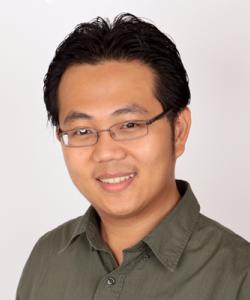
Tuan Nguyen is an Associate Professor of Educational Leadership and Policy Analysis at the University of Missouri, affiliated with both the Truman School of Government and Public Affairs and the College of Arts and Science. His research focuses on teacher leadership, school improvement, teacher labor markets, and the impact of financial aid on postsecondary education outcomes. He maintains an active public engagement presence through policy briefs, media commentary, and a dedicated website analyzing U.S. teacher shortages (teachershortages.com). Nguyen's work examines systemic challenges in educator recruitment and retention, particularly in rural and high-need settings. His research integrates policy analysis with practitioner insights, addressing issues like the distribution of qualified teachers, the effects of federal initiatives (e.g., Race to the Top), and the interplay between teacher working conditions and attrition. He has contributed to national conversations on STEM teacher shortages, special educator workforce diversity, and the role of financial aid in student persistence. His media engagements include appearances on PBS, NBC Today Show, and AAAS SciLine, where he discusses teacher turnover, merit pay, and rural education challenges. Nguyen emphasizes equity-focused research, advocating for evidence-based policies to address disparities in access to high-quality educators. His teaching philosophy emphasizes diverse pedagogical approaches and has been recognized through strong student evaluations across secondary and graduate education contexts.
Ben Owen is the Director of the Integrated Molecular Structure Education and Research Center (IMSERC) and a Research Professor at Northwestern University's Department of Chemistry. He oversees IMSERC's technical operations, strategic direction, and educational initiatives, managing six core facilities including Mass Spectrometry, NMR Spectroscopy, and Laser/Electronics Design. Previously, he held roles at Agilent Technologies as a Mass Spectrometry Product Specialist and Field Applications Scientist, specializing in clinical research, metabolomics, and product impurity analysis. Owen earned his PhD in Analytical Chemistry from Purdue University (2012), focusing on mass spectrometry for biofuel production. His expertise spans instrumentation development, sample analysis, and training in advanced analytical techniques. IMSERC, under his leadership, serves as a centralized resource for molecular structure characterization at Northwestern. Education: PhD in Analytical Chemistry, Purdue University (2012) BS in Chemistry, University of Illinois at Springfield (2008) Research Interests: Owen's work emphasizes mass spectrometry innovation, metabolomics, and analytical instrumentation for applications in bioenergy, clinical research, and material science. His contributions include developing novel methods for lignin analysis and advancing laser-based desorption techniques. IMSERC's interdisciplinary environment enables collaborative projects across Northwestern's research community. Advising & Grants: While no specific advisees or grants are listed, his role as a Research Professor and Director of IMSERC likely involves mentoring students and researchers through facility access and training programs. IMSERC's operational funding supports its role as a university-wide core facility. Labs/Teams: Owen leads IMSERC, a two-floor facility housing advanced instrumentation cores and staff dedicated to analytical chemistry, structural biology, and materials characterization. His team collaborates with academic and industrial partners to advance analytical methodologies.
Dr. Dawn P. Coe is an Associate Professor in the Department of Kinesiology at the University of Tennessee, Knoxville, within the College of Education, Health, and Human Sciences. Her research focuses on pediatric exercise physiology, particularly the impact of physical activity on youth cognition and academic success, as well as physical activity assessment in outdoor settings. Dr. Coe holds a PhD in Kinesiology from Michigan State University, an MA in Physical Education & Sport from Central Michigan University, and a BS in Kinesiology from the University of Michigan. She is a Fellow of the American College of Sports Medicine (ACSM) and a Certified Clinical Exercise Physiologist. She actively contributes to national committees, including the ACSM and NASPEM (North American Society for Pediatric Exercise Medicine), serving as president-elect of NASPEM. Her research explores physical activity’s role in academic achievement, motor competence, and health outcomes in diverse populations, including children with disabilities. Key themes include optimizing physical activity in early childhood environments, playground design, and family-centered outdoor activity programs. Professional Roles: NASPEM President-Elect, ACSM Committee Member Awards: ACSM Fellowship, Clinical Exercise Physiologist Certification Dr. Coe’s work extends to community engagement, such as developing interventions like the Active Families in the Great Outdoors program. Her studies frequently address disparities in physical activity access and outcomes among youth with disabilities, emphasizing inclusive practices and environmental adaptations.