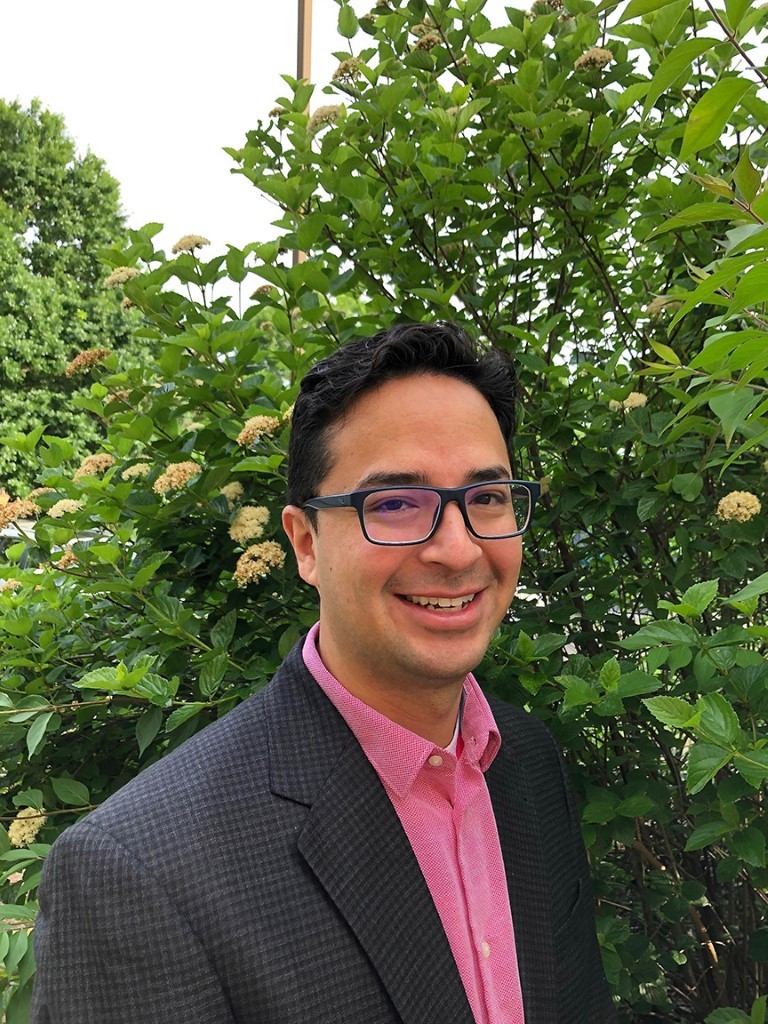
Thomas ByrdView profile
Assistant Professor
Thomas Byrd, MD, MS, serves as Assistant Professor in the Division of Hospital Medicine within the Department of Medicine at the University of Minnesota School of Medicine. His academic work bridges clinical practice with cutting-edge informatics research, focusing on improving hospital-based care through technological innovation and data-driven approaches. Dr. Byrd's research program centers on artificial intelligence applications in surgical and critical care settings, patient deterioration detection systems, and secure clinical communication technologies. His investigations span validation of deterioration index models, barriers to secure messaging adoption, AI-driven radiology follow-up systems, and earlier work in medical imaging and biomedical engineering. This multidisciplinary focus aims to enhance patient safety through real-time monitoring, workflow optimization, and predictive analytics in hospital environments. Analysis of his 15 most recent publications (2014-2024) reveals an evolving research trajectory from biomedical engineering foundations toward AI-driven clinical solutions. Key thematic clusters include: (1) AI applications in surgery and critical care triage; (2) patient deterioration monitoring systems; (3) secure mobile communication adoption; and (4) earlier biomedical engineering work in medical imaging and drug delivery systems. The publications demonstrate increasing focus on translational informatics with strong emphasis on real-world implementation challenges. Scientific Awards: No scientific awards documented in available source material Advising and Grants: While Dr. Byrd's role as faculty suggests potential advising responsibilities, no student names or grant funding details appear in the provided documentation. His research output indicates active investigation in clinical informatics but specific mentoring activities or funded projects remain unspecified in the source text. Laboratory and Team Affiliations: Dr. Byrd is institutionally anchored in the Division of Hospital Medicine at the University of Minnesota, though specific laboratory facilities or dedicated research teams are not described. His collaborative work appears cross-disciplinary, spanning departments of medicine, surgery, radiology, and biomedical engineering as evidenced by publication topics.