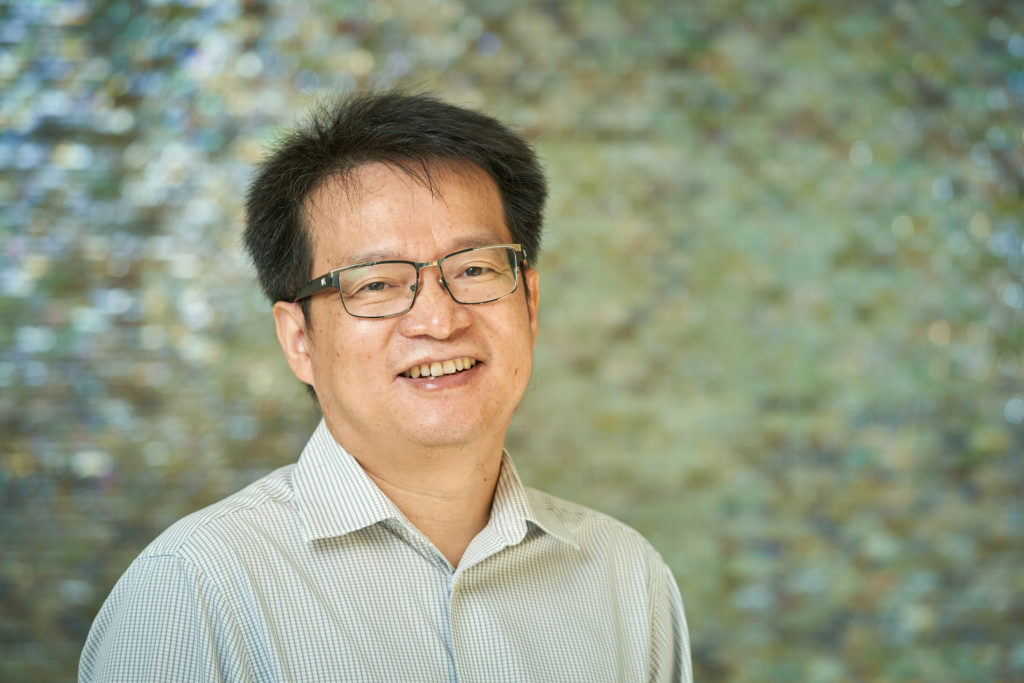
Melanie OhiView profile
Professor
Melanie Ohi serves as Rowena G. Matthews Collegiate Professor in the Life Sciences, Research Professor, and Cryo-EM Facility Faculty Director at the University of Michigan Life Sciences Institute (LSI), while holding a professorship in the Medical School's Department of Cell and Developmental Biology. She advises LSI graduate students and postdocs, directing structural biology research at the intersection of human health and molecular machinery. Dr. Ohi earned her B.S. in Chemistry from Pacific Lutheran University (1996) and Ph.D. in Cell Biology from Vanderbilt University (2002) under Kathy Gould, followed by Jane Coffin Childs Postdoctoral Fellowship at Harvard Medical School (2002-2007) with Tom Walz. Her research integrates single-particle cryo-EM with biochemical, genetic, and biophysical approaches to dissect macromolecular machines. Key projects examine spliceosome architecture in pre-mRNA processing, bacterial pathogenesis mechanisms (including Helicobacter pylori toxins and Legionella secretion systems), and PMP22's role in peripheral nerve myelin maintenance and Charcot-Marie-Tooth Disease. This work reveals how dynamic protein assemblies drive cellular functions and disease pathologies. Recent publications demonstrate consistent focus on membrane-embedded complexes, with cryo-EM breakthroughs elucidating toxin oligomerization, secretion system symmetry, and myelin protein architecture. Her lab specializes in solving structures of challenging dynamic assemblies that resist crystallization. National Institutes of Health New Innovator Award (2008) Elected Fellow, American Association for the Advancement of Science (2021) Dr. Ohi mentors ten graduate students (five current, five alumni) and multiple postdocs, supported by NIH funding including the New Innovator Award and University Biosciences Initiative grants. Her collaborative network spans Vanderbilt University researchers Tim Cover, Borden Lacy, and Chuck Sanders. The Ohi Lab operates within U-M's Life Sciences Institute, leveraging the Cryo-EM Facility she directs. Collaborative projects with Vanderbilt teams investigate bacterial virulence mechanisms, while structural studies of PMP22 involve membrane reconstitution assays. The lab maintains active participation in national cryo-EM training workshops.